
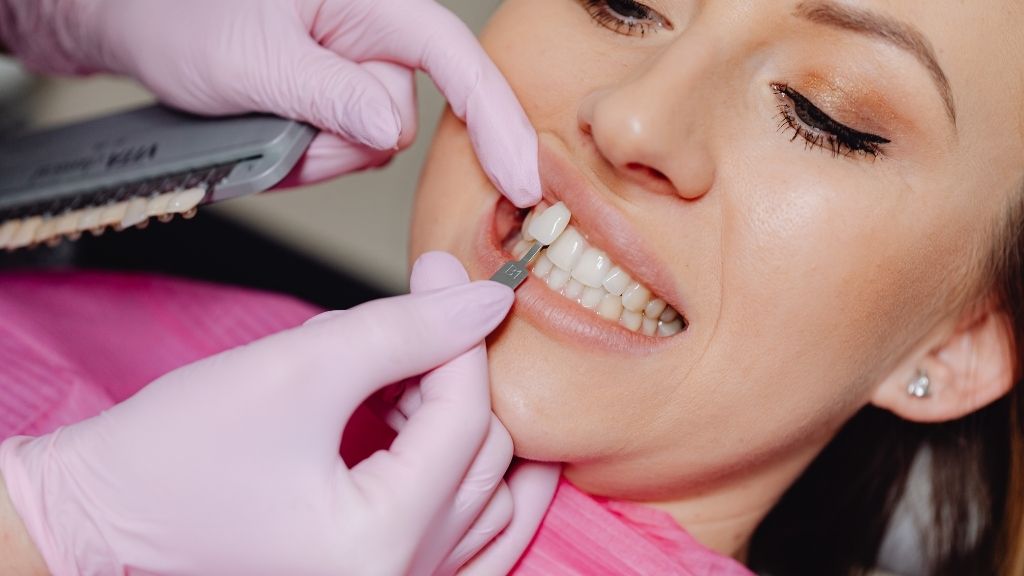
No Prep Veneers in Los Angeles
Cosmetic veneer treatment does not always require reshaping natural teeth, but determining when preparation can be avoided requires careful clinical judgment. People exploring no prep veneers in Los Angeles are often interested in improving tooth shape, spacing, or surface appearance while preserving as much natural enamel as possible. This type of veneer treatment is designed for specific situations where tooth proportions, alignment, and bite dynamics already allow added material without compromising comfort.
At PhD Dental, no prep veneers in Los Angeles are evaluated with a conservative mindset that prioritizes enamel preservation and long term oral health rather than cosmetic trends. Not every smile is a candidate for no preparation placement. Understanding those limitations is essential to achieving natural looking results. Treatment planning focuses on if veneers can be placed without altering tooth structure while maintaining proper bite relationships. If you are considering cosmetic veneers and want to understand if a no preparation approach is appropriate for your smile, a detailed evaluation can clarify your options and outline realistic outcomes. Call PhD Dental at (323)269-5437 or visit our contact page to schedule a consultation today.
Top-Rated Dentists
in Los Angeles
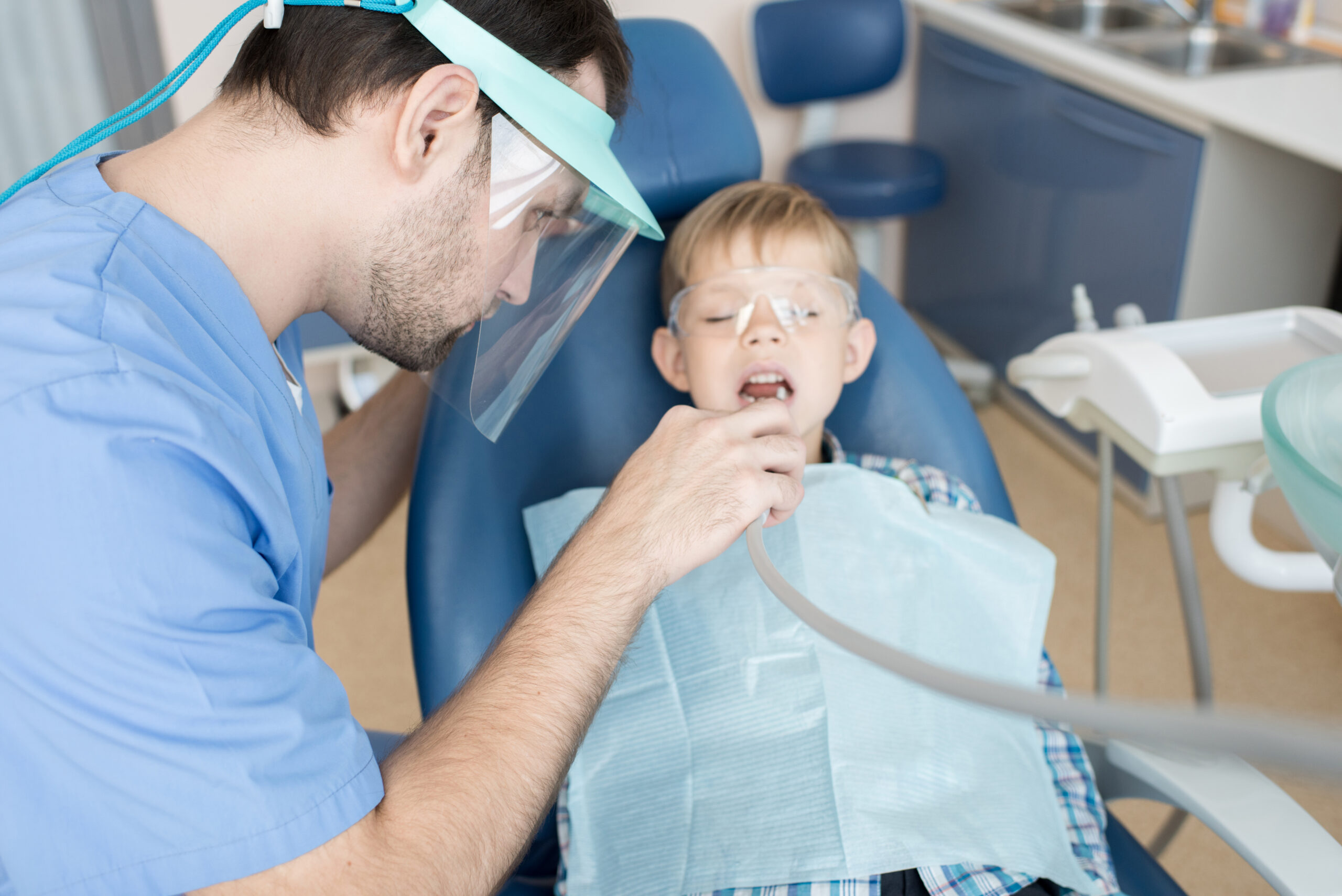
Patient-First Dentistry for Every Stage of Life
From early childhood development to adult care, we focus on patient comfort and comprehensive treatment.
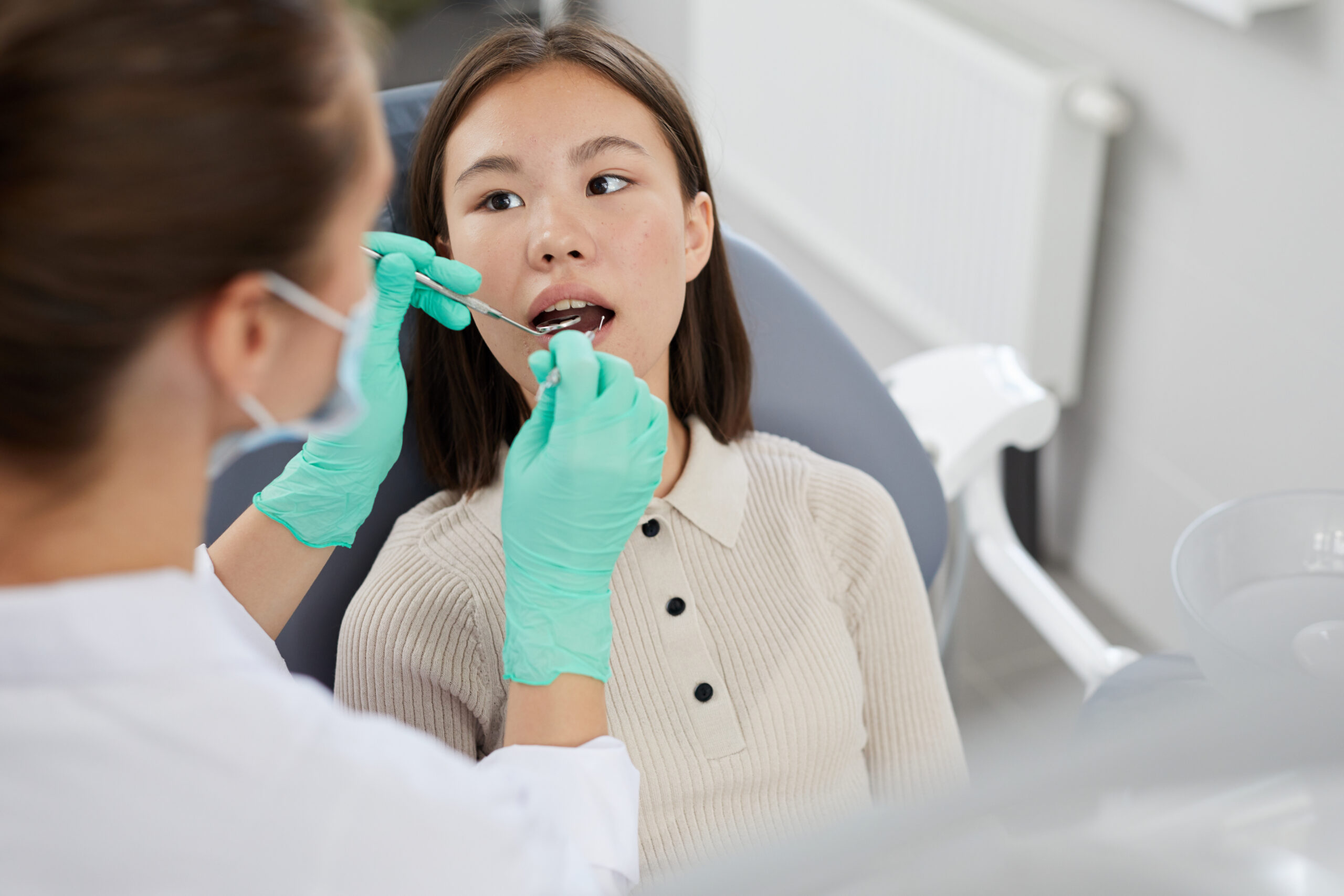
Removing Barriers to Dental Care
We believe everyone deserves access to high-quality dental care, regardless of financial situation.

Comprehensive Dentistry Under One Roof
Orthodontics, implants, oral surgery, and preventative care all conveniently located in our clinics.
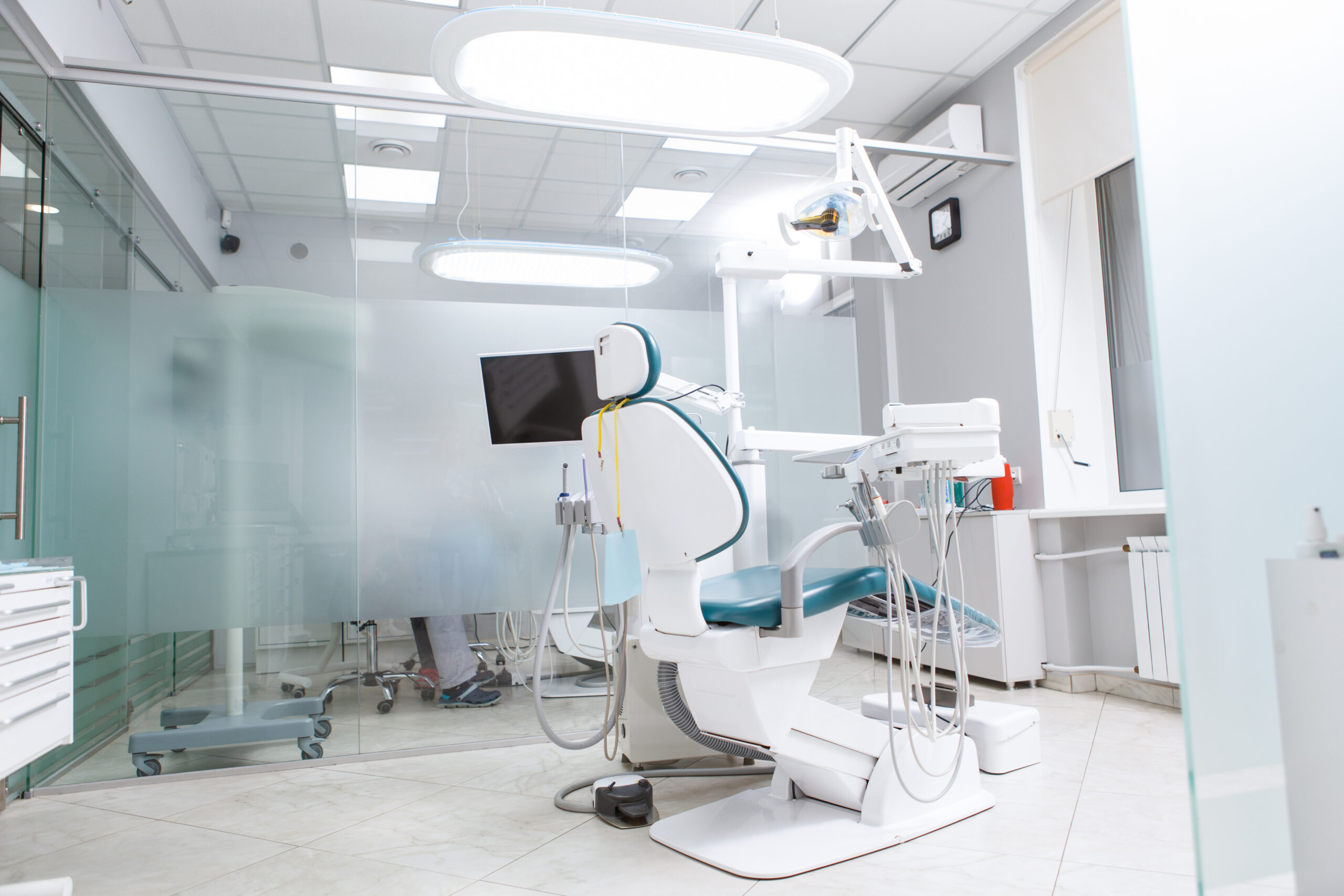
Expertise, Access & Convenient Locations
Multiple clinic locations across Los Angeles with extended hours to fit your busy schedule.
Table of Contents
- When No Prep Veneers Are Clinically Appropriate
- How No Prep Veneers Are Planned And Placed Without Tooth Reduction
- What Patients Should Understand About The Longevity Of No Prep Veneers
- How PhD Dental Evaluates No Prep Veneers With Long Term Outcomes In Mind
- Get a Consultation From PhD Dental Today and Learn About Our No-Prep Veneers in Los Angeles
When No Prep Veneers Are Clinically Appropriate
No prep veneers are clinically appropriate only when existing tooth anatomy allows additional material to be placed without altering natural enamel contours or disrupting bite function. Patients researching no prep veneers in Los Angeles often assume this option is broadly applicable, but suitability depends on very specific structural and functional conditions. Determining appropriateness requires evaluating tooth position, enamel thickness, spacing, and how the teeth already interact during everyday use.
At PhD Dental, no prep veneers in Los Angeles are recommended only when conservative placement can achieve aesthetic improvement without creating bulk, bite interference, or long term maintenance concerns. This approach emphasizes restraint and case selection rather than adapting the teeth to fit a veneer concept. The situations below outline when no preparation placement is most likely to produce stable and natural looking results.

No prep veneers are most appropriate when teeth have sufficient enamel thickness and surface contours that can accommodate a veneer without adding excessive bulk. Teeth that are naturally upright, slightly recessed, or smaller in proportion often provide better conditions for additive placement. Adequate enamel allows the veneer to bond securely while maintaining a natural transition at the gumline. Surface contour plays a critical role in how the veneer integrates visually and functionally.
Why Enamel Thickness Limits No Prep Veneer Placement
Veneers rely on enamel for predictable bonding and long term stability. Teeth with thin or compromised enamel may not tolerate additional material without increasing failure risk. Evaluating enamel thickness helps prevent compromised adhesion and edge visibility.
How Dentists Assess Enamel Suitability Clinically
Dentists examine tooth translucency, surface texture, and wear patterns to estimate enamel availability. These findings help determine whether no preparation placement is feasible. Clinical judgment guides candidacy decisions.
No prep veneers are appropriate when cosmetic concerns involve small shape discrepancies, minor spacing, or surface irregularities rather than significant alignment or color issues. Because no enamel is removed, the veneer must correct the concern additively rather than by masking severe defects. Situations requiring major color change or repositioning often exceed the limits of no prep placement. Conservative indications produce more predictable results.
Why Additive Correction Has Defined Limitations
Adding material can improve proportion only within a narrow range before teeth appear bulky or unnatural. Large corrections require space that additive methods cannot create. Recognizing these limits prevents aesthetic compromise.
How Dentists Match Veneer Design To Cosmetic Scope
Dentists evaluate whether the desired change can be achieved within existing tooth dimensions. Design decisions are based on balance rather than maximum coverage. Matching scope to technique protects outcome quality.
No prep veneers are most appropriate for patients who want refinement rather than dramatic cosmetic change. The treatment is designed to enhance existing tooth shape and appearance, not to completely redefine the smile. Patients who value enamel preservation and subtle improvement tend to be better candidates. Expectation alignment is essential for satisfaction.
Why Conservative Goals Align With No Prep Techniques
No prep veneers work within existing anatomical boundaries rather than altering them. Expecting major transformation can lead to dissatisfaction even when veneers are well executed. Aligning goals with technique ensures realistic outcomes.
How Dentists Discuss Outcome Boundaries During Planning
Dentists explain what changes are achievable without preparation and where limitations exist. Visual aids and mockups may be used to clarify scope. Clear discussion prevents misunderstanding.
How No Prep Veneers Are Planned And Placed Without Tooth Reduction
Planning no prep veneers without altering natural tooth structure requires a highly controlled evaluation process that prioritizes enamel preservation and functional harmony. Patients exploring no prep veneers in Los Angeles often assume that avoiding tooth reduction simplifies treatment, yet the absence of preparation actually increases the importance of planning accuracy. Every decision must account for existing tooth anatomy, available space, and how added material will affect appearance, comfort, and long term bite stability.
At PhD Dental, no prep veneers in Los Angeles are planned with a conservative philosophy that treats enamel as a nonrenewable resource. Veneer placement is considered only when additive changes can be made without compromising tooth proportions or creating functional interference. The planning and placement process is intentionally methodical to ensure veneers enhance appearance while remaining compatible with natural dental anatomy.

The planning process begins with a comprehensive evaluation of tooth shape, alignment, surface contours, and enamel condition to determine whether veneers can be added without reduction. Diagnostic records such as high resolution photographs, detailed impressions, and digital scans are collected to capture precise anatomical information. These records allow dentists to analyze spatial limitations and predict how veneers will integrate with existing tooth surfaces. Thorough documentation reduces reliance on estimation during placement.
Why Diagnostic Records Are Critical For No Prep Veneer Planning
No prep veneers require precise knowledge of how much physical space is available on each tooth surface. Without accurate records, veneer placement risks creating excessive thickness, unnatural contours, or interference with adjacent teeth. Diagnostic data provides an objective foundation for conservative decision making.
How Digital Imaging Improves Planning Precision
Digital imaging enables simulation of veneer placement before any irreversible steps occur. Dentists can evaluate proportions, alignment, and edge positioning virtually to identify potential concerns. This predictive planning reduces unexpected outcomes.
Once evaluation confirms suitability, veneer design focuses on working strictly within the natural dimensions of each tooth rather than reshaping anatomy to accommodate restorations. Design decisions consider facial orientation, incisal edge position, and how veneers transition at the gumline. Each veneer is shaped to complement surrounding teeth without adding unnecessary bulk. Design precision determines whether results appear natural or artificial.
Why Veneer Thickness Directly Affects Comfort And Function
Even minor increases in thickness can alter speech patterns, create pressure against lips, or disrupt bite relationships. Thin veneers require careful engineering to maintain strength while remaining unobtrusive. Thickness control is essential for comfort and durability.
How Dentists Customize Veneer Shape On A Tooth By Tooth Basis
Uniform veneer designs rarely integrate naturally across different teeth. Dentists evaluate each tooth individually to adjust contour, width, and edge position. Customization ensures cohesive aesthetics without compromising function.
A trial evaluation phase is often used to assess how veneers appear and function before permanent bonding occurs. Temporary mock ups allow both patient and dentist to observe changes during speaking, smiling, and normal daily activity. This step provides valuable insight into aesthetics and comfort without altering natural enamel. Trial evaluation reduces uncertainty before final placement.
Why Trial Evaluation Is Especially Important For No Prep Veneers
Because no enamel is removed, correcting issues after final placement can be more limited. Trial evaluation allows refinements to be made before committing to permanent bonding. This reduces the likelihood of dissatisfaction.
How Patient Feedback Influences Final Veneer Adjustments
Patient observations regarding appearance, feel, and bite comfort are incorporated into final design refinement. Dentists balance subjective feedback with clinical requirements to finalize veneer contours. Collaboration improves alignment between expectations and outcomes.
Final placement focuses on securing veneers to enamel while verifying that bite forces are distributed evenly across the teeth. Dentists evaluate how veneers interact during chewing, speaking, and jaw movement to ensure compatibility with natural function. Adjustments are made as needed to prevent stress concentration on veneer edges. Functional verification protects long term stability.
Why Bite Evaluation Is Essential During Veneer Placement
Even thin restorations can alter how teeth contact one another during function. Improper contact increases the risk of chipping, discomfort, or premature wear. Bite evaluation identifies and corrects these risks before problems develop.
How Dentists Ensure Veneers Integrate Seamlessly With Natural Teeth
Final refinement includes smoothing transitions, verifying alignment, and confirming surface texture consistency. Dentists ensure veneers blend visually and functionally with adjacent teeth. Integration maintains comfort and natural appearance.
What Patients Should Understand About The Longevity Of No Prep Veneers
Longevity is one of the most important considerations for anyone evaluating cosmetic veneer treatment that does not involve tooth reduction. Patients researching no prep veneers in Los Angeles often focus on the immediate aesthetic outcome, but long term performance depends on how veneers interact with natural enamel, bite forces, and daily habits over time. Understanding what influences durability helps patients make informed decisions and avoid assumptions that all veneer treatments perform the same way.
At PhD Dental, discussions around no prep veneers in Los Angeles include realistic expectations about lifespan, maintenance, and factors that can shorten or extend how long results remain stable. Because no prep veneers rely entirely on existing tooth structure for support, longevity is closely tied to case selection and functional conditions rather than materials alone. The following considerations clarify how long term performance is evaluated.
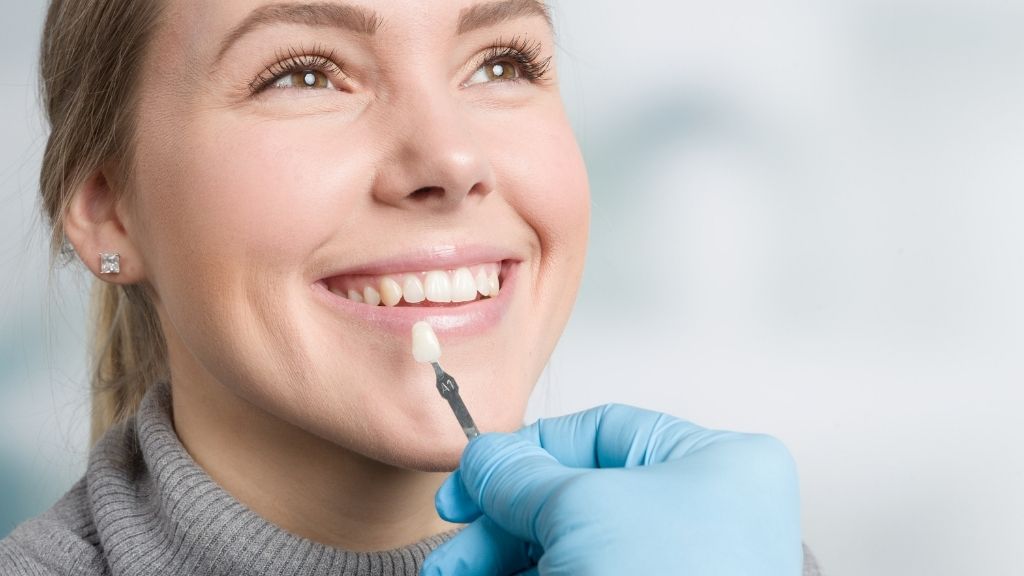
No prep veneers depend on natural enamel for bonding strength and retention, which makes enamel quality a primary factor in longevity. Enamel provides a reliable surface for adhesion, but its thickness, wear patterns, and prior restorations all influence how well veneers remain bonded over time. Teeth with intact enamel typically offer more predictable long term performance than teeth with erosion or previous damage. Preservation alone does not guarantee durability, but it establishes necessary conditions.
Why Bonding To Enamel Differs From Bonding To Other Surfaces
Enamel offers a stable and consistent surface compared to dentin or restorative materials. Bonding predictability decreases when enamel is thin or compromised. Long term retention depends on maintaining this bond under functional stress.
How Dentists Evaluate Enamel Quality During Longevity Planning
Dentists assess surface texture, translucency, and wear to estimate bonding reliability. These observations help determine whether no prep veneers are likely to remain stable over time. Enamel evaluation guides risk assessment.
Daily function places repeated forces on veneers during chewing, speaking, and parafunctional habits such as grinding. No prep veneers are thinner by design, which makes them more sensitive to stress concentration at the edges. Bite dynamics influence how force is distributed across the veneers and surrounding teeth. Longevity depends on whether veneers are placed in areas of controlled contact.
Why Excessive Bite Pressure Shortens Veneer Lifespan
Uneven or heavy contact increases the risk of chipping or debonding over time. Thin restorations tolerate less stress before material fatigue occurs. Evaluating bite relationships helps reduce mechanical failure risk.
How Dentists Assess Functional Stress Before Placement
Dentists observe contact patterns during movement and closure to identify high stress zones. Veneers are avoided or modified in areas with excessive force. Functional analysis informs longevity planning.
Long term performance of no prep veneers is influenced by how consistently they are maintained through daily care and professional monitoring. Oral hygiene habits, diet choices, and routine dental visits all affect surface integrity and gum health around veneers. Maintenance does not prevent all wear, but neglect accelerates deterioration. Longevity reflects ongoing care.
Why Daily Habits Influence Veneer Performance Over Time
Frequent exposure to hard foods or abrasive habits increases wear on thin veneer edges. Poor hygiene can affect gum tissue around veneers, altering margins. Daily behavior shapes long term outcomes.
How Professional Monitoring Helps Identify Early Wear Or Stress
Regular evaluations allow dentists to observe subtle changes before failure occurs. Early detection permits adjustments or protective strategies. Monitoring extends functional lifespan.
No prep veneers do not have a universal lifespan that applies to every patient. Longevity varies based on tooth anatomy, functional patterns, and adherence to care recommendations. Comparing outcomes across different cases without context leads to unrealistic expectations. Individual factors matter more than generalized timelines.
Why Case Selection Determines Long Term Performance
Appropriate candidates experience more predictable outcomes because veneers are placed within anatomical and functional limits. Marginal cases face higher stress and wear. Selection influences durability.
How Dentists Communicate Realistic Longevity Expectations
Dentists discuss how individual conditions affect expected performance over time. These conversations clarify risks and maintenance responsibilities. Transparency supports informed decisions.
How PhD Dental Evaluates No Prep Veneers With Long Term Outcomes In Mind
Evaluating no prep veneers requires more than determining whether veneers can be placed without tooth reduction, because long term outcomes depend on how restorations interact with enamel, bite forces, and ongoing oral health over time. At PhD Dental, the evaluation process emphasizes durability, maintenance considerations, and future flexibility rather than short term cosmetic impact alone. This approach helps ensure that veneer treatment decisions remain aligned with both aesthetic goals and functional stability years after placement.
Patients considering no prep veneers in Los Angeles often appreciate understanding how today’s cosmetic decisions can influence future dental options. PhD Dental evaluates no prep veneers by considering how restorations will age, how they may need to be maintained, and whether they preserve opportunities for future treatment if needs change. Long term thinking shapes every recommendation.
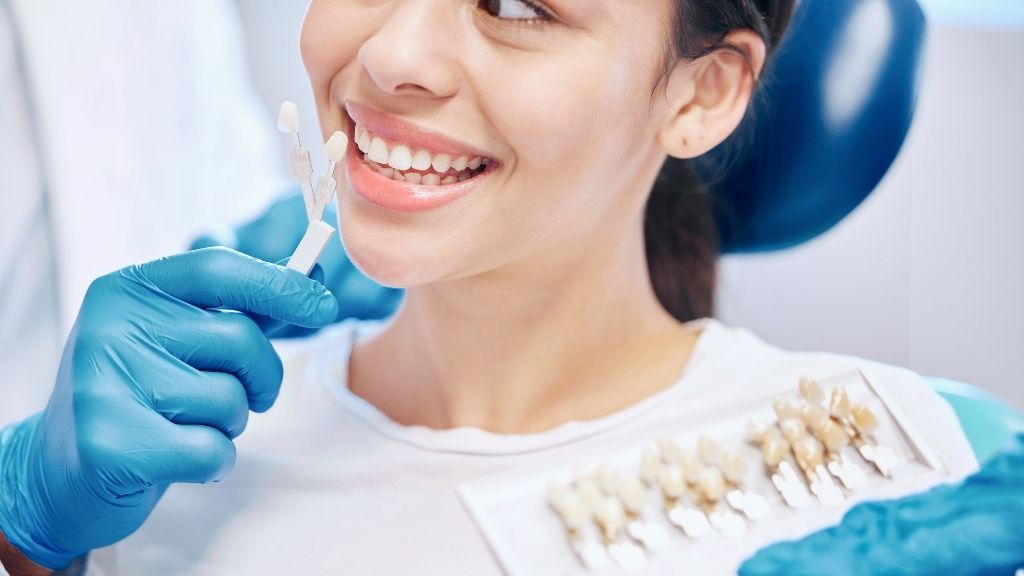
The first priority in long term evaluation is understanding the condition and durability of the existing enamel, since no prep veneers rely entirely on enamel for bonding and retention. Enamel thickness, wear patterns, and any previous restorations are carefully reviewed to determine whether veneers can remain stable over time. Preserving enamel also maintains flexibility for future restorative or cosmetic treatments if circumstances change. Enamel assessment influences both immediate candidacy and long range planning.
Why Enamel Preservation Affects Future Dental Options
Once enamel is altered or removed, certain restorative options become more complex or limited. Maintaining intact enamel keeps future treatments more conservative and adaptable. Long term planning values preservation over irreversible change.
How Dentists Assess Enamel Health With Longevity In Mind
Dentists evaluate translucency, surface texture, and areas of wear to estimate how enamel may respond under long term functional stress. These findings help determine whether veneers can remain bonded reliably over time. Enamel analysis informs durability expectations.
Long term success of no prep veneers depends heavily on how bite forces are distributed during daily function. At PhD Dental, evaluation includes observing how teeth contact during chewing, speaking, and jaw movement to identify areas of repeated stress. Thin restorations are particularly sensitive to uneven or excessive forces. Functional analysis helps determine whether veneers can withstand long term use without damage.
Why Bite Stability Is Central To Veneer Longevity
Excessive force concentrated on veneer edges increases the likelihood of chipping or debonding over time. Stable bite relationships reduce stress accumulation on restorations. Functional balance influences durability.
How Functional Evaluation Identifies Long Term Risk Factors
Dentists examine contact points and movement patterns to detect grinding tendencies or uneven force distribution. These observations reveal whether protective strategies or alternative treatments are advisable. Risk identification shapes recommendations.
Long term outcomes are also influenced by how veneers are maintained and how patient habits affect wear and tissue health. Oral hygiene practices, dietary choices, and parafunctional habits such as clenching all play a role in veneer performance. PhD Dental evaluates whether patients understand and can maintain the level of care required. Maintenance expectations are discussed as part of candidacy.
Why Patient Habits Affect Veneer Performance Over Years
Repeated exposure to hard foods or abrasive habits accelerates material fatigue and edge wear. Inconsistent hygiene can affect gum tissue around veneers, altering margins. Daily behavior shapes longevity.
How Dentists Discuss Maintenance Responsibilities Clearly
Dentists explain care routines, protective measures, and monitoring schedules required to preserve veneer condition. These discussions clarify long term commitment. Informed patients experience more predictable outcomes.
Final evaluation balances desired cosmetic changes against how those changes may affect durability and function over time. At PhD Dental, recommendations favor outcomes that remain stable rather than those that achieve maximum visual change at the expense of longevity. Restraint is applied intentionally to protect future oral health. Aesthetic refinement is weighed against long term consequences.
Why Conservative Outcomes Often Perform Better Long Term
Aggressive cosmetic changes increase material thickness and functional stress. Conservative enhancement maintains harmony with natural anatomy. Stability improves when changes remain within biological limits.
How Dentists Align Expectations With Sustainable Results
Dentists communicate what level of improvement can be achieved without compromising long-term stability. Visual planning tools and discussion help set realistic goals. Alignment supports satisfaction over time.
Get a Consultation From PhD Dental Today and Learn About Our No-Prep Veneers in Los Angeles
Choosing veneer treatment without tooth reduction is a decision that deserves careful evaluation and a clear understanding of long term implications. Patients considering no prep veneers in Los Angeles often benefit from guidance that looks beyond immediate appearance and focuses on how restorations will perform over time. Thoughtful planning helps protect natural enamel while supporting results that remain stable and functional.
At PhD Dental, no prep veneers in Los Angeles are recommended only when clinical conditions, aesthetic goals, and long term considerations align appropriately for your specific situation. Every evaluation is designed to clarify if a no preparation approach truly fits your dental anatomy, rather than forcing a cosmetic solution. This level of care helps patients make informed decisions with confidence. If you are exploring no prep veneers in Los Angeles and want a professional assessment, call PhD Dental at (323)269-5437 or visit our contact page to schedule a consultation today.
Get in Touch with PhD Dental
Pick your location
Los Angeles
Los Angeles is a diverse and fast-moving city where access to dependable dental care is essential for individuals and families alike. PhD Dental serves patients throughout Los Angeles with a commitment to personalized care and long-term oral health.
Hours
- Mon 9:30AM - 6:30PM
- Tue 9:30AM - 6:30PM
- Wed 9:30AM - 6:30PM
- Thu 9:30AM - 6:30PM
- Fri 9:30AM - 6:30PM
- Sat 9:00AM - 4:00PM
- Sun Closed