

Call PhD Dental Today for Exceptional Dental Care
BOOK AN APPOINTMENTNorwalk Dental and Orthodontics Office
Family Dentists and Orthodontists in Norwalk should make it easier for households to keep up with routine care while also planning ahead for alignment needs. PhD Dental supports patients in and near Norwalk with dentistry and orthodontic guidance that stays organized, so preventive visits, restorative concerns, and bite goals connect instead of competing. This matters for families who want straightforward priorities, consistent scheduling, and recommendations that stay focused on long-term comfort and function.
Many Norwalk patients also want a practice that helps them move from awareness to action without feeling rushed. Our team explains what needs attention now, what can be monitored safely, and how orthodontic timing fits alongside everyday dental health. We also keep planning practical by outlining next steps in a clear sequence that works for work and school calendars. That structure helps families stay consistent with care, which often prevents small problems from turning into urgent visits.
Call (562) 307-9200 to schedule an appointment with PhD Dental for family dentistry and orthodontics near Norwalk today.
Top-Rated Dentists
in Los Angeles
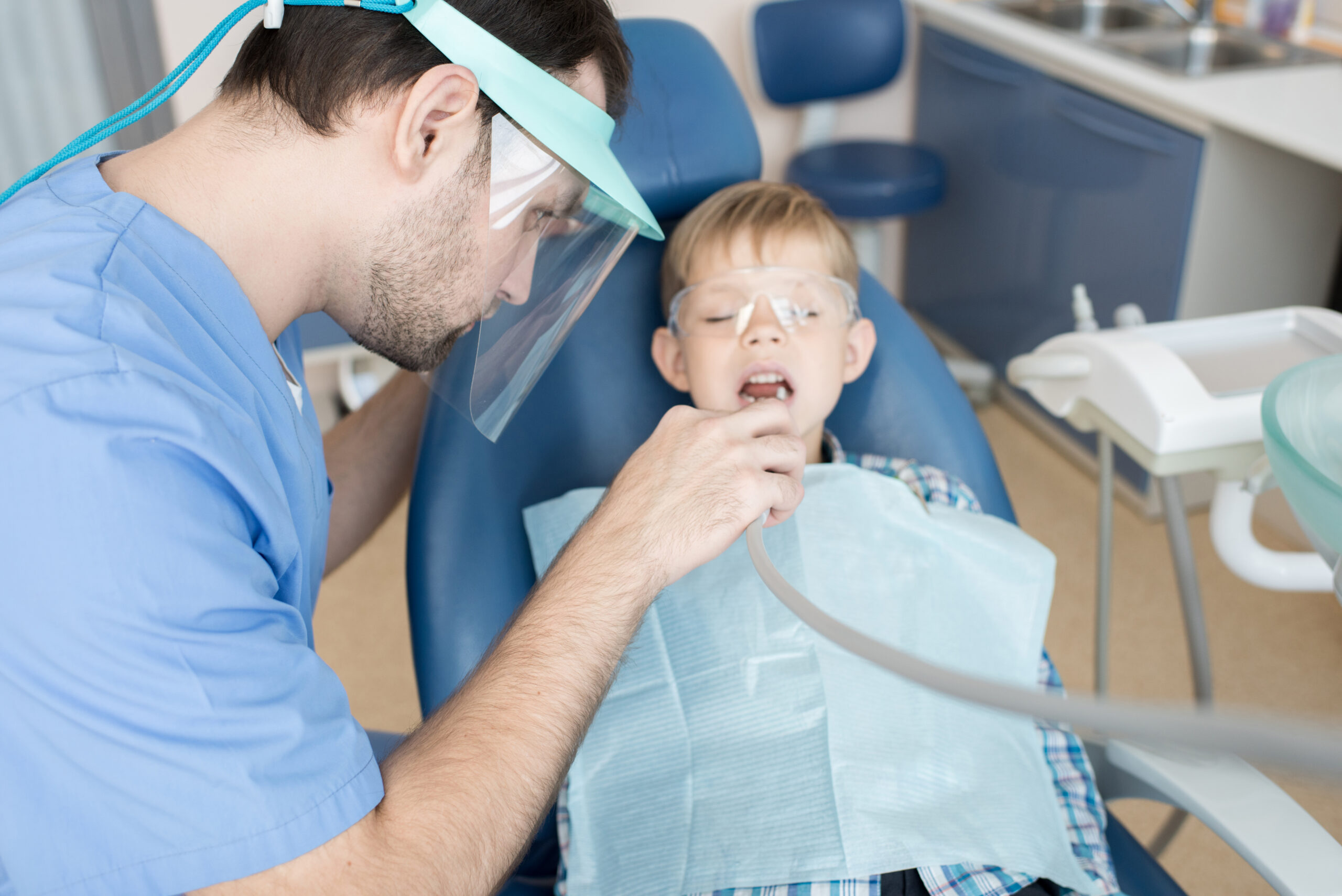
Patient-First Dentistry for Every Stage of Life
From early childhood development to adult care, we focus on patient comfort and comprehensive treatment.
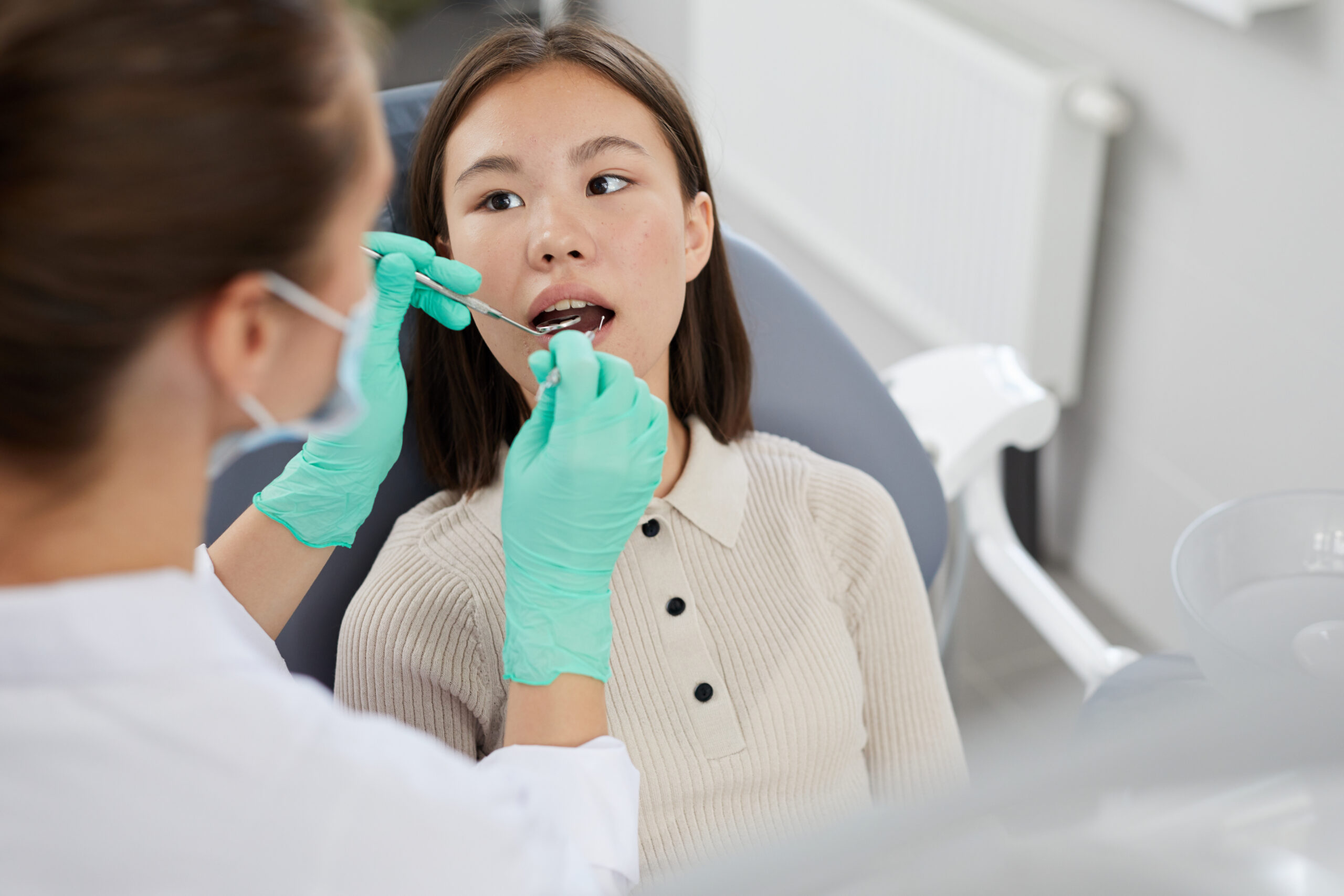
Removing Barriers to Dental Care
We believe everyone deserves access to high-quality dental care, regardless of financial situation.

Comprehensive Dentistry Under One Roof
Orthodontics, implants, oral surgery, and preventative care all conveniently located in our clinics.
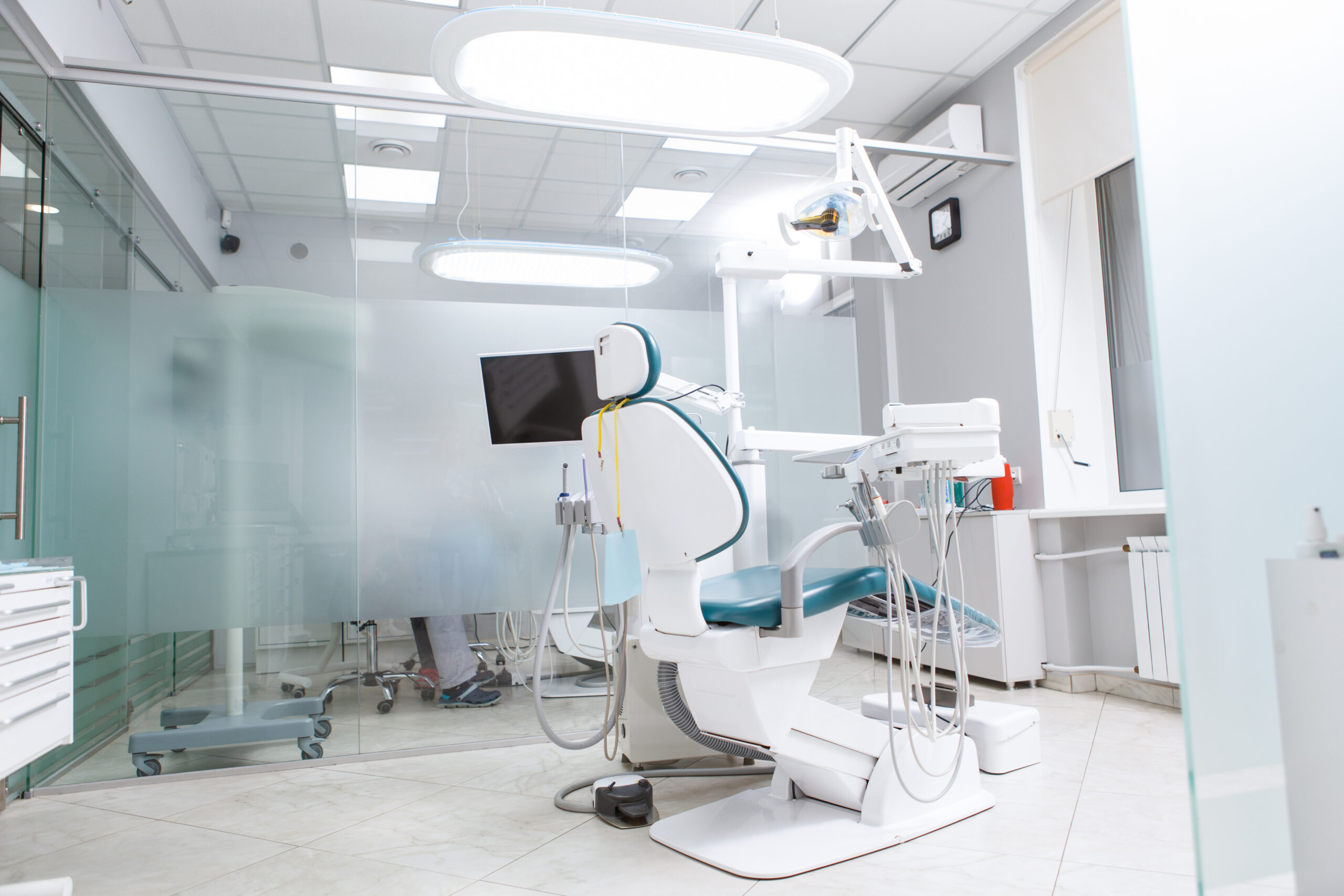
Expertise, Access & Convenient Locations
Multiple clinic locations across Los Angeles with extended hours to fit your busy schedule.
Dental and Orthodontic Care That Fits Everyday Life in Norwalk
In Norwalk, patients want dental care that stays consistent even when life gets busy, because missed visits and delayed follow-ups can turn small issues into complicated problems. A practice that supports everyday life focuses on clear scheduling, practical treatment pacing, and guidance that helps patients avoid unnecessary back-and-forth. PhD Dental builds care plans that respect work and school routines while still keeping dentistry and orthodontics moving forward in a predictable way. This approach helps patients stay ahead of problems instead of reacting to pain or last-minute surprises. It also makes it easier to coordinate care when different family members need different types of appointments across the year. PhD Dental keeps recommendations organized so patients know what needs attention now and what can be planned without added risk. When the plan feels realistic, patients are more likely to follow through and protect the results they worked for.
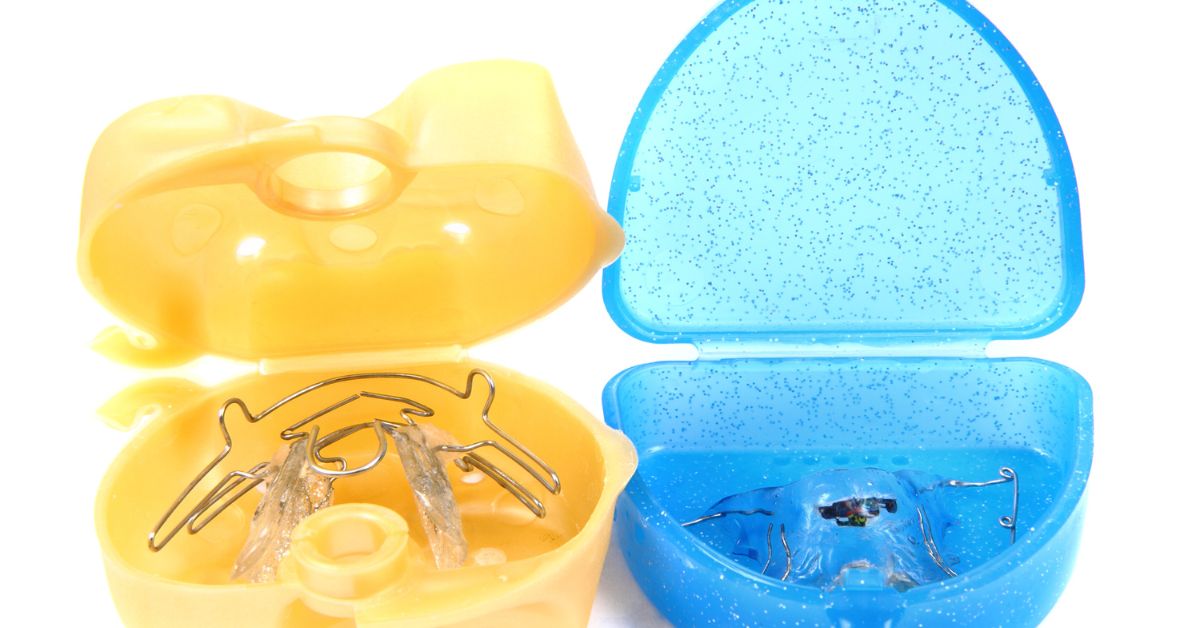
Consistency is easier when scheduling feels manageable, not disruptive. Patients often need appointment times that fit around school drop-offs, shift work, and packed weeks that make rescheduling hard. This kind of flexibility supports satisfaction because it reduces missed visits and keeps treatment plans from stalling.
Dentist and Orthodontist Appointment Planning That Prevents Treatment Delays
Dental health improves when visits happen on a steady cadence rather than in bursts followed by long gaps. Dentists help patients understand which visits are time-sensitive and which ones can be scheduled farther out without creating risk. Patients trust this approach because it balances urgency with practicality.
Why Predictable Scheduling Helps Families Complete Dental Care
A predictable schedule makes it easier to plan transportation, time off, and follow-up appointments. Patients are more likely to finish treatment when they know what comes next and when it needs to happen. This helps families in Norwalk avoid last-minute scheduling stress.
Coordinating Visits for Multiple Family Members Without Extra Trips
Families often want fewer separate appointments, especially when children and adults need different types of care. A practical office helps coordinate visits in a way that reduces repeat travel while still keeping each person’s care on track. This improves satisfaction because families can stay consistent without constant calendar conflict.
How Grouped Scheduling Supports Preventive Care and Orthodontic Follow-Through
Preventive care stays effective when it is not postponed, and orthodontic progress stays steady when check-ins happen on time. Grouped scheduling makes follow-through more realistic for busy households. Patients value this because it reduces disruptions while protecting results.
Patients often delay care when they feel overwhelmed by too many recommendations at once. A practical plan organizes priorities, breaks care into manageable phases, and keeps the next steps clear. This approach builds trust because it respects the patient’s time while still protecting long-term outcomes.
Phased Care Plans That Keep Dentistry and Orthodontics Organized
Phased planning helps patients address what matters most first, then schedule additional care in a logical order. Dentists explain how a phased plan protects comfort and function without rushing every decision into one visit. Patients often feel more confident when the plan is paced in a way that fits their routine.
Why Clear Priorities Help Patients Avoid Decision Fatigue
Patients make better choices when the dentist explains what needs attention now and what can wait safely. Clear priorities reduce the stress of feeling like everything has to happen immediately. This supports satisfaction because the plan feels achievable.
Time-Sensitive Oral Health Needs Managed Without Creating a Constant Emergency Cycle
Some needs cannot wait, such as pain, swelling, or a broken tooth. A reliable practice helps patients handle time-sensitive problems quickly while still keeping long-term care organized. Patients trust this because it prevents urgent issues from derailing the broader plan.
How Structured Follow-Up Keeps Patients From Falling Behind Again
After urgent care, patients often need a clear next step to prevent repeat problems. Structured follow-up helps patients resolve the underlying issue rather than returning repeatedly for temporary fixes. This improves long-term stability and overall confidence.
Everyday care feels easier when patients understand what is happening and why it matters. Clear communication includes simple explanations, realistic timelines, and practical guidance between visits. This approach supports trust because patients feel informed rather than pressured.
Plain-Language Explanations For Easy Dental Treatment Decision Making
Patients do not want technical lectures, they want clarity. Dentists explain what they found, what risks exist, and what options solve the problem. Patients appreciate this because it helps them decide without confusion.
Why Understanding the Dental Care Plan Improves Follow-Through
When patients understand the plan, they are more likely to show up and complete care. They also feel more confident about what to do at home between visits. This increases satisfaction because patients feel in control of their progress.
Support Between Visits That Helps Dental Patients Stay Confident
Patients often have questions after an appointment, especially when orthodontic care is involved. A supportive practice makes it easy to get guidance so patients do not guess or delay. This builds trust because patients feel supported beyond the chair.
How Responsive Guidance Prevents Small Concerns From Becoming Bigger Problems
Small concerns can become bigger if patients wait too long or try to manage them alone. Quick answers and clear guidance often prevent unnecessary discomfort or setbacks. Patients value this because it protects both comfort and outcomes.
PhD Dental Supports These Oral Health Services for Norwalk Residents and Families
Norwalk patients often want a dental office that can handle routine care, orthodontic planning, and more complex needs without forcing them to start over with a new provider at every step. PhD Dental organizes services into clear categories so patients can quickly understand what fits their needs, what the next step looks like, and how care decisions support long-term comfort and function. This section highlights the service areas available for Norwalk residents and families, with each category designed to support clear choices and steady follow-through.

Cosmetic dentistry should enhance a smile while keeping results natural and appropriate for daily life. PhD Dental helps patients clarify what kind of change they want, then recommends cosmetic options that match that goal without overselling dramatic outcomes. Patients often feel more confident when cosmetic planning includes realistic expectations and a focus on proportion, shade, and facial balance.
Cosmetic Treatment Planning That Protects a Natural Smile
A natural result depends on more than whitening, since shape, edge position, and symmetry all affect how teeth look in conversation and photos. Dentists guide patients on what changes will look polished without appearing artificial. This approach supports trust because it prioritizes outcomes that feel believable and comfortable long term.
Why Subtle Improvements Often Create the Most Confidence
Many patients want to look refreshed rather than transformed. Subtle refinements can improve smile harmony while still feeling like your own teeth. That balance often leads to higher satisfaction because results look natural in real settings.
Orthodontic care works best when the plan is clear, measurable, and built for stability after treatment ends. PhD Dental helps Norwalk families understand options, timing, and the habits that keep progress on track during braces or aligner care. Patients often prefer orthodontic planning that stays transparent because it reduces uncertainty and makes the commitment feel manageable.
Orthodontic Options That Match Age, Lifestyle, and Alignment Goals
Treatment should align with school schedules, work demands, and the patient’s comfort preferences. Dentists explain what affects timelines and how consistency influences results. This guidance supports satisfaction because families know what to expect before they begin.
How Retention Planning Protects Orthodontic Results for the Long Term
Results can shift without a practical retainer plan that fits daily routines. Dentists explain how retention works and what stable alignment should feel like, so patients know when to check in. This builds trust because it protects the outcome after active treatment finishes.
Pediatric care is most effective when it supports prevention, habit-building, and calmer dental visits over time. PhD Dental helps children build confidence with age-appropriate care and clear guidance for parents. Families often value pediatric dentistry that focuses on reducing cavity risk and supporting healthy development as permanent teeth come in.
Preventive Dentistry That Keeps Kids Comfortable and Consistent
Cleanings, exams, and early risk screening help children avoid painful problems and urgent visits. Dentists explain what they see in plain language so parents understand what matters at home. This supports satisfaction because families feel prepared rather than surprised.
How Early Monitoring Can Support Smoother Orthodontic Timing Later
Spacing and eruption patterns can hint at future alignment needs. Dentists monitor those changes so families have time to plan instead of reacting late. This proactive approach helps parents feel more confident about next steps.
Restorative dentistry should strengthen teeth and prevent repeat damage, not just cover a problem temporarily. PhD Dental evaluates decay, cracks, and worn restorations with attention to bite forces and long-term stability. Patients often trust restorative plans more when the dentist explains options clearly and connects recommendations to function.
Restoration Choices That Fit Tooth Strength and Daily Chewing Needs
The best repair option depends on how much tooth structure remains and how the tooth is used in the bite. Dentists explain when a filling makes sense and when a crown or stronger solution provides better protection. This clarity supports trust because it helps patients choose durability over quick fixes.
Why Bite-Aware Restorations Reduce Repeat Repairs
A restoration can fail early if the bite loads it too heavily. Dentists evaluate contact points and pressure patterns to help repairs last longer. Patients value this because it reduces frustration and unexpected breakage.
Endodontic care often becomes necessary when tooth pain lingers, sensitivity worsens, or infection threatens the root. The goal is to relieve discomfort and preserve the tooth when possible. Patients tend to feel relieved when evaluation provides a clear answer and a direct path to resolution.
Root Canal Evaluation Focused on Pain Relief and Tooth Preservation
Dentists assess symptoms and imaging findings to determine whether root canal treatment is needed. Clear explanations help patients understand what the treatment solves and what risks exist if the issue is ignored. This supports confidence because the plan feels specific and evidence-based.
How Early Endodontic Treatment Can Prevent Escalating Infection
Waiting can allow infection to progress and create more severe flare-ups. Early intervention often protects the tooth and supports a more predictable recovery. Patients appreciate this because it reduces the risk of urgent disruption.
Gum health affects comfort, breath, and long-term tooth stability, even when teeth look fine on the surface. Periodontal concerns can progress quietly, which makes evaluation and monitoring important. PhD Dental helps patients understand gum measurements and what steps reduce inflammation and protect bone support over time.
Gum Health Evaluation That Supports Long-Term Stability
Dentists assess bleeding, pocket depth, and early signs of recession to evaluate gum health. Patients benefit from understanding what those measurements mean and how treatment helps. This builds trust because the plan becomes clear rather than confusing.
Why Maintenance and Monitoring Help Prevent Repeat Gum Problems
Gum health improves when patients follow consistent home routines and keep up with professional monitoring. Dentists explain the cadence that supports stability and what improvements to expect over time. Patients value this because it reduces recurring flare-ups.
Oral surgery includes procedures that require careful planning for comfort, safety, and predictable healing. Patients often want clarity on what the appointment involves and what recovery will feel like. A calm surgical plan helps patients feel prepared and supported from start to finish.
Surgical Planning With Straightforward Recovery Guidance
Dentists explain why surgery is recommended, how comfort will be managed, and what a typical healing window looks like. Patients appreciate practical instructions that help them plan meals, work, and follow-up. This supports confidence because the process feels organized.
When Advanced Planning Protects Safety and Predictability
Some cases require extra planning based on anatomy, tooth position, or medical history. Dentists explain when that planning is necessary and what it changes about the approach. Patients trust this guidance because it emphasizes safety and reliable outcomes.
Planning Your First Visit to Our Norwalk Dental Office
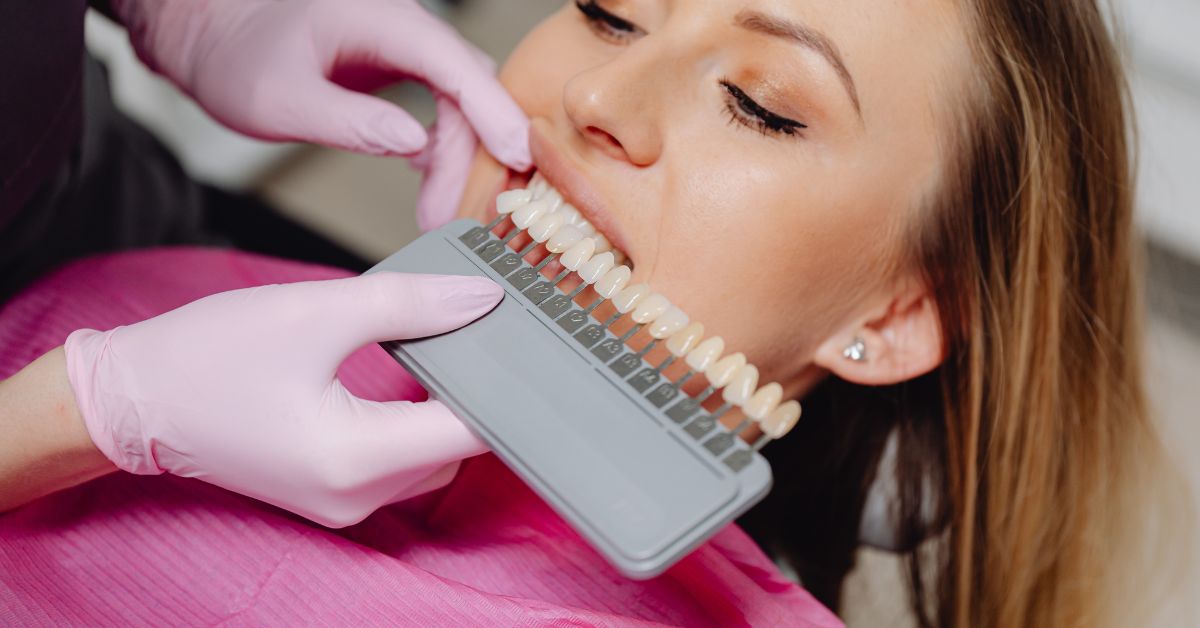
A first visit works best when it gives you a clear starting point without turning the appointment into a long list of immediate commitments. Patients in Norwalk often want to know what will happen during the visit, what information the dentist will use to make recommendations, and how the next steps will be prioritized afterward. PhD Dental approaches the first appointment as a planning session as much as an evaluation, so patients leave with clearer direction and fewer open questions.
A smoother visit starts with a few simple preparation steps that reduce delays and improve accuracy. Patients can share current concerns, past dental history, and any changes in sensitivity, pain, or bite comfort that have developed over time. This helps the dentist connect symptoms to likely causes and recommend next steps that feel specific rather than generic.
Dental History and Current Concerns That Help Dentists Prioritize Correctly
A dentist can plan more effectively when they understand what has changed since your last care and what you want to address first. Patients in Norwalk often come in with a mix of preventive goals and problem-focused concerns, such as recurring sensitivity or a tooth that feels weaker. Clear input supports satisfaction because it helps the visit stay focused and efficient.
Why Sharing Timing Details Helps Dentists Make Better Recommendations
The timing of symptoms can reveal patterns that influence treatment decisions. Pain after cold drinks, soreness when chewing, or pressure that comes and goes can point to different issues. Patients benefit from mentioning these details because it leads to a plan that fits the real problem, not a guess.
Insurance and Scheduling Preferences That Keep Oral Health Care Practical
Families often want to know how to plan follow-up without disrupting school and work schedules. Sharing availability helps the practice recommend timing that fits your calendar instead of creating avoidable delays. This supports confidence because the plan stays realistic from the start.
How Realistic Scheduling Increases Follow-Through on Dental Care
Patients are more likely to complete recommended care when appointments fit their routine. Delays can allow small issues to progress and can make treatment feel more stressful later. A realistic schedule protects both comfort and momentum.
The first visit is often the time when patients want clarity on what the dentist sees and what it means for their next steps. The appointment usually includes a full review of oral health, an evaluation of gum condition, and a look at bite or alignment patterns that may influence future care. Patients often feel more confident when the visit includes clear explanations and a prioritized plan, not a flood of technical detail.
Oral Health Findings Explained in Plain Language
Patients want to understand the difference between a minor issue and something that needs treatment soon. Dentists explain findings clearly and connect them to everyday outcomes like comfort, function, and prevention. This builds trust because patients can make decisions without feeling confused.
How Clear Explanations Reduce Decision Fatigue
When patients understand what matters most, the next steps feel simpler. A prioritized plan prevents the stress of feeling like everything must happen immediately. This supports satisfaction because it keeps the process manageable.
Orthodontic Screening Notes That Help Families Plan Ahead
Many families want to know whether crowding, bite issues, or shifting may become a bigger concern later. Dentists can flag patterns that affect future orthodontic timing, especially for children and teens. This helps Norwalk families feel prepared because it gives them time to plan rather than react.
Why Early Orthodontic Awareness Helps Prevent Last-Minute Decisions
When families recognize orthodontic needs early, they can schedule consultations and plan timing more carefully. This often makes treatment smoother and easier to manage. Patients value this because it reduces pressure and uncertainty.
A strong first visit should end with a clear roadmap. Patients should understand which steps matter now, what can be planned later, and how follow-up will be scheduled. This structure helps patients in Norwalk feel confident because the plan is organized and realistic.
Prioritized Dentistry Recommendations That Respect Timing, Budget, and Comfort
Not every finding requires immediate treatment. Dentists explain which issues are urgent, which are preventive, and which can be monitored safely. Patients trust this approach because it supports thoughtful decision-making rather than rushed commitments.
How a Clear Priority List Helps CA Dental and Orthodontic Patients Stay Consistent
A priority list makes follow-through easier because patients can plan one step at a time. This reduces the chance of long delays that allow problems to worsen. Patients often feel more in control when the plan is broken into manageable stages.
A Follow-Up Schedule That Keeps Dentistry and Orthodontics on Track
Follow-up visits should be planned in a way that keeps care moving without overwhelming the calendar. Dentists help patients choose timing that supports prevention and any needed treatment, while also allowing orthodontic planning when relevant. This improves satisfaction because it makes progress feel steady and predictable.
Why Organized Follow-Ups Help Patients Avoid Falling Behind Again
Many patients fall behind because they leave without a clear next appointment. Organized follow-ups reduce that risk and help patients keep momentum. This supports long-term outcomes because consistent care tends to prevent urgent, disruptive problems.
Schedule An Examination at PhD Dental and Orthodontics in Norwalk Today
If you are searching for Norwalk family dentists and orthodontics, an examination is the fastest way to get clarity on what your household needs now and what can be planned next. PhD Dental uses the exam to check overall oral health, identify early concerns that are easier to treat when caught on time, and flag bite or alignment issues that may affect comfort and long-term stability. That kind of evaluation helps Norwalk patients avoid guesswork, since the plan is based on what the dentist sees today rather than assumptions from past visits.
An exam also helps families coordinate next steps without overloading the calendar. PhD Dental prioritizes findings so you know what to handle first, what to monitor safely, and how orthodontic timing may fit alongside routine dentistry for children, teens, and adults. You leave with a realistic path forward that supports steady follow-through, which is often what prevents small issues from turning into urgent problems. When the plan stays organized, families can keep care consistent and protect results over time.
Call (323) 269-5437 to schedule your examination with PhD Dental near Norwalk today.
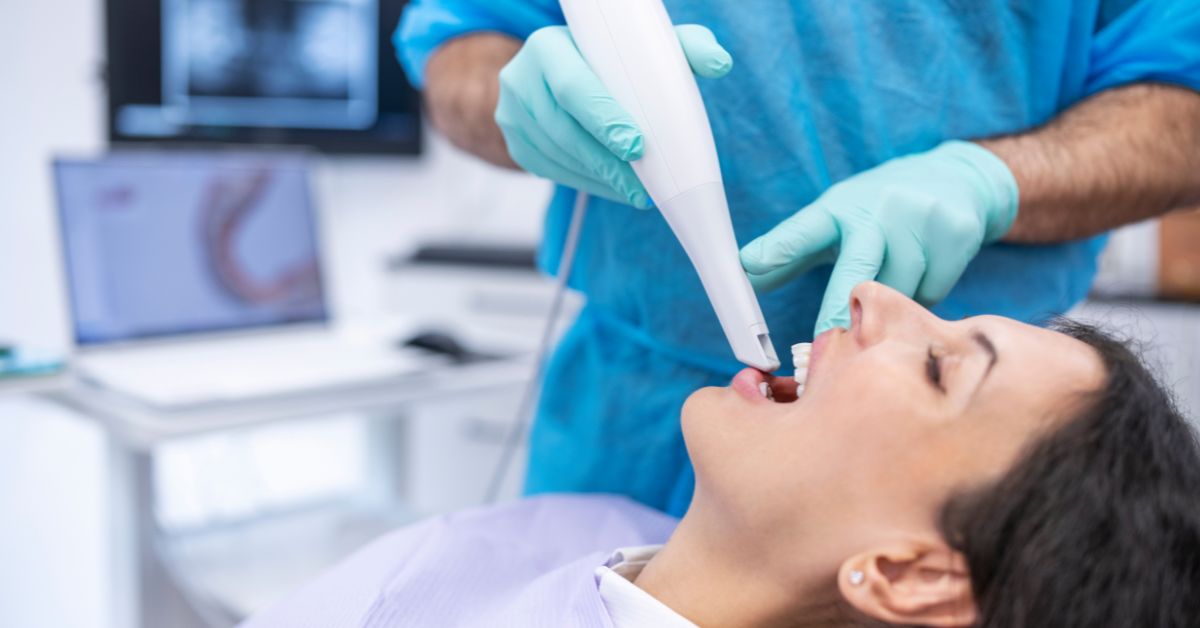
Top Dentist and Orthodontics In Norwalk
Make Your Smile Timeless.
Featuring the latest in dental technology and decades of experience serving Norwalk and the surrounding areas, our comprehensive dental and orthodontic care is exactly what you need to support your smile.
LEARN MORE
Get in Touch with PhD Dental
Pick your location
Norwalk
PhD Dental serves Norwalk residents with comprehensive dental services designed to support healthy smiles for both adults and children.
Hours
- Mon 10:30AM - 6:30PM
- Tue 10:30AM - 6:30PM
- Wed 10:30AM - 6:30PM
- Thu 10:30AM - 6:30PM
- Fri Closed
- Sat Closed
- Sun Closed