
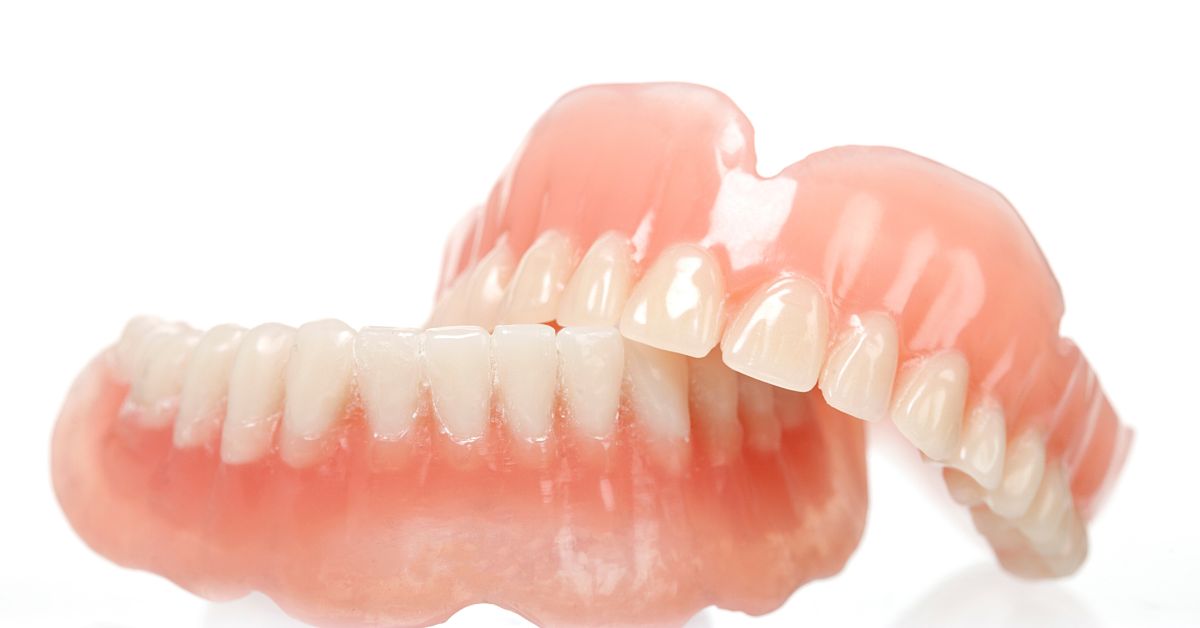
All-on-X Dental Implants in Inglewood
Full-arch tooth replacement involves more than placing individual implants, particularly when patients want a stable bite and a natural looking smile. All-on-X dental implants in Inglewood are designed for patients who have lost most teeth in one or both arches and want a fixed solution that restores chewing ability and long-term oral stability. This treatment concept relies on strategic implant positioning, careful bone evaluation, and prosthetic planning that treats the mouth as a complete system rather than a collection of isolated teeth.
Choosing All-on-X dental implants in Inglewood also requires a realistic understanding of various factors including long-term maintenance responsibilities. Digital imaging and guided planning allow dentists to assess whether implant placement can support a fixed implant without overloading bone or compromising hygiene access. This approach helps patients avoid short-term fixes that fail to meet long-term functional demands. If you are exploring All-on-X dental implants in Inglewood and want a clear discussion about the process, call PhD Dental at (323)269-5437 or visit our contact page to schedule a consultation today.
Top-Rated Dentists
in Los Angeles
Patient-First Dentistry for Every Stage of Life
From early childhood development to adult care, we focus on patient comfort and comprehensive treatment.
Removing Barriers to Dental Care
We believe everyone deserves access to high-quality dental care, regardless of financial situation.

Comprehensive Dentistry Under One Roof
Orthodontics, implants, oral surgery, and preventative care all conveniently located in our clinics.
Expertise, Access & Convenient Locations
Multiple clinic locations across Los Angeles with extended hours to fit your busy schedule.
Table of Contents
- Factors Dentists Review Before Recommending All-on-X Dental Implants in Inglewood
- What the All-on-X Dental Implants Procedure Involves in Inglewood
- Long-Term Maintenance Expectations for All-on-X Dental Implants in Inglewood
- How PhD Dental Plans All-on-X Implant Treatment for Long-Term Stability
- Call PhD Dental Today to Schedule Your All-on-X Dental Implants in Inglewood
Factors Dentists Review Before Recommending All-on-X Dental Implants in Inglewood
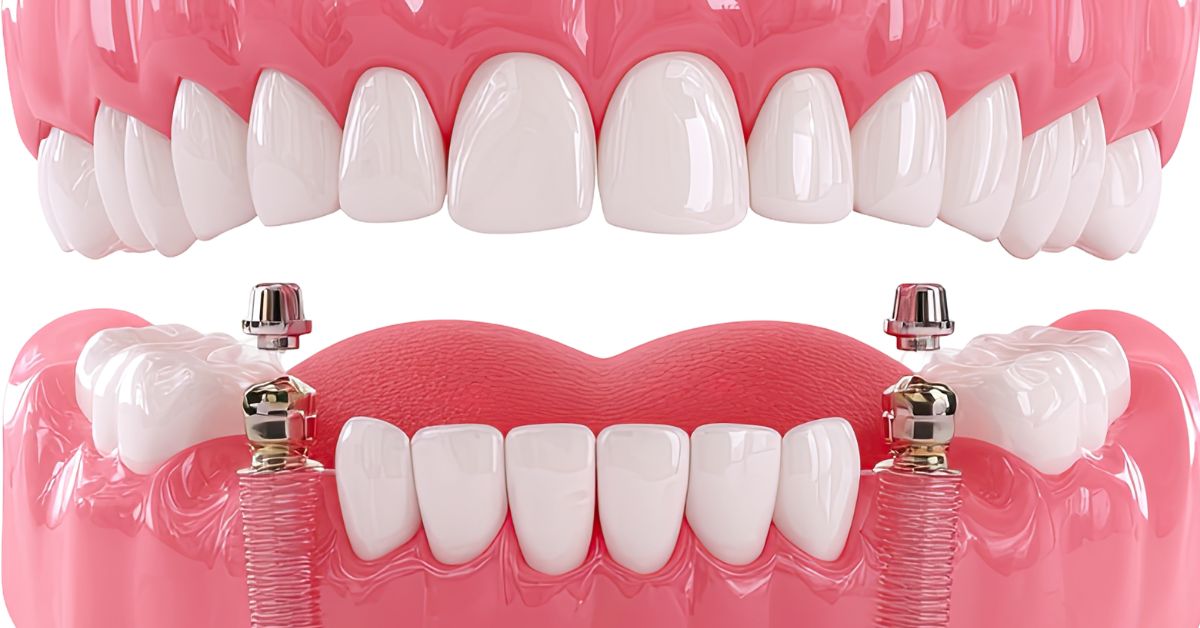
Recommending a full-arch implant solution requires a layered clinical review that considers structural readiness, medical history, and long-term functional demands together. Dentists evaluate whether All-on-X dental implants in Inglewood from PhD Dental can provide stable support without introducing avoidable surgical or prosthetic risk. This assessment focuses on how the jawbone, soft tissue, and bite forces will interact with a fixed restoration over time. Decisions are based on predictability rather than urgency or aesthetics alone. Careful screening protects patients from pursuing treatment that their anatomy may not reliably support.
The review process also helps distinguish cases that can proceed directly from those requiring preparatory care before implant placement. Some patients benefit from bone management, infection control, or medical coordination prior to surgery. Identifying these needs early prevents compromised outcomes later. This structured evaluation ensures All-on-X dental implants in Inglewood are recommended only when conditions support long-term stability. Thoughtful sequencing remains central to responsible full-arch care.
Adequate bone support is essential for anchoring implants that will carry a full arch prosthesis. Dentists assess bone height, width, and density using three-dimensional imaging rather than relying on two-dimensional estimates. This evaluation determines whether implants can achieve primary stability at placement. Bone quality also influences implant positioning and angulation. These factors directly affect whether All-on-X dental implants in Inglewood can be placed safely and predictably.
How Imaging Guides Implant Feasibility Decisions
Cone beam imaging reveals bone deficiencies that may not appear during visual examination. Dentists use this data to plan implant depth and orientation precisely. Imaging also helps avoid anatomical structures that limit placement options. Accurate imaging supports responsible surgical planning.
Why Bone Limitations Do Not Always Exclude Treatment
Some bone deficiencies can be managed through angulated placement strategies or preparatory procedures. Dentists evaluate whether these approaches maintain long-term load distribution. Decisions balance feasibility with biological limits. Not every limitation requires treatment abandonment.
Systemic health influences how well implants integrate and how tissues respond to surgery. Dentists review medical history, medications, and healing risk factors before recommending surgery. Conditions such as uncontrolled diabetes or immune compromise require careful coordination. Healing capacity affects both integration and complication risk. This review protects patients pursuing All-on-X dental implants in Inglewood from preventable setbacks.
How Medical Screening Affects Surgical Timing
Dentists may delay treatment until health conditions stabilize or coordination with physicians occurs. Timing adjustments reduce surgical stress and healing complications. This approach prioritizes patient safety over scheduling convenience. Proper timing supports predictable recovery.
Why Honest Health Disclosure Matters
Accurate medical information allows dentists to plan safely and responsibly. Undisclosed conditions can compromise healing outcomes. Transparency supports appropriate risk management. Successful treatment depends on shared information.
Full-arch restorations must withstand daily chewing forces across multiple implants. Dentists evaluate bite patterns, jaw movement, and habits such as clenching or grinding. Excessive forces can overload implants if not addressed in planning. Functional analysis informs prosthetic design and material selection. These considerations shape whether All-on-X dental implants in Inglewood are suitable for each patient.
How Bite Analysis Influences Prosthetic Design
Dentists adjust arch contours and contact points based on functional findings. Proper design distributes forces evenly across implants. Balanced force management supports implant longevity. Design decisions rely on measured analysis rather than assumption.
Why Functional Risks Are Addressed Early
Unmanaged bite issues can lead to prosthetic wear or implant stress. Early identification allows preventive planning. Addressing these risks protects long-term outcomes. Proactive evaluation reduces future complications.
What the All-on-X Dental Implants Procedure Involves in Inglewood

The procedure for full-arch implant treatment follows a carefully sequenced clinical pathway that prioritizes surgical safety, prosthetic stability, and predictable healing. When patients move forward with All-on-X dental implants in Inglewood, the appointment plan accounts for extractions, implant placement, and immediate stabilization without compressing clinical judgment. Each phase builds deliberately on diagnostic findings gathered before surgery. Dentists focus on maintaining control at every step rather than accelerating transitions between stages. This structure supports consistency from surgical placement through early functional use.
The procedural flow also reflects coordination between surgical execution and prosthetic intent. Implant placement is guided by how the final arch will function, not by bone availability alone. Temporary restorations are designed to protect implants during healing while still providing basic aesthetics and function. This coordination reduces adjustments later in the process. A defined sequence helps patients understand what occurs during treatment and why each step matters.
Surgical preparation begins with confirming anesthesia plans, reviewing imaging, and stabilizing the surgical field. When extractions are required, dentists remove compromised teeth in a manner that preserves surrounding bone and soft tissue. This preservation supports immediate implant stability when placement follows extraction. Coordinating extractions with implant placement reduces overall surgical trauma. Preparation sets the foundation for successful All-on-X dental implants in Inglewood.
How Dentists Preserve Bone During Extractions
Dentists use controlled techniques to minimize socket damage during tooth removal. Preserving bone walls helps maintain implant anchorage potential. Careful extraction reduces the need for additional grafting procedures. These techniques support immediate placement strategies.
Why Extraction Technique Influences Implant Stability
Traumatic extractions can compromise primary implant fixation. Gentle techniques protect surrounding structures needed for support. Stability at placement directly affects early healing. This connection makes the extraction approach clinically significant.
Implant placement focuses on achieving stability while optimizing force distribution across the arch. Dentists position implants at specific angles to engage available bone more effectively. Angulation allows longer implants to anchor securely without encroaching on anatomical structures. Placement decisions are guided by prosthetic design requirements. Strategic positioning supports long-term performance.
How Angulation Improves Load Distribution
Angled implants spread chewing forces across a wider bone area. This distribution reduces stress on individual implants. Balanced forces protect bone and implant interfaces. Proper angulation supports durability.
Why Placement Is Prosthetic Driven
Dentists plan placement based on how the final arch will function. Prosthetic driven planning ensures implant positions support the restoration rather than restrict it. This approach reduces corrective adjustments later. Functional alignment remains the priority.
After implants are placed, a provisional restoration is secured to stabilize the implants during healing. This provisional arch allows basic function while protecting surgical sites. Dentists adjust contacts to minimize excessive force during early integration. The provisional also supports soft tissue shaping. Immediate stabilization completes the procedural phase for All-on-X dental implants in Inglewood.
How Provisionals Protect Healing Implants
Provisional restorations distribute forces evenly across implants. Reduced localized stress supports osseointegration. Controlled contacts prevent overload during early healing. Protection remains essential during this phase.
Why Provisional Design Differs From Final Prosthetics
Provisionals prioritize protection over aesthetics and durability. Materials and contours are selected to minimize stress. Final restorations are introduced only after healing confirms stability. This sequencing supports long-term success.
Long-Term Maintenance Expectations for All-on-X Dental Implants in Inglewood
Long-term success with full-arch implant restorations depends on consistent maintenance rather than the surgical procedure alone. Patients who receive All-on-X dental implants in Inglewood must understand that a fixed prosthesis still requires structured professional oversight and daily care to remain stable and functional over time. Maintenance planning focuses on protecting implant interfaces, monitoring bite forces, and preserving surrounding tissue health as the mouth adapts. These expectations are discussed early so responsibility remains shared between the dental team and the patient. Longevity is shaped by ongoing attention rather than a single treatment milestone.
Maintenance also accounts for the fact that full-arch restorations experience different stresses than natural teeth or removable appliances. Fixed prosthetics concentrate chewing forces across implants and supporting bone in a unique way. Dentists monitor these forces and the condition of the prosthesis as materials age. Adjustments and cleanings are scheduled proactively rather than reactively. This approach establishes a long-term care framework rather than a finish line.
Patients with full-arch implant restorations must follow a daily hygiene routine designed specifically for fixed prosthetics. Cleaning focuses on the interface between the prosthesis and gum tissue where plaque accumulation often occurs. Specialized tools are recommended to access areas that standard toothbrushes cannot reach. Consistent hygiene reduces inflammatory response around implants. Daily routines become a core part of long-term treatment responsibility.
How Home Care Differs From Natural Tooth Cleaning
Fixed full-arch restorations require angled brushing and targeted irrigation techniques. These methods address areas beneath the prosthesis that do not exist with natural teeth. Dentists provide instruction tailored to prosthetic contours. Proper technique protects surrounding tissue integrity.
Why Consistency Matters More Than Technique Perfection
Even well-designed prosthetics experience gradual biofilm accumulation. Regular cleaning interrupts buildup patterns over time. Inconsistent care allows minor issues to progress unnoticed. Long-term outcomes reflect habits rather than isolated efforts.
Routine professional maintenance visits allow dentists to evaluate implant stability and prosthetic condition. These appointments include detailed assessments that extend beyond standard cleanings. Dentists examine tissue response, prosthetic fit, and occlusal balance. Imaging may be used periodically to assess bone levels. Scheduled evaluations support early identification of developing concerns.
What Dentists Monitor During Maintenance Visits
Dentists assess screw integrity, prosthetic wear patterns, and tissue adaptation. Bite contact points are reviewed for changes caused by functional adaptation. Soft tissue health receives close attention. These evaluations inform whether adjustments are necessary.
Why Maintenance Intervals Are Individually Determined
Patients present different bite forces, hygiene patterns, and material wear rates. Dentists tailor visit frequency based on these variables. Individualized scheduling aligns care with observed risk factors. Personalized planning replaces generic timelines.
All prosthetic materials experience gradual wear under daily use. Dentists plan for periodic adjustments or component replacement as part of long-term care. Wear patterns are monitored to prevent uneven force distribution. Addressing changes early protects implant interfaces. Adjustment planning reflects realistic material behavior over time.
How Wear Patterns Influence Bite Stability
As materials wear, contact points may shift subtly. These shifts alter how force travels through the prosthesis. Dentists correct these changes before they affect comfort or function. Monitoring maintains balance across the arch.
Why Long-Term Planning Extends Beyond Initial Placement
Initial placement establishes structure but does not account for years of function. Ongoing planning anticipates gradual change. This foresight protects both implants and prosthetics. Long-term care remains an active process.
How PhD Dental Plans All-on-X Implant Treatment for Long-Term Stability
PhD Dental approaches full-arch implant treatment by prioritizing durability, biological compatibility, and long-term function rather than focusing narrowly on surgical completion. Planning begins with a comprehensive review of diagnostics, prosthetic goals, and patient specific risk factors that influence how implants will perform over time. Dentists evaluate how implant placement, prosthetic design, and maintenance planning interact as a single system. This perspective reduces the likelihood of early complications that arise when phases are treated independently. Long-term stability remains the guiding principle behind every planning decision.
Treatment planning also reflects an understanding that full-arch restorations must adapt to years of functional use rather than idealized short-term conditions. PhD Dental accounts for changes in bite dynamics, material wear, and tissue response that occur gradually after placement. These considerations shape surgical sequencing and restorative choices before treatment begins. Patients benefit from a plan that anticipates future needs rather than reacting to them later. This foresight defines how All-on-X dental implants in Inglewood are approached within the practice.
Planning starts with a detailed diagnostic review that integrates imaging, functional analysis, and medical history evaluation. Dentists assess bone quality, anatomical constraints, and bite forces together rather than in isolation. This integrated review identifies risks that may affect implant integration or prosthetic performance. Findings guide decisions about implant number, positioning, and restorative design. Diagnostic clarity establishes a reliable foundation for treatment.
How Diagnostic Findings Shape the Overall Plan
Imaging and functional data inform whether modifications to standard protocols are necessary. Dentists may adjust implant angulation, restorative materials, or sequencing based on these findings. This flexibility allows plans to reflect patient anatomy accurately. Data driven planning reduces reliance on assumptions.
Why Early Planning Reduces Long-Term Complications
Identifying risks before surgery allows preventive strategies to be built into the plan. Early adjustments prevent avoidable stress on implants and prosthetics. Proactive planning supports smoother long-term outcomes.
PhD Dental coordinates surgical placement with prosthetic objectives from the outset of planning. Implant positions are selected to support the final arch design rather than simply fitting available bone. This coordination ensures that prosthetic contours, hygiene access, and bite balance remain achievable. Sequencing decisions reflect how each phase affects the next. Integrated planning supports structural harmony.
How Prosthetic Goals Influence Implant Placement
Final arch design determines ideal implant spacing and orientation. Dentists align surgical placement with restorative requirements. This alignment reduces compromises during prosthetic fabrication. Functional outcomes benefit from this coordination.
Why Sequencing Matters for Long-Term Stability
Improper sequencing can introduce unnecessary stress or misalignment. Coordinated timing protects healing tissues and implant interfaces. Stability improves when phases progress intentionally.
Maintenance considerations are incorporated into planning rather than deferred until after placement. Dentists design prosthetics with hygiene access and serviceability in mind. Follow-up schedules and adjustment expectations are discussed before treatment begins. This preparation supports patient compliance. Maintenance planning extends the lifespan of restorations.
How Maintenance Access Influences Prosthetic Design
Prosthetic contours are shaped to allow effective cleaning and professional access. Design choices reduce plaque accumulation risk. Accessible designs support tissue health. These considerations affect long-term success.
Why Planning for Care Supports Patient Responsibility
Clear maintenance expectations encourage consistent follow-through. Patients understand their role in preserving outcomes. Shared responsibility improves durability.
Call PhD Dental Today to Schedule Your All-on-X Dental Implants in Inglewood
Deciding if a full-arch implant solution is right for you involves multiple factors regarding timeline and each individual’s specific situation. Patients considering All-on-X dental implants in Inglewood benefit most from a clear discussion about bone readiness, prosthetic expectations, and long-term maintenance responsibilities before committing to treatment. PhD Dental approaches these conversations with transparency so decisions are not rushed. This clarity helps patients move forward with confidence in the procedure rather than uncertainty.
A consultation also provides the opportunity to understand how full-arch implant care unfolds over time, including healing and ongoing maintenance planning. Dentists explain how All-on-X dental implants in Inglewood are designed to function as a long-term system rather than a one-time procedure, with attention given to durability and comfort. Patients leave with a realistic understanding of what treatment can accomplish and what ongoing care involves. This foundation supports outcomes that remain stable well beyond initial placement. Call PhD Dental at (323)269-5437 or visit our contact page to schedule a consultation and discuss if All-on-X dental implants is the right solution for you.
Get in Touch with PhD Dental
Pick your location
Los Angeles
Los Angeles is a diverse and fast-moving city where access to dependable dental care is essential for individuals and families alike. PhD Dental serves patients throughout Los Angeles with a commitment to personalized care and long-term oral health.
Hours
- Mon 9:30AM - 6:30PM
- Tue 9:30AM - 6:30PM
- Wed 9:30AM - 6:30PM
- Thu 9:30AM - 6:30PM
- Fri 9:30AM - 6:30PM
- Sat 9:00AM - 4:00PM
- Sun Closed