

Call PhD Dental Today for Exceptional Dental Care
BOOK AN APPOINTMENTInglewood Dental and Orthodontic Office
Dentists and Orthodontists in Inglewood should give patients a clear way to address current concerns while making informed decisions about what comes next. PhD Dental supports Inglewood patients with dentistry and orthodontic care that stays organized, so exams, preventive visits, restorative needs, and alignment planning connect into a plan that makes sense. This matters when you want guidance that feels steady and specific, especially if you are comparing options and trying to avoid rushed decisions.
Many Inglewood patients also want a dental office that explains treatment choices in a practical way. Our team focuses on clarity around priorities, timing, and what results should realistically look and feel like, so patients can move forward with confidence. We outline next steps in a way that respects work schedules and daily routines while still protecting comfort and long-term stability. When recommendations come with clear reasoning, follow-through feels easier and care tends to stay more predictable.
Call (323) 777-7420 to schedule an appointment with PhD Dental at our Inglewood dental and orthodontic office today.
Top-Rated Dentists
in Los Angeles
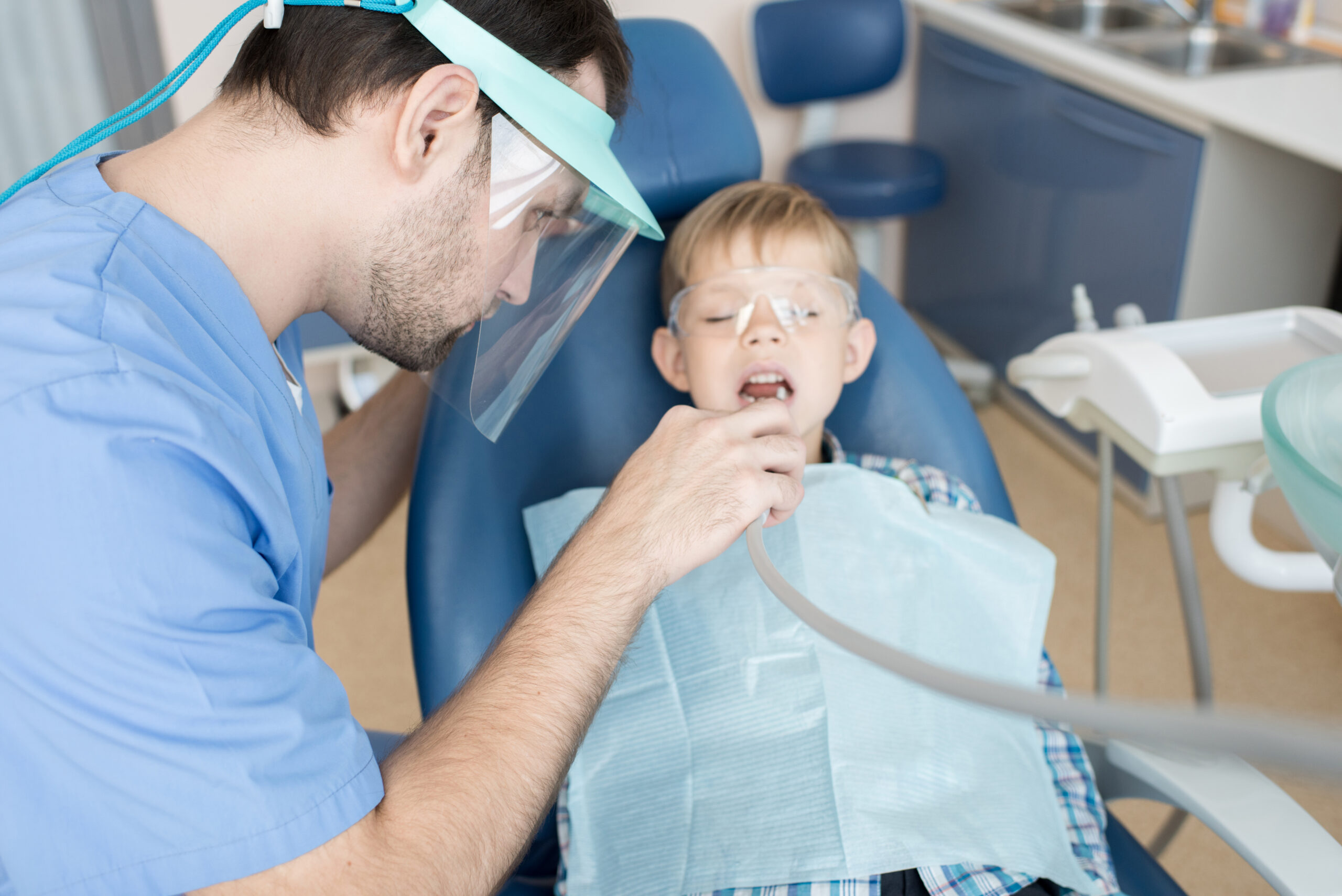
Patient-First Dentistry for Every Stage of Life
From early childhood development to adult care, we focus on patient comfort and comprehensive treatment.
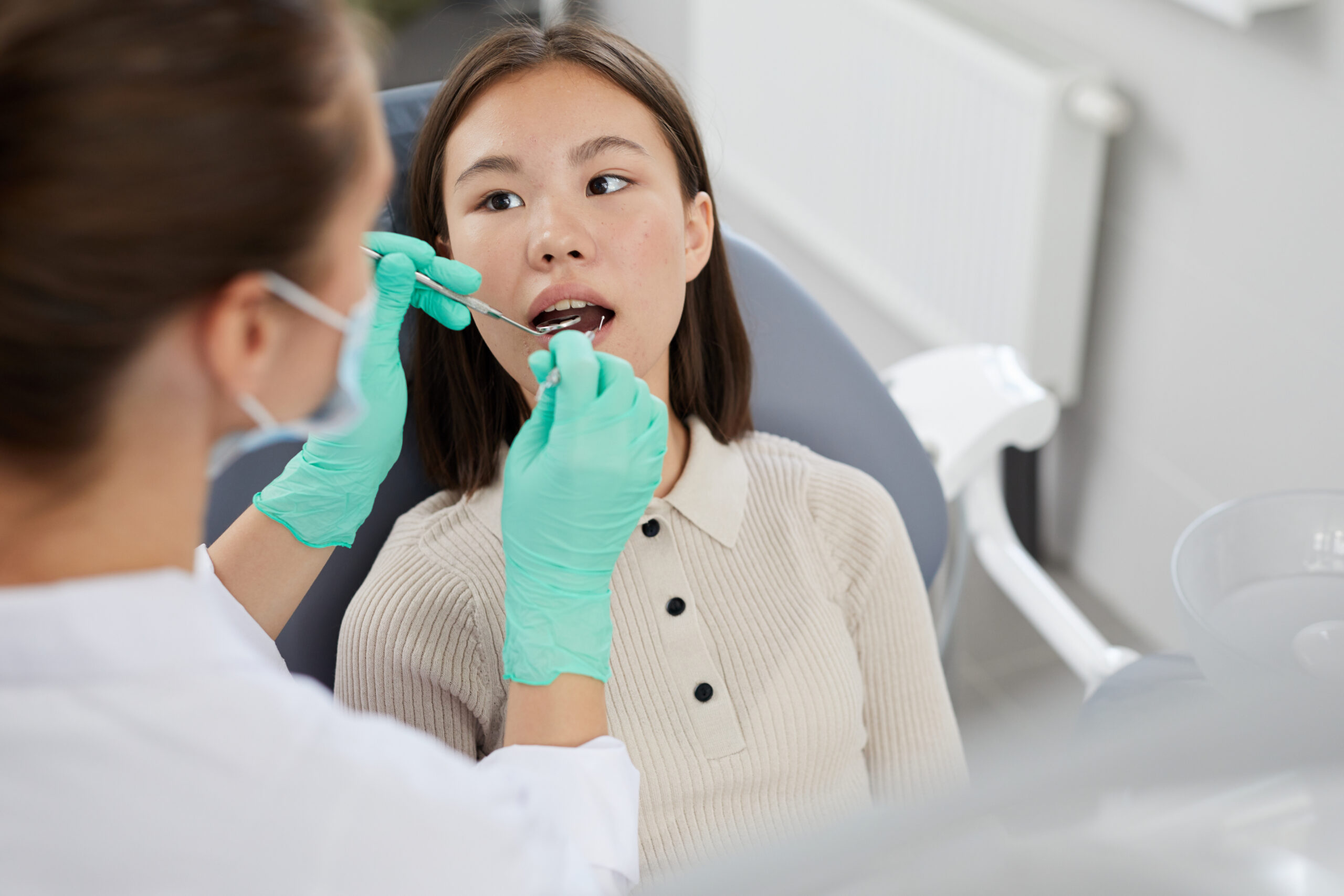
Removing Barriers to Dental Care
We believe everyone deserves access to high-quality dental care, regardless of financial situation.

Comprehensive Dentistry Under One Roof
Orthodontics, implants, oral surgery, and preventative care all conveniently located in our clinics.
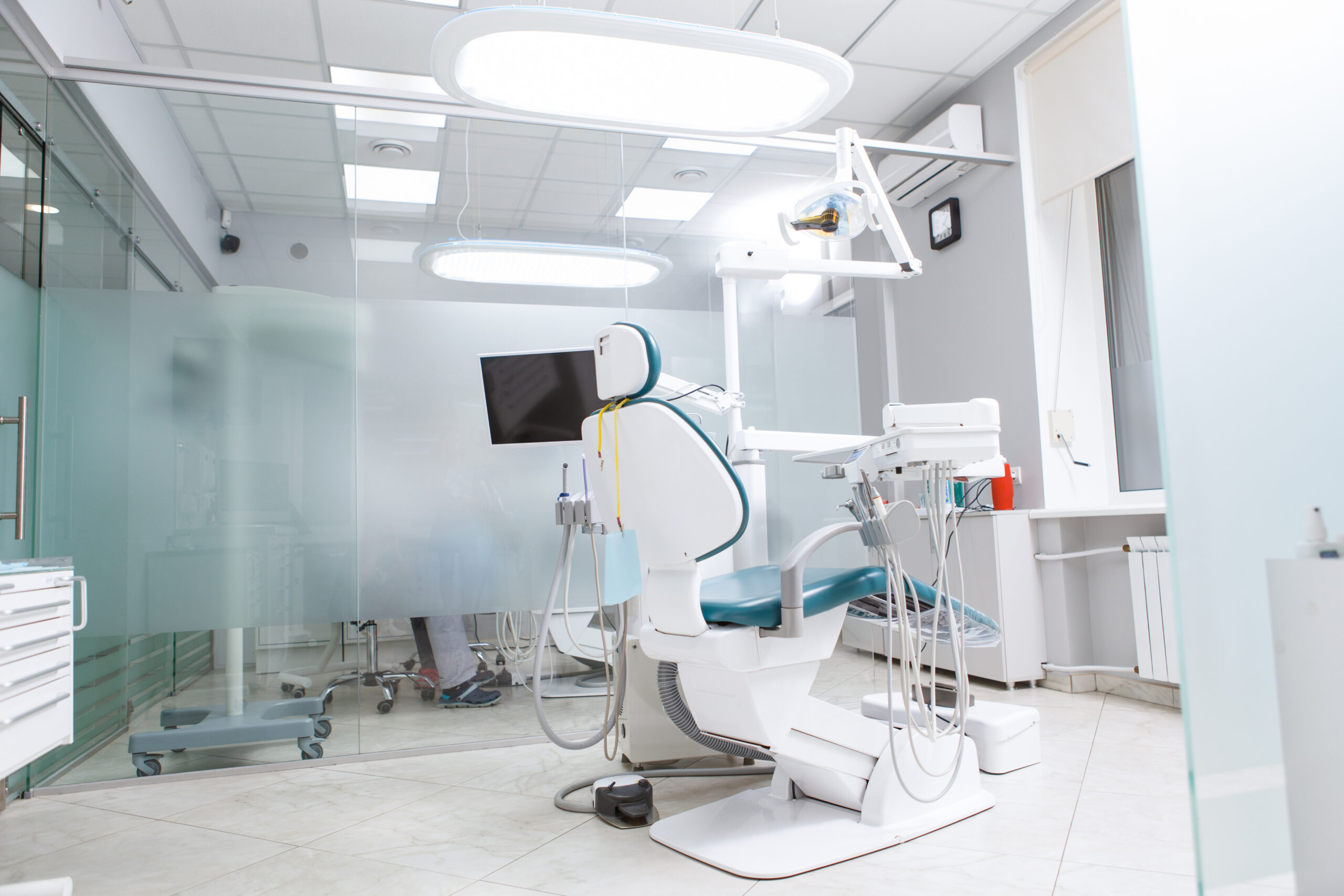
Expertise, Access & Convenient Locations
Multiple clinic locations across Los Angeles with extended hours to fit your busy schedule.
What Patients Expect from a Dental and Orthodontic Office in Inglewood
Patients in Inglewood often expect a dental and orthodontic office to deliver clarity, consistency, and practical guidance that makes decisions easier. Many people want to understand what is happening in their mouth, what the dentist recommends, and what the timeline should realistically look like before they commit to a plan. They also tend to value care that respects their time, because follow-through becomes harder when appointments feel unstructured or recommendations change without explanation. A strong patient experience comes from clear communication, organized next steps, and a team that can support both routine dentistry and orthodontic planning without turning every visit into a high-pressure moment. PhD Dental helps patients feel more in control by explaining priorities in a way that makes it easier to choose the next step without feeling rushed. The office should also set clear checkpoints, so patients know when progress will be reviewed and what changes would trigger an adjustment to the plan. Patients often appreciate straightforward guidance on maintenance, since long-term results depend on habits between visits as much as what happens in the chair. When follow-up feels predictable and communication stays consistent, patients tend to stay more engaged and complete care with fewer delays.
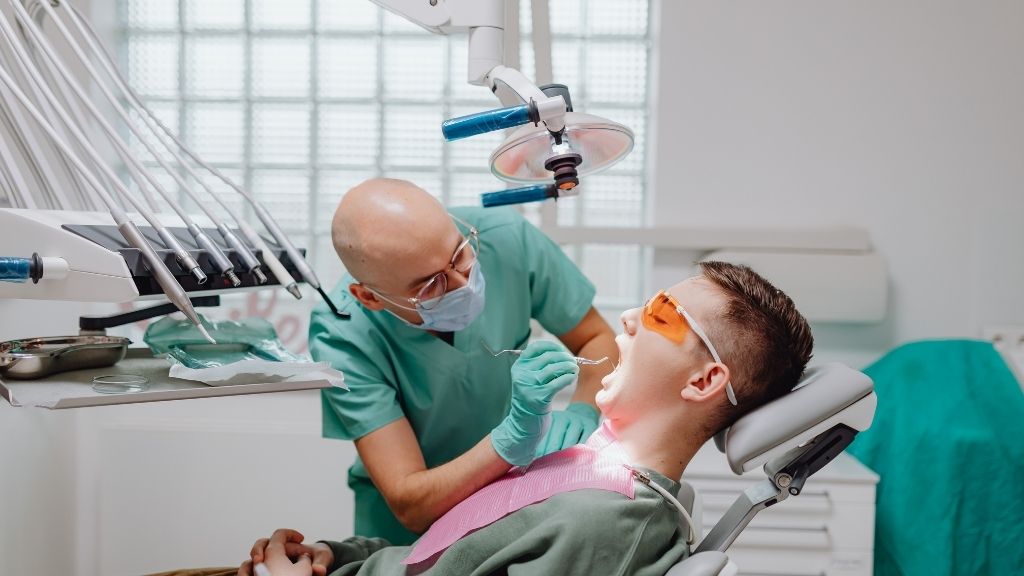
Patients often feel more satisfied when the dentist explains findings in plain language and connects them to everyday outcomes. A clear recommendation describes what the issue is, why it matters, and what options exist based on comfort, function, and long-term stability. Inglewood patients also appreciate when dentists explain what can be monitored safely, because it reduces the feeling that every concern demands immediate treatment. This approach supports trust because it keeps the patient in control of the decision pace.
Plain-Language Explanations That Connect Oral Health Findings to Real-Life Impact
When recommendations feel too technical, patients may postpone care because they do not fully understand the purpose. Dentists build confidence by explaining how a finding relates to chewing comfort, sensitivity, gum health, or the risk of a tooth weakening over time. Patients often respond well to explanations that include what changes to watch for, since that makes follow-up feel purposeful. This improves satisfaction because patients leave knowing what matters, not just what was found.
Why “Reason First” Explanations Improve Dental and Orthodontic Treatment Follow-Through
Patients follow through more consistently when they understand the reason behind a recommendation. Clarity reduces second-guessing and helps patients schedule care before a small issue becomes painful. A reason-first approach also helps patients evaluate tradeoffs between options without feeling overwhelmed. Over time, this supports better outcomes because patients stay proactive instead of reactive.
Prioritized Options That Reduce Decision Fatigue for Inglewood Dental Patients
Patients often arrive with multiple concerns, and a long list can feel discouraging. Dentists improve the experience by prioritizing the next best step and explaining what can wait without added risk. This helps Inglewood patients plan around work, family, and budget realities while still protecting oral health. It also supports trust because the plan feels thoughtful rather than rushed.
How Staged Dental Care Planning Helps Patients Avoid Overcommitment
Staged planning breaks treatment into manageable phases that fit real schedules. Patients can address urgent needs first and plan additional care in a sequence that feels realistic. This approach often prevents delays, since patients are less likely to abandon a plan that feels achievable. It also supports satisfaction by keeping progress steady.
Patients expect consistency, especially when care spans multiple appointments or includes orthodontic treatment. Predictable care means the plan does not shift unexpectedly, and patients understand what each visit is meant to accomplish. Inglewood patients often value a clear roadmap because it reduces stress and helps them keep appointments consistently. A predictable process also helps patients avoid the feeling that they are restarting the conversation at every visit.
Clear Next Steps After Each Dentist Checkup or Orthodontic Appointment
A strong visit ends with a simple summary of what happened, what needs attention next, and what the patient should do between appointments. Patients appreciate specific takeaways, because they help with planning and reduce uncertainty. Clear next steps also support better home routines, since patients know what to focus on and why. This improves satisfaction because patients leave with direction rather than open questions.
Why Defined Next Steps Reduce Delays and Missed Follow-Ups
Many treatment delays happen when patients leave without a clear plan for scheduling. Defined next steps make follow-through more likely, since patients know what to book and when timing matters. This reduces the chance that small problems progress quietly while patients wait too long. Patients benefit because care stays organized and less stressful.
Consistent Monitoring That Supports Dental and Orthodontic Progress
Patients often expect the office to track changes over time, not treat each visit as a standalone event. Monitoring includes checking gum health trends, watching restorations for wear, and evaluating bite patterns that can influence comfort or alignment stability. In orthodontic care, monitoring helps confirm progress and identify small issues before they become setbacks. This builds trust because it shows the practice is paying attention to long-term outcomes.
How Ongoing Tracking Helps Patients Feel More Secure About Their Plan
Patients feel more confident when they know progress will be reviewed at clear checkpoints. Tracking creates reassurance because it turns treatment into a measured process rather than guesswork. It also helps patients understand what “normal” progress looks like, which reduces anxiety between visits. This supports satisfaction because patients feel supported over the full course of care.
Patients expect an office to respect time without rushing clinical decisions. Inglewood patients often look for scheduling that supports preventive consistency and keeps longer plans moving forward. They also want support when questions come up between visits, because uncertainty can lead to delays or avoidable discomfort. Practical access strengthens trust because it shows the office supports patients beyond the appointment itself.
Scheduling That Helps Inglewood Dental Patients Stay Consistent Without Disruption
A schedule-friendly office helps patients keep preventive visits on time and complete treatment without long gaps. Dentists also help patients understand which visits are time-sensitive and which ones have more flexibility. This supports satisfaction because patients can plan care around work and family obligations without losing momentum. It also improves outcomes because consistency often prevents urgent problems.
Why Consistency Often Matters More Than Finding the “Perfect” Appointment Time
Patients sometimes postpone care waiting for the ideal week. Consistency matters because small delays can compound, especially when symptoms are mild. A realistic schedule keeps care moving and reduces the risk that a minor issue becomes a larger repair. Patients appreciate this because it protects both time and comfort.
Reliable Guidance Between Oral Care Visits for Inglewood Patients
Patients value knowing they can get answers when something feels off. Support between visits helps patients avoid guessing about sensitivity, appliance discomfort, or changes in bite feel. Quick guidance can prevent unnecessary worry and keep treatment on track. This builds trust because patients feel supported outside of the chair.
How Fast Answers Can Prevent Small Issues from Becoming Bigger Problems
Small concerns are easier to resolve early. Waiting can lead to worsening irritation, longer recovery, or a setback in orthodontic progress. Fast answers help patients stay comfortable and reduce avoidable delays. This supports satisfaction because patients feel cared for throughout the process.
Making Sense of Dental and Orthodontic Options in One Inglewood Office
When patients have multiple goals, it can be hard to know which concern to address first and which options actually fit the situation. Inglewood patients often want a dentist who can explain choices in a clear way, identify priorities, and avoid recommendations that feel disconnected from daily comfort or long-term stability. A helpful approach also clarifies when a concern needs action now versus when monitoring is appropriate, because that distinction prevents rushed decisions. PhD Dental uses category-based planning to help patients understand what each type of care is meant to solve, how treatment timing can be paced realistically, and how dentistry and orthodontics can support each other without making the plan feel complicated.
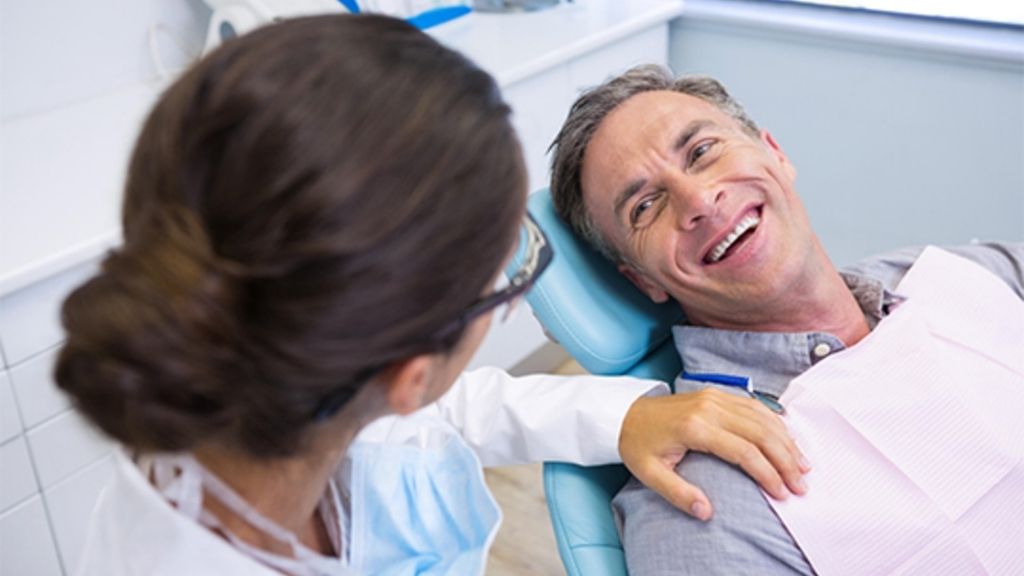
Cosmetic dentistry should improve appearance while still protecting function and keeping results natural. Inglewood patients often want cosmetic changes that look polished in everyday lighting, not overly uniform or artificial. A good cosmetic plan also considers bite feel and tooth proportions, since those details affect how the result looks and how it functions. Patients tend to feel more confident when cosmetic options are explained with realistic outcomes and clear guidance on what changes will have the biggest visible impact.
Cosmetic Planning That Aligns Aesthetics With Comfort and Function
A cosmetic improvement should look natural and feel comfortable when you speak and chew. Dentists consider tooth shape, edge position, and how the smile line fits the face to avoid results that feel out of place. This kind of planning helps patients avoid regret because it prioritizes balance rather than dramatic change. Patients value this approach because it keeps cosmetic dentistry grounded in real-world expectations.
Why Shade and Shape Decisions Matter More Than “Whiter”
Brightening can help, but shade alone does not create a natural smile. Small changes in edge shape and symmetry often produce a more believable result than pushing color too far. Patients appreciate this guidance because it helps them choose a look that will still feel right years later. Clear recommendations also reduce second-guessing during decision-making.
Orthodontic options can feel confusing when patients do not understand what the plan is trying to accomplish beyond straight teeth. Inglewood patients often want clarity on timing, expected milestones, and what habits protect progress between visits. A strong orthodontic plan also explains how bite balance affects long-term comfort, since alignment should support function as well as appearance. Patients trust orthodontic care more when the dentist explains tradeoffs between options instead of presenting one path as the only answer.
Orthodontic Options Explained Through Bite Goals and Lifestyle Fit
Orthodontic treatment should match both the alignment goal and the patient’s routine. Dentists discuss factors like wear consistency, comfort preferences, and expected appointment cadence so patients know what they are committing to. This supports satisfaction because patients can choose a plan they can realistically follow. It also protects outcomes because consistency often determines how smooth the process feels.
How Retention Planning Protects the Investment in Orthodontic Care
Alignment can change after treatment if retention is unclear or inconsistent. Dentists explain what stability should feel like, how long retention tends to matter, and what signals a need for a check-in. This builds trust because it treats orthodontics as a long-term result, not a short-term finish line. Patients often feel more confident when retention is presented as part of the plan, not an afterthought.
Parents often want pediatric dental care in Inglewood that feels calm, preventive, and easy to follow at home. Inglewood families also benefit when the dentist explains development in a simple way, because early patterns can affect both cavity risk and future alignment. A good pediatric approach focuses on consistency and comfort so children build trust in dental visits over time. Patients tend to stay more consistent when the practice helps parents understand what matters most between visits.
Preventive Pediatric Care That Reduces Future Complications
Prevention helps children avoid urgent visits and supports healthier habits as they grow. Dentists focus on early risk identification, routine monitoring, and guidance that parents can actually apply at home. This supports satisfaction because families feel supported rather than judged. It also protects long-term outcomes because small problems are easier to address early.
Why Early Monitoring Can Make Orthodontic Timing Easier
Spacing and eruption patterns can create clues about future alignment needs. Monitoring gives families time to plan and reduces the pressure of last-minute decisions later. Parents appreciate this because it keeps options open without pushing treatment too early. Clear explanations also help families understand what changes deserve attention.
Restorative dentistry should restore strength and reduce the likelihood of repeat breakdown. Inglewood patients often want to know whether a problem is minor or whether it risks turning into a bigger repair if ignored. A strong restorative plan also accounts for bite pressure, since chewing forces can determine how long a restoration lasts. Patients feel more confident when dentists explain options clearly and connect recommendations to durability.
Restoration Choices Based on Tooth Strength and Bite Demands
The right restoration depends on how much tooth structure remains and how the tooth is used. Dentists explain when a filling is appropriate versus when a crown or stronger repair provides better protection. This clarity supports trust because patients understand what they are paying for and why it matters. Patients also appreciate when the plan anticipates long-term wear instead of waiting for failure.
How Bite-Aware Planning Helps Prevent Repeat Repairs
Repairs can fail early when bite pressure concentrates on a weak point. Dentists check contact points and recommend adjustments when needed to reduce stress. This supports satisfaction because restorations feel more stable and last longer. It also reduces disruption because patients avoid unexpected breakage.
Endodontic evaluation often becomes necessary when pain lingers, sensitivity worsens, or infection threatens the tooth root. Inglewood patients often want a clear explanation of why a tooth hurts and whether it can be saved. A good endodontic approach focuses on diagnosis, pain relief, and realistic next steps. Patients trust this process more when dentists explain what the treatment solves and what happens if the issue progresses.
Root Canal Evaluation That Focuses on Clarity and Tooth Preservation
Dentists evaluate symptoms and imaging findings to determine whether root canal treatment is appropriate. Clear explanations help patients understand what is causing discomfort and what relief should look like after treatment. This supports confidence because the plan is evidence-based rather than speculative. Patients also value knowing what outcomes to expect during healing.
Why Early Treatment Often Prevents Escalating Complications
Waiting can allow infection to spread and create more painful flare-ups. Early intervention often protects the tooth and supports a smoother recovery window. Patients appreciate this because it reduces the chance of urgent disruption. Clear timing guidance also helps patients plan around work and family schedules.
Gum health affects comfort, breath, and long-term tooth stability, even when teeth look fine. Inglewood patients often benefit when the dentist explains gum findings using measurable indicators, because that turns gum care into a clear plan. Periodontal issues can progress quietly, so monitoring and maintenance matter for preventing bigger problems later. Patients often feel more confident when they understand what changes are expected with consistent care.
Gum Health Evaluation That Uses Measurable Signs of Progress
Dentists assess inflammation, pocket depth, and bleeding patterns to evaluate gum health. Patients benefit from understanding what those measurements mean and what improvements should look like over time. This builds trust because it makes the plan concrete. It also supports satisfaction because progress becomes easier to recognize.
How Maintenance Planning Helps Prevent Repeat Gum Flare-Ups
Gum health often improves when patients follow consistent home routines and keep up with professional monitoring. Dentists explain how often follow-ups matter and what habits reduce inflammation risk. Patients value this guidance because it helps prevent a cycle of recurring problems. Long-term stability becomes more realistic with a clear maintenance plan.
Oral surgery can feel intimidating when patients do not know what to expect or how recovery will affect daily life. Inglewood patients often want straightforward information about why a procedure is recommended, how comfort will be managed, and what healing typically involves. A clear surgical plan supports confidence by reducing uncertainty and outlining practical aftercare. Patients also benefit when dentists explain when advanced planning is needed for safety and predictability.
Surgical Planning with Clear Recovery Guidance and Support
Dentists explain the reason for surgery, what the appointment involves, and what a typical healing window looks like. Patients appreciate practical guidance on meals, work timing, and follow-up. This supports satisfaction because patients can plan without guesswork. Clear instructions also improve recovery outcomes.
When Advanced Planning Protects Safety and Predictability
Some cases require extra planning based on anatomy, tooth position, or medical history. Dentists explain when that applies and what it changes about the approach. Patients trust this guidance because it prioritizes safety and predictable healing. It also reduces stress because patients know what to expect in advance.
Helping Inglewood Patients Stay Informed and Avoid Rushed Decisions
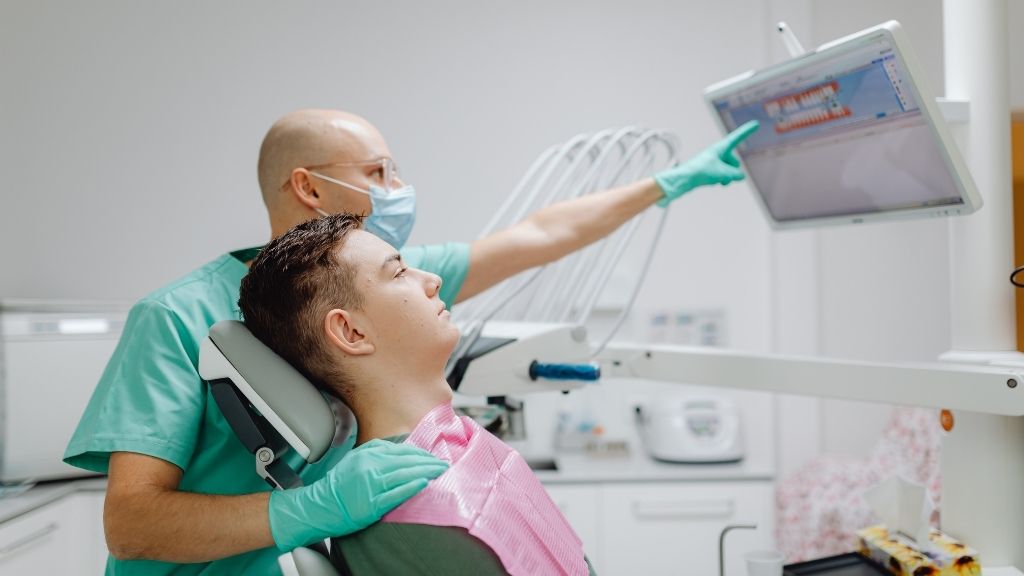
Many Inglewood patients come in with competing priorities, limited time, and questions they have been carrying for a while. Rushed decisions often happen when patients feel uncertain, when recommendations sound overly technical, or when they do not understand the risk of waiting versus the benefit of acting now. A better experience gives patients the information they need in a clear order, with enough context to compare options without feeling pressured. PhD Dental supports informed decision-making by explaining findings in plain language, outlining realistic timelines, and helping patients choose next steps that fit comfort, function, and long-term stability.
Patients often hear advice from multiple sources, and that can make dental choices feel confusing. A clear plan includes what the dentist saw, what it means, and what the next step is meant to accomplish, not just a list of procedures. Inglewood patients tend to feel more confident when they understand the goal behind each option and the tradeoffs that come with it. This approach builds trust because it treats the patient as an active decision-maker rather than a passive recipient of treatment.
How Inglewood Dentists Explain Priorities Without Overwhelming Patients
A good explanation starts with what matters most for comfort and risk, then moves to what improves stability and maintenance. Dentists can separate urgent concerns from optional improvements, which helps patients think clearly instead of reacting emotionally. This supports satisfaction because patients can take action without feeling like they need to solve everything at once. It also helps patients plan financially and logistically without last-minute pressure.
Why “What Matters Now” Helps Patients Avoid Decision Fatigue
Decision fatigue often causes patients to delay care, even when they want to move forward. A clear “what matters now” approach reduces the mental load by focusing attention on one best next step. Patients feel more in control because they know what they are deciding and why. This often leads to better follow-through and fewer cancellations.
How Dentists Use Simple Visual and Measurement-Based Explanations
Patients trust care more when they can see what the dentist sees and understand how it is being measured. Dentists may reference imaging findings, gum measurements, or bite contacts to explain why a recommendation makes sense. This supports confidence because it replaces vague reassurance with tangible indicators. Patients often respond well when the dentist explains what change would trigger a different recommendation.
How Measurements Make Treatment Feel More Predictable
Measurable findings help patients understand progress and risk without guessing. When patients know what a stable gum measurement looks like or what tracking progress means in orthodontics, they feel more secure. This improves satisfaction because patients can evaluate progress over time instead of relying on subjective impressions. It also reduces anxiety between visits.
Patients often avoid asking questions when they feel rushed, which can lead to uncertainty and delayed follow-up. A good dental visit includes space for questions about comfort, timing, maintenance, and what alternatives exist. Inglewood patients often appreciate when dentists invite questions in a structured way, because it makes the conversation feel safe and practical. This approach strengthens trust because it shows the office cares about understanding and consent, not fast decisions.
Questions That Help Patients Clarify Options and Tradeoffs
The right questions help patients understand what each option solves and what it requires long term. Dentists can explain how durability, maintenance, and comfort differ between choices. Patients value this because it prevents them from choosing an option that looks good on paper but does not fit their routine. Clear answers also reduce the chance of regret after treatment begins.
Why Discussing Maintenance Early Improves Long-Term Satisfaction
Maintenance determines whether results last, especially for restorations and orthodontic outcomes. Patients benefit when the dentist explains what daily care and follow-up will be needed before treatment starts. This supports satisfaction because patients choose options they can realistically maintain. It also prevents surprises that can cause frustration later.
A Second-Look Approach for Non-Urgent Dental Decisions
Some choices do not need to be made on the spot, especially when the concern is stable and not painful. Dentists can offer a second-look plan, which gives patients time to consider options and return with questions. This supports confidence because patients can reflect without feeling pressured. Inglewood patients often prefer this approach because it respects their pace and allows practical planning.
How “Time to Decide” Helps Patients Commit with Confidence
Patients commit more confidently when they feel in control of the timeline. Time to decide reduces the fear of making the wrong choice under pressure. It also helps patients coordinate schedules, budget, and family responsibilities. This often leads to smoother treatment because patients start with clearer expectations.
Avoiding rushed decisions does not mean avoiding action. Patients benefit when the dentist explains what risks come with waiting and what warning signs should trigger a faster visit. Inglewood patients often want clarity on what is safe to monitor and what should be handled sooner to avoid pain or more complex repair. This supports trust because it balances patient control with honest risk guidance.
How Inglewood Dentists Explain Consequences Without Fear-Based Language
Patients respond better to calm explanations of risk than to scare tactics. Dentists can describe how small cracks progress, how gum inflammation can worsen, or how orthodontic delays can affect timing. This approach supports patient confidence because it stays factual and respectful. It also helps patients understand the value of acting early.
Why Early Action Often Creates Simpler, More Comfortable Treatment
Early treatment often requires fewer appointments and less invasive intervention. Patients appreciate this because it reduces disruption and tends to improve comfort. Acting early also supports more predictable outcomes, which helps patients feel confident in the plan. This reinforces satisfaction because care feels proactive rather than reactive.
Take the Next Step with Our Inglewood Dental and Orthodontic Team
If you are choosing an Inglewood dental and orthodontic office because you want clear guidance and a plan you can trust, the next step is a visit that turns questions into a practical direction. PhD Dental uses that appointment to evaluate oral health, clarify what is driving any discomfort or cosmetic concerns, and explain which options match your priorities without rushing the decision. This approach helps Inglewood patients move forward with confidence because it focuses on what will improve comfort and function now while still supporting longer-range alignment goals.
A visit also gives you a clear way to plan timing, which matters when treatment involves multiple stages or follow-up habits that affect results. PhD Dental outlines what to handle first, what can be scheduled around work and family obligations, and how dentistry and orthodontics can progress without feeling disjointed. Patients often feel more comfortable committing when the plan includes clear checkpoints and realistic expectations, since that reduces surprises and makes follow-through easier. When next steps are organized and measured, it becomes easier to stay consistent and avoid the delays that often lead to bigger problems.
Call (323) 269-5437 to take the next step with PhD Dental and schedule an appointment at our Inglewood dental and orthodontic office today.

Experienced Dentist and Orthodontics In Inglewood
Modern Care, Timeless Smiles.
Combining decades of expertise with the latest in dental technology, we provide comprehensive oral health care and specialized orthodontics for the Inglewood community. From routine cleanings to complex alignment, your smile is in experienced hands.
LEARN MORE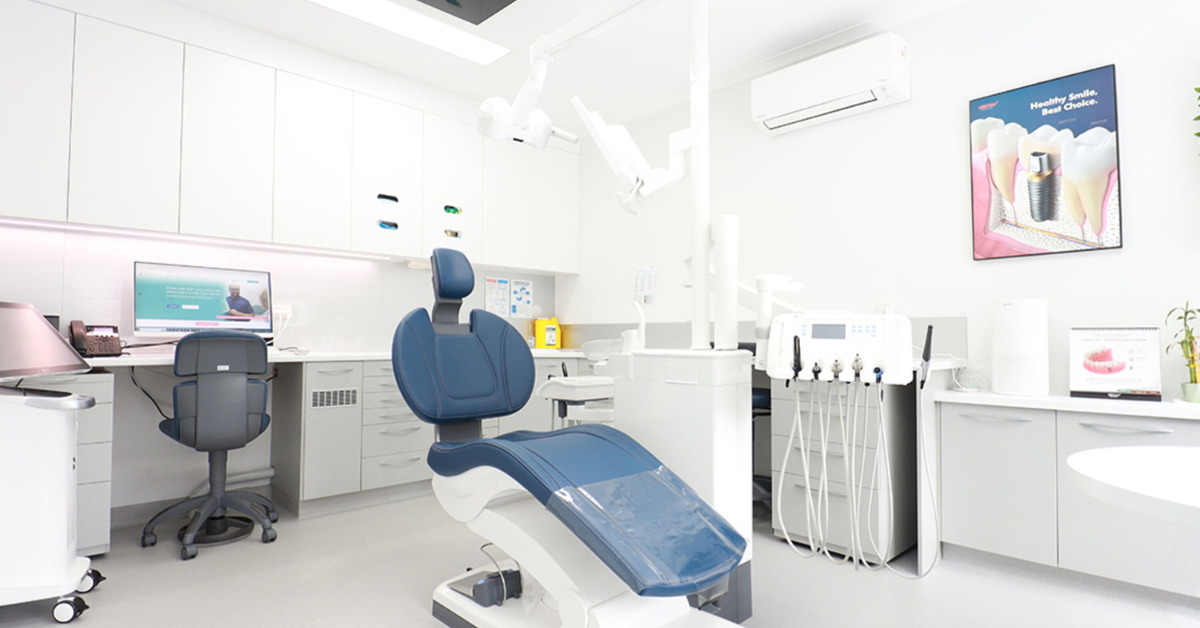

Get in Touch with PhD Dental
Pick your location
Inglewood
PhD Dental proudly serves Inglewood patients with a welcoming approach that emphasizes comfort and trust. Our team works closely with Inglewood families to support healthy smiles at every stage of life.
Hours
- Mon 9:30AM - 7:30PM
- Tue 9:30AM - 7:30PM
- Wed 9:30AM - 7:30PM
- Thu 9:30AM - 7:30PM
- Fri 9:30AM - 6:30PM
- Sat 9:00AM - 4:00PM
- Sun Closed