
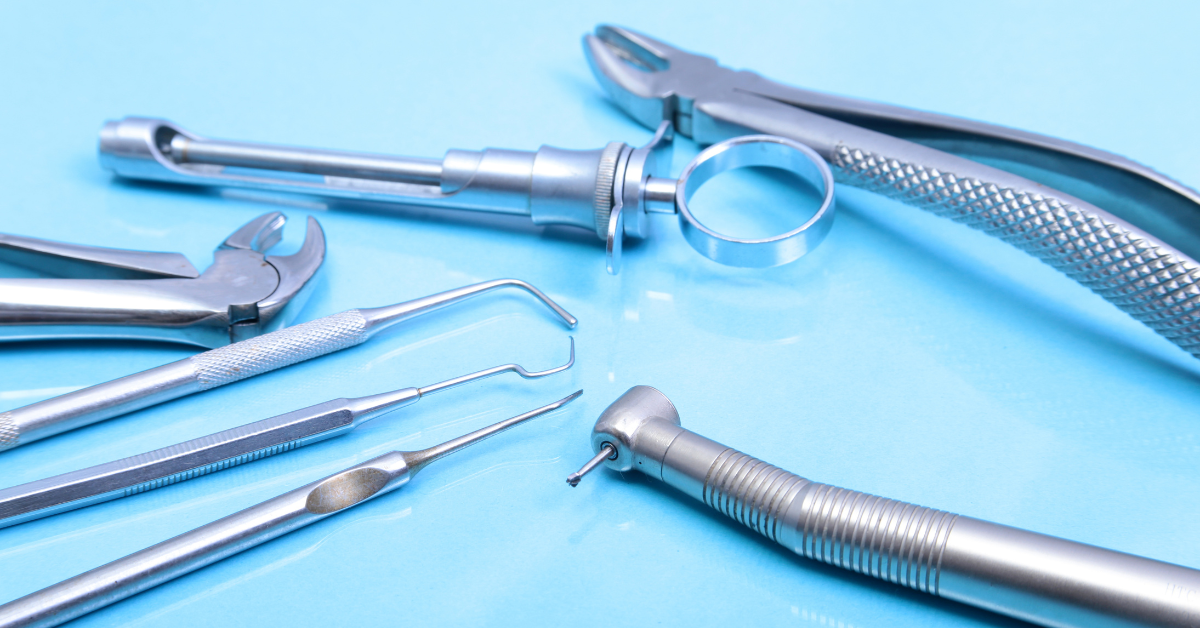
Call PhD Dental Today for Exceptional Dental Care
BOOK AN APPOINTMENTLos Angeles Oral Surgeons
Knowledgeable Los Angeles oral surgeons help patients move forward when a dental problem requires surgical skill, careful planning, and a controlled treatment environment. At PhD Dental, our oral surgery care focuses on clear diagnosis, precise technique, and step-by-step guidance so you understand the purpose of treatment and what to expect throughout recovery. We approach each case with a safety-first mindset, using thorough evaluation and straightforward recommendations that match the condition you are trying to resolve.
Oral surgery often becomes the right next step when pain, infection risk, damaged teeth, or complex structural needs make routine treatment insufficient. Our team prioritizes patient comfort and clear communication, since confidence matters before any procedure begins. From consultation through follow-up, we keep the process organized and transparent, so you can make decisions based on clarity rather than pressure.
Call (323) 269-5437 to schedule a consultation with our Los Angeles oral surgeons at PhD Dental. Our team will help you choose the right appointment time and outline the next steps for evaluation and treatment planning.
Top-Rated Dentists
in Los Angeles
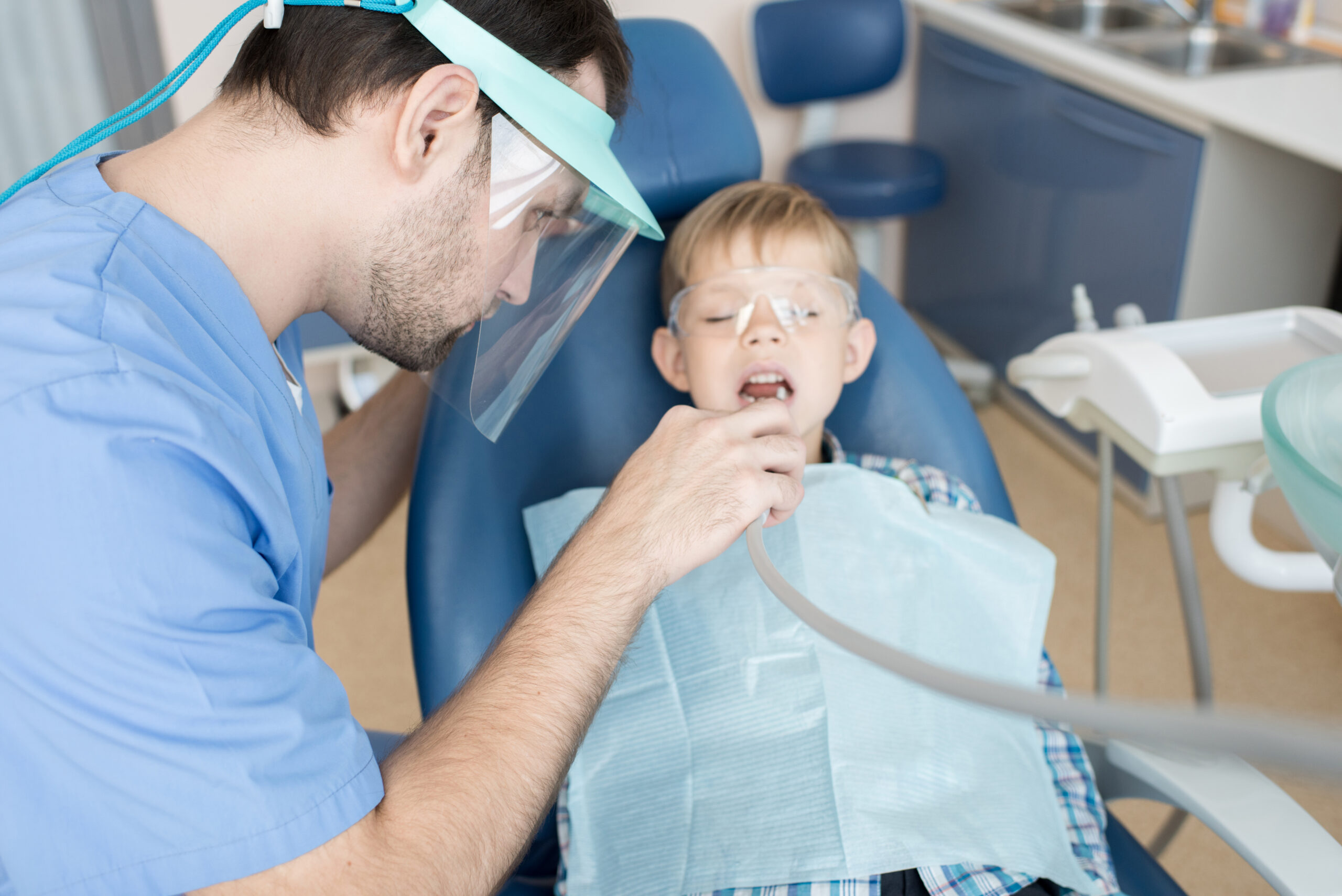
Patient-First Dentistry for Every Stage of Life
From early childhood development to adult care, we focus on patient comfort and comprehensive treatment.
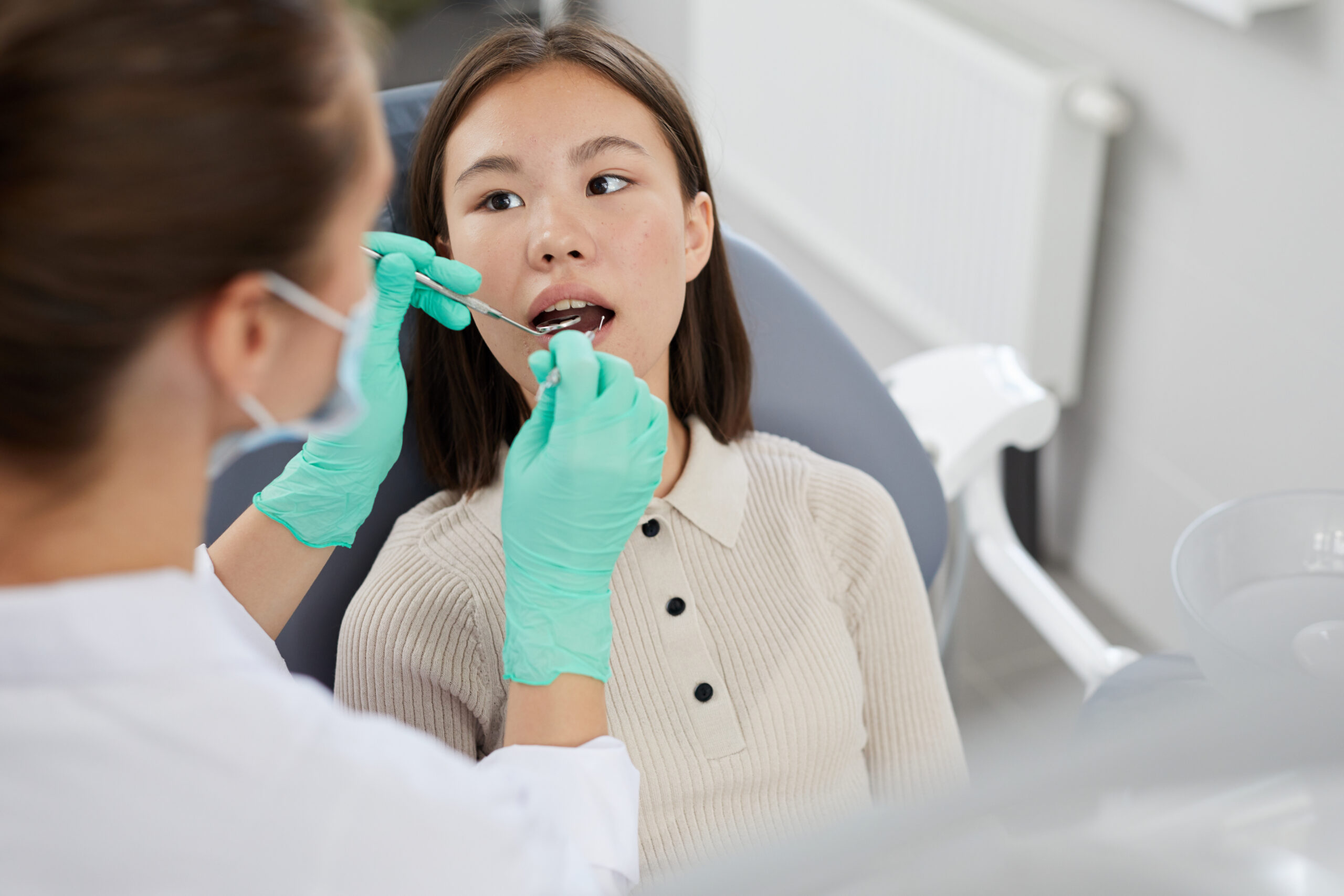
Removing Barriers to Dental Care
We believe everyone deserves access to high-quality dental care, regardless of financial situation.

Comprehensive Dentistry Under One Roof
Orthodontics, implants, oral surgery, and preventative care all conveniently located in our clinics.
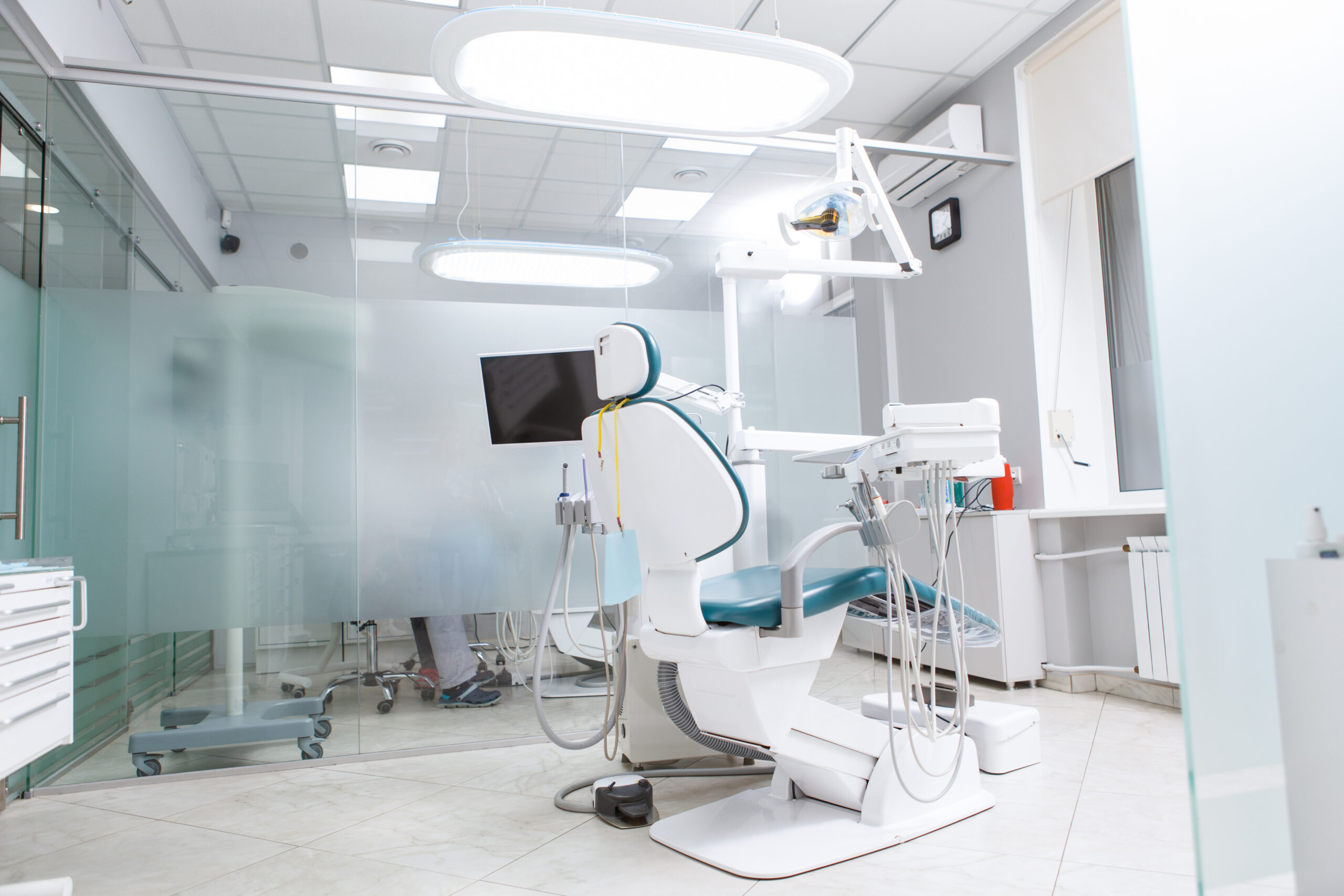
Expertise, Access & Convenient Locations
Multiple clinic locations across Los Angeles with extended hours to fit your busy schedule.
Table of Contents
- Common Procedures Performed by Los Angeles Oral Surgeons
- What to Expect Before, During, and After Oral Surgery
- How Our Los Angeles Oral Surgeons Reduce Anxiety and Recovery Time
- Complex and High-Risk Care Managed by Our Los Angeles Oral Surgeons
- Oral Surgery Safety Standards and Risk Reduction for Los Angeles Patients
- Schedule a Consultation With Our Los Angeles Oral Surgeons at PhD Dental
Common Procedures Performed by Los Angeles Oral Surgeons
Oral surgery covers a range of procedures that address impacted teeth, failing teeth, jaw-related complications, and advanced restorative needs that exceed routine dental care. The right approach starts with precise evaluation, then matches the procedure to your long-term oral health goals, not just short-term symptom relief. Patients also benefit when an oral surgeon explains why surgery is recommended, what outcomes to expect, and how recovery timelines typically unfold.
At PhD Dental, the consultation also clarifies how the surgical plan fits into your overall dental roadmap, including whether a future restoration or bite-related goal depends on proper healing. You will receive practical guidance on preparation, aftercare priorities, and the typical checkpoints that mark steady recovery. Our Los Angeles oral surgeons outline what factors can change a timeline, such as infection risk, bone quality, or the complexity of an impaction, so expectations stay realistic. When you understand the reasoning and sequence, it becomes easier to commit to the plan and follow through with confidence.

Los Angeles oral surgeons perform surgical extractions when teeth cannot be restored safely due to fracture, deep decay, recurring infection, or structural weakness. A surgical extraction removes the tooth while protecting nearby bone and soft tissue, which can support better healing and future restorative options. This type of procedure also applies to teeth that remain trapped in the jaw or emerge at an angle that risks pain and crowding.
Oral Surgery for Wisdom Tooth Removal and Impacted Third Molars
Wisdom teeth often cause problems when they lack room to erupt or grow in at a direction that irritates surrounding tissue. Removal can prevent repeated inflammation, gum infection, and damage to adjacent molars. Los Angeles oral surgeons typically discuss timing, imaging findings, and expected recovery so patients can plan confidently.
Managing Swelling, Discomfort, and Post-Extraction Healing
Recovery planning matters as much as the procedure itself. Patients benefit from clear guidance on pain control, diet changes, and signs of abnormal healing. A thorough plan can reduce the risk of dry socket, infection, and prolonged swelling, which improves satisfaction and supports smoother follow-through.
Dental implants replace missing teeth with a stable foundation that can support crowns, bridges, or full-arch restorations. Successful implant care depends on bone quality, proper spacing, and careful surgical placement to protect nearby nerves and sinus areas. A well-managed process also includes a roadmap for healing phases, restoration timing, and long-term maintenance expectations.
Implant Placement for Single Tooth and Multi-Tooth Tooth Replacement
An implant can replace a single missing tooth without relying on neighboring teeth for support. Implant planning also applies to multiple missing teeth when stability and bite balance require a more anchored solution. Patients often value implant options because they can improve chewing function and reduce shifting in the surrounding bite.
Los Angeles Oral Surgeons Who Handle Bone Grafting and Ridge Preservation for Implant Readiness
Some patients need additional bone support to create a strong foundation for implants. Bone grafting or ridge preservation can help maintain jaw structure after extraction and improve the likelihood of a stable implant result. Clear explanations of why grafting is recommended help patients feel confident that each step supports long-term success rather than adding unnecessary complexity.
Certain oral health issues require surgical attention because they can worsen without timely intervention. Infections may spread, cysts can expand and affect nearby structures, and hidden problems can compromise adjacent teeth. A careful oral surgery evaluation helps identify the true source of the issue and create a plan that supports both safety and predictable resolution.
Surgical Treatment for Dental Abscesses and Persistent Infection in Los Angeles
A persistent infection may not respond to basic treatment alone, especially if it involves deeper tissues or recurring flare-ups. An oral surgeon can evaluate the cause, recommend appropriate intervention, and coordinate next steps to reduce the risk of reinfection. Patients appreciate clear guidance on urgency, since infection-driven decisions often feel stressful without a trusted plan.
Protecting Adjacent Teeth and Supporting Long-Term Stability
Oral surgery should aim to solve the immediate problem while protecting the surrounding bite and structures. That includes preserving bone when possible, reducing trauma to neighboring teeth, and planning for future restoration when a tooth cannot be saved. This long-view approach supports trust because it treats the mouth as a system rather than a single isolated tooth.
Some patients need surgical help to guide tooth eruption or support orthodontic treatment. Teeth may remain impacted, erupt in an unfavorable direction, or require exposure to allow proper alignment. Coordinated planning between an oral surgeon and orthodontist can improve alignment outcomes and reduce delays.
Impacted Canine Exposure and Orthodontic Surgical Assistance
Impacted canines can affect bite development and alignment, especially when they remain trapped high in the gum or jaw. A surgical exposure can help the orthodontic team guide the tooth into place with controlled traction. Patients benefit when the surgeon explains how the procedure supports the overall orthodontic plan and what healing typically looks like.
Timing, Coordination, and Follow-Up During Orthodontic Treatment
Surgical steps in orthodontics depend heavily on timing, since eruption patterns and alignment progress affect results. A coordinated plan includes follow-up checkpoints and clear instructions for care during healing. This structure improves confidence because patients understand how oral surgery fits into a larger treatment plan rather than feeling like an isolated event.
What to Expect Before, During, and After Oral Surgery
Oral surgery feels less stressful when you know the sequence of steps and the purpose behind each one. A strong surgical plan begins with a focused consultation that confirms diagnosis, reviews health history, and identifies the safest approach based on your medical profile and treatment goals. PhD Dental prepares patients with clear instructions and practical expectations, so you can plan your schedule, transportation, and recovery without guesswork. You will also understand what to do in the days leading up to surgery, including how to handle food, hydration, and medications based on your specific plan.
Our Los Angeles oral surgeons outline what you should arrange at home, such as soft foods, rest time, and any needed support on the first day. Patients receive a clear sense of what recovery typically looks like across the first week, including the common milestones that signal normal healing. When expectations stay specific and organized, patients feel more confident and better prepared to follow through.
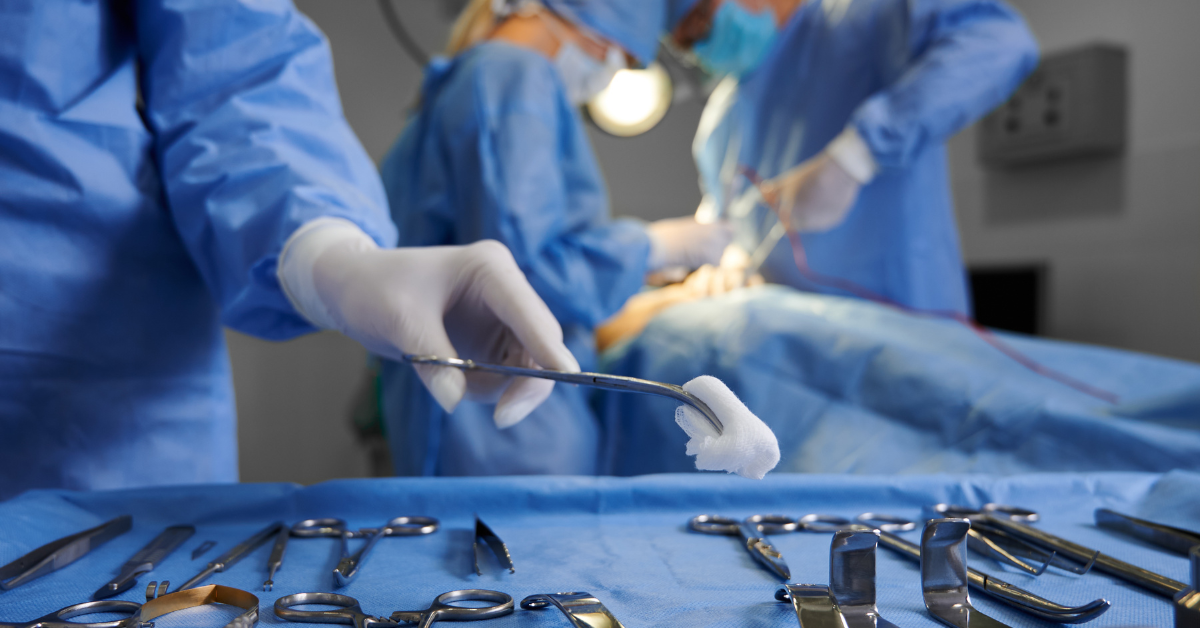
A consultation should do more than confirm that surgery is needed. The surgeon reviews imaging, evaluates the surrounding structures, and explains the recommended approach in terms of risk, benefits, and expected outcomes. Patients often feel more confident when the plan includes clear timing, preparation steps, and what will happen on the day of the procedure.
Medical History Review, Medication Guidance, and Safety Screening for Oral Surgery Patients
Oral surgery planning includes a careful review of conditions like diabetes, blood pressure concerns, and history of bleeding or anesthesia reactions. Patients also need guidance on medications and supplements that can affect bleeding or healing. Clear safety screening helps prevent complications and shows that the practice treats surgery as a controlled medical procedure, not a routine appointment.
Pre-Oral Surgery Imaging Review and Explanation of Surgical Complexity
Patients deserve to understand what the imaging shows and why it changes the plan. The surgeon can point out impacted tooth position, proximity to nerves, sinus anatomy, or bone density issues that influence technique. This clarity builds trust because it turns the plan into something you can follow and evaluate, rather than a set of unexplained decisions.
The day of oral surgery should feel organized, calm, and clinically focused. A well-managed visit includes check-in steps that confirm the plan, review consent, and ensure you understand comfort options and post-op instructions. Patients tend to feel more satisfied when the team communicates clearly, stays on schedule, and explains what will happen before it happens.
Anesthesia and Sedation Options for Oral Surgery in Los Angeles
Comfort planning depends on the procedure, your anxiety level, and your medical profile. The surgeon explains available options and what each one means for awareness, monitoring, and post-procedure transportation. A transparent discussion helps patients choose an option that balances comfort and safety while setting realistic expectations for the recovery period.
In-Procedure Monitoring and Patient Support for Los Angeles Dental Clients
Safe oral surgery includes monitoring that matches the level of sedation and the complexity of the case. The clinical team tracks vital signs, maintains a controlled environment, and responds quickly to patient needs. This level of attentiveness reassures patients and reinforces confidence in the practice’s surgical standards.
Recovery becomes more predictable when patients know what is normal and what signals a problem. A strong post-op plan includes pain control guidance, swelling management, diet recommendations, and clear instructions for oral hygiene during healing. Follow-up also matters, since it provides a checkpoint for healing progress and helps address concerns early.
Managing Pain, Swelling, and Activity Restrictions After Oral Surgery
Most patients experience some swelling and discomfort, especially in the first few days. Clear guidance on cold therapy, medication timing, and activity limitations helps reduce setbacks and supports smoother healing. Patients also benefit from knowing what should improve day by day, since progress markers reduce anxiety during recovery.
Warning Signs That Require a Call to the Oral Surgeon
Patients should know which symptoms warrant immediate contact, especially after extractions, implant placement, or infection-related procedures. Concerns can include uncontrolled bleeding, worsening swelling after the initial peak, fever, severe pain that does not respond to medication, or signs of infection. Clear thresholds help patients feel supported and prevent minor issues from turning into complications.
Oral surgery often represents one phase in a larger treatment plan. Patients benefit when the surgeon explains how healing affects timing for crowns, implant restoration, orthodontic steps, or other follow-on care. A coordinated plan helps patients understand the full path, so they can plan financially, logistically, and medically.
Restoration Timing and Communication With Your General Dentist
Surgical healing times vary based on the procedure, bone health, and personal healing factors. Your surgeon can outline when your dentist can proceed with restoration and what milestones need to happen first. This coordination supports trust because it reduces delays, prevents miscommunication, and keeps the overall treatment plan moving forward.
Follow-Up Appointments and Long-Term Maintenance Guidance
Follow-up visits help confirm healing, assess comfort, and address any developing concerns before they escalate. Patients also benefit from maintenance recommendations that protect results, especially after implants or grafting. When long-term guidance is clear, patients feel confident that the outcome will remain stable well beyond the initial recovery window.
How Our Los Angeles Oral Surgeons Reduce Anxiety and Recovery Time

Oral surgery anxiety often comes from uncertainty about discomfort, healing, and the fear of complications.Our Los Angeles oral surgeons reduce that stress by setting clear expectations early and using a structured care plan that supports both comfort and efficient healing. Patients feel more at ease when they know what sensations are normal, how pain control will work, and what specific steps help them recover smoothly. That clarity starts before the procedure with straightforward guidance on preparation, timing, and what the first 24 to 72 hours commonly look like.
Our Los Angeles oral surgeons also explain how swelling typically changes day to day, so patients can track improvement instead of guessing. When questions come up during recovery, patients know who to contact and what information to share, which prevents small concerns from spiraling. This approach helps patients stay calm, follow instructions consistently, and move through healing with fewer interruptions.
Anxiety decreases when comfort planning feels tailored rather than routine. Oral surgeons consider factors like procedure complexity, prior dental experiences, and sensitivity to pain or gag reflex triggers when shaping the plan. This individualized approach helps patients feel taken seriously, which can improve cooperation and reduce tension during the visit.
Personalized Sedation Guidance for Oral Surgery Patients and Clear Decision Support
Patients often want a direct explanation of what each comfort option means for alertness and recovery. A thoughtful consult includes plain-language comparisons and guidance based on safety, not pressure. When patients understand their choices, they feel more in control, which can lower pre-procedure stress.
Pre-Visit Preparation That Prevents Last-Minute Anxiety
Small issues can increase stress on the day of surgery, including uncertainty about eating, medications, or transportation. A strong pre-visit checklist helps patients arrive prepared and confident. This preparation also reduces delays, which keeps the experience calmer and more predictable.
Recovery improves when the surgical approach minimizes tissue trauma and maintains a clean, controlled field. Our Los Angeles oral surgeons use careful technique to protect bone, manage soft tissue, and reduce unnecessary irritation that can lengthen swelling and discomfort. Patients often notice a smoother recovery when the procedure plan prioritizes stability and precision.
Minimally Invasive Approaches When Clinically Appropriate
Some cases allow for technique choices that limit disruption to surrounding tissue. An oral surgeon can evaluate access, anatomy, and risk factors to determine whether a less invasive approach can still deliver a stable result. Patients value this planning because it connects the surgical method to comfort and healing rather than focusing only on the procedure itself.
Bone and Soft Tissue Protection for Predictable Oral Surgery Recovery
Protecting supporting structures matters for both healing and future dental stability. A careful approach can reduce the risk of prolonged soreness, delayed closure, or complications that require additional visits. This attention to detail builds trust because patients can see that the practice focuses on outcomes, not speed.
Many patients feel anxious after surgery because they do not know what symptoms are normal from day to day. Clear aftercare reduces that uncertainty by giving patients practical priorities, timelines, and guidance that fits real life. When patients can track progress, they feel calmer and more confident throughout recovery.
Pain Control Strategies That Balance Comfort and Safety
Effective pain control involves timing, dosing clarity, and realistic expectations. Oral surgeons can guide patients on how to manage discomfort while minimizing risks associated with overuse or mixing medications. Patients often feel reassured when they receive clear direction on what to take, when to take it, and what changes should occur over the first several days.
Guidance on Diet, Oral Hygiene, and Activity to Support Healing
Recovery depends on small daily choices, especially in the first week. Patients benefit from clear diet recommendations, hygiene boundaries, and activity limitations that reduce bleeding risk and support tissue repair. When instructions are simple and consistent, patients follow through more reliably and typically experience fewer setbacks.
Patients worry most about complications when they feel unsure who to contact and what symptoms matter. A strong follow-up process provides clear checkpoints and encourages patients to reach out when something feels off. This structure improves satisfaction because it helps patients feel supported beyond the procedure itself.
Check-In Planning and Post-Surgical Communication Expectations
A reliable practice defines how follow-up will work and when patients can expect guidance. Patients should know how to ask questions, when concerns should be addressed the same day, and what signs require immediate attention. Clear communication standards reduce anxiety because patients do not feel alone while healing.
Managing Complications Early to Protect Long-Term Results
Most recoveries progress smoothly, but early intervention matters if bleeding, swelling, or pain moves in the wrong direction. Oral surgeons can correct small issues before they become bigger problems that delay healing. Patients trust a practice more when it treats follow-up as part of the procedure, not an afterthought.
Complex and High-Risk Care Managed by Our Los Angeles Oral Surgeons
Complex oral surgery cases require more than technical skill, they require careful judgment about timing, sequencing, and risk management. Patients often seek Los Angeles oral surgeons when a condition involves infection risk, anatomical constraints, failed prior treatment, or medical factors that complicate healing. At PhD Dental, complex-case planning focuses on reducing uncertainty by defining the clinical problem precisely and mapping a step-by-step strategy designed to protect long-term stability. That process includes identifying what makes the case complex, then explaining how those factors influence the safest surgical approach.
Our Los Angeles oral surgeons also clarify which milestones must happen before moving to the next phase, so patients understand the logic behind timing. When more than one path exists, we outline the tradeoffs in plain language and explain what each option is designed to achieve. This structure helps patients feel prepared, since they can anticipate the sequence and track progress without guessing what comes next.

High-risk cases often look simple on the surface but involve deeper factors that change the safest approach. A thorough evaluation considers symptoms, imaging findings, prior dental history, and any complications that have already occurred. When the diagnosis is clear, patients feel more confident because the plan reflects the true driver of the problem rather than a temporary fix.
Second-Opinion Oral Surgery Consultations for Unclear Diagnoses
Some patients arrive after receiving conflicting recommendations or unclear explanations. A second-opinion consult can confirm whether surgery is truly necessary and clarify which option best protects function and comfort. Patients value this approach because it replaces guesswork with a clear rationale and measurable next steps.
Treatment Sequencing That Prevents Avoidable Setbacks
Complex cases often require a phased approach, especially when multiple issues overlap. A structured sequence can reduce infection risk, stabilize the surgical site, and prepare the mouth for restoration without rushing decisions. This planning improves satisfaction because patients understand what comes first, what can wait, and why the order matters.
Persistent inflammation and infection can affect bone, soft tissue, and overall healing potential. In these situations, the surgeon needs to identify the source, reduce the spread risk, and plan surgery around stability rather than urgency alone. Patients feel reassured when the plan addresses both relief and long-term resolution.
Managing Recurrent Abscesses and Chronic Infection Risk in Dental Medicine
Repeated infections can indicate hidden structural issues, trapped bacteria, or compromised tooth support. A careful oral surgeon looks for the reason an infection keeps returning, then recommends a plan designed to stop the cycle. This approach builds trust because it focuses on lasting correction rather than repeated temporary relief.
Preserving Bone and Protecting Adjacent Structures in High-Risk Sites
High-risk sites may involve thin bone, proximity to nerves, or sinus-related constraints. Surgical planning can include technique selection that protects surrounding structures and reduces unnecessary trauma. Patients benefit from this precision because it lowers the risk of prolonged numbness, sinus complications, or delayed healing.
Some patients face higher risk due to medical conditions that affect bleeding, immunity, inflammation, or medication interactions. A safe surgical plan must account for these factors without oversimplifying them. Patients often feel more confident when the dental team acknowledges complexity and explains how it changes preparation and recovery expectations.
Surgery Planning for Patients With Diabetes, Blood Thinners, or Immune Concerns
Medical conditions can influence infection risk, wound closure, and recovery speed. A well-managed plan includes coordinated guidance on medications and realistic expectations for healing milestones. This planning supports patient satisfaction because it reduces surprises and helps patients prepare appropriately.
Coordinated Care With Physicians When Medical Clearance Is Needed
Some cases require communication with a primary care provider or specialist, especially when medication changes or clearance documentation matters. When coordination is handled efficiently, patients avoid delays and feel supported throughout the process. This collaboration reinforces trust because it shows the practice treats oral surgery as part of a broader health picture.
Oral surgery can also support complex restorative goals when missing teeth, bone loss, or prior failures make standard options unreliable. In these scenarios, our Los Angeles oral surgeons evaluate what is required to create a stable foundation for long-term function. Patients appreciate this approach because it focuses on predictability and durability rather than quick fixes.
Managing Failed Implants, Bone Loss, and Challenging Anatomy
A failed implant or significant bone loss can create a more demanding surgical environment. A careful plan identifies why a prior attempt failed, what the site needs to recover stability, and how timing affects success. Patients gain confidence when they understand the root cause and the corrective strategy.
Creating a Stable Foundation for Future Restoration
Complex cases often succeed when the surgical phase prepares the site properly for what follows. That may include protecting bone, improving soft tissue support, or planning space and alignment for a future restoration. Clear preparation strategies reduce frustration because patients see the surgical step as a controlled investment in a stable outcome.

Oral Surgery Safety Standards and Risk Reduction for Los Angeles Patients
Oral surgery safety depends on structured protocols that reduce risk before the first instrument is used. Los Angeles patients often want more than reassurance, they want to know a practice follows consistent safeguards that protect health, comfort, and outcomes. At PhD Dental, risk reduction starts with case selection and planning, then continues through sterile technique, intra-procedure checks, and clear recovery guardrails. That planning includes identifying factors that can change surgical decisions, such as bleeding risk, infection history, or medical conditions that affect healing.
Our Los Angeles oral surgeons also set expectations for the day of surgery so patients understand what will happen and why each step supports safety. After the procedure, patients receive specific guidance that helps protect the surgical site and avoid common setbacks. This structured approach supports confidence because patients can see that safety is built into the process, not added as a last step.
Comprehensive Risk Screening That Protects Patients Before Surgery
A safety-first oral surgery plan begins with identifying factors that raise the chance of complications. That includes reviewing medical conditions that affect healing, infection risk, and bleeding control, along with lifestyle factors that can interfere with recovery. When screening is thorough, patients can move forward with confidence because the plan reflects real risk variables rather than assumptions.
Sterilization and Clinical Protocols That Reduce Surgical Complications
The safety of oral surgery depends on consistent infection control standards, not improvisation. Patients benefit when a practice follows defined protocols for instrument sterilization, operative setup, and barrier protection on every case. These standards reduce contamination risk and help protect the surgical site during the most vulnerable healing window.
Sedation Readiness and Monitoring That Supports Surgical Safety
Safety includes choosing the right comfort approach for the procedure and the patient’s health profile. Monitoring matters because it helps the team identify concerns early and maintain a stable clinical environment throughout surgery. Patients feel more at ease when sedation planning includes clear criteria for selection and clear expectations for recovery support.
Post-Operative Risk Reduction That Protects Oral Healing and Results
Many setbacks happen after surgery when patients receive vague instructions or do not know which symptoms matter. Risk reduction continues with specific guidance that supports clot stability, infection prevention, and safe activity progression. Patients feel more satisfied when they can track what is normal, what should improve each day, and when to contact the office.
Schedule a Consultation With Our Los Angeles Oral Surgeons at PhD Dental
Finding the right oral surgeon in Los Angeles often comes down to confidence in both the diagnosis and the plan. At PhD Dental, consultations focus on giving you clear answers about what is happening, why oral surgery may be necessary, and how the recommended approach supports long-term stability. Patients leave the consultation with a defined path forward, realistic expectations, and a clear understanding of timing, recovery, and next steps.
A consultation also gives you the opportunity to evaluate how the surgical process will be handled from start to finish. PhD Dental emphasizes communication, careful planning, and continuity of care, so you are not navigating referrals or follow-up questions on your own. That structure helps patients feel prepared and supported, especially when oral surgery involves multiple phases or coordination with other dental providers.
Call (323) 269-5437 to schedule your consultation with our Los Angeles oral surgeons at PhD Dental, or request an appointment online to begin your evaluation.
Get Help From Our Oral Surgeons Today
Schedule With Us Now
Get help from our oral surgeons today at PhD Dental. Our experienced team provides advanced care for tooth extractions, dental implants, wisdom tooth removal, and other complex oral procedures. We focus on precision, comfort, and long term oral health so you can feel confident about your treatment.
LEARN MORE

Get in Touch with PhD Dental
Pick your location
Los Angeles
Los Angeles is a diverse and fast-moving city where access to dependable dental care is essential for individuals and families alike. PhD Dental serves patients throughout Los Angeles with a commitment to personalized care and long-term oral health.
Hours
- Mon 9:30AM - 6:30PM
- Tue 9:30AM - 6:30PM
- Wed 9:30AM - 6:30PM
- Thu 9:30AM - 6:30PM
- Fri 9:30AM - 6:30PM
- Sat 9:00AM - 4:00PM
- Sun Closed