

Call PhD Dental Today for Exceptional Dental Care
BOOK AN APPOINTMENTLos Angeles Dental and Orthodontics
Los Angeles Dental and Orthodontic services should give patients a dependable place to manage routine care while also getting clear guidance on more complex needs. PhD Dental supports Los Angeles patients with a structured approach that connects prevention, restorative decisions, and orthodontic planning, so care feels cohesive instead of fragmented across multiple offices. This matters in a city where patients often compare options, balance busy schedules, and want recommendations that stay practical without feeling rushed.
Many Los Angeles patients also want an office that can handle a wide range of concerns while keeping the decision process clear. Our LA team explains findings in plain language, outlines realistic timelines, and helps patients understand tradeoffs between options based on comfort, function, appearance, and long-term maintenance. We also organize next steps in a way that respects work and family routines while still protecting progress, especially when treatment requires multiple stages. When care stays organized and measured, patients can move forward with more confidence and fewer surprises.
Call (323) 269-5437 to schedule an appointment with PhD Dental for Los Angeles dental and orthodontics care today.
Top-Rated Dentists
in Los Angeles
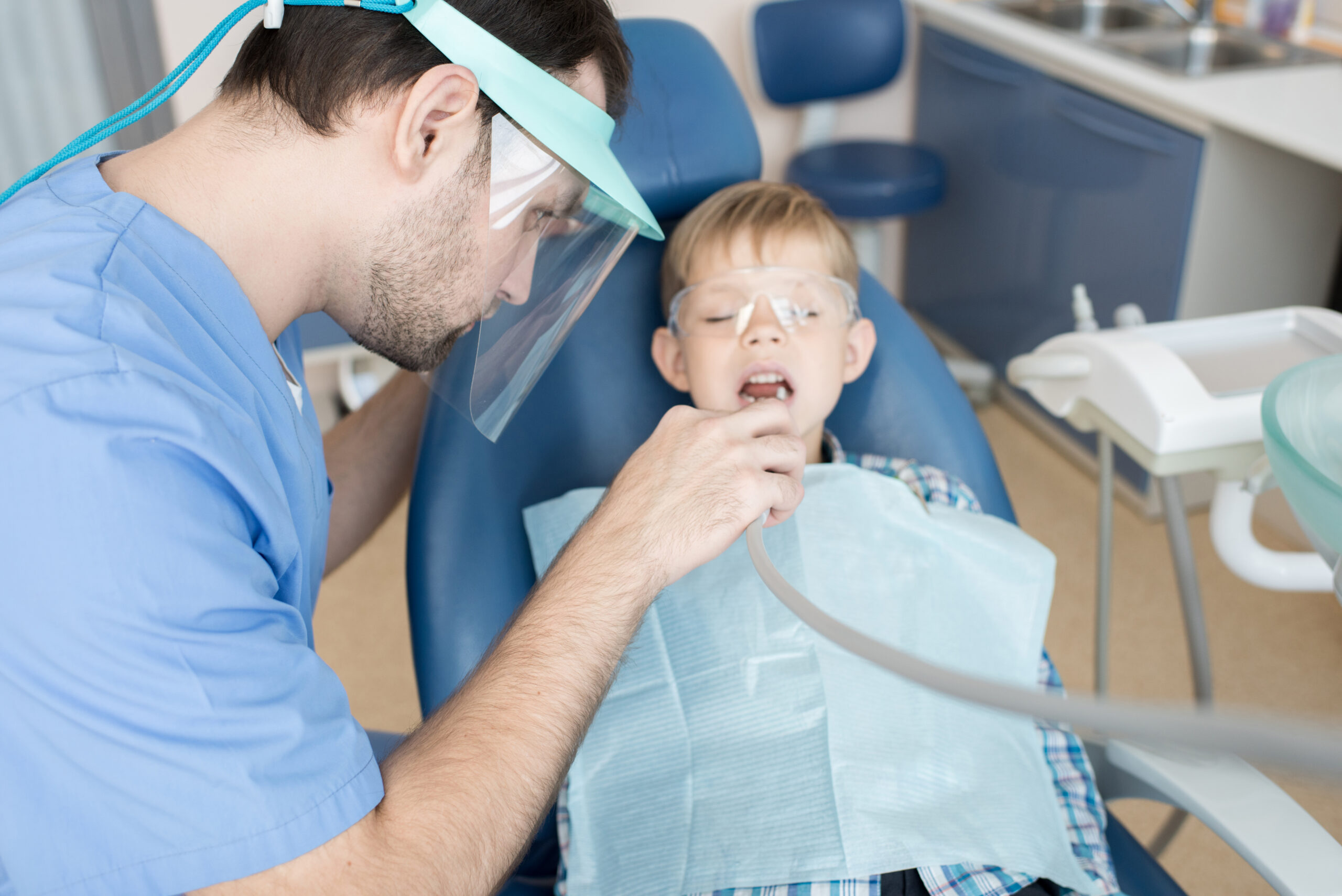
Patient-First Dentistry for Every Stage of Life
From early childhood development to adult care, we focus on patient comfort and comprehensive treatment.
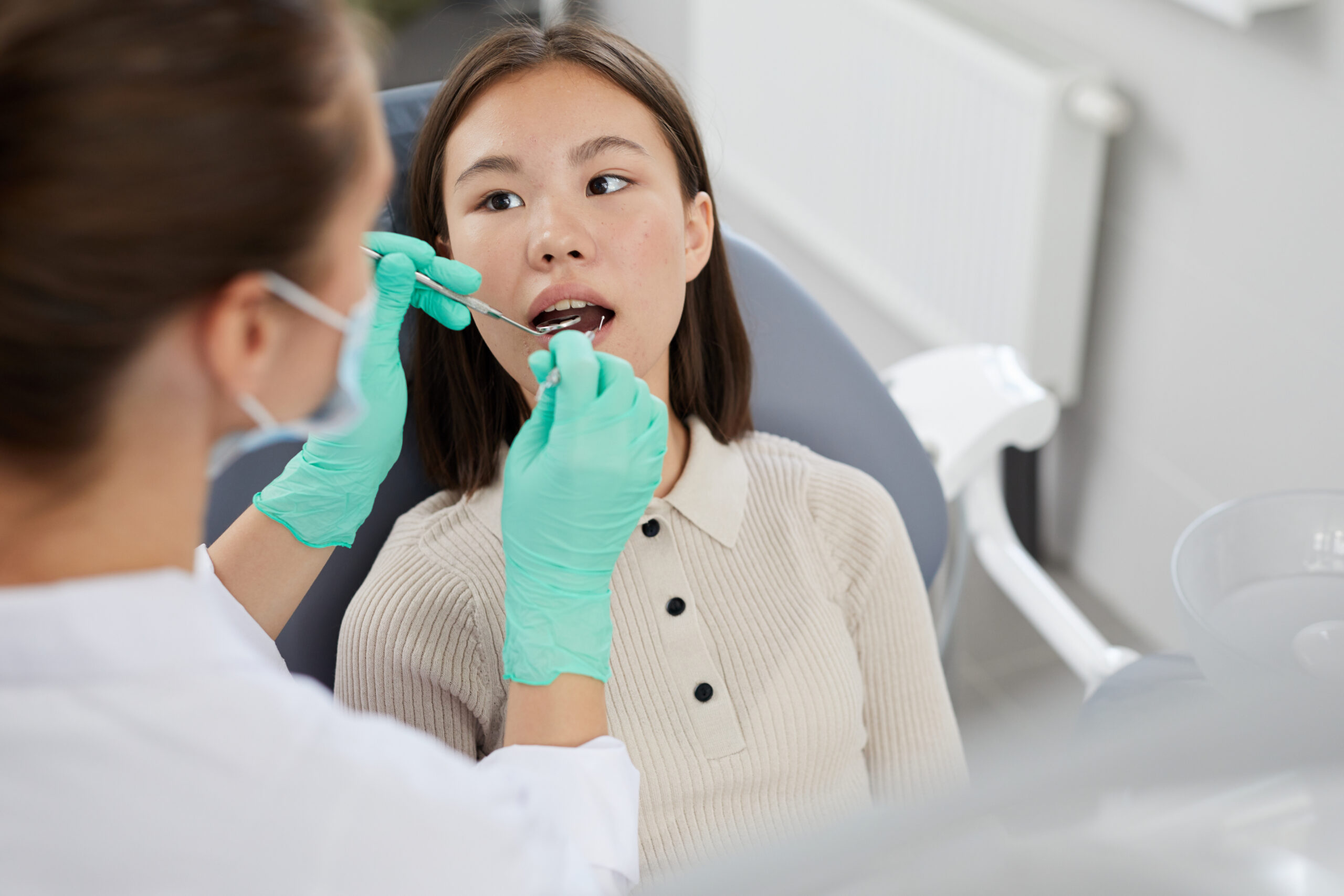
Removing Barriers to Dental Care
We believe everyone deserves access to high-quality dental care, regardless of financial situation.

Comprehensive Dentistry Under One Roof
Orthodontics, implants, oral surgery, and preventative care all conveniently located in our clinics.
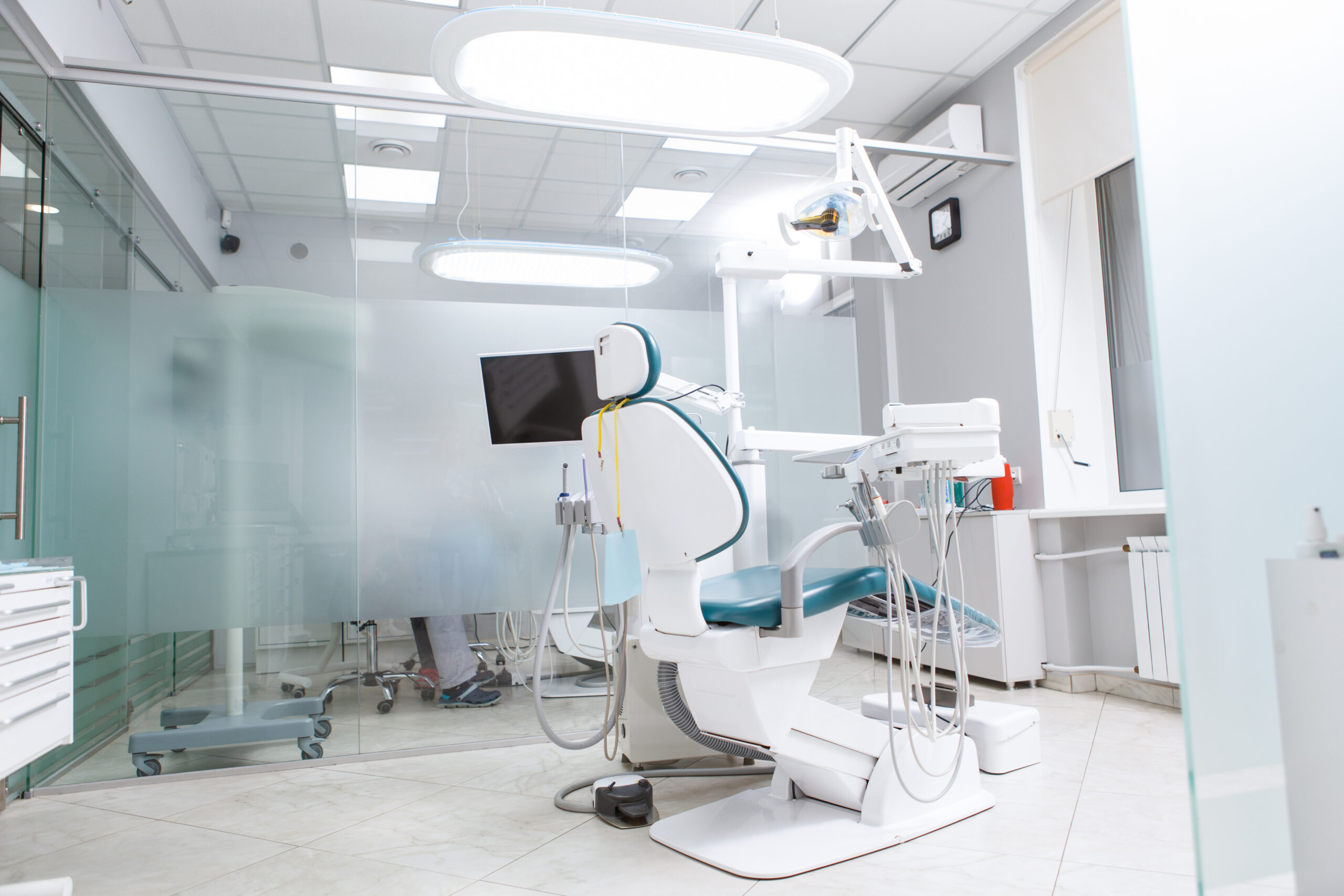
Expertise, Access & Convenient Locations
Multiple clinic locations across Los Angeles with extended hours to fit your busy schedule.
Table of Contents
Comprehensive Dental and Orthodontic Care Across Los Angeles
In a large market like Los Angeles, comprehensive dental and orthodontic care is not just about offering many services, it is about delivering a consistent standard across different needs and different stages of treatment. Patients often want one office that can manage preventive care, address problems early, and support orthodontic planning without forcing them to restart the conversation with each new concern. PhD Dental provides comprehensive dentistry and orthodontics across Los Angeles by keeping evaluation, treatment planning, and follow-up organized, so patients can move from routine visits to more involved care with clearer direction and less friction.
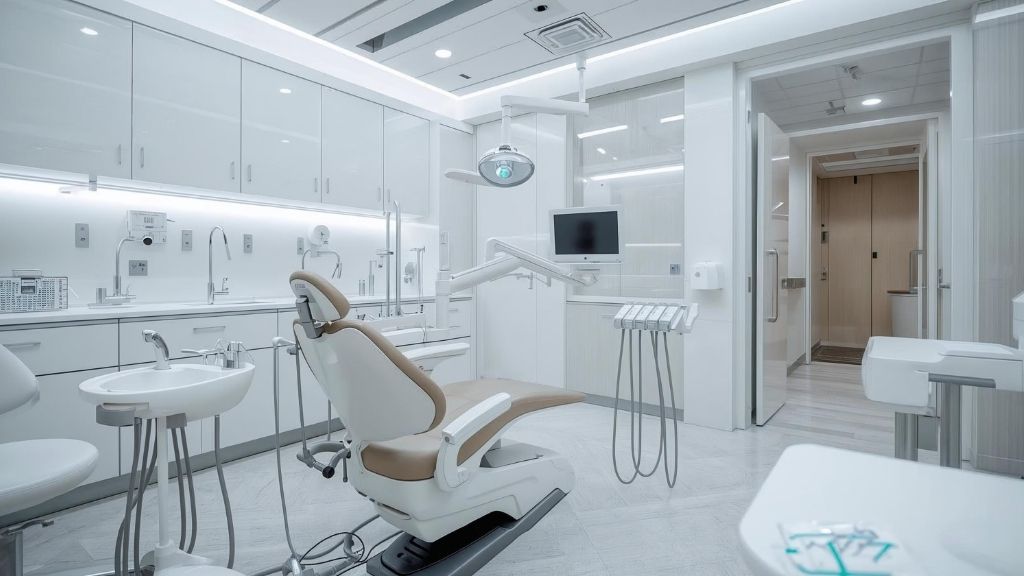
Patients often arrive with a mix of needs, such as routine cleanings, a tooth that needs repair, and questions about shifting teeth or bite comfort. A comprehensive office helps patients understand which needs are connected and which can be handled in phases without added risk. This approach supports satisfaction because patients can plan care realistically while still protecting long-term outcomes.
Addressing Multiple Dental Health Concerns Without Overloading the Schedule
Many Los Angeles patients want care that progresses without turning their calendar into a constant series of appointments. Dentists support this by prioritizing the next best step, pacing follow-ups, and explaining what timing matters most. Patients trust this approach because it respects time constraints while still protecting comfort and function.
Why Phased Planning Helps Dental Patients Complete Care More Often
Patients are more likely to finish treatment when the plan feels manageable. Phased planning reduces decision fatigue by breaking care into clear stages with defined goals. This often prevents long gaps that allow problems to progress. It also helps patients stay engaged because they can see progress one step at a time.
Consistent Records and Continuity That Support Better Decisions
Care feels less stressful when the office keeps records consistent and treatment decisions build on what was already established. Dentists can track changes, compare findings across visits, and refine recommendations based on measurable trends. This supports confidence because patients do not have to repeat their story at every appointment. It also improves outcomes because decisions are based on continuity rather than isolated snapshots.
How Continuity Reduces Surprises During Treatment
Surprises often happen when care is fragmented across different offices and different standards. Continuity helps dentists anticipate complications, monitor progress, and adjust plans early. Patients value this because it makes treatment feel more predictable. Predictability supports trust because it reduces uncertainty.
Los Angeles patients often compare providers, and they expect a consistent level of quality and communication. A comprehensive practice supports trust by providing clear explanations, realistic timelines, and transparent tradeoffs between options. This matters because patients want confidence that recommendations are based on what works, not what is convenient.
Evidence-Based Oral Health Care Recommendations That Keep Treatment Grounded
Patients tend to trust care more when dentists explain the findings driving the recommendation. This can include imaging, bite evaluation, gum measurements, and clear notes about what is changing over time. Evidence-based explanations support satisfaction because patients can understand the reason behind each step. They also reduce second-guessing when patients compare options.
Why Clear Rationale Matters in a Competitive Los Angeles Market
Patients often hear conflicting advice from different offices. Clear rationale helps patients evaluate recommendations and commit with more confidence. It also builds trust because it shows the dentist is focused on outcomes rather than sales pressure. This approach supports better follow-through.
How Los Angeles Dentists Remain Transparent About Tradeoffs Between Treatment Options
Many dental decisions involve tradeoffs, such as speed versus durability or maintenance versus convenience. Dentists build trust by explaining what each option solves, what it requires long term, and what results should feel like day to day. Patients appreciate this because it helps them choose an option they can maintain. This supports satisfaction because patients feel informed and respected.
Realistic Maintenance Expectations Protect Dentistry Results Over Time
Patients sometimes choose an option that sounds ideal but requires maintenance they cannot realistically support. Dentists improve outcomes by explaining daily care, follow-up cadence, and what changes should trigger a check-in. This helps patients make choices that hold up long term. It also reduces frustration because expectations are clear from the start.
Comprehensive care extends beyond the appointment itself. Patients benefit when follow-up is organized and monitoring is consistent, especially when orthodontic care or restorative work is involved. PhD Dental supports Los Angeles patients by setting clear next steps, defining checkpoints, and helping patients stay consistent between visits.
Follow-Up Planning That Keeps Dentistry and Orthodontics on Track
Patients often need a clear schedule for follow-up to avoid delays that interrupt progress. Dentists explain which appointments matter most and how timing affects outcomes. This supports satisfaction because patients can plan around work and family routines. It also protects results because consistent monitoring helps catch issues early.
Why Clear Checkpoints Help Patients Stay Confident During Longer Plans
Longer treatment can feel uncertain without structure. Checkpoints help patients understand what progress should look like and when adjustments may be needed. This improves confidence because patients know the plan will be reviewed, not left to chance. It also supports better outcomes through timely course correction.
Support Between Dentist Visits That Helps Patients Avoid Setbacks
Questions and small concerns often come up between appointments. Responsive guidance helps patients avoid guessing, prevent avoidable discomfort, and keep treatment moving forward. Patients value this because it reduces stress and protects outcomes. This kind of support strengthens trust because it shows the practice stays engaged in the patient’s progress.
Dental and Orthodontic Services Available for Los Angeles Patients
Los Angeles patients often prefer a dental office that can support routine care, orthodontic planning, and more complex needs without forcing them to manage disconnected referrals. PhD Dental organizes services into clear categories so patients can understand which type of care fits their goals, what the next step typically looks like, and how decisions affect comfort and long-term stability. This section outlines the dental and orthodontic services available for Los Angeles patients, with each category designed to help patients make confident choices and keep care moving forward.
Cosmetic dentistry in LA should improve appearance while still protecting function and a natural look. Los Angeles patients often want cosmetic changes that look polished in everyday settings, not overly uniform or artificial. A strong cosmetic plan also considers bite comfort, tooth proportions, and shade harmony so results feel balanced rather than dramatic. Patients tend to feel more confident when the dentist explains what outcomes are realistic and which refinements will have the biggest visible impact.
Cosmetic Planning That Protects Natural-Look Results
A natural result depends on more than brightness, since shape, edge position, and symmetry influence how teeth look when speaking and smiling. Dentists help patients choose changes that fit facial features and avoid a flat or overly even appearance. This approach supports satisfaction because the result looks intentional while still feeling like the patient’s own smile. It also builds trust because the plan prioritizes believable outcomes.
Why Shade and Shape Decisions Matter More Than a Single “Whiter” Goal
Many patients assume a brighter shade equals a better result. In reality, small changes in shape, edge balance, and proportion often create a more natural improvement than pushing color too far. Patients appreciate this guidance because it prevents an outcome that looks unnatural in sunlight or photos. Clear recommendations also reduce second-guessing during decision-making.
Orthodontic care works best when the plan is clear, measurable, and built for long-term stability after treatment ends. Los Angeles patients often want to understand options, expected milestones, and what habits protect progress between visits. A good orthodontic approach also explains how bite balance affects comfort, wear patterns, and long-term maintenance. Patients trust orthodontic care more when dentists explain tradeoffs between options instead of presenting one path as the only answer.
Orthodontic Options Explained Through Goals, Timing, and Lifestyle Fit
Treatment should match the alignment goal and the patient’s daily routine. Dentists explain factors that influence timelines, including consistency with aligner wear or the need for regular check-ins. This supports satisfaction because patients can choose an option they can realistically follow. It also protects outcomes because steady follow-through often determines how smooth the process feels.
How Retention Planning Protects the Investment in Orthodontic Care
Alignment can change after treatment if retention is unclear or inconsistent. Dentists explain wear expectations, what stability should feel like, and when to schedule a check-in. This builds trust because it treats orthodontics as a long-term result, not a short-term finish line. Patients often feel more confident when retention is presented as part of the plan, not an afterthought.
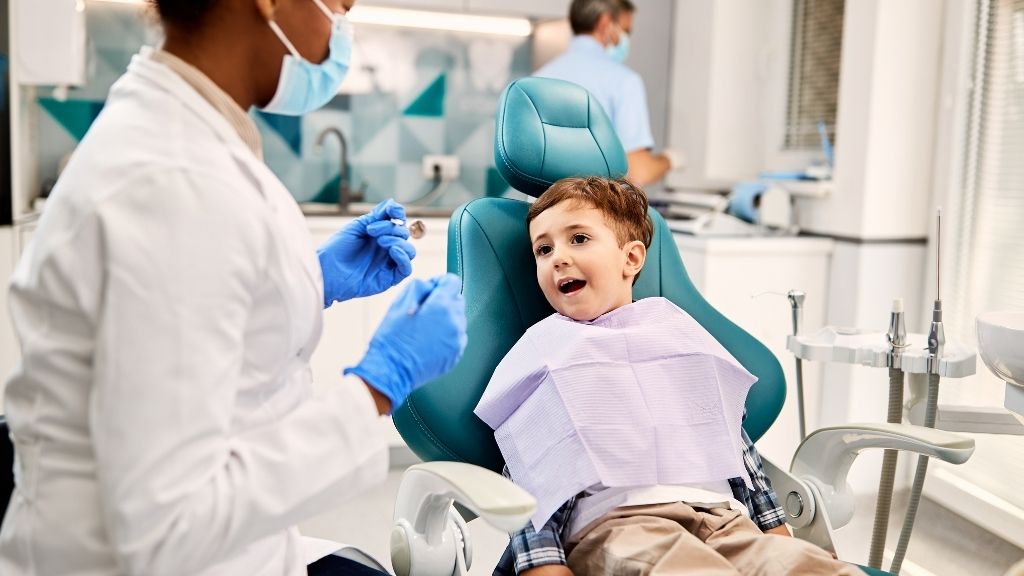
Pediatric care is most effective when it supports prevention, habit-building, and calmer dental visits as children grow. Los Angeles families often want clear guidance on cavity risk, home routines, and what to watch as permanent teeth erupt. A strong pediatric approach also includes development monitoring, since early patterns can influence future orthodontic timing. Parents tend to feel more confident when the dentist explains findings in simple terms and provides realistic steps for everyday care.
Preventive Pediatric Dentistry That Supports Healthy Development
Preventive visits help children avoid urgent issues and build comfort with routine care. Dentists focus on early risk identification, routine monitoring, and guidance parents can apply at home. This supports satisfaction because families feel prepared rather than surprised. It also supports long-term outcomes because small problems are easier to address early.
Why Early Monitoring Can Make Orthodontic Timing Easier for Families
Spacing and eruption patterns can provide clues about future alignment needs. Monitoring gives families time to plan and reduces the pressure of last-minute decisions later. Parents value this because it keeps options open without pushing treatment too early. Clear explanations also help families understand what changes deserve attention.
Restorative dentistry should strengthen teeth and reduce the chance of repeat breakdown. Los Angeles patients often want to know whether a problem is minor or whether it could escalate into a larger repair if ignored. A good restorative plan also accounts for bite pressure, since chewing forces often determine how long a restoration lasts. Patients trust restorative care more when dentists explain options clearly and connect recommendations to durability and comfort.
Restoration Choices Based on Tooth Strength and Bite Demands
The right restoration depends on how much tooth structure remains and how the tooth is loaded during chewing. Dentists explain when a filling is appropriate versus when a crown or stronger repair provides better protection. This clarity supports trust because patients understand what they are choosing and why it matters. Patients also appreciate when the plan anticipates long-term wear instead of waiting for failure.
How Bite-Aware Planning Helps Prevent Repeat Repairs
Repairs can fail early when bite pressure concentrates on a weak point. Dentists evaluate contact points and recommend adjustments when needed to reduce stress. This supports satisfaction because restorations feel more stable and last longer. It also reduces disruption because patients avoid unexpected breakage.
Endodontic evaluation becomes important when tooth pain lingers, sensitivity worsens, or infection threatens the tooth root. Los Angeles patients often want a clear explanation of why a tooth hurts and whether it can be preserved. A strong endodontic approach focuses on diagnosis, pain relief, and realistic outcomes. Patients feel more confident when dentists explain what the treatment solves and what risks come with delaying care.
Root Canal Evaluation Focused on Clarity and Tooth Preservation
Dentists evaluate symptoms and imaging findings to determine whether root canal treatment is appropriate. Clear explanations help patients understand what is causing discomfort and what relief should look like after treatment. This supports confidence because the plan is evidence-based rather than speculative. Patients also value knowing what outcomes to expect during healing.
Why Early Treatment Often Prevents Escalating Infection
Waiting can allow infection to spread and create more painful flare-ups. Early intervention often protects the tooth and supports a smoother recovery window. Patients appreciate this because it reduces the chance of urgent disruption. Clear timing guidance also helps patients plan around work and family schedules.
Gum health affects comfort, breath, and long-term tooth stability, even when teeth look fine. Periodontal issues can progress quietly, which makes monitoring and maintenance important. Los Angeles patients often benefit when the dentist explains gum findings using measurable indicators, because it turns gum care into a clear plan. Patients tend to feel more confident when they understand what progress should look like with consistent care.
Gum Health Evaluation That Uses Measurable Signs of Progress
Dentists assess inflammation, pocket depth, and bleeding patterns to evaluate gum health. Patients benefit from understanding what measurements mean and what improvements should look like over time. This builds trust because it makes the plan concrete. It also supports satisfaction because progress becomes easier to recognize.
How Maintenance Planning Helps Prevent Repeat Gum Flare-Ups
Gum health often improves when patients follow consistent home routines and keep up with professional monitoring. Dentists explain how often follow-ups matter and what habits reduce inflammation risk. Patients value this guidance because it helps prevent a cycle of recurring problems. Long-term stability becomes more realistic with a clear maintenance plan.
Oral surgery can feel intimidating when patients do not know what to expect or how recovery will affect daily life. Los Angeles patients often want straightforward information about why a procedure is recommended, how comfort will be managed, and what healing typically involves. A clear surgical plan supports confidence by reducing uncertainty and outlining practical aftercare. Patients also benefit when dentists explain when advanced planning is needed for safety and predictability.
Oral Surgical Planning with Clear Recovery Guidance and Support
Dentists explain the reason for surgery, what the appointment involves, and what a typical healing window looks like. Patients appreciate practical guidance on meals, work timing, and follow-up. This supports satisfaction because patients can plan without guesswork. Clear instructions also improve recovery outcomes.
When Advanced Planning Protects Safety and Predictability
Some cases require extra planning based on anatomy, tooth position, or medical history. Dentists explain when that applies and what it changes about the approach. Patients trust this guidance because it prioritizes safety and predictable healing. It also reduces stress because patients know what to expect in advance.
Treating Routine, Complex, and Time-Sensitive Dental Needs in One Los Angeles Practice
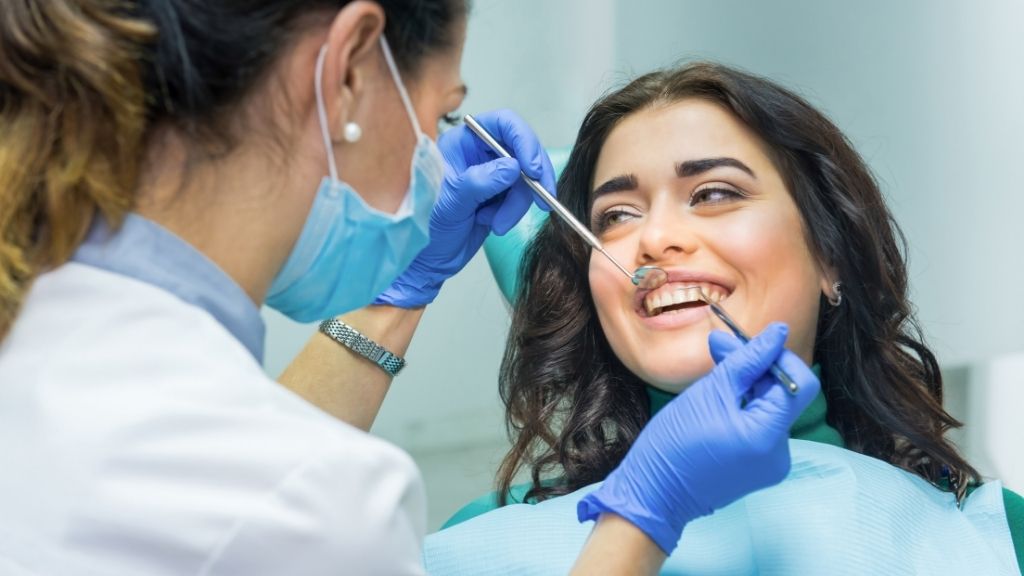
Los Angeles patients often want a dental office that can handle everyday care while also responding quickly when something more serious comes up. The advantage of one practice is not convenience alone, it is continuity, because the dentist can evaluate changes over time and make decisions with more context. PhD Dental supports routine visits, complex planning, and time-sensitive problems in a structured way, so patients do not feel like they are bouncing between different standards or starting over when a new issue appears.
Routine visits work best when they do more than check a box. Patients benefit when exams and cleanings identify early changes, track trends, and give clear guidance that is easy to follow at home. This supports satisfaction because patients feel like the visit has a purpose beyond a quick polish. It also builds trust because the dentist explains what is stable and what needs attention.
Preventive Oral Health Monitoring That Uses Measurable Indicators
Patients often feel more confident when they understand what the dentist is measuring and why it matters. Monitoring may include gum measurements, cavity risk indicators, and bite patterns that influence wear and sensitivity. This approach supports trust because it replaces vague reassurance with clear signals. It also helps patients understand when a change is minor versus when it should trigger action.
How Tracking Trends Helps Patients Avoid Surprise Treatment
Surprise treatment often happens when patients do not realize an issue has been progressing quietly. Tracking trends makes it easier to intervene early with simpler care. Patients appreciate this because it reduces disruption and preserves comfort. It also supports long-term stability by preventing escalation.
Home Guidance That Connects Daily Habits to Dental Outcomes
Patients often want practical steps rather than broad advice. Dentists help patients understand which habits reduce sensitivity, protect restorations, and support gum stability. This supports satisfaction because patients can see how daily choices affect results. Clear guidance also helps patients feel more in control between visits.
Why Small Habit Changes Often Protect Long-Term Results
Large changes are hard to maintain, but small adjustments can be consistent. Consistency often determines whether prevention works and whether restorations last. Patients value this because it makes dental care feel manageable. It also supports better outcomes over time.
Complex care can involve multiple steps, multiple goals, and long timelines. Patients in Los Angeles often want clarity on sequencing, realistic milestones, and what success should look like at each stage. A structured plan builds confidence because it reduces uncertainty and prevents care from feeling improvised. It also supports satisfaction because patients can plan around work, family, and other obligations.
Staged Treatment Plans Built Around Clear Dental Health Priorities
Patients often feel overwhelmed when everything is presented as urgent. Dentists organize priorities so patients know what matters now, what improves stability next, and what can be scheduled later without added risk. This supports trust because it respects patient pace while still protecting outcomes. It also helps patients avoid decision fatigue.
How Priority-Based Planning Improves Treatment Completion
Patients complete care more often when the plan feels achievable. A staged approach makes it easier to commit to one step at a time. It also reduces cancellations because follow-ups are planned with a clear purpose. Patients appreciate this because progress feels steady.
Coordination Across Dental and Orthodontic Services Without Repeating Evaluations
Complex care often requires input across restorative work, gum health, and orthodontic considerations. A single practice can reduce redundant evaluations by keeping records consistent and using prior findings to guide next decisions. This supports confidence because patients do not feel like they are restarting each time care shifts. It also keeps treatment more efficient and less stressful.
Why Continuity Helps Dentists Anticipate Complications Earlier
Fragmented care can miss patterns that only show up over time. Continuity helps dentists watch for changing bite pressure, shifting teeth, or gum changes that affect long-term stability. Patients value this because it reduces surprises. It also supports more predictable outcomes.
Time-sensitive issues often disrupt routines and create stress. Patients want fast relief, but they also want to know the problem will not keep coming back. A strong approach treats the immediate issue and explains what caused it, so patients understand how to prevent recurrence. This supports trust because it moves beyond temporary fixes.
Addressing Tooth Pain, Breakage, and Sudden Changes with Clear Next Steps
Patients often come in for pain, swelling, a broken restoration, or a tooth that suddenly feels different. Dentists evaluate what is driving the problem and outline the fastest path to relief, along with what follow-up may be needed. This supports satisfaction because patients leave with both relief and direction. It also reduces anxiety because the plan does not end at symptom control.
Why Follow-Up Planning Matters After Urgent Dentist Visits Near Los Angeles
Urgent visits can resolve discomfort but still leave an underlying cause untreated. Follow-up planning helps patients address the root issue, whether it is bite pressure, decay progression, or gum instability. Patients appreciate this because it reduces repeat emergencies. It also protects long-term results because the plan stays organized.
Preventing Time-Sensitive Problems from Derailing Orthodontic Progress
When patients are in orthodontic treatment, time-sensitive issues can create setbacks if not addressed quickly. Dentists help patients manage discomfort, appliance problems, or unexpected changes while keeping the broader plan on track. This builds confidence because patients know treatment will remain monitored and responsive. It also supports satisfaction because progress stays steadier.
How Early Intervention Keeps Treatment Timelines More Predictable
Small issues can become bigger delays when they are ignored. Early intervention often keeps timelines shorter and reduces the need for bigger adjustments later. Patients value this because it protects their time. Predictable timelines also help patients stay committed.
Top-Rated Dentist and Orthodontics In Los Angeles
Book An Appointment Today
With decades of experiences and state-of-the-art dental technology, our top-rated dentists and orthodontists provide care for individuals and families thoughout the Los Angeles area.
LEARN MORE

Get in Touch with PhD Dental
Pick your location
Los Angeles
Los Angeles is a diverse and fast-moving city where access to dependable dental care is essential for individuals and families alike. PhD Dental serves patients throughout Los Angeles with a commitment to personalized care and long-term oral health.
Hours
- Mon 9:30AM - 6:30PM
- Tue 9:30AM - 6:30PM
- Wed 9:30AM - 6:30PM
- Thu 9:30AM - 6:30PM
- Fri 9:30AM - 6:30PM
- Sat 9:00AM - 4:00PM
- Sun Closed