
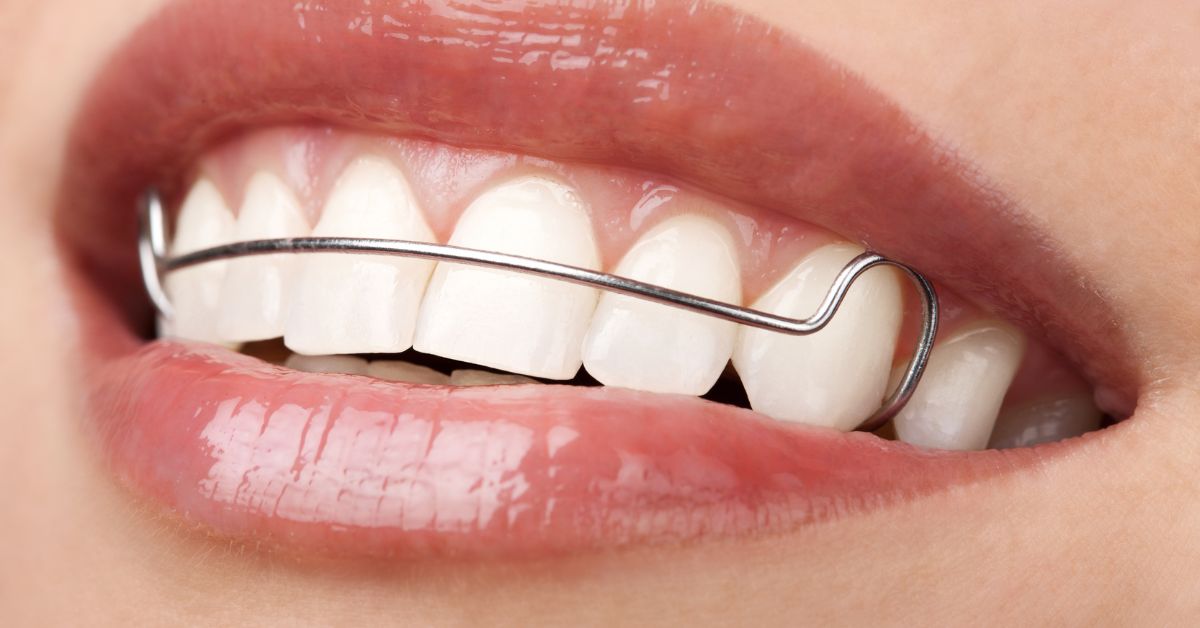
Permanent Retainers in Los Angeles
Permanent Retainers in Los Angeles help protect the alignment you worked hard to achieve after braces or clear aligners. Many patients notice subtle shifting over time, especially in the front teeth, even when they stay consistent with short-term retention. A permanent retainer gives you a set-and-stable option that keeps key teeth from drifting, so your smile stays consistent in daily life.
A permanent retainer (also called a bonded retainer or fixed retainer) sits discreetly behind the teeth and supports long-term stability without relying on nightly routines. Dentists typically recommend this approach when certain teeth show a higher risk of relapse, or when you want a low-maintenance way to hold your results. The right placement should feel smooth, support normal speech, and make cleaning straightforward with the right habits, so you protect your bite comfort and your gum health.
Call (323) 269-5437 to speak with PhD Dental in Los Angeles about permanent retainers and schedule an evaluation to confirm the best retention plan for your smile.
Top-Rated Dentists
in Los Angeles
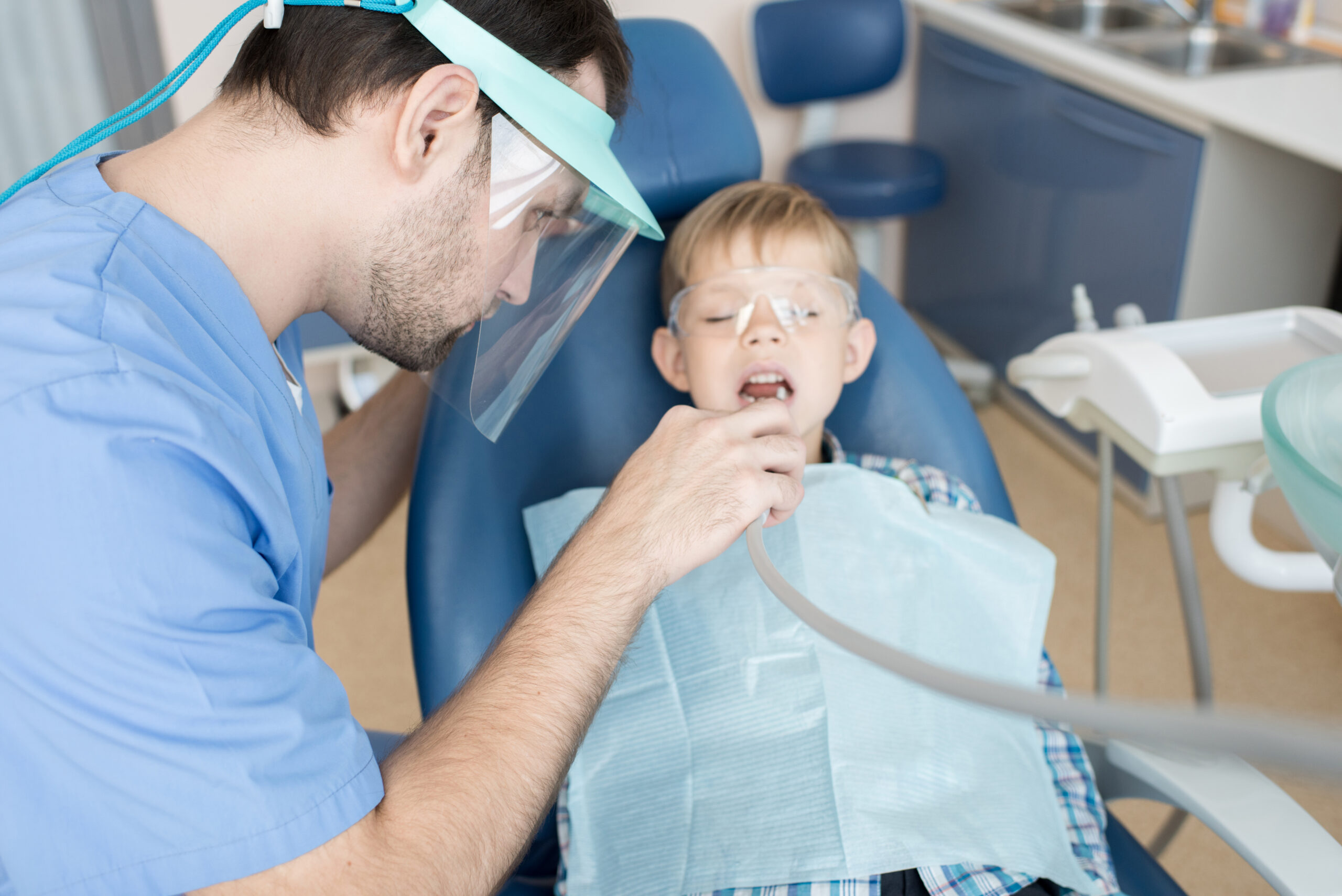
Patient-First Dentistry for Every Stage of Life
From early childhood development to adult care, we focus on patient comfort and comprehensive treatment.
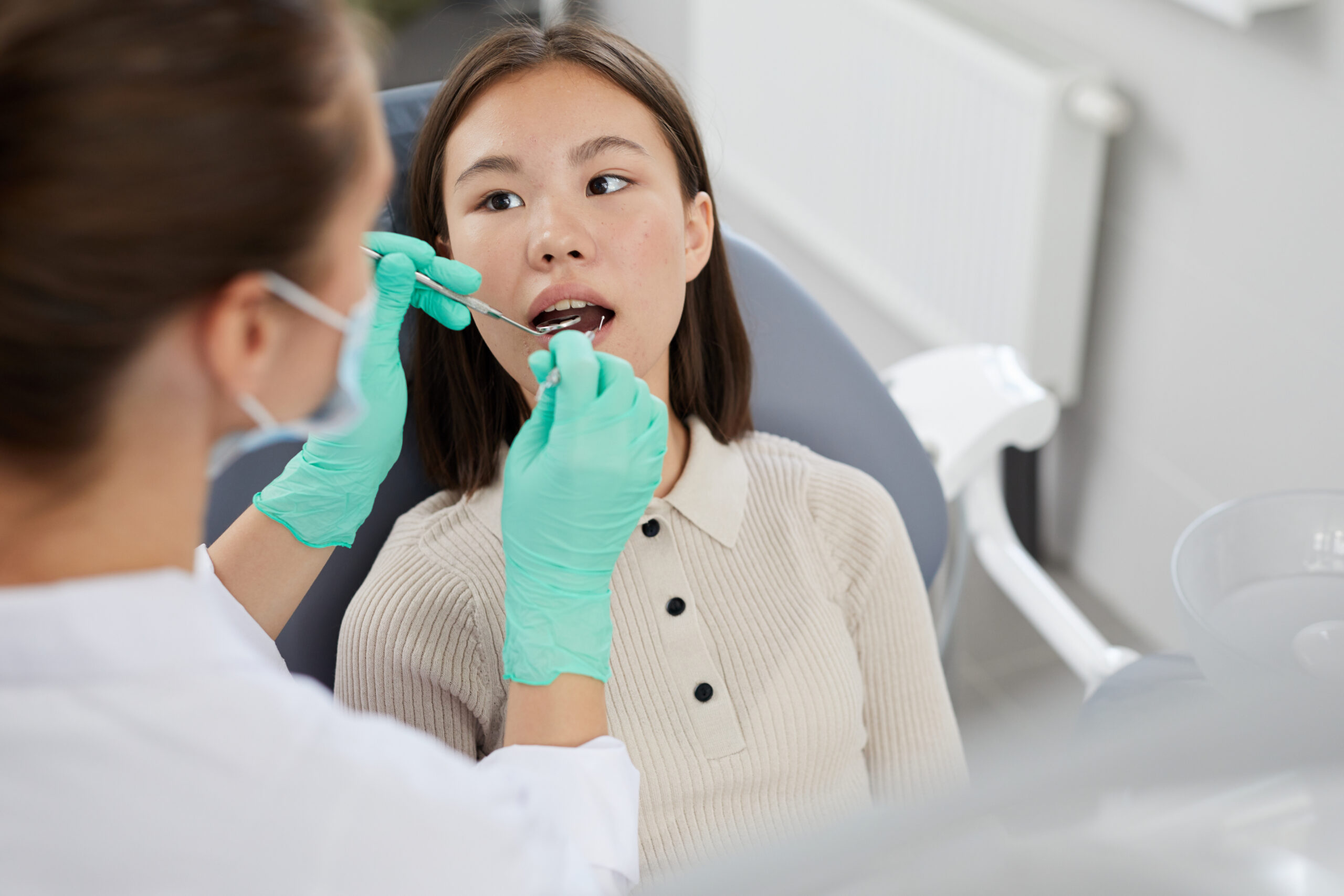
Removing Barriers to Dental Care
We believe everyone deserves access to high-quality dental care, regardless of financial situation.

Comprehensive Dentistry Under One Roof
Orthodontics, implants, oral surgery, and preventative care all conveniently located in our clinics.
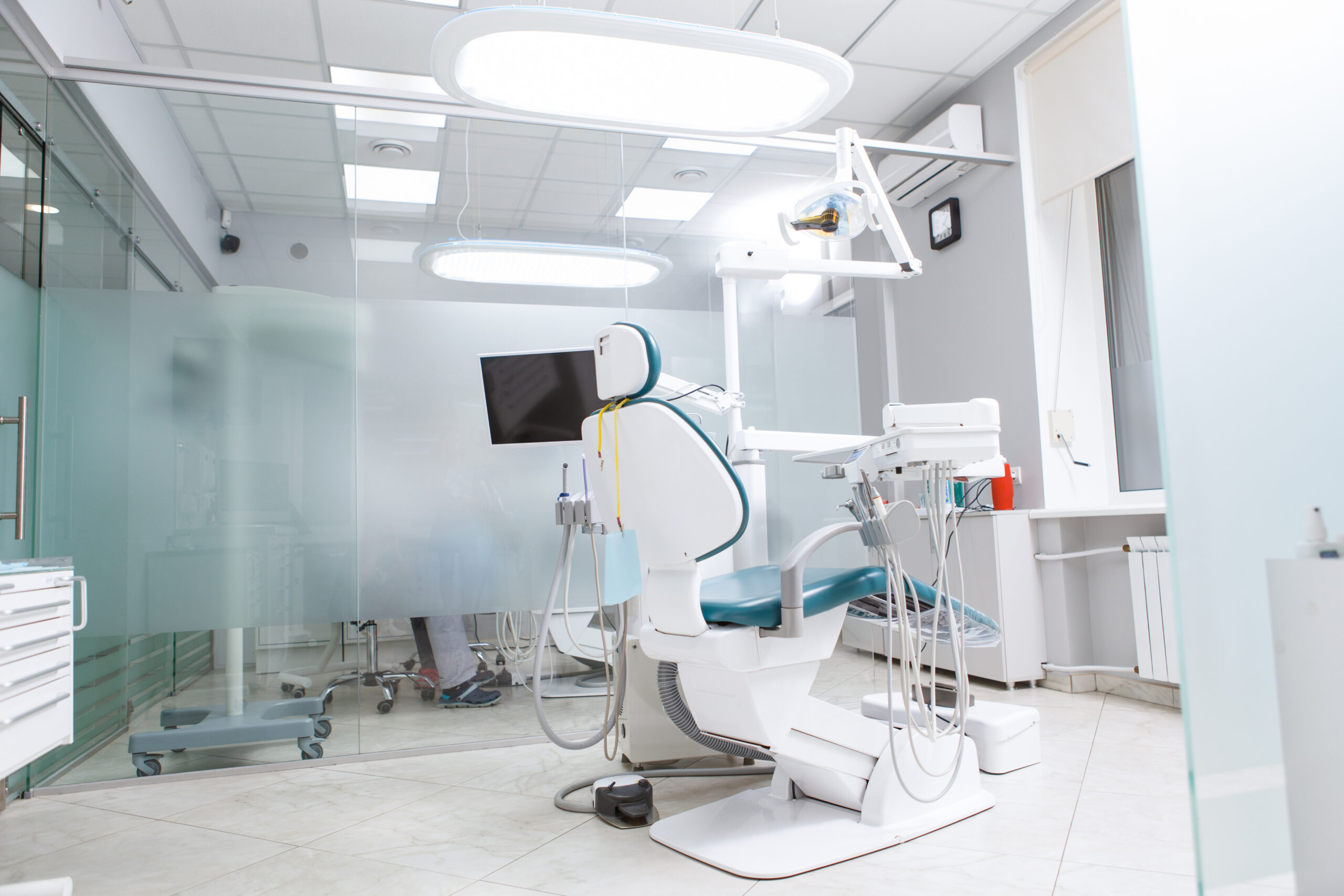
Expertise, Access & Convenient Locations
Multiple clinic locations across Los Angeles with extended hours to fit your busy schedule.
When Dentists in Los Angeles Recommend Permanent Retainers
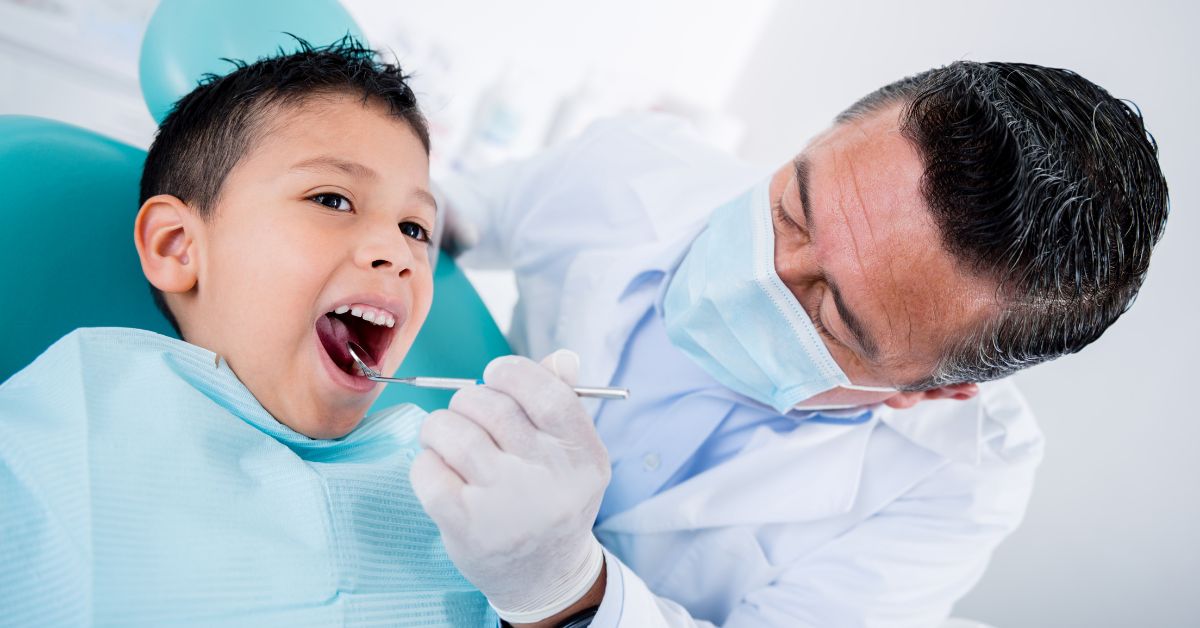
Dentists in Los Angeles recommend permanent retainers when the risk of relapse stays high even after a successful orthodontic finish. Some teeth shift more easily because of how they sit in the bite, how the surrounding tissue responds, or how small daily forces accumulate over time. A thoughtful recommendation focuses on preventing predictable movement so patients feel confident that their results will hold up. The evaluation often looks at where your alignment changed most during treatment and which areas would create the biggest frustration if they drift again. Providers also consider whether a removable retainer realistically fits your routine, since inconsistent wear can undo results in ways that feel gradual until the change becomes obvious. PhD Dental explains these risk factors in plain language so the decision feels clear rather than pressured. This approach helps patients choose a retention plan that protects comfort and appearance without turning retention into a daily source of stress.
Certain teeth tend to drift back first, especially when the original correction involved rotations, spacing closure, or crowded lower front teeth. A permanent retainer can stabilize those high-risk positions so you do not have to rely on willpower to keep results in place. This approach often improves satisfaction because it prevents the slow changes patients notice only after a photo or a checkup.
Bonded Retainers Help Lower Front Teeth That Shift Even with Good Habits
The lower incisors often respond quickly to minor pressure and can crowd again before other areas change. Dentists in Los Angeles frequently recommend a bonded retainer here because it quietly holds the most relapse-prone zone. Patients like this plan because it protects alignment without adding another nightly task.
Rotations That Try to Reappear After Treatment Ends
Teeth that started rotated may retain a tendency to turn back toward the prior position. A fixed retainer helps resist that specific pattern of movement and supports a stable finish. This recommendation builds trust because it is based on how teeth behave over time, not on generic retention advice.
Bonded Retainers and Gaps That Close but Need Long-Term Support
Spacing can reopen when the contact points between teeth do not naturally hold firm over years. A permanent retainer helps maintain those closed spaces while your bite settles and daily function becomes consistent. Patients often appreciate the peace of mind because they do not feel like they have to constantly check for small changes.
Cases Where Aesthetic Results Depend on One Stable Contact Point
Sometimes one small space drives how the smile looks from the front. A bonded retainer can protect that single high-visibility area so the cosmetic improvement stays intact. This targeted stability approach often feels more logical to patients than wearing a removable option forever.
Some patients have bite patterns that repeatedly load the front teeth, especially during clenching or nighttime grinding. In those situations, dentists may recommend a permanent retainer to reduce the chance of gradual movement that a removable retainer might not prevent consistently. The goal is a retention plan that fits real life and supports comfort, not one that assumes perfect compliance.
Clenching and Grinding Patterns That Increase Relapse Pressure
Teeth can drift when consistent force lands in the same place, even if the movement is subtle. A fixed retainer can help keep the alignment stable while your dentist monitors wear patterns and comfort over time. Patients tend to feel more confident when the plan accounts for these forces instead of blaming them for shifting.
When a Night Guard Helps but Does Not Replace Retention
A night guard can protect enamel and reduce stress on the bite, but it does not always hold individual tooth positions. Dentists in Los Angeles may recommend pairing a night guard with a permanent retainer when stability matters most. This combination can improve long-term satisfaction because it addresses both protection and alignment control.
Bite Settling After Orthodontics That Still Needs Guidance
After orthodontic treatment, the bite can continue to settle as teeth find their most comfortable contact points. That settling can create small alignment changes, especially in the front teeth. A bonded retainer can provide stability while the bite reaches a more consistent pattern.
Patients Who Notice Subtle Changes During Chewing or Speaking
Some people feel a minor difference first, even before they see movement. Dentists take that feedback seriously because early awareness can signal shifting pressure points. A permanent retainer often fits well in these cases because it reduces worry and keeps the outcome steady.
A strong retention plan matches the patient’s routine, hygiene ability, and tolerance for maintenance. Dentists in Los Angeles recommend permanent retainers when patients want a low-maintenance solution and understand how to keep it clean. The recommendation is not about convenience alone, it is about choosing the option a patient will actually sustain.
Patients Who Travel Often or Have Unpredictable Schedules
Removable retainers work best when wear stays consistent, yet travel and late nights can make routines slip. A permanent retainer can reduce the risk that missed wear leads to slow relapse. Patients often feel relief because the plan does not depend on remembering one more thing.
How Los Angeles Dentists Help People Who Have Already Experienced Retainer Lapses
Many patients return after noticing shifting because they stopped wearing a removable retainer as often as planned. A bonded retainer can prevent repeating that same pattern. This approach supports trust because it solves the real problem instead of repeating instructions that did not fit the patient’s life.
How Permanent Retainers Offer Teens and Young Adults a More Automatic Option
Younger patients often manage school, sports, and changing routines that make consistency difficult. A fixed retainer can protect results during years when schedules stay in flux. Families often prefer this option because it reduces conflict about daily wear and still supports a stable outcome.
Orthodontic Results That Need Protection During Growth and Routine Changes
Even after braces end, the mouth can keep changing as habits and growth patterns evolve. Dentists in Los Angeles may recommend a permanent retainer to reduce risk during those transitions. Patients and parents value the stability because it protects the time and cost invested in treatment.
Bonded Retainers vs Removable Retainers for Long-Term Stability
Choosing between bonded retainers and removable retainers comes down to how you want stability to work in real life. A removable retainer depends on consistent wear and proper storage, while a bonded retainer stays in place and protects alignment automatically. Dentists focus on long-term stability by matching the retainer type to your habits, your bite demands, and how much day-to-day flexibility you want.
Bonded retainers attach to the back of the teeth, which means they keep working even when life gets busy. Patients often prefer this option when they want fewer moving parts and less risk of forgetting a retainer during travel, late nights, or schedule changes. This can improve satisfaction because stability feels built in rather than dependent on perfect routines.
How Bonded Retainers Reduce “Retainer Slip” in Busy Schedules
Removable retainers only protect alignment when they are worn, and small lapses can add up over time. A bonded retainer removes that gap by holding the teeth in position every day, including during weeks when routines fall apart. Many patients find this approach reassuring because it lowers the chance of slow, unnoticed shifting.
Why Consistency Matters More Than Occasional Catch-Up Wear
Wearing a removable retainer inconsistently can allow small movements that do not fully reverse with later wear. Teeth respond to repeated patterns, not one-time corrections, so the best stability comes from predictable support. A bonded retainer makes that predictability automatic, which is why dentists often recommend it for patients who want reliable long-term control.
Where Bonded Retainers Can Create Extra Cleaning Responsibility for LA Dental Patients
Because bonded retainers sit behind the teeth, they can make certain areas harder to floss in the usual way. Patients do best when they commit to a simple cleaning routine that keeps plaque from building around the wire and bonding points. Dentists often explain this clearly so patients know the tradeoff upfront and do not feel surprised later.
How the Right Hygiene Tools Keep a Bonded Retainer Low-Maintenance
The goal is not complicated technique, it is consistent access to the spaces that a wire can make tighter. With the right tools and a practical routine, most patients keep the area clean without major disruption. This guidance supports trust because it shows the plan includes long-term maintenance, not just installation.
Removable retainers work well for patients who want an option they can take out for meals and cleaning without navigating around a fixed wire. They can also allow dentists to adjust the wear schedule over time, depending on how stable the teeth remain at follow-ups. Patients often like the sense of control, but the benefits only hold up when wear stays consistent.
Storage, Loss Risk, and Compliance Issues That Affect Long-Term Stability
Removable retainers are easy to misplace, especially during travel, restaurants, or busy school and work days. Even when patients start strong, long-term wear can drop over time, which is when shifting often begins. Dentists discuss these realities because preventing relapse matters more than choosing the most convenient option on paper.
How Dentists Set Realistic Wear Expectations Without Overpromising
A trustworthy plan clarifies how often you need to wear the retainer now and how that schedule may change later. Clear expectations help patients avoid drifting into guesswork, which can lead to inconsistent wear and eventual movement. Patients tend to feel more confident when the plan feels specific and measurable rather than vague.
When Removable Retainers Support Better Hygiene Simplicity
Some patients find it easier to brush and floss normally when the retainer comes out. This can be a meaningful advantage if you already deal with tight contacts, gum sensitivity, or a history of inflammation. Dentists may favor removable retention when hygiene simplicity is a priority and follow-through is reliable.
Why “Easier Cleaning” Only Helps if Wear Stays Steady
A removable retainer can make daily cleaning easier, but it does not protect alignment if it lives in the case instead of on the teeth. Patients get the best results when they treat wear as part of the hygiene routine, not as an optional extra. This perspective keeps the decision grounded in long-term outcomes rather than short-term convenience.
Dentists in Los Angeles make this decision by weighing stability needs against lifestyle fit and long-term maintenance. They look at where your teeth are most likely to shift, how your bite loads the front teeth, and whether a removable schedule feels realistic for you. Patients often feel more satisfied when the recommendation includes a clear reason, a clear plan, and a clear path for follow-ups.
Matching Retainer Selection to Your Daily Routine and Risk Profile
The best retainer is the one you can maintain without constant friction. A bonded retainer may fit best when you want automatic stability, while a removable retainer may fit best when you prefer flexibility and can commit to consistent wear. This matching process builds trust because it prioritizes outcomes over one-size-fits-all advice.
How Follow-Up Visits Confirm Stability and Adjust the Plan Over Time
Retention works best when dentists monitor it, not when patients guess for years. Follow-ups can confirm that the retainer stays secure, that teeth remain stable, and that cleaning remains manageable. Patients appreciate this oversight because it keeps the plan accountable and prevents small issues from becoming frustrating surprises.
Why Precise Bonding Matters for Comfort and Longevity of Permanent Retainers
Precise bonding determines whether a permanent retainer feels like a helpful safeguard or a constant annoyance. Small details in placement affect how smoothly your tongue moves, how evenly the retainer holds, and how easy it is to keep the area clean over time. Dentists focus on bonding quality because a retainer that fits well from day one usually needs fewer adjustments and supports better long-term satisfaction.
Comfort depends on where the retainer sits behind the teeth and how the wire follows natural tooth contours. A well-placed retainer stays low-profile so it does not feel sharp or bulky during speech and swallowing. Dentists in Los Angeles treat this as a precision step because minor placement errors can create irritation that patients notice every day.
Contour and Smoothness That Reduce Tongue Irritation
A bonded retainer should feel smooth when the tongue touches it, not rough or uneven. Dentists shape and position the retainer so it blends into the back surfaces of the teeth rather than sitting proud against the tongue. Patients tend to trust the process more when the dentist explains what a normal sensation feels like and what should improve as you adapt.
How Careful Finishing Prevents Rough Edges and Hot Spots
Finishing work matters because tiny irregularities can feel larger in the mouth than they look on the tooth. Dentists check for edges that could catch the tongue or create a scratchy sensation when you speak. That attention prevents weeks of irritation and reduces the chance a patient loses confidence in the retainer early.
Tooth-by-Tooth Contact That Keeps the Retainer from Feeling “Tight”
A retainer should hold teeth steady without creating a pulling sensation in one spot. Dentists bond the retainer so it supports the intended teeth evenly and avoids unwanted tension that can make the bite feel off. Patients appreciate this precision because it helps the retainer fade into the background of daily life.
Why Uneven Bonding Can Create a Subtle Bite Distraction
When one tooth carries more of the retainer’s hold than the others, patients sometimes notice a mild pressure or a sense that teeth are not settling naturally. Dentists correct this by confirming the retainer follows a balanced path and does not lift one tooth into an odd contact. This step supports comfort and prevents small issues from turning into bigger frustrations.
Durability comes from strong adhesion to enamel and a bonding approach that resists routine chewing forces. Dentists evaluate the tooth surface carefully because contamination or poor preparation can weaken the bond and raise the risk of early failure. A reliable bond supports confidence because patients can trust the retainer to keep working without frequent repairs.
Enamel Preparation That Helps Bonding Hold Up Over Time
The bonding surface needs to stay clean and properly prepared so the adhesive can attach predictably. Dentists control moisture and isolate the area because saliva can reduce bond strength if it reaches the surface at the wrong time. Patients benefit from this careful approach because it lowers the chance of partial detachment later.
How Moisture Control Protects Bonded Retainer Longevity
Bonding requires a controlled environment, especially behind the front teeth where saliva collects easily. Dentists use isolation techniques to keep the surface dry during placement. This detail often separates a retainer that lasts from one that starts to loosen earlier than expected.
Balanced Bonding Points That Reduce Breakage Risk
A permanent retainer does not rely on one large bond, it relies on a series of stable bonding points that share load. Dentists place bonding in a way that supports normal function while reducing stress concentration on a single tooth. This helps prevent a cycle where one bond fails, the wire shifts, and the retainer becomes uncomfortable.
Why Overbuilding Bonding Material Can Make Cleaning Harder
More material does not always mean better strength, and excess bonding can make plaque control more difficult. Dentists aim for a secure bond that stays compact and smooth. Patients often prefer this approach because it supports cleanliness and reduces the chance that the retainer feels bulky.
A retainer that fits closely to tooth contours is easier to maintain because it creates fewer catch points for plaque and food. Dentists prioritize a fit that supports a stable gumline and avoids irritating the tissue edges. This focus improves satisfaction because the retainer feels comfortable and manageable, not like an obstacle to hygiene.
Spacing Decisions That Make Flossing More Predictable
Precise bonding includes leaving practical access for cleaning, especially between the teeth involved. Dentists consider where plaque tends to build and how patients will actually clean around the wire at home. This planning supports long-term success because the retainer does not trade straight teeth for new hygiene frustration.
How Dentists in Los Angeles Explain Home Care for Bonded Retainers
Clear home care guidance reduces anxiety and prevents mistakes that lead to buildup. Dentists set expectations about what tools work best and what sensations should improve as you settle in. Patients value this clarity because it makes maintenance feel straightforward and supports confidence in the long-term result.
A Retainer That Sits Correctly Helps Protect Gum Comfort
If a retainer sits too close to the gumline or creates rough transitions, the area can feel irritated during brushing. Dentists position and finish the retainer so the gums stay calm and the back surfaces remain comfortable. This attention to gum comfort matters because everyday brushing habits determine whether the retainer stays low-maintenance.
Why a Clean Transition Reduces Inflammation Over Time
Smooth transitions help reduce plaque retention and make brushing more effective. When the gumline stays healthier, patients experience fewer sore spots and less bleeding during cleaning. This long-view approach reinforces trust because it shows the retainer plan supports maintenance, not just stability.
Talk With PhD Dental in Los Angeles About Permanent Retainers

Permanent Retainers in Los Angeles should feel like a practical way to protect your finished smile, not a new source of maintenance stress. The right plan starts with confirming which teeth need long-term stabilization and whether a bonded retainer, a removable option, or a combined approach fits how you actually live day to day. PhD Dental keeps the conversation clear and specific so you understand what the retainer is meant to prevent, how it should feel once placed, and what a stable result looks like months from now.
A strong retention decision also comes down to craftsmanship and follow-through, especially when comfort and longevity depend on precise placement and smooth finishing. PhD Dental focuses on details that patients notice later, including how the retainer sits behind the teeth, how cleaning will work in tight spaces, and what signs would justify a quick check-in. This level of planning builds confidence because you leave with a retention strategy that supports long-term stability in Los Angeles, not a vague promise that everything will “stay put” on its own.
Call (323) 269-5437 to speak with PhD Dental in Los Angeles about permanent retainers and schedule an evaluation to confirm the best long-term retention plan for your smile.
Get in Touch with PhD Dental
Pick your location
Los Angeles
Los Angeles is a diverse and fast-moving city where access to dependable dental care is essential for individuals and families alike. PhD Dental serves patients throughout Los Angeles with a commitment to personalized care and long-term oral health.
Hours
- Mon 9:30AM - 6:30PM
- Tue 9:30AM - 6:30PM
- Wed 9:30AM - 6:30PM
- Thu 9:30AM - 6:30PM
- Fri 9:30AM - 6:30PM
- Sat 9:00AM - 4:00PM
- Sun Closed