
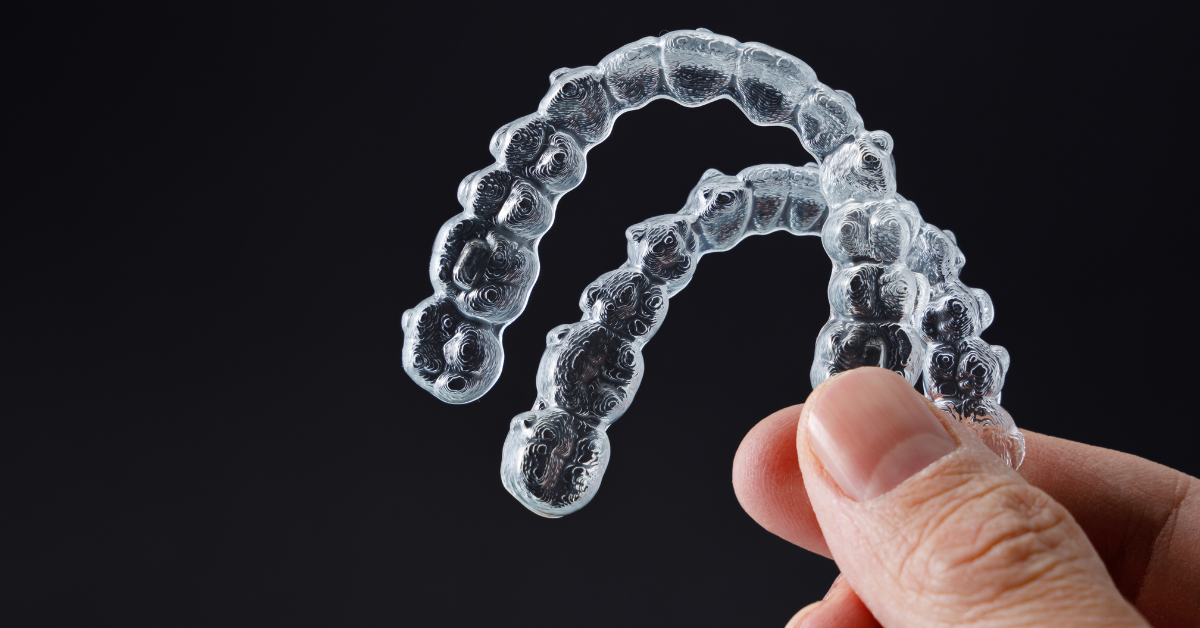
Invisalign Dentists in Norwalk
Many adults and teens want straighter teeth but hesitate when treatment feels disruptive, visible, or difficult to manage. Invisalign straightens teeth with a series of clear, removable aligners instead of brackets and wires — most people will not notice you are wearing them, and you take them out to eat and brush. At PhD Dental in Norwalk, clear aligner treatment is planned by our orthodontists — Dr. Vargha, Dr. Khorshad, and Dr. Barr — who see patients at 12052 Imperial Hwy, Suite 101A, on scheduled days. Aligners are a genuinely good option for the right case — and the wrong tool for some others — and the consultation is where you find out which yours is, honestly. Call (562) 620-4381 to schedule an orthodontic consultation.
Top-Rated Dentists
in Norwalk
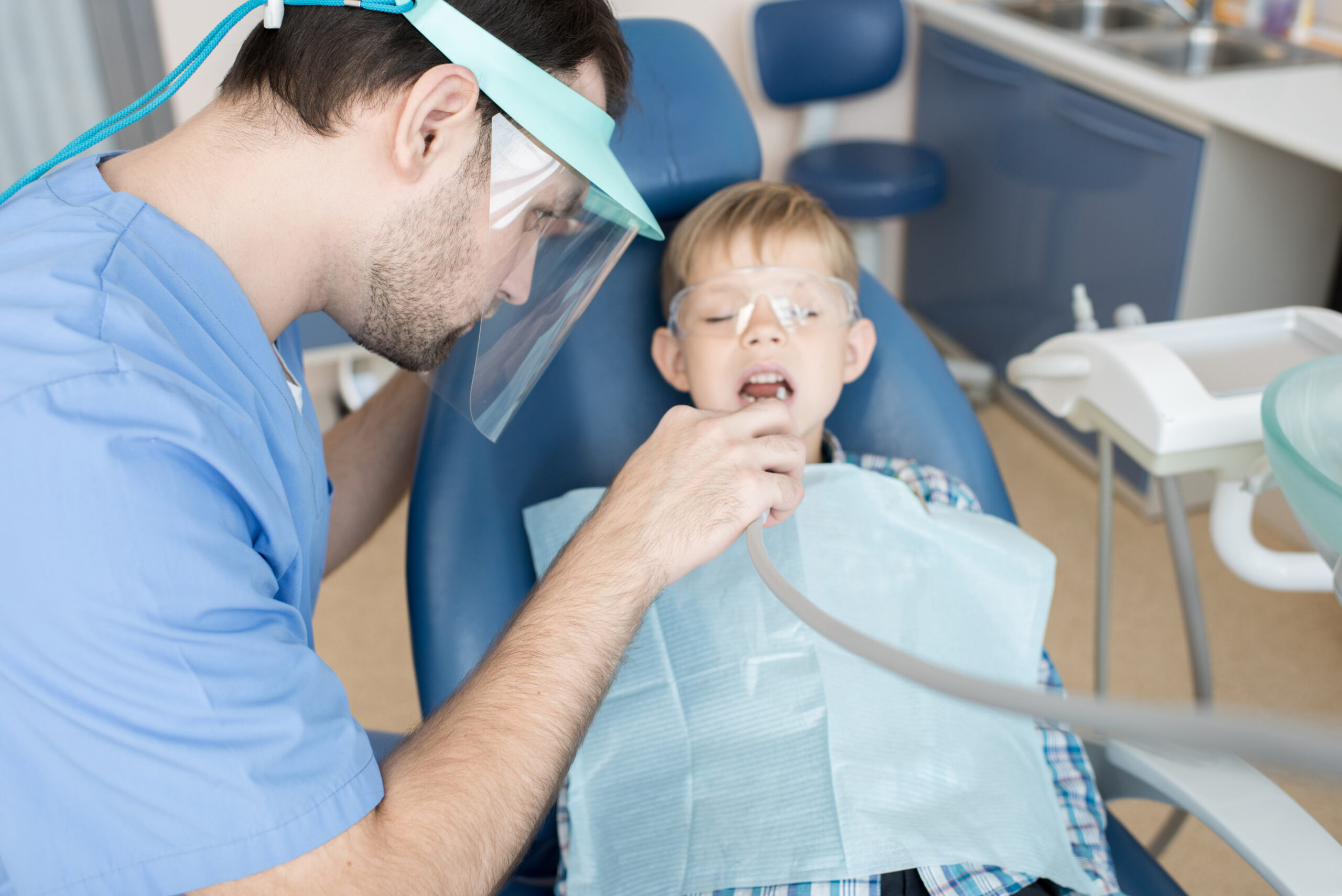
Patient-First Dentistry for Every Stage of Life
From early childhood development to adult care, we focus on patient comfort and comprehensive treatment.
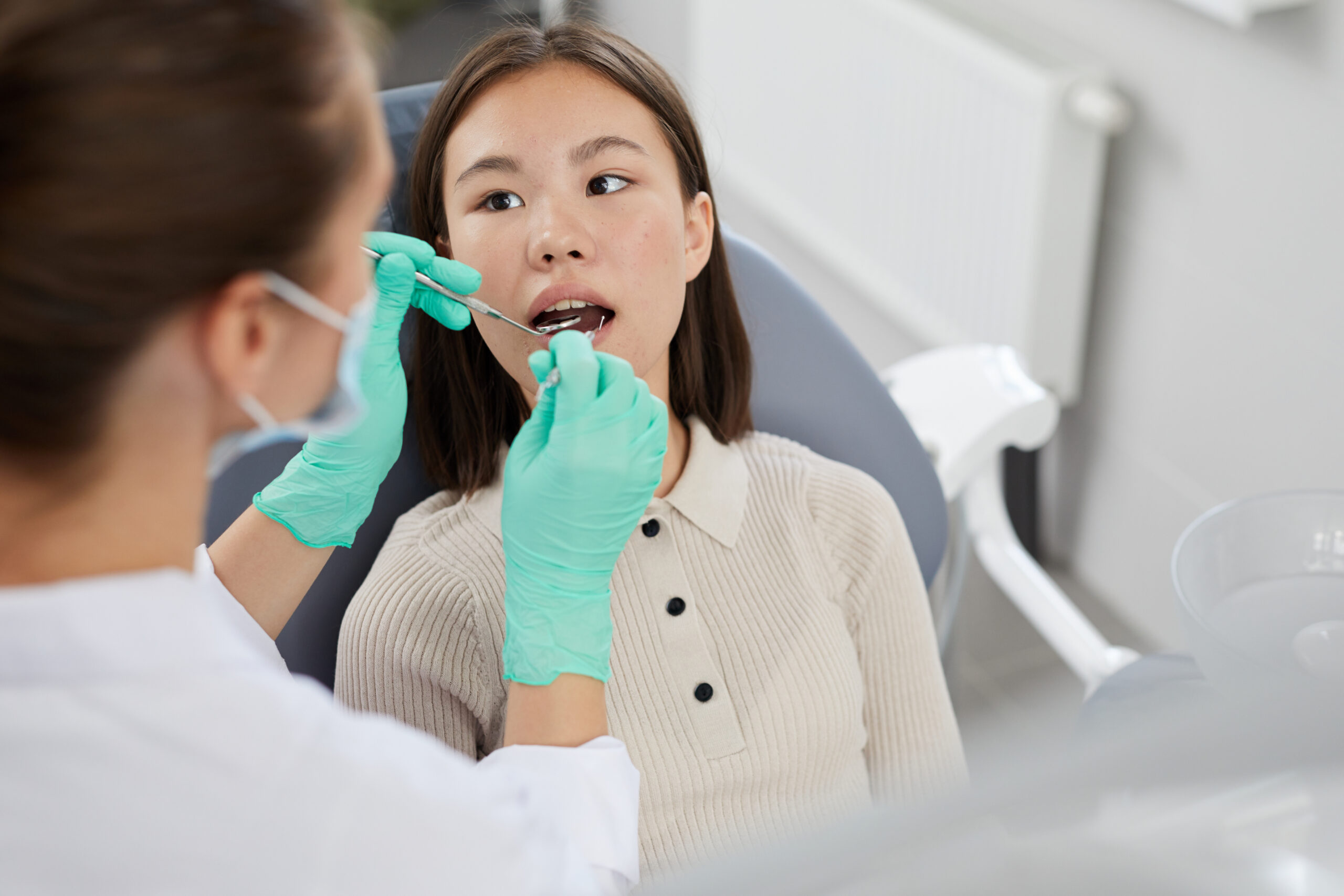
Removing Barriers to Dental Care
We believe everyone deserves access to high-quality dental care, regardless of financial situation.
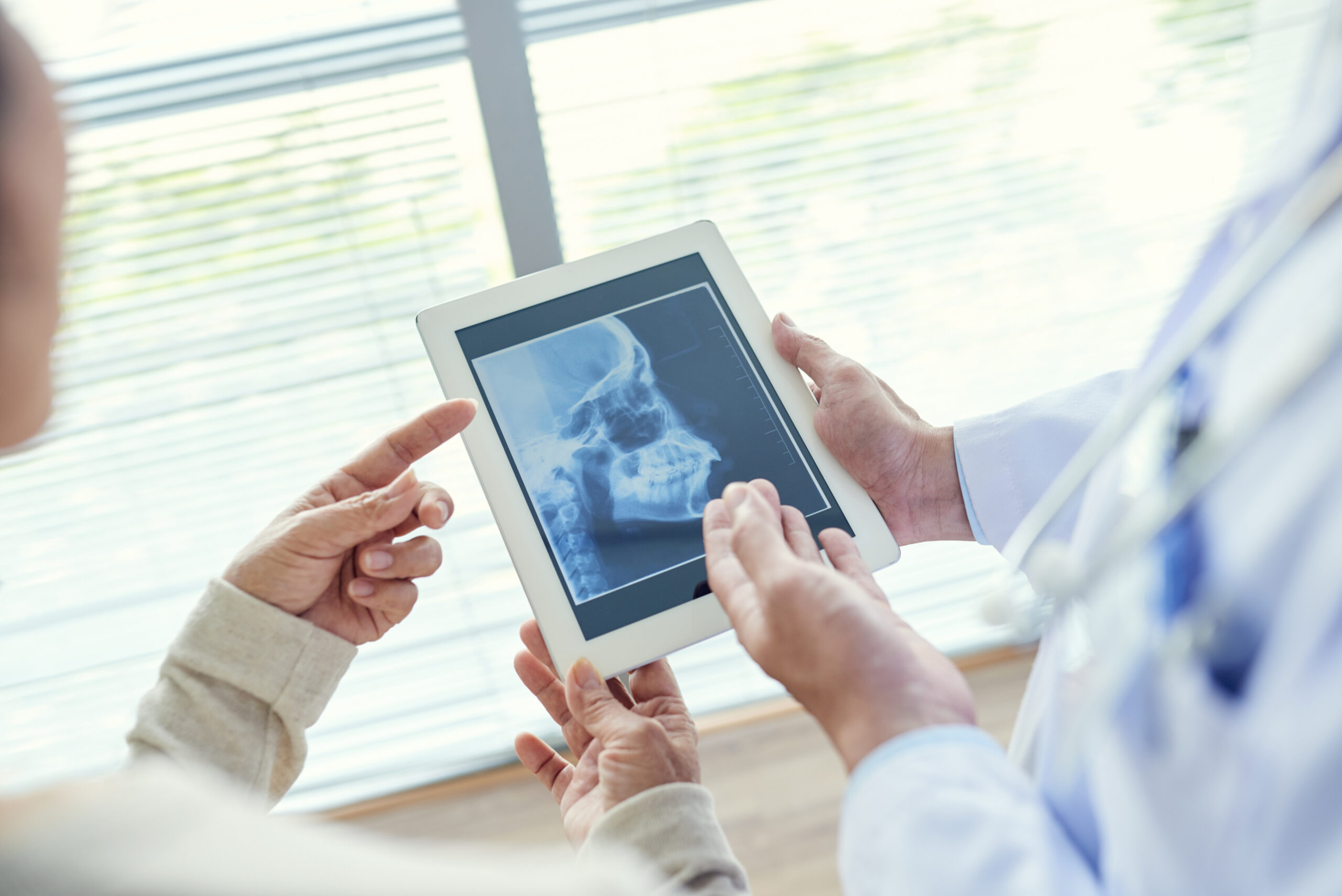
Comprehensive Dentistry Under One Roof
Orthodontics, implants, oral surgery, and preventative care all conveniently located in our clinics.
Expertise, Access & Convenient Locations
Multiple clinic locations across Los Angeles with extended hours to fit your busy schedule.
Table of Contents
- What our orthodontists evaluate before starting treatment
- How PhD Dental approaches Invisalign treatment with proportional planning
- How Invisalign treatment is maintained after active alignment
- How PhD Dental guides Invisalign treatment decisions
- Common questions about Invisalign in Norwalk
- Book an Invisalign consultation in Norwalk
What our orthodontists evaluate before starting treatment
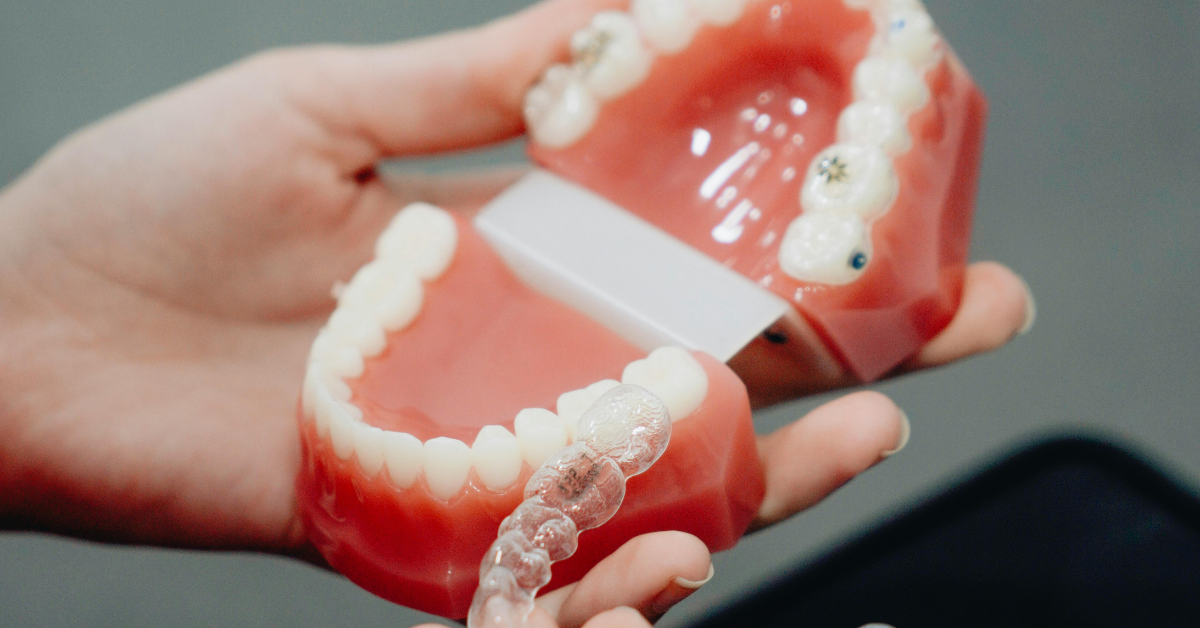
Before aligners are prescribed, the orthodontist conducts a comprehensive evaluation of whether the planned tooth movement can occur predictably without disrupting bite function or long-term stability. The decision starts with your bite, not your preference: how your upper and lower teeth meet during chewing, speaking, and rest, since those interactions influence how aligner forces are received and redistributed as treatment progresses. Aligners handle mild to moderate crowding, spacing, and many bite issues very well — especially for adults and older teens. Cases needing large rotations, significant vertical movement, or complex bite correction are often better served by braces, which are fixed to the teeth and work around the clock. If braces would serve you better, we will say that at your consultation rather than start you on a treatment likely to stall. We offer both at this office — traditional braces, including gold braces, and aligners — so the recommendation is about your teeth, not about what we happen to sell. This phase is a diagnostic foundation, not a formality: a thorough evaluation reduces the likelihood of discomfort, mid-treatment revisions, or unstable outcomes after alignment is complete.
How PhD Dental approaches Invisalign treatment with proportional planning
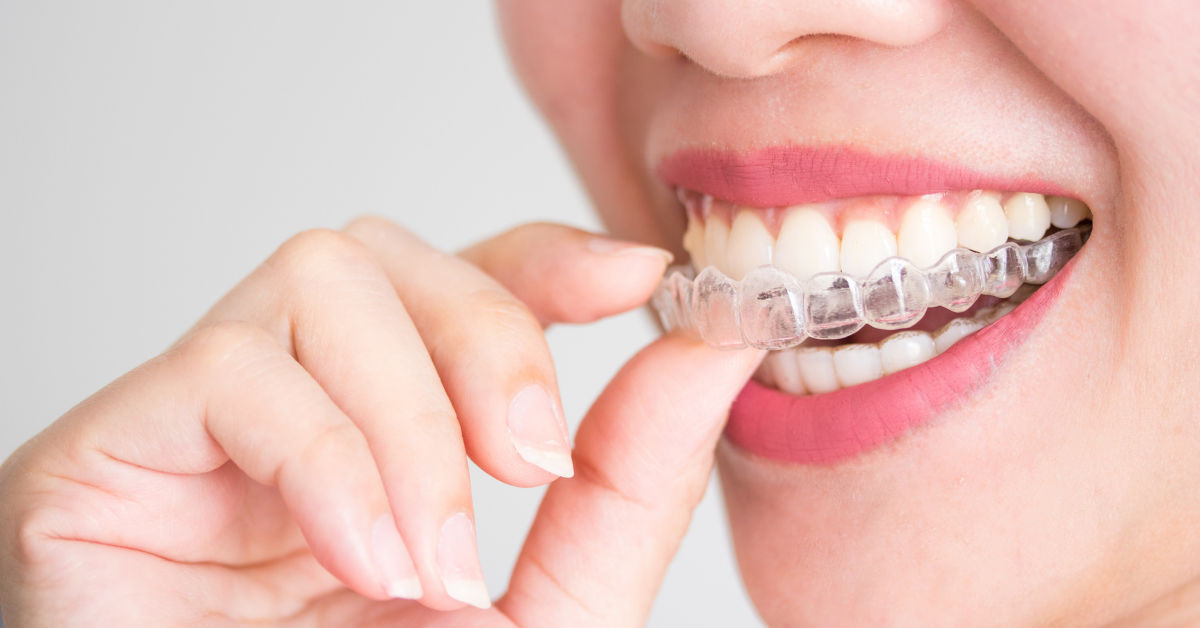
PhD Dental approaches Invisalign treatment by aligning the scope of tooth movement with your actual functional and structural needs rather than defaulting to aggressive alignment targets. Proportional planning means evaluating how much movement is required, how forces will interact with the bite during daily use, and how surrounding bone and ligaments are expected to respond over time. The one requirement aligners cannot bend on is wear time: aligners only move teeth while they are in your mouth — roughly all day and night except eating and brushing, about 22 hours a day. A tray that lives in a napkin at lunch, a backpack, or a nightstand is not treatment. This is why the orthodontist will ask you direct questions about your routine, and why for many younger teens — and anyone who knows themselves well enough to doubt — braces are the more reliable route. Patients who do wear aligners as directed generally finish on the timeline they were given: most Invisalign cases take about 6 to 18 months, changing to a new set of trays every one to two weeks, with short progress checks at our Norwalk office along the way. Your case is mapped before the first tray: the orthodontist plans the sequence of movements, orders the series, and sets the check-in rhythm, and if a tooth moves more slowly than expected, the plan is adjusted with refinements rather than letting the gap grow. If a tray cracks or is lost, call us — do not just skip ahead or go without; the office will tell you whether to move to the next tray or have one remade.
How Invisalign treatment is maintained after active alignment
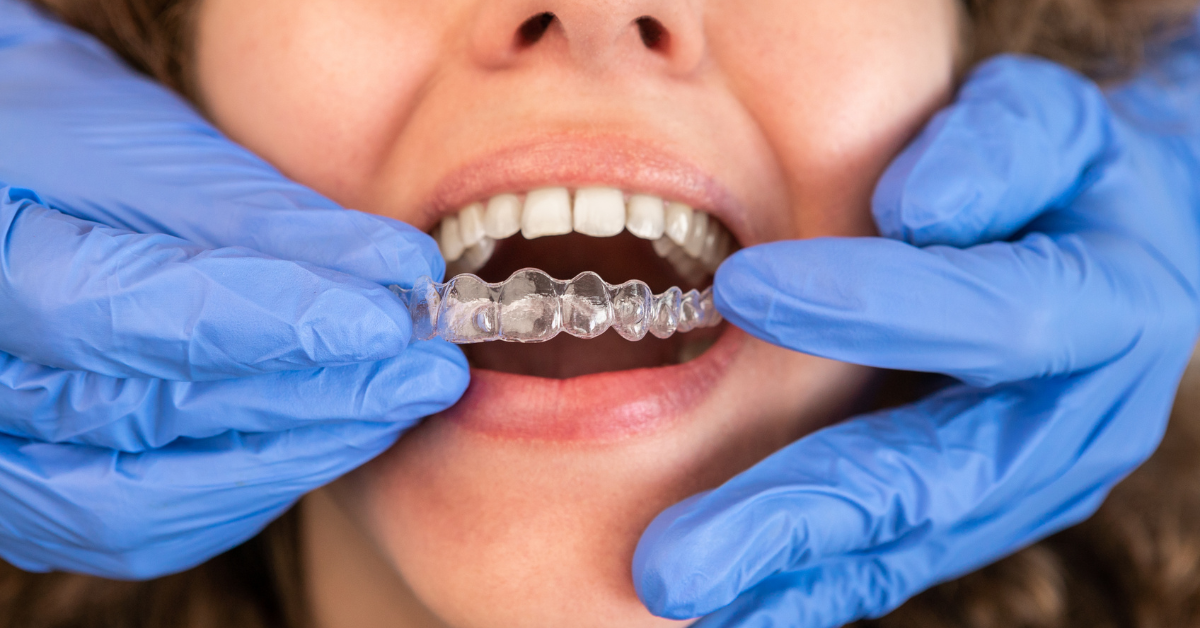
Maintaining alignment after active treatment requires deliberate planning, because teeth retain a biological tendency to shift — ligaments and surrounding bone need extended time to reorganize around corrected positions under daily functional stress. That is why, when active treatment ends, retainers hold the result; teeth that were moved will drift without one, so retention is part of the treatment, not an optional extra. At your progress visits and at the end of treatment, we evaluate how bite forces, chewing patterns, and habitual jaw movements will interact with the corrected alignment over time, and we set your retainer routine and monitoring schedule accordingly. The goal is managing predictable rebound tendencies before visible movement occurs rather than reacting after alignment has already changed. Long-term stability depends on that post-treatment planning — not on assuming teeth will remain stationary on their own.
How PhD Dental guides Invisalign treatment decisions

Every recommendation here begins with how proposed tooth movement will influence bite balance, jaw comfort, and force distribution once aligners are no longer directing movement — because orthodontic correction permanently alters how teeth interact under daily functional load. The short version of the comparison: aligners are nearly invisible, removable for meals and brushing, carry no food restrictions, and avoid wire discomfort — and are entirely dependent on your discipline. Braces are fixed, always working, preferred for complex movements, and require no discipline — but visible, and with a list of hard and sticky foods to avoid. Our Braces & Orthodontics in Norwalk page compares the two in full, including orthodontic consultations for children (a first evaluation by about age 7) and how Medi-Cal's braces coverage works for patients under 21. On cost: there is no single price for Invisalign, because cost depends on how much movement your teeth need and how long treatment takes. After your consultation and evaluation, you receive a written estimate before any treatment begins. Some PPO plans include orthodontic benefits — we will verify yours. In-house payment plans and financing options can spread the cost over time. One caution families ask about often: do not assume Medi-Cal covers Invisalign. Medi-Cal Dental's orthodontic coverage follows the program's specific requirements and its decision on the individual case, and a particular brand of appliance is not something to count on — our team will explain what coverage may apply to your child's case and verify benefits before treatment begins.
Common questions about Invisalign in Norwalk
Most cases take about 6 to 18 months, depending on how much movement your teeth need. You get an honest estimate of your own timeline at the consultation, before you commit to anything.
Yes, if the case fits and the teen will wear the trays as directed — that second part is the real qualification, and the orthodontist will talk it through with you and your teen honestly.
Expect pressure for a day or two each time you switch to a new tray — that pressure is the teeth moving. It is generally milder than the soreness after a braces adjustment and is managed the same way, with over-the-counter pain relief if needed.
The trays only work while they are in. Wear them less than directed and treatment slows, the trays stop fitting, and the plan may need to be redone — which costs time. If that pattern sounds like you, braces will likely serve you better, and we will tell you so kindly and early.
Schedule an orthodontic consultation at our Norwalk office. The orthodontist examines your teeth and bite, tells you plainly whether aligners can achieve the result you want, and gives you a written estimate.
Book an Invisalign consultation in Norwalk

Call (562) 620-4381 or book online. PhD Dental Norwalk, 12052 Imperial Hwy, Suite 101A — open Monday through Thursday, 10:30 AM to 6:30 PM, with patients coming in for orthodontic care from Norwalk, Bellflower, Downey, Santa Fe Springs, La Mirada, Cerritos, Artesia, Paramount, and Lakewood. We accept Medi-Cal, Denti-Cal, and PPO plans; we do not accept HMO plans.
Get in Touch with PhD Dental
Pick your location
Norwalk
PhD Dental serves Norwalk residents with comprehensive dental services designed to support healthy smiles for both adults and children.
Hours
- Mon 10:30AM - 6:30PM
- Tue 10:30AM - 6:30PM
- Wed 10:30AM - 6:30PM
- Thu 10:30AM - 6:30PM
- Fri Closed
- Sat Closed
- Sun Closed