
LANAP Laser Gum Treatment in Los Angeles
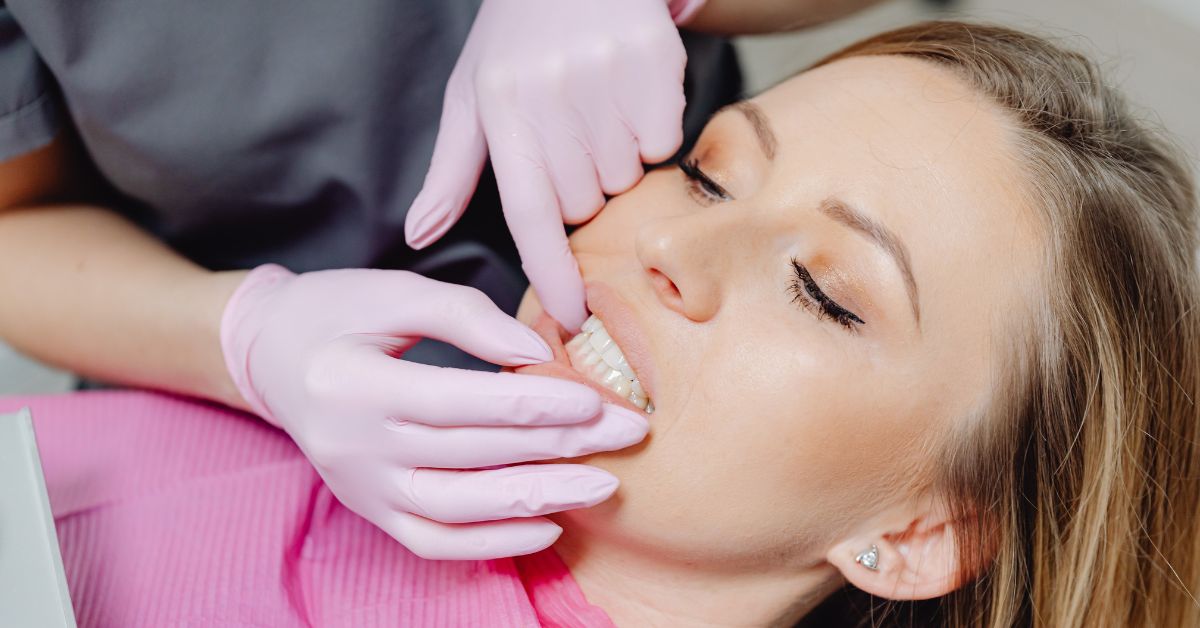
Managing moderate to advanced gum disease often requires more than routine cleanings, yet many patients want to avoid traditional surgical approaches. LANAP laser gum treatment in Los Angeles offers a solution that focuses on selectively targeting diseased tissue. This laser-assisted approach is designed to reduce infection and preserve healthy tissue that plays an important role in long term oral stability.
At PhD Dental, LANAP laser gum treatment in Los Angeles is integrated into a broader periodontal strategy rather than positioned as a standalone fix. Treatment decisions are guided by pocket depth, tissue condition, and how the gums are responding to prior care. Patients often consider LANAP laser gum treatment in Los Angeles when they need a more advanced level of care, but want an approach that prioritizes reduced trauma. If your gum health has reached a point where intervention is being discussed, understanding how laser-based periodontal therapy fits for you is the next step. Call PhD Dental at (323)269-5437 or visit our contact page to begin a conversation about if LANAP laser gum treatment aligns with your current needs and long term goals.
Top-Rated Dentists
in Los Angeles
Patient-First Dentistry for Every Stage of Life
From early childhood development to adult care, we focus on patient comfort and comprehensive treatment.
Removing Barriers to Dental Care
We believe everyone deserves access to high-quality dental care, regardless of financial situation.

Comprehensive Dentistry Under One Roof
Orthodontics, implants, oral surgery, and preventative care all conveniently located in our clinics.
Expertise, Access & Convenient Locations
Multiple clinic locations across Los Angeles with extended hours to fit your busy schedule.
How LANAP Laser Technology Targets Gum Disease Without Traditional Surgery

LANAP laser technology treats gum disease by addressing infection and inflammation at the tissue level without relying on incisions, sutures, or mechanical tissue removal. Patients researching LANAP laser gum treatment in Los Angeles often want to understand how laser energy can manage periodontal disease while avoiding many of the structural disruptions associated with conventional surgery. The LANAP protocol uses controlled laser application to remove diseased tissue, reduce bacterial activity, and support gum reattachment while preserving healthy structures that are important for long term stability.
At PhD Dental, LANAP laser gum treatment in Los Angeles is used as part of a comprehensive periodontal strategy rather than a standalone solution. Treatment decisions are guided by pocket depth, tissue condition, and disease progression to ensure laser therapy is applied where it can provide meaningful benefit. Understanding how the technology works helps clarify why LANAP is appropriate for certain clinical situations and not others.
LANAP laser technology is calibrated to differentiate between diseased gum tissue and healthy tissue based on how each absorbs laser energy. Infected tissue responds differently to the laser, allowing clinicians to remove compromised areas while leaving healthy gum structure largely intact. This selectivity reduces the need to remove healthy tissue in order to access deeper infection. Preserving natural gum architecture supports more predictable healing after treatment.
Why Selective Tissue Removal Preserves Healthy Gum Structure
Removing only diseased tissue limits unnecessary trauma to areas that are not contributing to infection. Excessive tissue removal can increase inflammation and complicate healing. Selective targeting allows treatment to focus on disease control while maintaining the integrity of surrounding gum tissue.
How Preserved Gum Structure Supports Predictable Tissue Healing
When healthy tissue remains intact, the body’s healing response can focus on areas that were affected by infection. This supports more controlled tissue adaptation and reduces the likelihood of irregular healing patterns. Predictable healing contributes to long term periodontal stability.
Periodontal pockets provide an environment where bacteria can thrive beyond the reach of routine cleaning methods. LANAP laser energy is used to disrupt bacteria and biofilm within these pockets, reducing the microbial load that drives inflammation. Lowering bacterial activity helps interrupt the disease process rather than simply managing surface symptoms. Effective bacterial reduction is a core objective of laser periodontal therapy.
Why Bacterial Reduction Is Central To Controlling Gum Disease
As long as bacteria remain active within periodontal pockets, gum tissue continues to respond with inflammation and breakdown. Reducing bacterial populations addresses the underlying cause of periodontal disease rather than its visible effects. Sustainable disease control depends on limiting bacterial activity at its source.
How Laser Energy Complements Mechanical Periodontal Cleaning
Laser therapy works alongside scaling and root planing by reaching areas that mechanical instruments may not fully access. This combined approach improves overall bacterial reduction within pockets. Coordinating laser and mechanical treatment enhances effectiveness.
LANAP laser treatment is designed not only to remove infection but also to support the body’s natural healing processes. Laser energy encourages clot formation along the root surface, which plays an important role in stabilizing the healing site. This biological response helps gum tissue reattach without the need for sutures or repositioning. Healing relies on natural tissue behavior rather than forced manipulation.
Why Supporting Reattachment Improves Periodontal Outcomes
When gum tissue reattaches more closely to the tooth, pocket depth can decrease and bacterial access becomes more limited. Improved attachment supports easier long term maintenance. Periodontal outcomes improve when tissue stability is restored.
How Laser Assisted Healing Differs From Surgical Healing Approaches
Traditional periodontal surgery often requires incisions and sutures to reposition tissue, which can increase post treatment inflammation. Laser assisted healing works with natural clotting and repair mechanisms instead. This difference influences how tissue responds during recovery.
LANAP laser gum treatment avoids many of the mechanical steps involved in conventional gum surgery, such as cutting and stitching tissue. Because the gums are not physically reflected away from the teeth, surrounding structures experience less disruption during treatment. This difference affects how the tissue responds after the procedure and how quickly normal hygiene can resume. Reduced disruption is an important consideration when planning recovery.
Why Limiting Mechanical Trauma Influences Healing Response
Mechanical trauma increases inflammation and can delay tissue stabilization after treatment. Reducing trauma helps keep the inflammatory response more controlled. Controlled healing supports better tissue adaptation.
How Reduced Tissue Disruption Supports Easier Long Term Maintenance
When gum tissue heals without significant structural disruption, it is often easier to keep clean with daily hygiene and professional care. Patients may find treated areas more accessible during brushing and flossing. Maintenance success improves when healing supports accessibility.
What Conditions LANAP Laser Gum Treatment Is Designed To Address
LANAP laser gum treatment is designed to manage specific stages and patterns of periodontal disease where infection and inflammation extend beyond what routine cleanings can resolve. Patients considering LANAP laser gum treatment in Los Angeles are often dealing with gum conditions that require more advanced intervention but do not yet warrant, or actively seek to avoid, traditional surgical approaches. Understanding which conditions LANAP is intended to address helps clarify when this technology can play a meaningful role in periodontal care.
At PhD Dental, LANAP laser gum treatment in Los Angeles is recommended based on measurable clinical findings rather than generalized labels. Dentists evaluate gum tissue health, pocket depth, bacterial activity, and response to prior treatment to determine whether laser therapy is appropriate. This condition specific approach ensures that LANAP is used where it can provide real benefit rather than being applied indiscriminately.
LANAP laser gum treatment is commonly used for patients with moderate to advanced periodontal disease characterized by ongoing infection below the gumline. In these cases, bacteria are established within periodontal pockets and continue to drive inflammation despite consistent hygiene and professional care. Laser therapy helps reduce infected tissue and bacterial load in areas that are difficult to access with mechanical instruments alone. Addressing active infection is central to stabilizing gum health. LANAP provides a way to intervene without removing large amounts of healthy tissue.
Why Active Infection Requires More Than Preventive Care
Once bacteria are entrenched below the gumline, preventive measures alone are often insufficient to control inflammation. Active infection continuously releases toxins that damage surrounding tissue. Targeted intervention becomes necessary to interrupt this process.
How Laser Treatment Helps Control Infection At The Tissue Level
Laser energy selectively targets infected tissue and bacteria within periodontal pockets. This reduces the microbial burden that sustains disease activity. Controlling infection at this level supports tissue stabilization.
LANAP laser gum treatment may be indicated when periodontal pockets remain deep after thorough scaling and root planing. Persistent pocketing suggests that bacteria and inflamed tissue continue to interfere with gum attachment. Laser therapy can be used to further reduce diseased tissue and support healing within these pockets. This approach is considered when conventional deep cleaning has reached its limits. Addressing residual pocket depth helps reduce future risk.
Why Persistent Pocket Depth Signals Ongoing Disease Activity
Deep pockets provide an environment where bacteria are protected from routine hygiene and professional maintenance. As long as these spaces remain, inflammation can persist. Reducing pocket depth is important for long term control.
How LANAP Supports Pocket Reduction Without Surgical Incisions
Laser treatment addresses diseased tissue within the pocket without cutting or reflecting the gums. This allows healing to occur without the structural disruption associated with surgery. Pocket conditions may improve as tissue stabilizes.
LANAP laser gum treatment is often considered by patients who require periodontal intervention but wish to avoid traditional gum surgery. Concerns about incisions, sutures, and extended recovery lead some patients to explore laser based options. LANAP provides a less invasive approach for appropriate cases. Treatment decisions balance disease severity with patient preferences. Surgical avoidance is considered when clinically reasonable.
Why Patient Preference Plays A Role In Treatment Selection
Periodontal care should align with both clinical needs and patient comfort when possible. Avoiding surgery can improve acceptance and follow through. Preference matters when outcomes remain comparable.
How Laser Therapy Expands Periodontal Treatment Options
Laser technology offers an alternative pathway for managing gum disease in select cases. This expands options beyond conventional surgery. Flexibility supports individualized care.
LANAP laser gum treatment can be used to address localized areas of periodontal breakdown rather than treating the entire mouth surgically. Some patients experience deeper pockets or infection concentrated around specific teeth. Laser therapy allows focused treatment where disease activity is highest. This localized approach avoids unnecessary intervention elsewhere. Precision improves efficiency.
Why Localized Disease Benefits From Targeted Treatment
Treating only affected areas limits exposure of healthy tissue to intervention. Focused care reduces unnecessary disruption. Targeting improves treatment appropriateness.
How Precision Treatment Supports Tissue Preservation
Laser therapy can be applied only where infection is present. Preserving unaffected areas helps maintain overall gum integrity. Tissue preservation supports healing.
LANAP laser gum treatment may be considered when inflammation persists despite regular periodontal maintenance visits. Continued bleeding, swelling, or tenderness can indicate that bacteria remain active below the gumline. Laser therapy helps address these residual issues. Intervention at this stage can help restore stability. Managing inflammation supports long term control.
Why Maintenance Alone May Not Fully Resolve Disease Activity
Maintenance care helps control plaque but may not eliminate entrenched infection. Persistent inflammation signals unresolved disease. Additional intervention may be required.
How LANAP Complements Ongoing Periodontal Maintenance
Laser treatment addresses areas that maintenance care cannot fully resolve. This allows maintenance visits to become more effective afterward. Combined care improves stability.
Why Patients Choose PhD Dental For LANAP Treatment
Choosing where to receive LANAP laser gum treatment involves more than selecting a practice that offers advanced technology. Patients often look for confidence that treatment will be recommended appropriately, delivered with precision, and supported with follow through that extends beyond the procedure itself. At PhD Dental, LANAP treatment is positioned within a broader periodontal care framework that emphasizes accuracy, restraint, and long term stability.
Patients considering LANAP laser gum treatment in Los Angeles frequently value a practice that prioritizes outcomes over novelty. PhD Dental focuses on careful case selection, disciplined execution, and continued monitoring so laser therapy is used only when it can provide meaningful clinical benefit. This approach helps ensure treatment decisions are grounded in need rather than availability.
PhD Dental bases LANAP treatment recommendations on documented clinical indicators such as pocket depth, tissue response, and disease progression patterns rather than generalized criteria. This ensures laser therapy is applied only when it aligns with the patient’s specific periodontal condition. Recommendations are reassessed as tissue response evolves, allowing care to remain adaptive rather than fixed. This method reduces unnecessary intervention.
Why Objective Findings Matter More Than Procedure Availability
The availability of laser technology alone does not determine whether LANAP is appropriate. Objective findings provide a reliable basis for predicting whether laser therapy will meaningfully improve gum health. Grounding decisions in clinical evidence supports more consistent outcomes.
How Evidence Based Planning Improves Patient Confidence In Treatment Decisions
When patients can see how recommendations are tied directly to measurements and findings, they are better able to understand the rationale behind treatment. Transparency helps reduce uncertainty and builds trust. Confidence increases when reasoning is clearly explained.
LANAP treatment at PhD Dental is delivered with close attention to technique, energy calibration, and tissue response during each phase of care. Consistency in how laser therapy is applied helps ensure that treatment achieves its intended effect without unnecessary variability. Precision extends beyond the procedure itself into post treatment evaluation and maintenance planning. This continuity supports reliable results.
Why Technique Consistency Influences Periodontal Treatment Outcomes
Laser periodontal therapy depends on controlled energy delivery and accurate application. Variability in technique can affect tissue response and healing. Maintaining consistency supports predictable periodontal outcomes.
How Structured Protocols Reduce Unwanted Variability During Care
Defined treatment protocols help ensure that each step of LANAP therapy is performed as intended. Structure limits deviations that can compromise effectiveness. Predictability improves when care follows a disciplined process.
PhD Dental integrates LANAP treatment into a broader care continuum that accounts for how gum disease evolves over time. Patients may require different levels of intervention as inflammation stabilizes or changes. Coordinating LANAP with ongoing periodontal maintenance allows care to adjust as conditions shift. This continuity prevents gaps between treatment phases.
Why Periodontal Disease Requires Ongoing Management Rather Than One Time Treatment
Gum disease is influenced by bacterial control, tissue response, and patient habits over time. A single intervention rarely addresses all contributing factors permanently. Ongoing management helps maintain stability as conditions change.
How Coordinated Care Supports Long Term Periodontal Stability
When treatment phases are connected, clinicians can respond more effectively to early signs of recurrence. Adjustments can be made before disease advances. Stability improves when care evolves with the patient.
PhD Dental emphasizes follow through after LANAP treatment to verify that inflammation is resolving and tissue response is stabilizing. Monitoring allows clinicians to confirm outcomes rather than assuming success based on early symptom improvement. Follow up visits create opportunities to refine maintenance strategies. Ongoing oversight supports durable results.
Why Verification Is Essential After Laser Periodontal Therapy
Initial improvements do not always reflect complete disease control. Without verification, lingering inflammation may go unnoticed. Confirming healing ensures that treatment goals are fully achieved.
How Continued Oversight Reduces The Risk Of Periodontal Disease Recurrence
Regular assessment allows clinicians to intervene early if inflammation begins to return. Maintenance care can be adjusted based on actual tissue response. Oversight strengthens long term periodontal health.
Call PhD Dental to Schedule Your LANAP Laser Gum Treatment in Los Angeles Today
When gum disease reaches a stage where laser therapy is being considered, the goal is no longer short term improvement, but long term control and stability. LANAP laser treatment is often used as part of a broader treatment to reduce infection and support healing. Taking the next step with a clear plan can help prevent continued tissue breakdown.
At PhD Dental, LANAP laser gum treatment in Los Angeles is incorporated into a structured periodontal strategy that prioritizes precision, follow through, and measurable progress. Care decisions are made with attention to how your gums respond over time, not just how they appear immediately after treatment. This approach helps ensure that laser therapy contributes to long term health rather than serving as a temporary solution. If you are ready to move forward with a periodontal plan designed around healing and ongoing stability, call PhD Dental at (323)269-5437 or visit our contact page to schedule your consultation and begin planning the next phase of your gum care.
Get in Touch with PhD Dental
Pick your location
Los Angeles
Los Angeles is a diverse and fast-moving city where access to dependable dental care is essential for individuals and families alike. PhD Dental serves patients throughout Los Angeles with a commitment to personalized care and long-term oral health.
Hours
- Mon 9:30AM - 6:30PM
- Tue 9:30AM - 6:30PM
- Wed 9:30AM - 6:30PM
- Thu 9:30AM - 6:30PM
- Fri 9:30AM - 6:30PM
- Sat 9:00AM - 4:00PM
- Sun Closed