

Mini-Dental Implants in Norwalk
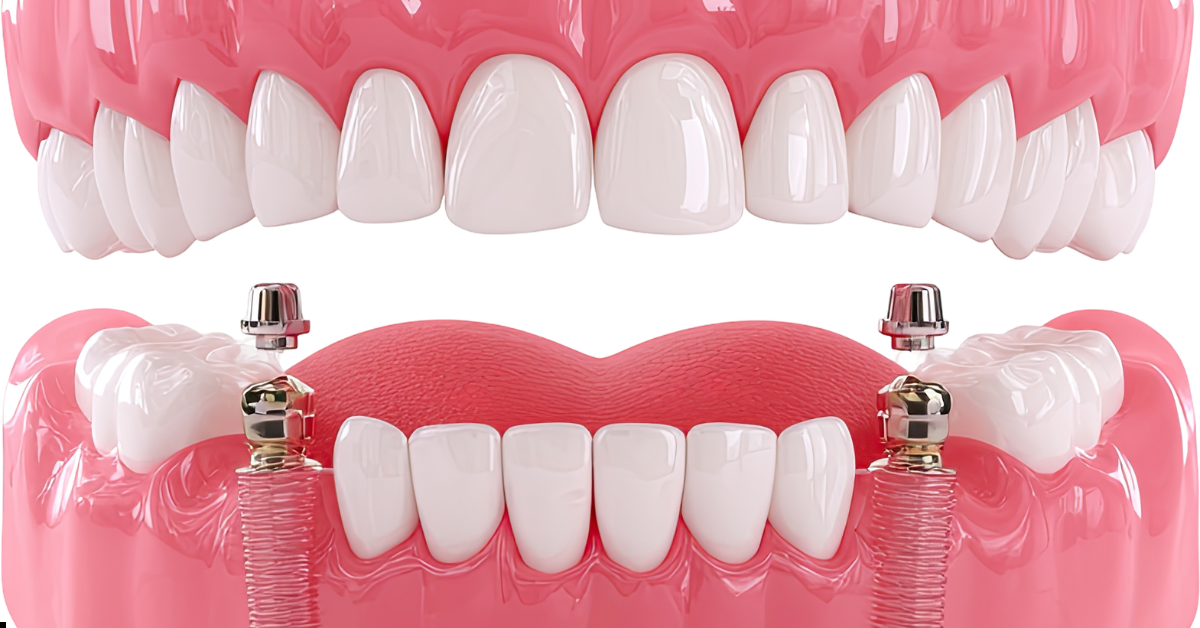
Mini-Dental Implant patients in Norwalk often consider this option when loose dentures create daily frustration and the usual fixes do not hold up. Movement during meals, sore spots that return, and the need to plan life around adhesives can make dentures feel unpredictable, even when the denture itself fits reasonably well. Mini-dental implants can add stability in a way that helps many patients feel more secure while eating and speaking. The goal is to reduce the constant sense of shifting and restore confidence in normal routines.
A good implant plan starts with understanding why the denture feels unstable and what kind of support will actually improve function. Dentists evaluate bite pressure, gum and bone support, and how the denture sits throughout the day, because stability depends on more than a quick chair check. Patients also benefit from clear expectations about what mini-dental implants can improve, including better hold during chewing and fewer disruptions in social settings. When the plan matches the real problem, mini-implants can feel like a practical upgrade rather than an ongoing compromise.
Call (323) 269-5437 to schedule a consultation with PhD Dental and learn whether Mini-Dental Implants Norwalk treatment can help stabilize your dentures and improve everyday comfort.
Top-Rated Dentists
in Los Angeles
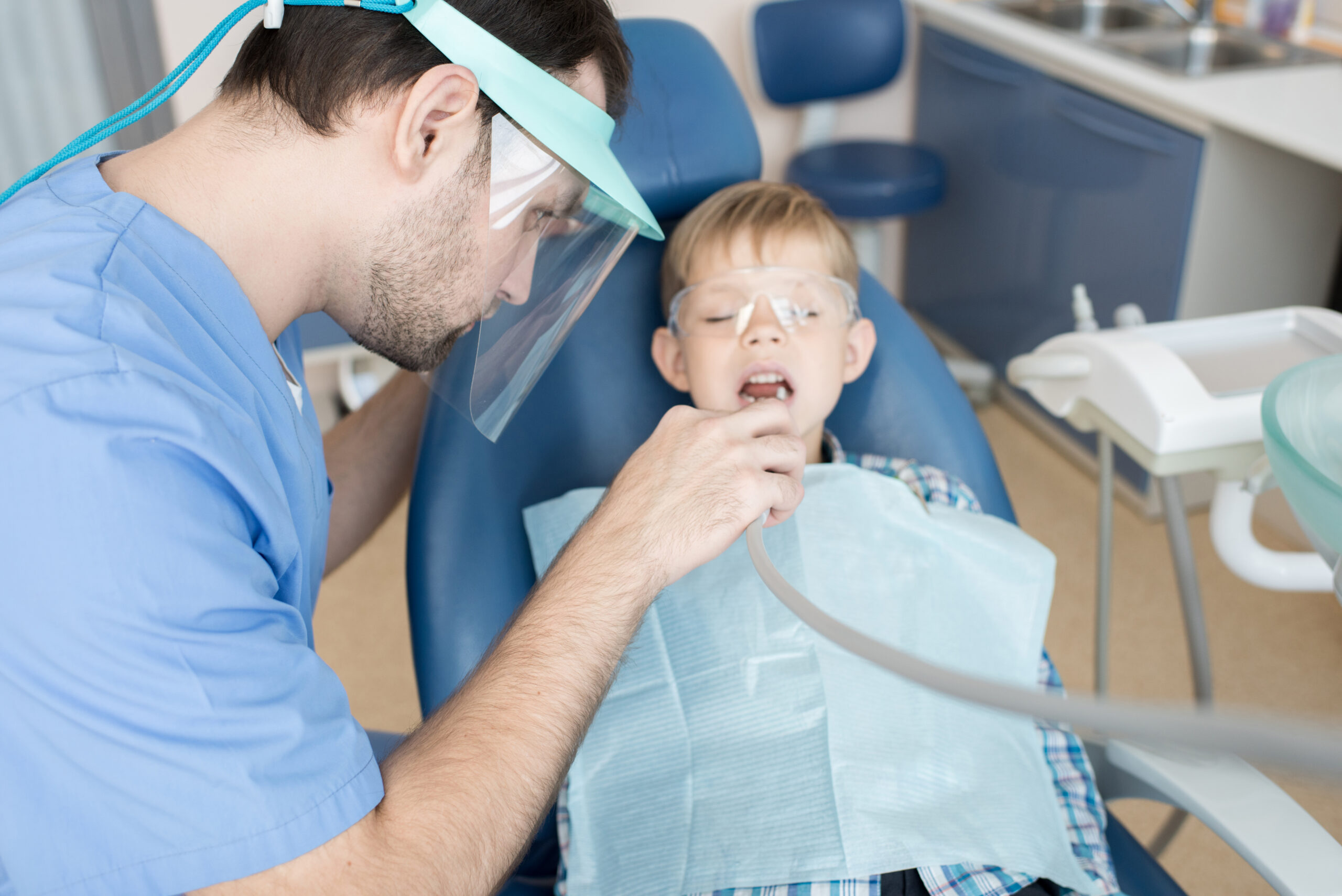
Patient-First Dentistry for Every Stage of Life
From early childhood development to adult care, we focus on patient comfort and comprehensive treatment.
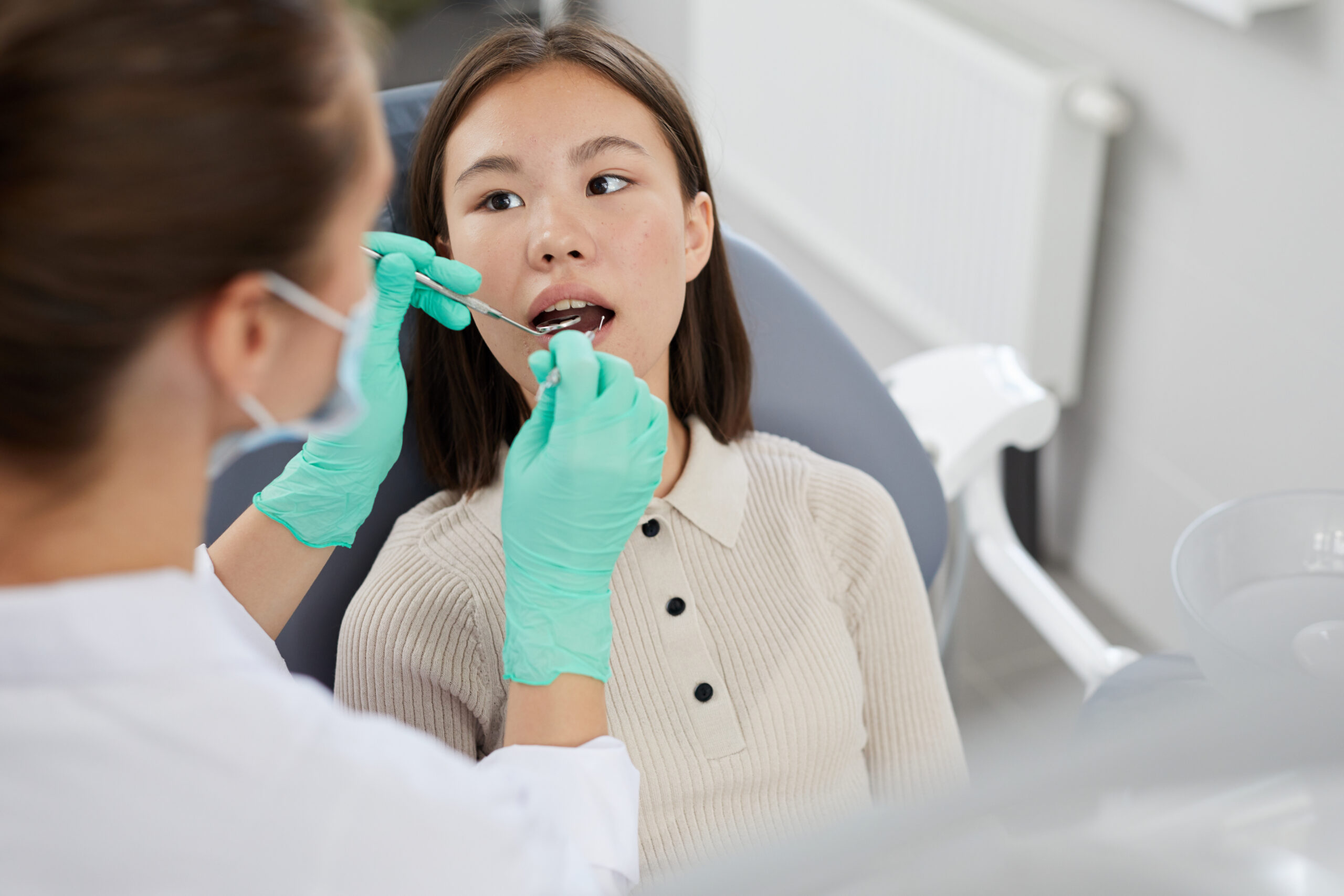
Removing Barriers to Dental Care
We believe everyone deserves access to high-quality dental care, regardless of financial situation.

Comprehensive Dentistry Under One Roof
Orthodontics, implants, oral surgery, and preventative care all conveniently located in our clinics.
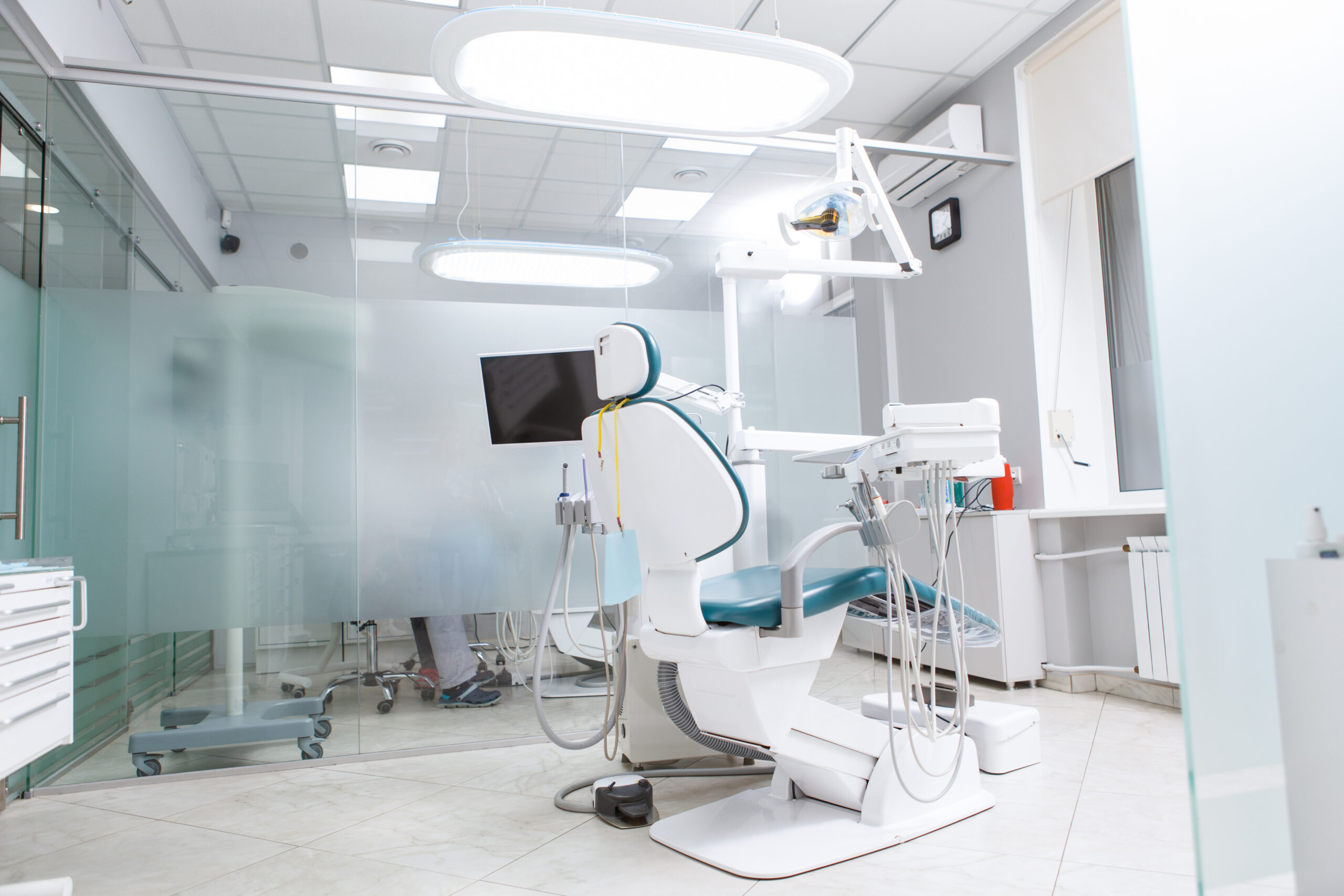
Expertise, Access & Convenient Locations
Multiple clinic locations across Los Angeles with extended hours to fit your busy schedule.
Why Loose Dentures Often Lead Patients to Mini-Dental Implants
Loose dentures rarely feel like a single issue. The instability tends to show up in several parts of daily life at once. Patients may manage at home, then feel uncomfortable in restaurants, meetings, or long conversations where small shifts become more noticeable. Over time, many people stop trusting the denture to stay put, which changes how they eat, speak, and smile. Mini-dental implants often become appealing at that point because they can add a more secure foundation and reduce the constant need to compensate. At PhD Dental, the conversation often starts with what you avoid doing now, such as certain foods, public meals, or speaking without checking the fit. That context helps the dentist focus on real-world stability rather than only how the denture looks. Patients also appreciate understanding why the denture moves, since the cause determines whether a more supportive approach will help. When the plan targets the source of looseness, many people feel relief because daily routines stop feeling like a careful negotiation.
Loose dentures can turn routine moments into ongoing interruptions, even when the denture looks fine cosmetically. Many patients adjust by chewing carefully, choosing softer foods, or avoiding certain social settings where they worry about movement. That constant mental effort can feel exhausting, which is why patients often look for a solution that reduces daily vigilance.
How Denture Movement Changes Eating, Speech, and Confidence
When a denture shifts, patients often slow down while eating and avoid foods that require real chewing pressure. Speech can also feel less natural because the tongue and lips adapt to a denture that does not stay consistent. Patients often describe the biggest impact as confidence loss, because they start thinking about the denture instead of the conversation.
Why Predictability Matters More Than Perfection for Denture Wearers
Many patients do not need a denture that feels perfect in every moment, but they do want it to feel dependable. Predictability allows people to eat without hesitation and speak without second-guessing certain sounds. Mini-dental implants support that goal by making the denture feel more stable during the situations that matter most.
Adhesives can help for short stretches, but many patients find they do not deliver the same hold all day or across different foods. Frequent relines and adjustments can improve fit, yet they may not fully eliminate movement when the underlying issue involves limited support or changing gum contours. Patients often turn to mini-dental implants when they want a solution that feels more consistent and less dependent on daily workarounds.
How Shifting Gum Contours Affect Denture Fit Over Time
Gum and bone changes like those from periodontal disease can alter how a denture seats, even for patients who once felt comfortable. Those changes can create new pressure points, looseness, and a fit that feels different from month to month. A dentist can explain whether mini-dental implants may provide a steadier base when natural support has become less reliable.
Why a More Secure Anchor Can Reduce Long-Term Frustration
When dentures lack a stable anchor, small movements can trigger sore spots and make eating feel tentative. A more secure foundation can reduce that constant cycle of irritation and temporary fixes. Patients often feel more satisfied when the solution helps them return to normal routines without planning every day around denture stability.
Loose dentures can create embarrassment and anxiety that patients do not always mention right away. Many people worry about clicking sounds, unexpected shifting, or needing to excuse themselves to adjust the denture. Mini-dental implants often appeal because they offer a path toward more confidence in public settings and less self-monitoring throughout the day.
Why Implant Patients Want a Solution That Feels Reliable Outside the Dental Office
A denture can seem stable during a brief exam and still feel unpredictable during meals or long conversations. Patients want an option that performs in real life, not only in the chair. Dentists build trust when they focus on the situations patients describe, because that perspective leads to recommendations that actually solve the lived problem.
How Better Stability Can Improve Quality of Life, Not Just Function
Stability affects more than chewing, it affects how people show up socially and professionally. When patients trust their dentures again, they often smile more freely and participate in meals without stress. This is one of the most meaningful reasons mini-dental implants become the right next step for many denture wearers.
Mini-dental implants can improve denture stability by giving the denture a more dependable hold point, so the fit stays more consistent throughout the day. Patients often notice the benefit most during meals and conversations, because those are the moments when shifting and lifting feel most disruptive. A dentist will focus on how the denture seats, how pressure distributes during chewing, and what kind of stabilization approach best matches the way you use your dentures in real life.
Stabilizing a denture can reduce the small movements that make eating feel tentative and speech feel less natural. Patients often describe a shift from managing the denture to simply using it, which can make routines feel less stressful. This difference matters because steady stability supports better habits, including more normal chewing and more relaxed conversation.
Stronger Hold That Reduces Lifting, Sliding, and Clicks While Speaking
Dentures can lift slightly when you bite into food or speak for long stretches, especially if the lower denture lacks grip. A better hold can reduce those moments, which helps patients feel less self-conscious and less likely to adjust the denture during the day. Dentists also pay attention to how the denture stays secure during common actions like laughing, sipping, or chewing on both sides.
Why Small Improvements in Security Often Feel Like Big Quality-of-Life Gains
Even minor movement can feel magnified when it interrupts meals or draws attention in conversation. Patients often report that improved stability makes them feel more comfortable socially, not just mechanically. That confidence can be one of the most meaningful outcomes because it changes how freely patients interact day to day.
A stable result depends on proper evaluation, not on a one-size recommendation. Dentists consider the condition of the gums and bone support, how the denture currently fits, and whether the bite feels balanced during function. This evaluation helps determine whether mini-dental implants offer a dependable upgrade, or whether a different adjustment or denture design would better match your needs.
Why Bone Support and Denture Fit Both Influence Mini-Implant Planning
Implants need adequate support to stay reliable, but the denture also needs to seat properly to take advantage of that added stability. If a denture has worn areas or a poor fit, the dentist may address those issues as part of planning so the stabilized denture feels comfortable. Patients usually feel more confident when they understand that stability depends on both the implant foundation and the way the denture distributes pressure.
How a Careful Plan Protects Comfort as Stability Improves
Better hold should not come at the cost of new sore spots or uneven pressure. Dentists check how the denture contacts the gums and how the bite meets, because those details shape comfort over time. When planning stays precise, patients often experience a smoother transition to a more secure feel.
Many patients want stability without a drawn-out process or a solution that adds complexity to daily care. Mini-dental implants can feel like a practical upgrade because they target the main frustration, which is movement, while keeping the focus on everyday comfort. Patients often value an approach that improves function and confidence without turning denture wear into a constant project.
How Denture Stability Supports Better Chewing Choices Over Time
When dentures feel more secure, patients often expand what they feel comfortable eating. That can improve nutrition and reduce the habit of avoiding foods that require real chewing. Dentists often frame this as a long-term quality-of-life benefit because the goal is a diet that feels normal again.
Why Patient Expectations Shape Satisfaction with Denture Stabilization
Patients feel more satisfied when they understand what stabilization can realistically change and what still requires good daily habits. A trusted dentist sets expectations in plain language and explains how follow-up helps keep the denture comfortable. That clarity supports long-term confidence because patients know what success looks like and how to maintain it.
Bite Stability and Everyday Function with Mini-Dental Implants
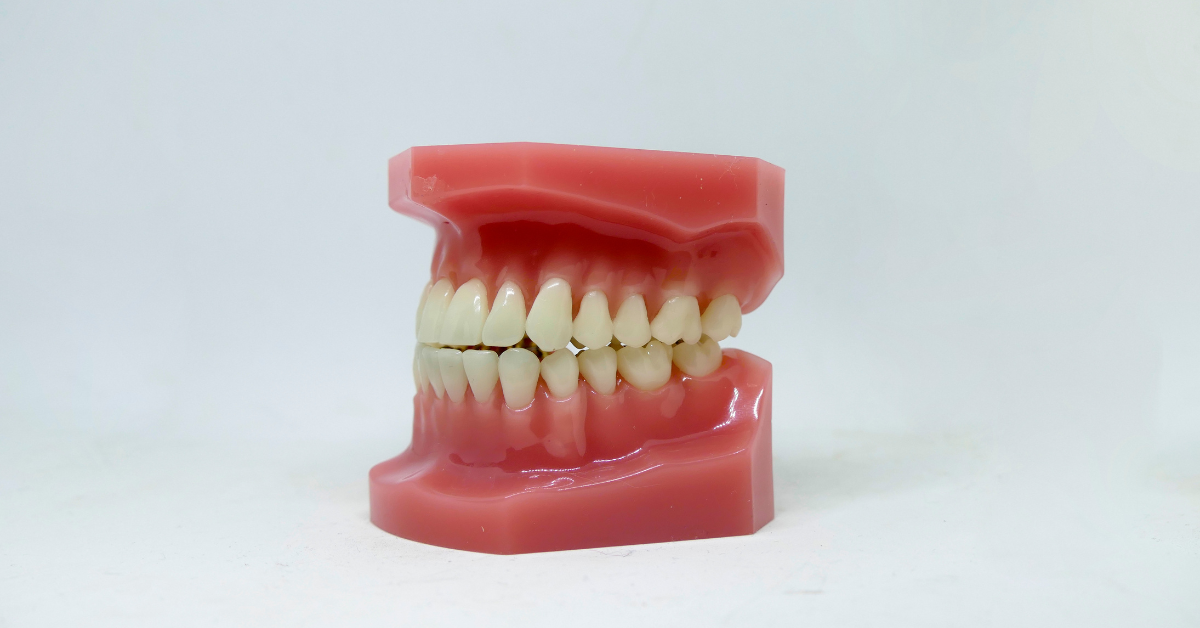
Bite stability matters because it affects how your dentures behave under real chewing pressure, not just how they feel when you first put them in. Mini-dental implants can help create a more consistent bite, which often reduces the need to “test” each bite before committing to chewing. Patients usually notice the biggest benefit when routine actions start feeling automatic again, because they no longer plan their day around what might shift or loosen.
A more stable bite often allows patients to chew with better rhythm and less hesitation, especially when eating in public or trying foods with mixed textures. Many people adjust their diet over time to avoid discomfort, then forget how limiting that change has become until stability improves. Mini-dental implants can help patients return to more normal chewing patterns, which supports comfort and can make meals feel less stressful.
How Balanced Pressure Helps Reduce Sore Spots Over Time
When the bite feels uneven, pressure often concentrates in one area and creates irritation that returns in the same spots. Better stability can help distribute chewing force more evenly, which supports comfort and reduces the cycle of soreness and avoidance. Dentists pay attention to these pressure patterns because a stable bite should feel consistent across different foods, not only when chewing gently.
Why Bite Adjustments Can Improve Comfort More Than Patients Expect
Small changes in how the bite meets can shift pressure away from sensitive areas. Patients often feel surprised by how quickly their chewing comfort improves once the denture stops rocking and the contacts feel more even. That improvement supports satisfaction because it makes the stabilized denture feel like a reliable tool, not a fragile device.
Speech relies on predictable contact between the tongue, teeth, and palate, so denture movement can make certain words feel harder to say confidently. Patients often become more aware of their dentures during long conversations, meetings, or phone calls when they worry about clicking or slight shifts. A more stable denture can improve social comfort because speech feels more natural and less effortful.
How Stability Reduces Self-Monitoring During Conversation
When dentures move, patients may change how they speak or hold their mouth, which can increase tension and make speech feel less fluid. Stability can reduce that self-monitoring because the denture stays more consistent during normal talking. Patients often describe this as a quieter mind during conversations, because attention returns to the moment instead of the denture.
Why Real-World Confidence Often Matters More Than Cosmetic Appearance
A denture can look great and still feel stressful if it does not behave predictably in daily life. Confidence grows when patients trust the denture during meals, laughter, and long stretches of speaking. That trust is a major driver of satisfaction because it affects how comfortable patients feel socially and professionally.
Patients often judge success by how easy dentures feel to live with, including cleaning routines and daily wear without constant adjustments. Mini-dental implants can support usability by reducing the need for frequent reseating and helping the denture feel more consistent from morning to evening. A dentist can also guide patients on what maintenance looks like so the routine stays realistic and sustainable.
How Follow-Up Visits Support Bite Stability Over Time
Bite stability can change slightly as tissues settle and as patients return to normal chewing habits. Dentists use follow-up visits to confirm the bite still meets evenly and to address small issues before they turn into discomfort. This kind of oversight builds trust because it shows the plan includes ongoing support, not a one-time fix.
What Patients Can Track at Home to Measure Functional Improvement
Patients often notice functional progress through small markers, such as chewing on both sides, speaking without hesitation, and finishing meals without soreness. Tracking those outcomes helps patients communicate clearly with the dental team and keeps expectations grounded in daily life. When those markers improve steadily, patients tend to feel confident that their mini-dental implant plan is working as intended.
Get a Mini-Dental Implant Evaluation in Norwalk from PhD Dental

Mini-Dental Implants Norwalk patients consider deserve an evaluation that focuses on how your dentures behave in real life, not just how they look in the chair. PhD Dental will review where your dentures lose stability, what triggers movement during meals or speaking, and whether your current fit supports a secure upgrade. This appointment should also clarify whether mini-dental implants align with your comfort goals and your expectations for day-to-day reliability. When the recommendation is specific to your denture challenges, the decision feels less stressful because you understand the practical benefit you are working toward.
An evaluation also helps define what success looks like for you, including which improvements matter most and what kind of follow-through supports long-term comfort. PhD Dental can explain how your bite patterns, wear habits, and current denture design influence the plan, since those details often determine how stable the result feels over time. Patients often feel more confident when they leave with clear next steps and a timeline that fits their routines, rather than a vague promise of improvement. The goal is to help you choose an approach that reduces daily frustration and makes dentures feel easier to live with in Norwalk.
Call (323) 269-5437 to schedule your mini-dental implant evaluation with PhD Dental and find out whether Mini-Dental Implants Norwalk treatment can help you achieve steadier denture comfort and function.
Get in Touch with PhD Dental
Pick your location
Los Angeles
Los Angeles is a diverse and fast-moving city where access to dependable dental care is essential for individuals and families alike. PhD Dental serves patients throughout Los Angeles with a commitment to personalized care and long-term oral health.
Hours
- Mon 9:30AM - 6:30PM
- Tue 9:30AM - 6:30PM
- Wed 9:30AM - 6:30PM
- Thu 9:30AM - 6:30PM
- Fri 9:30AM - 6:30PM
- Sat 9:00AM - 4:00PM
- Sun Closed