
Endosteal Implants in Inglewood
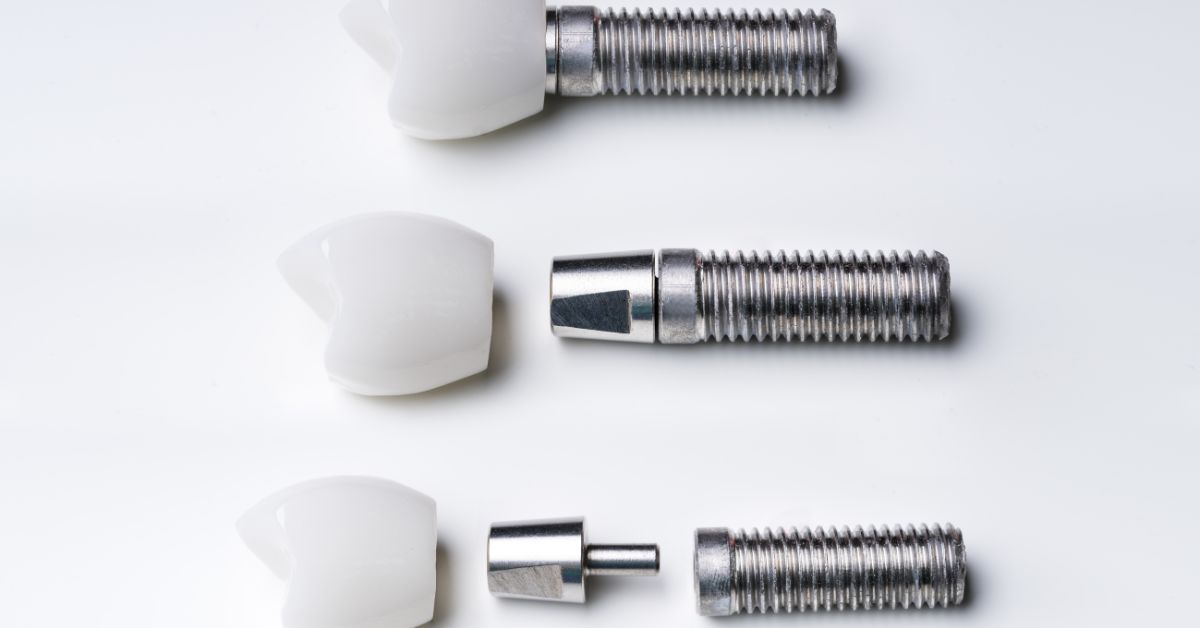
"Endosteal" is the technical name for the standard dental implant — the small post placed inside the jawbone ("endosteal" simply means within the bone) that heals in place and carries a crown, a bridge, or a denture. When patients in Inglewood ask about dental implants, this is almost always the implant they mean, whether or not they have heard the word. At PhD Dental's Inglewood office, endosteal implants are placed by our periodontist, Dr. Ori Levy, who sees patients here on scheduled days. This page explains how endosteal implants differ from the other designs you may read about, who they suit, how placement works, and what they cost.
Top-Rated Dentists
in Inglewood
Patient-First Dentistry for Every Stage of Life
From early childhood development to adult care, we focus on patient comfort and comprehensive treatment.
Removing Barriers to Dental Care
We believe everyone deserves access to high-quality dental care, regardless of financial situation.

Comprehensive Dentistry Under One Roof
Orthodontics, implants, oral surgery, and preventative care all conveniently located in our clinics.
Expertise, Access & Convenient Locations
Multiple clinic locations across Los Angeles with extended hours to fit your busy schedule.
Endosteal, subperiosteal, mini — what is the difference?
The names describe where the implant sits. An endosteal implant sits inside the bone: it is placed into the jaw, fuses with the bone as it heals, and works like an artificial root. It is by far the most common implant in modern dentistry — the design behind single-tooth implants, implant bridges, snap-on dentures, and fixed full arches alike. A subperiosteal implant sits on top of the bone, under the gum, resting on a frame rather than anchoring within the jaw; it belongs mostly to an earlier era of implant dentistry and is rarely the recommendation today. A mini implant is a narrower endosteal implant — the same inside-the-bone idea at a smaller diameter — used mainly to steady dentures where bone is limited. Understanding which design a recommendation refers to matters, because they differ in strength, in the procedures they can carry, and in how long they are expected to serve.
Who is a candidate for an endosteal implant?
Most adults missing a tooth are candidates. The two foundations are healthy gums and enough bone to hold the post — because an endosteal implant anchors inside the jaw, the jaw has to have something to anchor to. At your consultation, Dr. Levy reviews your bone health and medical history and examines the tooth or teeth involved. A common middle case: the tooth has been gone a while and the bone in that spot has shrunk. That is not necessarily the end of the conversation — bone grafting can rebuild the area so an implant becomes possible, at the cost of added healing time. The consultation exists to give you the honest version of your situation, including when a bridge or a denture would serve you better.
How placement works
Placement is one stage of a longer, deliberate sequence. It begins with the consultation — exam, full x-rays, and a review of your bone and medical history — and a written estimate and timeline for your case before anything is scheduled. At the placement appointment, the implant post is set into the jaw where the tooth is missing. Then comes healing: over the following months, the bone grows onto the implant's surface and locks it in — osseointegration, the process that turns a placed post into a fixed foundation. Once the implant has fused, the restoration is built on top of it: a crown for a single tooth takes two further visits, one for the records and impression the laboratory works from, and one to fit the finished crown. Surgical and restorative decisions are coordinated inside one practice, so the implant is placed with the finished tooth already in mind.
What does an endosteal implant cost in Inglewood?
There is no honest flat price, because the total follows your case: which tooth and how many; whether the tooth still needs to be removed first; whether bone preparation or grafting is needed to hold the implant securely; and the crown that goes on top — the post and the finished crown are separate parts of treatment, both included in your estimate. Start with an exam and a full set of x-rays for $69 without insurance — the exam and x-rays are a package and cannot be unbundled — and after the exam you receive a written estimate before any treatment begins. In-house payment plans and financing options are available to help spread the cost.
Common questions about endosteal implants
Yes. "Endosteal" is the category name for the standard implant placed inside the jawbone — the same implant described on our dental implants page, in our dentures pages when implants hold a denture, and in the All-on-X page when implants carry a full arch. If a dentist recommends "an implant," an endosteal implant is almost certainly what is meant.
Placement is done with the area fully numbed, and most patients are surprised by how manageable the appointment and the days after it are; soreness is typically handled with over-the-counter pain relief. If you are anxious, tell us when you book: nitrous oxide is offered at select offices on request, and a calming medication taken before the visit is an option when someone drives you. We do not offer IV sedation.
With proper care — daily brushing and flossing, regular checkups, professional cleanings — an implant can last many years, and often a lifetime. The crown on top of it is a restoration like any other and may need renewal across the years, typically after 10 to 15 years of service; the implant beneath it is built to stay.
Book the consultation: an exam and a full set of x-rays, $69 without insurance. From it you get the verdict on your bone, a plan shaped to your case, and the price in writing — all before you have committed to treatment. Walk-ins are welcome here in Inglewood.
Book an endosteal implant consultation in Inglewood
Call our Inglewood office at (323) 529-6856 to book an implant consultation with Dr. Levy, or book online anytime. He sees patients here on scheduled days, and if he is not at Inglewood on the day you need, we will book you at the nearest office and coordinate your care. Find us at 11344 Crenshaw Blvd, Unit A, Inglewood, CA 90303 — open Monday–Friday 9:30 AM–6:30 PM, Saturday 9:00 AM–4:00 PM, Sunday closed.
Get in Touch with PhD Dental
Pick your location
Inglewood
PhD Dental proudly serves Inglewood patients with a welcoming approach that emphasizes comfort and trust. Our team works closely with Inglewood families to support healthy smiles at every stage of life.
Hours
- Mon 9:30AM - 6:30PM
- Tue 9:30AM - 6:30PM
- Wed 9:30AM - 6:30PM
- Thu 9:30AM - 6:30PM
- Fri 9:30AM - 6:30PM
- Sat 9:00AM - 4:00PM
- Sun Closed