
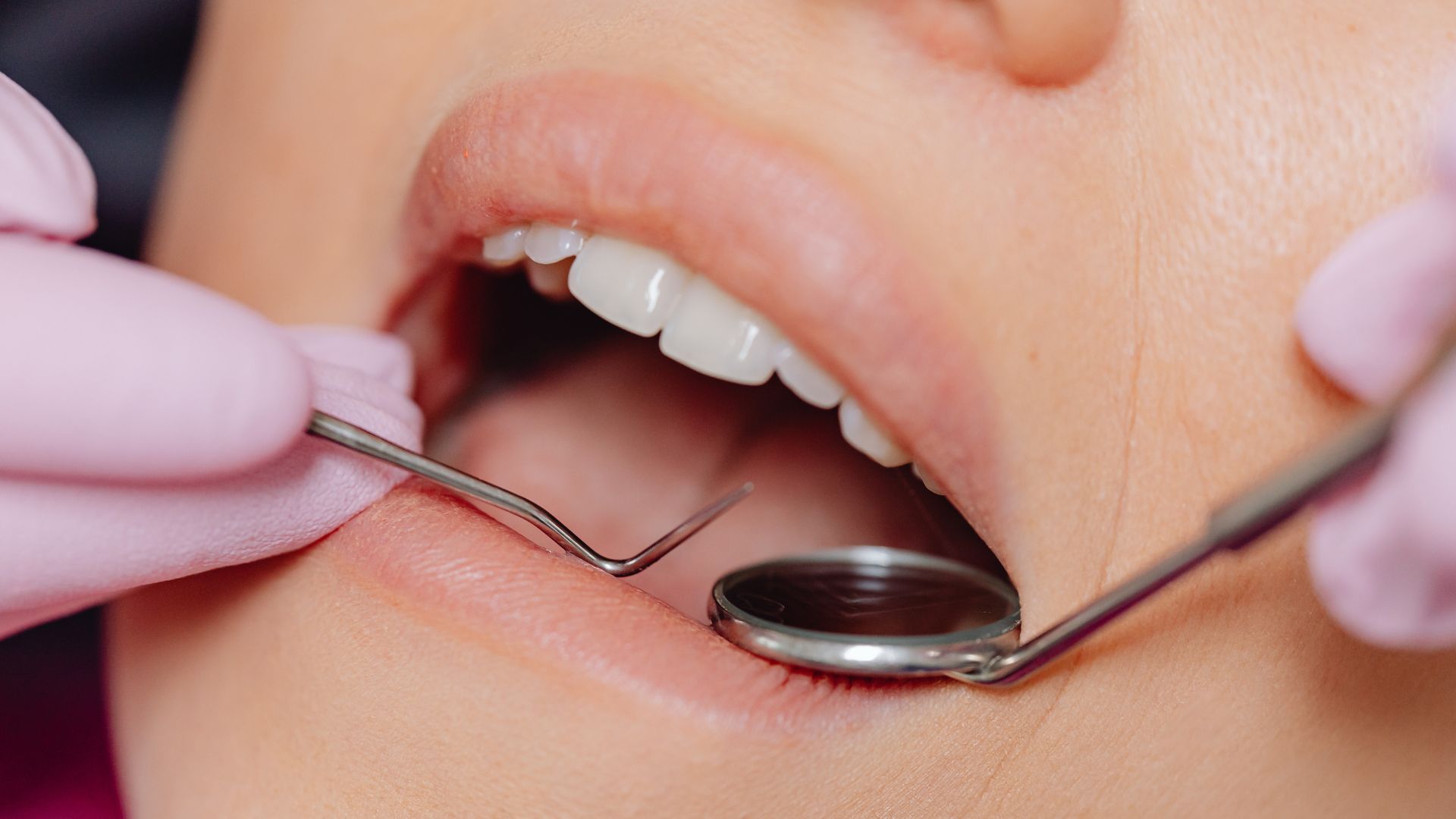
Mini Dental Implants in Pico Rivera
Mini-Dental Implants in Pico Rivera offer a focused solution for patients facing tooth loss, bone loss, or unstable dentures. At PhD Dental Adults and Kids, we approach implant care with careful planning and clear communication. We evaluate bone structure, bite forces, and long-term oral health before recommending mini dental implants. As a multi-location family dental practice serving the Greater Los Angeles area, our team delivers implant procedures alongside general, restorative, and preventive care under one roof. That approach aligns with standards supported by organizations such as the American Dental Association and current clinical guidance published by the National Institute of Dental and Craniofacial Research. Patients often search for mini-dental implants in Pico Rivera because traditional implants may require bone grafting or extended treatment timelines. Mini dental implants use a narrower design, which can allow placement in areas with limited jawbone width. Therefore, many patients prefer this option when preserving existing bone is a priority. Our dentists review imaging, gum health, and bite alignment before moving forward. That process helps reduce complications and supports predictable outcomes.
Pico Rivera families value access to dental care that considers both immediate needs and long-term stability. Located near major corridors like Whittier Boulevard and Washington Boulevard, our office serves adults, children, and seniors seeking coordinated dental solutions. Mini-dental implants may support dentures, stabilize single teeth, or improve daily function when carefully planned. Because implant decisions affect future oral health, we emphasize education and transparency from the first visit. Choosing mini dental implants in Pico Rivera is not about rushing treatment. Instead, it involves understanding candidacy, healing expectations, and ongoing maintenance. Our team explains each step clearly so patients can make informed decisions with confidence. To learn whether mini dental implants are appropriate for your situation, contact PhD Dental Adults and Kids today at (323) 269-5437 and schedule your evaluation.
Top-Rated Dentists
in Los Angeles
Patient-First Dentistry for Every Stage of Life
From early childhood development to adult care, we focus on patient comfort and comprehensive treatment.
Removing Barriers to Dental Care
We believe everyone deserves access to high-quality dental care, regardless of financial situation.

Comprehensive Dentistry Under One Roof
Orthodontics, implants, oral surgery, and preventative care all conveniently located in our clinics.
Expertise, Access & Convenient Locations
Multiple clinic locations across Los Angeles with extended hours to fit your busy schedule.
Why Mini Dental Implants in Pico Rivera Are Used in Modern Implant Dentistry
Mini dental implants in Pico Rivera are used in modern implant dentistry because tooth replacement is not a one-size-fits-all procedure. Patients present with different bone levels, oral health histories, and functional needs that require tailored treatment planning. At PhD Dental Adults and Kids, mini dental implants are considered when anatomy, spacing, or bone preservation goals make traditional implants less practical. This approach reflects how implant dentistry has evolved toward individualized care rather than standardized solutions.
Many patients searching for mini dental implants in Pico Rivera want stability without unnecessary complexity. Mini dental implants allow dentists to work within existing bone structures while still addressing missing teeth, loose dentures, or compromised chewing ability. By focusing on predictability and long-term comfort, dentists can guide patients toward implant solutions that support daily life rather than disrupt it. This measured approach often leads to higher patient confidence and improved satisfaction after treatment.
Mini dental implants in Pico Rivera function as one component of a broader implant care strategy that includes diagnosis, planning, placement, and long-term maintenance. Dentists do not view these implants as shortcuts. Instead, they integrate them into a comprehensive plan that considers gum health, bite alignment, and the condition of adjacent teeth. This ensures that mini dental implants contribute to overall oral stability rather than creating isolated points of stress.
Comprehensive implant care also involves coordination with other dental services offered under one roof at PhD Dental. Patients may receive preventive care, restorative treatment, or denture services alongside implant planning. This continuity allows dentists to monitor how mini dental implants perform over time and make adjustments as needed. Patients benefit from having all aspects of their dental care aligned rather than fragmented across multiple offices.
The Role of Conservative Treatment Planning in Mini Dental Implant Decisions
Conservative treatment planning guides how and when mini dental implants are recommended. Dentists evaluate whether existing bone can support an implant without aggressive modification. When possible, preserving natural bone structure remains a priority. Mini dental implants often allow dentists to avoid procedures that increase surgical time or recovery demands while still achieving functional results.
This planning philosophy emphasizes doing what is necessary rather than what is maximal. Patients often appreciate that conservative planning reduces uncertainty and limits unnecessary intervention. By clearly explaining why mini dental implants are chosen, dentists help patients understand how the treatment aligns with their long-term oral health rather than short-term convenience.
How Conservative Planning Supports Long Term Oral Health Outcomes
Conservative planning supports long-term oral health by minimizing trauma to bone and soft tissue. Mini dental implants allow dentists to respect anatomical boundaries while still providing stability for restorations. Over time, preserving bone and tissue health contributes to better comfort, easier hygiene, and reduced risk of complications.
Patients who prioritize long-term outcomes often find reassurance in this approach. Instead of focusing only on immediate tooth replacement, conservative planning accounts for how implants will perform years later. This perspective helps patients feel confident that their treatment supports lasting oral health rather than temporary fixes.
Mini dental implants differ structurally from traditional implants in ways that directly affect planning and performance. The reduced diameter changes how the implant engages bone and distributes functional forces. Dentists must consider these differences carefully when designing restorations and selecting implant type. Understanding structure helps prevent misuse of mini dental implants in situations where they may not perform optimally.
Patients benefit when dentists explain these differences clearly. Rather than assuming all implants behave the same way, patients learn why mini dental implants are selected for specific scenarios. This education supports informed consent and realistic expectations regarding longevity and maintenance.
Why Implant Diameter Matters for Mini Dental Implant Procedures
Implant diameter influences how forces travel from the restoration into the jawbone. Mini dental implants rely on precise placement and controlled load distribution to remain stable. Dentists analyze bite pressure, chewing habits, and opposing teeth before confirming suitability. This evaluation helps ensure that mini dental implants can handle daily function without undue stress.
Diameter also affects healing behavior. Smaller implants interact differently with bone during integration. Dentists account for these factors when establishing timelines and post-placement care instructions. Patients gain clarity about why careful planning matters before placement occurs.
How Diameter Influences Stability During Daily Function
Mini dental implants can perform reliably when used in appropriate locations and supported by thoughtful restoration design. Dentists shape restorations to minimize leverage and distribute forces evenly.
This attention to stability allows patients to eat, speak, and smile with greater confidence. Over time, proper load management helps protect surrounding bone and tissue, reinforcing the long-term success of mini dental implants in Pico Rivera.
Bone conditions frequently influence whether mini dental implants are recommended. Patients who have experienced bone narrowing after tooth loss may still qualify for implant support without grafting. Dentists evaluate bone width and density using imaging rather than assumptions. This ensures recommendations are based on actual anatomy.
By responding to current bone conditions, dentists help patients move forward with treatment sooner. Mini dental implants provide an option when waiting or additional procedures may not be necessary. This responsiveness often appeals to patients seeking practical solutions.
How Tooth Loss Contributes to Bone Changes Over Time
Tooth loss initiates gradual changes in the jawbone. Without stimulation from chewing forces, bone can resorb and narrow. Over time, this process complicates traditional implant placement. Mini dental implants allow dentists to address missing teeth before bone loss progresses further.
Patients who understand this process often seek evaluation earlier. Early intervention can preserve more bone and expand treatment options. Education plays a key role in helping patients recognize the importance of timely care.
Why Early Evaluation Improves Mini Dental Implant Outcomes
Early evaluation improves outcomes by identifying favorable conditions for placement. When bone remains sufficient, mini dental implants can integrate more predictably. Dentists can plan placement with greater confidence and reduced complexity.
Patients who pursue early evaluation often experience smoother healing and clearer timelines. This proactive approach supports better long-term performance and patient satisfaction.
Placement precision is essential for mini dental implants in Pico Rivera due to their smaller size. Dentists plan placement angles, depth, and spacing carefully to align with the final restoration. Precision reduces the risk of stress concentration and supports stable integration.
This level of care reflects a deliberate approach to implant dentistry. Patients benefit from knowing that placement follows a structured process rather than a rushed procedure. Precision builds trust and confidence.
How Placement Technique Impacts Healing and Comfort
Placement technique influences both healing response and patient comfort. Controlled insertion minimizes trauma to bone and surrounding tissue. Dentists monitor resistance during placement to avoid excessive pressure.
Proper technique supports faster tissue adaptation and reduces post-procedure discomfort. Patients often notice smoother recovery when placement prioritizes control and accuracy.
Why Precision Matters More With Mini Dental Implants
Mini dental implants allow less room for adjustment once placed. Precision ensures that implants align with functional forces from the start. Dentists rely on planning and experience to achieve this accuracy.
Patients gain peace of mind knowing that careful placement supports long-term success. Precision protects both the implant and surrounding structures.
Mini dental implants have defined limitations that influence selection. Some restorations require greater load capacity than narrow implants can provide. Dentists evaluate these demands before recommending treatment.
Open discussion of limitations helps patients avoid unsuitable options. This transparency supports informed decisions and realistic expectations.
When Traditional Implants or Other Options May Be Recommended
Traditional implants or alternative treatments may better serve cases involving heavy bite forces or larger restorations. Dentists compare options based on function rather than preference. This ensures the chosen solution aligns with patient needs.
Patients appreciate recommendations grounded in long-term performance rather than immediate convenience. This approach reinforces trust.
How Clear Communication Supports Confident Treatment Decisions
Clear communication allows patients to understand why mini dental implants may or may not be appropriate. Dentists explain benefits, risks, and alternatives in detail. This clarity empowers patients to make decisions with confidence.
For those considering mini dental implants in Pico Rivera, informed decision making remains central to responsible care and lasting results.
Why Limited Jawbone Width in Pico Rivera Often Leads to Mini Dental Implants
Limited jawbone width is one of the most common reasons patients explore mini dental implants in Pico Rivera. After tooth loss, the jaw no longer receives regular stimulation, which often causes the bone to narrow over time. As this process continues, placing traditional dental implants may require additional procedures to rebuild bone. Mini dental implants allow dentists to work within existing bone dimensions while still addressing stability and function.
Patients frequently seek mini dental implants in Pico Rivera because they want to move forward without unnecessary delays. Narrower bone structure does not automatically prevent implant care, but it does require thoughtful evaluation. By focusing on current anatomy rather than idealized conditions, dentists can recommend implant options that align with both biology and long-term oral health goals.
Jawbone width begins to change soon after a tooth is lost. Without regular chewing forces, the bone gradually remodels and becomes thinner. Over months and years, this narrowing can reduce the space available for traditional implant placement. Many patients remain unaware of this change until they seek tooth replacement.
In Pico Rivera, patients often present after living with missing teeth for extended periods. At that point, jawbone width may already be reduced. Dentists evaluate these changes carefully because implant success depends on how well the bone can support the implant over time.
Why Bone Narrowing Affects Implant Placement Options
Bone narrowing limits the diameter of implants that can be placed safely. Traditional implants require sufficient width to ensure proper integration and load distribution. When the jawbone becomes too narrow, forcing a wider implant into place increases the risk of complications.
Mini dental implants provide an alternative by using a slimmer design that fits within narrower bone. This allows dentists to address tooth loss without compromising surrounding structures or requiring additional surgical steps.
How Dentists Measure Jawbone Width Before Recommending Mini Dental Implants
Dentists rely on diagnostic imaging and clinical evaluation to measure jawbone width accurately. These tools allow precise assessment rather than estimates based on appearance alone. Measurements guide decisions about implant type, placement location, and restorative design.
By confirming bone dimensions early, dentists help patients understand why mini dental implants in Pico Rivera may be recommended. This clarity supports informed consent and realistic expectations from the start.
Bone grafting can increase jawbone width, but it also adds time, cost, and healing requirements. For many patients, grafting may not provide proportional benefits when the restorative goal is limited in scope. Dentists weigh these factors carefully before recommending additional procedures.
Mini dental implants often allow treatment to proceed without grafting when bone width is reduced but still capable of supporting an implant. This approach reflects a preference for efficiency without sacrificing long-term stability.
How Avoiding Bone Grafting Can Simplify Treatment Timelines
Avoiding bone grafting often shortens the overall treatment timeline. Patients may proceed directly to implant placement rather than waiting months for grafted bone to heal. This efficiency appeals to patients who want functional improvement without extended interruptions.
Simplified timelines also reduce the number of surgical visits. Many patients find this approach more manageable and less stressful.
Why Simpler Does Not Mean Lower Quality Care
A simpler treatment plan does not imply reduced standards. Mini dental implants still require precise planning, careful placement, and ongoing maintenance. Dentists maintain the same focus on long-term success regardless of implant size.
Patients benefit from knowing that mini dental implants are selected based on appropriateness rather than convenience alone.
Limited jawbone width influences how dentists plan mini dental implant placement. Dentists consider implant spacing, angulation, and restoration design together. This planning ensures that the implant supports function without overloading the bone.
Each decision builds on measured data rather than assumptions. This methodical process helps protect bone health and supports predictable outcomes.
Why Restoration Design Matters With Narrow Jawbone Conditions
Restoration design plays a critical role when jawbone width is limited. Dentists shape crowns or denture attachments to reduce leverage forces on the implant. This design approach helps distribute chewing pressure evenly.
Proper restoration design complements the structural advantages of mini dental implants. Together, these elements support daily function and comfort.
How Planning for Long Term Use Protects Bone Health
Planning for long-term use ensures that mini dental implants do not place excessive stress on narrow bone. Dentists anticipate how forces will act over years of chewing and speaking. This foresight helps maintain bone integrity.
Patients gain confidence knowing their treatment considers future oral health rather than only immediate results.
Bone loss does not automatically disqualify patients from implant care. Many patients with narrowed jawbone still retain sufficient density to support mini dental implants. Dentists evaluate these cases individually rather than applying blanket rules.
This individualized approach allows more patients in Pico Rivera to pursue tooth replacement. Mini dental implants expand options for those who may have assumed implants were no longer possible.
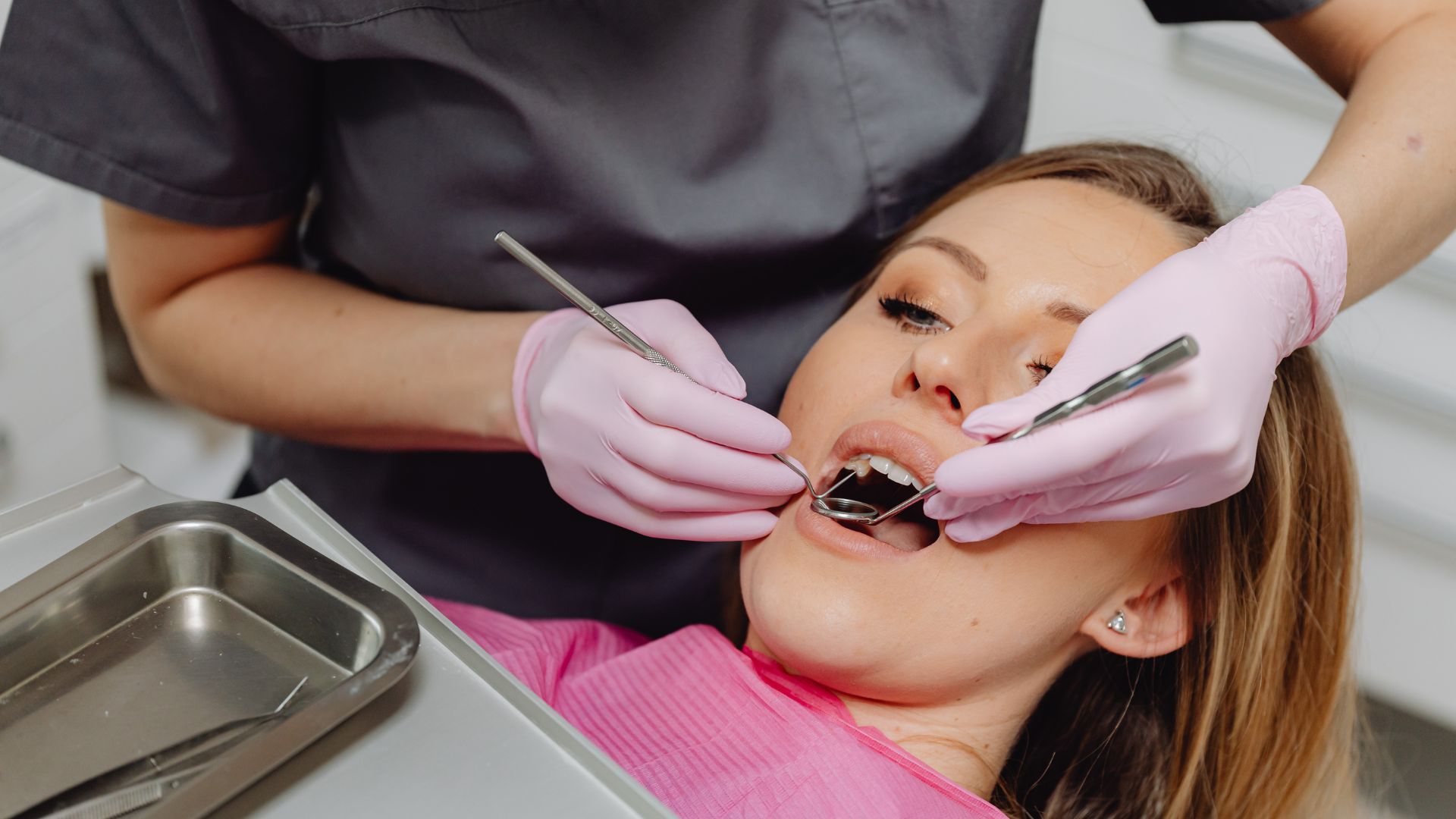
How Personalized Evaluation Improves Treatment Confidence
Personalized evaluation helps patients understand their specific situation. Dentists explain how bone width affects implant choices and why mini dental implants may fit their needs. This transparency builds trust.
Patients often feel more confident moving forward when they understand the reasoning behind recommendations.
Why Early Consultation Matters for Jawbone Preservation
Early consultation allows dentists to assess bone conditions before further narrowing occurs. Patients who seek care sooner may preserve more treatment options. Mini dental implants can play a role in maintaining function and slowing additional bone changes.
For patients considering mini dental implants in Pico Rivera, timely evaluation supports better planning and more predictable outcomes.
Schedule a Mini Dental Implant Consultation in Pico Rivera Today
Choosing mini dental implants in Pico Rivera begins with a clear understanding of your jawbone health, bite alignment, and long-term treatment goals. At PhD Dental Adults and Kids, we take time to evaluate your condition carefully and explain whether mini dental implants are appropriate for your needs. This consultation focuses on education, planning, and realistic expectations so you can move forward with confidence.
Patients often delay care because they are unsure which implant option fits their situation. A consultation removes that uncertainty by providing answers based on imaging, clinical evaluation, and functional assessment. Whether you are dealing with missing teeth, unstable dentures, or bone loss concerns, an early conversation can help protect your oral health and prevent further complications.
To speak with our team and schedule your evaluation, call (323) 269-5437. Our Pico Rivera office is conveniently located for patients throughout the surrounding communities, and we are ready to help you explore mini dental implant solutions designed for comfort, stability, and long-term oral health.
Get in Touch with PhD Dental
Pick your location
Los Angeles
Los Angeles is a diverse and fast-moving city where access to dependable dental care is essential for individuals and families alike. PhD Dental serves patients throughout Los Angeles with a commitment to personalized care and long-term oral health.
Hours
- Mon 9:30AM - 6:30PM
- Tue 9:30AM - 6:30PM
- Wed 9:30AM - 6:30PM
- Thu 9:30AM - 6:30PM
- Fri 9:30AM - 6:30PM
- Sat 9:00AM - 4:00PM
- Sun Closed