

Emergency Tooth Extractions in Los Angeles
Emergency Tooth Extractions in Los Angeles become necessary when a tooth creates immediate risk that cannot wait for a routine appointment, such as uncontrolled pain, spreading infection signs, or structural damage that makes the tooth non-restorable. In these situations, the priority is rapid stabilization so the problem does not escalate into larger health and treatment complications. Emergency dental procedures often focus on removing the source of acute irritation or infection pressure while protecting the surrounding tissues and keeping the next steps clear. Patients often seek urgent care when symptoms accelerate quickly or when swelling and bite pain make normal function difficult.
PhD Dental approaches emergency extraction decisions with calm, evidence-led triage that separates true emergencies from problems that can be treated conservatively. The team evaluates whether the tooth can be saved, whether infection risk is rising, and whether immediate removal is the safest path to relieve symptoms and protect adjacent structures. This clarity helps patients feel secure because the recommendation comes from measurable findings, not assumptions or pressure. A well-managed emergency extraction should restore control quickly and provide a straightforward plan for healing and any needed replacement options once the urgent phase passes.
Call (323) 269-5437 to reach PhD Dental and schedule an emergency tooth extraction in Los Angeles so you can relieve pain, control risk, and get a clear next-step plan.
Top-Rated Dentists
in Los Angeles
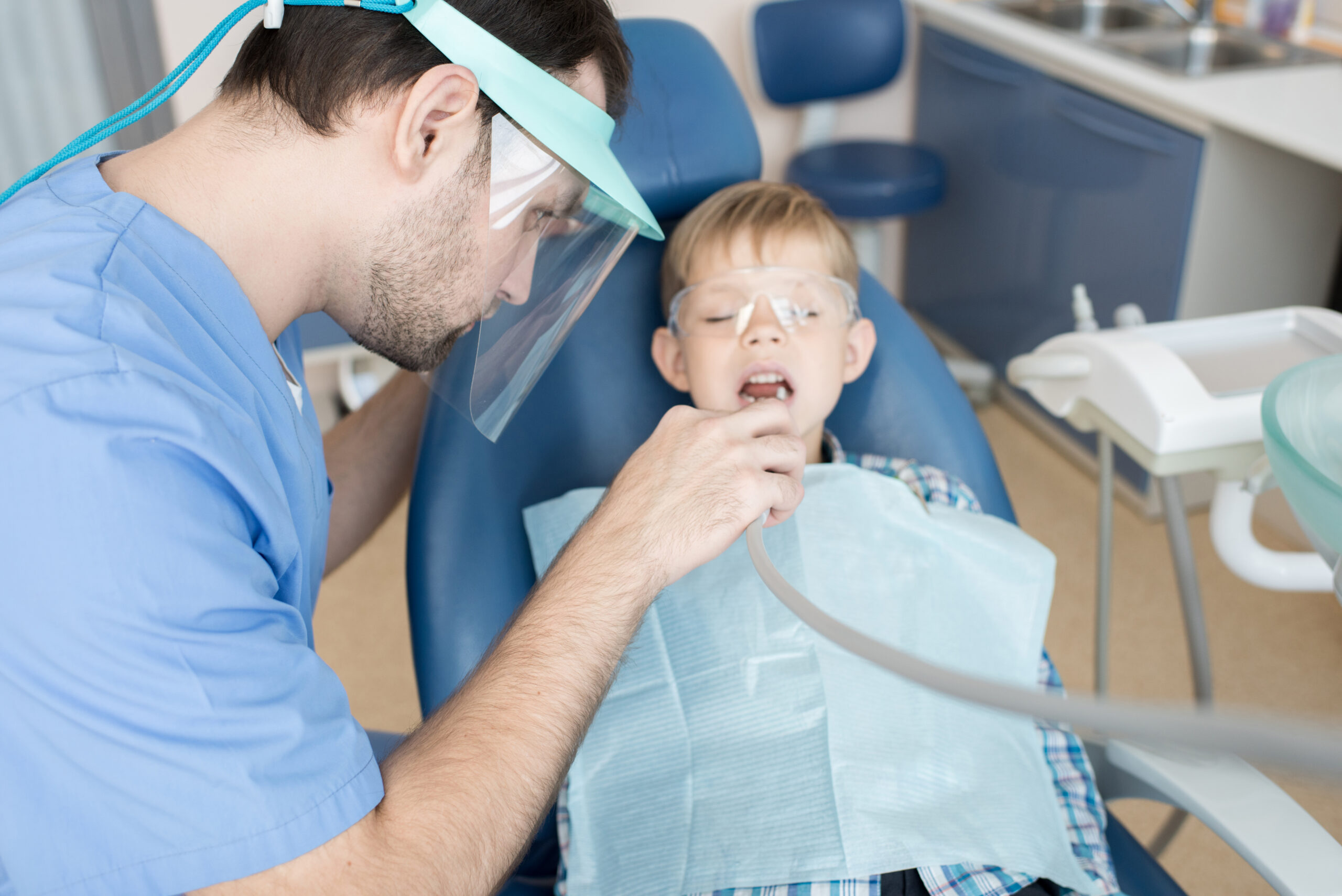
Patient-First Dentistry for Every Stage of Life
From early childhood development to adult care, we focus on patient comfort and comprehensive treatment.
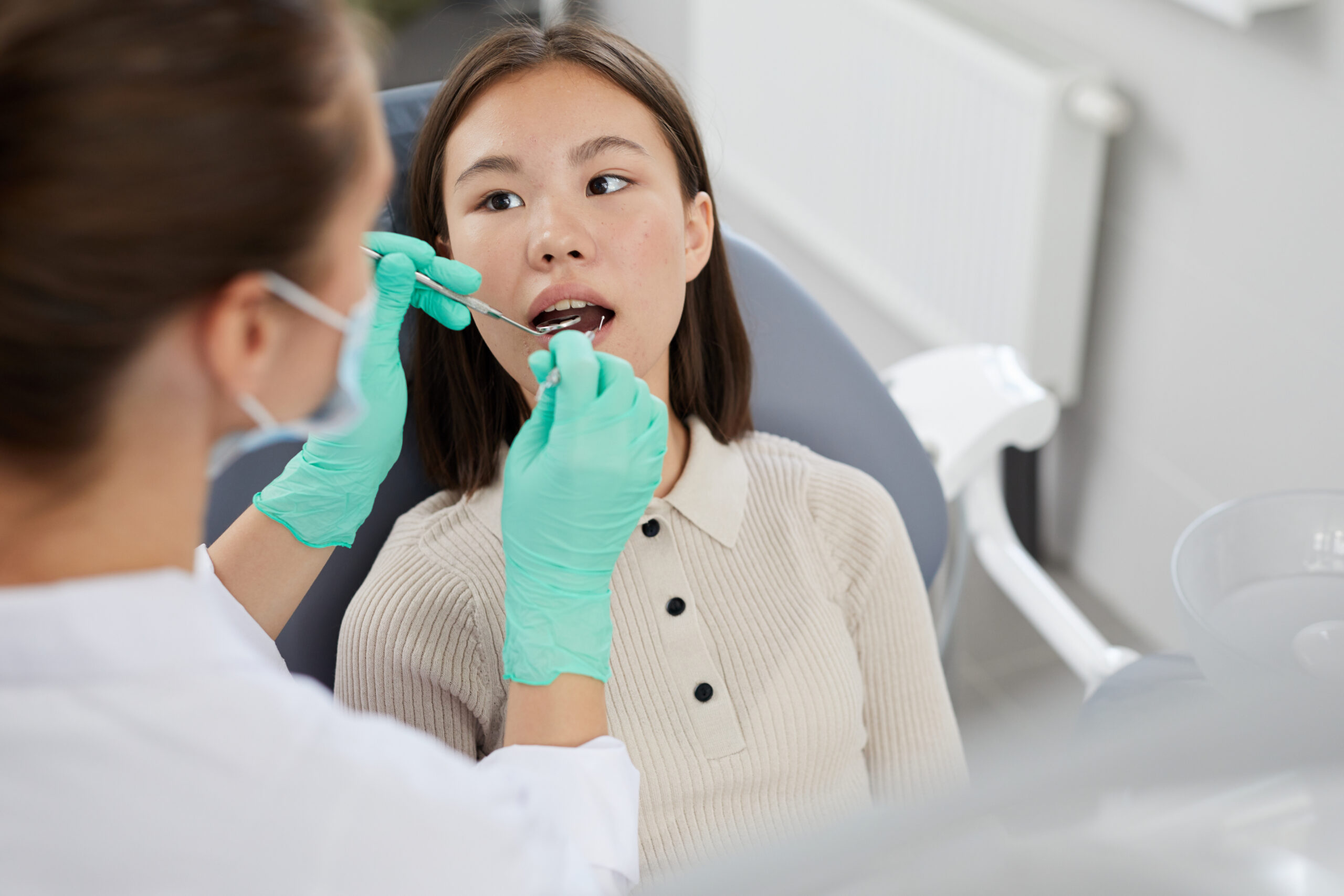
Removing Barriers to Dental Care
We believe everyone deserves access to high-quality dental care, regardless of financial situation.

Comprehensive Dentistry Under One Roof
Orthodontics, implants, oral surgery, and preventative care all conveniently located in our clinics.
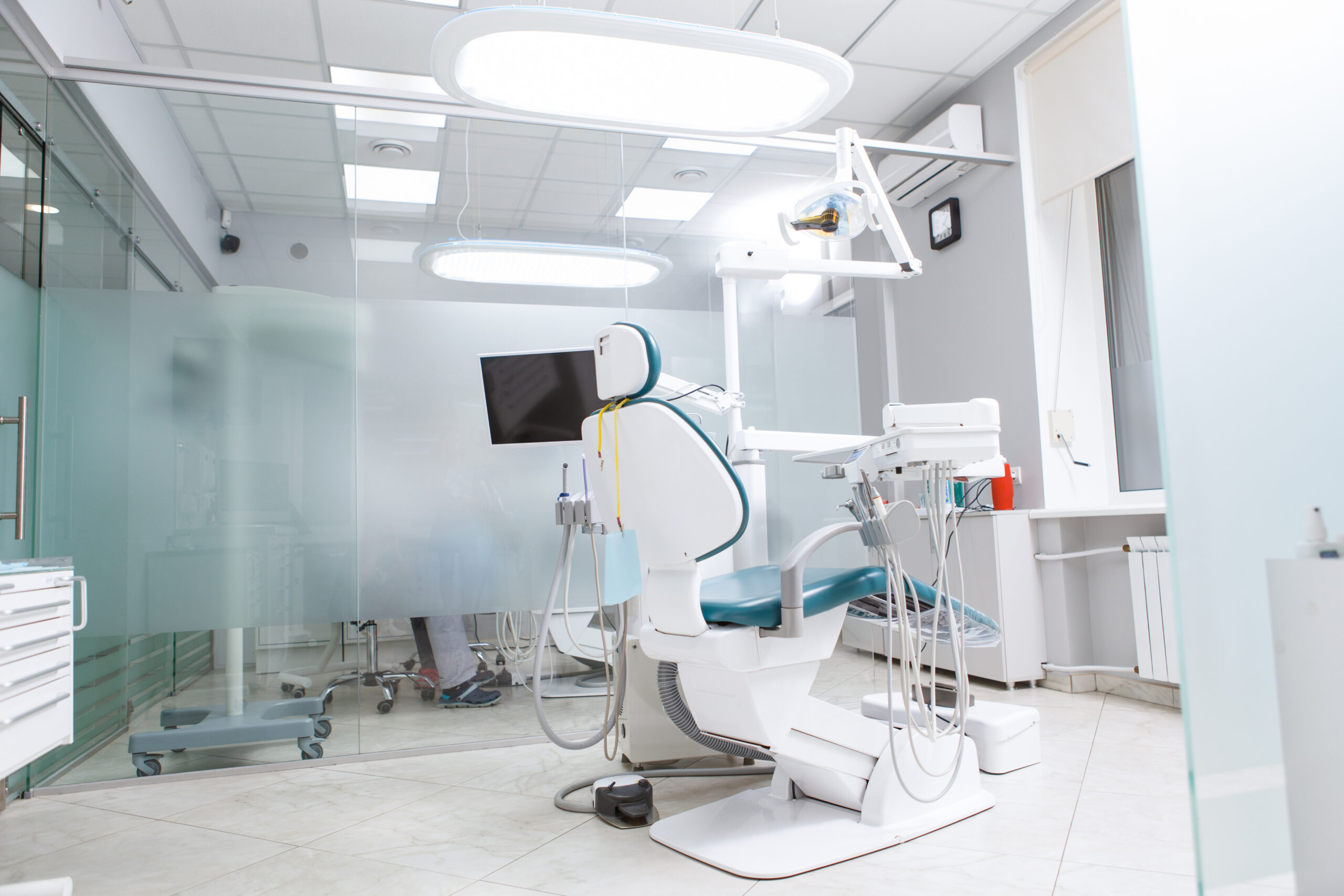
Expertise, Access & Convenient Locations
Multiple clinic locations across Los Angeles with extended hours to fit your busy schedule.
How PhD Dental Handles Emergency Tooth Extractions in Los Angeles

Emergency extraction care works best when it follows a clear triage sequence that stabilizes the patient first, then confirms the safest clinical path forward. The goal is to reduce immediate risk while avoiding rushed decisions that can create preventable complications later. PhD Dental approaches urgent extractions with structured evaluation, transparent recommendations, and a focus on minimizing escalation in the hours and days after the visit. That structure starts by identifying whether the problem involves infection pressure, an unstable fracture, or a tooth that cannot be restored without creating bigger risk. The clinical team also clarifies which findings support extraction versus short-term stabilization, so patients understand why the plan fits the situation. Clear communication matters in an emergency because pain can make it hard to process options, and patients deserve direct explanations that stay calm and specific. This approach also supports smoother recovery because patients leave with expectations for the first day, the next check-in point, and the warning signs that require immediate contact.
Effective triage starts by identifying what is driving the emergency and whether the condition poses a higher infection or complication risk. This includes evaluating swelling patterns, drainage signs, bite-related pain, and whether the tooth shows instability that could worsen quickly. Patients often feel more confident when the visit begins with a clear explanation of the immediate concern and the steps that will be taken to regain control.
Same-Visit Diagnostics That Confirm the Source of Tooth Pain and Risk
A reliable emergency plan verifies which tooth is responsible, what structures are involved, and whether the issue is localized or spreading. Imaging and focused clinical checks help avoid extracting the wrong tooth or missing a deeper infection pattern. This step builds trust because it shows the recommendation is based on confirmation, not assumptions.
How Clear Diagnosis Prevents Unnecessary Removal and Protects Neighboring Teeth
In an emergency setting, pain can radiate and create confusion about which tooth is actually failing. Confirming the correct source helps protect healthy teeth and keeps future treatment options intact. Patients value this precision because it supports relief without creating new problems through avoidable extraction.
Not every urgent tooth problem requires extraction, and a trustworthy practice explains when conservation remains reasonable. The decision considers restorability, fracture patterns, infection control limits, and whether delaying removal creates higher risk. PhD Dental uses a clear decision framework so patients understand why extraction is recommended when it truly becomes the safest choice.
Restorability Checks for Fractures, Severe Decay, and Advanced Infection
A tooth may be beyond predictable repair if a fracture extends below the gumline, decay compromises the foundation, or infection has created ongoing structural breakdown. In these cases, extraction is often the most direct way to stop escalation and relieve symptoms. Patients tend to feel more satisfied when the dentist explains what makes the tooth non-restorable in practical terms.
How PhD Dental Explains Urgency Without Pressure or Vague Warnings
Patients in pain deserve direct information, not alarming language. A clear explanation connects the urgency to concrete findings such as unstable structure, infection patterns, or risk of worsening swelling. This approach builds confidence because patients can understand the decision without feeling rushed into it.
When infection is part of the emergency, the extraction plan must prioritize controlling bacterial spread and reducing reinfection risk in the site. This includes careful site management and clear guidance on what the patient must do in the first days. PhD Dental treats infection control as part of the extraction, not a separate concern handled later.
Site Management Steps That Support Cleaner Healing After Urgent Removal
After the tooth is removed, the site is managed to reduce retained debris and support stable clot formation. Controlled handling protects the tissues so the area can begin healing without unnecessary disruption. Patients often appreciate understanding that careful site management is a key part of reducing complications, not an optional extra.
Why Controlling Swelling and Drainage Patterns Matters After an Emergency Visit
Swelling behavior can indicate whether infection is stabilizing or continuing to progress. Patients benefit from knowing what changes are expected and what warning signs require immediate follow-up. This clarity supports satisfaction because it removes uncertainty during the most stressful early window.
Emergency patients often arrive with high pain levels, and comfort planning has to be practical and immediate. The clinical team manages anesthesia, reduces procedural stress through clear pacing, and provides realistic expectations for the first hours after treatment. Patients tend to feel more secure when the visit feels controlled and calm rather than rushed.
Local Anesthesia Planning for Emergency Dental Patients in Los Angeles
Effective numbing is essential, especially when inflammation makes anesthesia less straightforward. A careful approach confirms adequate numbness before proceeding and adjusts as needed. Patients often value this attention because it shows the practice prioritizes comfort without compromising safety.
What Patients Can Expect to Feel During an Emergency Tooth Extraction
Most patients notice pressure and controlled movement rather than sharp pain when anesthesia is working properly. The team communicates clearly so patients understand what sensations are normal and when to raise a concern. This communication helps reduce fear and supports a smoother experience.
An emergency extraction should end with a clear plan for healing and future stability, not a vague “come back if needed” message. Patients benefit from understanding what the first healing window requires and when to consider replacement planning if appropriate. PhD Dental provides structured guidance so patients leave knowing how to protect healing and what the next milestone will be.
Replacement and Stability Planning Without Rushing the Decision
Not every patient wants to make a replacement decision during an emergency visit. A practical plan outlines options and timing so the patient can decide after the urgent phase passes. This approach supports trust because it keeps the focus on stabilization first while still protecting long-term planning.
Follow-Up Timing and Checkpoints That Confirm Recovery Is on Track
Patients should know when follow-up is recommended and what improvements should occur as healing progresses. Clear checkpoints help patients recognize normal healing versus early signs of complications. This structure supports confidence because patients are not left guessing after the emergency is resolved.
When Tooth Pain Becomes a True Dental Emergency
A tooth becomes a true dental emergency when delaying care increases the chance of rapid worsening, such as infection spread, uncontrolled pain, or structural failure that cannot be stabilized at home. The key difference is predictability, urgent problems tend to escalate quickly, while non-urgent issues usually remain stable long enough for a scheduled visit. Patients feel more confident when the emergency threshold is explained in practical terms, because it helps them act quickly for high-risk symptoms without assuming every toothache needs extraction.
Infections can move beyond a single tooth and affect surrounding tissues when pressure builds and bacteria track through the jaw and soft tissues. These cases demand urgent assessment because the risk can rise quickly, especially when swelling changes the way you swallow, speak, or open your mouth. Patients often trust the recommendation more when the dentist explains that the concern is not just discomfort, it is the direction and speed of progression.
Facial Swelling and Expanding Tenderness Around the Jawline After an Emergency Extraction
Swelling that increases over hours, spreads beyond the gumline, or changes facial symmetry can signal that infection is no longer contained. Tenderness that expands into the cheek, jaw, or under the chin can indicate a broader inflammatory response. A prompt evaluation helps prevent the situation from shifting into a harder-to-control stage.
Fever, Malaise, and Systemic Signs That Raise Concern
When tooth-related infection coincides with fever, chills, or a general feeling of being unwell, the body may be reacting to a larger infection load. These signs deserve urgent attention because they can indicate the infection is affecting more than the local tooth site. Patients benefit from direct guidance here because systemic symptoms are not a wait-and-see situation.
Pain becomes an emergency concern when it escalates rapidly, stays intense despite medication, or interferes with sleep and basic function. The pattern matters as much as the intensity, especially when pain becomes sharp with biting or feels like pressure building around the tooth. A clinical evaluation clarifies whether the source is infection pressure, a fracture, or a tooth that cannot be stabilized safely.
Biting Pain and Sudden Pressure That Signals a Possible Tooth Fracture
A tooth that hurts sharply when you bite or release pressure may have a crack or fracture that has compromised the structure. Fractures can worsen quickly, especially if the tooth becomes unstable or if bacteria enter deeper layers of the tooth. Patients often feel relieved when the dentist explains whether the tooth can be stabilized or whether removal is the safer option.
Pain That Spreads Along the Jaw or Triggers Headache-Like Symptoms
Referred pain can spread into the jaw, ear area, or temple and can create the impression of a broader problem. This pattern can occur with advanced infection, nerve irritation, or severe inflammation that is no longer localized. A focused evaluation helps avoid misdiagnosis and supports faster relief.
Dental trauma can create an emergency when a tooth breaks below the gumline, becomes loose, or exposes deeper structures that cannot be protected reliably. In these situations, the risk includes ongoing pain, continued breakdown, and infection entry points that worsen rapidly. Patients appreciate clear guidance because trauma creates uncertainty, and fast decisions often protect long-term outcomes.
Teeth That Break Below the Gumline and Cannot Hold a Stable Restoration
When a fracture extends below the gumline, restoring the tooth can become unpredictable or impossible. The tooth may also trap bacteria and irritate surrounding tissues, especially if sharp edges cut the gum. A dentist can confirm whether the tooth has any realistic preservation path or whether extraction prevents more complications.
Loose Teeth After Impact and the Risk of Further Damage
A tooth that feels mobile after trauma can worsen with chewing and can injure the surrounding tissues. Mobility may also indicate damage to the supporting bone or ligament structures. Prompt evaluation helps determine whether stabilization is possible or whether removal is needed to prevent worsening injury.
Ongoing bleeding or drainage that does not settle can indicate a tissue problem that needs immediate attention. Drainage from a gum bump or a bad taste that returns repeatedly can signal an active infection pathway. Patients often feel more secure when the dentist explains that drainage can mean a chronic issue has shifted into an active flare that requires prompt control.
Gum Boils and Recurrent Drainage That Signal Active Infection
A recurring pimple-like bump on the gum often suggests a draining infection tract. Even when the tooth feels better temporarily, the infection source can remain active beneath the surface. A dentist can confirm whether the tooth can be treated conservatively or whether extraction is the most reliable way to eliminate the source.
Why Temporary Symptom Relief Can Hide a Worsening Infection Pattern
Pain may decrease when pressure drains, which can create a false sense of improvement. The underlying infection can still progress and compromise surrounding support. Patients benefit from this explanation because it helps them avoid delaying care based on short-term symptom changes.
Extraction becomes the safest option when the tooth cannot be restored predictably and leaving it in place increases infection or structural risk. This decision is based on specific findings, including fracture extent, infection behavior, and the likelihood of stabilizing the tooth quickly. Patients tend to trust the plan more when the dentist explains the decision clearly and outlines what will be done to control risk after tooth removal.
High-Risk Teeth That Cannot Be Stabilized with Temporary Measures
Some teeth fail in ways that do not respond to antibiotics, temporary fillings, or pain management alone. When the site remains unstable, the risk of escalation stays high. Emergency extraction can provide rapid relief and help restore control when conservative steps cannot.
How PhD Dental Frames Emergency Extraction as Protection, Not a Shortcut
Patients sometimes worry that extraction is chosen for speed rather than necessity. A trustworthy explanation connects extraction to measurable risk and the limits of stabilization for that specific tooth. This framing supports patient confidence because it shows the decision protects health and avoids preventable complications.
Aftercare Priorities for an Emergency Tooth Extraction

Aftercare for an emergency extraction focuses on protecting the clot, controlling inflammation, and preventing the type of disruption that can turn a successful visit into a painful setback. The first 24 to 72 hours matter because the extraction site is vulnerable while the body establishes stable healing. PhD Dental emphasizes clear priorities rather than vague rules so patients know exactly what supports recovery and what behaviors most often cause complications.
A stable blood clot is the body’s protective seal over the extraction site, and it supports early tissue repair. When the clot dislodges, the area can become exposed and painful, and healing can slow down. Patients often feel more confident when they understand that most aftercare instructions exist to protect the clot, not to restrict normal life unnecessarily.
Managing Bleeding the Right Way During the First Hours After Extraction
Bleeding often slows gradually, but the site needs steady pressure and minimal disturbance to stabilize. Patients should follow the practice’s guidance on gauze use and avoid frequent checking that interrupts clot formation. A calm plan reduces anxiety because it clarifies what is normal and when bleeding becomes a reason to call.
Why Spitting, Straw Use, and Forceful Rinsing Increase Dry Socket Risk After Tooth Extractions
Suction and vigorous rinsing can pull the clot out before the site has sealed. Many patients accidentally disrupt healing by treating the mouth too aggressively in the first day. Understanding this risk helps patients protect healing with small, practical behavior changes.
Some discomfort after an emergency extraction is normal because tissues have been inflamed and irritated before treatment. The goal is to reduce swelling and control pain without creating new irritation in the area. Patients tend to recover more smoothly when they follow a consistent plan rather than chasing pain spikes after they start.
Using Cold Therapy and Timing to Reduce Early Dental Inflammation
Cold application can reduce swelling by limiting fluid buildup in the tissues during the early window. Patients benefit when they understand that swelling control is most effective early, not after the area has already become inflamed. Clear timing guidance helps patients feel more in control because they can take action before discomfort escalates.
How to Recognize Normal Soreness Versus Warning-Sign Pain
Normal soreness typically improves gradually and feels predictable with basic pain control. Warning-sign pain often intensifies, becomes sharp, or returns suddenly after a period of improvement. Patients trust the process more when they know which pain patterns justify a follow-up call rather than guessing.
Food choices and hydration affect healing because chewing forces and heat can irritate the site early on. The priority is to avoid pressure on the extraction area and to keep nutrition steady so the body can repair tissue. Patients often appreciate specific guidance because it prevents the common mistake of returning to normal chewing too quickly.
Soft Foods That Reduce Site Trauma During the First Healing Window
Soft foods reduce chewing force and help prevent accidental injury to the site. Patients should avoid hard, crunchy foods that can lodge debris or scrape sensitive tissue. Choosing the right textures supports comfort and reduces the chance of inflammation spikes.
Why Heat and Spicy Foods Can Trigger Increased Irritation Early On
Heat can increase blood flow and swelling, and spicy foods can irritate healing tissue. Many patients notice throbbing or tenderness after hot meals early in recovery. Avoiding these triggers helps the site settle faster and feel more stable.
Cleanliness matters after extraction, but aggressive cleaning can disrupt healing. The goal is to reduce bacterial load while protecting the clot and sensitive tissue edges. Patients feel more comfortable when hygiene instructions are clear and realistic, since uncertainty often leads to either overcleaning or avoiding care entirely.
Gentle Cleaning Strategies That Reduce Infection Risk After Emergency Extraction
Patients can continue brushing other teeth while keeping the extraction area protected. The practice may recommend careful rinsing at the appropriate time to reduce debris without force. This balance supports trust because it shows the plan protects healing while still managing infection risk.
When to Restart Targeted Rinsing Without Increasing Dry Socket Risk
Timing matters because rinsing too early can disrupt clot stability, while waiting too long can allow debris to build. Patients benefit from a specific timeline and technique guidance so they do not have to guess. Clear direction supports satisfaction because it removes uncertainty during the most delicate period.
Most extractions heal without major issues, but patients should know the warning signs that require prompt contact. Clear monitoring reduces stress because patients can separate expected recovery from signals that something needs attention. PhD Dental encourages patients to reach out quickly if symptoms trend in the wrong direction rather than waiting for problems to intensify.
Signs of Dry Socket, Infection Return, or Uncontrolled Swelling
Dry socket often shows up as worsening pain after initial improvement, sometimes paired with an unpleasant taste or odor. Infection concerns can include swelling that increases, fever, or drainage that persists. Recognizing these signs helps patients protect outcomes by getting care at the right time.
Follow-Up Expectations That Keep Emergency Cases Safe and Predictable
Patients benefit from knowing when follow-up is recommended and what milestones should be improving. A clear follow-through plan reinforces trust because it shows the practice remains accountable after the emergency visit. This structure also supports satisfaction because patients feel supported, not dismissed, once the tooth is removed.
Are you in Pain and in Need of an Emergency Tooth Extraction? Contact PhD Dental
When severe tooth pain spikes, swelling changes quickly, or the tooth becomes unstable after a break, waiting often makes the situation harder to control. Emergency Tooth Extractions in Los Angeles should focus on fast stabilization and clear decision-making, especially when the tooth cannot be restored predictably or infection pressure keeps building. PhD Dental evaluates the true source of the problem, explains whether extraction is the safest move, and outlines what will protect healing after the urgent phase ends. This approach helps patients feel more confident because the plan connects to measurable findings, not to guesswork during a stressful moment.
Patients also deserve a visit that restores control without creating new uncertainty. PhD Dental keeps emergency care organized so you understand what the immediate goal is, what the first recovery window requires, and when follow-up is appropriate if symptoms do not improve as expected. Clear guidance matters because emergency extraction decisions affect both short-term relief and long-term stability, including when to consider replacement planning after healing. When the process stays calm and structured, patients can move from pain and worry to a straightforward next step. The goal is simple, relieve the emergency safely and give you a clear plan for what comes next.
Call (323) 269-5437 to contact PhD Dental now and schedule an emergency tooth extraction in Los Angeles so you can get relief and regain control quickly.
Get in Touch with PhD Dental
Pick your location
Los Angeles
Los Angeles is a diverse and fast-moving city where access to dependable dental care is essential for individuals and families alike. PhD Dental serves patients throughout Los Angeles with a commitment to personalized care and long-term oral health.
Hours
- Mon 9:30AM - 6:30PM
- Tue 9:30AM - 6:30PM
- Wed 9:30AM - 6:30PM
- Thu 9:30AM - 6:30PM
- Fri 9:30AM - 6:30PM
- Sat 9:00AM - 4:00PM
- Sun Closed