
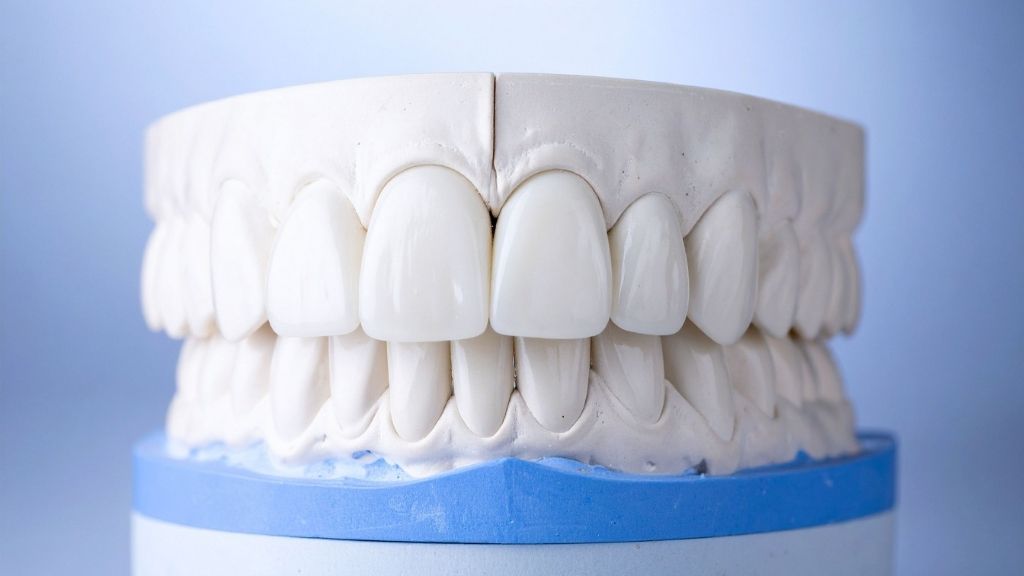
CEREC Veneers in Los Angeles
CEREC Veneers in Los Angeles offer a streamlined veneer option that combines digital design with chairside fabrication. Patients can pursue cosmetic refinement with tighter control over fit and finish. This approach uses precision scanning and on-site creation to shape veneers that match tooth contours and planned proportions within a single visit. The value is speed and the ability to confirm design details, adjust contours, and complete placement with fewer variables. LA dental patients often choose CEREC veneers when they want a more efficient process while prioritizing realistic aesthetics.
PhD Dental uses CEREC veneer planning to keep the outcome disciplined and measurable, especially around margin quality, contour transitions, and how the veneer integrates with surrounding teeth. The team evaluates your cosmetic goals, tooth structure, and design constraints, then uses digital planning to shape the final look with a clear endpoint in mind. This level of control supports patient confidence because the plan is built around precision checkpoints rather than vague cosmetic promises. A well-designed CEREC veneer result should look natural, feel stable, and remain easier to maintain because the contours and margins are planned for real-world hygiene and daily function.
Call (323) 269-5437 to schedule a consultation with PhD Dental for CEREC veneers in Los Angeles and get a clear plan for one-visit veneer results with controlled fit and natural aesthetics.
Top-Rated Dentists
in Los Angeles
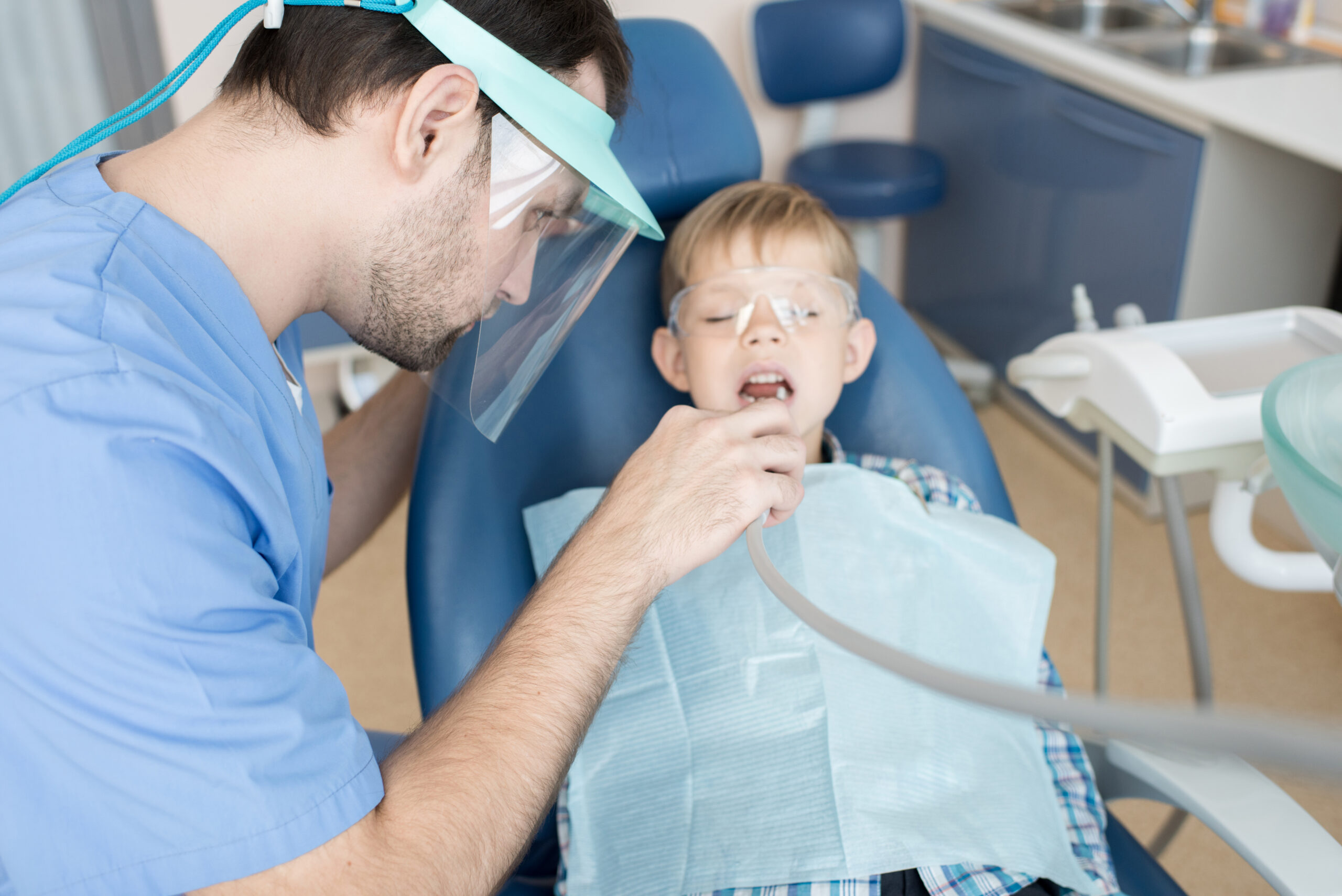
Patient-First Dentistry for Every Stage of Life
From early childhood development to adult care, we focus on patient comfort and comprehensive treatment.
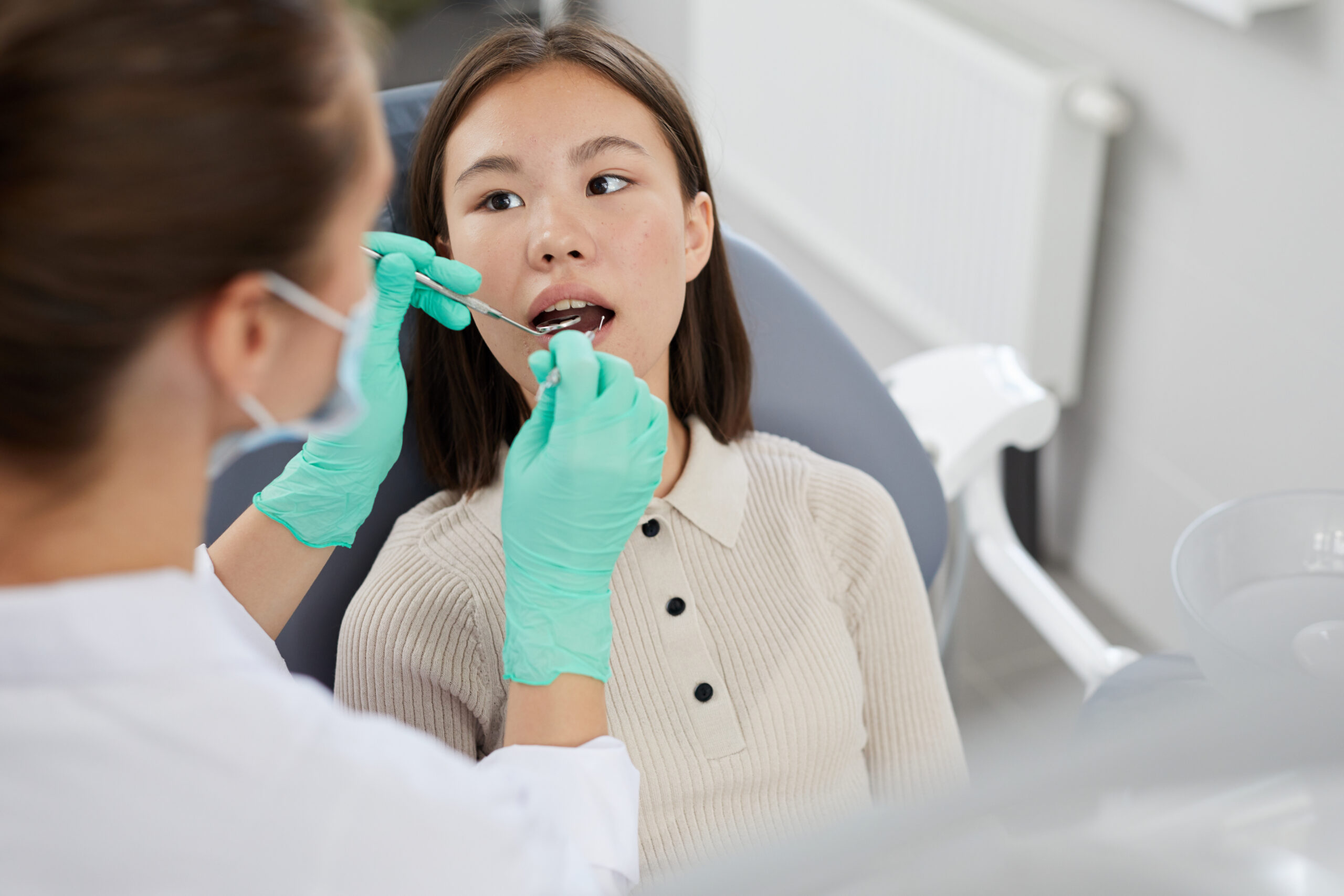
Removing Barriers to Dental Care
We believe everyone deserves access to high-quality dental care, regardless of financial situation.
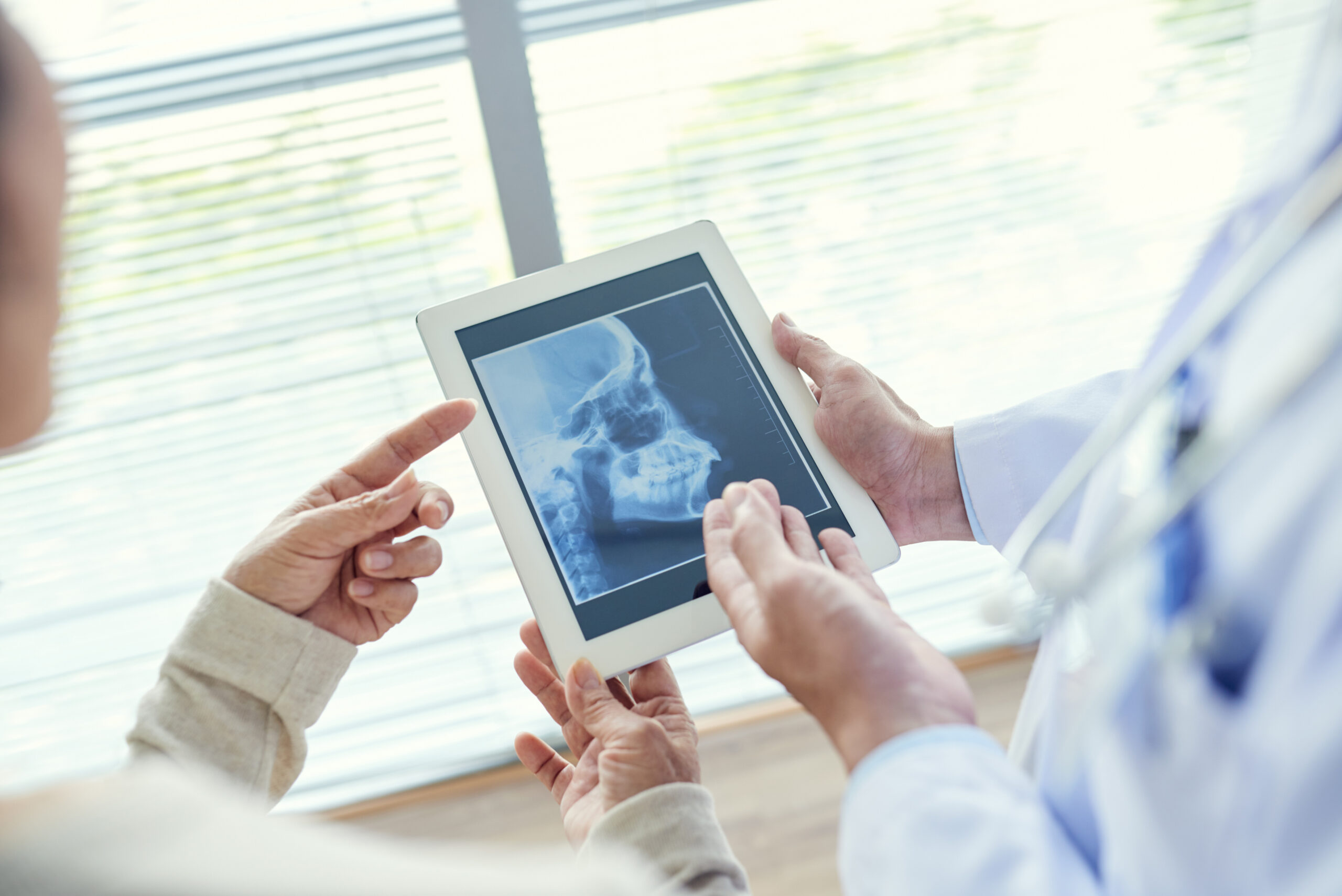
Comprehensive Dentistry Under One Roof
Orthodontics, implants, oral surgery, and preventative care all conveniently located in our clinics.
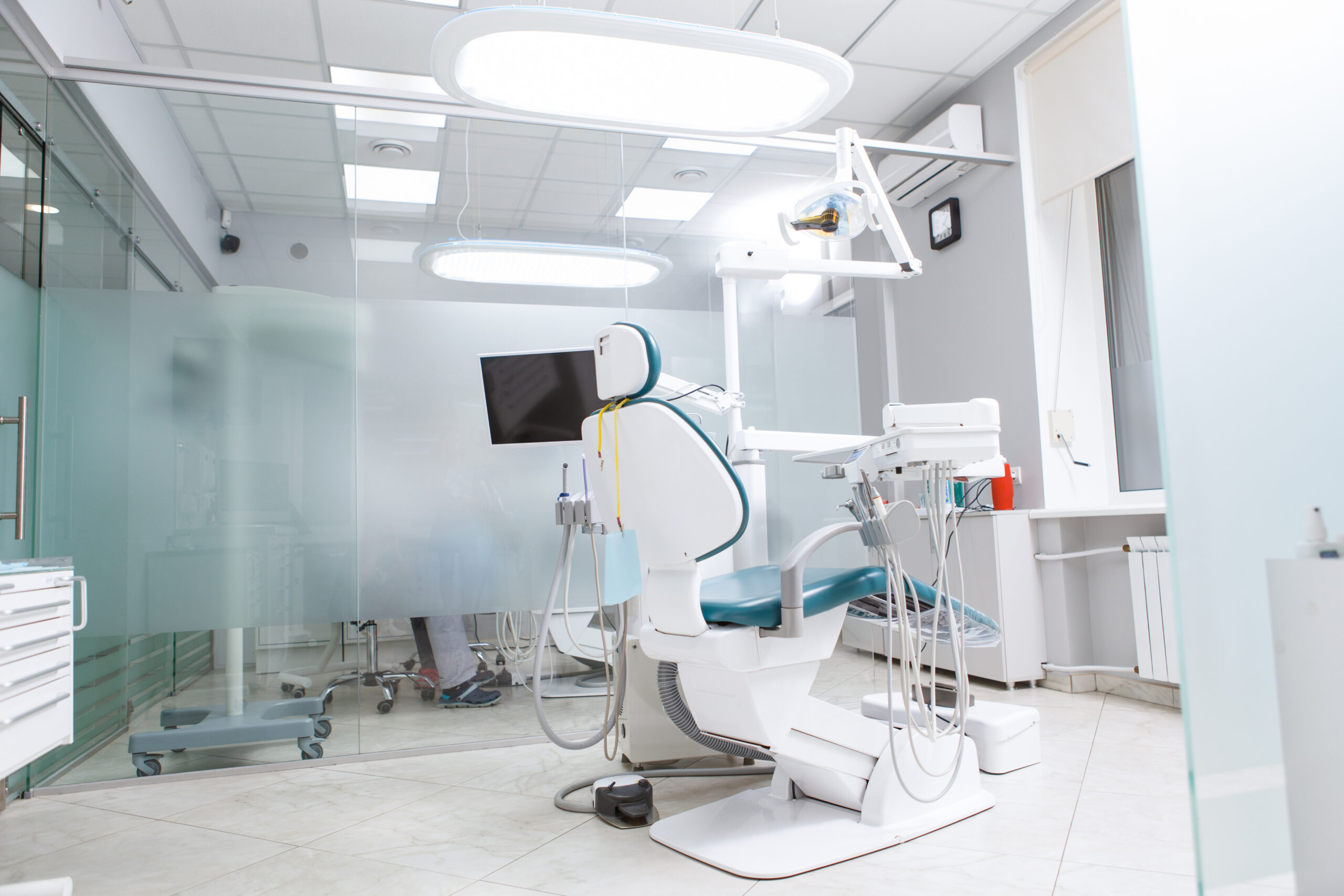
Expertise, Access & Convenient Locations
Multiple clinic locations across Los Angeles with extended hours to fit your busy schedule.
Advantages of One-Visit Veneers for Busy Los Angeles Patients
One-visit veneers appeal to busy patients because they reduce scheduling friction while keeping treatment organized around a single, well-planned appointment. The benefit is not only convenience, it is fewer handoffs and fewer gaps between steps where delays can introduce uncertainty or require temporary solutions. Many Los Angeles patients balance work demands, commute time, and family responsibilities, so a compressed timeline can make high-quality cosmetic care more realistic to complete. PhD Dental uses a one-visit workflow to help patients move from consultation to finished veneers with a clearer path and fewer interruptions.
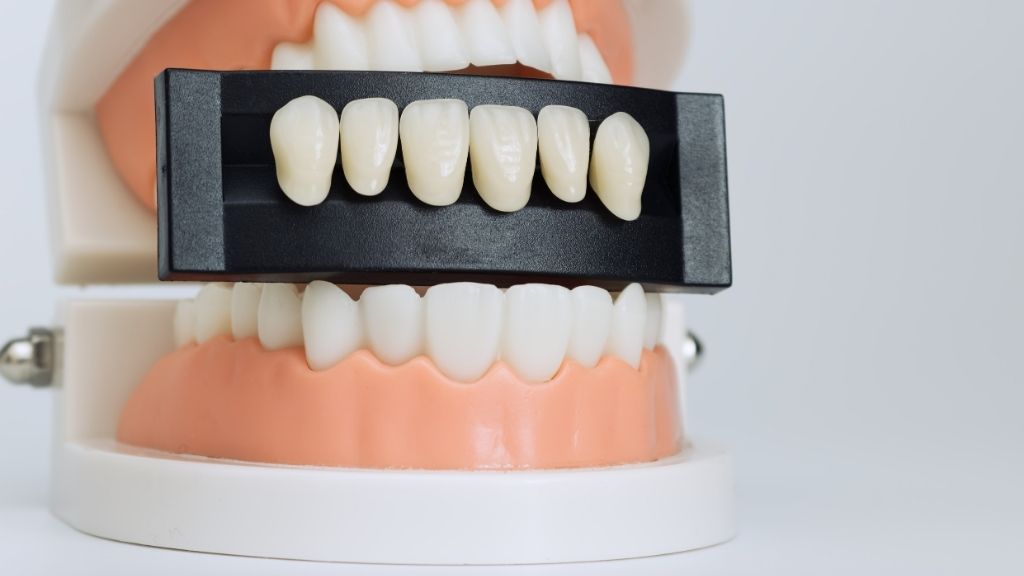
A single-visit veneer process can reduce the number of trips to the office, but it still relies on careful planning and verification steps. Patients often appreciate the efficiency because it limits time away from work and reduces the stress of coordinating multiple visits. The key advantage is completing the sequence without stretching decisions and adjustments across weeks.
Reducing Scheduling Issues for Dental Patients Seeking Veneers
Multiple dental visits can be difficult when schedules are tight and unpredictable. A one-visit approach can limit missed work hours, reduce repeated travel time, and simplify planning for caregivers. Patients often feel more satisfied when a cosmetic improvement fits into real life without requiring repeated rescheduling.
Fewer Visits Can Also Reduce Number of Follow-Up Appointments
Some patients delay finishing cosmetic dentistry because follow-up visits become hard to schedule. When treatment is completed in one primary visit, patients are less likely to pause halfway through or postpone the final step. This supports better outcomes because the plan reaches completion while motivation and scheduling alignment are still strong.
Traditional veneer timelines often include a period with temporary veneers, which can require extra care and can feel less stable than the final result. One-visit veneers reduce reliance on temporaries and shorten the time patients spend protecting a provisional restoration. Patients often value this benefit because it reduces uncertainty and reduces the chance of temporary issues disrupting daily comfort.
Avoiding Temporary Veneer Maintenance and Unexpected Mid-Treatment Issues
Temporaries can stain, chip, or feel different from the final veneers, especially for patients who grind or have sensitive gums. A one-visit process can reduce the window where provisional restorations become a concern. Patients often feel more confident when they can move directly to a stable final restoration instead of managing a temporary phase.
How One-Visit Veneers Support Confidence in Social and Professional Settings
Many patients feel self-conscious about temporary restorations because they worry about appearance changes or durability. Completing veneers in one visit can reduce that self-conscious window and provide a more consistent look sooner. This matters in Los Angeles where people often want results that feel polished without an extended transition period.
Busy patients often prefer a defined treatment timeline rather than multiple appointments spread across weeks. One-visit veneers can provide a more predictable path because key steps occur in a single controlled sequence. Patients tend to trust the process more when they know what will happen and when it will be complete.
Coordinating a Single Comprehensive Visit Instead of Repeated Short Appointments
Multiple short visits can be disruptive because each appointment requires travel, time off, and mental bandwidth. A comprehensive visit can feel easier to plan because it consolidates the process into one scheduled block. Patients often appreciate that it creates clarity and reduces the need for repeated coordination.
Why Fewer Visits Improve Dental Patient Experience and Satisfaction
A consolidated visit reduces uncertainty, minimizes scheduling stress, and helps patients feel they are moving through a clear plan. Patients often describe higher satisfaction when treatment feels efficient and organized rather than fragmented. This benefit supports trust because it reflects a practice that respects the patient’s time while still prioritizing quality.
One-visit veneers work well for patients who want defined improvements in tooth shape, proportion, and brightness without a prolonged multi-step aesthetic process. The key advantage is getting a controlled cosmetic refinement within a streamlined workflow. Patients often feel more comfortable when changes are intentional, measured, and completed without extended downtime.
Aligning Cosmetic Goals with a Realistic One-Visit Treatment Scope
A one-visit plan works best when goals are clear and achievable without complex staged adjustments. Patients benefit from understanding the difference between focused refinement and a broader cosmetic redesign. This clarity supports satisfaction because it prevents overpromising and keeps the result aligned with what can be delivered in one visit.
CEREC Veneers Compared to Conventional Porcelain Veneers
CEREC veneers and conventional porcelain veneers can both produce amazing smiles, but they differ in how the veneer is designed, fabricated, and controlled during treatment. The most meaningful comparison is not which option is “better,” it is which offers the right balance of precision, speed, and design flexibility for your case. CEREC focuses on chairside digital design and same-visit fabrication, while conventional veneers rely on lab production and a multi-visit timeline. Patients tend to trust the recommendation more when the differences are explained in terms of quality control checkpoints and predictable outcomes, not marketing claims.
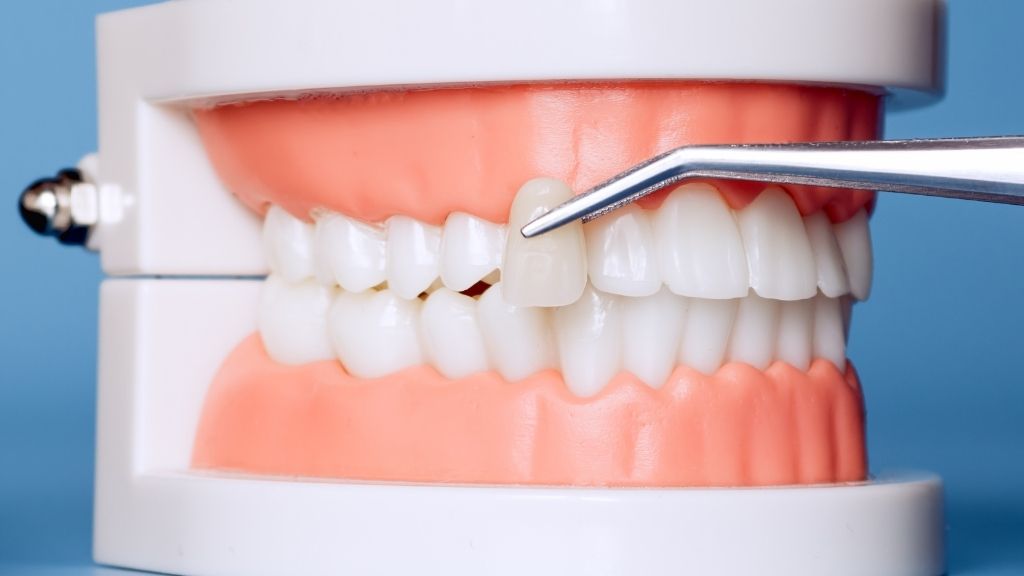
The design process influences how quickly adjustments can be made and how tightly the final veneer follows the planned contours. CEREC uses an in-office digital design workflow that allows real-time refinement of shape and proportion during the appointment. Conventional veneers usually involve sending impressions or scans to a lab, then waiting for fabrication and delivery at a later visit.
How Digital Design Supports Faster Results for Veneer Shape and Proportion
Chairside design makes it easier to refine tooth length, edge shape, and symmetry in a controlled way before final placement. Patients often value this flexibility because changes can be verified without waiting through a lab turnaround. This can also reduce the need for extended temporary wear while adjustments are being made.
Why Real-Time Refinement Can Improve Patient Confidence
Patients feel more comfortable when they can understand the design plan and see that decisions are being made with clear checkpoints. Real-time refinement reduces the sense of uncertainty that can come with waiting weeks for a lab result. This structure supports trust because it makes the process feel transparent and controlled.
CEREC veneers are fabricated in-office, which compresses the timeline and reduces the number of appointments needed for completion. Conventional porcelain veneers generally require multiple visits because the lab needs time to fabricate and finish the restorations. The patient experience difference often centers on whether treatment can be completed without a prolonged temporary phase.
One-Visit Veneers Versus Multi-Visit Coordination with Busy Los Angeles Patients
A one-visit process can reduce scheduling complexity for patients with demanding routines. A multi-visit process may offer additional time between steps for certain cases, especially when broader aesthetic planning or staged decisions are necessary. Patients tend to prefer the option that matches their needs for timeline control and planning depth.
When a Multi-Visit Approach Can Be Worth the Extra Time
Some cases benefit from a longer timeline when the patient needs staged planning, complex smile design decisions, or additional restorative steps. Conventional workflows can allow more time for lab artistry choices and staged refinements when needed. Patients often appreciate this explanation because it frames multi-visit care as intentional, not inefficient.
Both options aim for accurate fit and clean margins, but the workflow affects how errors are captured and corrected. CEREC uses digital scanning and design alignment to support consistent fit and reduce variability that can occur with traditional impression materials. Conventional workflows can still be highly precise, but they depend more on impression accuracy, lab handling, and delivery timing.
Digital Scanning Advantages People Seeking Fast, Realistic Veneers
Digital scans can capture fine tooth contours and help guide a veneer design that follows those structures closely. This can support cleaner margins and reduce the chance of distortions that sometimes occur with impressions. Patients often find this reassuring because it suggests the fit is supported by measurable capture rather than subjective feel.
How Margin Quality Supports Long-Term Maintenance and Gum Comfort
Clean margins reduce plaque trapping and help gums stay healthier around the veneer edge. Margin quality also influences whether patients experience lingering sensitivity or chronic irritation. This focus supports satisfaction because it connects veneer success to daily comfort and maintainability.
CEREC veneers use ceramic materials that can provide attractive brightness and strong durability when planned appropriately. Conventional lab porcelain may offer a broader range of layering and characterization options in some cases, depending on the lab and the aesthetic goals. The right choice depends on how subtle the aesthetic objectives are and how much customization is needed.
Matching Material Choice to Shade Goals and Natural Depth
Patients seeking a natural look often benefit from a material plan that balances brightness with translucency. The goal is to avoid a flat or overly opaque appearance, especially under varied lighting conditions. A candid discussion helps patients choose an option that fits their expectations for natural results.
Why Overly Uniform Aesthetics Can Make Veneers Look Artificial
A natural smile usually includes subtle variation in shade and light reflection. Overly uniform veneers can look obvious even if the color is technically attractive. Patients tend to be happiest when the plan includes restraint and a focus on realism.
The best choice depends on how much work is needed, how tight the timeline is, and how complex the aesthetic goals are. Some patients prioritize completing treatment in one visit with a controlled digital workflow, while others benefit from a multi-visit plan that allows longer staging. PhD Dental guides patients toward the option that best matches predictability, maintenance, and long-term comfort.
How PhD Dental Helps Patients Choose the Right Veneer Workflow
A responsible recommendation explains what each option delivers, what the limitations are, and why one plan fits better than the other for your specific teeth and goals. This clarity reduces decision stress and improves satisfaction because the patient understands the reasoning behind the choice. When the workflow matches the case needs, the final result tends to feel more stable and easier to maintain.
Expected Results and Maintenance After CEREC Veneer Placement
CEREC veneer results should feel stable and natural because success is measured by how the veneers function day to day, not only how they look in the mirror. After placement, patients typically notice smoother tooth contours, improved symmetry, and a brighter appearance that remains consistent because ceramic resists many common surface stains. Long-term satisfaction depends on how well the veneers integrate with bite function and how consistently patients maintain clean margins and healthy gum response. PhD Dental sets expectations around what the veneers should feel like, how to protect them from avoidable stress, and what maintenance habits keep results predictable.
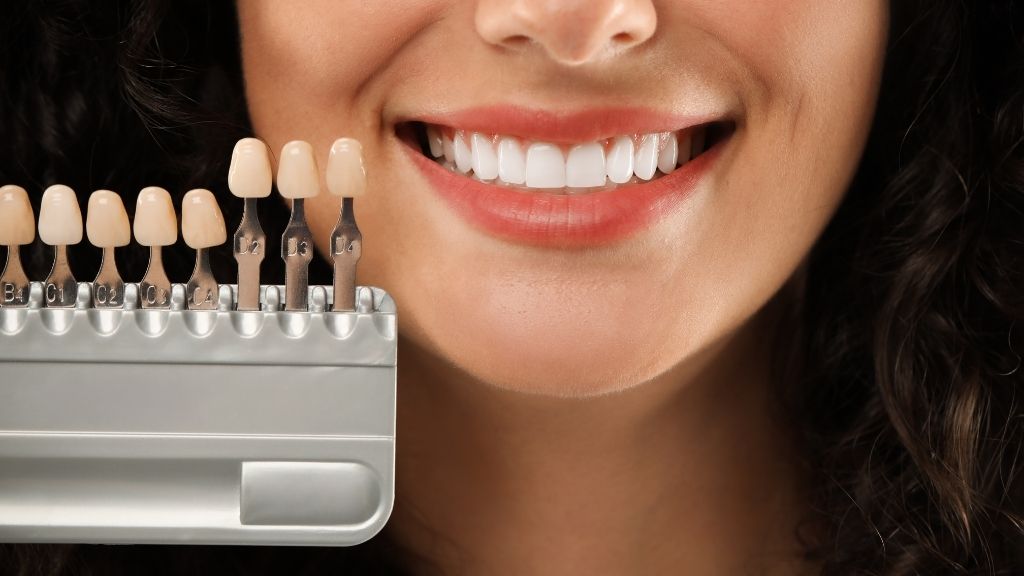
Most patients adapt quickly to veneers when the contours and bite contacts are designed correctly. The veneers should feel like your teeth rather than a foreign surface, with chewing and speech returning to normal once the mouth settles. Patients tend to feel most confident when they know what initial sensations are normal and what should improve as tissues stabilize.
Initial Sensitivity and Adjustment Period Expectations for New Veneer Patients in LA
Some patients experience mild sensitivity after veneers, especially to cold or pressure, as the tooth and surrounding tissue settle. This usually improves as the bite stabilizes and as the tooth responds to the new surface. Clear expectations help patients avoid unnecessary worry during the first days.
How to Tell Normal Adaptation from Bite-Related Discomfort
Normal adaptation often feels like mild awareness that fades steadily. Bite-related discomfort tends to feel sharp on chewing or like one tooth is hitting first, especially in a specific area. Patients benefit from knowing that persistent high-spot sensations should be checked promptly to protect comfort and veneer longevity.
Ceramic veneers typically hold color well compared to natural enamel because they resist many stains that affect teeth over time. Patients should still expect gradual changes in the surrounding teeth due to aging and diet, which is why realistic shade planning matters at the start. Long-term satisfaction comes from maintaining a consistent look through clean margins and balanced color expectations.
How Ceramic Veneers Resist Staining From Common Foods and Drinks
Coffee, tea, red wine, and certain sauces can stain natural enamel and affect brightness over time. Ceramic surfaces resist many of these stains, which helps results look consistent longer. Patients appreciate this benefit because it supports a polished look without constant touch-ups.
Why Surrounding Teeth Maintenance Matters for Smile Consistency
Veneers may remain stable in color while neighboring teeth darken slightly over time. This difference can become noticeable if overall maintenance is inconsistent. Patients benefit from guidance on how to keep the full smile looking balanced rather than focusing only on the veneers.
Veneer maintenance depends less on special products and more on consistent habits that keep plaque from building at the margins. Patients should treat veneers like natural teeth, with careful brushing and flossing that protects gum tissue and keeps the edges clean. Clean margins support long-term comfort because inflamed gums can make even well-made veneers feel less stable.
Brushing and Flossing Techniques That Support Clean CEREC Veneer Edges
Patients should focus on gentle, consistent cleaning at the gumline where plaque accumulates. Floss should pass smoothly between teeth without forcing, which helps protect contacts and tissue health. Patients often feel more confident when they know maintenance is straightforward and practical.
How Gum Health Influences Veneer Longevity and Aesthetic Stability
Healthy gums support a clean, natural-looking transition between veneer and tooth. Inflammation can lead to tenderness, bleeding, and visible changes at the gumline that affect appearance. Long-term satisfaction improves when gum health is treated as part of the cosmetic result.
Veneers are durable, but they can chip under high stress, especially when patients clench, grind, or use teeth as tools. The goal is to protect the veneers from avoidable force while keeping normal function comfortable. Patients often benefit from understanding that most veneer damage comes from habits, not from normal chewing.
Avoiding Hard Object Biting and Stress Concentration Behaviors
Biting ice, opening packaging with teeth, and chewing hard objects can stress veneer edges. These behaviors concentrate force in a way that can cause micro-chips over time. Patients protect results best when they treat veneers as strong but not indestructible surfaces.
Nighttime Grinding Considerations and Long-Term Protection Planning
Grinding can place repeated stress on veneer edges, especially on front teeth. Patients with known clenching patterns often benefit from a protective strategy that reduces wear risk. Clear guidance builds trust because it acknowledges real-world bite habits rather than assuming ideal conditions.
Regular dental visits help protect veneers because the dentist can monitor margins, gum health, and bite contacts over time. Small issues can often be corrected early before they become larger problems. Patients tend to feel more secure when they know the practice will track stability rather than leaving maintenance entirely to chance.
How Professional Cleanings Support Veneer Appearance and Tissue Stability
Professional cleanings remove buildup that patients may miss at the back of the teeth or near tight contacts. Cleanings also help keep gum tissue calm and reduce inflammation risk. This supports long-term aesthetics because healthy tissue frames the veneers more naturally.
When Patients Should Return for Evaluation After Veneer Placement
Patients should contact the office if they notice persistent sensitivity, a rough edge, a change in bite feel, or new soreness when chewing. Early evaluation helps protect the veneer and preserve comfort. This follow-through improves satisfaction because patients know what to watch for and when to act.
Contact PhD Dental About CEREC Veneers Today
If you are in Los Angeles and considering CEREC Veneers, the first step is confirming whether a chairside, one-visit veneer approach can meet your cosmetic goals without compromising fit, comfort, or long-term stability. A quick consultation should clarify how digital design applies to your tooth structure, how margins and contours will be controlled, and what results are realistic within a single appointment. PhD Dental focuses on matching the CEREC workflow to cases where precision and efficiency work together, not where speed introduces unnecessary compromise. You should leave the visit understanding what the technology contributes to your result and why it fits your specific needs.
Dental patients in Los Angeles also benefit from a clear discussion about expectations after placement, including how the veneers should feel, how bite contacts will be monitored, and what maintenance habits protect long-term appearance. CEREC veneers can be an excellent option when planned with restraint and measurable checkpoints, but candidacy matters. PhD Dental explains when one-visit veneers are appropriate and when a different approach may provide better durability or aesthetic control. This transparency builds trust because it centers the decision on predictable outcomes rather than convenience alone.
Call (323) 269-5437 to contact PhD Dental and schedule a consultation for CEREC veneers in Los Angeles.
Get in Touch with PhD Dental
Pick your location
Los Angeles
Los Angeles is a diverse and fast-moving city where access to dependable dental care is essential for individuals and families alike. PhD Dental serves patients throughout Los Angeles with a commitment to personalized care and long-term oral health.
Hours
- Mon 9:30AM - 6:30PM
- Tue 9:30AM - 6:30PM
- Wed 9:30AM - 6:30PM
- Thu 9:30AM - 6:30PM
- Fri 9:30AM - 6:30PM
- Sat 9:00AM - 4:00PM
- Sun Closed