

Palatal Expansion in Los Angeles
Jaw development plays a significant role in how teeth align and how the bite functions. Patients researching palatal expansion in Los Angeles often experience concerns related to crowding, bite imbalance, or breathing restrictions that cannot be resolved through tooth movement alone. Expanding the jaw addresses the whole foundation rather than compensating for limited space within the dental arch.
At PhD Dental, palatal expansion in Los Angeles is evaluated as a structural treatment rather than a cosmetic adjustment. Treatment planning focuses on how expansion affects facial structure, bite stability, and long term oral health at different stages of development. If you are experiencing bite discomfort, dental crowding, or breathing concerns that may be related to jaw structure, a comprehensive evaluation can help clarify if expansion is appropriate. Call PhD Dental at (323)269-5437 or visit our contact page to schedule a consultation and learn how palatal expansion in Los Angeles may support long term function and stability.
Top-Rated Dentists
in Los Angeles
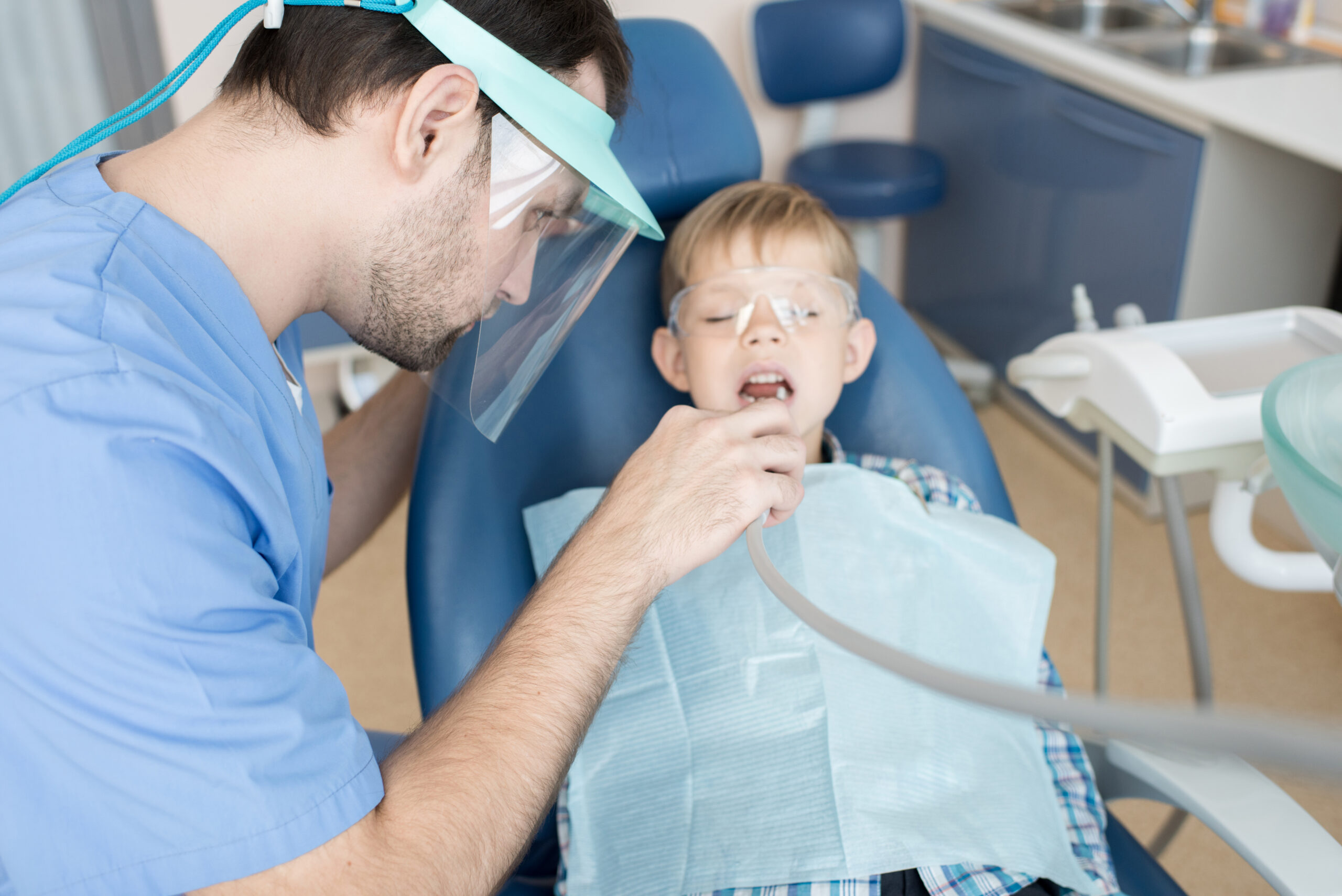
Patient-First Dentistry for Every Stage of Life
From early childhood development to adult care, we focus on patient comfort and comprehensive treatment.
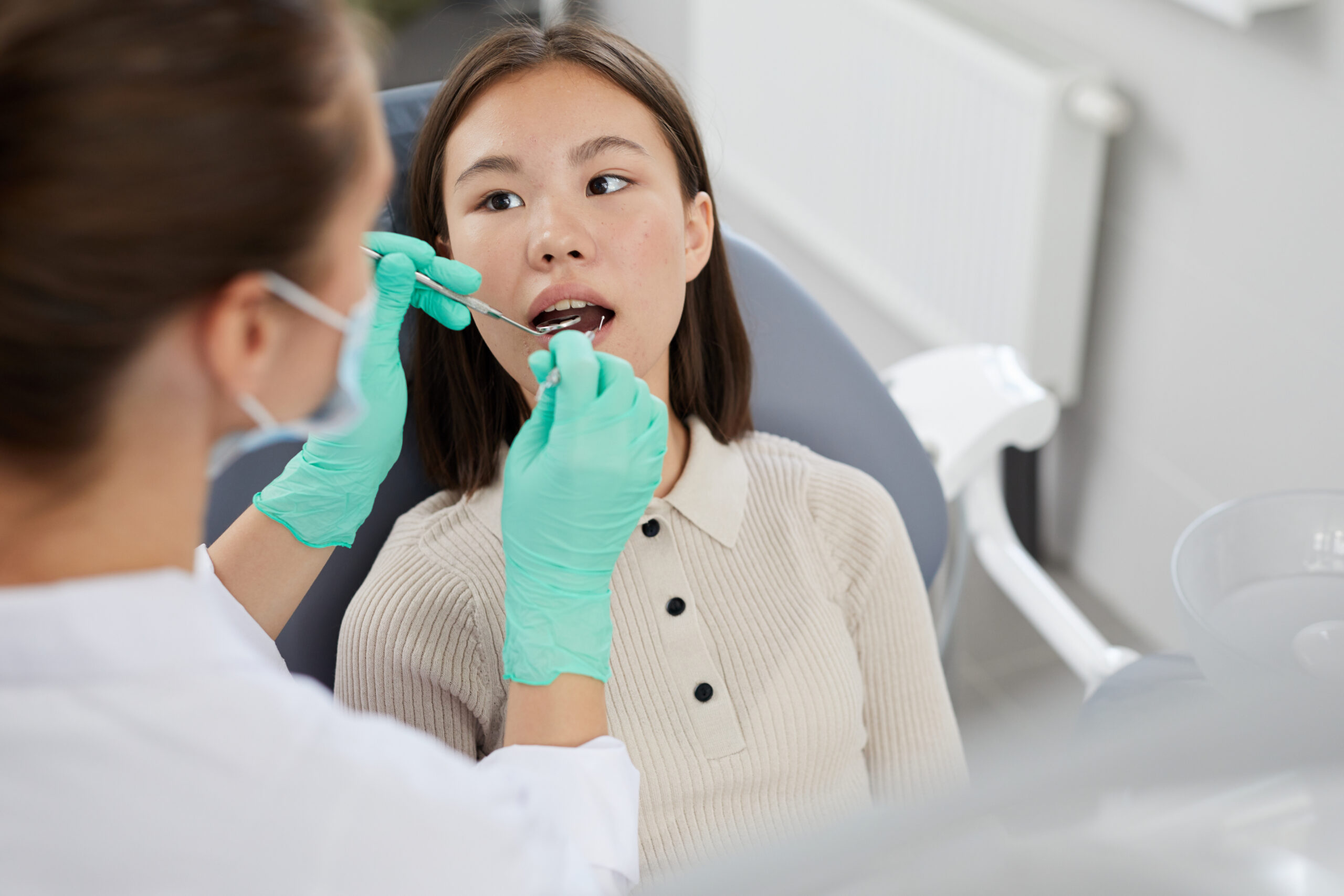
Removing Barriers to Dental Care
We believe everyone deserves access to high-quality dental care, regardless of financial situation.

Comprehensive Dentistry Under One Roof
Orthodontics, implants, oral surgery, and preventative care all conveniently located in our clinics.
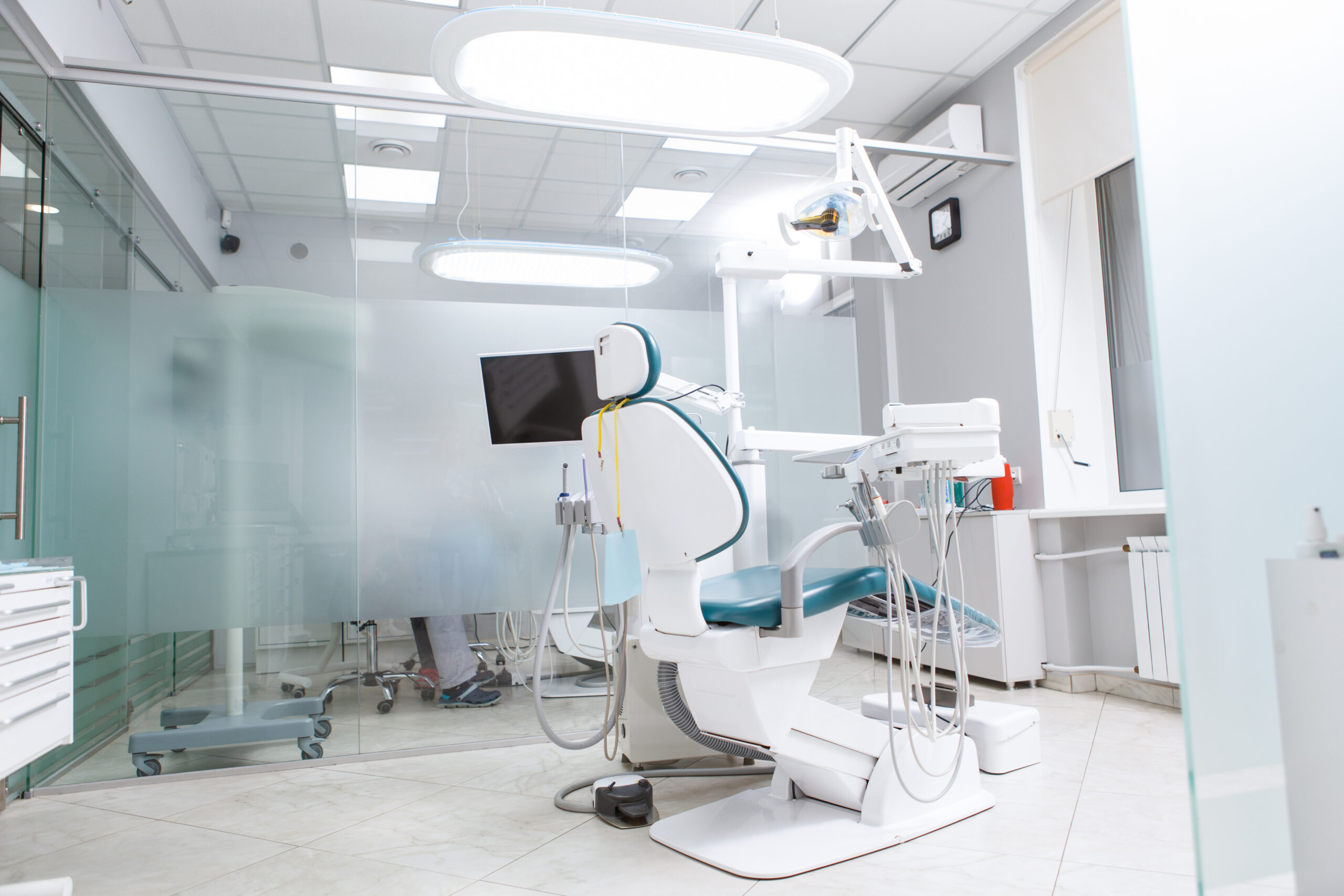
Expertise, Access & Convenient Locations
Multiple clinic locations across Los Angeles with extended hours to fit your busy schedule.
Table of Contents
- When Palatal Expansion Is Recommended To Address Structural Imbalances
- How Palatal Expansion Creates Space Without Removing Teeth
- Why Palatal Expansion Timing Influences Long Term Stability
- The Clinical Approach To Palatal Expansion At PhD Dental
- Schedule With PhD Dental for Your Palatal Expansion in Los Angeles Today
When Palatal Expansion Is Recommended To Address Structural Imbalances
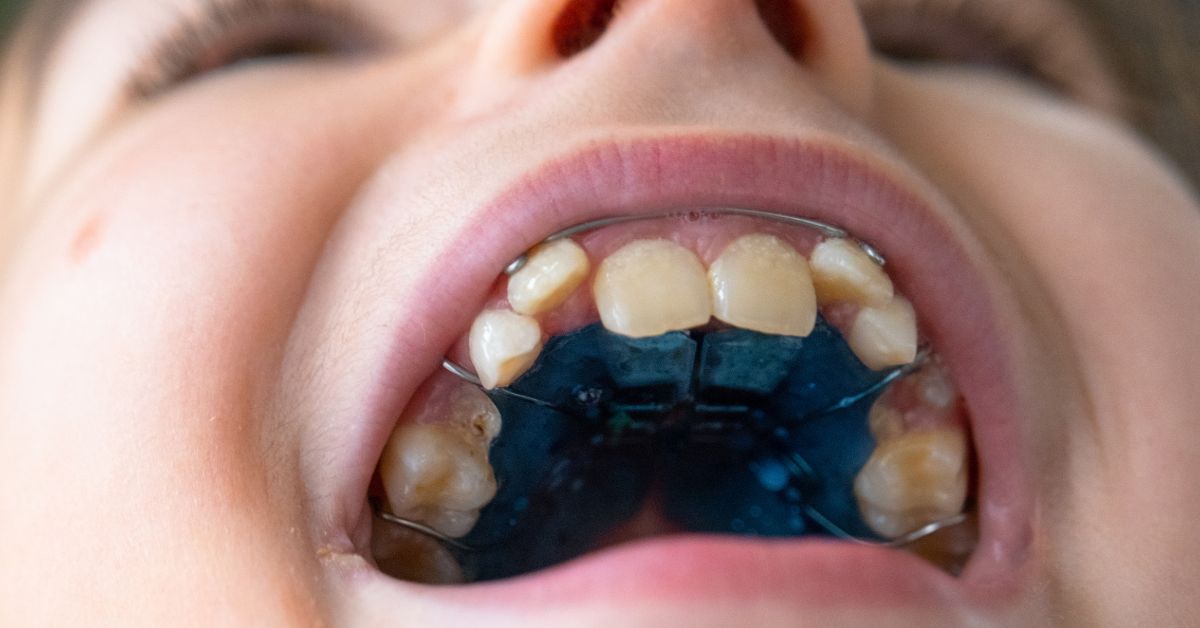
Palatal expansion is recommended when limitations in upper jaw width create functional problems that cannot be corrected through tooth movement alone. Patients exploring palatal expansion in Los Angeles often experience crowding, bite imbalance, or breathing concerns that originate from a narrow skeletal foundation rather than from tooth position. In these cases, expanding the palate addresses the structural cause of the problem instead of forcing teeth to adapt to inadequate space.
At PhD Dental, palatal expansion in Los Angeles is recommended only after careful evaluation confirms that increasing upper jaw width can improve balance between the teeth, bite, and surrounding anatomical structures. Decisions are based on skeletal measurements, functional findings, and long term stability considerations rather than surface level cosmetic concerns. The situations below describe when palatal expansion is commonly used to correct underlying structural imbalances.
Palatal expansion is often recommended when dental crowding develops because the upper jaw does not provide enough horizontal space for teeth to erupt and align naturally. In these cases, crowding can occur even when individual teeth are properly sized and positioned. Expanding the palate increases the width of the dental arch, creating space that allows teeth to align without excessive tipping or compensatory movement. Structural expansion resolves the spatial limitation rather than masking it.
Why Crowding Related To Upper Jaw Width Requires Skeletal Correction
When crowding is driven by a narrow upper jaw, moving teeth within a constricted arch places them outside of stable bone support. This approach increases the likelihood of relapse and uneven tooth positioning over time. Palatal expansion provides a broader, more stable foundation for alignment.
How Dentists Differentiate Skeletal Crowding From Tooth Size Concerns
Dentists evaluate arch width, tooth proportions, eruption patterns, and imaging measurements to determine whether crowding is caused by jaw size or tooth dimensions. These findings help distinguish between cases that require palatal expansion and those that can be managed through tooth movement alone. Accurate differentiation ensures appropriate treatment selection.
Palatal expansion is recommended when crossbites or uneven bite relationships develop because the upper jaw is too narrow to meet the lower arch evenly. Crossbites often indicate that the dental arches are not coordinated in width, leading to improper tooth contact during function. Expanding the palate helps restore symmetry between the arches and improves how teeth meet during chewing. Correcting the skeletal imbalance reduces uneven stress on the bite.
Why Palatal Constriction Contributes To Bite Asymmetry
A narrow upper jaw forces teeth to contact at abnormal angles, which can concentrate pressure on specific teeth or areas of the bite. Over time, this imbalance may contribute to uneven wear, discomfort, or jaw joint strain. Addressing palatal width improves how forces are distributed during function.
How Expansion Helps Normalize Bite Relationships
Increasing palatal width allows opposing teeth to meet more evenly across the dental arch. Improved coordination between the arches reduces excessive contact points and promotes more balanced function. Restoring symmetry supports long term bite stability.
Palatal expansion may be recommended when a narrow upper jaw contributes to reduced airway space or ongoing breathing difficulties. The palate forms the floor of the nasal cavity, and insufficient width can restrict airflow through the nasal passages. Expanding the palate increases available space within these structures, which may improve breathing efficiency during sleep and daily activity. Functional breathing considerations are an important part of evaluation.
Why Palatal Width Influences Airway Anatomy
The upper jaw supports the nasal airway, and its transverse width affects airflow resistance. A narrow palate can limit this space and contribute to compromised breathing patterns. Palatal expansion addresses these anatomical constraints directly.
How Dentists Evaluate Airway Related Indicators During Assessment
Dentists review patient history, clinical findings, and imaging studies to assess whether palatal structure may be contributing to airway restriction. Measurements of arch width and anatomical relationships help determine whether expansion could provide functional benefit. Evaluation integrates dental and airway considerations.
Palatal expansion is commonly recommended for children and adolescents when growth patterns show restricted upper jaw development. During growth phases, the palatal suture is more responsive to orthopedic guidance, allowing width changes to occur more predictably. Addressing constriction while growth is still active can influence how the jaws develop and how teeth erupt over time. Early structural correction may reduce the need for more complex intervention later.
Why Bone Maturity Influences Palatal Expansion Outcomes
Developing bone responds differently to expansion forces than fully mature bone. Growth related flexibility allows the palate to adapt more readily to widening forces. Understanding bone maturity helps guide appropriate technique selection.
How Dentists Assess Growth Status Before Recommending Expansion
Dentists evaluate age, developmental markers, and imaging indicators to determine whether active growth is still occurring. These assessments help identify when palatal expansion is most likely to be effective. Growth analysis supports individualized treatment planning.
How Palatal Expansion Creates Space Without Removing Teeth
Creating sufficient space for proper tooth alignment does not always require removing healthy teeth, particularly when crowding is caused by a narrow upper jaw rather than oversized teeth. Patients researching palatal expansion in Los Angeles are often relieved to learn that space can be developed by widening the skeletal foundation of the dental arch instead of extracting teeth. Palatal expansion focuses on increasing transverse jaw width at the bone level, which allows teeth to align within a more stable and biologically appropriate framework.
At PhD Dental, palatal expansion in Los Angeles is planned as a structural solution that addresses the source of space limitation rather than compensating for it through extractions or aggressive tooth movement. Expanding the palate alters the dimensions of the upper jaw, which creates additional room for teeth to erupt or reposition naturally. This approach prioritizes long term stability, balanced function, and preservation of natural tooth structure.
Palatal expansion creates space by widening the upper jaw itself, while non skeletal approaches rely on tipping teeth outward within an unchanged jaw. Tooth tipping can temporarily create the appearance of space, but it does not increase the underlying bone that supports the teeth. Skeletal expansion increases the transverse width of the palate, allowing teeth to remain upright and properly supported within bone. This distinction plays a significant role in long term stability and periodontal health.
Why Skeletal Expansion Produces More Reliable Long Term Space
When space is created by expanding the jaw, teeth are positioned within a broader and more stable bony foundation. Tooth tipping without skeletal change places teeth closer to the outer limits of bone support. Stability improves when alignment occurs within expanded skeletal boundaries.
How Dentists Determine When Skeletal Expansion Is Necessary
Dentists evaluate arch width, tooth inclination, and surrounding bone limits using clinical measurements and diagnostic imaging. These findings clarify whether space limitations are structural or positional in nature. Accurate diagnosis guides appropriate expansion planning.
Palatal expansion increases the horizontal width of the upper dental arch, which directly increases the amount of space available for teeth. As the arch widens, teeth gain room to align without overlapping, rotating excessively, or being forced outward unnaturally. This added space allows orthodontic alignment to occur with less stress on teeth and surrounding tissues. Expansion encourages more natural tooth positioning.
Why Arch Width Plays A Central Role In Crowding Severity
A narrow dental arch concentrates teeth into a limited perimeter, which increases the likelihood of crowding. Even small increases in transverse width can significantly affect how teeth fit together. Expanding the arch directly addresses this spatial constraint.
How Palatal Expansion Alters Overall Arch Shape
Expansion changes the transverse dimension of the palate, broadening the curve of the dental arch rather than lengthening it. This structural change redistributes space more evenly across the arch. Improved arch form supports balanced alignment.
Creating space through palatal expansion avoids removing healthy teeth that may be important for long term function and stability. Preserving natural teeth maintains chewing efficiency, facial support, and broader restorative options later in life. Expansion also reduces reliance on aggressive tooth movement that can strain periodontal tissues. Conservation remains a central advantage.
Why Avoiding Tooth Removal Can Benefit Long Term Oral Health
Tooth removal permanently alters bite relationships and overall arch integrity. Expansion allows all natural teeth to remain within a widened skeletal framework. Long term oral health planning benefits from preservation.
How Palatal Expansion Maintains Future Treatment Options
Keeping natural teeth intact allows greater flexibility if orthodontic or restorative needs change over time. Expansion does not limit future treatment pathways. Structural solutions preserve adaptability.
Palatal expansion influences how upper and lower teeth interact by improving coordination between the dental arches. A widened upper jaw allows opposing teeth to contact more evenly during function. Improved bite balance reduces excessive pressure on isolated teeth. Functional improvements often accompany structural space creation.
Why Bite Coordination Matters Beyond Straight Teeth
Even properly aligned teeth can function poorly if the dental arches remain mismatched in width. Poor coordination increases uneven force distribution during chewing. Expansion improves functional harmony.
How Dentists Monitor Functional Changes Throughout Expansion
Dentists assess bite contacts, jaw movement, and patient comfort as expansion progresses. These observations confirm whether functional balance is improving. Ongoing monitoring supports stability.
Why Palatal Expansion Timing Influences Long Term Stability
The long term stability of palatal expansion is closely connected to when treatment is performed in relation to bone development and skeletal maturity. Patients considering palatal expansion in Los Angeles often assume that expansion works the same way at any age, but biological response differs significantly between growing and fully mature jaws. Understanding how timing affects bone adaptation, resistance, and stability helps clarify why treatment planning must account for age and developmental stage.
At PhD Dental, palatal expansion in Los Angeles is evaluated with careful attention to growth patterns, bone responsiveness, and the likelihood of maintaining expansion results over time. Timing influences not only how expansion is achieved, but also how well the jaw retains its new width after treatment is complete. These factors shape recommendations and long term expectations.
Palatal expansion performed during active growth typically produces more predictable skeletal changes than expansion performed after growth is complete. In children and adolescents, the palatal suture has not fully fused, which allows the upper jaw to widen more readily in response to orthopedic forces. This biological flexibility supports more stable skeletal adaptation. Expansion after skeletal maturity encounters greater resistance.
Why Growing Bone Responds More Predictably To Expansion Forces
Developing bone contains growth centers that adapt more readily to applied forces over time. The palatal suture in younger patients separates and remodels with less resistance. This response allows expansion to become part of natural jaw development.
How Dentists Identify Active Growth Phases Clinically
Dentists evaluate age, growth indicators, and imaging findings to assess whether skeletal growth is ongoing. These assessments help determine whether expansion can rely on natural bone adaptation. Growth evaluation guides timing decisions.
In adults, palatal expansion must work against fully matured bone structures that resist widening forces more strongly. Skeletal resistance can limit the degree of expansion achieved or influence how stable the result remains over time. Adult expansion often requires different techniques and longer retention periods. Stability depends on careful planning.
Why Mature Bone Presents Greater Resistance To Expansion
Once skeletal growth is complete, the palatal suture becomes more rigid and less responsive to orthopedic force. Expansion in mature bone relies on overcoming this resistance. This biological reality affects both technique selection and expectations.
How Dentists Plan For Stability In Adult Expansion Cases
Dentists account for bone density, suture maturity, and functional demands when planning adult expansion. Retention strategies are emphasized to maintain achieved width. Planning reflects long term stability concerns.
Regardless of age, maintaining palatal expansion results requires an adequate retention phase that allows bone and surrounding tissues to adapt to the new jaw width. Retention supports remodeling of bone and stabilization of dental relationships. Insufficient retention increases the risk of relapse. Stability depends on this adaptation period.
Why Retention Time Influences Long Term Outcomes
Bone and connective tissues require time to reorganize after expansion forces are applied. Premature removal of retention can allow structures to revert toward their original position. Adequate retention supports lasting change.
How Dentists Determine Appropriate Retention Duration
Dentists assess expansion amount, patient age, and tissue response to determine retention length. These factors influence how long stabilization is required. Individualized retention planning improves durability.
Long term stability also depends on how the expanded palate integrates with bite function and jaw movement. Teeth and muscles must adapt to the new jaw width to maintain balance during chewing and speaking. Functional harmony reduces stress that can compromise expansion results. Integration supports stability.
Why Functional Balance Affects Expansion Durability
Uneven bite forces or muscle imbalance can place pressure on expanded structures over time. This stress can contribute to relapse or discomfort. Functional evaluation helps protect results.
How Dentists Monitor Functional Changes After Expansion
Dentists evaluate bite contact, jaw movement, and comfort during follow up visits. These observations help confirm that adaptation is progressing appropriately. Monitoring supports long term success.
The Clinical Approach To Palatal Expansion At PhD Dental

Palatal expansion works best when treatment decisions are tied to anatomy, growth biology, and functional demands rather than a generic appliance template. At PhD Dental, the clinical approach to palatal expansion is built around structured evaluation, disciplined planning, and consistent follow up that tracks how the upper jaw and bite respond over time. Each phase is treated as a medical planning process, because skeletal change influences tooth position, arch coordination, and comfort during everyday function.
Patients pursuing palatal expansion in Los Angeles often feel overwhelmed by conflicting advice about timing, appliance choices, and expected outcomes. PhD Dental brings clarity by focusing first on measurable findings, then matching those findings to a plan that fits bone maturity, dental needs, and long term stability expectations. This approach keeps treatment decisions grounded in biology rather than marketing claims.
The clinical process begins with a detailed diagnostic map of arch width, skeletal relationships, tooth position, and palatal form. Imaging, measurements, and intraoral records are used to identify where constriction exists and how it influences crowding, crossbite patterns, and bite coordination. A diagnostic map also clarifies whether expansion should target skeletal width, dental positioning, or a combination that matches the patient’s anatomy. Treatment planning depends on knowing what is narrow, where it is narrow, and how that narrowness affects function.
Why Baseline Measurements Matter For Expansion Decisions
Palatal expansion involves quantifiable skeletal change, so planning requires a clear starting point that captures anatomy accurately. Without baseline measurements, expansion goals become vague and outcome evaluation becomes subjective. A measurement based baseline allows progress to be judged against objective reference points instead of impressions.
How Records Are Collected To Reflect Real Anatomy
Digital scans, photographs, and radiographic views are gathered to capture arch shape and spatial relationships in a reproducible format. Measurements of transverse width and bite relationships are documented so future comparisons remain meaningful. These records form the technical foundation for deciding how expansion should be approached.
Planning decisions account for whether bone development is active or complete, because biological responsiveness changes dramatically across age groups. In younger patients, expansion can create skeletal width changes through orthopedic guidance, while adult cases require a plan that respects mature bone resistance and realistic movement limits. Growth stage influences appliance selection, activation rate, monitoring cadence, and retention duration. The plan reflects how bone is expected to remodel, not how fast results are desired.
Why Bone Maturity Shapes Technique Selection
Skeletal maturity influences how readily the palatal structures adapt under expansion forces and how predictable separation and remodeling may be. A plan that ignores bone maturity often creates tension between desired outcomes and biological reality. Matching technique to maturity sets the entire treatment on a realistic path.
How Growth Indicators Are Evaluated In Clinical Context
Dentists evaluate developmental markers, clinical presentation, and imaging indicators that reflect skeletal stages. Findings are interpreted together rather than relying on age alone, because development varies between individuals. This evaluation informs how assertively expansion can be pursued and what retention demands may look like.
Active expansion is managed through scheduled monitoring that evaluates symmetry of widening, bite contact changes, tooth inclination trends, and tissue comfort. Follow up visits examine whether the upper and lower arches are coordinating more effectively as width changes occur. Monitoring also looks at patient reported experiences, including pressure patterns, speech changes, and chewing comfort during adaptation. These observations guide plan refinement when anatomy responds differently than expected.
Why Progress Monitoring Requires More Than Visual Checks
Visual appearance alone does not capture changes in bite dynamics, tooth angulation, or arch coordination that develop during expansion. Monitoring relies on measurements, bite evaluation, and record comparisons to understand how changes are unfolding. A structured check sequence provides consistent information across visits.
How Adjustments Are Made Based On Observed Response
Activation schedules and monitoring intervals are modified based on how skeletal widening progresses and how the bite contacts shift. Decisions reflect measured response rather than routine timing assumptions. Treatment pacing follows the patient’s adaptation pattern, including comfort and functional findings.
Schedule With PhD Dental for Your Palatal Expansion in Los Angeles Today
Deciding if palatal expansion is appropriate involves more than identifying crowding or bite concerns because long term outcomes depend on your anatomy and how the jaws function together over time. Patients exploring palatal expansion in Los Angeles often benefit from an evaluation that explains what expansion can achieve for you. A clear understanding of these factors allows decisions to be made with confidence rather than urgency.
At PhD Dental, palatal expansion in Los Angeles is approached through careful assessment and transparent communication that respects functional needs. If you are considering palatal expansion in Los Angeles and want guidance based on evaluation rather than assumptions, call PhD Dental at (323)269-5437 or visit our contact page to schedule a consultation today.
Get in Touch with PhD Dental
Pick your location
Los Angeles
Los Angeles is a diverse and fast-moving city where access to dependable dental care is essential for individuals and families alike. PhD Dental serves patients throughout Los Angeles with a commitment to personalized care and long-term oral health.
Hours
- Mon 9:30AM - 6:30PM
- Tue 9:30AM - 6:30PM
- Wed 9:30AM - 6:30PM
- Thu 9:30AM - 6:30PM
- Fri 9:30AM - 6:30PM
- Sat 9:00AM - 4:00PM
- Sun Closed