

Mini-Dental Implants in Compton
Mini-dental implants in Compton offer a reliable option for patients dealing with missing teeth, bone loss, or unstable dentures. At PhD Dental, we approach implant dentistry with careful planning and clear communication because long-term outcomes matter. Therefore, we evaluate jawbone structure, bite forces, and oral health before recommending mini implants. Clinical guidance published by the American Dental Association explains how implant success depends on proper diagnosis and controlled placement rather than speed alone. Our Compton office serves patients throughout the surrounding neighborhoods near South Long Beach Boulevard, Artesia Boulevard, and the Civic Center area, which makes follow-up care accessible and consistent.
Mini-dental implants use a narrower design compared to traditional implants, which allows placement in areas with limited bone width. As a result, many Compton patients explore this option when they want stability without extensive bone grafting. However, not every case qualifies. When patients understand their options, they make stronger decisions with confidence. If you are considering mini-dental implants in Compton and want clear answers instead of rushed recommendations, call PhD Dental today at (323) 269-5437 to schedule an evaluation.
Top-Rated Dentists
in Los Angeles
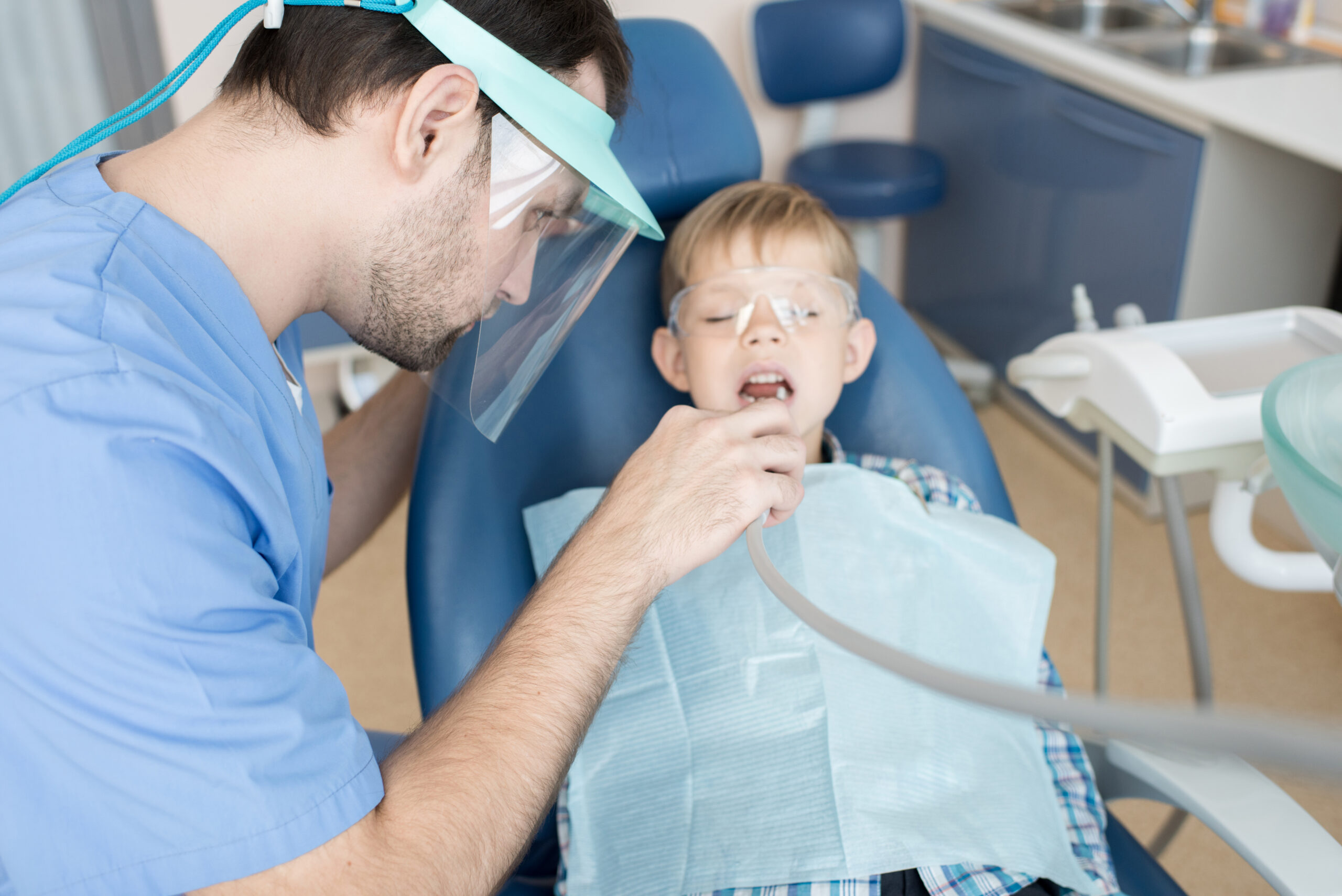
Patient-First Dentistry for Every Stage of Life
From early childhood development to adult care, we focus on patient comfort and comprehensive treatment.
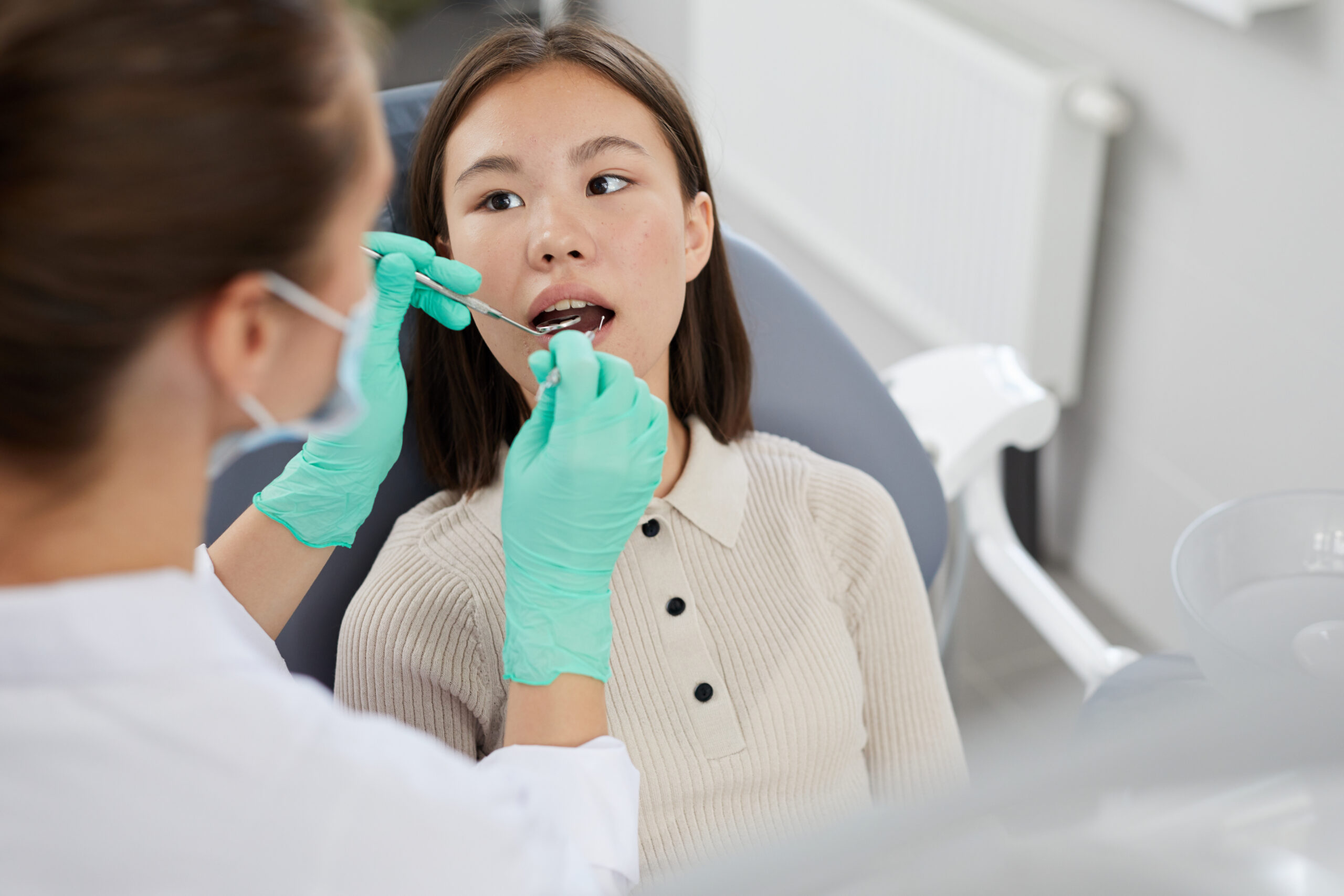
Removing Barriers to Dental Care
We believe everyone deserves access to high-quality dental care, regardless of financial situation.

Comprehensive Dentistry Under One Roof
Orthodontics, implants, oral surgery, and preventative care all conveniently located in our clinics.
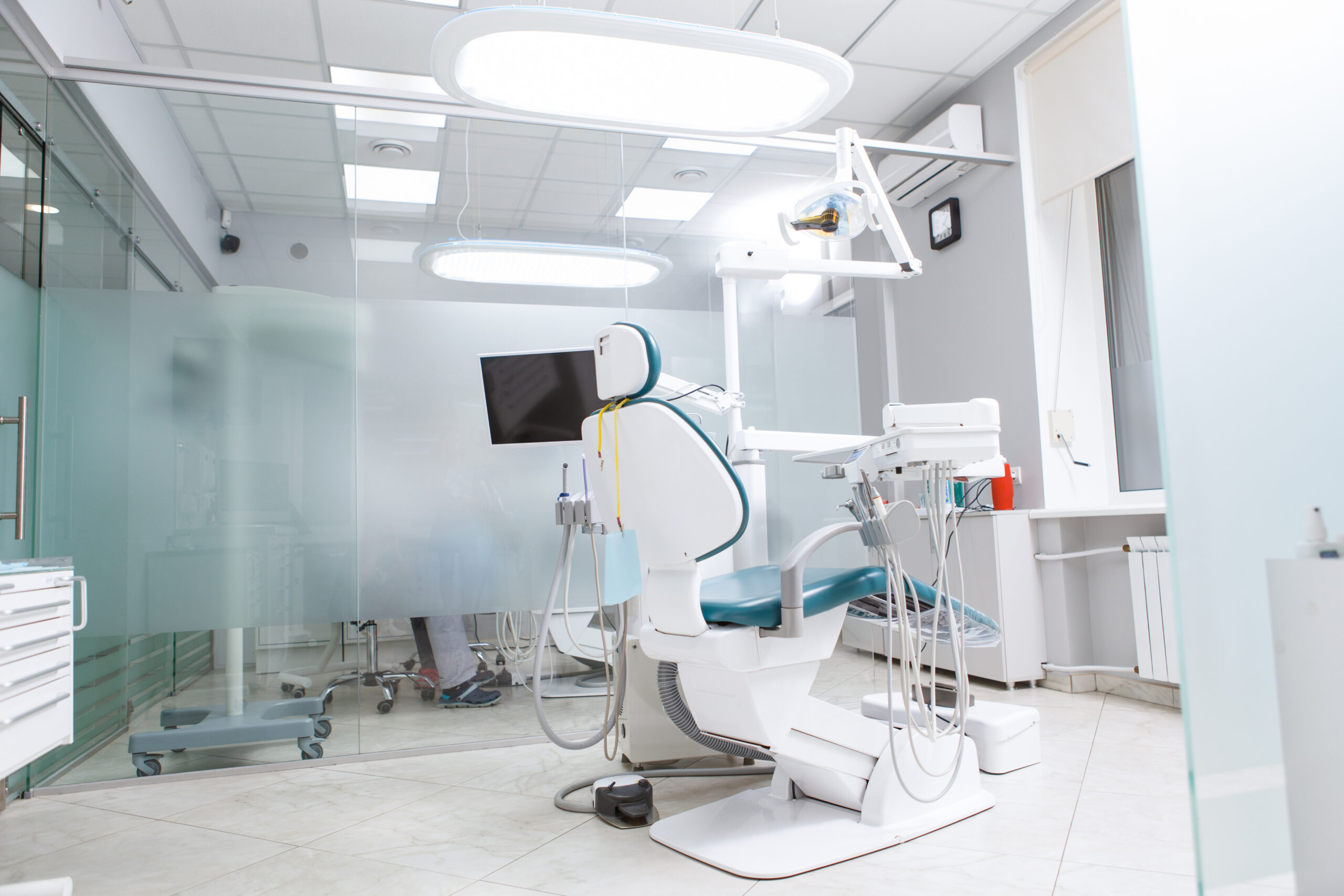
Expertise, Access & Convenient Locations
Multiple clinic locations across Los Angeles with extended hours to fit your busy schedule.
Why Mini Dental Implants Are Gaining Popularity Among Compton Residents
Mini dental implants in Compton continue to gain traction because many patients want a stable tooth replacement option that fits their current oral health conditions. Tooth loss often develops gradually, which means patients may live with missing teeth for years before seeking care. During that time, chewing patterns change, nearby teeth shift, and jawbone volume begins to narrow. As these changes add up, patients often look for implant solutions that do not require aggressive surgical steps or extended timelines. Mini dental implants meet that need when dentists evaluate anatomy carefully and set realistic expectations.
In Compton, access to consistent dental care also influences treatment decisions. Many residents prefer care that stays close to home so follow-up visits remain easy to schedule. Mini dental implants allow dentists to design treatment plans that prioritize long-term monitoring and maintenance rather than one-time procedures. This structure helps patients stay engaged in care and protects outcomes over time. When patients feel informed and supported, they are more likely to move forward with treatment instead of delaying it further.
Tooth loss remains a common concern among adults who postponed dental care due to cost concerns, work schedules, or prior dental anxiety. Over time, missing teeth affect more than appearance. Chewing efficiency decreases, which places extra strain on remaining teeth and the jaw. As a result, patients often begin searching for mini dental implants in Compton when everyday tasks like eating or speaking feel less comfortable than before.
Patients also experience shifting teeth near open spaces, which can complicate future treatment. Mini dental implants help address these concerns when dentists evaluate the full bite and surrounding structures. Clear explanations during consultations help patients understand how tooth loss affects long-term oral health. That understanding often leads to earlier action.
Patients also notice changes in facial support and bite alignment as tooth loss progresses. These changes can alter how upper and lower teeth meet, which increases uneven wear and discomfort. Mini dental implants help reintroduce structure into the bite when placed with proper planning. This benefit appeals to patients who want functional improvement without overly complex treatment paths. Clear explanations help patients recognize why addressing tooth loss sooner supports better outcomes.
How Untreated Tooth Loss Impacts Daily Comfort and Function
Untreated tooth loss reduces the ability to chew efficiently, which forces many patients to avoid harder or healthier foods. This limitation affects nutrition and enjoyment of meals over time. In addition, missing teeth allow surrounding teeth to drift into open spaces, which creates spacing problems and bite imbalance. These changes often cause jaw fatigue and discomfort during daily activities.
Speech also becomes affected as tooth loss progresses. Teeth play a role in directing airflow during pronunciation. When teeth are missing, speech clarity can change in subtle but frustrating ways. Mini dental implants restore tooth presence and help stabilize speech patterns. This improvement matters for patients who communicate frequently at work or in social settings.
Patients often underestimate how these functional issues compound over time. What begins as mild inconvenience can develop into chronic discomfort. Dentists emphasize that mini dental implants in Compton aim to restore balance rather than simply fill gaps. By improving stability, implants support both comfort and long-term oral health. This broader impact motivates many patients to pursue evaluation.
Why Early Action Supports Better Long Term Outcomes
Early evaluation allows dentists to assess jawbone conditions before advanced resorption occurs. When more bone remains, implant placement becomes more predictable and stable. Mini dental implants benefit from this timing because smaller implants rely on precise bone engagement. Acting earlier expands treatment choices and reduces the need for additional procedures.
Another advantage of early action involves bite protection. Restoring missing teeth sooner prevents excessive force on remaining teeth. This protection helps preserve natural teeth and reduces future restorative needs. Patients who understand these benefits often feel more confident scheduling an evaluation rather than waiting.
Jawbone loss develops naturally after tooth loss because the bone no longer receives stimulation from chewing forces. Over time, the jaw narrows and loses density. These changes limit space for traditional implants and complicate placement. Mini dental implants in Compton attract attention because they may fit within narrower bone dimensions when anatomy allows.
Dentists still evaluate bone quality and load capacity carefully. Smaller implants require controlled placement and realistic expectations. Dentists explain that implant success depends on proper planning rather than implant size alone. This transparency helps patients make informed decisions.
Patients often feel discouraged when they learn bone loss has progressed. Mini dental implants offer a potential path forward that feels achievable. Dentists discuss imaging results in detail and explain how bone conditions influence treatment recommendations. This educational approach reduces fear and builds trust. Patients who understand their anatomy feel more comfortable proceeding.
How Bone Width Influences Implant Selection in Compton
Bone width determines how much space exists for implant placement without compromising surrounding structures. Dentists measure this width using diagnostic imaging rather than visual estimates. When width remains limited, mini dental implants may provide an option that avoids bone grafting in certain cases.
Bone density also plays a role alongside width. Dense bone provides stronger initial stability during placement. Dentists evaluate both factors together to ensure implants can withstand daily forces. This careful assessment protects long-term function.
Patients appreciate learning that implant selection is based on anatomy rather than preference. Dentists explain why certain options fit better than others. This clarity helps manage expectations and avoids disappointment later. Implant planning becomes a collaborative process rather than a rushed decision.
Why Individual Evaluation Matters More Than Implant Size
Every patient presents unique anatomical and functional factors. Dentists assess bite forces, grinding habits, and healing capacity before recommending treatment. Mini dental implants succeed when chosen for appropriate situations rather than convenience. Individual evaluation ensures responsible care.
Personalized planning also supports comfort. Dentists adjust placement angles and restoration design based on how patients chew and speak. This customization improves daily function and satisfaction. Patients benefit from treatment that aligns with their specific needs.
Loose dentures frustrate many Compton residents who struggle with movement during meals or conversations. Dentures that shift reduce confidence and cause irritation. Mini dental implants provide anchoring support that improves retention when planned carefully.
Patients who rely on adhesives often experience inconsistent results. Mini dental implants reduce dependence on temporary solutions. Dentists explain how implant support improves stability without changing daily routines dramatically.
Many patients report avoiding social situations due to denture concerns. Improved stability restores confidence and comfort. Mini dental implants in Compton offer a path toward predictable function. This improvement often becomes a turning point for patients who delayed care for years.
How Denture Instability Affects Oral Health Over Time
Unstable dentures rub against gum tissue and cause chronic irritation. Over time, this friction leads to inflammation and sore spots. Poor fit also concentrates pressure unevenly across the jaw, which accelerates bone loss.
Stabilized dentures distribute forces more evenly and reduce tissue stress. This balance protects gums and bone. Patients who improve denture fit often notice better comfort and hygiene.
Dentists also monitor how unstable dentures affect remaining teeth. Excessive movement can damage natural teeth and restorations. Mini dental implants help reduce these risks by improving overall stability. Long-term oral health improves as a result.
Why Stabilized Dentures Improve Daily Quality of Life
Stable dentures allow patients to eat comfortably and speak clearly. Improved function encourages better nutrition and social engagement. Mini dental implants support this stability when dentists plan placement carefully.
Quality of life improves when patients feel secure with their dental appliances. This confidence motivates continued care and maintenance. Patients often describe feeling relieved after stabilizing dentures.
Compton residents value dental care that remains accessible for ongoing visits. Implant treatment requires monitoring over time to ensure comfort and function. Mini dental implants fit within care plans that emphasize continuity.
Local care improves communication between patients and dental teams. Familiarity builds trust and encourages follow-up compliance. This consistency supports long-term success.
Patients who receive care close to home attend appointments more reliably. Regular monitoring allows dentists to address minor issues early. This proactive approach protects implant performance. Local access strengthens outcomes.

Why Ongoing Monitoring Matters After Implant Placement
Implant care continues after placement through follow-up visits. Dentists evaluate healing, bite alignment, and hygiene. Early adjustments prevent complications from developing.
Monitoring also allows dentists to guide patients on maintenance routines. These visits reinforce proper care habits. Patients benefit from ongoing support.
Patients who skip follow-up visits risk undetected issues. Minor discomfort can progress into larger problems. Ongoing monitoring protects both comfort and investment. Consistent care supports stability.
How Local Dental Care Supports Long Term Implant Stability
Local access simplifies scheduling and follow-up. Patients attend visits more consistently when travel remains convenient. This consistency allows dentists to maintain implant health.
Long-term stability depends on partnership between patient and dental team. Local care strengthens that partnership. Patients who remain engaged enjoy better outcomes.
Mini Dental Implants for Securing Loose Dentures in Compton Patients
Loose dentures create daily frustration for many patients who rely on them for basic function. In Compton, patients often report dentures that shift while eating, loosen during conversations, or require constant adhesive use. Over time, that instability affects comfort, confidence, and oral health. Mini dental implants in Compton provide a way to improve denture retention when dentists plan placement carefully and evaluate jaw conditions thoroughly.
Denture instability usually worsens as jawbone volume continues to change. Traditional dentures rest on gum tissue, which naturally reshapes over time. As a result, dentures that once fit well may begin to move unpredictably. Mini dental implants offer anchoring support that helps stabilize dentures and reduce movement during everyday activities. This added stability often changes how patients experience daily life.
Dentures rely on underlying bone and gum contours for support. After tooth loss, the jawbone no longer receives regular stimulation from chewing forces. Therefore, bone resorption gradually occurs, which alters the shape of the jaw. As the foundation changes, dentures lose their precise fit and begin to shift.
Weight changes, aging, and normal oral wear also contribute to fit issues. Even well-made dentures require adjustment over time. Patients who live with looseness for too long often experience sore spots and inflammation. Mini dental implants help address these issues by providing a more stable foundation for denture support.
How Jawbone Changes Reduce Denture Stability
Jawbone narrowing reduces the surface area available to support dentures. When bone volume decreases, dentures rely more heavily on soft tissue for retention. That reliance increases movement and discomfort. Mini dental implants help counter this problem by transferring some forces directly into the jawbone.
By anchoring dentures to implants, dentists reduce reliance on shifting gum tissue. This approach improves balance and limits pressure points. Patients often notice improved comfort shortly after stabilization. Better force distribution protects remaining bone and tissue.
Why Adhesives Stop Working Long Term
Many patients turn to denture adhesives as looseness increases. Adhesives may provide short-term relief, but they do not address the underlying cause of instability. Over time, adhesives lose effectiveness as bone changes continue. Frequent adhesive use can also irritate gum tissue.
Mini dental implants reduce dependence on adhesives by improving mechanical retention. Patients often appreciate regaining confidence without relying on daily adhesive routines. This change improves both comfort and hygiene.
Mini dental implants act as anchors that secure dentures more firmly to the jaw. Dentists place these implants strategically to balance forces during chewing and speaking. Once connected, dentures resist movement that previously caused discomfort and embarrassment. Improved retention supports daily function.
Because mini dental implants use a narrower design, dentists may place them in areas with limited bone width. This feature makes them a viable option for patients who cannot pursue larger implant systems without additional procedures. Denture stabilization becomes achievable for a wider range of patients.
Improved Chewing and Speaking With Stabilized Dentures
Loose dentures reduce chewing efficiency and make certain foods difficult to eat. Stabilized dentures improve bite confidence and allow patients to chew more evenly. As a result, patients often expand their diets and enjoy meals again.
Speech also benefits from improved denture stability. Dentures that remain in place allow clearer pronunciation and reduce clicking or slipping. This improvement matters for patients who communicate frequently at work or in social settings. Confidence often returns alongside function.
Why Balanced Force Distribution Matters
Balanced force distribution protects both implants and surrounding bone. When dentures move unpredictably, pressure concentrates in small areas. That concentration leads to soreness and bone loss. Mini dental implants distribute forces more evenly across the jaw.
Dentists design placement to support this balance. Proper spacing and angulation reduce stress and improve longevity. This careful planning supports comfort and durability.
Patients often describe immediate lifestyle improvements after stabilizing dentures. Eating becomes less stressful and social interactions feel more natural. Many patients report reduced anxiety about dentures slipping in public. These changes affect overall well-being.
Improved stability also supports better oral hygiene. Dentures that fit well are easier to clean and maintain. Reduced irritation encourages healthier gum tissue. These benefits extend beyond appearance.
Stable dentures allow patients to smile, speak, and laugh without concern. Confidence improves when patients no longer worry about movement. This confidence influences social engagement and self-image.
Comfort also increases throughout the day. Reduced friction lowers irritation and soreness. Patients often notice less fatigue in the jaw muscles. These improvements support long-term satisfaction.
Why Patients Delay Less After Learning Their Options
Many patients assume loose dentures are unavoidable. Education changes that perception. When dentists explain how mini dental implants improve stability, patients often feel encouraged. Understanding options reduces hesitation.
Clear communication helps patients see stabilization as achievable rather than complex. This clarity supports informed decisions. Patients who understand the process feel more comfortable moving forward.
Not every denture qualifies for implant support without evaluation. Dentists assess bone conditions, bite forces, and denture design before recommending treatment. Mini dental implants require precise placement to support dentures effectively. Planning protects outcomes.
Dentists also consider long-term maintenance. Stabilized dentures still require follow-up care and adjustments. Patients who commit to ongoing visits protect their results. This partnership supports durability.
Evaluation Steps Before Denture Stabilization
Dentists begin with imaging and clinical exams to assess bone structure. Bite analysis follows to understand force patterns. Denture fit and condition also factor into planning. These steps guide implant placement decisions.
Clear explanations help patients understand each step. Transparency builds trust and sets expectations. Patients benefit from knowing why planning matters.
Why Long Term Monitoring Protects Results
Stabilized dentures require periodic evaluation. Dentists monitor implant health, tissue response, and bite alignment. Early detection of issues prevents complications. Regular care protects investment.
Patients who attend follow-up visits enjoy better comfort and longevity. Monitoring reinforces proper hygiene habits. This ongoing care supports long-term success.
Arrange a Mini Dental Implant Consultation in Compton Today
Mini dental implants in Compton offer a practical path toward improved comfort, stability, and daily function when planned carefully. If you are dealing with missing teeth, loose dentures, or ongoing frustration with your current dental solution, now is the right time to take the next step. A focused consultation allows our team to review your oral health, discuss realistic options, and explain what treatment may look like for your specific situation. Clear answers help patients move forward with confidence rather than uncertainty.
At PhD Dental, we prioritize thoughtful planning and clear communication from the first conversation. Patients throughout Compton value care that feels accessible, organized, and centered on long-term outcomes. Speaking directly with our office helps you understand whether mini dental implants are a suitable option and what the process involves. To schedule your consultation, call (323) 269-5437 now.
Get in Touch with PhD Dental
Pick your location
Los Angeles
Los Angeles is a diverse and fast-moving city where access to dependable dental care is essential for individuals and families alike. PhD Dental serves patients throughout Los Angeles with a commitment to personalized care and long-term oral health.
Hours
- Mon 9:30AM - 6:30PM
- Tue 9:30AM - 6:30PM
- Wed 9:30AM - 6:30PM
- Thu 9:30AM - 6:30PM
- Fri 9:30AM - 6:30PM
- Sat 9:00AM - 4:00PM
- Sun Closed