
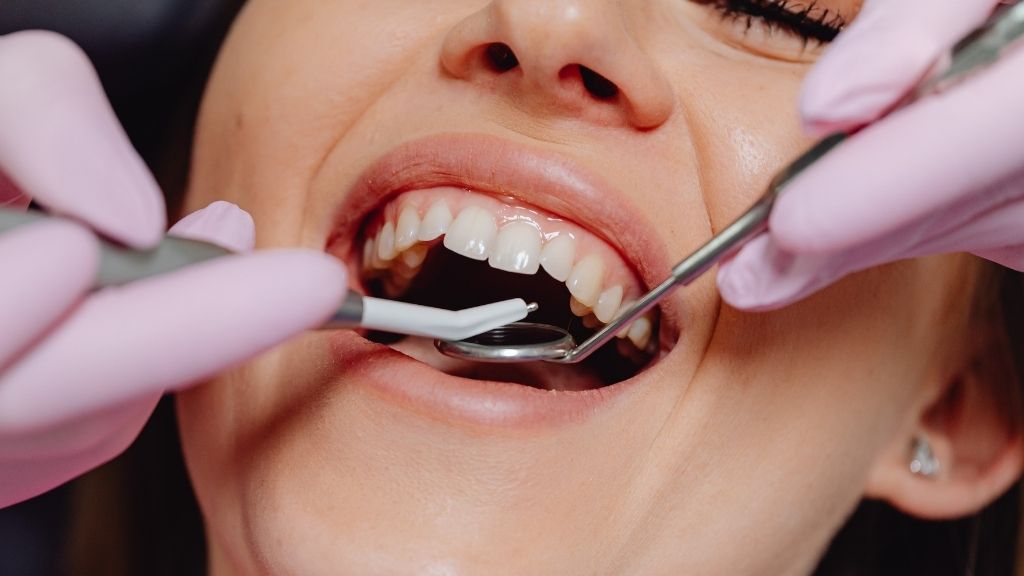
Dental Crowns in Los Angeles
Dental Crowns protect a tooth that has lost strength from damage, deep decay, or prior dental work. A crown covers and reinforces the tooth so chewing feels more stable and the tooth can handle normal pressure again. PhD Dental is Los Angeles focuses on crowns that feel natural in the bite, since patients notice right away when a restoration feels high, uneven, or difficult to clean.
A crown should solve the problem that made the tooth feel unreliable in the first place, not create a new set of frustrations. Dentists plan crown shape and fit carefully so the tooth closes comfortably, food does not pack around the edges, and daily brushing feels straightforward. Material selection also matters because front teeth and back teeth face different demands, and the best option depends on how you use the tooth day to day. Clear expectations help patients feel confident that the result will hold up and remain comfortable over time.
Call (323) 269-5437 to speak with PhD Dental in Los Angeles about dental crowns and schedule an appointment to find out if a crown is the right solution for your tooth.
Top-Rated Dentists
in Los Angeles
Patient-First Dentistry for Every Stage of Life
From early childhood development to adult care, we focus on patient comfort and comprehensive treatment.
Removing Barriers to Dental Care
We believe everyone deserves access to high-quality dental care, regardless of financial situation.

Comprehensive Dentistry Under One Roof
Orthodontics, implants, oral surgery, and preventative care all conveniently located in our clinics.
Expertise, Access & Convenient Locations
Multiple clinic locations across Los Angeles with extended hours to fit your busy schedule.
How Dental Crowns Restore Strength and Chewing Comfort
Dental crowns restore strength and chewing comfort by rebuilding a tooth’s working surface and protecting the remaining structure from further breakdown. A damaged tooth can flex under pressure, which often causes sharp pain during chewing or a constant sense that the tooth might crack again. A well-made crown creates a stable outer shell so biting feels more predictable and the tooth can handle daily use with less sensitivity and less worry.

A crown wraps the tooth and helps hold it together when the remaining structure no longer supports normal chewing force on its own. This coverage can reduce the risk of fractures that often happen when patients chew on harder foods or clench at night. Patients often feel more confident because the tooth stops feeling fragile.
Reinforcing Teeth After Large Fillings or Prior Dental Work Using Crowns
Large fillings can leave thin walls of tooth structure that break more easily over time. A crown can provide reinforcement by taking pressure off weakened edges and distributing force more evenly. This approach helps patients feel safer using the tooth normally again.
Why Reinforcement Often Reduces “Careful Chewing” Habits
Many patients start avoiding one side or chewing lightly because they do not trust the tooth. Once a crown restores stability, they often stop guarding and return to normal chewing patterns. That change improves daily comfort because eating feels less stressful.
How Dentists Choose Crowns to Protect Teeth with Cracks or Heavy Wear
A tooth with a crack can worsen quickly if chewing continues to stress the same fracture line. A crown can help reduce flexing and protect the tooth from further splitting. Patients appreciate this because it can preserve the tooth and reduce the chance of a more urgent problem later.
How Los Angeles Dentists Evaluate Whether a Crown Can Save the Tooth
Dentists check how the tooth responds to pressure and whether the crack pattern suggests a stable restoration. They also assess whether the tooth has enough healthy foundation for long-term support. This guidance builds trust because the recommendation is tied to the tooth’s real condition, not a default treatment.
Chewing comfort depends on how the crown meets the opposing tooth and how it fits into the bite. If the bite lands too heavily on a crown, patients may feel soreness, jaw tension, or sensitivity that makes eating unpleasant. Dentists focus on bite accuracy so the crown feels like part of the natural bite rather than a foreign high point.
Balanced Contacts That Reduce Pressure and Improve Comfort
A crown should share chewing pressure with surrounding teeth instead of taking the main load. Balanced contacts can reduce sensitivity and help the tooth feel stable when biting. Patients often notice this improvement quickly once the bite feels even.
Why Small Bite Adjustments Can Improve Comfort Fast
Even a minor high spot can make a crown feel uncomfortable during normal chewing. Dentists can refine contacts so pressure distributes more evenly. Patients often feel immediate relief because the tooth stops taking excessive force.
The Importance of Shaping the Crown Surface for Efficient Chewing
Chewing works best when the crown surface supports normal food breakdown and natural jaw movement. Dentists shape the crown so it guides chewing smoothly without creating awkward contact points. Patients value this because the crown feels functional, not distracting.
How Proper Contours Help Prevent Chewing Fatigue
A crown that matches natural chewing patterns reduces the effort needed to break down food. Better contours also lower the risk of food packing that irritates gums. This attention supports satisfaction because meals feel easier and more predictable.
Crowns can help reduce sensitivity by shielding the tooth from temperature changes and pressure triggers. A damaged tooth often becomes reactive because it has less natural insulation and may have exposed areas that respond to cold or biting. A crown can restore protection so the tooth feels calmer during everyday use.
Crowns Reduce Temperature Sensitivity with Better Tooth Protection
Patients often notice sensitivity to cold drinks or hot foods when a tooth is compromised. A crown can help by covering exposed areas and reducing how much stimulus reaches the sensitive parts of the tooth. This can make daily eating and drinking feel more comfortable.
Why Sensitivity Improvement Often Depends on Proper Fit
Even a strong crown can feel uncomfortable if the seal is not secure. Dentists focus on fit at the edges and a stable bite because those details influence whether the tooth stays calm. Patients trust practices that treat fit as a comfort issue, not just a technical detail.
Supporting Comfortable Chewing by Reducing Tooth Flex
Weakened teeth can flex slightly under load, which can trigger pain and increase crack risk. A crown can reduce that flexing and make chewing feel steadier. Patients often value this because it changes chewing from cautious to confident.
How Crown Strength Helps Patients Use the Tooth Normally Again
When the tooth feels stable, patients stop testing it with light pressure and start chewing normally. That return to normal use often improves overall comfort because the jaw no longer compensates. This functional confidence is a key reason crowns improve daily quality of life.
Choosing Dentists in Los Angeles for Dental Crown Placement
Choosing dentists in Los Angeles for dental crown placement comes down to craftsmanship, communication, and how carefully the practice protects the tooth before and after the crown is placed. A crown can look good on day one and still create problems later if the edges do not seal well, the bite contacts feel slightly off, or the gums get irritated around the restoration. Patients tend to feel more confident when the dentist explains what will be checked, how comfort will be confirmed, and what follow-up support looks like if the crown needs refinement.
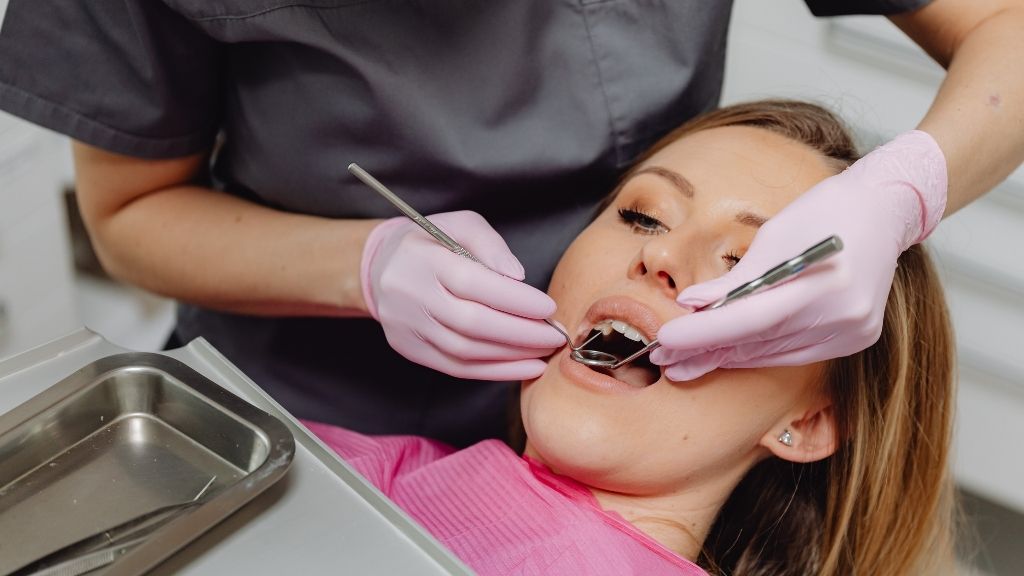
A strong crown result depends on how precisely the crown fits at the margins and how smoothly it transitions into the natural tooth. Dentists who emphasize fit reduce the chance of food trapping and sensitivity that can show up after the novelty of the new crown wears off. This focus also supports long-term value because the supporting tooth stays healthier.
Margin Seal Quality That Helps Prevent Decay Under a Crown
The margin is the seam where crown meets tooth, and it should stay tight and cleanable. If that seam has gaps or roughness, bacteria can collect and create problems that patients cannot see until they become painful. Dentists in Los Angeles who prioritize margin accuracy help patients feel reassured because they know the crown was built to protect the tooth, not just cover it.
How Patients Can Recognize Signs of a Crown Seal Problem
Persistent sensitivity near the gumline or a feeling that food catches around the crown can signal an issue worth evaluating. Gum irritation in one consistent spot can also point to a seam that needs attention. Patients appreciate a dentist who responds quickly to these concerns and treats them as fixable, not something to ignore.
Contact Point Precision That Keeps Cleaning Manageable
A crown needs proper contacts with neighboring teeth so floss can pass through without shredding or getting stuck. Contacts that are too tight or too open can lead to daily frustration and gum soreness. Dentists who take time to refine contacts help patients maintain hygiene without turning cleaning into a chore.
Why Food Packing Often Means the Crown Needs Refinement
If food repeatedly wedges in the same place, gums can become inflamed and tender. That discomfort can make patients avoid flossing, which worsens the problem. Addressing contact issues early supports satisfaction because daily care becomes easier and more comfortable.
A crown should feel natural during chewing, not like a high spot that changes how the jaw closes. Small bite imbalances can lead to soreness, chipping, or long-term stress on the tooth. Dentists who prioritize bite checks improve trust because they measure success by comfort and stability, not by appearance alone.
Balanced Bite Contacts That Reduce Clenching Pressure on Crowns
Even pressure distribution helps protect the crown from excessive force. This matters for patients who clench at night or chew heavily on one side. Dentists in Los Angeles often focus on bite balance because it can prevent small discomfort from turning into a recurring problem.
Why Fine-Tuning the Bite Can Prevent Cracks and Sensitivity
When a crown takes too much force, the tooth underneath can become sensitive and the crown may wear faster. A minor adjustment can remove the pressure point and improve comfort quickly. Patients value this approach because it shows the practice wants the crown to work long term, not just pass an initial fit test.
Chewing Surface Shaping That Supports Natural Function
Crown surfaces should match how the teeth normally guide and break down food. If the shape is off, patients may feel chewing fatigue or notice that the bite slides awkwardly. Dentists who shape crowns with function in mind help patients feel like the crown disappears into normal daily use.
How Proper Function Design Reduces Jaw Tension During Meals
When the chewing surface supports smooth contact, the jaw does not have to compensate. That can reduce the urge to shift the bite or avoid certain foods. Patients often notice comfort improvements when chewing feels effortless again.
The best crown experience includes clear guidance on what to expect after placement and when to return if something feels off. Patients often have questions about sensitivity, bite feel, or gum tenderness, and they want a plan that does not leave them guessing. Dentists who communicate clearly tend to deliver a better overall experience because patients feel supported beyond the appointment.
Clear Aftercare Guidance That Sets Realistic Expectations
Some patients experience mild sensitivity after a crown, and knowing what is normal reduces stress. Dentists provide guidance on what should improve in the first days and what symptoms deserve a check. This clarity builds trust because patients know the practice will take concerns seriously.
Why Early Check-Ins Matter for Dental Crown Comfort
Small issues are easier to correct when they are caught early. A quick adjustment can prevent weeks of discomfort and protect the tooth under the crown. Patients appreciate this approach because it keeps the experience responsive.
Long-Term Monitoring That Protects the Investment in a Dental Crown
A crown should last, and routine checkups help confirm that the margin stays clean and the bite remains stable. Dentists monitor wear patterns and gum health because those factors influence crown longevity. Patients often feel more confident when they know crown care includes ongoing oversight.
How Dentists Help Patients Keep Crowns Healthy Through Daily Habits
Practical guidance about brushing around the gumline and keeping flossing consistent helps protect the crown margins. Dentists may also discuss habits that stress crowns, like chewing ice or grinding, so patients can make informed choices. This support improves satisfaction because it gives patients control over long-term outcomes.
How Dentists Match Crown Material to Tooth Location and Use
Dentists match crown material to tooth location and use because front teeth and back teeth face very different demands. A crown on a molar has to handle heavier chewing force, while a crown on a front tooth needs a natural appearance in close conversation and photos. Patients tend to feel more confident when the dentist explains material choices in practical terms, including strength needs, appearance goals, and how the crown will hold up with daily habits.
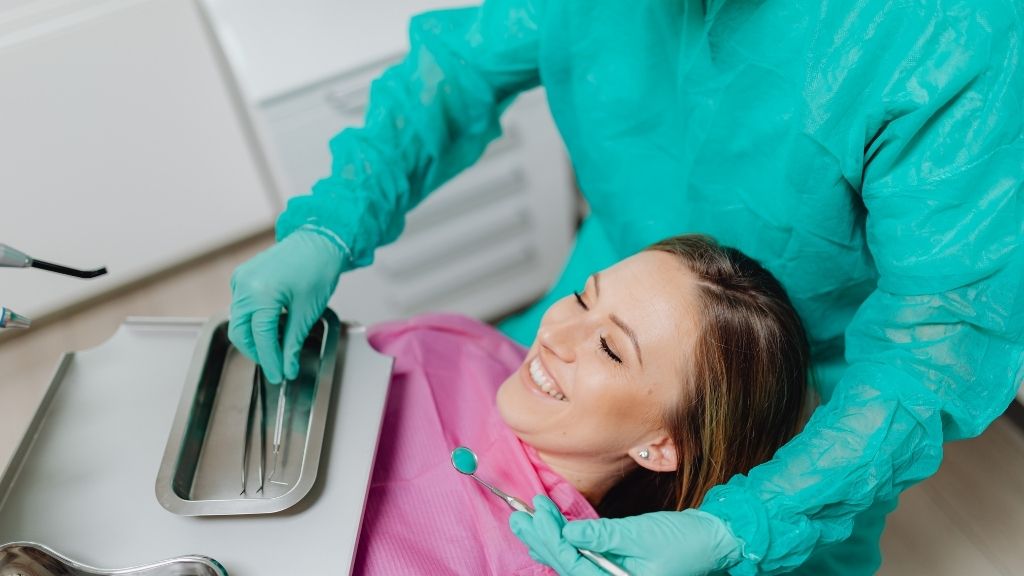
Where the crown sits in the mouth affects how much force it takes and how visible it is when you smile. Dentists consider whether the tooth handles grinding, whether it supports your bite, and whether it sits in the aesthetic zone. This location-based approach builds trust because it shows the recommendation is tailored, not automatic.
Front Tooth Crown Materials Chosen for Natural Appearance
Front teeth are highly visible, so dentists often prioritize lifelike translucency and a natural shade match. The goal is a crown that blends with surrounding teeth so it does not look flat or overly bright. Patients often appreciate this guidance because it keeps the result believable in everyday lighting.
How Dentists Balance Shade Matching With Long-Term Color Stability
Some materials hold shade better over time than others, especially when exposed to staining habits. Dentists consider both the initial match and how the crown will look months and years later. Patients feel more satisfied when the plan accounts for longevity rather than focusing only on day-one appearance.
Back Tooth Crown Materials Selected for Strength Under Chewing Load
Molars and premolars carry more force during meals, so dentists often recommend materials designed for durability. A strong option can reduce the chance of chipping and help the crown maintain its chewing shape over time. Patients value this because chewing comfort depends on a crown that stays intact.
Why Bite Habits Matter for Crown Material on Molars
Grinding and clenching can increase stress on crown materials, especially on back teeth. Dentists evaluate these habits and may recommend a stronger choice when the bite loads heavily. This approach supports trust because it connects the recommendation to real function, not generic preference.
Beyond location, dentists also look at how you use your teeth and what your routine looks like. Some patients chew harder foods, have a history of restorations wearing down, or notice jaw tension from clenching. A good recommendation reflects those factors so the crown feels reliable in real life.
Clenching and Grinding Considerations for Dental Crown Durability
Patients who clench or grind may need a material that resists wear and holds up under repeated pressure. Dentists also consider how crown material interacts with the opposing tooth to reduce uneven wear. Patients often feel more confident when the plan addresses these forces rather than ignoring them.
How Dentists Reduce Long-Term Wear Risk Through Material Choice
Some materials resist surface wear better, which helps maintain bite contacts over time. Dentists may also plan protective strategies when grinding is present, including monitoring bite changes at checkups. This guidance improves satisfaction because it protects the crown from premature breakdown.
Chewing Patterns and Food Preferences That Affect Crown Selection
People who regularly eat harder or chewier foods may place different demands on a crown than someone who tends to eat softer foods. Dentists consider these preferences because crown strength and edge durability can matter more in certain routines. Patients appreciate this discussion because it makes the choice feel personal and practical.
Why a Crown Should Match Lifestyle, Not Just Tooth Type
Two people can need crowns on the same tooth location and still benefit from different material choices. Lifestyle, bite habits, and appearance goals influence what will feel best long term. This perspective builds trust because it treats the patient as part of the decision, not as a standard case.
Crown materials vary in how they handle strength, translucency, and wear. Dentists explain options at a high level so patients can make a confident choice without feeling overwhelmed. A clear explanation improves satisfaction because patients understand what they are choosing and why it fits their tooth.
All-Ceramic and Porcelain Options for Natural-Looking Crowns
Ceramic-based crowns can provide a natural appearance that works well for visible teeth. Dentists often recommend them when shade matching and lifelike reflection matter. Patients often prefer this option because it blends smoothly with surrounding teeth.
When Appearance Needs Drive the Recommendation
Some patients care most about avoiding an obvious restoration on a front tooth. Dentists can recommend materials that provide a more natural look while still supporting daily function. This guidance supports confidence because it focuses on realistic aesthetic outcomes.
Stronger Options Designed for High-Force Areas
Some crown materials are favored for back teeth because they hold up well under repeated chewing pressure. Dentists recommend these choices when durability and resistance to chipping matter most. Patients value this because the crown feels dependable during normal meals.
How Dentists Explain Tradeoffs Without Overcomplicating Materials
Patients usually want to know what will last, what will look natural, and what maintenance will feel like. Dentists can explain tradeoffs in plain language so the choice feels straightforward. This approach supports trust because it keeps the decision patient-centered.
The best crown material choice supports comfort today and durability for years. Dentists in Los Angeles align material decisions with bite forces, cleaning needs, and the patient’s expectations for appearance. Patients often feel more satisfied when material choice is explained as part of the long-term plan.
Maintenance and Cleanability Considerations Tied to Crown Material
Material choice can affect how the crown surface feels and how it responds to staining and wear. Dentists consider how easily a patient can maintain good hygiene and what habits may affect the crown. This planning supports a better experience because it reduces avoidable issues later.
Why Practical Maintenance Guidance Builds Patient Confidence
Patients feel more in control when they know how to care for a crown and what habits to avoid. Clear guidance reduces anxiety and helps the crown last longer. This emphasis supports satisfaction because the result remains predictable over time.
Schedule an Appointment with PhD Dental to Find Out if a Dental Crown Is the Right Solution
Dental Crowns in Los Angeles should solve a specific problem, protecting a tooth that no longer feels reliable and restoring a bite that feels comfortable during normal meals. The right consultation connects what you feel day to day, such as sensitivity, sharp pain on chewing, or repeated breakage, to a clear plan for reinforcing the tooth and keeping the restoration stable long term. PhD Dental uses this visit to clarify whether a crown is the best option for your tooth, what the expected outcome should feel like, and what details will matter most for comfort and longevity once the crown is in place.
A crown decision also benefits from honest guidance about alternatives and timing, especially when patients want to avoid unnecessary treatment or repeated repairs. PhD Dental focuses on practical expectations, including how the tooth should feel in the bite, what your maintenance routine will look like, and when follow-up refinements may be helpful. This approach helps patients move forward with confidence because the goal is not simply to place a crown, it is to restore predictable function that holds up in daily use. When the plan matches your tooth’s needs and your routine, a crown can feel like a return to normal, not another cycle of dental work.
Call (323) 269-5437 to schedule an appointment with PhD Dental in Los Angeles and find out if a dental crown is the right solution for your tooth.
Get in Touch with PhD Dental
Pick your location
Los Angeles
Los Angeles is a diverse and fast-moving city where access to dependable dental care is essential for individuals and families alike. PhD Dental serves patients throughout Los Angeles with a commitment to personalized care and long-term oral health.
Hours
- Mon 9:30AM - 6:30PM
- Tue 9:30AM - 6:30PM
- Wed 9:30AM - 6:30PM
- Thu 9:30AM - 6:30PM
- Fri 9:30AM - 6:30PM
- Sat 9:00AM - 4:00PM
- Sun Closed