
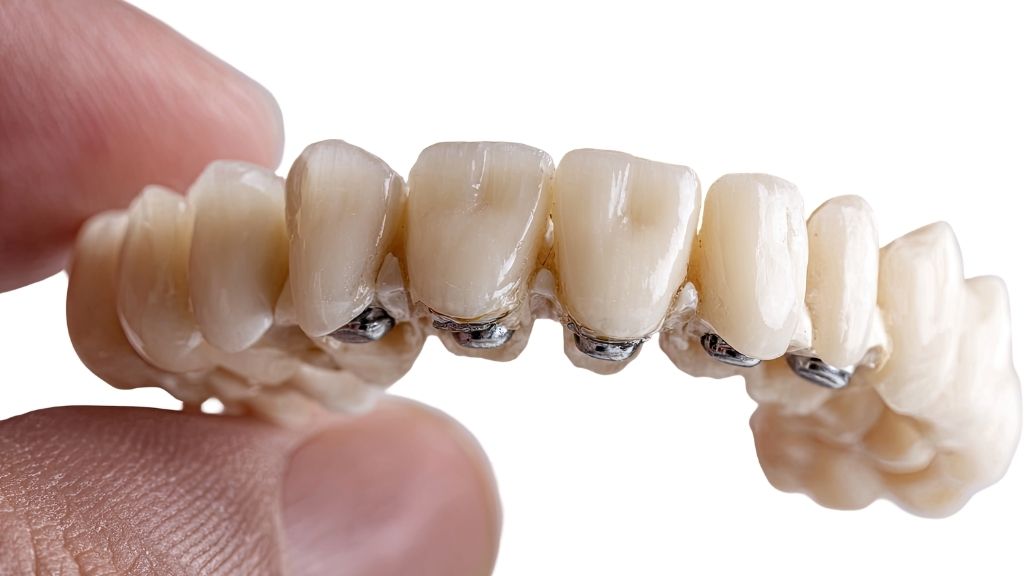
Dental Bridges in Los Angeles
For Los Angeles dental patients, a bridge can restore chewing balance when a missing tooth creates a gap that affects comfort, spacing, and day-to-day confidence. A bridge replaces the missing tooth with a fixed solution supported by neighboring teeth, which helps the bite feel more complete during meals and reduces the feeling that everything has to work around the open space. PhD Dental evaluates bridge fit with a practical lens, since patients want a result that feels stable, looks natural, and stays easy to live with.
A well-planned bridge can prevent the slow shifting and uneven contact that often follows tooth loss, especially when patients start favoring one side or avoiding certain foods. Dentists also consider how the supporting teeth will handle long-term load, because the strength of the final result depends on the foundation. Clear planning matters because bridge success is not only about closing a gap, it is about protecting function and making sure the bite meets comfortably over time. Patients tend to feel more confident when the plan includes realistic expectations for maintenance and follow-up.
Call (323) 269-5437 to speak with PhD Dental in Los Angeles about dental bridges and schedule a consultation to review options for restoring a stable, comfortable bite.
Top-Rated Dentists
in Los Angeles
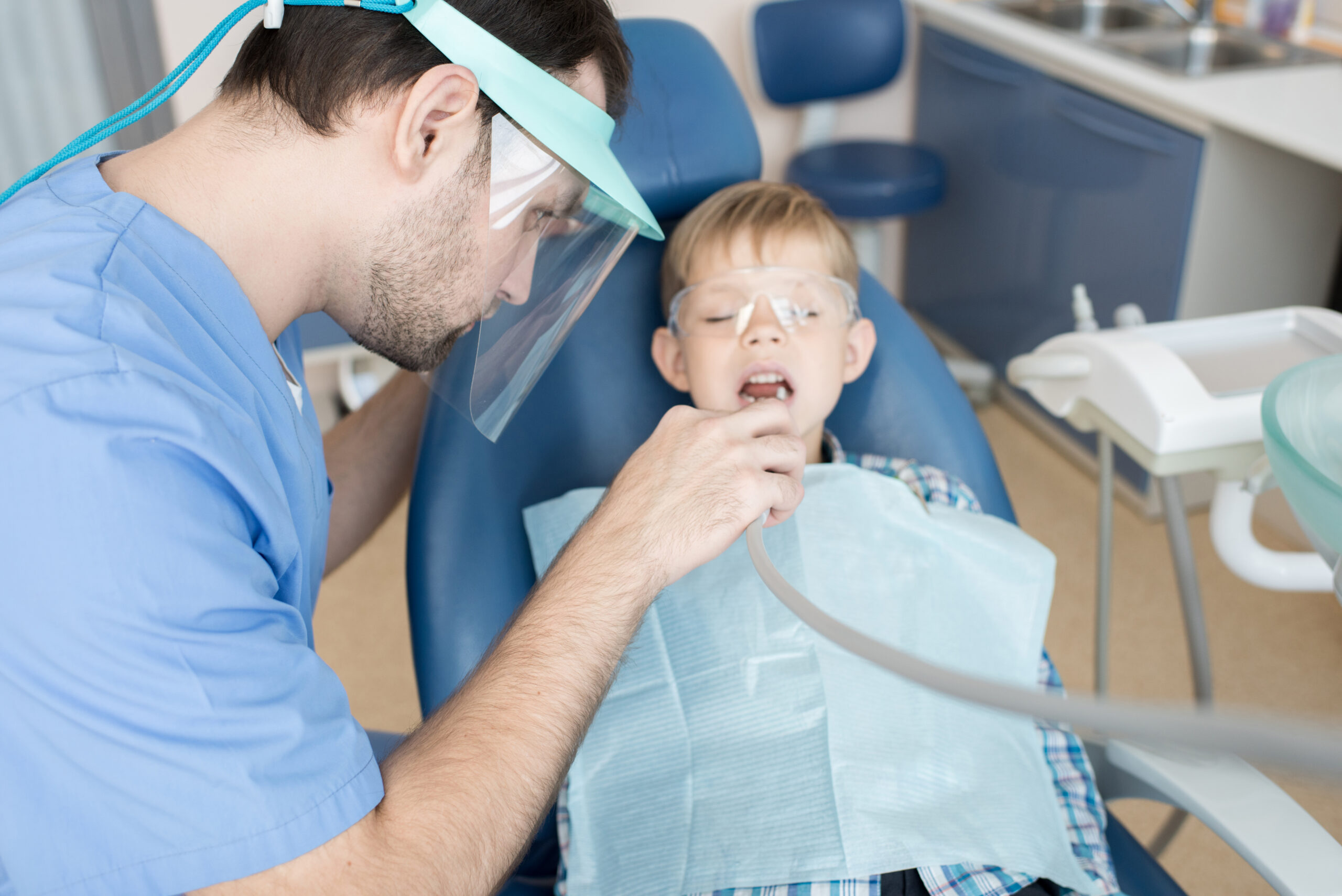
Patient-First Dentistry for Every Stage of Life
From early childhood development to adult care, we focus on patient comfort and comprehensive treatment.
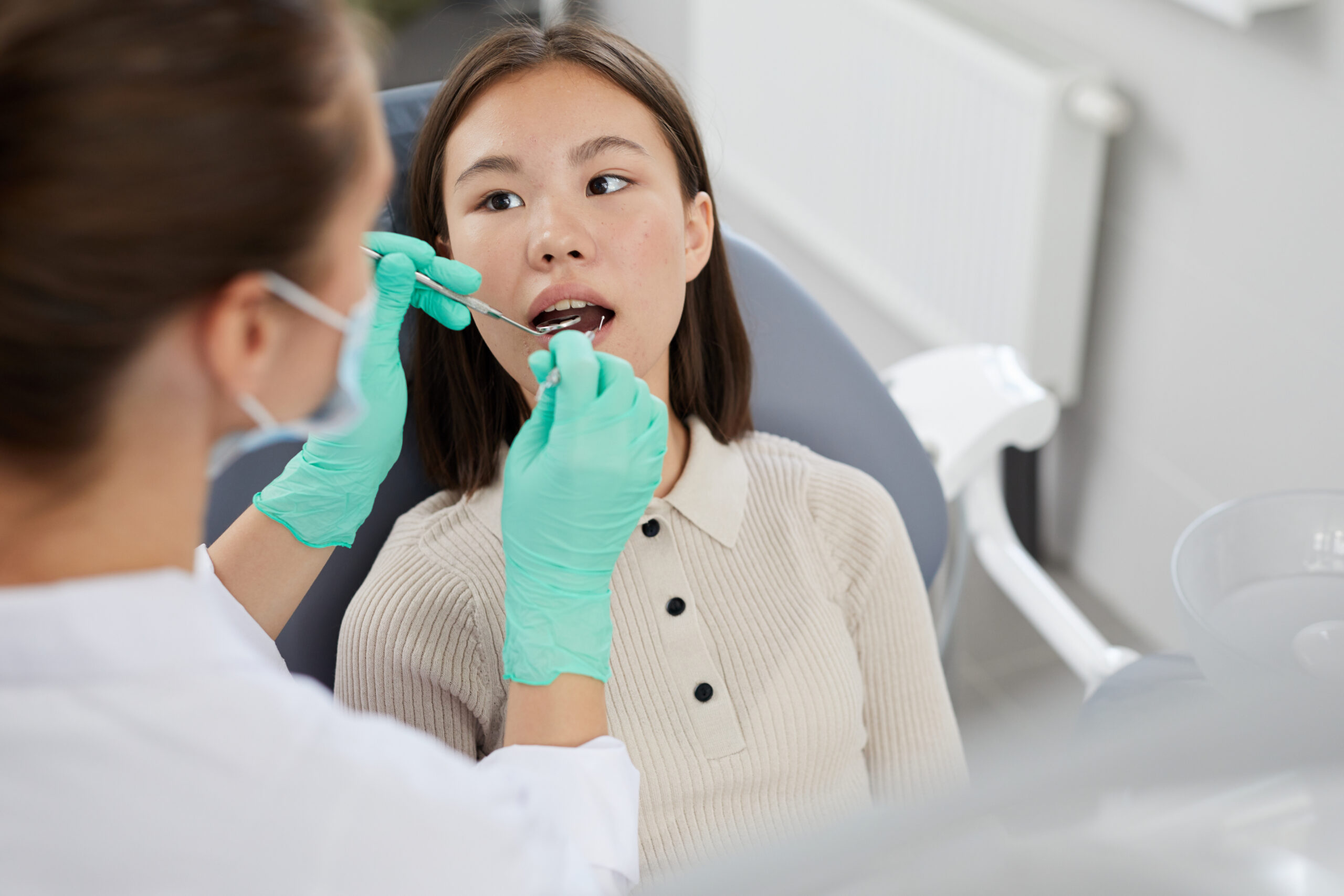
Removing Barriers to Dental Care
We believe everyone deserves access to high-quality dental care, regardless of financial situation.

Comprehensive Dentistry Under One Roof
Orthodontics, implants, oral surgery, and preventative care all conveniently located in our clinics.
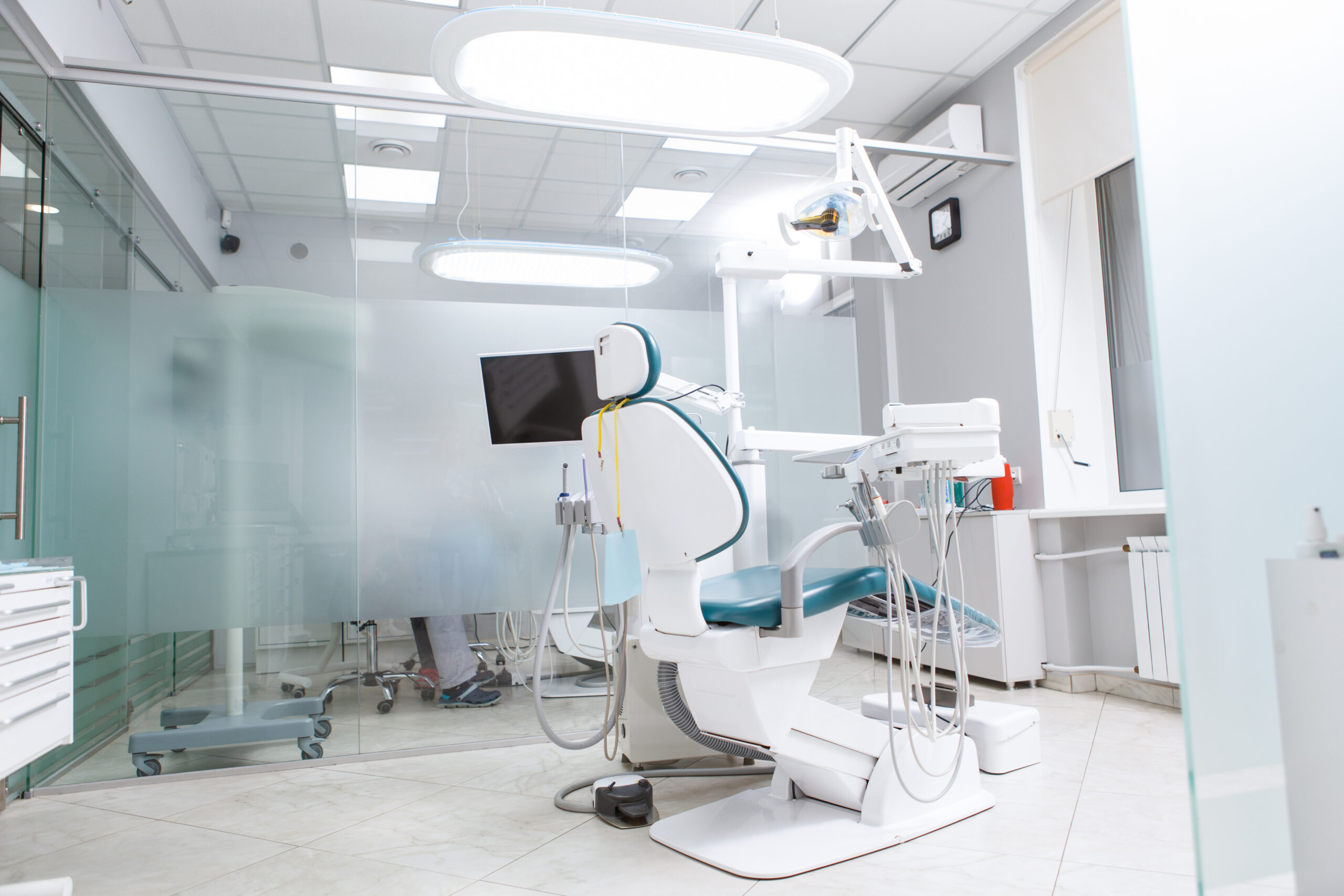
Expertise, Access & Convenient Locations
Multiple clinic locations across Los Angeles with extended hours to fit your busy schedule.
How Dental Bridges Compare to Implants and Partial Dentures
Dental bridges compare to implants and partial dentures by offering a fixed way to close a gap without requiring a removable appliance, while also avoiding the surgical steps involved with implants. The best option depends on what you want day to day, how the supporting teeth and bone look, and how much treatment time you can realistically commit to. Dentists in Los Angeles focus on practical fit and long-term predictability, since patient satisfaction often comes from choosing the solution that matches comfort, maintenance, and stability expectations.
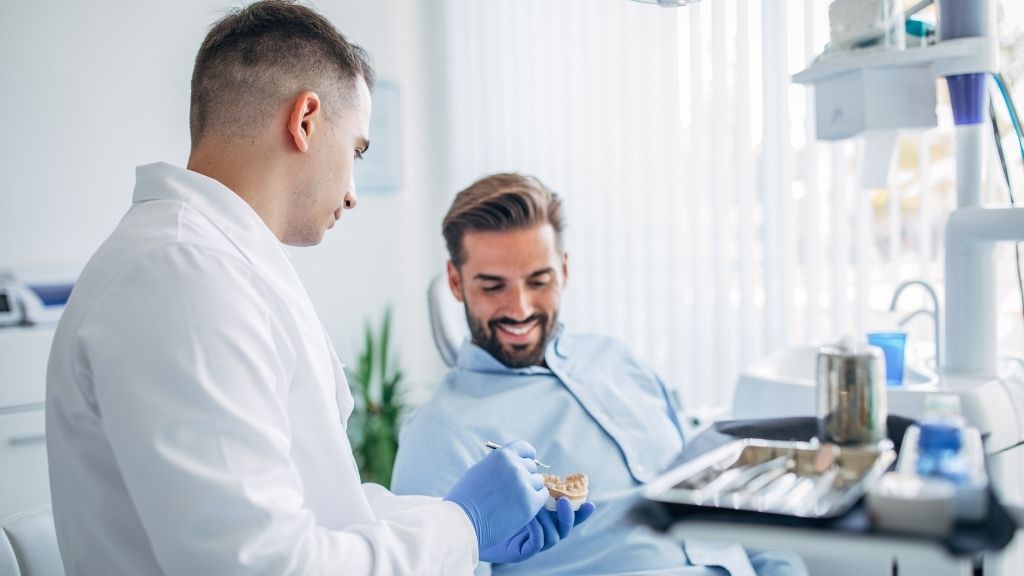
Many patients choose bridges because they want a tooth replacement that stays in place and feels consistent during meals. A bridge can restore the missing tooth space without asking the patient to remove an appliance or adjust to an altered routine. This fixed feel often improves confidence because the result blends into normal chewing and speaking.
Day-to-Day Simplicity Dental Bridges Provide Compared With Partial Dentures
Partial dentures can be a good option, but they require removal, cleaning steps, and adaptation to an appliance that may feel different during eating. A bridge stays in place, which many patients find easier to forget about once they adjust. This difference matters because convenience often drives consistency and overall satisfaction.
Why “Fixed” Matters for Patients Who Eat and Speak in Social Settings
Some patients worry about movement or visibility with removable options, especially during meals with others. A bridge often reduces those concerns because it functions more like a natural tooth replacement. That stability can help patients feel more comfortable in everyday situations.
Faster Functional Restoration Compared With Implant Timelines
Implants often require a longer sequence, including healing time, before the final tooth is placed. A bridge can sometimes restore function in a shorter overall window, depending on the situation and supporting teeth. Dentists explain timelines clearly so patients can choose a path that fits real scheduling needs.
How Dentists in Los Angeles Match Tooth Replacement to Time Constraints
Patients often balance work, family responsibilities, and travel plans when choosing treatment. Dentists review the steps involved and clarify what appointments and recovery may look like. This transparency builds trust because patients can plan around the process without surprises.
Dental implants replace a missing tooth by anchoring into the jawbone, which avoids relying on neighboring teeth for support. This approach can offer strong independence for the replacement tooth, but it also involves surgical placement and a longer overall timeline. Dentists consider health factors, bone conditions, and patient preferences before recommending an implant-based plan.
Bone Support and Long-Term Stability Considerations
Implants rely on bone support, so dentists evaluate whether bone quantity and health are sufficient for predictable placement. Some patients have enough support for implants, while others may require additional steps that extend treatment. This evaluation improves satisfaction because patients receive realistic options instead of a one-size plan.
Why Bone Health Can Determine Whether Implants Are Practical
Insufficient bone can complicate implant placement and may require grafting or additional healing time. Patients often appreciate hearing this early because it prevents delays later. Clear guidance helps patients choose the solution that matches their timeline and comfort level.
Maintenance Differences Between Implants and Dental Bridges
Both implants and bridges require maintenance, but the routines can differ based on how the restoration is designed. Dentists explain what cleaning access looks like and how follow-up care supports longevity. Patients often feel more confident when they know what home care will involve before committing.
How Dentists in Los Angeles Set Expectations for Long-Term Tooth Replacement Care
Trustworthy recommendations include a clear explanation of what needs monitoring over time. Patients benefit from knowing what to watch for and when to return for evaluations. This approach supports confidence because maintenance becomes predictable rather than reactive.
Partial dentures can replace one or multiple missing teeth and may be recommended when several spaces need coverage or when a patient prefers a removable option. They can also be a practical choice when supporting teeth are not ideal for a bridge. Dentists help patients understand these differences so the decision feels clear.
Flexibility Advantages of Partial Dentures for Multiple Gaps
When more than one tooth is missing, a partial denture may cover several areas without requiring a separate fixed restoration for each gap. This can make treatment more adaptable as needs change over time. Patients often value the flexibility when tooth loss is spread across the arch.
Why Dentists Consider Partial Dentures When Support Teeth Are Limited
A bridge depends on strong supporting teeth, and not every patient has neighboring teeth that can serve as a stable foundation. Dentists may recommend a partial denture when support is not reliable enough for a bridge plan. Patients trust this guidance because it prioritizes long-term outcomes.
Comfort and Adaptation Differences With Removable Appliances
Partial dentures often require a short adaptation period as the mouth adjusts to the appliance. Dentists provide clear guidance to reduce discomfort and improve daily wear confidence. Patients appreciate this support because they want realistic expectations rather than vague reassurance.
How Proper Fit and Follow-Up Improve Partial Denture Satisfaction
Regular check-ins help address pressure points and keep the appliance fitting well. A well-maintained partial denture can feel more stable and comfortable over time. This ongoing support helps patients feel confident that their care plan stays responsive.
A reliable recommendation focuses on the patient’s goals, the condition of supporting teeth, and what daily life should feel like after treatment. Dentists compare options based on stability, maintenance, timing, and cost planning so patients can make an informed decision. Patients often feel more satisfied when the dentist explains the tradeoffs clearly instead of pushing a single solution.
Choosing a Dental Bridge Based on Stability Goals and Day-to-Day Practicality
Some patients want a fixed solution they can forget about, while others prefer removability and flexibility. Dentists clarify which option matches the patient’s lifestyle and comfort expectations. This personalized approach builds trust because it centers the decision on the patient’s priorities.
Why Clear Tradeoffs Help Patients Avoid Regret Later
Patients tend to regret tooth replacement decisions when they did not fully understand the maintenance or adaptation involved. A clear tradeoff discussion helps patients commit confidently. This supports satisfaction because the outcome matches expectations, not just the initial hope.
Why Fit and Bite Accuracy Matter for Dental Bridge Success
Dental bridge success depends on how precisely the bridge fits at the margins and how accurately the bite meets during chewing. A bridge can look fine at a glance and still create daily frustration if it traps food, feels high when you close, or places extra stress on the supporting teeth. Dentists in Los Angeles prioritize fit and bite accuracy because these details influence comfort, longevity, and how natural the bridge feels in everyday use.
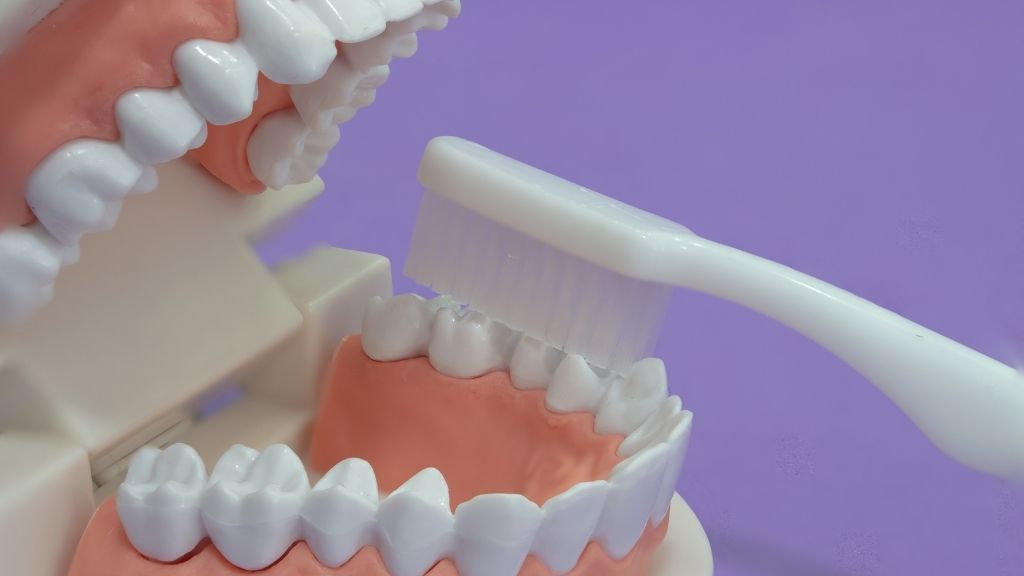
A bridge should seat securely and closely against the supporting teeth so the foundation stays strong. Small gaps or rough transitions can allow food and bacteria to collect, which increases the risk of irritation and decay around the bridge. Patients usually feel more confident when the bridge feels clean, stable, and predictable during meals.
Margin Integrity That Reduces Irritation and Sensitivity
The margin is where the bridge meets the natural tooth, and that junction needs to stay smooth and well-sealed. A poor seal can lead to temperature sensitivity and gum irritation, even if the bridge appears stable. Dentists focus on margin integrity because it supports a healthier environment around the bridge.
How a Clean Seal Helps Prevent Future Dental Work
A tight seal helps limit bacteria intrusion and reduces the likelihood of decay developing under the restoration. This protects the supporting teeth, which matters because those teeth carry the bridge’s long-term load. Patients value this detail because it lowers the chance of unexpected problems later.
Contact Points That Prevent Food Trapping Around a Dental Bridge
A bridge needs proper contacts with neighboring teeth so food does not wedge into the space. Poor contacts can cause persistent flossing frustration and gum soreness that patients notice daily. Dentists in Los Angeles treat contact accuracy as a quality marker because it improves hygiene comfort and patient satisfaction.
Why Food Trapping Often Signals a Fit Issue Worth Fixing
If the bridge allows repeated packing in the same spot, the gum tissue can become inflamed and sensitive. That irritation can make cleaning feel unpleasant, which can lead to inconsistent hygiene. Addressing contact issues early protects comfort and helps the bridge last longer.
Even a well-fitting bridge can fail early if the bite lands too heavily on it. A high spot can create pressure that leads to soreness, chipping, or overload on the supporting teeth. Dentists emphasize bite accuracy because comfort during chewing is one of the clearest signs of bridge success.
Balanced Chewing Contacts That Prevent Overload and Fracture Risk
A dental bridge should share chewing pressure with surrounding teeth rather than taking the brunt of force. When contacts are balanced, patients usually stop noticing the bridge during meals. This balance supports longevity because it reduces stress that can wear materials down.
How Dentists Check Chewing Pressure Beyond “Does It Feel High”
Patients can sense discomfort, but small imbalances can still exist without obvious pain at first. Dentists check bite contacts carefully to confirm even pressure distribution. This builds trust because it shows the practice aims for precision rather than relying on trial and error.
Bite Alignment That Protects Jaw Comfort and Daily Function
A bridge that changes how the teeth meet can affect jaw comfort over time, especially for patients who clench or grind. Dentists evaluate bite alignment to make sure the bridge supports natural closing patterns. Patients often appreciate this because it reduces the chance of developing new tension or soreness.
Why Minor Bite Adjustments Can Improve Comfort Immediately
Small refinements can remove a pressure point that causes the mouth to guard during chewing. Once that pressure is corrected, patients often feel a quick improvement in comfort. This responsiveness improves satisfaction because the bridge feels like it belongs in the bite.
Quality bridge work involves more than placing a restoration, it involves planning how the bridge will function over years of daily use. Dentists select materials, shape surfaces, and refine contacts to support durability and cleanability. Patients trust this approach because it reflects long-term thinking rather than a quick cosmetic fix.
Surface Contouring That Supports Natural Bite Movement
The chewing surface needs to match how your teeth naturally glide and contact during eating. Poor contour can create awkward chewing patterns or uneven wear that affects comfort. Dentists shape the bridge carefully so it supports a smoother, more natural feel.
How Proper Contours Reduce Chewing Fatigue
When the surface matches normal function, the jaw does not have to compensate. Patients often feel less fatigue during meals because chewing becomes more efficient. This benefit supports long-term satisfaction because the bridge improves daily comfort.
Cleaning Access Designed Into the Bridge From the Start
A bridge should allow reasonable cleaning so patients can maintain gum health around the restoration. Dentists consider how flossing tools and cleaning routines will work with the final design. This planning matters because hygiene challenges can shorten bridge lifespan.
Why Cleanability Often Determines Long-Term Bridge Success
Patients keep bridges longer when they can clean effectively without constant struggle. Better hygiene protects gums and supports the supporting teeth. This focus reinforces trust because it shows the plan includes maintenance, not just placement.
Even high-quality bridges benefit from follow-up evaluation, especially if bite patterns change or sensitivity appears. Dentists confirm that fit remains secure, that contacts remain comfortable, and that cleaning stays manageable. Patients often feel reassured when ongoing care is part of the plan.
Early Check-Ins That Catch Small Issues Before They Grow
Small bite issues can become bigger problems if they remain uncorrected. Early check-ins allow minor refinements that protect comfort and prevent wear. This approach supports satisfaction because patients feel supported after placement.
How Ongoing Monitoring Protects the Investment in a Dental Bridge
A bridge is meant to last, and long-term value depends on keeping fit and bite stable. Monitoring helps dentists address changes before they cause damage to supporting teeth. Patients trust practices that treat longevity as a shared responsibility.
How LA Dentists Choose Bridge Design Based on Tooth Support
LA dentists choose bridge design based on tooth support because the strength of the foundation determines how stable and comfortable the bridge will feel over time. The supporting teeth have to handle daily chewing forces while keeping the bridge seated securely and easy to maintain. A trustworthy recommendation explains why a specific bridge design fits your support conditions, rather than treating every gap as the same problem.

Before choosing a bridge type, dentists evaluate how well the potential support teeth can carry load and remain healthy long term. They consider tooth structure, gum stability, and whether the supporting teeth already have restorations that affect strength. Patients tend to feel more confident when the plan is clearly tied to support quality, since that approach helps prevent early failures.
Healthy Tooth Structure That Can Reliably Anchor a Fixed Bridge
A bridge depends on strong supporting teeth that can accept preparation and still remain durable. Dentists look for enough healthy structure to support a stable fit without creating future weakness. This matters because a bridge is only as reliable as the teeth holding it.
Why Strong Support Teeth Often Improve Bridge Longevity
When support teeth remain healthy and stable, the bridge tends to feel more secure and requires fewer adjustments. That stability also helps protect bite comfort because the bridge does not rock or flex under pressure. Patients appreciate this because the bridge feels predictable day to day.
Gum and Bone Support That Keeps the Foundation Stable
Even when teeth appear strong, gum health influences long-term support and comfort. Dentists evaluate the gumline and surrounding support to reduce the chance of inflammation that can affect bridge stability. Patients trust this focus because it shows the plan prioritizes long-term health, not just closing the gap.
How Stable Gums Support a Cleaner, More Comfortable Bridge Outcome
Healthy gums often make cleaning easier and reduce soreness around the bridge. When gums remain calm, the bridge tends to feel more natural during brushing and flossing. This supports satisfaction because comfort stays consistent instead of fluctuating.
Different bridge designs serve different support situations, and dentists match design to location and load. A front-tooth gap may have different priorities than a back-tooth gap where chewing pressure is higher. Patients benefit when dentists explain these differences in plain language because it turns design choice into a practical decision.
Traditional Dental Bridges When Neighboring Teeth Provide Strong Support
Traditional bridges often fit well when the teeth on both sides of the gap can support the bridge reliably. This design can deliver a stable, fixed feel when the foundation is strong and the bite can be balanced. Patients often prefer this option because it functions like a fixed restoration without daily removal.
Why Bite Load Matters More for Back Teeth Bridge Design
Back teeth experience higher chewing forces, so bridge design must handle heavier load without stressing the supporting teeth. Dentists consider force distribution so the bridge does not become a weak point during meals. This planning supports longevity and protects comfort.
Cantilever Bridge Decisions When Support Exists on Only One Side
A cantilever bridge may be considered when only one neighboring tooth can serve as a stable anchor. Dentists approach this design carefully because it can create leverage that increases stress on the supporting tooth. Patients trust the recommendation more when the dentist explains why the design fits their specific gap location and force patterns.
How Dentists Reduce Leverage Stress in Cantilever Bridge Planning
Dentists pay close attention to bite contacts and overall load so the anchor tooth is not overloaded. They also assess whether the gap location makes a cantilever design reasonable. This attention supports satisfaction because the plan protects the supporting tooth, not just the appearance of the space.
Sometimes the support teeth are not ideal for a fixed bridge, or the gap pattern makes a bridge less practical. Dentists may recommend a removable option when it reduces stress on compromised teeth or provides a better long-term path. Patients often appreciate this honesty because it avoids pushing a fixed solution that might fail prematurely.
Support Teeth That Are Not Strong Enough for Bridge Preparation
If the neighboring teeth have limited structure or significant prior restorations, a bridge may place too much demand on them. Dentists consider whether preparation would increase the risk of future issues. This evaluation builds trust because it prioritizes tooth preservation and predictability.
Why Conservative Dental Bridge Planning Can Prevent Bigger Problems Later
Choosing a bridge on a weak foundation can lead to repairs that become more extensive over time. A conservative plan can protect remaining teeth and keep options open. Patients often feel more confident when the recommendation avoids unnecessary risk.
Multiple Missing Teeth That Make Fixed Bridge Design Less Practical
When several teeth are missing across an area, a single bridge may not provide the best balance of support and maintenance. Dentists may suggest alternative solutions that handle larger spans more reliably. This approach supports satisfaction because it matches the solution to the real scope of tooth loss.
How Dentists Explain Span Length and Stability to Dental Bridge Patients
A longer span can flex more and place more strain on support teeth. Dentists often explain this as a stability issue rather than using technical terms. Patients appreciate the clarity because it helps them understand why a different approach may be safer.
Bridge design also depends on material strength and how well the restoration will handle daily chewing. Dentists select materials that match the location of the bridge, the patient’s bite habits, and the need for a natural look. Patients value this because the plan accounts for both function and appearance.
Material Strength Decisions Based on Chewing Demand
Some materials perform better under heavier load, while others prioritize aesthetics and subtlety. Dentists consider where the bridge sits and how much force it will take during meals. This planning supports trust because it shows the recommendation is tailored, not generic.
Why Dental Bridge Material Selection Influences Maintenance and Wear
A bridge that resists wear tends to maintain bite contacts more reliably over time. Better wear resistance can reduce the need for adjustments later. Patients appreciate this because the bridge feels consistent and lasts longer.
Design Details That Improve Cleanability Around Support Teeth
Cleanability matters because supporting teeth need to stay healthy for the bridge to succeed. Dentists plan the shape and spacing so patients can keep the area clean with realistic routines. This focus improves satisfaction because patients do not feel stuck with a bridge that is difficult to maintain.
How Better Cleanability Protects the Teeth Holding the Bridge
When cleaning stays manageable, plaque buildup reduces and gum tissue remains healthier. Healthy support teeth reduce the chance of complications that shorten bridge lifespan. This long-view thinking builds confidence in the plan.
Restore Chewing Comfort with a Dental Bridge from PhD Dental
Dental bridges in Los Angeles work best when the replacement tooth feels like a natural part of your bite. A well-designed bridge should help you stop avoiding certain foods, reduce the urge to chew on one side, and make meals feel more predictable again. PhD Dental focuses on restoring that kind of everyday comfort by planning the bridge around your support teeth and how your bite actually meets during chewing.
A bridge decision also needs to account for long-term maintenance, since comfort depends on keeping the supporting teeth healthy and the bridge cleanable. Our team explains what to expect with hygiene tools, follow-up check-ins, and the small adjustments that can protect the way the bridge seats over time. This approach helps patients feel confident that their dental bridge will stay stable and comfortable, especially in the areas that matter most during daily meals. When the plan matches your bite and your routine, a bridge can feel less like a restoration and more like a return to normal function.
Call (323) 269-5437 to schedule a consultation with PhD Dental in Los Angeles and find out whether a dental bridge is the right way to restore comfortable chewing.
Get in Touch with PhD Dental
Pick your location
Los Angeles
Los Angeles is a diverse and fast-moving city where access to dependable dental care is essential for individuals and families alike. PhD Dental serves patients throughout Los Angeles with a commitment to personalized care and long-term oral health.
Hours
- Mon 9:30AM - 6:30PM
- Tue 9:30AM - 6:30PM
- Wed 9:30AM - 6:30PM
- Thu 9:30AM - 6:30PM
- Fri 9:30AM - 6:30PM
- Sat 9:00AM - 4:00PM
- Sun Closed