
Mini Dental Implants in Lynwood
Mini dental implants are used when traditional implant placement would require more bone modification than makes sense. These state-of-the-art mini dental implants in Lynwood are evaluated based on bone thickness, restorative purpose, and how much long-term load the implant is expected to manage. Dentists consider whether a narrower implant can perform reliably without introducing unnecessary surgical complexity. The goal is proportional treatment that matches the clinical need. Planning for mini dental implants in Lynwood also requires understanding their limitations alongside their advantages.
These implants are not intended to replace every missing tooth scenario. Decisions are guided by restraint and clarity about what the implant is expected to do short-term and long-term. Mini dental implants are selected when they fit the problem precisely rather than just because of their size. If you are considering mini dental implants in Lynwood and want to understand whether this option aligns with your goals and long-term expectations, call PhD Dental at (323)269-5437 or visit our contact page to schedule a consultation focused on your specific situation.
Top-Rated Dentists
in Los Angeles
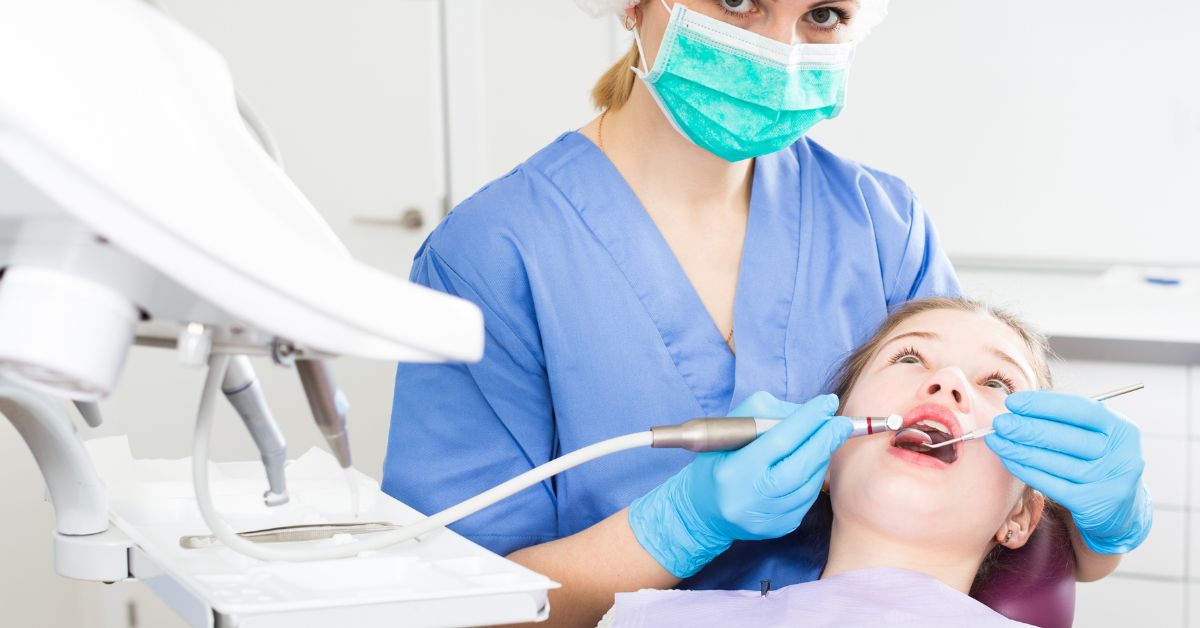
Patient-First Dentistry for Every Stage of Life
From early childhood development to adult care, we focus on patient comfort and comprehensive treatment.
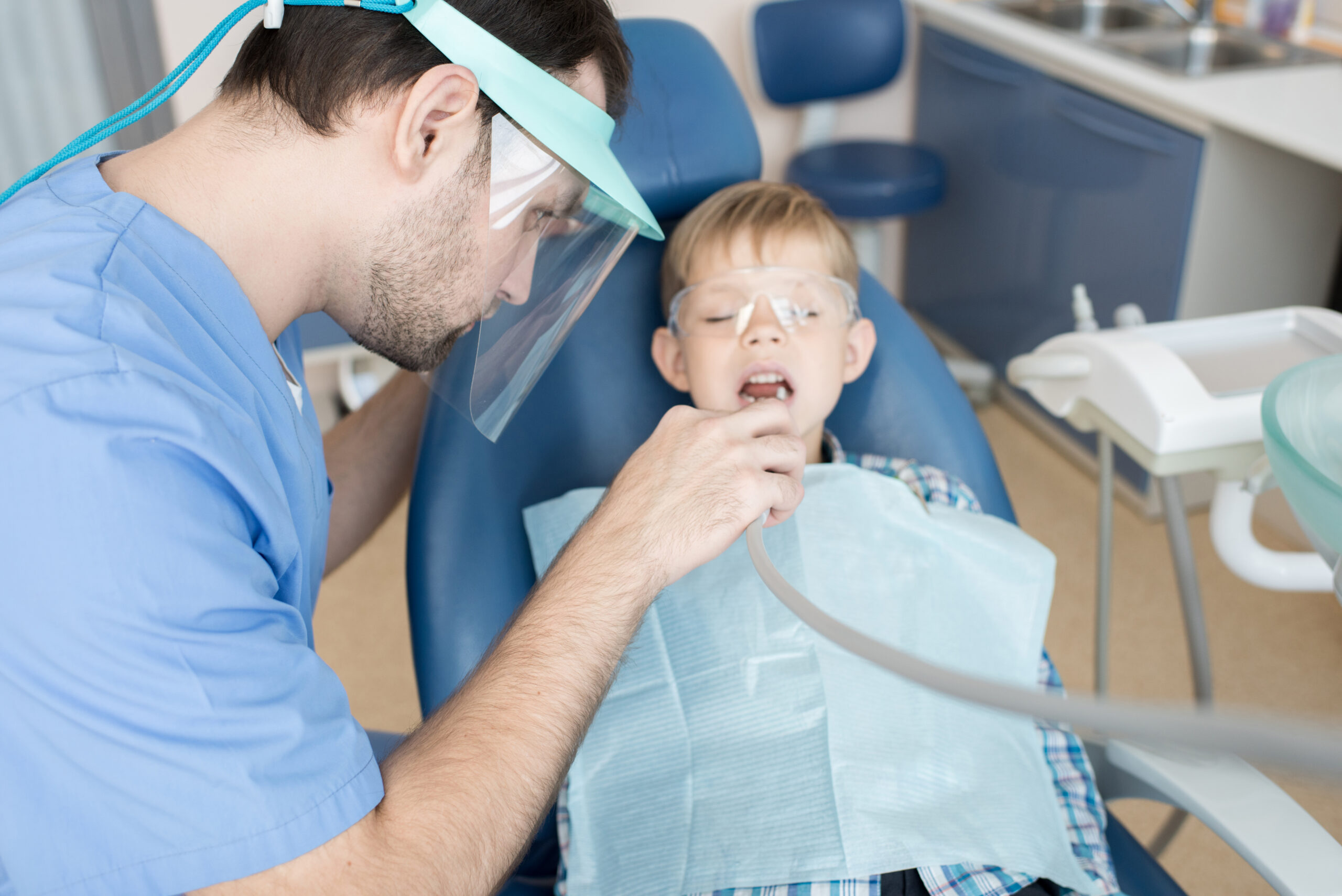
Removing Barriers to Dental Care
We believe everyone deserves access to high-quality dental care, regardless of financial situation.

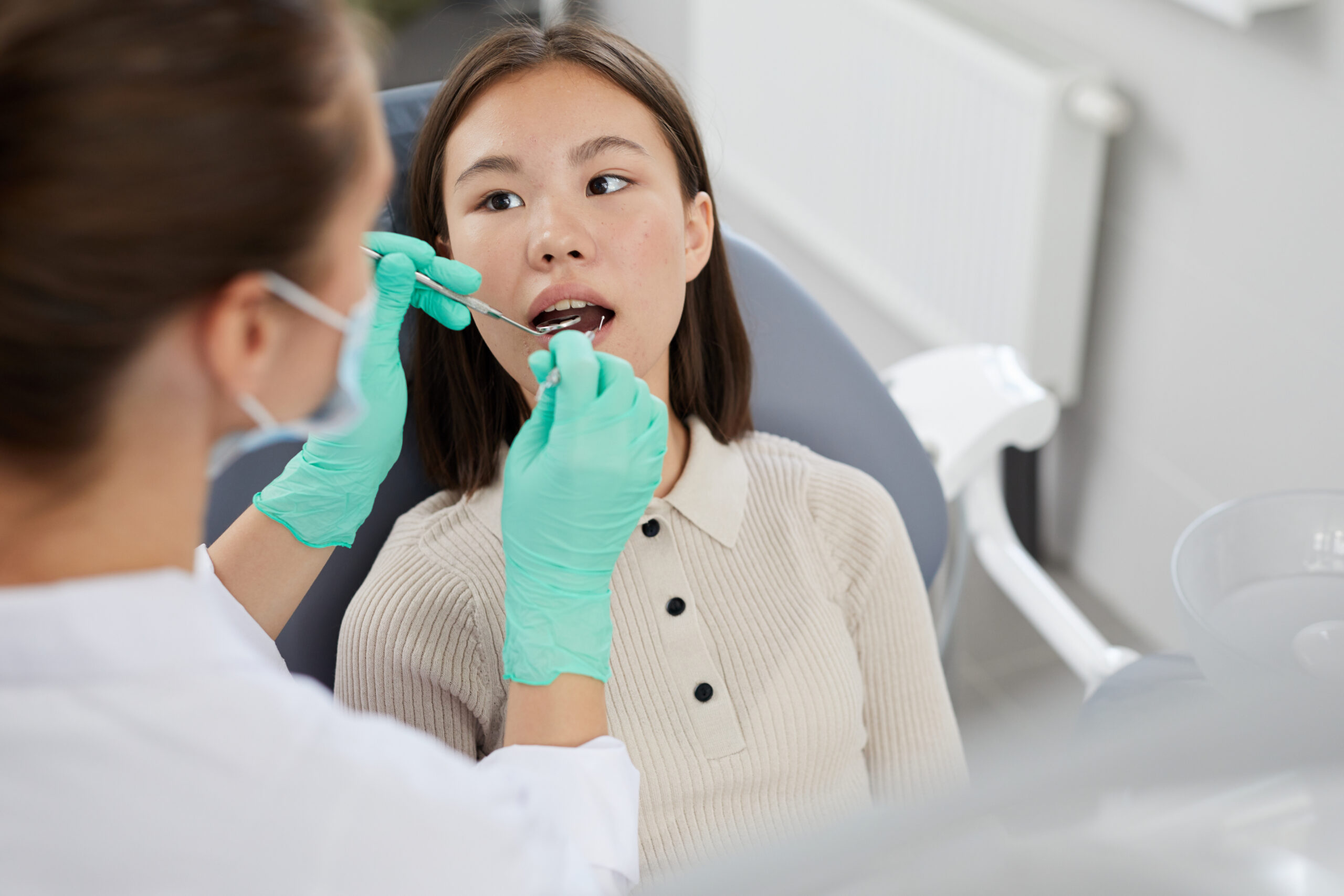
Comprehensive Dentistry Under One Roof
Orthodontics, implants, oral surgery, and preventative care all conveniently located in our clinics.
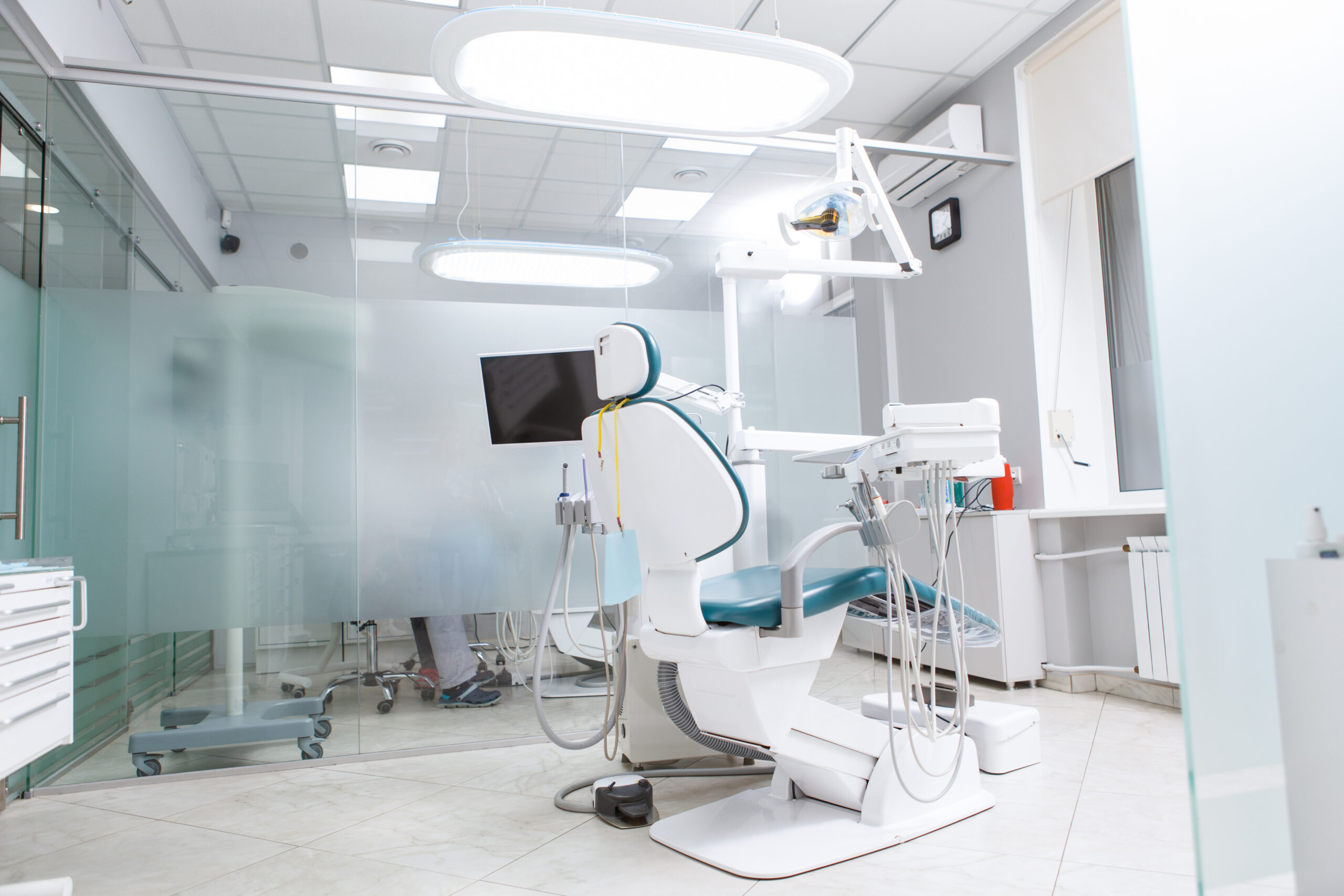
Expertise, Access & Convenient Locations
Multiple clinic locations across Los Angeles with extended hours to fit your busy schedule.
Table of Contents
- When Mini Dental Implants in Lynwood Are Used Instead of Standard Implants
- What Mini Dental Implants in Lynwood Are Designed to Stabilize
- How Dentists Evaluate Longevity Expectations for Mini Dental Implants in Lynwood
- How PhD Dental Approaches Mini Dental Implants With Proportional Planning
- Speak With PhD Dental Today to Learn About Our Mini Dental Implants in Lynwood
When Mini Dental Implants in Lynwood Are Used Instead of Standard Implants
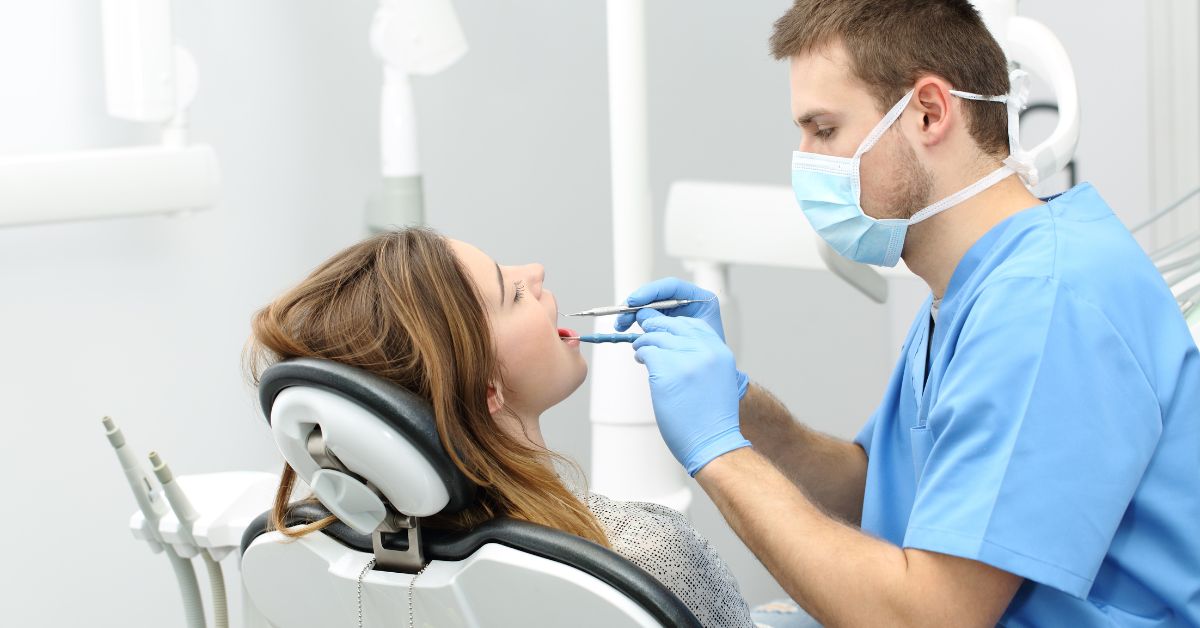
Mini dental implants in Lynwood are used when the structural demands of the restoration do not justify the additional bone modification required for standard implant placement. This decision centers on proportionality, meaning the implant choice reflects how much force support is actually needed rather than defaulting to the largest available option. Dentists evaluate bone width, restorative purpose, and expected load to determine whether a narrower implant can perform reliably over time. The goal is to match the solution to the clinical problem without introducing unnecessary surgical complexity. Mini dental implants are selected intentionally, not as a simplified substitute.
Using mini dental implants in Lynwood instead of standard implants also reflects a planning philosophy that prioritizes restraint and long-term serviceability. Our PhD Dental providers consider how much bone removal or grafting would be required for a standard implant and whether that intervention meaningfully improves outcomes. When additional surgery adds risk without proportional benefit, mini implants may offer a more appropriate path. These decisions are grounded in function, not convenience. Implant selection follows the demands of the case.
Mini dental implants in Lynwood are often used when jawbone width cannot accommodate standard implants without significant grafting. Narrow ridges may provide adequate height and density but lack the horizontal dimension needed for wider implants. Dentists assess whether existing bone can securely engage a smaller diameter implant without compromising stability. This approach avoids altering bone structure beyond what is necessary for the intended restoration. Bone preservation remains a guiding principle.
How Ridge Width Influences Implant Choice
Ridge width determines how much implant surface can contact bone safely. When width is limited, placing a standard implant may require grafting that increases healing time and complexity. Dentists evaluate whether a mini implant can achieve sufficient engagement within the available bone. This assessment balances structural support with surgical impact.
Why Avoiding Grafting Can Be Clinically Appropriate
Grafting introduces additional variables into healing and long-term maintenance. When functional demands are modest, grafting may not improve outcomes proportionally. Avoiding grafting can simplify recovery while preserving existing anatomy. Clinical appropriateness depends on matching intervention to need.
Mini dental implants in Lynwood are used when the planned restoration does not generate heavy or complex chewing forces. Certain restorations require stabilization rather than full load-bearing support. Dentists evaluate whether the implant will primarily resist movement or support light functional demand. Smaller implants can perform reliably within these limits. Restorative intent guides implant selection.
How Load Expectations Shape Planning Decisions
Dentists analyze how forces will be applied during chewing and daily use. Restorations with limited bite contact place less stress on implants. When load expectations remain within predictable thresholds, mini implants may be appropriate. Planning aligns implant capacity with functional demand.
Why Oversizing Implants Is Not Always Beneficial
Larger implants require more bone and may increase surgical impact unnecessarily. Excess capacity does not improve performance when loads remain low. Proportional planning reduces biological disruption. Implant size should reflect actual demand.
Mini dental implants in Lynwood may be chosen when reducing surgical trauma supports safer healing. Some cases benefit from a less invasive approach due to anatomical or healing considerations. Dentists evaluate whether smaller implants allow placement with reduced bone manipulation. Limiting surgical impact can support smoother recovery. Safety considerations influence implant choice.
How Surgical Scope Affects Healing Expectations
Smaller osteotomies generally disturb less bone and tissue. Reduced disruption can shorten recovery and lower complication risk. Dentists consider how surgical scope interacts with patient tolerance. Healing expectations shape planning.
Why Conservative Surgery Supports Predictability
Fewer surgical variables often lead to more predictable outcomes. Conservative approaches limit exposure to complications. Predictability improves when intervention remains proportional. Implant planning reflects this principle.
What Mini Dental Implants in Lynwood Are Designed to Stabilize

Mini dental implants in Lynwood are designed to provide targeted stabilization rather than broad structural replacement, which shapes how they are selected and how they perform over time. Their narrower diameter and placement approach make them suitable for situations where controlling movement is the primary objective, not supporting heavy or complex chewing forces. Dentists evaluate what needs to be stabilized, how much force will be introduced, and how surrounding bone will respond under daily use. This design intent distinguishes mini implants from standard implants at the planning stage. Understanding what they are meant to stabilize helps set realistic expectations.
This stabilization-focused design also affects how mini dental implants in Lynwood are planned within the broader oral system rather than treated as isolated supports. Dentists consider how controlled stabilization influences surrounding teeth, soft tissue behavior, and long-term comfort during routine function. Because these implants are not intended to manage heavy bite forces, planning emphasizes predictability under light, consistent load rather than maximum strength. Expectations are aligned around control and consistency instead of full structural replacement. This clarity helps prevent misuse of mini implants in situations they are not designed to handle.
Mini dental implants in Lynwood are frequently used to stabilize removable dentures that otherwise shift during speaking or eating. Movement control improves comfort and function without converting the restoration into a fully fixed prosthesis. Dentists assess whether the primary issue is denture instability rather than lack of chewing force support. Stabilization reduces friction, pressure points, and soft tissue irritation caused by denture movement. The goal is controlled retention rather than load-bearing replacement.
How Denture Stabilization Changes Daily Function
Stabilized dentures move less during normal activities such as talking or chewing softer foods. Reduced movement lowers irritation along the gum tissue. Dentists evaluate how much retention is needed to improve comfort. Stability directly affects day-to-day usability.
Why Limited Load Is Still an Important Consideration
Even stabilized dentures transmit some force to implants and bone. Mini implants are selected when these forces remain within predictable limits. Dentists avoid overstressing smaller implants. Load expectations guide design decisions.
Mini dental implants in Lynwood can be used to support specific restorations where full structural replacement is unnecessary. These situations often involve limited bite contact or transitional restorative goals. Dentists determine whether the implant will resist movement rather than absorb heavy chewing forces. This targeted support allows treatment to remain proportional to the problem being addressed. Implant selection reflects function, not size preference.
How Restorative Purpose Shapes Implant Choice
The intended restoration determines how forces will be applied. Dentists analyze whether the implant must carry sustained chewing load or provide positional stability. Mini implants are chosen when demands are modest. Purpose-driven planning reduces unnecessary intervention.
Why Proportional Support Improves Predictability
Overengineering support can increase surgical impact without functional benefit. Matching implant capacity to actual demand protects bone and tissue. Predictability improves when treatment remains proportional. Design intent matters.
Mini dental implants in Lynwood may be used as part of a staged approach to stabilize restorations while longer-term plans are developed. Dentists sometimes use mini implants to maintain function during healing or evaluation periods. This approach allows treatment to proceed without committing immediately to more invasive options. Transitional stabilization maintains comfort and usability. Planning remains flexible.
How Staged Treatment Benefits Certain Situations
Staging allows dentists to observe bone response and patient adaptation over time. Interim stabilization supports daily function without final commitment. Dentists reassess conditions before advancing care. Flexibility supports better long-term decisions.
Why Temporary Does Not Mean Unimportant
Transitional stabilization still requires precise planning and execution. Poor interim support can affect comfort and tissue health. Dentists treat these phases with care. Stability remains essential even temporarily.
How Dentists Evaluate Longevity Expectations for Mini Dental Implants in Lynwood
Longevity expectations for mini dental implants in Lynwood are evaluated by examining how the implant will perform under daily functional conditions over many years rather than assuming uniform durability across all cases. Dentists analyze how often force will be applied, how predictable that force remains throughout routine activity, and whether surrounding bone can tolerate repeated loading without gradual degradation. Because mini dental implants are narrower and intended for specific stabilization roles, they are not evaluated using the same lifespan assumptions applied to standard implants. Planning centers on whether stable performance can be maintained within clearly defined mechanical and biological limits. Longevity is therefore discussed as dependent on conditions rather than treated as an inherent guarantee.
Expectations are further shaped by how the implant integrates into the broader restorative plan and ongoing oral care routine. Dentists evaluate whether hygiene access, restoration design, and monitoring schedules can realistically be maintained across many years of use. Mini dental implants in Lynwood are considered appropriate when projected service life aligns with functional demands and long-term care capacity. This evaluation avoids overstating durability while still acknowledging circumstances where predictable longevity is achievable. Clear discussion of these factors supports informed and realistic decision making.
The type, frequency, and direction of force applied to a mini dental implant strongly influence how long it can remain serviceable without structural compromise. Dentists evaluate whether the implant will experience light and consistent forces or variable loading that fluctuates throughout daily function. Repeated stress beyond intended thresholds can gradually weaken bone support and reduce implant stability over time. Longevity planning aligns implant selection with realistic expectations for functional demand. Force exposure is evaluated as a sustained pattern rather than a single event.
How Dentists Evaluate Bite Behavior Across Daily Function
Dentists assess how teeth contact during routine chewing as well as during habits such as clenching or grinding that increase load unpredictability. Bite analysis helps identify lateral forces or concentrated pressure that may challenge the structural limits of smaller implants. Adjustments are considered to reduce unfavorable stress patterns before they compromise long-term stability. Understanding bite behavior provides insight into how forces will act over time.
Why Predictable Force Application Supports Longer Service Life
Bone adapts more effectively when mechanical forces are applied in stable and repetitive patterns. Irregular or unpredictable loading increases mechanical fatigue at the bone implant interface. Over extended periods, this fatigue can compromise support even when individual forces are moderate. Predictable load distribution improves long-term endurance.
Bone surrounding a mini dental implant must continually remodel in response to mechanical stress to maintain reliable long-term support. Dentists evaluate whether bone density and internal structure are likely to remain stable under sustained functional load. Some bone environments tolerate prolonged stress well, while others demonstrate gradual resorption or weakening. Longevity expectations reflect how bone has responded historically and how it is expected to behave moving forward. Bone response remains a central determinant of service life.
How Dentists Assess Bone Adaptation Beyond Initial Healing
Dentists review imaging trends, healing history, and overall bone health to understand long-term adaptive behavior. Past responses to stress or surgical intervention offer meaningful insight into future remodeling patterns. These observations guide realistic projections regarding implant performance. Bone assessment extends well beyond the initial healing phase.
Why Limited Bone Adaptation Narrows Long-Term Success Margins
Bone that cannot remodel effectively has reduced tolerance for ongoing mechanical demand. Gradual resorption can undermine implant support without producing immediate symptoms. Limited adaptive capacity reduces the margin for long-term stability. Longevity planning accounts for this vulnerability.
The design of the restoration attached to a mini dental implant directly affects how force is transmitted into surrounding bone structures. Dentists evaluate whether the restoration distributes load evenly or concentrates pressure in specific regions. Design decisions regarding size, contour, and material influence how stress accumulates over time. Poor distribution can shorten service life even when surgical placement is precise. Restoration planning plays a central role in longevity evaluation.
How Dentists Align Restoration Design With Implant Capacity
Dentists select restoration types that match the mechanical limits of mini dental implants. Bite contacts are adjusted to reduce excessive vertical or lateral pressure during function. Design decisions reflect stabilization goals rather than maximum load bearing. Proper alignment between design and capacity improves reliability.
Why Disproportionate Restorations Increase Structural Risk
Restorations that exceed the intended function of mini implants transmit excessive force into bone. This disproportionate stress accelerates fatigue and unfavorable remodeling. Dentists avoid designs that overextend implant capacity. Proportional restoration supports sustained performance.
Long-term performance of mini dental implants depends on consistent clinical monitoring rather than passive durability. Dentists evaluate whether follow-up visits and hygiene practices can be maintained realistically over the lifespan of the implant. Early identification of changes allows corrective action before structural compromise develops. Monitoring provides continuous insight into how the implant performs under real conditions. Longevity depends on disciplined, ongoing oversight.
How Regular Evaluation Shapes Long-Term Performance Assessment
Routine examinations reveal subtle changes in stability, tissue response, or load tolerance. Dentists adjust care recommendations based on observed patterns rather than assumptions. Ongoing evaluation provides feedback that informs long-term planning. Performance assessment continues throughout the implant’s service life.
Why Lapses in Care Accelerate Performance Decline
Minor issues can progress gradually when monitoring and hygiene are inconsistent. Accumulated inflammation and unmanaged stress weaken bone support over time. Reduced oversight increases the likelihood of preventable complications. Long-term performance depends on sustained attention.
How PhD Dental Approaches Mini Dental Implants With Proportional Planning
PhD Dental approaches mini dental implants by matching the scale of treatment to the actual functional requirement rather than defaulting to more invasive solutions. Proportional planning involves evaluating how much stabilization is needed, how much force the implant will encounter during daily use, and how surrounding bone and tissue are expected to respond over time. Mini dental implants in Lynwood are considered within this framework only when their size and load capacity align with the restorative objective. This approach avoids unnecessary surgical expansion while still prioritizing predictable mechanical performance. Treatment decisions are shaped by balance, not excess.
This planning philosophy also recognizes that even smaller implants create permanent structural changes once they integrate with bone. PhD Dental evaluates whether the benefits of mini dental implants in Lynwood justify their long-term role within the jaw system. Consideration is given to how proportional choices influence future maintenance demands, adaptability for later dental care, and sustained comfort during function. Clear expectations are established regarding what mini implants are designed to manage and where their limits begin. Proportional planning protects patients from overtreatment and unrealistic performance assumptions.
PhD Dental evaluates whether the functional demand placed on an implant aligns with the mechanical capacity of a mini dental implant. This assessment considers how much chewing force will be transferred, how frequently that force occurs, and whether the primary objective is stabilization rather than full load bearing. Mini dental implants in Lynwood are selected when expected forces remain within ranges that smaller implants can manage consistently. Implant choice is driven by functional demand rather than convenience or preference. Proper alignment between demand and capacity supports predictable outcomes.
How Functional Analysis Directs Implant Selection Decisions
Dentists analyze bite behavior, restoration design, and daily usage patterns to understand how forces will act on the implant. These factors help determine whether loading will remain light, consistent, and centrally directed. Selection decisions are adjusted when analysis reveals potential overload risk. Implant planning follows measured functional realities.
Why Excess Capacity Can Create Unnecessary Risk
Larger implants require greater bone modification and increase surgical scope. When functional demand does not require additional capacity, expanding treatment may introduce avoidable biological stress. Proportional planning limits unnecessary disruption to bone and tissue. Risk is reduced by matching intervention to need.
Proportional planning prioritizes achieving sufficient stability without expanding surgical intervention beyond what is clinically necessary. PhD Dental evaluates whether mini dental implants in Lynwood can meet stabilization goals with reduced bone alteration. Limiting surgical scope can support more predictable healing and lower complication risk when done appropriately. Stability remains the central objective, but it is pursued efficiently. Surgical planning reflects restraint.
How Reduced Surgical Impact Influences Healing Trajectory
Smaller osteotomies generally disturb less bone and surrounding soft tissue during placement. Reduced disruption can influence inflammation levels and early healing response. Dentists consider how surgical scope interacts with patient healing capacity. Healing expectations inform planning decisions.
Why Smaller Procedures Still Demand High Precision
Reduced implant size does not reduce the importance of accurate placement and alignment. Precision remains critical to ensure stability within limited structural dimensions. Errors are less forgiving when margins are smaller. Proportional treatment still requires meticulous execution.
PhD Dental defines clear performance boundaries for mini dental implants before treatment begins. Planning includes discussion of load tolerance, restoration design constraints, and long-term maintenance responsibilities. Mini dental implants in Lynwood are recommended only when anticipated use falls within these defined limits. Establishing boundaries prevents misuse that could compromise longevity. Performance expectations are grounded in design reality.
How Dentists Explain Performance Limits During Planning
Dentists discuss how implant diameter and placement affect force tolerance and endurance. These explanations clarify which applications remain appropriate and which exceed design intent. Communication focuses on aligning expectations with mechanical reality. Informed understanding supports better decisions.
Why Clearly Defined Limits Protect Long-Term Outcomes
Implants perform most reliably when used within their intended parameters. Exceeding those parameters increases the likelihood of mechanical or biological failure. Defined limits guide responsible use over time. Long-term outcomes depend on respecting these constraints.
Speak With PhD Dental Today to Learn About Our Mini Dental Implants in Lynwood
Mini dental implants are not chosen based on availability, but on whether their capabilities match the demands they will face over time. A consultation allows a detailed review of how mini dental implants in Lynwood would function within your bite, how much stabilization is required, and if bone conditions support sustained performance under daily use. PhD Dental frames this discussion around long-term behavior rather than short-term placement. That context helps prevent decisions based on assumptions rather than evidence.
Dentists outline what continued care would involve, how performance is monitored, and how expectations are set before any commitment is made. Understanding the role a dental implant will play over time matters more than choosing an option quickly. Call PhD Dental at (323)269-5437 or visit our contact page to schedule a consultation and discuss if mini dental implants in Lynwood are appropriate for you based on your goals and long-term needs.
Get in Touch with PhD Dental
Pick your location
Los Angeles
Los Angeles is a diverse and fast-moving city where access to dependable dental care is essential for individuals and families alike. PhD Dental serves patients throughout Los Angeles with a commitment to personalized care and long-term oral health.
Hours
- Mon 9:30AM - 6:30PM
- Tue 9:30AM - 6:30PM
- Wed 9:30AM - 6:30PM
- Thu 9:30AM - 6:30PM
- Fri 9:30AM - 6:30PM
- Sat 9:00AM - 4:00PM
- Sun Closed