
Call PhD Dental Today for Exceptional Dental Care
BOOK AN APPOINTMENTLos Angeles Orthodontists
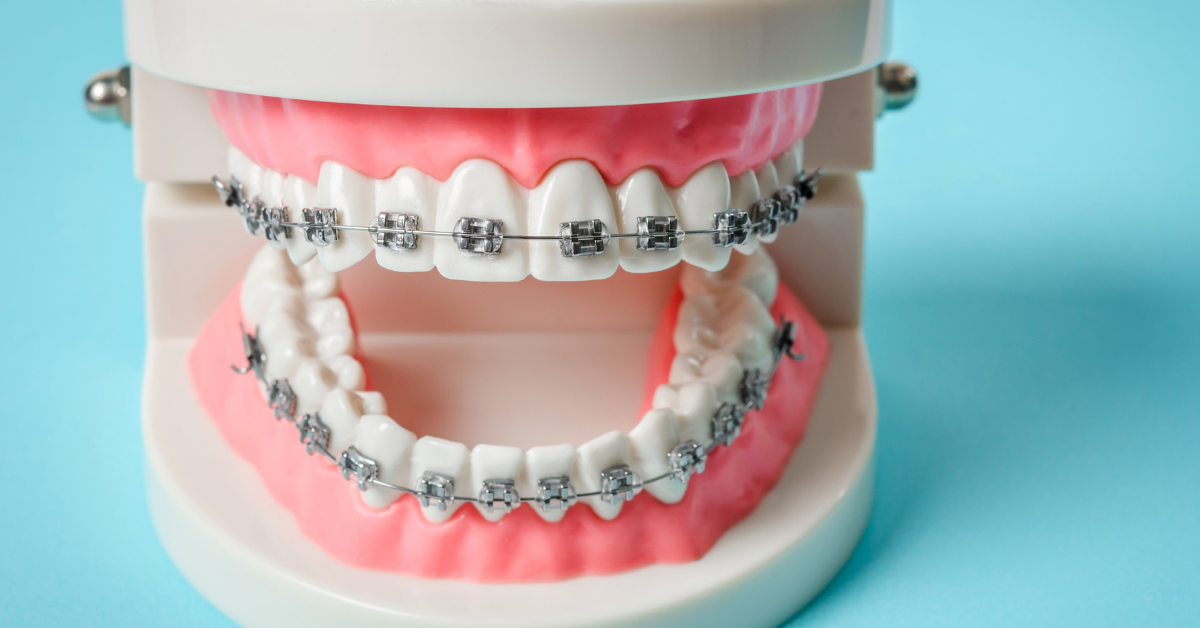
Orthodontic care plays a significant role in improving both oral function and long-term dental health, especially when bite alignment and spacing issues affect how teeth wear or support one another over time. Patients searching for Los Angeles orthodontists are often looking for more than cosmetic improvement, seeking guidance on how alignment concerns may impact chewing efficiency, jaw comfort, and overall oral stability. Orthodontic treatment focuses on correcting these structural issues through carefully planned adjustments that support balanced function as well as appearance.
At PhD Dental, orthodontic care is approached with attention to precision and long-term outcomes rather than short-term correction alone. Our team evaluates alignment concerns within the context of overall oral health, ensuring treatment recommendations support both immediate goals and future stability. Working with experienced Los Angeles orthodontists allows patients to understand how orthodontic treatment fits into a plan for maintaining healthy teeth and gums throughout different stages of life. If you are considering orthodontic treatment for yourself or a family member, call (323) 269-5437 to speak with PhD Dental or visit our contact page to schedule a consultation and learn how orthodontizc care can support lasting oral health.
Top-Rated Dentists
in Los Angeles
Patient-First Dentistry for Every Stage of Life
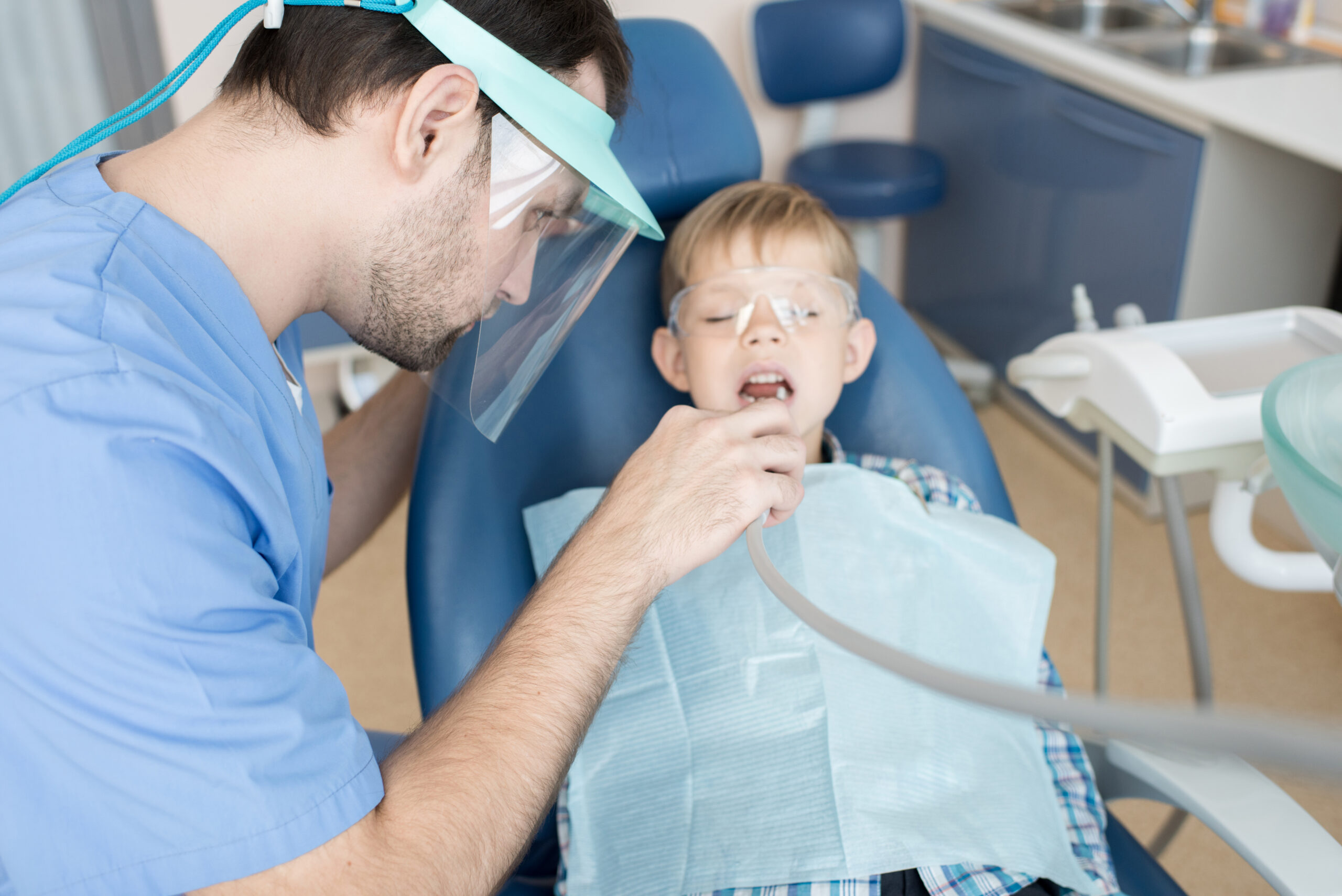
From early childhood development to adult care, we focus on patient comfort and comprehensive treatment.
Removing Barriers to Dental Care
We believe everyone deserves access to high-quality dental care, regardless of financial situation.

Comprehensive Dentistry Under One Roof
Orthodontics, implants, oral surgery, and preventative care all conveniently located in our clinics.
Expertise, Access & Convenient Locations
Multiple clinic locations across Los Angeles with extended hours to fit your busy schedule.
Table of Contents
- Common Alignment and Bite Issues Treated by Los Angeles Orthodontists
- How Los Angeles Orthodontists Evaluate Bite and Tooth Alignment
- How Orthodontic Treatment Plans Are Designed for Long-Term Stability
- How Orthodontic Treatment Progresses From Start to Finish
- Why Long-Term Retention Is Essential After Orthodontic Treatment
- How Orthodontic Care Supports Long-Term Oral Health and Function
- What to Consider When Choosing Orthodontic Care
- Choosing PhD Dental for Thoughtful Orthodontic Treatment Planning
- Schedule Orthodontic Care With PhD Dental Today
Common Alignment and Bite Issues Treated by Los Angeles Orthodontists
Alignment and bite concerns extend beyond cosmetic considerations and often influence how teeth function together over time. When teeth do not align properly, uneven pressure can develop during chewing, which may contribute to excessive wear, jaw discomfort, or difficulty maintaining oral hygiene. Many of these issues develop gradually and may not cause noticeable symptoms at first. Orthodontic evaluation helps identify how structural imbalances affect long-term oral health. Addressing these concerns early supports better function, comfort, and stability.
Orthodontic care focuses on correcting how the upper and lower teeth come together while also improving spacing and alignment within each arch. Treatment planning considers how bite relationships influence tooth wear patterns, gum health, and jaw mechanics. By identifying specific alignment issues, orthodontic care can be tailored to the underlying cause rather than surface-level appearance alone. This approach helps prevent progression of functional problems over time.
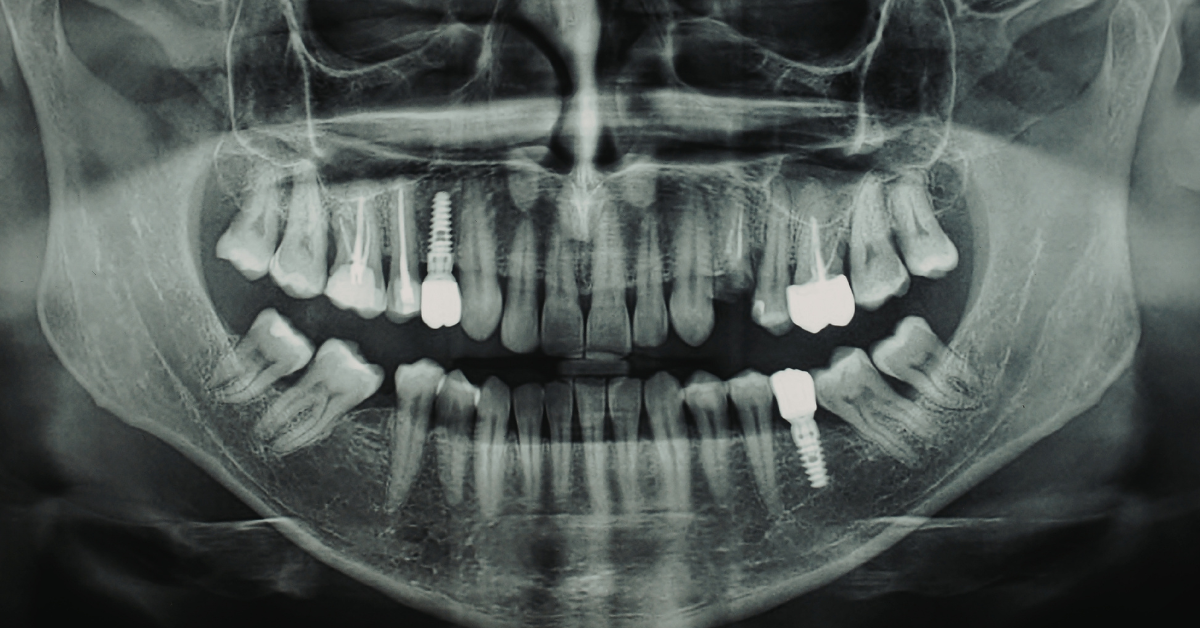
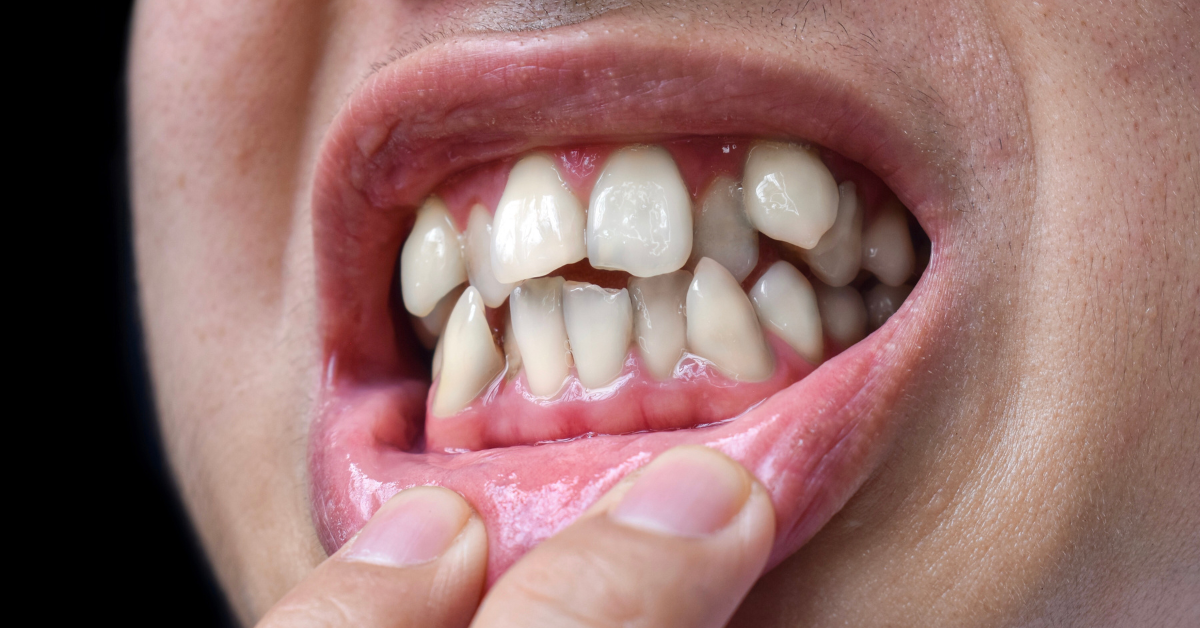
Crowding occurs when there is insufficient space in the jaw for teeth to align properly within the dental arch. Overlapping teeth can make brushing and flossing more difficult, increasing the risk of plaque buildup and gum irritation. Crowding may also affect how force is distributed when biting or chewing. Over time, uneven pressure can contribute to accelerated tooth wear or discomfort. Orthodontic treatment addresses crowding by creating balanced spacing and improving overall alignment.
How Limited Space Impacts Tooth Position
When teeth are crowded, certain surfaces become difficult to access with standard brushing and flossing techniques. Plaque and food debris are more likely to accumulate in these hard-to-reach areas, increasing the risk of cavities and gum inflammation. Limited space also encourages teeth to shift into less stable positions over time, further complicating hygiene and alignment.
Why Early Correction Helps Prevent Alignment Problems
Addressing crowding early reduces the likelihood that misalignment will worsen as teeth continue to shift. Improved spacing supports more effective daily hygiene and balanced bite function. Early orthodontic intervention helps preserve tooth structure and maintain healthier gums over the long term.
Bite issues occur when the upper and lower teeth do not meet in an ideal relationship. An overbite, underbite, or crossbite can alter how chewing forces are distributed across the teeth and jaw. These imbalances may contribute to uneven wear, jaw strain, or speech difficulties. Bite discrepancies often develop due to jaw growth patterns or tooth positioning. Orthodontic care focuses on guiding the bite into a more balanced and functional alignment.
How Bite Imbalances Affect Jaw Function
Improper bite relationships place excessive force on certain teeth and specific areas of the jaw. Over time, this uneven pressure can strain jaw joints, contribute to muscle fatigue, and accelerate enamel wear. Correcting bite alignment helps distribute forces more evenly across the dental arches.
Why Bite Correction Supports Long-Term Oral Comfort
Balanced bite alignment reduces chronic stress on the jaw and surrounding musculature. Improved alignment supports smoother chewing, clearer speech, and more efficient oral function. Long-term comfort is closely tied to corrected bite mechanics.
Spacing issues occur when teeth are separated by gaps due to jaw size, missing teeth, or variations in tooth size. Gaps may affect bite stability and allow neighboring teeth to drift out of alignment over time. Uneven spacing can also influence speech clarity and chewing efficiency. Orthodontic treatment helps guide teeth into more stable and functional positions. Closing or redistributing spaces supports both function and appearance.
How Gaps Can Lead to Tooth Shifting
When gaps are present, teeth may gradually move toward open spaces in unpredictable ways. This shifting can alter bite alignment and create new areas of instability within the dental arches. Changes often continue gradually without orthodontic intervention.
Why Managing Spacing Promotes Long-Term Alignment Stability
Correcting spacing helps maintain consistent tooth positioning and balanced bite relationships. Stable alignment reduces the likelihood of future shifting and functional disruption. Long-term stability supports overall oral health and comfort.
How Los Angeles Orthodontists Evaluate Bite and Tooth Alignment
Orthodontic evaluation is a comprehensive process designed to understand how tooth alignment, bite relationships, and jaw structure function together as a system rather than as isolated components. This assessment looks beyond visible spacing or crowding to determine how alignment affects chewing efficiency, jaw comfort, and long-term dental stability. Structural imbalances often develop gradually and may not produce noticeable symptoms until wear or discomfort becomes more advanced. A detailed evaluation allows underlying issues to be identified before they contribute to progressive damage. Thorough assessment forms the foundation for orthodontic care that prioritizes both function and longevity.
Los Angeles orthodontists approach evaluation with an emphasis on accuracy, individualized context, and long-term planning rather than surface-level correction. Each evaluation accounts for dental anatomy, growth patterns, and oral health history to ensure recommendations align with the patient’s needs. Diagnostic findings are used to determine not only whether orthodontic treatment is appropriate, but how it should be structured for stability over time. This careful approach supports informed decision-making and realistic expectations. Evaluation establishes the roadmap for every stage of orthodontic care that follows.
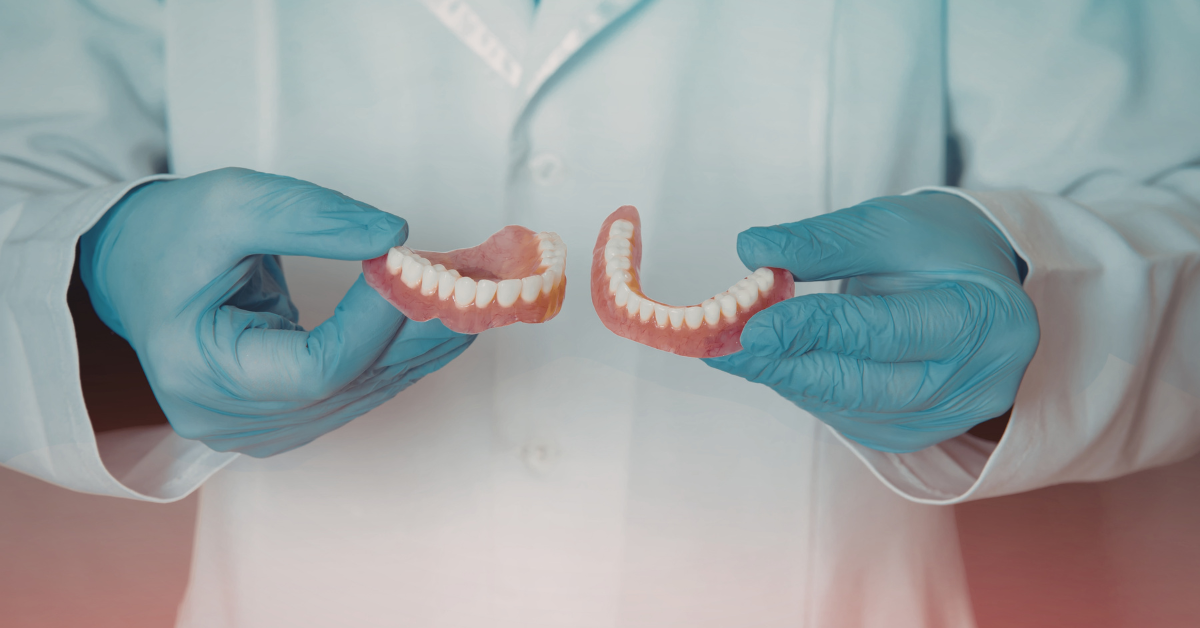
Orthodontic evaluation begins with a detailed examination of how each tooth is positioned within the upper and lower dental arches. Irregular spacing, overlapping, or rotation can disrupt how teeth contact one another during normal function. These positional issues may alter force distribution when biting or chewing, which can contribute to uneven wear over time. Evaluating arch relationships helps identify whether alignment concerns are isolated or part of a broader structural pattern. This analysis supports treatment planning that addresses the underlying cause rather than the visible symptom.
How Tooth Position Influences Bite Function and Long-Term Stability
Tooth position directly affects how biting forces are absorbed and distributed across the dental arches. Misaligned teeth may experience concentrated pressure that increases the risk of wear, sensitivity, or discomfort. Careful evaluation clarifies how these positional factors influence overall bite performance.
Why Arch Analysis Is Essential for Effective Orthodontic Planning
Arch analysis reveals alignment patterns that may not be apparent during a visual examination alone. Understanding these patterns helps prevent incomplete or unstable correction. Effective orthodontic planning depends on this structural insight.
Jaw alignment plays a central role in determining how the upper and lower teeth meet during daily function. Orthodontic evaluation assesses jaw position at rest as well as during movement to understand how forces are applied. Bite mechanics are analyzed to identify imbalances that may strain the jaw joints or surrounding muscles. These functional considerations help determine whether alignment concerns stem from tooth positioning, jaw structure, or a combination of both. Accurate assessment supports orthodontic care that improves comfort as well as alignment.
How Bite Mechanics Affect Jaw Comfort and Dental Wear
Improper bite mechanics can place uneven stress on specific teeth and areas of the jaw over time. This imbalance may contribute to muscle fatigue, joint discomfort, or accelerated enamel wear. Evaluating bite mechanics allows these risks to be addressed proactively.
Why Bite Analysis Supports Long-Term Oral Comfort and Function
Balanced bite mechanics reduce chronic strain on the jaw and surrounding structures. Proper alignment supports smoother chewing and speaking function. Long-term comfort depends on maintaining this balance.
Diagnostic records provide detailed insight into alignment and bite structure beyond what can be observed clinically. Digital scans, photographs, and imaging capture structural relationships with precision and consistency. These records allow orthodontists to analyze alignment from multiple perspectives and establish accurate baselines. Diagnostic documentation also supports careful tracking of changes throughout treatment. Comprehensive records improve the predictability and safety of orthodontic care.
How Diagnostic Tools Reveal Hidden Alignment and Bite Issues
Imaging and digital records expose relationships between teeth and jaws that are not visible during routine examination. These tools help identify subtle discrepancies that influence treatment planning. Diagnostic clarity enhances evaluation accuracy.
Why Detailed Records Improve Treatment Precision and Outcomes
Accurate records reduce uncertainty during planning and execution. They allow orthodontic adjustments to be guided by measurable data rather than assumption. Precision supports more reliable outcomes.
How Orthodontic Treatment Plans Are Designed for Long-Term Stability
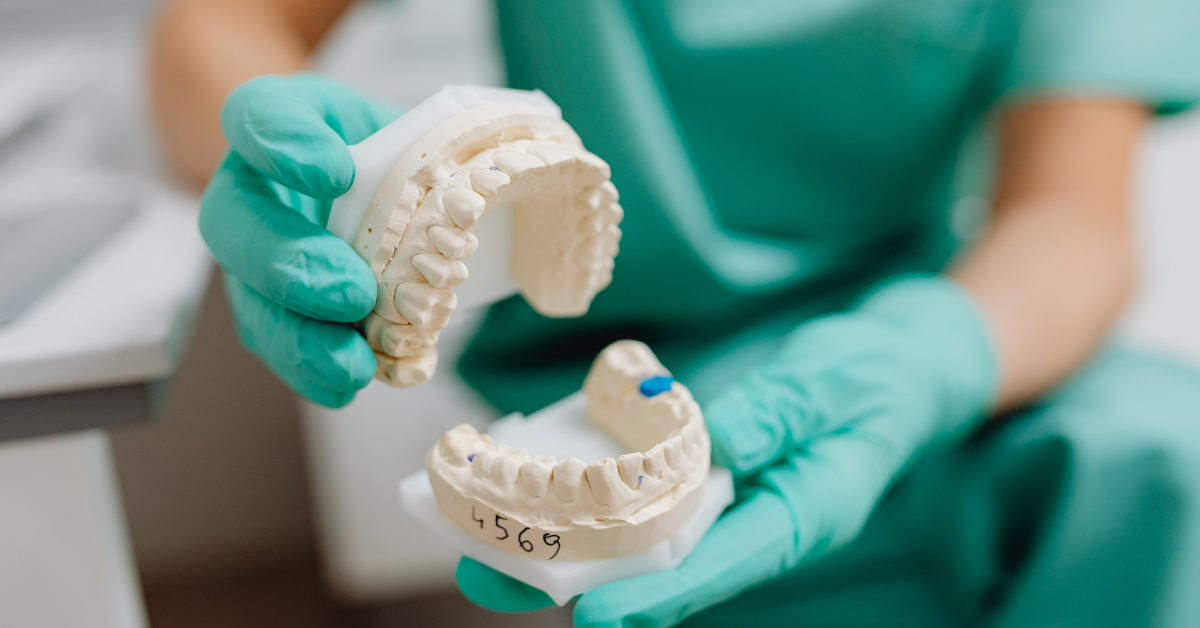
Orthodontic treatment planning focuses on achieving alignment outcomes that remain stable long after active treatment is complete. Rather than concentrating solely on tooth movement, planning evaluates how alignment changes will affect bite balance, jaw function, and long-term oral health. Each treatment plan is structured to address the underlying causes of misalignment rather than surface-level positioning concerns. This approach helps reduce the likelihood of relapse once appliances are removed. Long-term stability remains the central objective throughout the planning process.
Treatment plans are developed using diagnostic findings, functional analysis, and individualized risk assessment. Consideration is given to growth patterns, tooth size relationships, and bite mechanics to ensure alignment changes can be maintained over time. Planning also accounts for how teeth will be retained in their corrected positions following treatment. This comprehensive strategy supports predictable outcomes and lasting improvement. Stability-focused planning sets the foundation for every phase of orthodontic care.
Orthodontic treatment planning carefully considers how proposed tooth movement will influence overall bite function. Moving teeth without addressing bite relationships can create imbalances that compromise comfort and stability. Planning evaluates how upper and lower teeth will interact once alignment changes are complete. This analysis helps ensure that corrected alignment supports efficient chewing and balanced force distribution. Bite-focused planning reduces the risk of future wear or discomfort.
How Bite Analysis Guides Tooth Movement Decisions
Bite analysis identifies how teeth contact during function and rest. This information influences which teeth are moved and how they are positioned. Proper analysis helps avoid creating new functional problems during correction.
Why Bite Balance Is Essential for Long-Term Alignment Stability
Balanced bite relationships distribute forces evenly across the teeth. Uneven force concentration increases the risk of shifting after treatment. Stability depends on maintaining this balance.
Orthodontic planning also evaluates jaw structure and growth tendencies that influence alignment outcomes. Differences in jaw size or growth direction can affect how teeth respond to movement. Treatment plans incorporate these factors to ensure corrections remain compatible with skeletal structure. Planning may vary depending on whether growth is ongoing or complete. Considering jaw structure improves the durability of treatment results.
How Growth Patterns Influence Orthodontic Strategy
Growth patterns affect how teeth and jaws adapt during treatment. Anticipating these changes allows planning to accommodate future development. Strategic timing supports stable outcomes.
Why Skeletal Considerations Reduce Risk of Relapse
Ignoring skeletal factors can undermine alignment corrections. Treatment that aligns with jaw structure is more likely to remain stable. Skeletal awareness strengthens long-term success.
Retention planning is an integral part of orthodontic treatment design rather than an afterthought. Treatment plans consider how teeth will be supported once active correction ends. Retention strategies are selected based on alignment changes, bite forces, and individual risk factors. Planning for retention helps protect treatment results as the mouth adapts. Long-term stability relies on this forward-thinking approach.
How Retention Planning Protects Alignment Results
Retention maintains tooth position while supporting tissue adaptation. Proper planning reduces the likelihood of shifting after treatment. Retention safeguards alignment gains.
Why Early Retention Decisions Improve Treatment Longevity
Retention decisions influence how well results are preserved. Planning retention early ensures consistency throughout care. Longevity depends on this preparation.
How Orthodontic Treatment Progresses From Start to Finish
Orthodontic treatment follows a carefully sequenced progression that allows teeth, supporting bone, and bite relationships to adapt gradually while maintaining comfort, function, and long-term stability. Rather than relying on rapid correction, treatment emphasizes controlled adjustments that respect biological response and minimize unnecessary stress on oral structures. Each phase builds intentionally on the progress of the previous stage, ensuring alignment changes remain predictable and sustainable. Ongoing evaluation throughout treatment allows adjustments to be refined as teeth respond to movement. This structured progression supports outcomes that extend well beyond the active treatment period.
The pace and direction of orthodontic treatment are guided by how teeth and bite relationships respond over time rather than by rigid timelines alone. Adjustments are informed by continuous assessment of alignment, bite mechanics, and tissue adaptation. This adaptive approach allows treatment to remain aligned with long-term stability goals rather than short-term appearance. Patients benefit from a process that balances efficiency with biological safety. Progression-focused orthodontic care prioritizes durability and function at every stage.
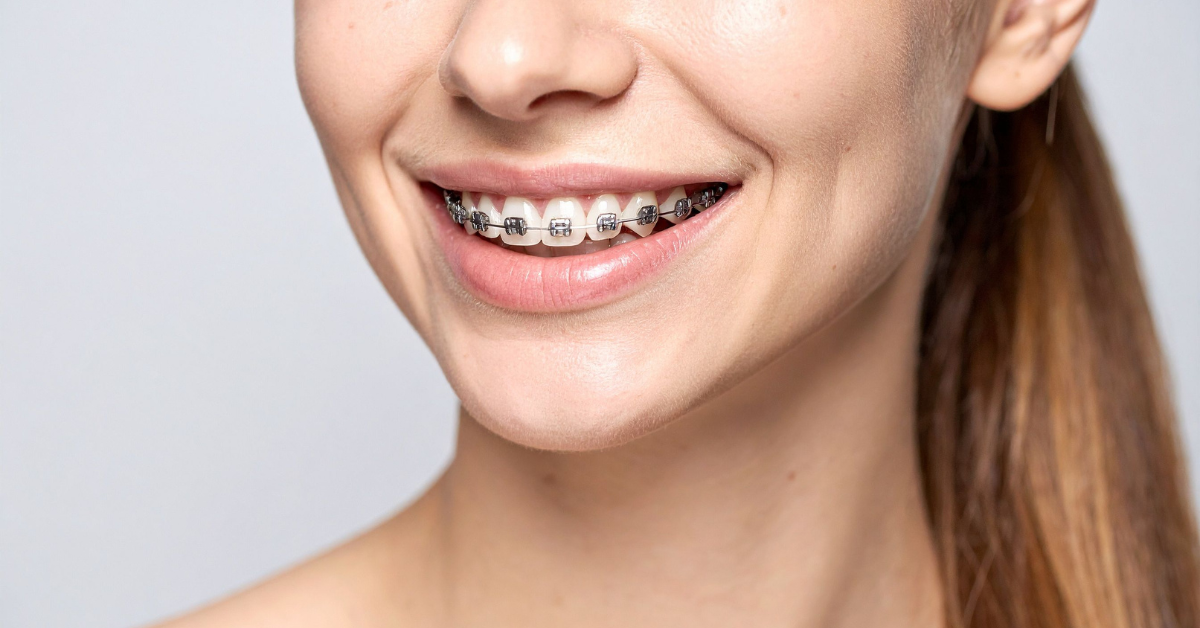
Orthodontic treatment typically begins with gentle, carefully calibrated forces designed to initiate tooth movement while minimizing discomfort and tissue stress. Early alignment focuses on creating space within the dental arches, reducing crowding, and correcting rotations that interfere with functional bite relationships. This stage prepares the teeth and surrounding structures for more refined adjustments later in treatment. Gradual movement allows bone and ligaments to remodel safely as alignment changes occur. Early progress establishes the structural foundation necessary for long-term correction.
How Gentle Forces Support Safe and Predictable Early Tooth Movement
Light, controlled forces allow biological remodeling to occur without overwhelming supporting tissues. This approach reduces the risk of inflammation, discomfort, or unintended movement. Controlled force application promotes consistent and predictable alignment changes.
Why Early Alignment Plays a Critical Role in Long-Term Stability
Initial correction establishes balanced spacing and alignment pathways within the arches. This preparation reduces resistance during later treatment stages. Long-term stability depends on the integrity of this foundational phase.
As alignment improves, orthodontic treatment shifts toward refining how the upper and lower teeth interact during function. Bite relationships are adjusted to improve force distribution and support balanced jaw mechanics. Mid-treatment adjustments often involve precise, incremental changes that guide teeth into optimal positions. These refinements address both functional efficiency and long-term comfort. Careful attention during this stage helps prevent the development of secondary bite issues.
How Mid-Treatment Evaluation Guides Bite Refinement Decisions
Ongoing evaluation identifies how teeth contact during chewing and rest. These observations inform targeted adjustments to improve balance. Regular assessment prevents emerging imbalances from progressing.
Why Functional Bite Correction Requires Continuous Precision
Small positional changes can significantly influence bite dynamics and comfort. Precision reduces uneven stress on teeth and joints. Continuous refinement supports stable function.
The final phase of orthodontic treatment focuses on detailed refinement of tooth position and bite alignment to ensure optimal fit and function. Minor adjustments are used to correct subtle discrepancies that influence comfort, efficiency, and appearance. This stage emphasizes completeness and harmony across the dental arches. Preparation for retention begins as alignment is finalized. Finishing care sets the stage for maintaining results long term.
How Final Adjustments Enhance Treatment Quality and Stability
Detailed finishing corrects small inconsistencies that may affect bite function. These refinements improve both comfort and durability. Thorough completion supports long-lasting outcomes.
Why Proper Finishing Supports Successful Long-Term Retention
Well-finished alignment reduces the likelihood of post-treatment shifting. Teeth settle more predictably when alignment is precise. Retention success depends on careful finishing.
Why Long-Term Retention Is Essential After Orthodontic Treatment
Orthodontic treatment does not truly conclude when active appliances are removed, because teeth and surrounding tissues require time and support to stabilize in their corrected positions. After alignment changes, the bone, ligaments, and muscles involved in tooth positioning continue to adapt, which creates a natural tendency for teeth to shift if not properly supported. Long-term retention provides the structure needed to protect the results achieved through treatment. This phase focuses on maintaining alignment while the mouth adjusts to its new balance. Retention plays a central role in preserving both function and appearance over time.
Without a thoughtful retention strategy, even well-executed orthodontic treatment can lose stability as biological forces act on the teeth. Retention planning accounts for individual risk factors, bite forces, and alignment changes that occurred during treatment. Long-term success depends on consistent use and monitoring rather than short-term compliance alone. Retention transforms orthodontic correction into a durable outcome. This ongoing phase of care ensures results remain reliable as oral conditions evolve.
Supporting Biological Adaptation After Tooth Movement
After orthodontic treatment, teeth remain influenced by surrounding tissues that naturally seek equilibrium. The ligaments and bone supporting the teeth require time to remodel and strengthen around the new alignment. During this period, teeth are more susceptible to movement if not adequately retained. Retention provides controlled support while biological adaptation occurs. This support helps secure alignment as tissues stabilize.
Preventing Relapse Caused by Functional and Muscular Forces
Everyday activities such as chewing, swallowing, and speaking apply repeated forces to the teeth. Muscular patterns developed before treatment may continue to influence tooth position after alignment is corrected. Without retention, these forces can gradually shift teeth away from their intended positions. Long-term retention counteracts these influences by maintaining alignment against functional pressures. This protection is essential for preserving correction.
Maintaining Bite Stability and Long-Term Oral Function
Retention also plays a key role in maintaining the corrected bite relationship achieved during orthodontic treatment. Proper bite alignment supports even force distribution across the teeth and jaws. If teeth shift after treatment, bite balance may be compromised, leading to discomfort or uneven wear. Long-term retention helps preserve functional harmony. Stable bite relationships support comfort and oral health.
How Orthodontic Care Supports Long-Term Oral Health and Function
Orthodontic care plays a foundational role in long-term oral health by addressing structural alignment issues that influence how teeth, jaws, and supporting muscles interact during everyday function over many years. When alignment problems remain untreated, uneven forces can accumulate gradually, increasing the likelihood of excessive tooth wear, gum irritation, and chronic functional discomfort that may worsen with time. Orthodontic correction focuses on resolving these underlying mechanical imbalances rather than masking surface symptoms, allowing the mouth to function in a more efficient and predictable manner. Improved alignment supports healthier distribution of chewing forces and reduces unnecessary stress on individual teeth. This structural balance contributes directly to preserving oral health and comfort as patients move through different stages of life.
Beyond structural alignment, orthodontic care influences a patient’s ability to maintain oral health through effective hygiene and preventive practices over the long term. Teeth positioned in stable, accessible alignment are easier to clean thoroughly, which helps reduce plaque accumulation and inflammatory conditions that compromise gum health. Bite correction also supports jaw comfort by minimizing excessive strain on joints and surrounding musculature during daily activities. These functional improvements extend the benefits of orthodontic treatment beyond appearance alone. Long-term oral health is reinforced through this integrated, preventative approach.
Proper orthodontic alignment allows teeth to meet in a coordinated relationship that supports efficient chewing without placing excessive strain on specific areas of the mouth. When bite relationships are balanced, chewing forces are distributed evenly across the dental arches rather than concentrated on a limited number of teeth. This even distribution reduces unnecessary pressure that can contribute to discomfort, sensitivity, or accelerated wear over time. Orthodontic care refines how teeth contact during function to support smoother, more controlled movement. Improved chewing efficiency supports overall comfort and long-term durability of the teeth.
How Balanced Alignment Reduces Uneven Bite Forces Over Time
Uneven alignment can cause certain teeth to absorb a disproportionate amount of force during chewing and biting. Over extended periods, this imbalance may lead to localized wear, microfractures, or heightened sensitivity. Balanced alignment redistributes these forces more evenly, protecting individual teeth from excessive stress.
Why Even Force Distribution Is Essential for Long-Term Tooth Preservation
Teeth that share functional forces evenly are less likely to experience premature damage. Reduced stress supports enamel preservation and structural integrity. Long-term tooth preservation depends on maintaining this balance consistently.
Jaw comfort is closely connected to how teeth align and interact during speaking, chewing, and resting positions throughout the day. Misalignment can disrupt natural muscle coordination, leading to fatigue, tension, or joint strain that develops gradually. Orthodontic care improves how the jaws close and move together, which supports more efficient and coordinated muscle use. Improved coordination reduces compensatory movement patterns that place unnecessary stress on joints and muscles. These functional changes contribute to sustained comfort and oral stability.
How Alignment Influences Jaw Mechanics and Muscular Engagement
Improper alignment can alter how jaw muscles engage during routine function, creating imbalanced movement patterns. These compensations may increase strain on the jaw joints and surrounding tissues. Corrected alignment supports smoother, more natural mechanical function.
Why Coordinated Jaw Function Supports Long-Term Comfort and Stability
Efficient muscular coordination reduces ongoing tension and fatigue. Balanced jaw movement supports sustained comfort during daily activities. Long-term stability relies on this functional harmony.
Orthodontic alignment improves access to tooth surfaces that may otherwise be difficult to clean effectively with routine hygiene practices. Crowded, rotated, or overlapping teeth create areas where plaque and debris can accumulate more easily over time. Correcting alignment supports more thorough brushing and flossing by improving access to all surfaces. Improved hygiene access reduces the risk of inflammatory conditions that affect gums and supporting structures. Preventive dental care becomes more manageable with stable, well-aligned teeth.
How Tooth Alignment Affects Daily Oral Hygiene Effectiveness
Properly aligned teeth allow hygiene tools to reach areas that are otherwise obstructed. Reduced overlap minimizes plaque retention and bacterial buildup. Improved access supports healthier gum tissue.
Why Preventive Benefits Continue Long After Orthodontic Treatment Ends
Alignment improvements continue to support effective hygiene throughout adulthood. Easier maintenance lowers long-term disease risk. Preventive benefits remain ongoing.
What to Consider When Choosing Orthodontic Care
Choosing orthodontic care involves more than deciding to straighten teeth, because the quality of planning, execution, and long-term oversight can significantly influence both functional outcomes and oral health stability over time. Patients benefit from understanding how different approaches to orthodontic care vary in philosophy, coordination, and emphasis on long-term results rather than short-term correction. Factors such as clinical experience, treatment planning depth, and communication style all contribute to how effectively care supports lasting alignment. Orthodontic decisions should account for how treatment integrates with overall dental health rather than existing in isolation. Thoughtful consideration at the outset helps reduce uncertainty and supports better outcomes throughout treatment and beyond.
Orthodontic care is a commitment that unfolds over time, making it important to evaluate not only the immediate treatment plan but also how progress is monitored and results are maintained. The right orthodontic provider emphasizes clarity, realistic expectations, and adaptability as conditions change during care. Understanding what to look for allows patients to make informed decisions that align with both health priorities and lifestyle needs. A well-chosen orthodontic approach supports confidence and continuity throughout the process. Long-term satisfaction often depends on these early considerations.
Orthodontic care should prioritize alignment outcomes that remain stable after active treatment concludes rather than focusing solely on how quickly visible changes occur. Short-term correction without attention to bite balance, tissue response, and retention planning can increase the risk of relapse over time. Providers who emphasize long-term stability consider how teeth, jaws, and supporting structures will function years after treatment ends. This perspective influences how treatment plans are structured and adjusted. Stability-focused care supports durability rather than temporary improvement.
How Stability-Oriented Planning Influences Treatment Decisions
Treatment decisions guided by long-term stability account for biological limits and functional balance. This approach avoids aggressive movement that may compromise tissue health. Planning with stability in mind supports predictable outcomes.
Why Long-Term Focus Reduces the Risk of Post-Treatment Shifting
Alignment changes that respect biological adaptation are more likely to hold. Reduced stress on tissues lowers relapse potential. Long-term focus strengthens treatment longevity.
Orthodontic treatment should be coordinated with preventive, restorative, and long-term dental care to support comprehensive oral health. Alignment changes can influence how teeth are cleaned, restored, or monitored over time. Providers who collaborate within a broader dental framework help ensure orthodontic decisions align with future care needs. This coordination reduces fragmentation and conflicting recommendations. Integrated care supports continuity and consistency.
How Integrated Care Improves Treatment Continuity and Planning
Shared information allows providers to align goals across different phases of care. This alignment reduces duplication and confusion. Continuity supports smoother treatment progression.
Why Coordination Supports Better Long-Term Oral Outcomes
Fragmented care can undermine stability and maintenance. Coordinated planning reinforces alignment results over time. Long-term health benefits from this integration.
Clear communication plays a critical role in successful orthodontic care, particularly when treatment spans months or years. Patients benefit from understanding the reasoning behind recommendations and the expectations associated with each phase of care. Providers who emphasize education encourage active participation rather than passive compliance. This involvement helps patients remain engaged and informed throughout treatment. Strong communication supports trust and long-term satisfaction.
How Patient Education Improves Treatment Participation and Compliance
Understanding treatment goals increases motivation and consistency. Educated patients are more likely to follow guidance accurately. Participation supports better outcomes.
Why Transparent Communication Builds Confidence Over Time
Transparency reduces uncertainty and anxiety during treatment. Confidence grows when expectations are clearly explained. Long-term relationships depend on this clarity.
Choosing PhD Dental for Thoughtful Orthodontic Treatment Planning
Choosing where to receive orthodontic care requires confidence that treatment planning is guided by long-term stability, functional balance, and careful coordination rather than speed or surface-level correction. At PhD Dental, orthodontic planning is shaped by collaboration with Los Angeles orthodontists who focus on how alignment decisions will affect oral health years after active treatment ends. This approach prioritizes precision, biological response, and durability so that alignment improvements remain stable as the teeth, jaws, and supporting tissues continue to adapt over time. Patients benefit from planning that anticipates future needs instead of reacting to problems after they appear. Working with Los Angeles orthodontists in a comprehensive dental setting allows treatment decisions to reflect both specialty expertise and broader oral health considerations.
Orthodontic treatment planning at PhD Dental is also distinguished by its emphasis on coordination, education, and realistic expectations throughout every stage of care. Rather than isolating orthodontics from the rest of dentistry, planning integrates input from Los Angeles orthodontists who understand how alignment influences hygiene access, bite mechanics, and long-term maintenance. This coordination helps reduce unnecessary adjustments and supports smoother transitions between phases of care. Patients working with Los Angeles orthodontists at PhD Dental gain clarity about how their treatment fits into a complete dental plan rather than a standalone procedure. Thoughtful planning supports confidence, consistency, and long-term satisfaction.

Orthodontic planning at PhD Dental reflects the clinical judgment that comes from working closely with experienced Los Angeles orthodontists who routinely manage complex alignment and bite concerns. Treatment recommendations are based on detailed evaluation rather than generalized timelines or standardized templates. This precision-driven approach allows tooth movement to occur in a controlled manner that supports comfort, function, and long-term stability. Planning evolves as teeth respond biologically rather than forcing progress to meet arbitrary milestones. Experience-informed planning reduces uncertainty and supports predictable outcomes.
How Experience Shapes Long-Term Orthodontic Decision-Making
Clinical experience allows Los Angeles orthodontists to recognize subtle patterns that influence stability and relapse risk. These insights help guide sequencing, pacing, and retention considerations throughout planning. Experience supports decisions that balance correction with preservation.
Why Precision Reduces the Risk of Unnecessary Adjustments
Accurate planning limits guesswork during active treatment. Fewer unexpected changes reduce the need for corrective intervention. Precision supports efficiency and stability.
Orthodontic care at PhD Dental benefits from coordination within a broader dental framework that supports long-term oral health. Alignment decisions are made with awareness of future preventive and restorative needs, which helps orthodontic treatment complement ongoing care rather than disrupt it. Collaboration with Los Angeles orthodontists within the practice ensures alignment planning supports both function and maintenance. Patients experience continuity when orthodontic care aligns with comprehensive treatment goals. Coordinated care strengthens long-term stability.
How Collaboration Improves Treatment Continuity and Clarity
Shared communication allows Los Angeles orthodontists and dental providers to remain aligned on treatment objectives. This alignment reduces conflicting recommendations and repeated evaluations. Continuity supports patient confidence.
Why Integrated Planning Supports Durable Orthodontic Outcomes
Orthodontic results are more likely to last when coordinated with ongoing dental care. Integration reinforces alignment through multiple phases. Long-term success benefits from this cohesion.
Thoughtful orthodontic planning includes clear communication that helps patients understand both the reasoning behind recommendations and the expectations associated with treatment. PhD Dental emphasizes education so patients working with Los Angeles orthodontists can participate actively in planning decisions. Understanding the purpose behind each phase of care supports consistency and engagement throughout treatment. Clear communication reduces uncertainty and anxiety as treatment progresses. Education-driven planning supports long-term trust.
How Patient Education Strengthens Treatment Participation
Patients who understand treatment goals are more likely to follow guidance accurately. Education supports consistency and accountability. Participation improves outcomes.
Why Clear Communication Builds Confidence Over Time
Transparency helps patients feel informed rather than overwhelmed. Confidence grows when expectations are clearly outlined. Long-term relationships depend on this clarity.
Schedule Orthodontic Care With PhD Dental Today
Orthodontic concerns often involve more than straightening teeth, which is why working with Los Angeles orthodontists who focus on long-term function, stability, and overall oral health can make a meaningful difference in treatment outcomes. At PhD Dental, orthodontic care is delivered within a comprehensive dental environment where planning, coordination, and patient understanding guide every recommendation. Patients seeking guidance from Los Angeles orthodontists benefit from an approach that emphasizes clarity and continuity throughout every phase of care.
If you are considering orthodontic treatment and want to work with Los Angeles orthodontists who prioritize thoughtful planning and long-term results, PhD Dental is ready to help you move forward with confidence. Call (323)269-5437 to speak with our team or visit our contact page to schedule a consultation and learn how orthodontic care can support lasting alignment, function, and oral stability.
Get Rapid Orthodontic Help in Los Angeles
Free Consultation 24/7
Looking for fast, reliable smile transformation? Our Los Angeles orthodontists provide rapid orthodontic care tailored to your needs. Whether you require emergency adjustments or want to accelerate your treatment, we offer efficient solutions like clear aligners and advanced braces to help you achieve a perfect smile in less time. Schedule your consultation today for expert care in LA.
LEARN MORE
Get in Touch with PhD Dental
Pick your location
Los Angeles
Los Angeles is a diverse and fast-moving city where access to dependable dental care is essential for individuals and families alike. PhD Dental serves patients throughout Los Angeles with a commitment to personalized care and long-term oral health.
Hours
- Mon 9:30AM - 6:30PM
- Tue 9:30AM - 6:30PM
- Wed 9:30AM - 6:30PM
- Thu 9:30AM - 6:30PM
- Fri 9:30AM - 6:30PM
- Sat 9:00AM - 4:00PM
- Sun Closed