
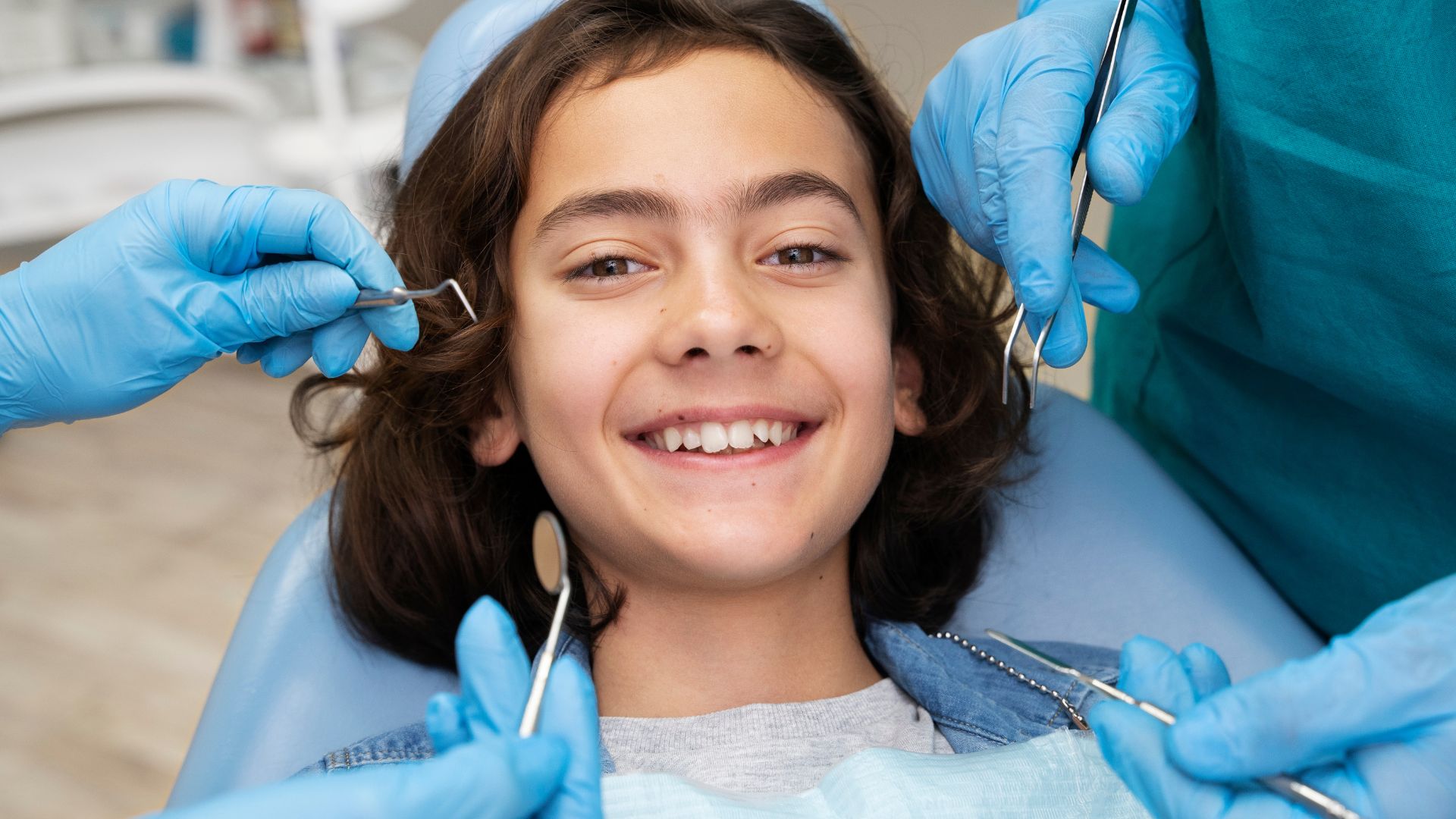
Call PhD Dental Today for Exceptional Dental Care
BOOK AN APPOINTMENTLos Angeles Dentistry for Children
Our dentistry for children in Los Angeles supports families who want consistent, age-appropriate dental care from the first tooth through the teen years. At PhD Dental, our child-focused approach centers on prevention, comfort, and clear guidance for parents, so your child can build healthy habits without fear or confusion. We tailor exams, cleanings, and treatment planning to a child’s stage of development, then explain next steps in plain language, so you always know what matters now and what can wait.
Children’s dentistry works best when care feels predictable and positive, especially for kids who feel nervous about new environments or unfamiliar sounds. Our team uses gentle pacing, kid-friendly communication, and practical coaching to help children cooperate and feel in control. That mindset reduces stress during visits, helps families stay on schedule with preventive care, and supports long-term oral health as your child grows.
Call (323) 269-5437 to schedule an appointment with PhD Dental. If you prefer, you can also request a visit online and our team will help you choose the right time and location for your child.
Top-Rated Dentists
in Los Angeles
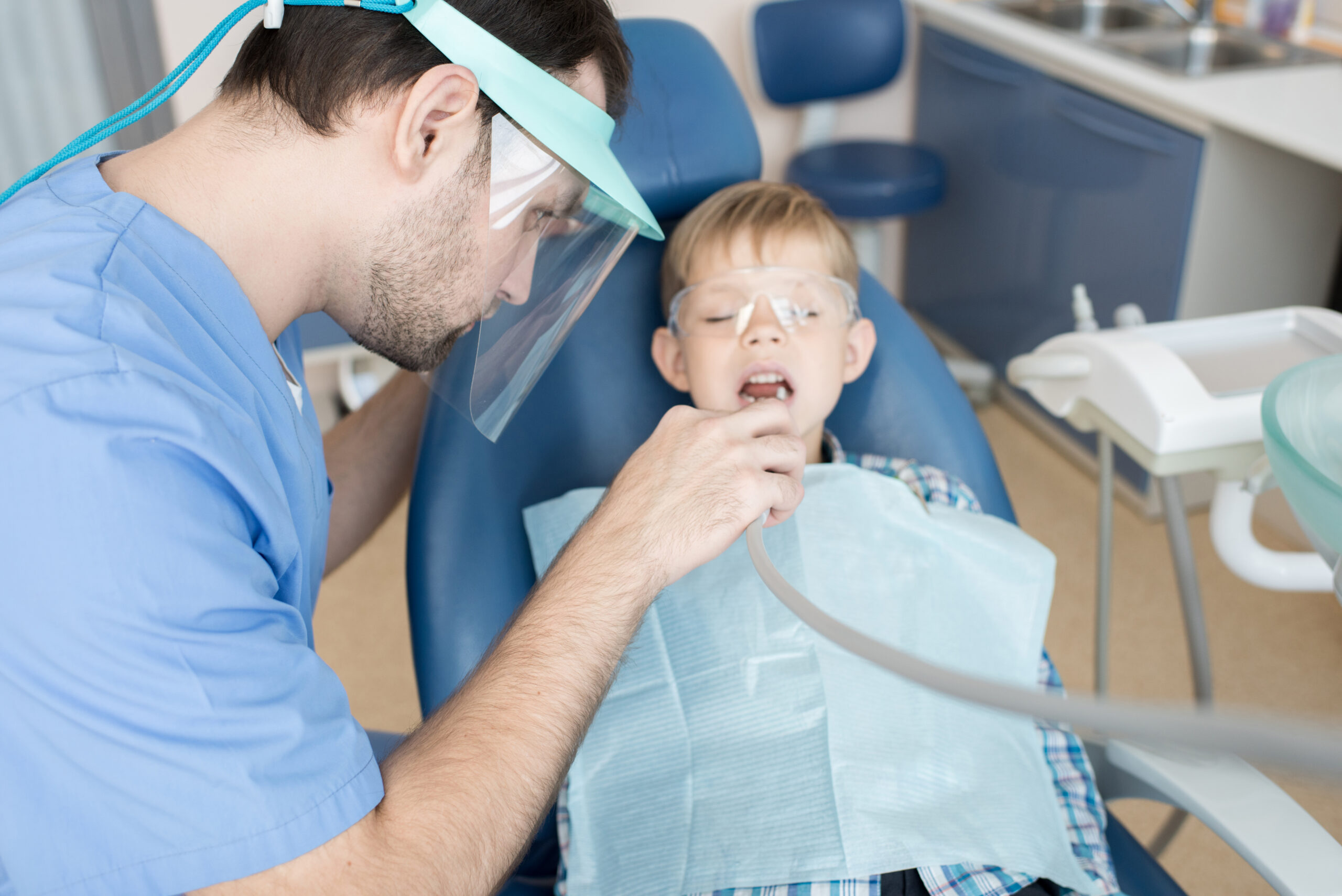
Patient-First Dentistry for Every Stage of Life
From early childhood development to adult care, we focus on patient comfort and comprehensive treatment.
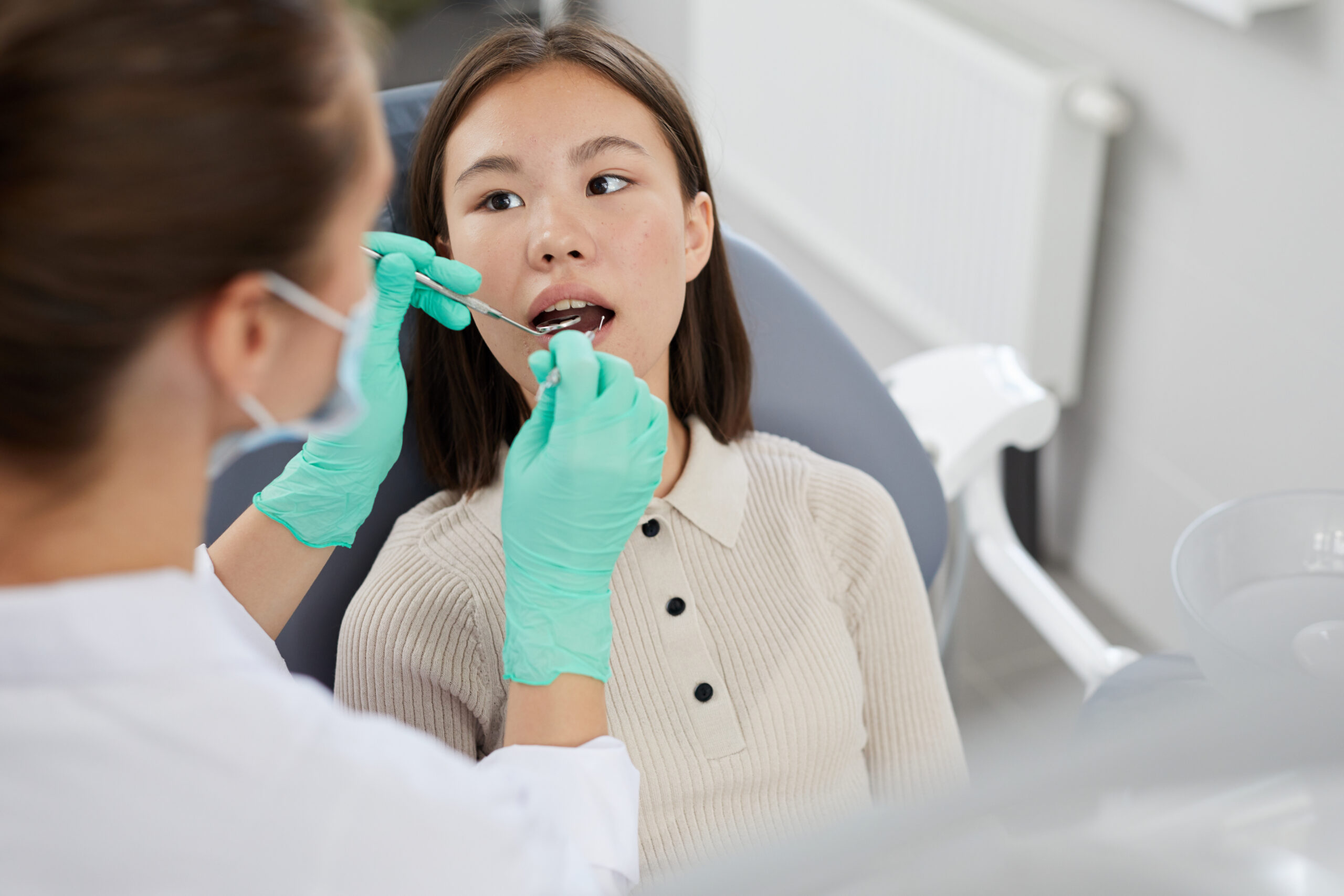
Removing Barriers to Dental Care
We believe everyone deserves access to high-quality dental care, regardless of financial situation.

Comprehensive Dentistry Under One Roof
Orthodontics, implants, oral surgery, and preventative care all conveniently located in our clinics.
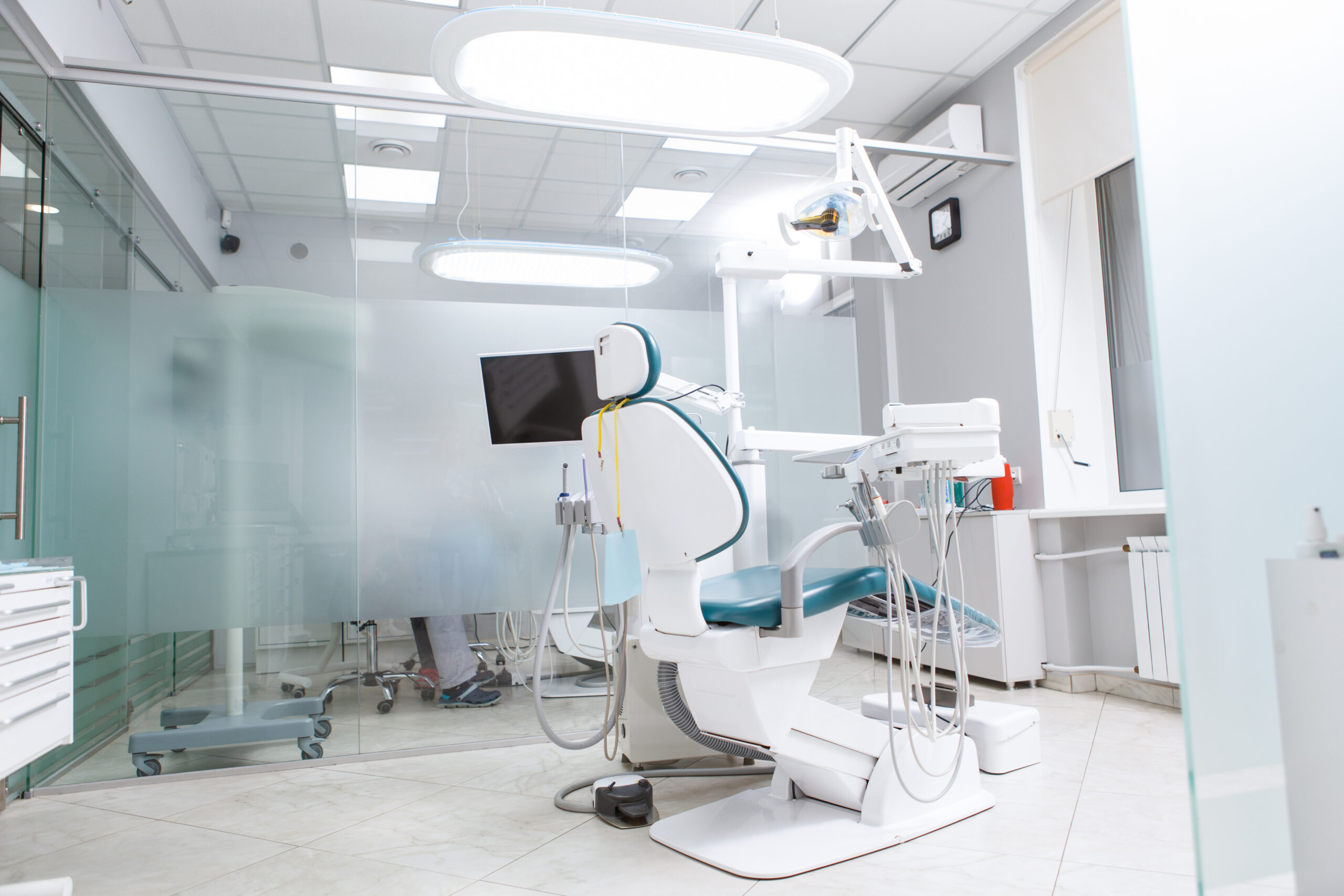
Expertise, Access & Convenient Locations
Multiple clinic locations across Los Angeles with extended hours to fit your busy schedule.
Table of Contents
- Pediatric Dental Care for Infants, Children, and Teens in Los Angeles
- What to Expect at Your Child’s First Visit to PhD Dental in Los Angeles
- Common, Important Procedures Handled by Our Los Angeles Dentistry for Children
- How PhD's Los Angeles Dentistry for Children Helps Your Child Build Positive Dental Habits
- Pediatric Dental Care for Anxious Children and Special Comfort Needs in Los Angeles
- Pediatric Dental Care That Fits Busy Los Angeles Family Schedules
- PhD Dental - Schedule a Visit With Our Top Los Angeles Dentistry for Children Today
Pediatric Dental Care for Infants, Children, and Teens in Los Angeles
Pediatric dental care needs to match your child’s stage of growth, not just their age. Infants and toddlers benefit most from risk-focused guidance and early monitoring, while school-age kids need consistent prevention support as permanent teeth arrive. Teens often need a more collaborative plan that protects enamel, addresses sports-related risks, and helps them stay consistent as schedules get busier. At PhD Dental, we adjust communication and clinical priorities as your child matures, so recommendations stay practical and easy to follow at home. That includes aligning home-care coaching with real routines, like daycare transitions, school mornings, and late practices. We also track changes over time so small concerns do not turn into stressful, last-minute problems. When care stays development-based, families get fewer surprises and a clearer path from early prevention to long-term stability.
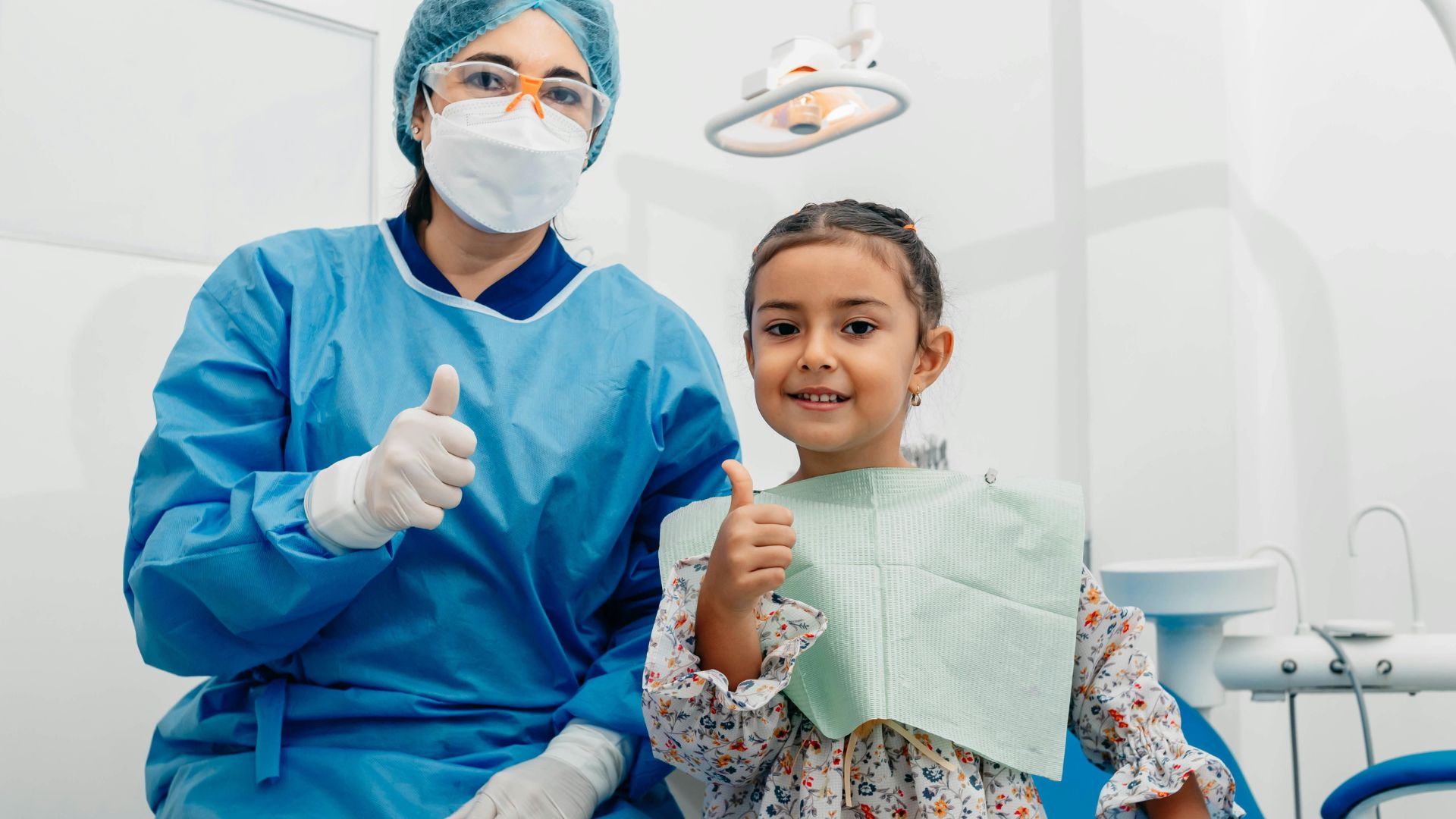
Early pediatric visits focus on preventing problems before they interrupt feeding, sleep, or comfort. A dentist can check how the gums and early teeth develop, then address habits like prolonged bottle use, pacifiers, or thumb-sucking with practical, parent-friendly recommendations. This early structure also helps children get used to the dental environment, which can reduce anxiety as visits become routine.
Monitoring Growth Patterns and Early Tooth Eruption for Los Angeles Children
Tooth eruption timing varies, but the patterns still offer helpful clues about development and risk. A child-focused team can watch for early crowding signals, enamel weaknesses, or areas that trap plaque easily. When you spot these issues early, you can adjust home care and visit timing to protect the teeth that matter most for long-term alignment and function.
Parent Guidance for Feeding, Oral Hygiene, and Fluoride Safety
Families often want clear direction on what helps and what harms, especially around sugary snacks, overnight feedings, and fluoride use. A pediatric dental plan should translate those topics into simple steps that fit your household routines. That kind of guidance builds trust because it supports progress between visits, not just during the appointment.
As kids start school, oral health depends on consistency and supervision, even when children seem independent. Regular exams and cleanings help catch early decay, address plaque patterns, and reinforce habits that prevent bigger interventions later. A reliable pediatric schedule also helps families stay ahead of school calendars, travel, and sports seasons that can disrupt care.
Preventive Dental Care That Protects New Permanent Teeth in Kids
Permanent teeth come in with deeper grooves that can hold bacteria, especially when brushing stays inconsistent. Preventive strategies can include coaching on technique, cavity-risk reviews, and treatment planning that prioritizes the teeth most likely to develop decay. When families see fewer urgent issues over time, they feel confident in the quality and direction of care.
Clear Treatment Planning and Transparent Recommendations
Parents want to know why a recommendation matters and what happens if they delay it. Strong pediatric care makes those choices straightforward by explaining timelines, priorities, and expected outcomes in plain language. That clarity improves satisfaction because families can make decisions without pressure or confusion.
Teen dental patients often respond best when the dentist speaks directly to them while still keeping parents informed. A teen-focused approach can address lifestyle factors like energy drinks, whitening trends, orthodontic retention, and sports mouthguards with practical guidance and real-world expectations. When teens understand the “why,” they follow through more consistently, which protects oral health into adulthood.
Supporting Enamel Health, Sports Safety, and Consistent Hygiene in Kids and Teens
Teen enamel can take a hit from acids and sugars that show up in everyday routines. Our children's dentistry team in Los Angeles can help teens identify the habits that drive sensitivity, staining, and cavity risk, then set a plan that feels manageable. This approach strengthens trust because it treats teens as active participants, not passive patients.
Building Confidence Through Respectful Communication and Comfort-First Visits
A positive experience matters at every age, but teens especially notice tone, privacy, and how a team responds to questions. Comfort-first visits can include clear explanations, predictable pacing, and options that help a patient feel in control. When a teen leaves feeling respected, families often see fewer cancellations and more consistent follow-up.
What to Expect at Your Child’s First Visit to PhD Dental in Los Angeles
A first pediatric dental visit should feel structured and predictable for parents, with a pace that respects how children adjust to new settings. At PhD Dental, the appointment starts with a clear check-in process and a brief review of your child’s health history, routines, and any concerns you want addressed. The goal is to set a baseline, confirm priorities, and give you a plan you can follow without second-guessing what comes next. You will also have time to ask questions about timing, home care, and what changes to watch for as your child grows. The team explains each step before it happens, so nothing feels rushed or unclear during the visit. You can expect straightforward guidance that reflects your child’s needs, not generic recommendations. This approach supports long-term consistency because families leave with clear expectations and a practical next step.
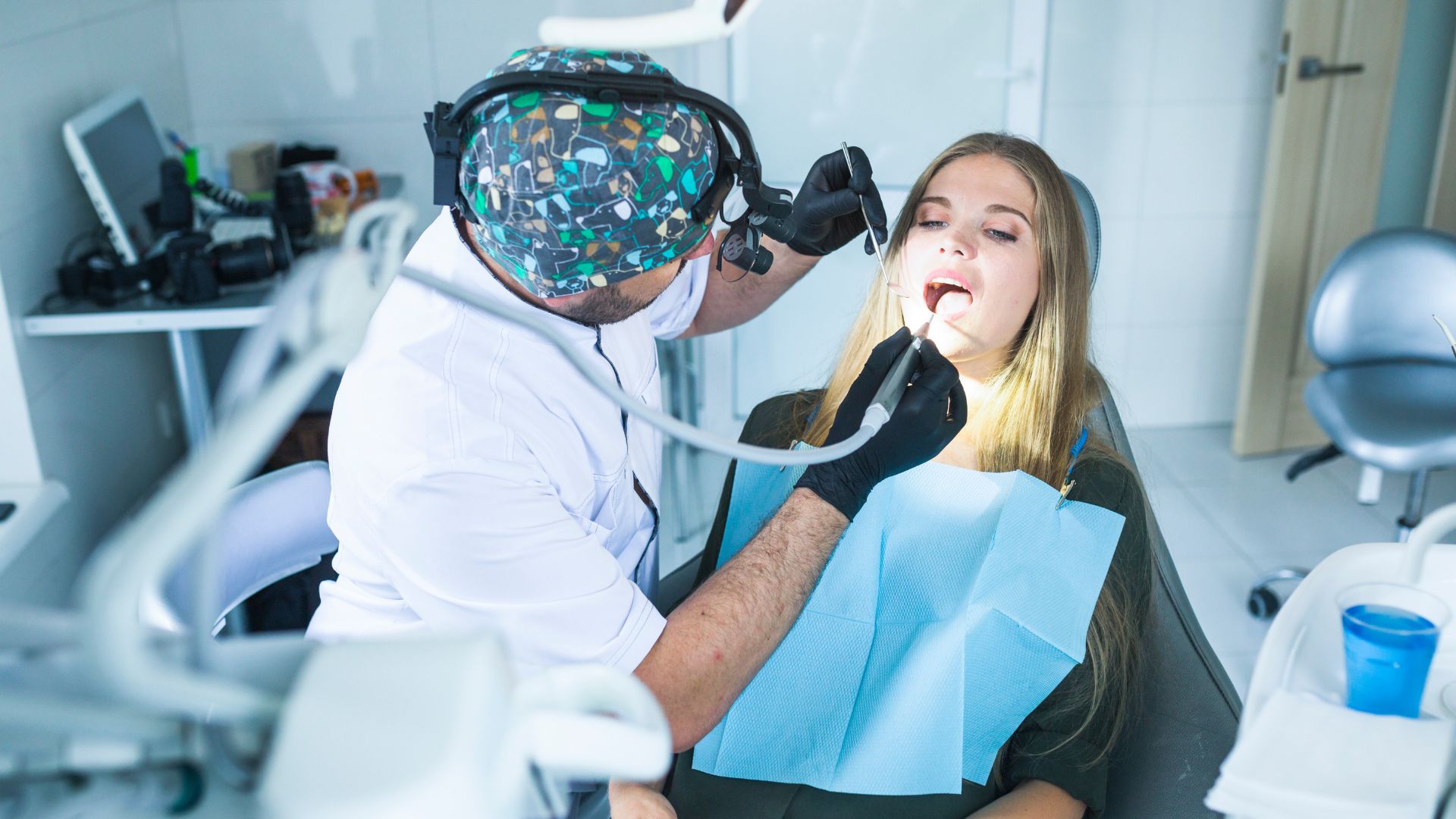
Before the clinical exam begins, the team confirms key details like medications, allergies, and any prior dental experiences that could shape comfort and timing. Parents also get a chance to share specific goals, such as preventing cavities, managing sensitivity, or addressing a visible spot on a tooth. This early alignment improves satisfaction because it keeps the visit focused on what matters most to your family.
Oral Health History Review and Cavity-Risk Screening
A thorough pediatric intake looks beyond teeth alone. Your dentist may ask about feeding patterns, snack frequency, fluoride exposure, mouth breathing, and grinding, since each factor affects decay risk and enamel wear. This screening supports more accurate recommendations, which helps families feel confident that the plan fits their child rather than a generic template.
Planning for Comfort, Behavior Support, and Parent Preferences in Children’s Dentistry
Children respond differently to dental settings, so the team should adapt to your child’s temperament instead of forcing a one-size approach. Comfort planning can include a slower introduction to tools, clear explanations in age-appropriate language, and simple choices that help children feel in control. Parents can also share preferences on communication style and pacing, which helps the visit run smoothly and reduces stress.
Once your child feels settled, the exam focuses on oral development, gum health, and signs of early decay or enamel weakness. If your child is ready, the visit often includes a gentle cleaning to remove plaque and demonstrate brushing techniques in a way that makes sense for your child’s age. This step matters because it turns the visit into something practical, not just diagnostic information.
Digital Imaging Only When It Adds Clear Value to a Dentist Visit
Some first visits include x-rays, but a responsible pediatric plan uses imaging based on need, age, and clinical findings. If imaging is appropriate, the team explains what the images show and why they matter for treatment planning or monitoring. Clear reasoning builds trust because families understand the purpose instead of feeling surprised by add-ons.
Age-Appropriate Explanations That Build Cooperation
A strong pediatric visit includes explanations that match your child’s attention span and comfort level. The dentist may describe steps in simple terms, use visual cues, and pause often to confirm understanding. When kids know what to expect, they cooperate more easily and families tend to see smoother follow-up visits.
The visit should end with a summary that makes priorities easy to remember once you leave the office. At PhD Dental, families receive tailored guidance on brushing, flossing, fluoride, and diet considerations based on your child’s risk profile and development stage. You should also leave with a timeline for the next visit and clear signals for when to call sooner.
Recommendations That Balance Prevention, Timing, and Budget at your Child’s Dentist
Parents want plans that protect oral health without creating unnecessary urgency. When treatment is needed, the dentist should explain the reason, the timing window, and the expected outcomes, plus what can happen if you delay. A transparent approach supports trust because families can make decisions based on evidence and practical considerations.
Helping Families Prepare for the Next Appointment With Confidence
A well-run first visit sets expectations for scheduling, home care, and what progress should look like over time. The team may share tips for preparing your child for the next visit, including language to use at home and small routine changes that improve cooperation. That preparation improves satisfaction because it reduces uncertainty and helps parents feel supported between visits.
Common, Important Procedures Handled by Our Los Angeles Dentistry for Children

Children’s dentists handle procedures that protect developing teeth, reduce pain quickly, and prevent small issues from disrupting school, sleep, or nutrition. The best pediatric treatment plans focus on the least invasive option that still solves the problem, then explain each step so parents can make decisions with confidence. A dependable pediatric office also prioritizes follow-through, which means clear post-visit instructions and a plan to monitor results over time. At PhD Dental, we take time to outline what we found, what it means, and which outcomes the recommended treatment should deliver. You will know what changes to watch for at home, along with when to call back if symptoms return. We also set expectations around healing, comfort, and the timeframe for re-checks, so the plan stays measurable instead of vague. That structure supports trust because families can track progress and feel prepared at every stage.
Preventive procedures help protect areas that brushing often misses, especially as children build consistency. These treatments often include professional fluoride applications and dental sealants on back teeth with deep grooves. When a dentist chooses preventive care based on risk, families usually see fewer urgent appointments and more predictable checkups.
Dental Sealants for Molars and Hard-to-Clean Surfaces
Sealants create a protective barrier over chewing surfaces where plaque can settle into pits and fissures. The placement process is quick and comfortable, and it can reduce cavity risk on newly erupted permanent molars. A child-focused team will also explain which teeth benefit most, so parents understand the logic behind timing and selection.
Fluoride Treatments That Strengthen Enamel Safely in Pediatric Dentistry
Professional fluoride can reinforce enamel that shows early weakening or sensitivity. Our children's dentistry team in Los Angeles can calibrate fluoride recommendations based on your child’s age, water source, and exposure at home. This approach supports trust because it addresses safety and effectiveness with straightforward guidance rather than one-size rules.
When decay or damage occurs, our dentistry for children in Los Angeles uses restorative care to return function and comfort while preserving as much healthy tooth structure as possible. Treatment choices depend on the size of the cavity, the tooth’s role in spacing, and your child’s ability to tolerate a procedure. Families tend to feel more satisfied when the dentist explains options, timelines, and what the restoration will accomplish long-term.
Tooth-Colored Fillings for Pediatric Cavity Repair
Tooth-colored fillings can restore a tooth after a cavity without the look of metal materials. A children’s dentist focuses on durable bonding and a smooth bite, since kids chew hard and may grind during growth phases. A clear plan for follow-up helps confirm the filling remains sealed and comfortable.
Pediatric Crowns When a Tooth Needs Extra Protection
Some cavities or fractures require more coverage than a filling can provide. Pediatric crowns protect the remaining tooth structure and can restore chewing comfort when a tooth has significant decay. Parents usually appreciate knowing how long a crown should last and how it supports spacing until the tooth naturally transitions.
A tooth that hurts, swells, or shows signs of infection needs timely evaluation. Pediatric pulp therapy can remove infected tissue and help preserve the tooth, which often matters for chewing and spacing in developing mouths. A trustworthy children's dentist will explain symptoms to watch, discuss appropriate imaging, and outline the next steps in a way that reduces fear and uncertainty.
Managing Abscesses, Swelling, and Toothache Symptoms in Los Angeles Children and Teenagers
Pain can escalate quickly in children, and an infection can affect comfort, eating, and sleep. A children’s dentist will assess the cause, rule out spreading infection, and recommend treatment that targets both relief and long-term stability. This clarity helps families make decisions quickly without feeling pressured.
Antibiotics and Same-Week Treatment Planning When Needed
Some situations require antibiotics, but our dentistry for children in Los Angeles uses them carefully and only when clinically appropriate. A well-run office pairs medication guidance with a treatment timeline, so families do not rely on temporary relief alone. Parents feel more confident when they understand what medication can and cannot do, and when to return for definitive care.
Primary teeth hold space for permanent teeth, so early tooth loss can affect alignment. Space maintainers and growth-aware planning can help preserve room for erupting teeth and reduce the likelihood of complications later. This is one area where pediatric expertise matters because timing and fit directly influence results.
Space Maintainers After Premature Tooth Loss in Children, Toddler through Teen
A space maintainer can keep a gap from closing when a child loses a tooth early due to decay or trauma. The device helps guide proper eruption patterns and can simplify future orthodontic planning. Parents often value this recommendation when it comes with clear monitoring intervals and expectations for wear.
Monitoring Eruption Timing and Referral Decisions
Eruption patterns do not always follow a perfect schedule, and some deviations require closer tracking. A children's dentist can identify when a pattern suggests crowding risk, impacted teeth, or bite changes that need specialist input. Careful monitoring strengthens trust because families can plan ahead instead of reacting to surprises.
How PhD's Los Angeles Dentistry for Children Helps Your Child Build Positive Dental Habits
Positive dental habits form when children feel capable, supported, and respected during care. PhD Dental focuses on helping kids understand the purpose behind brushing, flossing, and regular visits, so the routine feels like progress instead of punishment. Parents also benefit from a clear framework, since consistent habits at home often depend on simple instructions that fit real schedules. At PhD Dental, we also reinforce a simple connection between daily care and real outcomes, like fewer cavities, less sensitivity, and easier checkups. Families receive guidance that prioritizes what matters most first, so you do not feel like you need to change everything at once. We help you spot common sticking points, including rushed bedtime routines or inconsistent supervision, then offer realistic adjustments that children can follow. When kids know what success looks like, they engage more willingly and parents feel more confident staying consistent.

Children learn differently at each stage, and a habit plan needs to match how your child processes directions and feedback. Some kids respond well to checklists and time goals, while others need visual demonstrations and short, repeatable steps. A child-focused team can adjust coaching methods without making parents feel blamed, which helps families stay confident even when routines slip.
Practical Tooth Brushing and Flossing Guidance Parents Can Use at Home
Most families want a clear answer to what “good brushing” actually means for a child. PhD Dental can show where plaque typically hides, how long to brush, and what technique works best for small mouths and sensitive gums. This kind of guidance reduces trial-and-error at home and helps parents feel certain they are supporting healthy habits the right way.
Kid-Friendly Tools and Routines That Encourage Consistency in Oral Care
The right tools can make daily care easier, especially for children who resist brushing. A pediatric dental team can recommend toothbrush styles, flossing aids, and timing strategies that fit your child’s coordination and comfort. When the routine feels manageable, children are more likely to cooperate without turning every night into a negotiation.
Some children arrive excited, while others feel anxious about unfamiliar sounds, tastes, or sensations. A supportive pediatric visit sets expectations in a calm way and avoids rushing, so children can build trust through predictable steps. When kids feel safe, they tend to tolerate cleanings and exams better, which makes habits easier to reinforce at home.
Comfort-Focused Communication That Builds Confidence Over Time
Children often fear what they do not understand, so clear explanations matter as much as clinical skill. PhD Dental uses age-appropriate language and simple previews of what comes next, which can reduce startle responses and resistance. This approach also reassures parents because it shows a consistent method for helping children cooperate without pressure.
Gradual Desensitization Strategies for Sensitive or Anxious Children
Some children need a slower pace to adjust, especially if they have sensory sensitivities or past negative experiences. A gradual approach might include shorter early visits, small goals, and consistent routines that make each appointment feel familiar. Parents often notice that anxiety decreases when the child experiences steady improvement instead of being forced into uncomfortable steps too quickly.
Parents want a plan that works beyond the office, especially when mornings feel rushed and evenings run late. Strong pediatric care includes practical coaching on how to motivate children without turning brushing into a conflict. When families feel supported, they stay more consistent, and children learn that oral health is part of normal daily life.
Clear, Personalized Recommendations That Reduce Guesswork
Every family has different routines, diets, and schedules, so generic advice often fails. PhD Dental can tailor recommendations around the habits your child already has, then suggest realistic improvements that do not overwhelm your household. This kind of personalization builds trust because it respects your time and focuses on what will make the biggest difference.
Consistency Plans for Busy Families and Shared Caregivers
Many children split time between households or spend time with grandparents, babysitters, or after-school programs. A habit plan should account for that reality with simple handoffs and easy instructions that caregivers can follow. When expectations stay consistent across environments, children adopt routines faster and parents feel more confident that progress will hold.
Children stick with habits when they feel pride and ownership, not guilt. PhD Dental supports that mindset by reinforcing effort, showing kids how habits lead to healthier teeth, and keeping goals achievable. This approach improves satisfaction because it helps families focus on steady improvement instead of perfection.
Goal-Setting That Turns Oral Hygiene Into a Skill Your Child Owns
Small goals help kids see progress, especially when they struggle with attention or coordination. Our children's dentistry team in Los Angeles can help set age-appropriate targets, like improving brushing coverage or building a consistent nighttime routine. When kids track improvement, they feel more in control, which often reduces resistance at home.
Building a Healthy Relationship with Dental Care into the Teen Years
As children grow, habits can slip due to independence, busy schedules, and changing priorities. A supportive pediatric team can help reinforce why hygiene matters, while giving teens practical strategies that fit sports, school, and social life. This long-view approach reassures parents because it protects consistency through the transition years, not just early childhood.
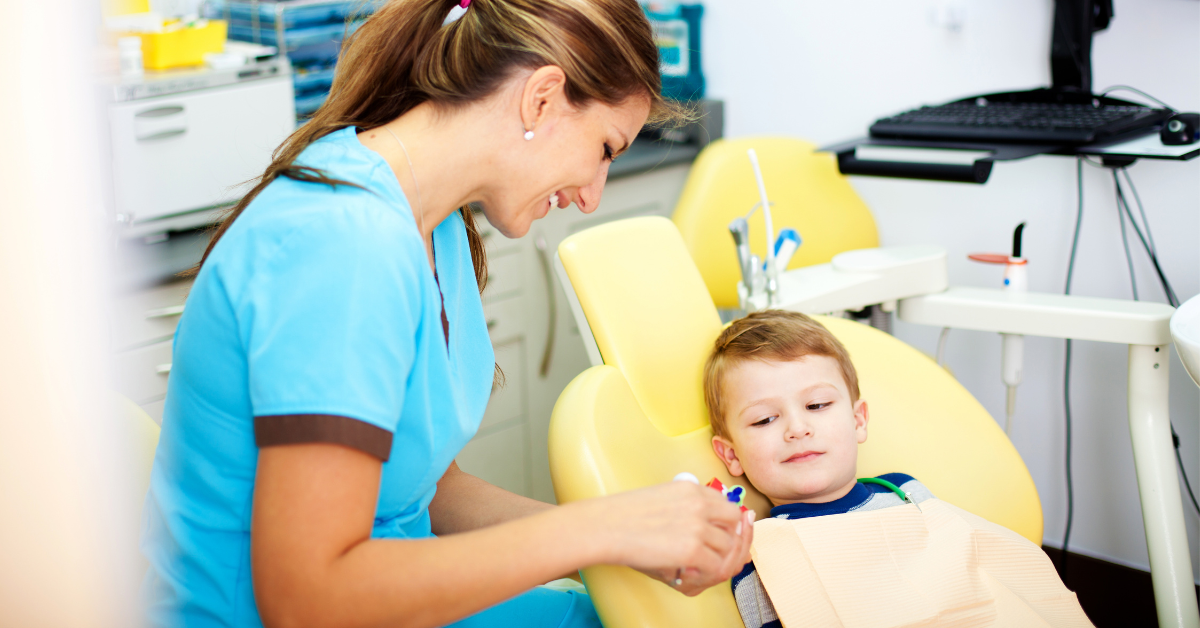
Pediatric Dental Care for Anxious Children and Special Comfort Needs in Los Angeles
Dental anxiety in children often comes from uncertainty, sensory overload, or a past experience that made them feel rushed or unheard. For families in Los Angeles, the right children's dentist builds trust through a calm pace, consistent expectations, and a plan that respects your child’s comfort threshold. PhD Dental supports anxious children by prioritizing emotional safety alongside clinical care, so each visit feels manageable and progress builds over time. That can include taking extra time to help your child settle in, explaining sensations before they happen, and keeping communication simple and steady. Parents also receive clear guidance on how to prepare at home, including what language helps and what habits can unintentionally increase fear. When a child struggles during a step, the team can adjust without escalating the moment or treating the reaction as misbehavior. Over time, children often learn that dental visits feel predictable, which lowers resistance and makes future appointments easier to maintain.
Comfort-Focused Pediatric Dentistry That Reduces Fear Over Time
A comfort-first approach starts with identifying what triggers stress, then adjusting the visit to prevent escalation. Some children react to bright lights, strong tastes, or certain sounds, while others struggle with loss of control or unfamiliar routines. When a pediatric team treats those triggers as normal and plan-able, parents see fewer setbacks and children gain confidence with each appointment.
Behavioral Support That Builds Cooperation Without Pressure
Some children need more than reassurance, especially if anxiety leads to avoidance or panic. Effective pediatric behavior support uses calm guidance, respectful language, and clear boundaries that help a child succeed without feeling forced. When the team stays steady and patient, children often shift from resistance to participation, which improves outcomes and reduces family stress.
Dental Care for Children with Special Needs and Individualized Comfort Plans
Children with special needs often require more individualized planning, especially when communication differences or sensory regulation challenges affect cooperation. A pediatric dental office should adapt to the child rather than expecting the child to adapt to a standard routine. Families benefit most when the plan includes thoughtful scheduling, preparation guidance, and realistic goals for each appointment.
Pediatric Dental Care That Fits Busy Los Angeles Family Schedules
Busy Los Angeles families often postpone pediatric dental visits because scheduling feels like one more complicated task. Reliable access matters, but so does how efficiently an office runs once you arrive, since long waits can make children restless and increase anxiety. PhD Dental supports families by using a streamlined approach that respects school start times, after-school activities, and the reality that parents may be coordinating care between multiple caregivers. That structure helps parents plan transportation, meals, and downtime without guessing how the day will unfold. It also supports better cooperation from children, since a predictable pace reduces frustration and keeps expectations clear. Families can stay consistent with routine care when visits fit into real calendars, not ideal ones. Over time, that consistency can mean fewer disruptions from avoidable dental issues and more confidence that oral health stays on track.
Scheduling should reduce friction, not create it. A well-run pediatric dental office helps families choose appointment times that align with the child’s routine, then confirms the details clearly to prevent last-minute confusion. When scheduling feels straightforward, parents are more likely to keep visits consistent, which supports better long-term outcomes.
Clear Dentist Visit Timing Expectations That Reduce Day-of Stress
Parents want to know what the visit will involve and how long it will take, especially when they are balancing work and pickup windows. Setting realistic timing expectations helps families plan transportation, meals, and downtime, so the appointment does not create a ripple of stress throughout the day. This clarity also improves satisfaction because families feel respected and informed before they arrive.
Faster Check-In with Organized Forms and Upfront Requirements
Many delays come from incomplete paperwork or unclear documentation requirements. An efficient practice can help families complete key information ahead of time and confirm what to bring, including insurance details or prior records if relevant. This preparation keeps the appointment focused on your child rather than administrative catch-up.
When families juggle multiple schedules, consistent care depends on predictable routines. A pediatric dental team can support that reality by running on time, communicating clearly, and keeping transitions within the visit smooth. Children also benefit from predictable flow because it reduces impatience and makes cooperation easier.
Coordinating Pediatric Dental Visits for Multiple Los Angeles Children
Parents often schedule dental care for siblings together to reduce travel and time away from school. A practical approach accounts for different ages, different needs, and different attention spans, while still keeping each child’s care individualized. Families tend to trust a practice more when it can handle sibling scheduling without rushing or mixing priorities.
Communication That Keeps All Caregivers Aligned Between Visits
Busy households often include parents, grandparents, babysitters, or shared custody schedules. A strong pediatric dental office supports consistency by providing clear summaries and home-care instructions that any caregiver can follow. When everyone receives the same expectations, children experience fewer gaps in routines and parents feel more confident that progress will hold.
A schedule-friendly dental plan does not just fit into your calendar, it helps protect it. Preventive consistency reduces the likelihood of toothaches and urgent visits that disrupt workdays, school attendance, and family plans. A trustworthy children's dentist helps families anticipate needs early, which creates more control over timing.
Recall Scheduling That Keeps Preventive Dental Care Visits Predictable
When follow-up timing stays predictable, families can plan around school breaks and seasonal activities. Regular recall scheduling also supports early detection, which can prevent larger problems that require longer appointments later. This approach improves satisfaction because it reduces surprises and helps parents feel organized.
Treatment Phasing That Minimizes Time Away From School
If treatment is needed, families often want a plan that limits disruption while still addressing important issues on time. Thoughtful phasing can prioritize what needs attention first and bundle compatible procedures when appropriate. Parents appreciate this approach because it balances dental health with the pace of everyday life in Los Angeles.
PhD Dental - Schedule a Visit With Our Top Los Angeles Dentistry for Children Today
Choosing pediatric dental care in Los Angeles often comes down to trust, access, and consistency over time. PhD Dental supports families who want dependable children's dentistry with a clear process, thoughtful communication, and care that stays aligned as children grow. From the first appointment forward, our team focuses on making visits predictable for parents and comfortable for kids, so dental care becomes part of a stable routine rather than a source of stress.
When families schedule with PhD Dental, they gain a partner who looks beyond a single visit and plans for long-term oral health. Our children's dentistry team in Los Angeles coordinates care with your child’s development, school schedule, and real-life routines, so recommendations remain practical and relevant. That continuity helps parents feel confident they are making the right choice, while children build familiarity with a team that knows them and tracks progress year after year.
Call (323) 269-5437 to schedule your child’s visit with PhD Dental's dentistry for children in Los Angeles, or request an appointment online to get started today.

Get Pediatric Dental Help in Los Angeles
Book Your First Appointment Today
Combining decades of expertise with the latest in dental technology, we provide comprehensive pediatric health care and orthodontics to Los Angeles children. From routine checkups to perfecting their smile, you're in good hands
LEARN MORE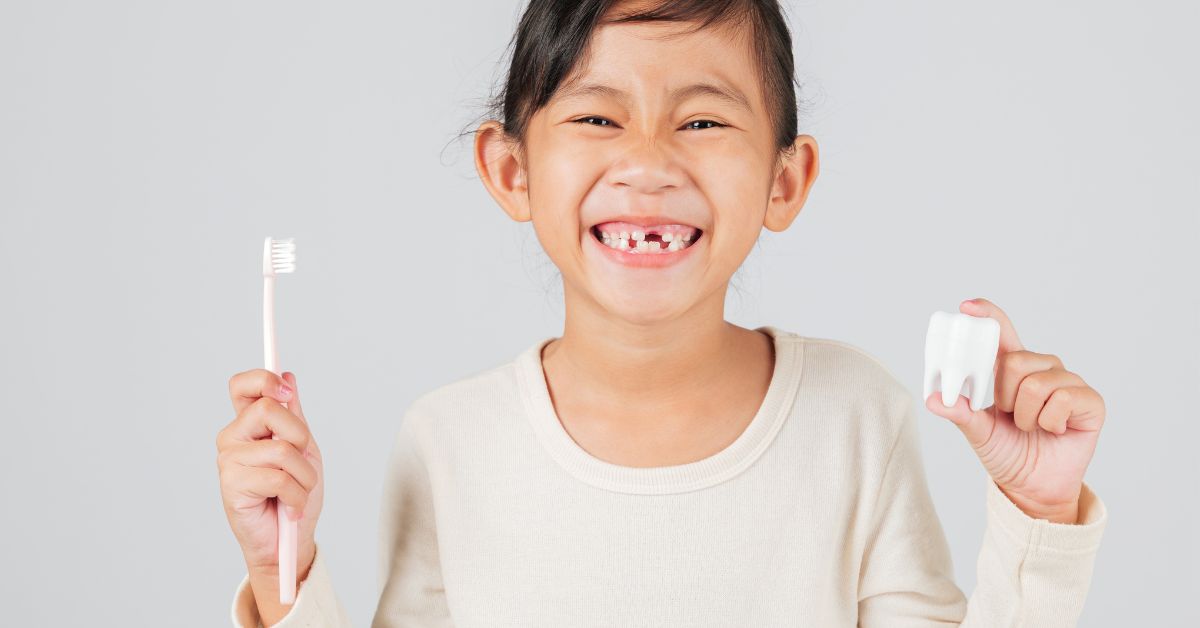
Get in Touch with PhD Dental
Pick your location
Los Angeles
Los Angeles is a diverse and fast-moving city where access to dependable dental care is essential for individuals and families alike. PhD Dental serves patients throughout Los Angeles with a commitment to personalized care and long-term oral health.
Hours
- Mon 9:30AM - 6:30PM
- Tue 9:30AM - 6:30PM
- Wed 9:30AM - 6:30PM
- Thu 9:30AM - 6:30PM
- Fri 9:30AM - 6:30PM
- Sat 9:00AM - 4:00PM
- Sun Closed