
Call PhD Dental Today for Exceptional Dental Care
BOOK AN APPOINTMENTLos Angeles Restorative Dentists
The top Los Angeles restorative dentists help patients repair damaged teeth, restore comfortable chewing, and stabilize the mouth when decay, fractures, or failing dental work disrupt daily life. At PhD Dental, restorative treatment starts with identifying the cause of the problem, then selecting an evidence-based solution that protects tooth structure and supports long-term function. We focus on durable outcomes and clear recommendations, so you understand what needs attention now and what can be staged responsibly.
Restorative dentistry often involves more than a single fix, especially when wear, bite pressure, and older restorations affect multiple teeth. Our team evaluates how the teeth fit together, how forces distribute across the bite, and what materials will hold up best for your needs. This approach supports patient confidence because it prioritizes stability and comfort, not quick patches that lead to repeat visits.
Call (323) 269-5437 to schedule a restorative dentistry evaluation with PhD Dental. We will review your concerns, explain your treatment options, and help you choose a plan that supports both comfort and long-term oral health.
Top-Rated Dentists
in Los Angeles
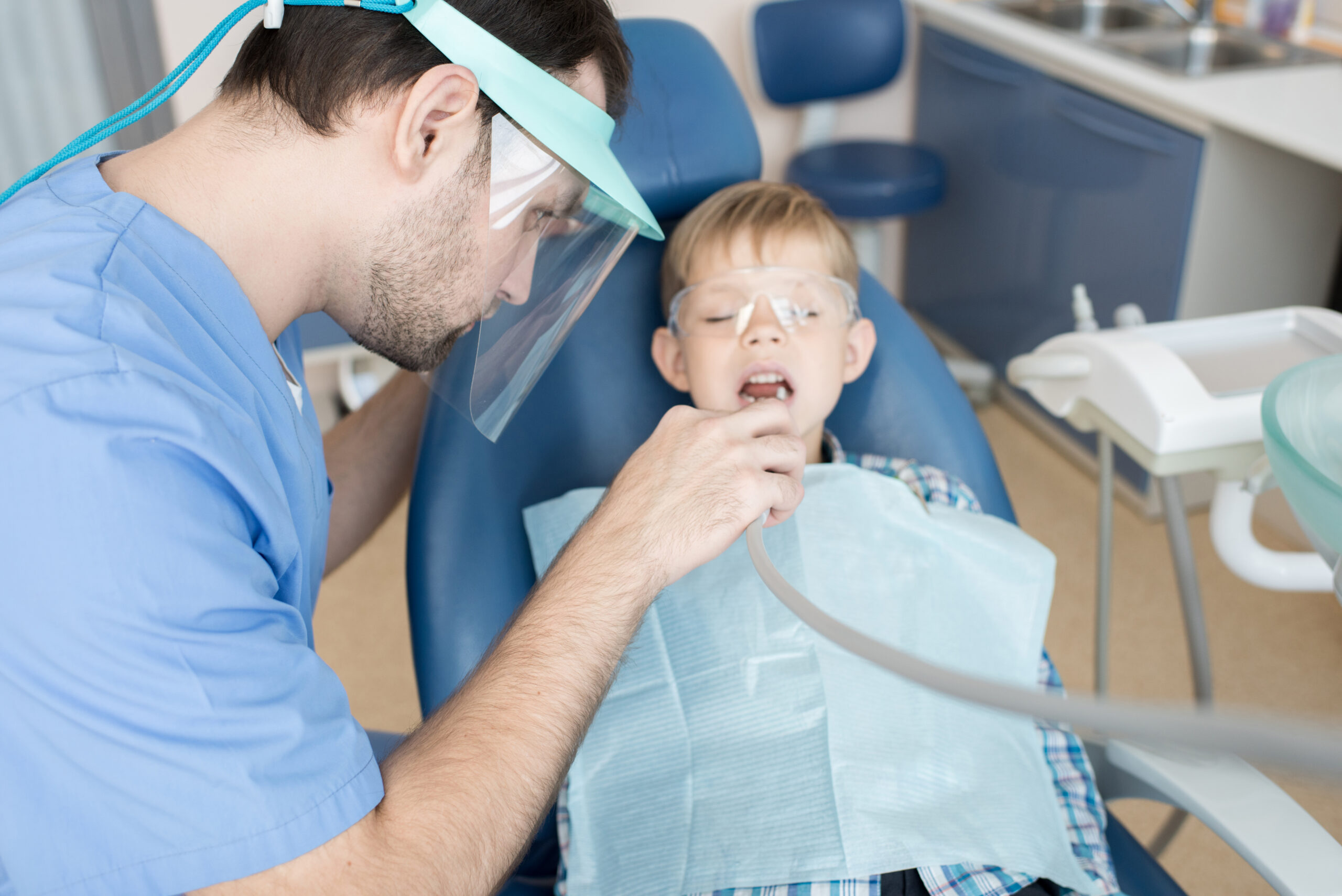
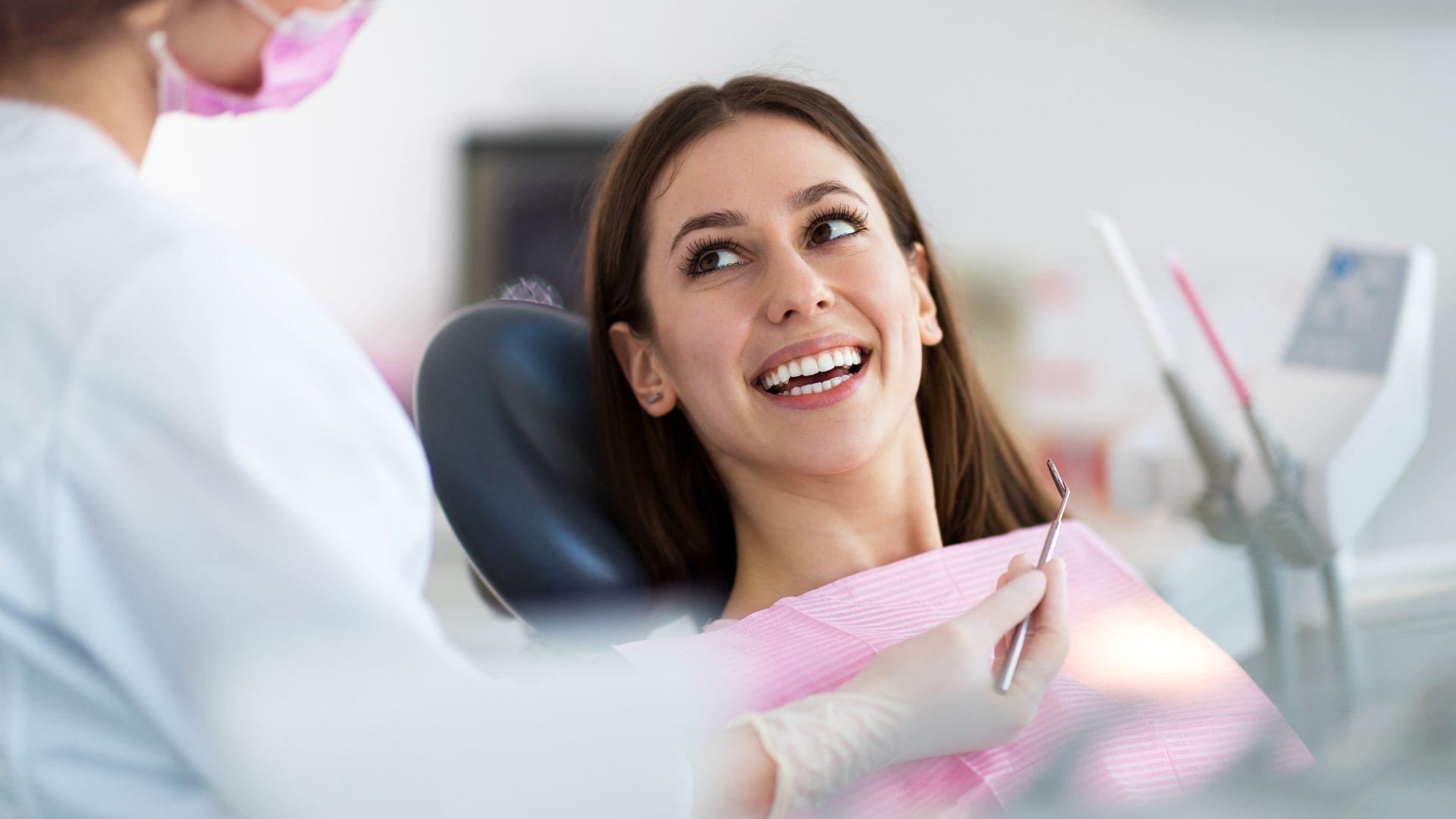
Patient-First Dentistry for Every Stage of Life
From early childhood development to adult care, we focus on patient comfort and comprehensive treatment.
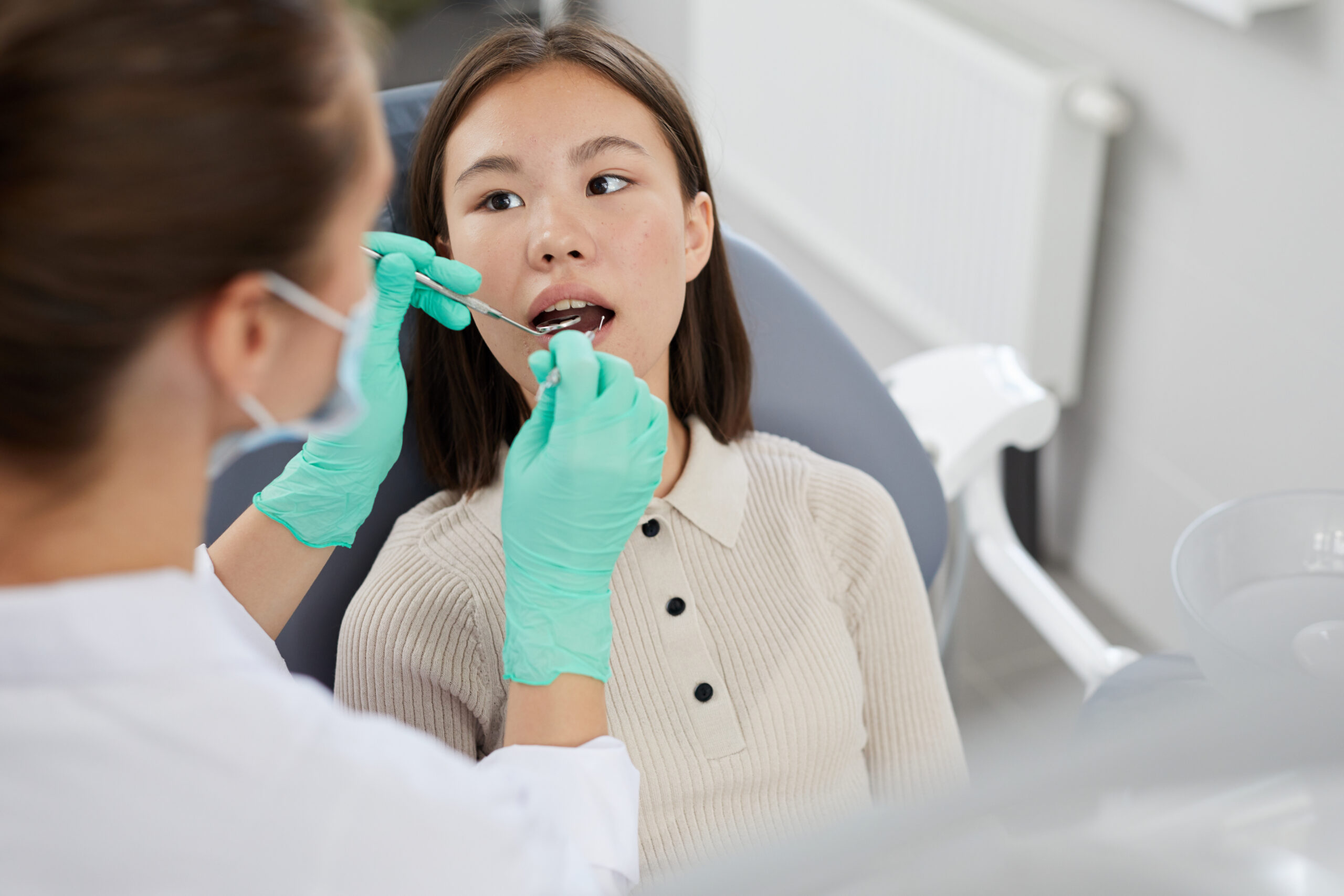
Removing Barriers to Dental Care
We believe everyone deserves access to high-quality dental care, regardless of financial situation.

Comprehensive Dentistry Under One Roof
Orthodontics, implants, oral surgery, and preventative care all conveniently located in our clinics.
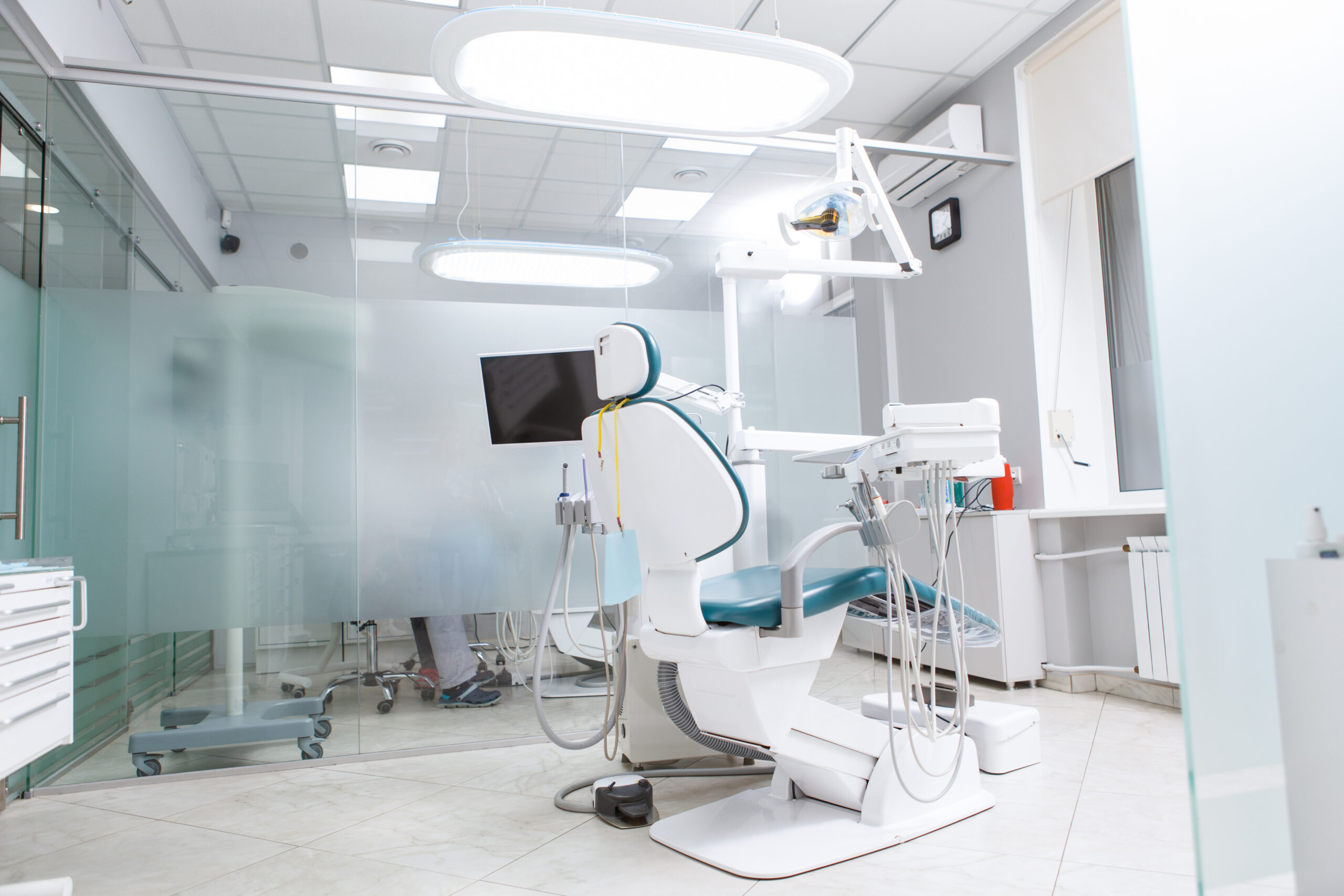
Expertise, Access & Convenient Locations
Multiple clinic locations across Los Angeles with extended hours to fit your busy schedule.
Table of Contents
- PhD Dental's Los Angeles Restorative Dentists Design Dental Care Around Your Comfort
- When Restorative Dental Treatment Is Necessary for Long-Term Oral Health
- Los Angeles Restorative Dentists Focused on Repairing Function and Oral Stability
- Restorative Dental Care Designed to Protect Bite Strength and Chewing Comfort
- Treating Tooth Damage, Decay, and Wear Before Problems Escalate
- Schedule a Visit With Our Los Angeles Restorative Dentists at PhD Dental
PhD Dental's Los Angeles Restorative Dentists Design Dental Care Around Your Comfort
Restorative dental work can feel intimidating because it often involves longer appointments and sensitivity in areas that already hurt. Comfort-focused restorative dentistry reduces that stress by combining clear preparation, steady communication, and techniques that limit discomfort during and after treatment. At PhD Dental, comfort planning is built into restorative care so patients can move forward without feeling rushed, judged, or uncertain about what will happen next. That approach includes setting expectations for how the visit will run, what sensations are typical, and how the team will respond if you need a break. Patients also receive practical guidance on how to prepare beforehand, including food, medications, and scheduling considerations that can affect comfort. During treatment, the goal stays the same, keep you informed and keep the experience controlled and predictable. After the appointment, clear instructions help you protect the work, manage sensitivity, and know when to call with questions.
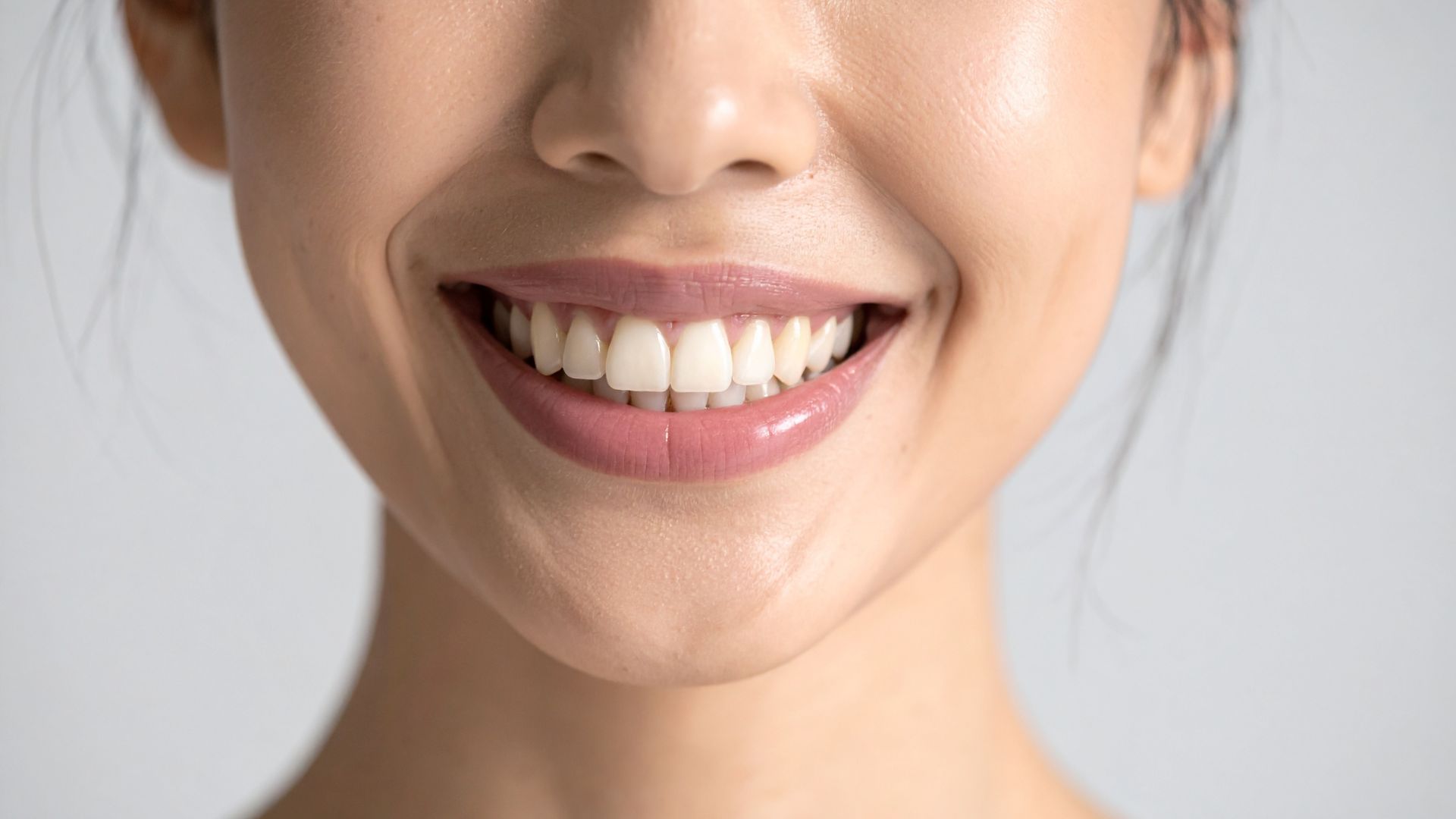
Comfort starts before treatment begins, especially for patients who have delayed care due to anxiety or prior discomfort. A supportive restorative plan explains each step, confirms comfort preferences, and sets realistic expectations for sensations during the visit. Patients tend to feel more satisfied when they know how the team will respond if they need a pause or have questions mid-appointment.
Numbing Strategies and Pain Control for Restorative Dental Procedures
Effective numbing depends on precision and patience, particularly when a tooth is inflamed or sensitive. A restorative dentist can adjust technique and timing so anesthesia has a chance to work fully before treatment continues. This approach builds trust because patients see that comfort is treated as a clinical priority, not an inconvenience.
Checking Comfort Throughout the Dental Appointment
Comfort can shift during restorative care, especially when treatment involves deep decay or multiple surfaces. A well-run visit includes regular check-ins, clear signals for when to pause, and straightforward explanations of what is happening. These check-ins improve confidence because patients stay informed and feel in control.
Some patients feel stressed by sounds, pressure sensations, or the fear that treatment will hurt. A comfort-first restorative approach anticipates those concerns and uses pacing, communication, and supportive techniques to reduce tension. When the environment feels calm and predictable, patients often complete needed treatment with fewer delays and less emotional strain.
Relaxed Dental Visit Pacing and Clear Step-by-Step Communication
Patients handle restorative care better when they understand the sequence and know how long each phase will take. Clear explanations reduce uncertainty, which is a major driver of anxiety. This structure supports satisfaction because patients feel respected and prepared rather than overwhelmed.
How Restorative Dentists Support Sensitive Gag Reflex and Sensory Triggers
Some patients struggle with gag reflex sensitivity, jaw fatigue, or sensitivity to strong tastes and smells. A restorative dental team can adjust positioning, use practical techniques to reduce triggers, and schedule breaks when needed. These adjustments matter because they allow patients to complete treatment comfortably instead of postponing care.
Patients often worry about soreness after restorative appointments, especially if they need crowns, deep fillings, or repairs to old dental work. A strong comfort plan includes guidance on what to expect, what is normal, and what helps reduce sensitivity during healing. When recovery expectations are clear, patients feel more confident returning to normal routines.
Bite Adjustment and Occlusion Checks After Restorative Treatment
Even a small bite imbalance can cause lingering soreness or sensitivity after a filling or crown. A careful restorative dentist checks how teeth contact during chewing and makes small refinements to avoid high-pressure points. This detail supports trust because patients see that the practice focuses on long-term comfort, not just completing the procedure.
Managing Short-Term Sensitivity and Home Care After Treatment
Temporary sensitivity can happen after restorative work, especially with deeper repairs. Patients benefit from clear guidance on brushing, diet, and products that can reduce discomfort. This support improves satisfaction because patients know how to respond and when to call if symptoms do not improve.
Comfort also depends on how well the practice supports you after the appointment. Follow-up planning helps confirm healing, address bite concerns, and adjust if anything feels off. Patients feel more secure when they know the practice will support the result beyond the procedure day.
Clear Post-Dental Visit Instructions and Recovery Expectations
Patients want direct guidance on what to do, what to avoid, and what changes they should expect over the next several days. Clear instructions reduce anxiety because they prevent second-guessing and unnecessary worry. A structured approach also improves outcomes because patients follow guidance more consistently.
Quick Access for Questions and Refinements For Restorative Dental Patients
Small issues can become major frustrations when patients cannot reach the office for guidance. A responsive follow-up process helps address concerns early and prevents avoidable discomfort from lingering. This support builds trust because patients feel cared for throughout the entire restorative process.
When Restorative Dental Treatment Is Necessary for Long-Term Oral Health
Restorative dental treatment becomes necessary when damage or breakdown starts to affect how your teeth function, how you chew, and how well you can keep areas clean. Many patients in Los Angeles delay treatment because discomfort comes and goes, but underlying issues like decay, cracks, and failing restorations typically progress without predictable warning. Addressing problems earlier often preserves more natural tooth structure and reduces the likelihood of more complex treatment later. At PhD Dental, we look for the specific reason the tooth is breaking down, then explain how that problem is likely to change if it is left untreated. Patients also get clarity on what can be stabilized with a conservative repair versus what may require a stronger restoration for long-term support. Early treatment can reduce the chance of a tooth cracking further, which often limits options and increases cost. This planning helps patients feel confident because the recommendation connects directly to function, stability, and protecting future choices.
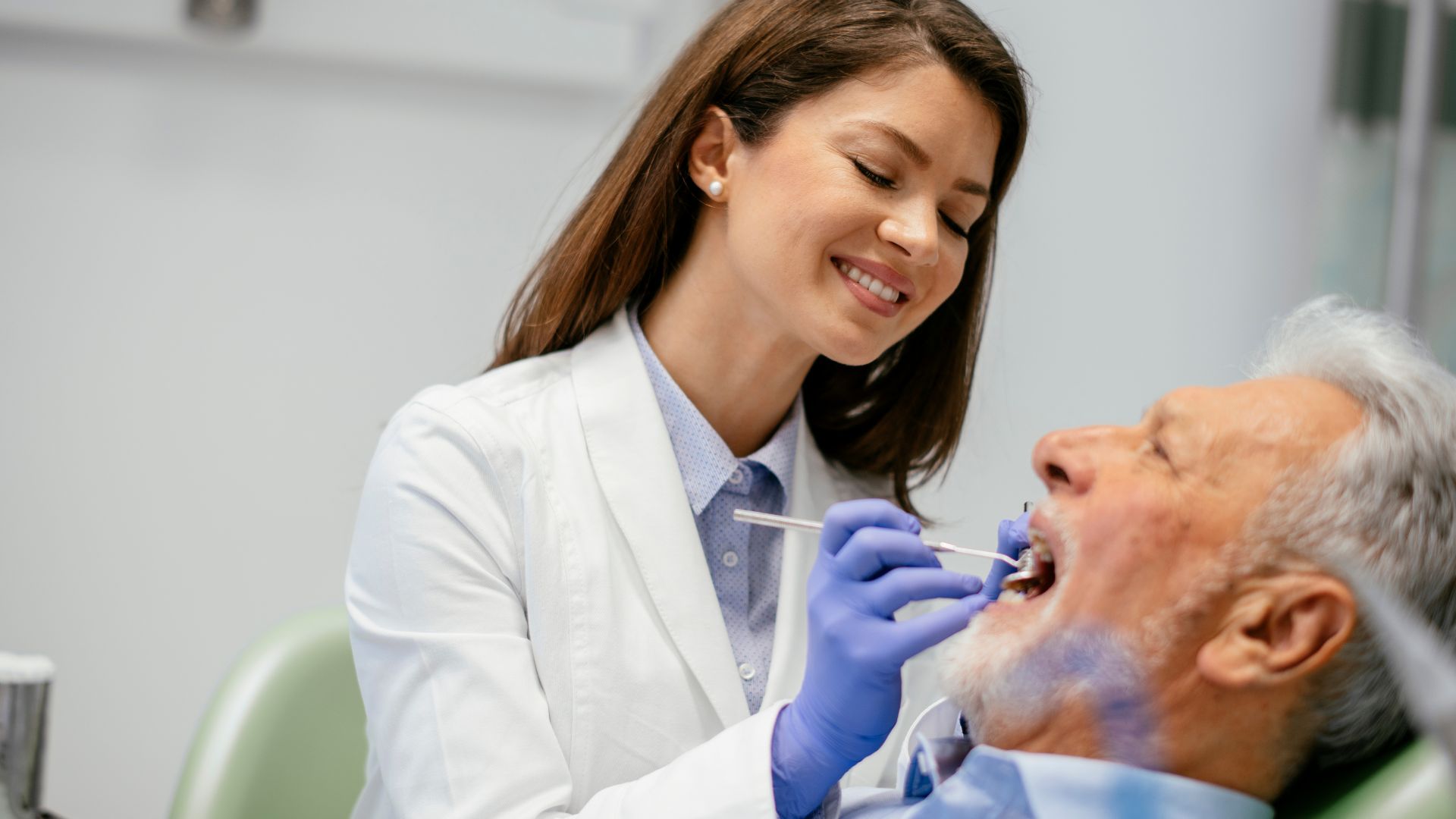
Patients often need restorative care when symptoms suggest a tooth has lost strength or stability. Sensitivity to temperature, pain when chewing, and recurring food trapping can indicate structural issues that will not resolve on their own. A restorative dentist can identify whether the problem involves enamel wear, a crack, old dental work, or decay that has reached deeper layers.
Pain With Biting, Lingering Sensitivity, and Pressure Discomfort After Restorative Dental Procedures
Pain that flares when you bite down often signals that a tooth is no longer distributing force evenly. Lingering sensitivity can indicate exposed dentin, weakened enamel, or irritation near the nerve. These symptoms matter because they can worsen quickly, especially when a crack spreads or decay advances.
Visible Chips, Cracks, and Changes in Tooth Shape
Some damage is obvious, such as a chipped edge or a piece of old filling that has fallen out. Other changes appear as roughness, worn grooves, or a tooth that looks shorter than it used to. These visual cues can signal that the tooth needs reinforcement to prevent further breakdown.
Restorative dentistry often protects oral health by stopping a problem before it spreads. A small cavity can become a deep infection, and a minor crack can progress into a fracture that requires extraction. Patients usually feel more confident when they understand that restorative treatment is designed to preserve teeth and protect future options.
Addressing and Restoring Failing Fillings, Crowns, and Older Dental Work
Older restorations can loosen, leak at the edges, or trap bacteria underneath. Even when the surface looks intact, a failing restoration can allow decay to progress silently. Replacing or reinforcing weakened dental work helps protect the tooth and improves comfort during daily chewing.
How Restorative Dentists Prevent Bone and Gum Complications from Untreated Damage
When decay or infection persists, it can affect the surrounding gum tissue and the bone that supports the tooth. Structural breakdown can also create areas that are hard to clean, which increases inflammation and bad breath risk. Restorative treatment can reduce these downstream issues by restoring a cleanable shape and a stable bite.
Dental care that restores your smile is often necessary when the bite no longer feels balanced or chewing becomes difficult on one side. Teeth that carry too much pressure can crack, while missing teeth can cause shifting that changes how your bite fits together. A restorative plan focuses on rebuilding strength and distributing forces more evenly, which supports comfort and durability.
The Key to Managing Wear from Grinding and Uneven Bite Forces in Restorative Dentistry
Grinding and clenching can wear teeth down, fracture restorations, and create chronic jaw tension. Our Los Angeles restorative dentists evaluate wear patterns to determine which teeth need reinforcement and which habits are driving damage. This planning supports long-term stability because it addresses the cause of breakdown, not just the symptom.
Restoring Missing Tooth Structure to Improve Daily Function
When part of a tooth is lost, chewing forces concentrate on thinner areas that can break more easily. Restorative treatment rebuilds the shape and strength of the tooth so it can handle normal bite pressure. Patients often notice improvement quickly because chewing feels more stable and predictable.
Some cases need prompt care, while others can be staged responsibly based on symptoms and risk. Timing decisions depend on whether the tooth is at risk for fracture, whether decay is advancing, and whether pain suggests nerve involvement. Patients appreciate clear timing guidance because it helps them plan financially and avoid emergency situations.
Prioritizing Treatment Based on Risk, Symptoms, and Tooth Strength
A structured plan identifies which teeth need attention first to prevent sudden failure. Prioritization also helps patients avoid overtreatment by focusing on the areas that have the highest risk of worsening. This approach builds trust because it balances urgency with practicality.
Building a Phased Restorative Plan That Protects Long-Term Options
Phased treatment allows patients to address urgent problems first while planning for additional improvements over time. A good plan keeps future options open, including more durable restorations or replacements when needed. Patients feel more confident when they can see a full roadmap rather than a series of disconnected fixes.
Los Angeles Restorative Dentists Focused on Repairing Function and Oral Stability
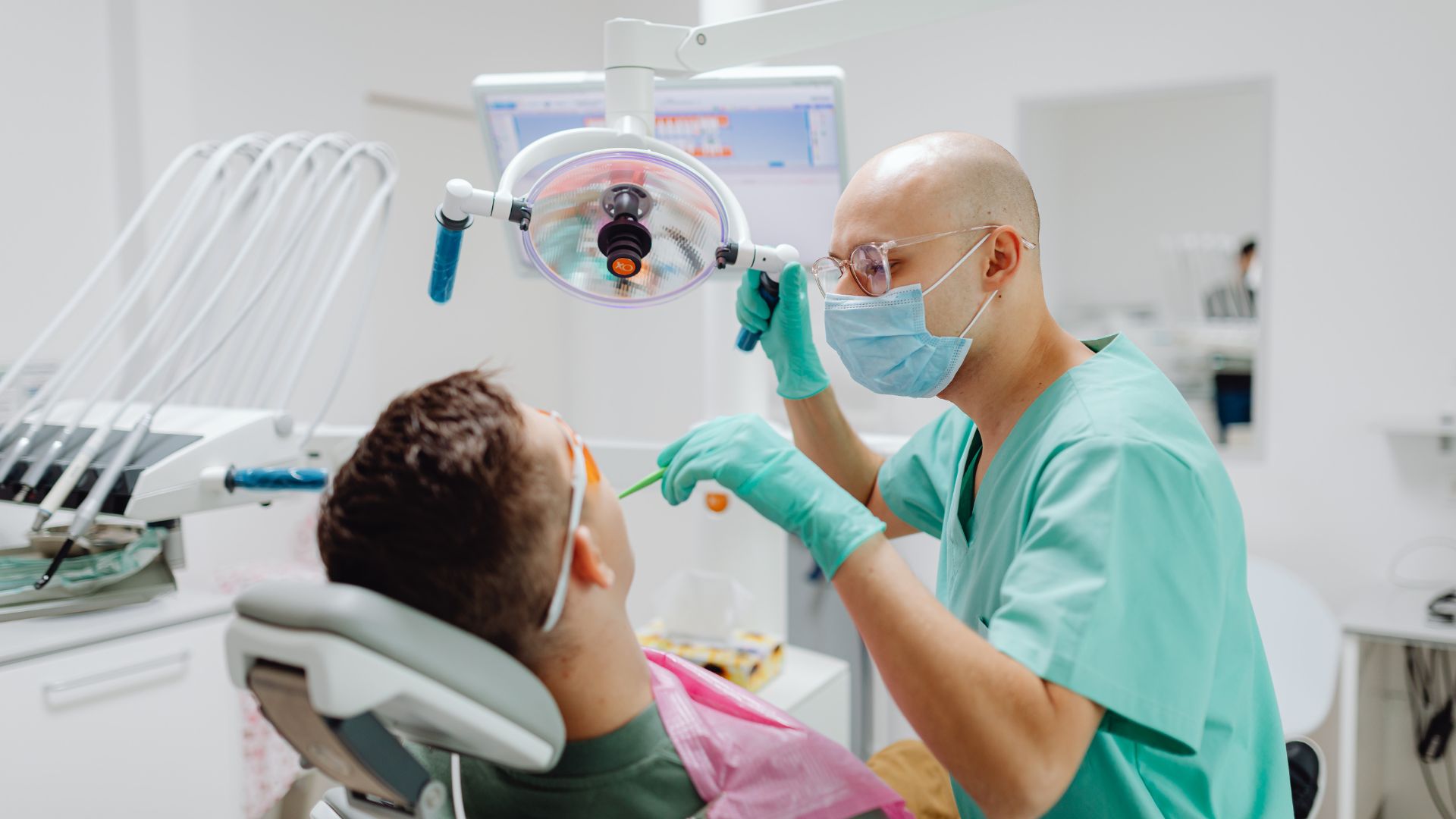
Restorative dentistry should rebuild strength and reliability, so teeth feel stable during everyday chewing and speaking. Los Angeles patients often seek restorative care when a tooth feels weak, a bite feels uneven, or old dental work no longer performs the way it should. PhD Dental approaches restorative dentistry with a function-first mindset that prioritizes structural support, clean margins, and long-term stability rather than short-term patchwork. That means we look at how the tooth is functioning in the bite, not just how it looks on the surface, so the repair holds up under real chewing forces. Patients also receive a clear explanation of what is failing, why it is happening, and which option best protects the remaining tooth structure. When more than one solution could work, we outline the durability and maintenance differences so you can choose with confidence. This approach reduces repeat problems because it focuses on preventing future breakdown, not simply addressing today’s discomfort.
Function improves when a damaged tooth regains the shape and strength needed to handle normal bite pressure. A restorative plan considers how forces distribute across the bite, which areas carry the most load, and what material can hold up best. Patients feel more confident when the plan focuses on durability and comfort, not just closing a hole or covering a defect.
Rebuilding Tooth Strength After Cracks, Fractures, and Structural Loss
Cracks and fractures often worsen when pressure concentrates on thin remaining tooth structure. A restorative dentist evaluates how far the damage extends and whether the tooth needs reinforcement to prevent splitting. This careful assessment supports trust because patients can see the reasoning behind why a stronger restoration may be recommended.
Protecting Remaining Tooth Structure With Conservative Repair Decisions
Not every tooth needs the most aggressive option, but every tooth needs the right level of support. A conservative restorative plan preserves healthy structure while still creating a stable result that holds up under daily function. Patients appreciate this balance because it protects long-term options and avoids unnecessary removal of tooth material.
Oral stability depends on how teeth contact and share load across the mouth. When a tooth breaks down or a restoration fails, the bite can shift subtly, creating stress that spreads to other teeth. Restorative treatment helps re-establish stable contacts so chewing feels balanced and pressure does not concentrate in one area.
Managing Bite Imbalance and Uneven Force Distribution in Restorative Procedures
Even small imbalances can create recurring soreness, sensitivity, or premature wear. Our Los Angeles restorative dentists check the bite after treatment and make refinements that prevent high spots from causing ongoing strain. This attention to bite stability supports patient satisfaction because comfort improves and restorations tend to last longer.
Preventing Secondary Problems Caused by Overload and Wear
When one tooth takes too much pressure, surrounding teeth often compensate, which can lead to new cracks or worn surfaces. Restorative planning can reduce this cascade by correcting contacts and protecting vulnerable areas. Patients trust this approach because it treats function as a system, not as isolated teeth.
Restorative dentistry should also make the mouth easier to keep clean. Poorly fitting restorations can trap food, irritate gums, and create sites where decay returns. A quality restorative plan focuses on contours and margins that support daily brushing and flossing, which helps patients maintain results over time.
Restoring Natural Tooth Contours to Reduce Food Traps and Irritation
When a restoration restores the proper shape between teeth, flossing becomes smoother and food trapping decreases. Patients often notice the difference quickly because the area feels less inflamed and easier to maintain. This detail supports satisfaction because it improves everyday comfort and supports long-term stability.
Margin Quality and Fit That Protect Against Recurrent Decay
The edges of a restoration matter because bacteria can enter small gaps and undermine the tooth. A careful restorative approach prioritizes a precise fit and a clean finish to reduce leakage risk. Patients gain confidence when they understand that quality in the details helps prevent repeat treatment.
Some restorative cases involve multiple teeth, older dental work, or bite changes that require a broader plan. Coordinated care helps ensure each repair supports the next step rather than creating conflicts in the bite or appearance. Patients feel reassured when the practice explains how today’s restoration fits into the longer roadmap.
Sequencing Restorative Treatment for Multi-Tooth Problems
When several teeth require repair, the order matters. A phased plan can prioritize the teeth most at risk while preserving options for future reinforcement or replacement. This sequencing builds trust because patients see a controlled strategy rather than a series of disconnected procedures.
Setting Expectations for Longevity, Maintenance, and Follow-Through
Patients want to know what results should look like months and years after treatment. A clear plan includes maintenance guidance and realistic longevity expectations based on materials, bite forces, and habits. That clarity supports confidence because patients understand how to protect the work and when to schedule check-ins.
Restorative Dental Care Designed to Protect Bite Strength and Chewing Comfort
Bite strength depends on how evenly your teeth share pressure during chewing, talking, and normal jaw movement. When a tooth weakens or a restoration fails, force often shifts to other teeth, which can create soreness, micro-fractures, and a cycle of repeated repairs. PhD Dental designs restorative care to re-establish balanced contacts and stable tooth anatomy, so chewing feels natural and the bite stays predictable from day to day. This approach also helps reduce the instinct to avoid one side of the mouth, which can strain the jaw and overload otherwise healthy teeth. Patients get clearer expectations about what should feel different after treatment, including how the bite should land and what normal adjustment feels like. When small issues show up, like a high spot or uneven contact, early refinement can prevent lingering sensitivity. Over time, balanced function helps restorations last longer because teeth stop taking on stress they were never meant to carry.
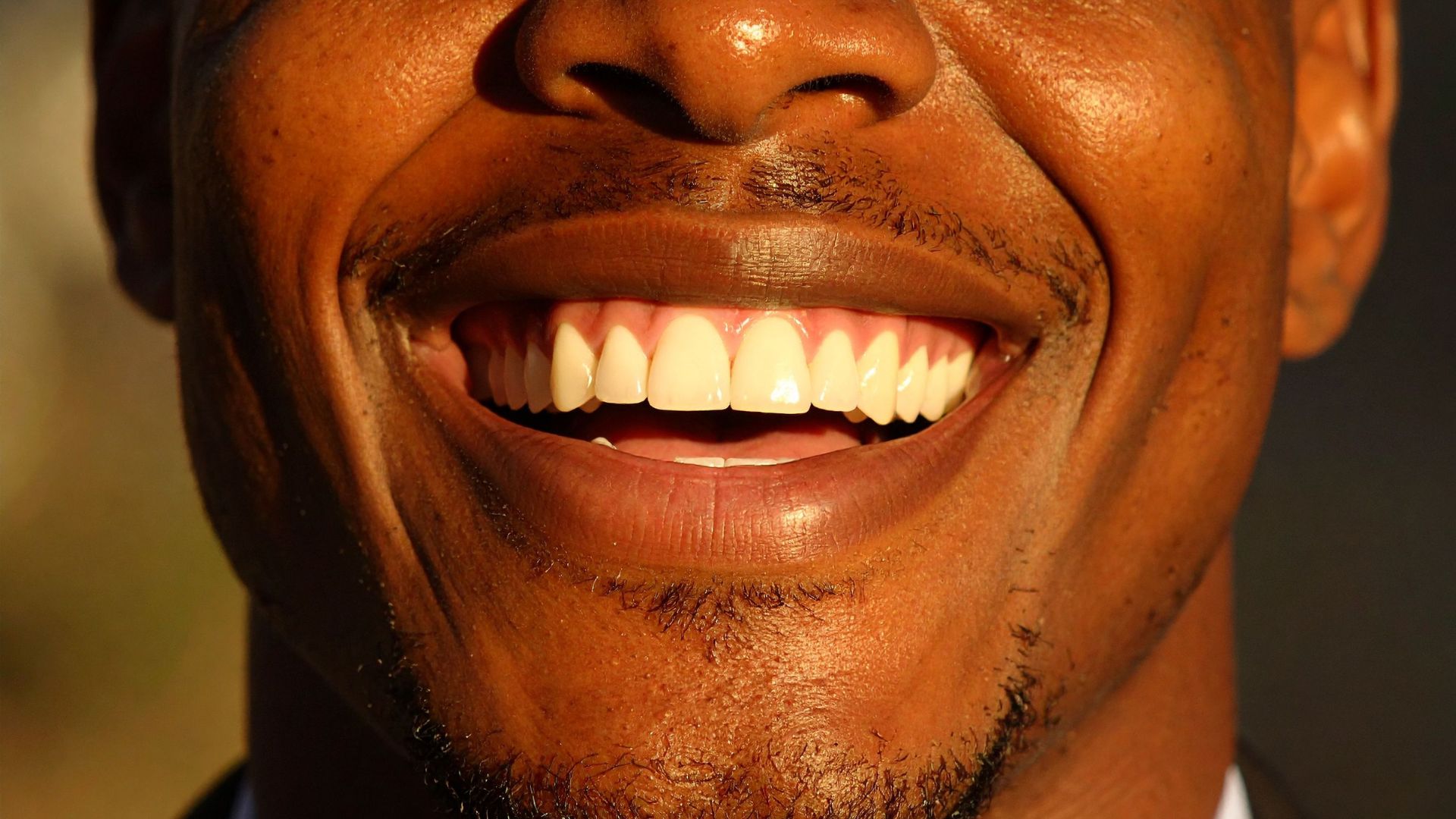
Protecting chewing comfort starts with understanding how your teeth contact and where pressure concentrates. Our Los Angeles restorative dentists evaluate bite relationships, wear patterns, and any signs of overload that could compromise a new filling, crown, or bridge. Patients trust this process because it explains why a restoration needs a certain shape, height, or reinforcement to perform correctly.
How Los Angeles Restorative Dentists Identify High-Pressure Contacts and Hidden Bite Imbalances
Some bite problems show up as obvious pain, while others present as recurring sensitivity or fatigue on one side. A careful evaluation can locate subtle high points that stress a single tooth or restoration. When these contacts are corrected, patients often notice that chewing feels smoother and less guarded.
Refining Occlusion After Restorative Treatment for Long-Term Comfort
Even a well-placed restoration can feel off if the bite lands slightly high during function. Occlusal refinement involves adjusting contacts so pressure distributes evenly and does not overload a single tooth. This detail improves satisfaction because it reduces lingering soreness and helps restorations last longer.
Chewing comfort improves when teeth regain structural integrity and proper anatomy. Restorative dentistry can rebuild weakened areas and create a stable surface that tolerates normal bite pressure without cracking. Patients feel more confident when the restoration choice reflects how much load the tooth carries and how much healthy structure remains.
Strength-Focused Restorations for Cracked, Worn, or Weakened Teeth
A tooth that has lost strength often needs reinforcement that protects it from splitting. Restorative planning considers the direction of cracks, the extent of wear, and whether the tooth needs coverage rather than a surface repair. This strategy supports trust because it explains why a stronger solution can prevent repeat failure.
Material Selection Based on Bite Stress and Longevity Goals
Material choice matters because different restorations respond differently to clenching, grinding, and hard chewing. Our Los Angeles restorative dentists can explain which materials resist fracture, which maintain fit, and what maintenance is realistic over time. Patients appreciate this guidance because it ties the recommendation to durability rather than convenience.
A compromised bite can create jaw fatigue and muscle tension, especially when patients avoid chewing on one side. Restorative dentistry can reduce that strain by restoring stable contacts that allow balanced function. Patients often notice improved comfort when chewing no longer requires compensation.
Preventing Overcompensation and One-Sided Chewing Patterns
When one area hurts, patients naturally shift chewing to the other side. That pattern can overload healthy teeth and contribute to new sensitivity or wear. Restoring stability helps patients return to balanced chewing and reduces the chance of secondary problems developing.
Supporting TMJ-Friendly Bite Stability Through Careful Adjustments
Some patients feel jaw clicking, tightness, or soreness when the bite does not fit comfortably. A restorative plan that emphasizes stable, even contacts can reduce triggers that aggravate jaw strain. Patients feel reassured when the practice takes time to confirm comfort and function rather than treating the bite as an afterthought.
Comfort is not always immediate, especially when the mouth has adapted to an uneven bite for months or years. Follow-through helps confirm that the restoration performs well during real eating and daily habits. Patients value this support because it ensures small issues get corrected before they become ongoing frustration.
Post-Treatment Checkpoints for Bite Feel and Function
A follow-up visit can confirm that chewing feels stable, speech feels natural, and no pressure points remain. Patients often appreciate having a clear window for adjustments, since bite comfort can change once numbness wears off and normal chewing resumes. This checkpoint reinforces trust because it shows commitment to outcomes, not just procedure completion.
Long-Term Maintenance Guidance for Protecting Bite Strength
Protecting bite strength includes practical habits that reduce unnecessary stress on teeth and restorations. Patients may receive guidance on avoiding hard objects, managing grinding risk, and staying consistent with preventive checkups. Clear maintenance advice supports satisfaction because patients know how to protect their comfort and keep restorations stable.
Treating Tooth Damage, Decay, and Wear Before Problems Escalate
Tooth damage rarely stays static, especially when everyday chewing forces continue to stress weakened areas. Early restorative intervention can prevent a small defect from becoming a fracture, a deeper cavity, or a situation that requires more invasive treatment. PhD Dental helps Los Angeles patients stay ahead of escalation by identifying the underlying cause of breakdown and addressing it before it spreads to neighboring teeth or deeper structures.
Early Restorative Dentistry That Stops Small Problems From Becoming Big Repairs
A conservative restoration often becomes possible only when a problem is caught early. Minor decay, small chips, and early wear patterns can be treated in a way that preserves tooth structure and keeps the bite stable. Patients often feel relief when a dentist explains that early treatment can reduce complexity, shorten appointment time, and improve long-term predictability.
Managing Tooth Wear and Grinding-Related Breakdown Early
Wear often builds gradually until teeth feel shorter, edges look uneven, or sensitivity increases. Grinding and clenching can accelerate wear and cause restorations to fail sooner than expected. A function-aware plan addresses both the visible wear and the forces that drive it, which helps protect results over time.
Repairing Tooth Damage Before It Triggers Infection or Nerve Problems
When decay reaches deeper layers, the risk of inflammation and infection increases. Once the nerve becomes involved, treatment often becomes more time-sensitive and more complex. Early repair helps reduce the chance of sudden pain episodes that disrupt work, sleep, and daily life.
Preventing Escalation Through Monitoring and Follow-Through
Not every early concern needs immediate treatment, but every concern should have a plan. Monitoring with defined checkpoints helps patients avoid drifting into a problem that becomes urgent later. Follow-through also improves outcomes because small adjustments can be made before discomfort or damage progresses.
Schedule a Visit With Our Los Angeles Restorative Dentists at PhD Dental
Restorative dental care often begins when a problem starts interfering with comfort, function, or confidence during everyday activities. At PhD Dental, a visit with our Los Angeles restorative dentists focuses on identifying what is compromising tooth strength or bite stability, then outlining practical solutions that support long-term oral health. Patients receive clear explanations, realistic timelines, and recommendations that prioritize durability rather than temporary fixes.
Scheduling a restorative visit also gives you the opportunity to address concerns before they become disruptive or urgent. PhD Dental emphasizes careful evaluation, coordinated planning, and follow-through, so treatment feels organized from the first appointment through recovery. That structure helps patients feel confident they are choosing care that protects both comfort and future treatment options.
Call (323) 269-5437 to schedule a visit with our Los Angeles restorative dentists at PhD Dental, or request an appointment online to begin your evaluation.
Learn About Our Restorative Dentistry Services
Book With Us Today
Learn about our restorative dentistry services at PhD Dental. We provide treatments such as dental crowns, bridges, fillings, and implants designed to repair damaged teeth, restore function, and help you enjoy a stronger, healthier smile.
LEARN MORE
Get in Touch with PhD Dental
Pick your location
Los Angeles
Los Angeles is a diverse and fast-moving city where access to dependable dental care is essential for individuals and families alike. PhD Dental serves patients throughout Los Angeles with a commitment to personalized care and long-term oral health.
Hours
- Mon 9:30AM - 6:30PM
- Tue 9:30AM - 6:30PM
- Wed 9:30AM - 6:30PM
- Thu 9:30AM - 6:30PM
- Fri 9:30AM - 6:30PM
- Sat 9:00AM - 4:00PM
- Sun Closed