
Full Mouth Reconstruction in Los Angeles
Dental patients need full mouth reconstruction when multiple dental problems stack up and start affecting daily life. For this type of care, Los Angeles dentists must bring several needs into one coordinated plan, so chewing feels stable, the bite meets evenly, and each restoration supports the next step instead of competing with it. PhD Dental approaches reconstruction with a focus on clarity, because patients want to understand what drives the plan, what changes first, and how the end result will feel when eating and speaking.
A full mouth reconstruction works best when damage, wear, missing teeth, or prior dental work creates a cycle of breakdown that spot treatments do not solve. The goal is to rebuild strength and predictability across the mouth, not to chase a quick cosmetic change. Dentists plan sequencing carefully so discomfort decreases over time and the result holds up under real bite forces. Patients tend to feel more confident when the process stays organized and each phase has a clear purpose.
Call (323) 269-5437 to speak with PhD Dental in Los Angeles about full mouth reconstruction and schedule a consultation to discuss a step-by-step plan for restoring comfort and function.
Top-Rated Dentists
in Los Angeles
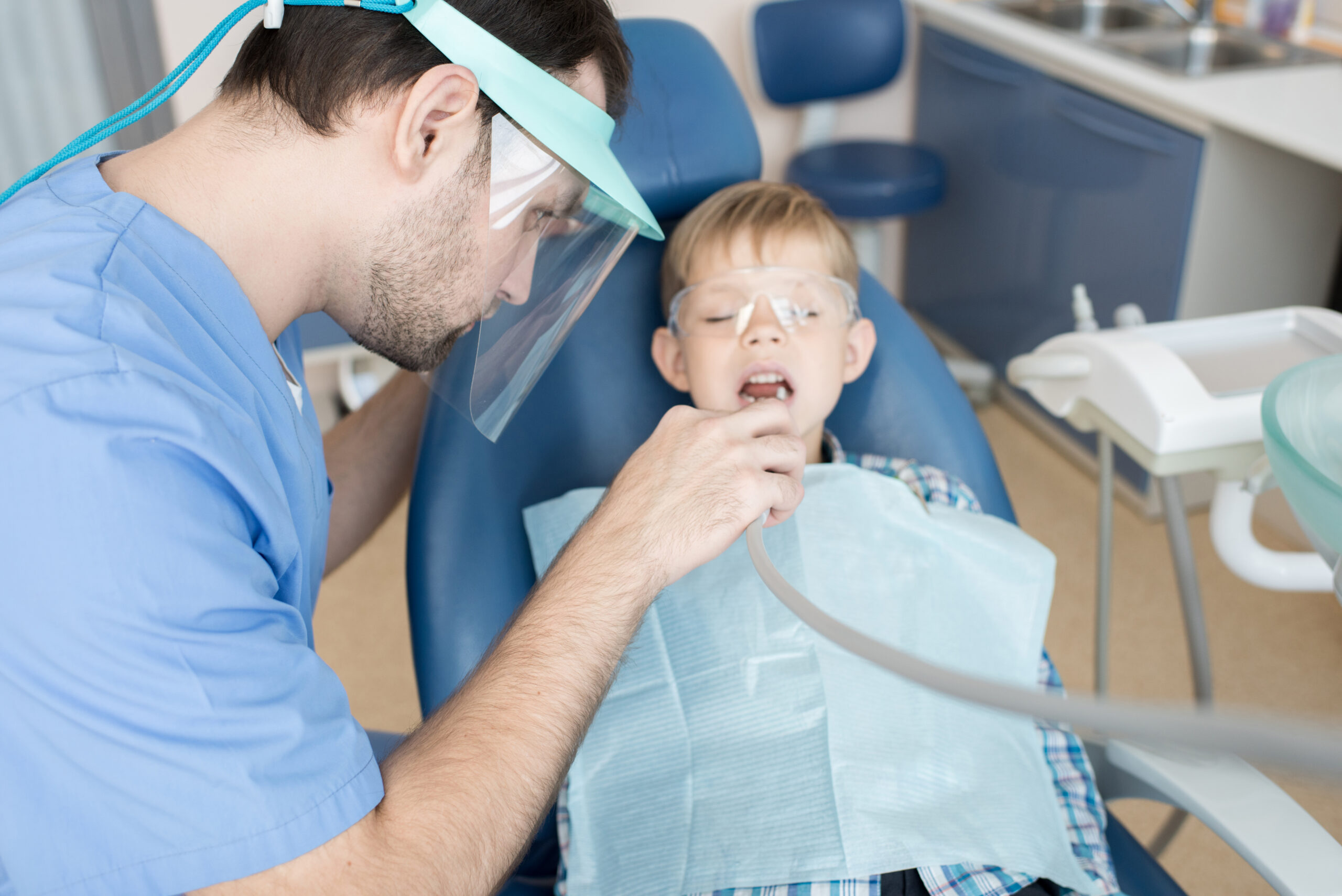
Patient-First Dentistry for Every Stage of Life
From early childhood development to adult care, we focus on patient comfort and comprehensive treatment.
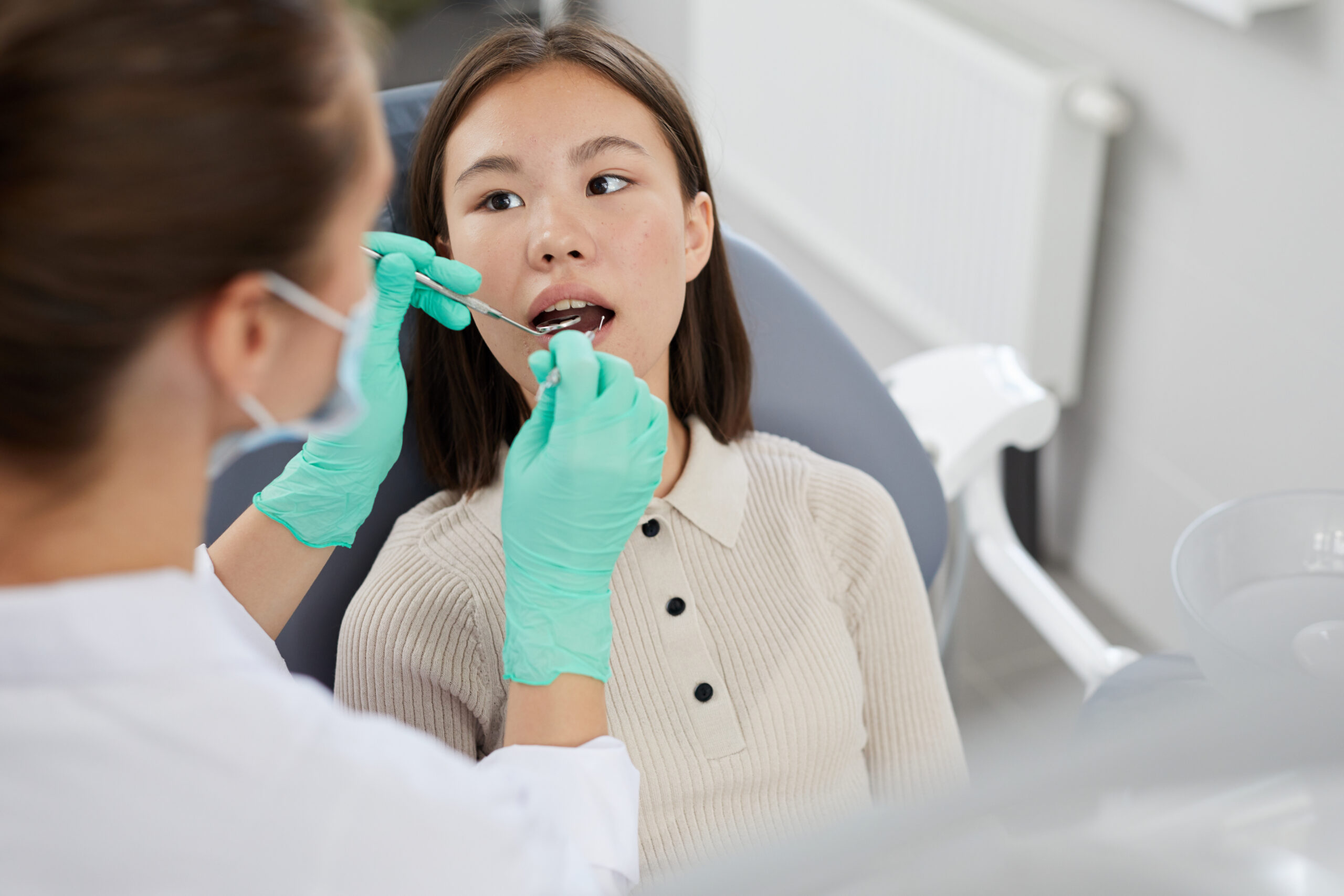
Removing Barriers to Dental Care
We believe everyone deserves access to high-quality dental care, regardless of financial situation.

Comprehensive Dentistry Under One Roof
Orthodontics, implants, oral surgery, and preventative care all conveniently located in our clinics.
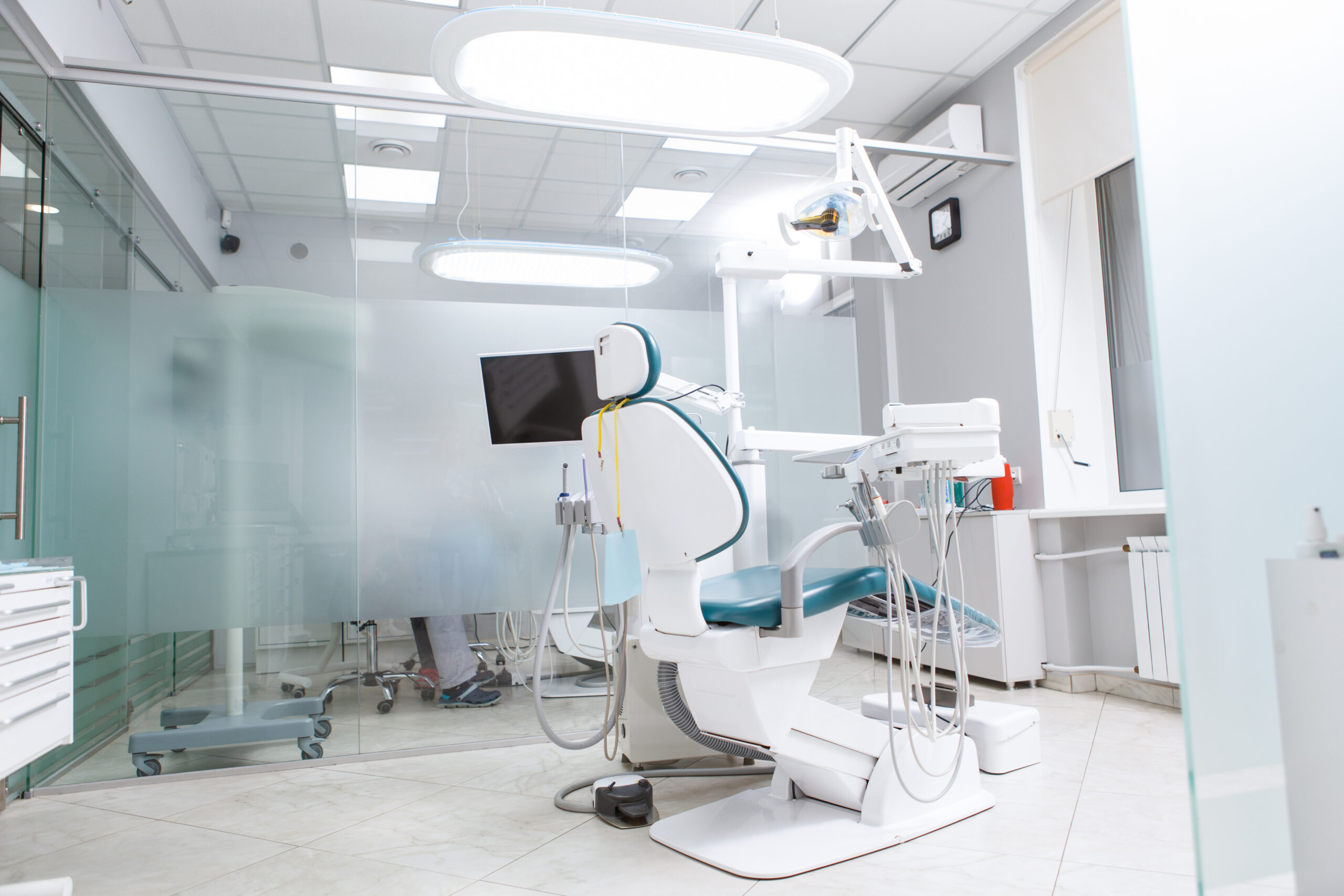
Expertise, Access & Convenient Locations
Multiple clinic locations across Los Angeles with extended hours to fit your busy schedule.
When Full Mouth Reconstruction Becomes the Right Path Forward

Full mouth reconstruction from PhD Dental becomes the right path forward when dental problems connect and create ongoing instability that isolated treatments cannot resolve. Many patients reach this stage after repeated repairs that address symptoms without correcting the underlying bite or structural imbalance. Dentists recommend a comprehensive approach when a coordinated plan can reduce repeat treatment, restore daily comfort, and support long-term function across the entire mouth.
Certain patterns indicate that piecemeal dental care is no longer effective. These situations often involve repeated failures, discomfort that returns after treatment, or visible wear that continues to progress. Full mouth reconstruction focuses on stabilizing the system rather than reacting to each new issue as it appears.
Recurrent Tooth Fractures and Restorations That Fail Prematurely and Need Dental Reconstruction
Teeth that crack repeatedly or restorations that wear out quickly often point to uneven bite forces or weakened structural support. A single crown or filling may solve the immediate problem but leave the same stress in place. Patients often gain confidence when the treatment plan addresses the cause of repeated damage instead of managing each failure in isolation.
Why Repeated Dental Repairs Can Lead to Frustration Over Time
When underlying bite issues remain unchanged, repairs tend to follow a predictable cycle of breakdown. Patients may feel caught in ongoing appointments without lasting improvement. Full mouth reconstruction aims to interrupt that cycle by rebuilding stability before additional damage occurs.
Severe Tooth Wear That Alters Bite Height and Chewing Function
Advanced wear can flatten teeth and reduce the natural height of the bite, which changes how the jaw closes and how pressure distributes. Patients often notice chewing fatigue, sensitivity, or a sense that the teeth no longer fit together comfortably. Dentists may recommend reconstruction when restoring bite height becomes necessary to protect remaining tooth structure.
How Bite Wear Can Affect Comfort Beyond the Teeth
A collapsed bite can influence jaw comfort and muscle fatigue during daily use. Some patients adapt by avoiding certain foods or chewing on one side. Rebuilding proper bite support can help restore balance and make eating feel more natural again.
Tooth loss rarely stays localized, especially when multiple areas are involved. Over time, shifting teeth and uneven contacts can complicate future treatment and reduce comfort. Full mouth reconstruction becomes appropriate when tooth replacement must coordinate with bite correction and long-term stability.
How Dental Reconstruction Helps Patients With Multiple Missing Teeth
When support is lost in several areas, remaining teeth often carry more force than they were designed to handle. Patients may notice changes in chewing efficiency or increasing discomfort over time. Dentists may recommend reconstruction to rebuild support in a way that protects what remains.
Why Replacing Support Can Improve Chewing Comfort Quickly
Restoring structural support helps distribute force more evenly during chewing. Patients often experience relief once they stop compensating for missing teeth. A coordinated plan improves satisfaction by targeting the factors that interfere most with daily function.
Tooth Shifting After Tooth Loss That Creates Fit and Alignment Problems Fixed By Dental Reconstruction
Teeth can drift, tip, or rotate into open spaces, making future restorations harder to place accurately. Patients may notice food trapping or bite interference that worsens gradually. Full mouth reconstruction addresses these changes in a controlled sequence so final restorations feel stable and predictable.
How Dentists Plan Tooth Replacement and Reconstruction Without Creating New Issues
A comprehensive plan considers spacing, bite contacts, and treatment order before any final restorations are placed. Dentists often stabilize key areas first to prevent early steps from complicating later ones. This sequencing builds trust because it reflects deliberate planning rather than rushed correction.
Patients with extensive existing dental work often experience uneven wear or discomfort as restorations age. Crowns, fillings, and mixed materials can interact in ways that disrupt bite balance. Full mouth reconstruction becomes a strong option when updating multiple areas together improves overall harmony.
How LA Dentists Approach Older Crowns and Fillings in Reconstruction Consultations
Restorations placed years apart may no longer fit together as intended. Patients sometimes feel pressure on specific teeth or notice recurring irritation in the same areas. Dentists may recommend reconstruction when aligning restorations improves comfort and reduces ongoing adjustment.
Why Replacing Multiple Restorations Together Can Improve Outcomes
Isolated replacement can force compromises around older work and create new pressure points. A coordinated plan allows better control over bite balance and material selection. Patients often appreciate this approach because it reduces the likelihood of additional corrections later.
Combining Functional Repair With Aesthetic Improvement in One Plan
Some patients want visible improvement, but the primary issue involves instability or wear. Full mouth reconstruction allows aesthetic choices to align with functional needs so results look natural and feel comfortable. This integration supports satisfaction because appearance improvements rest on a stable foundation.
How Dentists Set Clear Expectations for Full Mouth Reconstruction Results
Trust builds when dentists explain which changes happen early and which require staged treatment. Patients benefit from understanding how comfort should improve over time and what long-term maintenance involves. Clear expectations help reconstruction feel like a planned process rather than an uncertain overhaul.
What Patients Should Expect as Tooth Function Is Rebuilt

Rebuilding tooth function during full mouth reconstruction in Los Angeles often feels like a guided transition, not a single moment where everything suddenly changes. Patients usually notice improvements in stages as chewing surfaces, bite contacts, and support points come together in a planned sequence. A clear expectation is that comfort and confidence grow step by step, especially when the plan includes checkpoints that confirm each phase feels stable before moving forward.
Chewing often feels easier as the bite starts meeting more evenly across the mouth. Patients may notice they stop favoring one side and can handle a wider range of foods without hesitation. Dentists set expectations for gradual improvement because the mouth needs time to adapt to new contact patterns.
Early Changes in Chewing Patterns After Full Dental Reconstruction
Many patients notice that chewing feels less tentative once the bite stops catching in a few high-pressure spots. They may also feel more even pressure during biting, which can reduce fatigue while eating. Dentists often explain these changes in practical terms so patients know what progress should feel like.
Why Small Bite Adjustments Can Make a Big Daily Difference
A minor correction in one contact point can change how force spreads across the bite. This often reduces the feeling that one tooth takes all the pressure. Patients appreciate this clarity because it links the plan to everyday comfort rather than abstract mechanics.
Adaptation Time as Teeth and Jaw Muscles Adjust to a Restored Bite
A rebuilt bite can feel different at first because the jaw muscles have learned old compensation patterns. Patients may need a short adjustment period as chewing becomes more balanced and natural. Dentists support satisfaction by explaining that adaptation is normal and by monitoring comfort changes closely.
How Dentists in Los Angeles Confirm the Bite Feels Natural Over Time
Clinicians check for signs that the bite loads evenly and that no area feels overloaded during normal function. They also listen to patient feedback about chewing and pressure points because those sensations often reveal subtle issues early. This responsive approach builds trust because the plan stays accountable to real-world comfort.
Full mouth reconstruction often feels more manageable when patients can see progress in defined phases. Dentists use practical milestones so patients know what the current phase is meant to accomplish and what the next step will solve. This structure improves confidence because patients feel guided rather than left guessing.
Phase-by-Phase Expectations for Function Restoration Following Dental Reconstruction
Each phase typically targets a specific goal, such as stabilizing chewing, improving contacts, or restoring support in a way that prepares for final restorations. Patients benefit when the dentist explains how each step contributes to the final bite. This communication supports satisfaction because progress feels intentional and measurable.
How Milestones Prevent the Feeling of an Open-Ended Process
A plan can feel stressful if the timeline seems unclear or the steps feel disconnected. Milestones reduce that stress by showing where you are in the sequence and what counts as success at that stage. Patients often feel more committed when they understand the purpose of each checkpoint.
Temporary Dental Restorations and Provisional Phases That Support Stability
Some reconstruction plans use provisional restorations to test function and comfort before placing final work. Patients often value this because it gives room for refinements while the mouth adapts. Dentists present this step as a quality safeguard, not a detour, so patients understand why it matters.
Why Provisional Phases Help Dentists Fine-Tune Chewing and Comfort
Testing function in a provisional phase helps identify small pressure points or speech issues before finalizing the bite. It also allows adjustments that improve how the restorations feel during daily use. Patients trust this approach because it prioritizes long-term stability over rushing to the final step.
Patients often want to know what daily life will feel like during reconstruction, including sensitivity, pressure, and overall comfort. Dentists set practical expectations so patients know what is normal during adaptation and what deserves a quick check. This clarity reduces anxiety and helps patients feel supported throughout treatment.
Sensitivity Expectations as Reconstructed Teeth Adjust to New Surfaces
Some patients notice mild sensitivity as the mouth adapts to newly restored chewing surfaces. Sensation often improves as bite contacts stabilize and the surrounding tissue settles. Dentists help patients by explaining what should taper off and by making adjustments if discomfort feels sharp or persistent.
How Patients Can Tell Normal Sensitivity from a Bite Issue
Normal sensitivity tends to fade and feels generalized rather than pinpointed. Bite-related discomfort often shows up as a specific spot that hurts when chewing or feels like one tooth hits first. Knowing the difference helps patients act early without second-guessing.
Speech and Bite Awareness as the Mouth Learns a New Post-Dental Reconstruction Normal
Changes in tooth shape and contact can affect speech clarity and tongue positioning at first. Most patients adapt as the mouth learns the new contours and the bite settles into a stable pattern. Dentists often address this early because reassurance improves satisfaction and reduces self-consciousness.
Why Small Refinements Can Improve Confidence in Conversation
A minor contour adjustment can make certain sounds feel more natural and reduce tongue irritation. Patients appreciate this attention because speech comfort affects work and social settings. This responsiveness reinforces trust because it shows the plan accounts for daily life, not only clinical goals.
Follow-up care plays a major role in how stable the final result feels. Dentists confirm that bite contacts remain balanced, that restorations remain comfortable, and that cleaning stays manageable. Patients often feel more confident when they know the plan includes ongoing oversight rather than a single handoff.
Bite Rechecks That Keep Function Comfortable and Predictable
Bite contacts can shift slightly as the mouth adapts, especially in the months after major restoration work. Dentists schedule rechecks to confirm the bite stays even and to correct any developing high spots early. This keeps function smooth and reduces the risk of wear or discomfort.
How Lost Angeles Dentists Apply Early Adjustments to Help Patients Avoid Future Repairs
Small corrections made early can prevent stress concentration that leads to chipping or soreness. Patients benefit because they avoid bigger interventions later. This approach supports satisfaction by protecting the investment in reconstruction.
Maintenance Guidance That Helps Patients Protect Rebuilt Function
Patients often need clear guidance on hygiene routines, protective habits, and follow-up timing. Dentists tailor maintenance advice to the restorations used and the patient’s bite patterns. This personalized guidance builds trust because it treats long-term care as part of the reconstruction plan, not an afterthought.
Why Long-Term Success Depends on a Realistic Home Care Routine
A plan only holds up when patients can maintain it consistently without friction. Dentists focus on routines that patients will actually follow, rather than overly complex instructions. This keeps maintenance practical and supports long-term satisfaction with the reconstruction outcome.
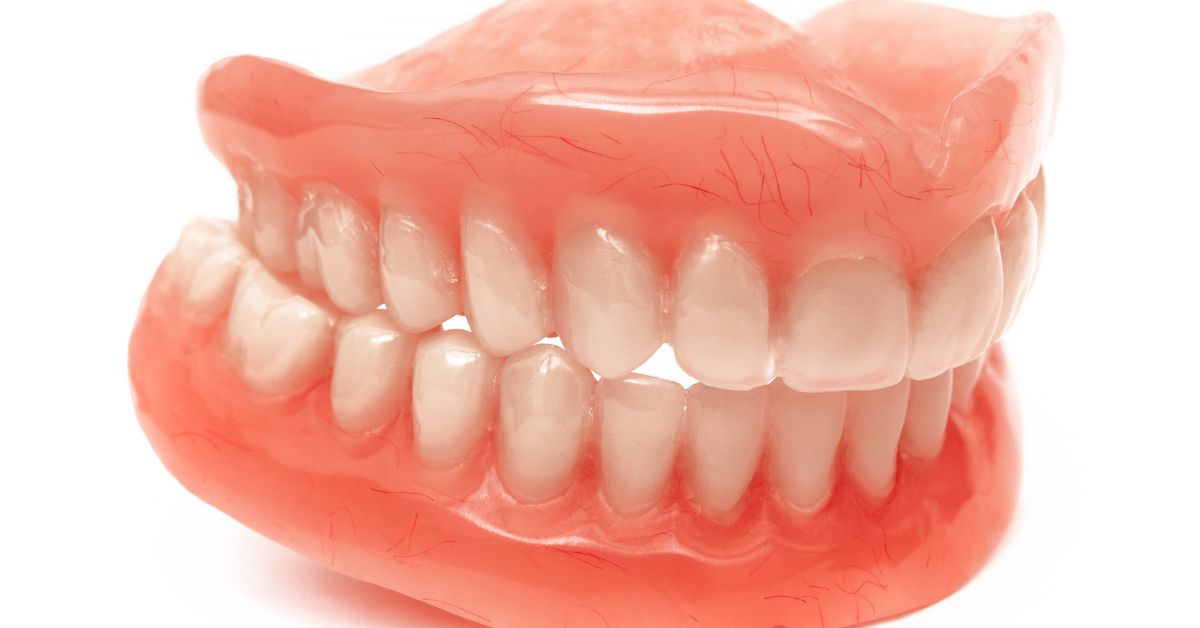
How PhD Dental Manages Treatment Phases to Ensure Denture Longevity
When full mouth reconstruction in Los Angeles includes dentures, long-term performance depends on how carefully each treatment phase protects fit, bite balance, and tissue stability. PhD Dental sequences reconstruction so dentures do not end up compensating for unstable support or rushed design choices. This phased approach supports confidence because the denture plan stays grounded in comfort, durability, and a stable day-to-day feel.
Denture longevity starts before final fabrication, because the foundation determines how well a denture seats and how consistent it feels over time. PhD Dental evaluates support areas, gum response, and bite relationships early so the final denture design matches real conditions. Patients benefit because this planning reduces the risk of early looseness and repeated adjustments.
Gum and Tissue Preparation That Supports Long-Lasting Denture Fit
Healthy tissue helps dentures sit consistently and reduces soreness during daily wear. PhD Dental addresses inflammation and pressure-sensitive areas early so tissues remain calm as reconstruction progresses. This improves satisfaction because patients avoid a cycle of irritation that can make dentures feel unreliable.
Why Stable Tissue Health Improves Denture Comfort and Durability
Inflamed tissue can change shape and make a denture feel like it shifts even when the design is close. A calmer foundation supports a more predictable seat and fewer pressure points. Patients appreciate this focus because it improves comfort and makes daily function feel more dependable.
Bite Balance Evaluation That Protects Dentures From Premature Wear
Dentures last longer when bite forces spread evenly and do not overload one side or one contact point. PhD Dental checks bite balance so chewing pressure stays more uniform and the denture teeth wear more predictably. This attention supports trust because it connects the plan to longevity, not just appearance.
How Balanced Bite Contacts Help Dentures Feel Stable While Chewing
Even contacts reduce rocking and help patients chew without guarding or shifting their bite. Better balance also helps reduce sore spots that can appear when pressure concentrates. Patients often notice the benefit in daily meals, which supports long-term satisfaction.
Reconstruction cases often benefit from provisional stages that confirm comfort and function before final dentures are completed. PhD Dental may use interim dentures to maintain daily function while tissues stabilize and while reconstruction steps progress. Patients value this approach because the plan uses real feedback to refine the final result.
Temporary Dentures During Full Mouth Reconstruction for Daily Function
Interim dentures help patients maintain eating and speaking routines during reconstruction. They also help the dental team evaluate stability, pressure points, and overall fit as the mouth changes. This improves patient confidence because function remains supported throughout the process.
How Wear Feedback Helps Dentists Refine Denture Fit and Comfort
Patients notice what matters most, including sore areas, movement during chewing, and spots that trap food. PhD Dental uses that feedback to adjust contours and support points before final fabrication. This improves outcomes because the final denture feels more tailored and less trial-and-error.
Trial Bite and Speech Checks Before Final Denture Delivery
A denture should support clear speech and a natural feel, not just a good appearance in a mirror. PhD Dental checks bite position and speech comfort during the process to reduce surprises at final delivery. Patients trust this approach because it shows the plan prioritizes daily life, not just the final appointment.
Why Speech and Function Checkpoints Reduce Post-Delivery Adjustments
Minor contour changes can affect pronunciation and tongue comfort. Addressing those issues before final delivery often reduces return visits for irritation. This planning helps patients adapt faster and improves long-term comfort.
Denture longevity depends on design choices that support strength and keep hygiene manageable. PhD Dental designs dentures for real-world use so patients can maintain them comfortably and reduce wear risk. This focus supports satisfaction because the denture feels practical, not delicate.
Denture Materials Matched to Chewing Demands and Wear Resistance
Material selection influences durability, surface wear, and how well denture teeth hold up over time. PhD Dental considers bite habits and force patterns so the denture matches daily function demands. Patients appreciate this guidance because it reduces the chance of early wear or fracture.
How Dentists Balance Natural Appearance With Long-Term Durability
A natural look should not require fragile choices that break down quickly. Dentists aim for a result that looks believable and still performs under regular chewing pressure. This balance improves confidence because aesthetics and function work together.
Denture Contours and Edges Designed for Better Retention
Edges and contours influence how secure a denture feels while speaking and eating. PhD Dental shapes these areas carefully to improve stability while avoiding rough transitions that irritate tissue. Patients often feel more comfortable when the denture seats securely without pinching or rubbing.
Why Overextended Denture Borders Can Cause Soreness and Loosening
Borders that extend too far can inflame tissue, which reduces fit consistency and increases movement. Careful shaping and adjustment based on comfort feedback helps the denture stay stable. This protects longevity because a comfortable denture gets worn consistently and cared for properly.
Even well-designed dentures may need refinement as tissues settle after reconstruction steps. PhD Dental plans follow-ups to keep the denture fitting well and to address minor issues before they become frustrating. This oversight supports long-term results because denture care continues after delivery.
Denture Relines and Adjustments After Full Mouth Reconstruction
Tissue changes can create small gaps that lead to rocking and sore spots. PhD Dental monitors fit and recommends relines when needed to restore stability and comfort. Patients benefit because the denture remains secure instead of gradually becoming loose.
How Early Relines Prevent Pressure Points and Improve Chewing Comfort
A timely reline helps the denture seat evenly and reduces friction that irritates gums. Patients often notice improved stability during meals after the fit is restored. This reduces the risk of avoiding certain foods and supports daily confidence.
Denture Care Habits That Extend Denture Lifespan
Good denture habits reduce staining, buildup, and accidental damage that shortens lifespan. PhD Dental provides practical guidance on cleaning, storage, and what changes should prompt an evaluation. Patients value this support because it makes long-term maintenance feel straightforward.
Why Consistent Home Care Helps Dentures Stay Comfortable Longer
Routine cleaning protects tissue health and helps the denture maintain a predictable fit. Patients also avoid habits that stress the base or wear down denture teeth prematurely. This consistent approach supports longevity and a better long-term experience.
Find Out Whether Full Mouth Reconstruction Is Right for You – Contact PhD Dental in LA
Full Mouth Reconstruction in Los Angeles works best when the decision is based on clarity, not urgency. A proper evaluation should connect your symptoms, existing dental work, and bite concerns into a single picture that explains why a coordinated plan may offer more stability than continued isolated treatment. PhD Dental focuses on helping patients understand whether reconstruction would simplify care, reduce repeat repairs, and restore confidence in daily function, rather than committing them to a path that does not fit their needs.
A consultation also helps define scope and expectations, which matters with complex care. You should leave knowing what problems reconstruction is meant to solve, how treatment would be phased, and what long-term maintenance would look like once function is rebuilt. PhD Dental approaches this conversation with transparency so patients can weigh benefits, timing, and commitment without pressure. That clarity allows you to make a decision based on how you want your mouth to function and feel going forward.
Call (323) 269-5437 to contact PhD Dental in Los Angeles and schedule a consultation to find out whether full mouth reconstruction is the right next step for you.
Get in Touch with PhD Dental
Pick your location
Los Angeles
Los Angeles is a diverse and fast-moving city where access to dependable dental care is essential for individuals and families alike. PhD Dental serves patients throughout Los Angeles with a commitment to personalized care and long-term oral health.
Hours
- Mon 9:30AM - 6:30PM
- Tue 9:30AM - 6:30PM
- Wed 9:30AM - 6:30PM
- Thu 9:30AM - 6:30PM
- Fri 9:30AM - 6:30PM
- Sat 9:00AM - 4:00PM
- Sun Closed