
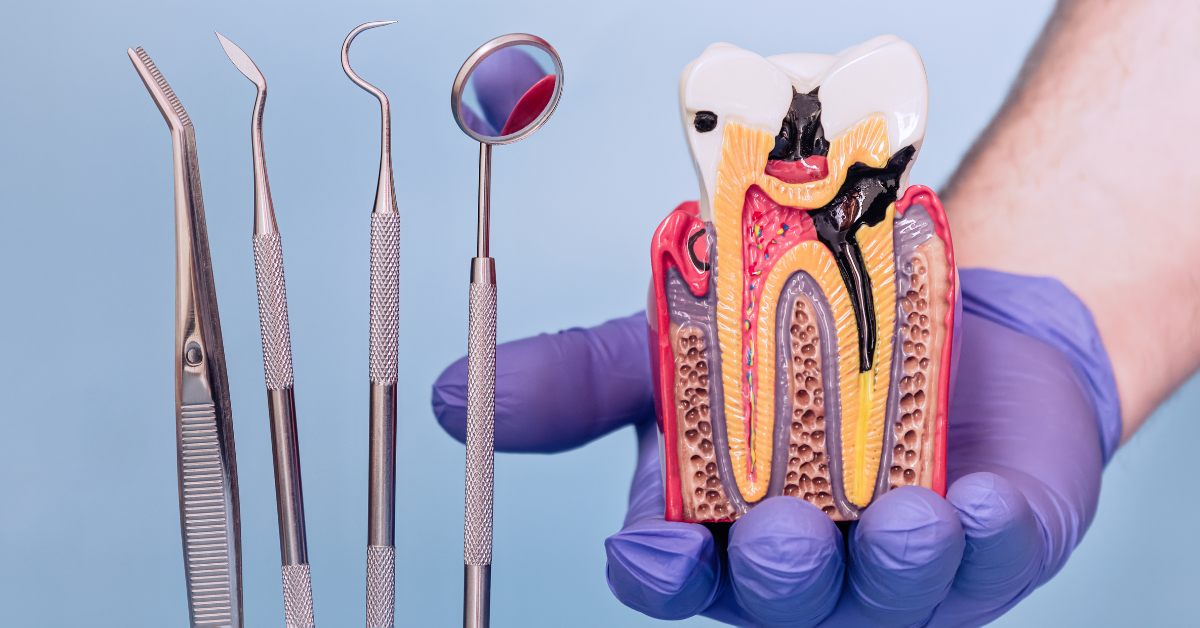
Root Canal Treatment in Los Angeles
Root canal treatment in Los Angeles helps save teeth when deep decay, cracks, or infection reach the inner tissue. This is what compromises comfort and stability. At PhD Dental, we start by confirming what is driving your symptoms and whether the tooth still has a predictable path to preservation. You get clear answers on your situation and what changes you should expect if you wait to treat your teeth. That keeps decisions grounded in function and risk control while respecting your comfort and the anxiety an endodontic procedure might inspire.
Many people hesitate because they expect root canal care to feel complicated or painful, but most concerns come from uncertainty rather than the procedure itself. We focus on a controlled, step-by-step visit that prioritizes comfort, reduces infection risk, and prepares the tooth for long-term strength afterward. You will also understand what recovery usually looks like, when a crown makes sense, and how to protect the tooth so you do not end up back in the same cycle.
Call (323) 269-5437 to schedule a consultation at PhD Dental for root canal treatment in Los Angeles and get a clear plan for relieving pain, stopping infection, and preserving your tooth.
Top-Rated Dentists
in Los Angeles
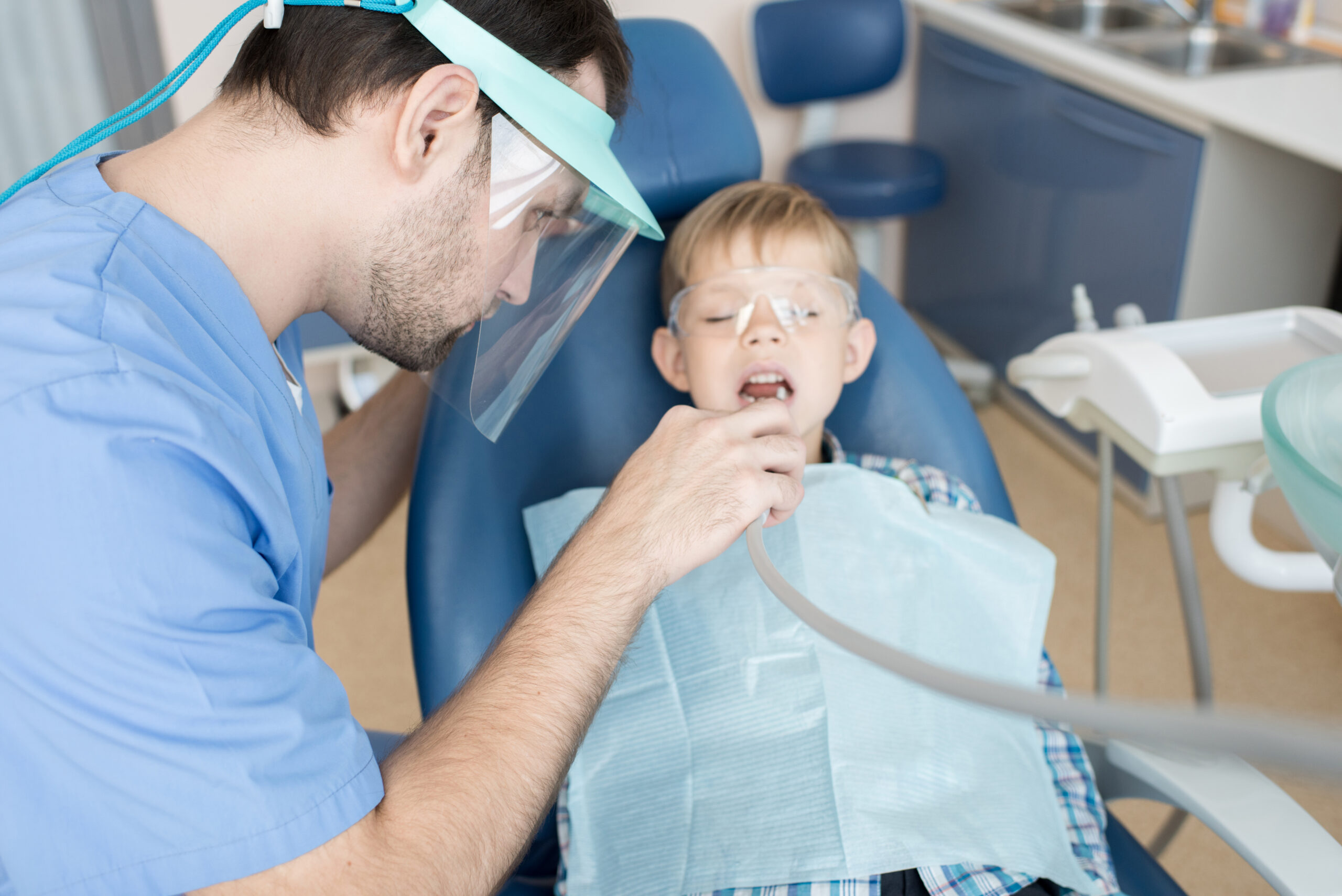
Patient-First Dentistry for Every Stage of Life
From early childhood development to adult care, we focus on patient comfort and comprehensive treatment.
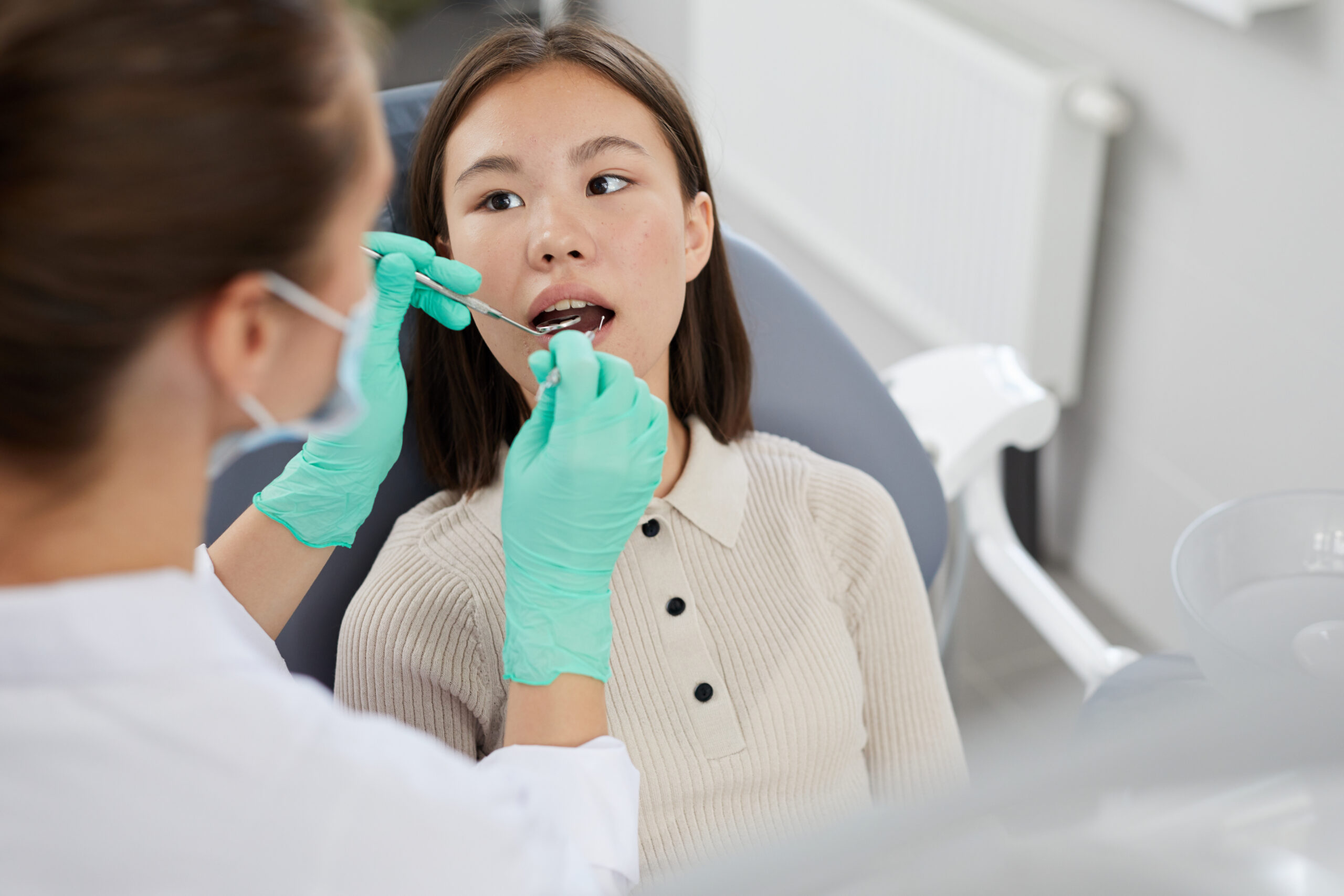
Removing Barriers to Dental Care
We believe everyone deserves access to high-quality dental care, regardless of financial situation.

Comprehensive Dentistry Under One Roof
Orthodontics, implants, oral surgery, and preventative care all conveniently located in our clinics.
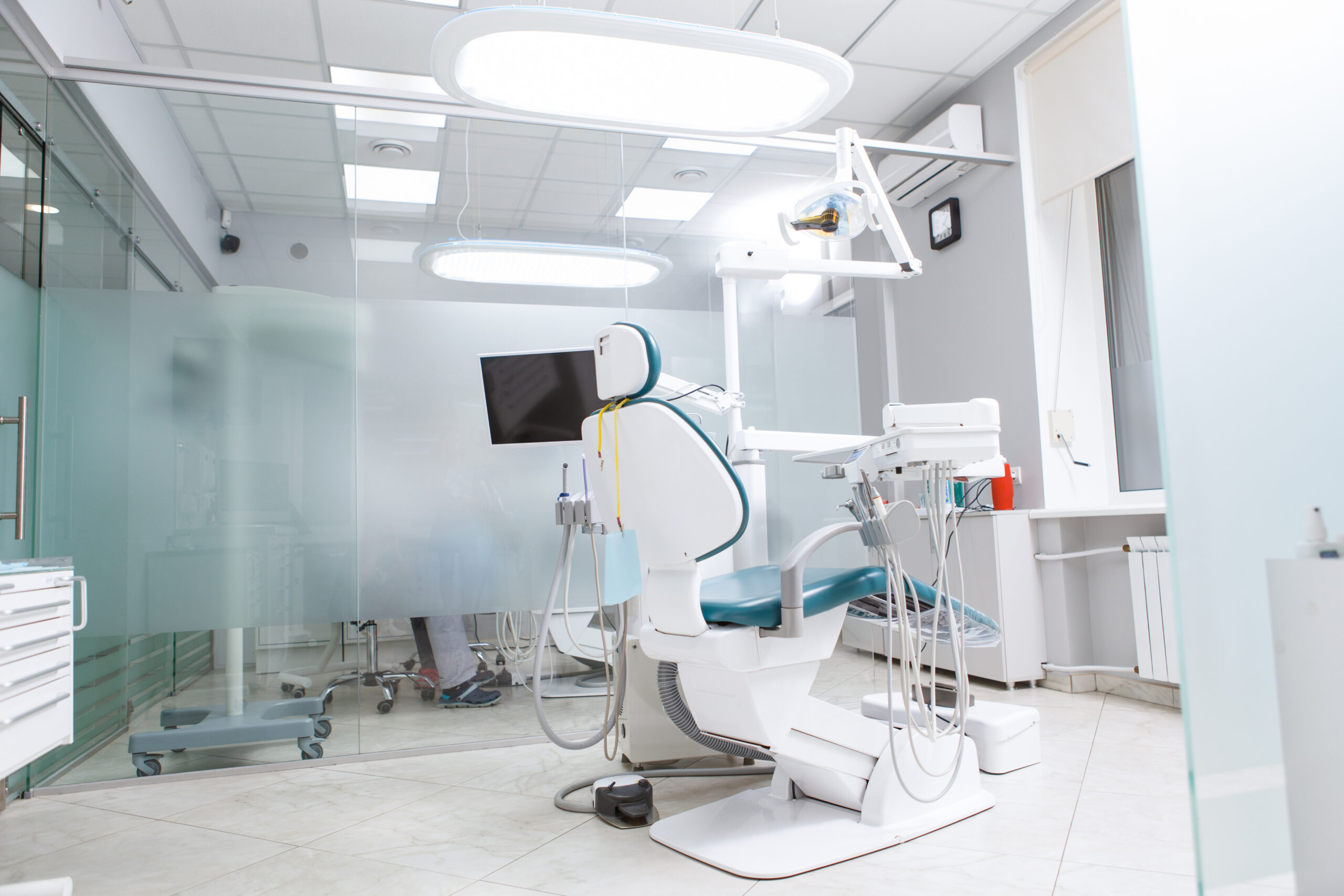
Expertise, Access & Convenient Locations
Multiple clinic locations across Los Angeles with extended hours to fit your busy schedule.
Table of Contents
How Dentists Evaluate Patients Seeking Root Canal Treatment in Los Angeles
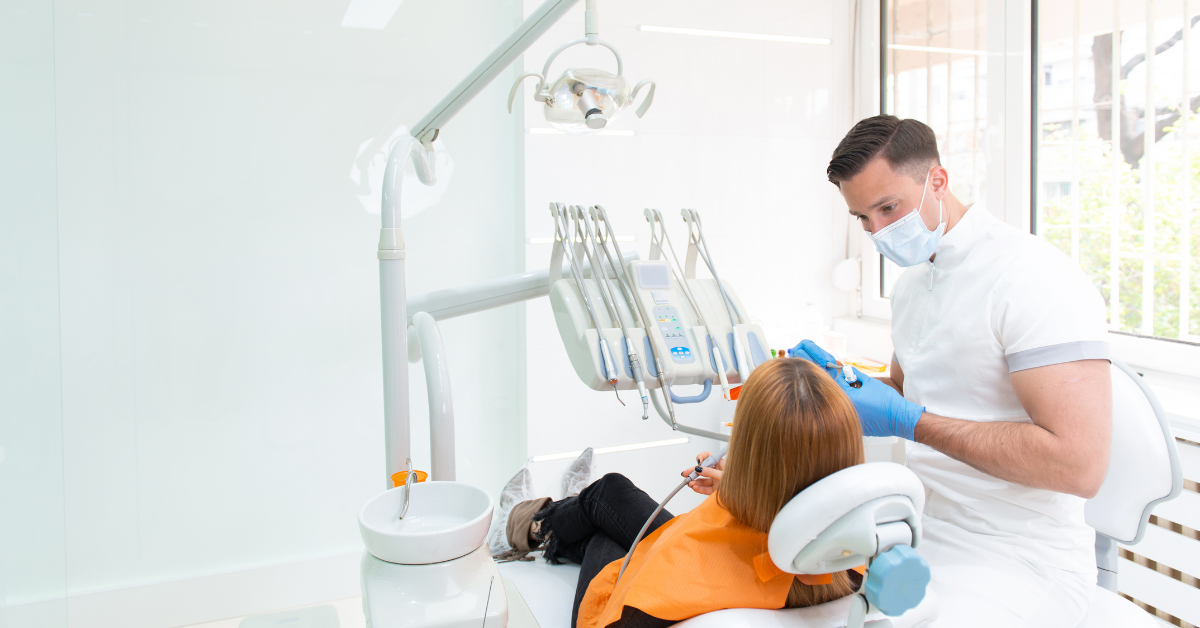
A trustworthy recommendation for a root canal connects what you feel with what the tooth shows clinically. Dental caregivers must rule out other potential causes that can mimic tooth-nerve pain, such as gum recession or sinus-related issues. The goal is to confirm whether the pulp can recover with simpler care, or whether the tooth needs internal treatment to regain a stable baseline.
At PhD Dental, decisions about root canal treatment in Los Angeles start with repeatable findings so the recommendation matches the tooth that is driving your discomfort. The evaluation also considers how the tooth responds under normal bite pressure, since cracks and high-contact areas can create symptoms that look like nerve damage at first. Your dentist will evaluate the condition of any existing fillings or crowns to confirm whether leakage or breakdown may be contributing to inflammation. When the evidence points to a root canal, the plan should still include what comes next, including how the tooth will be restored for strength and long-term stability.
Pain can radiate, shift, or flare under conditions that make it hard to identify the true source. A careful evaluation looks for a repeatable pattern, including what triggers symptoms and which tooth reproduces them during testing. That discipline protects patients from unnecessary treatment and builds confidence that the plan matches the real problem.
Differentiating Tooth-Nerve Pain from Referred or Bite-Related Discomfort
Some pain originates from an adjacent tooth, inflamed gums, a crack, or even jaw joint irritation that feels like a toothache. Dentists isolate the source by checking how the tooth responds to pressure, temperature changes, and localized stimulation. When findings point away from the nerve, the plan can shift to the correct fix instead of defaulting to root canal treatment.
Evaluating Timing, Intensity, and Triggers to Clarify Root Canal Need
Lingering pain after cold, sudden sharp pain on biting, or discomfort that wakes you up can each suggest different underlying issues. Dentists pay attention to how fast symptoms start, how long they last, and whether they change after removing the trigger. Clear symptom mapping improves decision-making because it ties the recommendation to a consistent pattern, not a vague description.
A confident root canal decision depends on whether the tooth’s nerve shows reversible irritation or irreversible damage. Dentists use targeted tests to evaluate nerve response and surrounding tissue reaction, then compare results against your symptom report. That combination helps determine whether the tooth can stabilize without internal treatment.
Pulp Vitality Testing and Sensitivity Response Checks Prior to Potential Root Canals
Dentists often test how the tooth responds to controlled cold and other stimuli to assess nerve status. A normal response usually resolves quickly, while an abnormal response can linger or feel intense and hard to ignore. These distinctions matter because they guide whether conservative care has a realistic chance of success.
Interpreting Percussion, Palpation, and Bite Tests for Root Canal Decision-Making
Testing the tooth’s response to tapping, pressure on the gums, and biting helps identify inflammation around the root. A positive response can suggest that the tissues supporting the tooth are reacting to internal breakdown or a crack. Dentists compare these results with imaging to avoid overcalling a root canal when the real issue sits elsewhere.
Radiographs help confirm structural drivers of pain, but the key is how the dentist interprets them in context. A careful review examines the depth of decay, proximity to the nerve, signs of prior trauma, and changes around the root tip. This approach builds trust because patients can see how the recommendation follows visible evidence rather than assumptions.
How Dentists Use X-Rays to Plan Root Canal Treatment in Los Angeles
Dentists look for decay approaching the pulp, widening of ligament space, or changes near the root tip that suggest ongoing inflammation. They also assess restorations and tooth structure to determine whether the tooth can support long-term repair after treatment. When imaging supports the clinical findings, patients get a clearer, more defensible decision.
When Advanced Imaging Helps Clarify Complex Root Anatomy or Suspected Cracks
Some teeth present unclear findings on standard images, especially when anatomy overlaps or symptoms do not match what a basic x-ray shows. In those cases, advanced imaging can help reveal hidden canals, fracture patterns, or structural limits that influence the treatment choice. Dentists use that extra clarity to avoid surprises mid-treatment and to set expectations that match what the tooth can realistically handle.
Even when a tooth needs internal treatment, the decision also depends on whether the tooth can be restored to a stable, functional state. Dentists assess remaining tooth structure, gum health, and how the tooth fits into the bite before recommending a path forward. This protects patient satisfaction because it prevents investing in treatment that cannot deliver durable results.
Assessing Remaining Tooth Structure, Existing Dental Work, and Bite Stress
A tooth with extensive breakdown or compromised margins may not support a reliable restoration after treatment. Dentists evaluate how much healthy structure remains and whether the tooth will face heavy bite forces that increase fracture risk. When the plan accounts for long-term load and repair options, patients receive a recommendation that holds up beyond short-term symptom relief.
Establishing a Clear Decision Threshold Before Treatment Begins
Patients feel more confident when the dentist explains what findings would shift the plan, such as evidence of a deep crack or limited restorative options. Setting that threshold early supports transparency because you understand how the team will make calls if new information appears during evaluation. That clarity also reduces anxiety, since the treatment path stays guided by defined criteria instead of improvisation.
What to Expect When You Receive Root Canal Treatment in Los Angeles
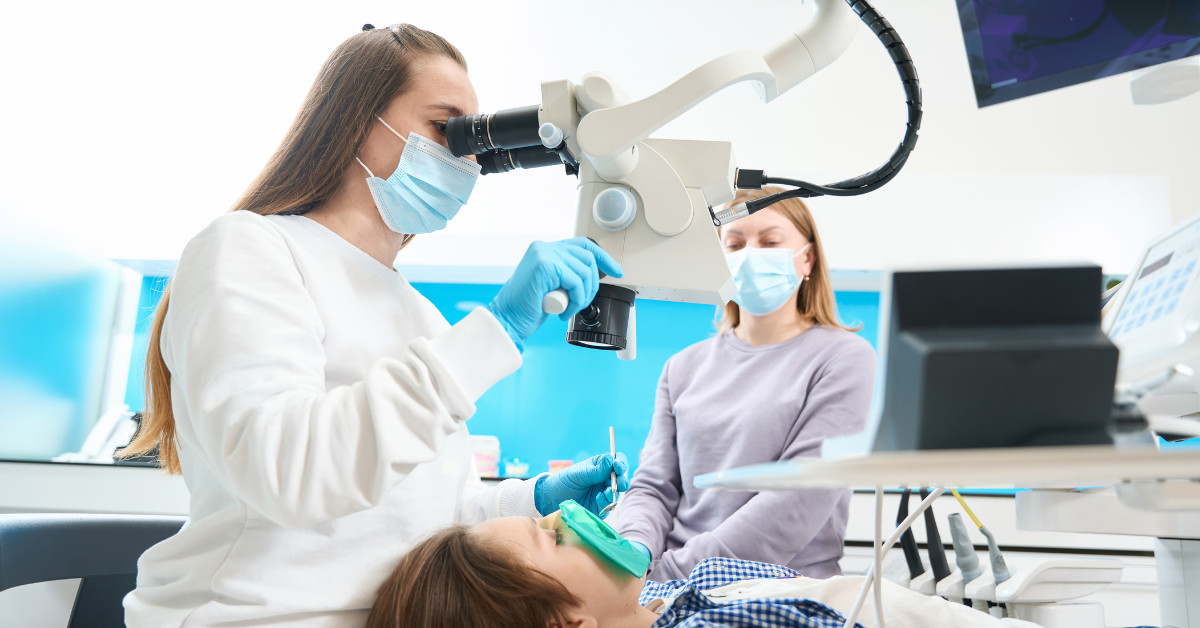
A root canal appointment follows a controlled sequence designed to remove infected or inflamed tissue, disinfect the canal space, and seal the tooth so bacteria cannot return. Patients feel more at ease when each phase has a clear purpose, a defined endpoint, and a predictable set of sensations. A well-run visit also includes checkpoints that confirm the tooth is clean, shaped correctly, and ready for a secure seal before the procedure ends.
Before treatment begins, the team confirms the tooth being treated, reviews any recent changes in symptoms, and sets expectations for how the visit will run. Dentists also isolate the tooth to keep the field clean and dry, which improves accuracy and protects the seal that comes later. This isolation step matters because contamination is one of the main reasons endodontic treatment can fail over time.
Dental Dam Isolation and a Clean Treatment Field for Root Canal Care
A dental dam creates a controlled working area and helps prevent saliva from entering the tooth during treatment. It also improves comfort for many patients because it keeps water, debris, and instruments away from the throat. When isolation stays consistent, the dentist can work with more precision and reduce preventable setbacks.
Verification Steps That Keep the Procedure Focused and Error-Resistant
A careful dentist confirms access, orientation, and working conditions before moving deeper into the tooth. That includes checking visibility and making sure the isolation seal stays stable throughout treatment. These small steps reinforce trust because they show a methodical process rather than a rushed approach.
After isolation, the dentist creates an access opening to reach the inner chamber where the nerve tissue sits. The goal is to locate each canal pathway so the tooth can be cleaned thoroughly, including areas that are narrow or curved. Patients seeking root canal treatment in Los Angeles often appreciate knowing that this phase is about mapping the tooth correctly, not simply “drilling,” since anatomy influences both time and precision.
Finding Canals, Managing Curves, and Reducing Missed-Area Risk
Teeth vary widely in canal shape, number, and curvature, even among patients with similar symptoms. A dentist works carefully to identify canal entrances and confirm pathways so cleaning reaches the full length of the system. That attention to anatomy supports confidence because thoroughness directly affects long-term results.
Measurement Methods That Confirm Working Length During Root Canal Treatment
Dentists measure the working length so instruments clean the canal without stopping short or going beyond the root tip. Accurate measurement helps remove bacteria while protecting surrounding tissues from irritation. This is one of the most important quality controls because it influences both comfort after treatment and long-term stability.
Once the canals are identified and measured, the dentist cleans and shapes the canal space to remove infected tissue and create a form that can be sealed reliably. Cleaning involves both mechanical preparation and disinfection steps that flush out debris. Patients often notice that this phase feels steady and repetitive, which is a good sign because consistency is what produces a clean, sealed outcome.
Irrigation and Disinfection Steps That Support Long-Term Success
Disinfection removes bacteria and organic material that instruments alone cannot fully eliminate. Dentists use irrigating solutions and controlled flushing to reduce the bacterial load inside the canals. This step is a major driver of trust because it shows the procedure addresses the source of infection, not only the symptoms.
Keeping the Tooth Comfortable While Cleaning and Shaping Progresses
Patients may feel pressure during cleaning, but the visit should not feel chaotic or sharp. Dentists check comfort regularly and adjust pacing so the work remains controlled and tolerable. That pacing improves satisfaction because the experience feels predictable, even when treatment takes time.
After cleaning, the dentist fills the canal space with a biocompatible material designed to block bacterial entry. Then the tooth receives a temporary or permanent seal to close the access opening and protect the internal work. A secure seal matters because it prevents saliva and bacteria from re-entering the canal system during healing and between appointments.
Root Canal Filling Material and Seal Quality in Los Angeles Dental Care
The filling material acts as an internal barrier that maintains stability inside the canals. Dentists place it with attention to density and adaptation so gaps do not remain. Patients benefit from this detail because seal quality strongly influences whether symptoms resolve and stay resolved.
Temporary Filling Versus Permanent Restoration Planning After Treatment
Some teeth receive a temporary filling when the dentist plans a crown or needs an additional appointment. Others can receive a more durable final seal immediately, depending on tooth condition and restoration timing. Clear restoration planning helps patients feel confident because they understand what protects the tooth today and what completes the job long-term.
The appointment should end with clear guidance on what to expect once numbness fades, how chewing may feel for a short period, and what signs suggest you should call the office. Dentists also explain the timeline for the next phase of care, especially if a crown is planned to reinforce the tooth. Patients leave more satisfied when instructions feel specific, easy to remember, and tied to predictable milestones.
Root Canal Aftercare Guidance That Helps Patients Recover Smoothly
Most people return to normal routines quickly, but the tooth can feel tender under pressure for a short time. Aftercare guidance typically includes how to manage soreness, when to avoid chewing on the treated side, and how to keep the area clean. This clarity builds trust because patients know what is normal and when to seek help.
Coordinating Crown Timing and Bite Comfort After Root Canal Therapy
A treated tooth often needs reinforcement, and crown timing should reflect both healing and functional demands. Dentists also confirm bite comfort so the tooth does not take excess pressure during the period before final restoration. When timing and bite feel are managed proactively, patients are less likely to experience lingering sensitivity or avoidable follow-up visits.
How Dentists Help Healing Progress After Root Canal Treatment in Los Angeles
Healing after a root canal depends on what happens in the days and weeks that follow, not only what happens in the chair. Dentists who provide root canal treatment in Los Angeles support recovery by setting clear expectations, protecting the tooth from avoidable stress, and creating a follow-up plan that confirms steady improvement. When patients understand what sensations are normal, how to reduce flare-ups, and when to call, healing tends to feel more predictable and less stressful.
Patients recover with more confidence when they know what should change day by day. Dentists often describe expected tenderness patterns, how chewing pressure may feel, and when symptoms should start trending down instead of lingering. Tracking these milestones helps patients avoid unnecessary worry while also catching concerns early.
Distinguishing Normal Tenderness from Signs That Root Canal Treatment Is Off Track
A treated tooth may feel sore under biting pressure for a short period, especially if infection irritated the surrounding tissues before treatment. Dentists explain which symptoms usually improve steadily and which patterns signal a need for evaluation. That clarity builds trust because patients do not have to guess whether discomfort fits the normal healing curve.
Clear Escalation Guidance for Swelling, Fever, or Worsening Pain
Patients benefit from specific thresholds that remove uncertainty. Dentists can outline what counts as an expected post-treatment ache versus a change that needs same-day contact. When escalation rules stay clear, patients feel supported and problems get addressed before they become setbacks.
A small bite imbalance can keep a tooth inflamed, even when the root canal itself is successful. Dentists protect healing by checking how the tooth contacts during chewing and making small refinements if the tooth hits too high. This detail matters because excessive pressure can prolong soreness and make recovery feel slower than it should.
Identifying High Spots That Trigger Chewing Pain After Root Canal Treatment
Patients often describe discomfort only when chewing, not at rest. A dentist evaluates contacts during normal bite and side-to-side movement to find pressure points that overload the treated tooth. Correcting these contacts can improve comfort quickly and helps patients return to normal eating patterns with less guarding.
Preventing One-Sided Chewing Patterns That Strain the Jaw and Teeth
When patients avoid a treated tooth, they often shift function to the other side. That compensation can aggravate jaw tension and overload healthy teeth, which creates new sensitivity or wear. Dentists reinforce balanced chewing once the bite feels correct, so healing supports overall stability instead of creating secondary problems.
A tooth can remain vulnerable until it receives the right long-term restoration, especially if significant structure was lost to decay or prior fillings. Dentists support healing by guiding patients on what to avoid, how to chew safely, and how to keep the tooth sealed and stable until the next phase. This protection helps prevent cracks, re-contamination, and avoidable re-treatment.
Temporary Restoration Care and Seal Integrity After Root Canal Treatment
If a tooth has a temporary filling, it needs protection from sticky foods, hard chewing, and habits like biting pens or ice. Dentists explain how a temporary seal functions and what symptoms may suggest it has loosened. This guidance supports patient satisfaction because it prevents surprise failures that disrupt schedules.
Scheduling the Right Restoration at the Right Time for Long-Term Strength
Dentists plan restoration timing based on how much tooth structure remains and how much bite force the tooth receives. A front tooth may require a different approach than a back molar that absorbs heavy chewing pressure. When the plan matches functional demands, patients feel more confident that the tooth will stay stable for years rather than months.
Dentists often recommend a structured re-evaluation when symptoms, pre-treatment infection, or complex anatomy warrants a closer look. Follow-up creates accountability for healing and gives patients a checkpoint to confirm they are on track. This approach improves confidence because it treats healing as a monitored process, not a hope-and-see outcome.
Re-Evaluation Visits That Validate Comfort and Function Improvements
A follow-up can confirm that tenderness has resolved, bite contacts remain balanced, and the tooth feels stable during normal chewing. Dentists also review whether any lingering sensitivity suggests a separate issue, such as a crack or a neighboring tooth problem. Patients value this clarity because it replaces uncertainty with a verified status update.
Documentation and Communication That Supports Consistent Long-Term Care
Patients do better when their dental records clearly reflect what was treated and what restoration plan should follow. Dentists document findings, restoration needs, and follow-up timing so care stays consistent even if schedules change. This continuity builds trust because patients see that the practice plans beyond the immediate procedure and protects long-term outcomes.
Schedule Your Root Canal Treatment in Los Angeles With PhD Dental Today
Persistent tooth pain can make it hard to eat normally, focus at work, or sleep through the night. Especially when the discomfort comes and goes without a clear trigger. Root canal treatment is often the most direct way to stop pain that stems from inflammation or infection inside the tooth, while still preserving your natural bite and avoiding a cascade of follow-up problems. At PhD Dental, our Los Angeles dentists focus on identifying the tooth that is truly driving symptoms, then delivering care that feels controlled and predictable from the moment you arrive. You get clear guidance on what the treatment is meant to resolve, what should improve first, and what stability should look like once healing progresses.
A successful root canal should do more than calm today’s pain, it should help the tooth function comfortably for the long term. PhD Dental approaches each case with an emphasis on precision, seal integrity, and restoration readiness so the tooth stays protected after treatment rather than remaining vulnerable. We also respect that patients want straightforward answers, including whether the tooth is a strong candidate for preservation and what follow-up steps will help prevent repeat discomfort. When the plan stays focused on outcomes you can feel and verify, root canal care becomes less intimidating and far easier to move forward with confidence.
Call (323) 269-5437 or reach out online to schedule an evaluation at PhD Dental for root canal treatment in Los Angeles and get a clear path to relief, healing, and lasting tooth stability.
Get in Touch with PhD Dental
Pick your location
Los Angeles
Los Angeles is a diverse and fast-moving city where access to dependable dental care is essential for individuals and families alike. PhD Dental serves patients throughout Los Angeles with a commitment to personalized care and long-term oral health.
Hours
- Mon 9:30AM - 6:30PM
- Tue 9:30AM - 6:30PM
- Wed 9:30AM - 6:30PM
- Thu 9:30AM - 6:30PM
- Fri 9:30AM - 6:30PM
- Sat 9:00AM - 4:00PM
- Sun Closed