
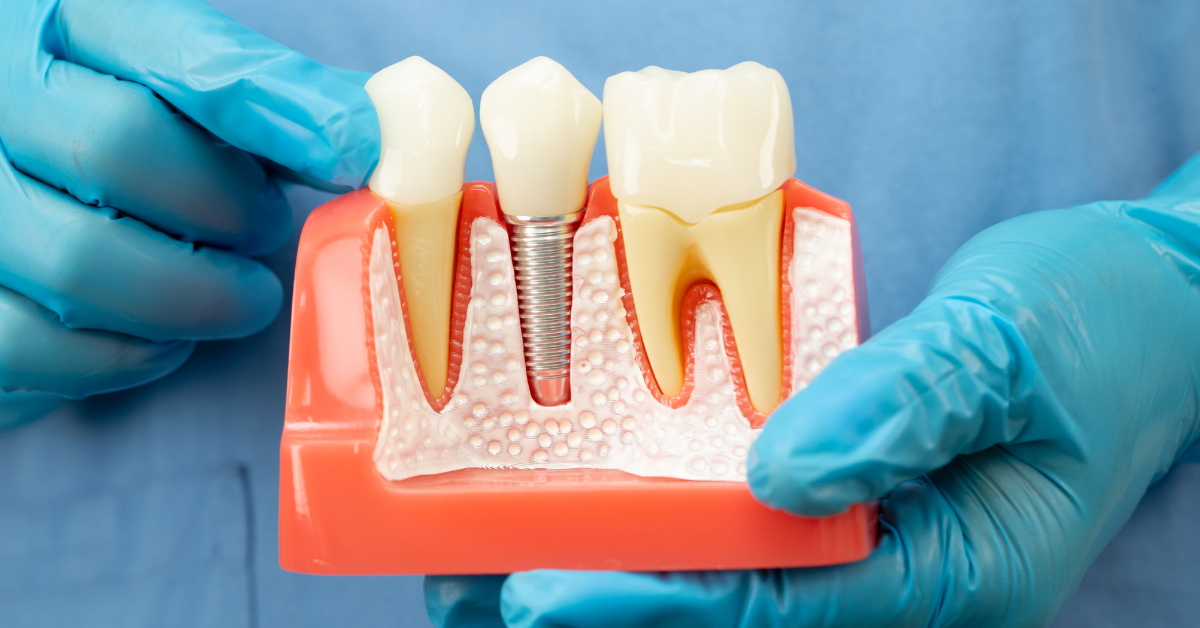
Endosteal Implants in Westchester
Endosteal implants in Westchester provide a proven solution for patients who want stable, long lasting tooth replacement anchored directly into the jawbone. Because this implant method integrates with bone, it supports natural bite strength and daily function. Endosteal dental implants are one of the most commonly placed implant types due to their predictable outcomes and durability. This matters for Westchester patients who want reliability, not temporary fixes. At PhD Dental, we approach endosteal implants in Westchester with careful planning and local understanding. Our Westchester office near La Tijera Boulevard serves patients who want clarity, structure, and confidence throughout the implant process. We evaluate bone health, spacing, and bite forces before recommending implant placement. As a result, patients avoid rushed decisions and unnecessary procedures. Instead, they receive implant care designed to support long term oral health.
Patients searching for endosteal dental implants in Westchester often want more than cosmetic improvement. They want comfort when chewing, confidence when speaking, and stability that supports daily life. Endosteal implants help preserve jawbone structure while preventing nearby teeth from shifting. Over time, this stability protects bite balance and overall oral health. Our team explains each step clearly so patients understand what to expect and why timing matters. Choosing implant dentistry in Westchester should feel straightforward, not overwhelming. Therefore, we focus on education, transparency, and careful evaluation from the first visit forward. Whether tooth loss occurred recently or years ago, early assessment often expands treatment options. Endosteal implants can restore function while protecting bone health when planned correctly. For patients ready to move forward with permanent tooth replacement, the next step starts with a simple phone call to (323) 269-5437.
Top-Rated Dentists
in Los Angeles

Patient-First Dentistry for Every Stage of Life
From early childhood development to adult care, we focus on patient comfort and comprehensive treatment.
Removing Barriers to Dental Care
We believe everyone deserves access to high-quality dental care, regardless of financial situation.

Comprehensive Dentistry Under One Roof
Orthodontics, implants, oral surgery, and preventative care all conveniently located in our clinics.
Expertise, Access & Convenient Locations
Multiple clinic locations across Los Angeles with extended hours to fit your busy schedule.
Why Endosteal Implants Are the Gold Standard for Tooth Replacement

Endosteal implants are widely chosen because they offer a level of stability and durability that other tooth replacement options cannot consistently match. These implants are placed directly into the jawbone, which allows them to function as an artificial tooth root rather than a surface level solution. Because of this design, endosteal dental implants support normal chewing forces and daily oral function in a way that closely mirrors natural teeth. Patients often report that their implant supported restorations feel secure during meals, conversations, and routine activities.
Another reason endosteal implants continue to stand out involves their long term performance. When implants integrate properly with the jawbone, they create a foundation that can support crowns, bridges, or more complex restorations for many years. This long term reliability appeals to patients who want a permanent solution rather than repeated adjustments or replacements. Over time, this approach often reduces frustration and uncertainty associated with removable or temporary options.
Endosteal implants also play an important role in protecting surrounding oral structures. By filling the space left by missing teeth, implants help maintain proper spacing and alignment. This support reduces the likelihood of neighboring teeth shifting into empty areas. PhD Dental knows that for many Westchester patients, preserving bite balance and oral stability becomes just as important as restoring appearance, which further explains why this implant type remains a preferred choice.
Jawbone health directly influences the success of endosteal implants. After tooth loss, the jawbone often begins to lose density because it no longer receives stimulation from chewing forces. Endosteal implant placement reintroduces that stimulation by transferring pressure from the restoration into the bone. As a result, the bone remains more active and better supported over time.
This interaction between implant and bone helps slow the natural resorption process that follows tooth loss. Patients who delay replacement may experience bone changes that complicate future treatment. Endosteal dental implants address this issue by encouraging the jawbone to remain strong and functional. For patients looking for endosteal implants in Westchester who are concerned about long term oral health, this benefit often becomes a key consideration.
Beyond bone strength, jawbone support also affects comfort and fit. When bone remains healthy, implant restorations sit more predictably and comfortably. This stability reduces irritation and improves overall function. Over the long term, maintaining jawbone health supports both practical and aesthetic outcomes for patients choosing endosteal implants.
Why Bone Integration Matters for Implants
Bone integration allows endosteal implants to become part of the oral structure rather than a separate attachment. During healing, the bone gradually bonds with the implant surface, creating a strong connection. This process supports the implant’s ability to handle everyday forces without movement or discomfort. Patients often notice that their implant feels solid and dependable once integration completes.
Proper integration also improves force distribution across the jaw. When implants absorb pressure evenly, they reduce stress on nearby teeth and surrounding bone. This balance helps protect the entire bite system rather than isolating force in one area. Over time, even force distribution supports comfort and helps prevent complications related to uneven wear.
Integration does not happen automatically. Careful placement and appropriate healing time remain essential. Dentists evaluate bone quality and alignment before placement to support this process. For patients searching for endosteal implants in Westchester, understanding the importance of integration helps set realistic expectations and reinforces the value of careful planning.
Long Term Bone Preservation With Endosteal Implant Placement
Long term bone preservation represents one of the most important benefits of endosteal implant placement. When bone continues to receive stimulation, it remains denser and more resilient. This preservation helps maintain jaw shape and facial support after tooth loss. Patients often appreciate that implants address both function and structure.
Preserving bone also supports future oral health flexibility. When bone remains intact, it allows for stable support of restorations and reduces the likelihood of additional procedures later. This advantage becomes especially relevant for patients considering long term treatment planning. Endosteal implants provide a foundation that supports oral health well into the future.
In Westchester, many patients seek solutions that protect their investment in dental care. Bone preservation aligns with that goal by reducing the risk of progressive deterioration. Over time, this stability contributes to improved comfort, appearance, and confidence.
Stability remains a defining advantage of endosteal implants. Once healing completes, implants remain fixed in place without the need for adhesives or daily adjustments. This secure placement allows patients to eat a wider range of foods and speak with confidence. For individuals who previously struggled with movement or discomfort, this stability can feel transformative.
Stable implants also reduce irritation to the gums and surrounding tissue. Because the implant sits within the bone, it avoids rubbing or pressure against soft tissue. This design supports healthier gums and improved comfort over time. Patients often find that stable tooth replacement improves their overall oral experience.
Beyond physical comfort, stability also provides peace of mind. Patients know their restoration will not shift unexpectedly during important moments. This confidence often plays a significant role in patient satisfaction with endosteal implant treatment.
How Fixed Implant Placement Improves Daily Function
Fixed implant placement allows endosteal dental implants to support daily function without compromise. Chewing efficiency improves because force transfers directly into the jawbone. This natural force pathway helps patients enjoy meals without hesitation or discomfort. Many individuals notice a clear difference compared to removable solutions.
Speech clarity can also improve with fixed implants. Because the restoration remains stable, tongue and lip movement remains consistent. This consistency supports clearer pronunciation and reduces self consciousness during conversation. For working professionals and active individuals in Westchester, these daily improvements matter.
Fixed placement further supports confidence during social interactions. Patients no longer worry about shifting teeth or audible movement. This reliability allows them to focus on daily life rather than dental concerns.
Reduced Maintenance Compared to Removable Tooth Replacement Options
Endosteal implants require a different maintenance approach than removable tooth replacement options. Once integrated, implants remain stable without daily removal or adhesives. Patients typically follow a routine similar to caring for natural teeth, which simplifies long term care.
Reduced maintenance also means fewer unexpected issues. Patients do not need frequent adjustments or replacements due to movement. This predictability appeals to individuals who prefer consistency in their dental care routine. Over time, reduced maintenance contributes to overall satisfaction.
Regular dental visits remain important for monitoring implant health. However, patients often find that maintenance focuses on prevention rather than correction. This proactive approach supports long term success for endosteal implants.
Predictable outcomes play a major role in why patients choose endosteal implants in Westchester. Careful planning allows dentists to evaluate bone structure, spacing, and bite forces before placement. This preparation helps reduce uncertainty and supports smoother healing. Patients benefit from clear expectations rather than guesswork.
Predictability also supports informed decision making. When patients understand the process and likely outcomes, they can plan schedules and recovery more effectively. This clarity often reduces anxiety and builds trust in the treatment approach.
Over time, predictable planning leads to more consistent results. Patients who follow structured treatment plans often experience fewer complications. For many Westchester residents, this reliability reinforces confidence in choosing endosteal dental implants.
The Role of Comprehensive Evaluation Before Implant Placement
Comprehensive evaluation sets the foundation for successful endosteal implant placement. Dentists review bone density, gum health, and overall bite alignment before recommending treatment. This assessment ensures implants align with each patient’s anatomy and functional needs.
Early evaluation also identifies potential challenges. Addressing these factors before placement helps reduce risks and supports long term stability. Patients often appreciate this thorough approach because it prioritizes safety and clarity.
In Westchester, comprehensive evaluation supports individualized care. Rather than relying on assumptions, dentists base decisions on detailed findings. This attention to detail strengthens outcomes and patient confidence.
How Individualized Planning Supports Long Term Implant Success
Individualized planning tailors endosteal implant placement to each patient’s unique situation. By considering bone structure, spacing, and bite dynamics, dentists create a plan that supports integration and comfort. This customization reduces the likelihood of complications.
Patients often feel reassured knowing their treatment reflects their specific needs. Individualized planning also allows adjustments as conditions change. Over time, this flexibility supports long term success.
For Westchester patients seeking dependable tooth replacement, individualized care reinforces trust. It ensures that endosteal implants remain stable, functional, and comfortable for years.
Long term oral stability depends on how well tooth replacement integrates with the mouth as a whole. Endosteal implants support this stability by anchoring into the jawbone and maintaining proper spacing between teeth. This support helps preserve natural alignment and bite balance.
Stable implants also protect neighboring teeth from excess pressure. When bite forces distribute evenly, surrounding teeth experience less strain. Over time, this balance reduces wear and supports overall oral health.
Patients who prioritize stability often choose endosteal implants because they address both immediate and future needs. This long term perspective supports comfort and confidence.
Preventing Bite Changes After Tooth Loss With Endosteal Implants
Tooth loss can lead to gradual bite changes if left untreated. Endosteal implants help prevent this shift by filling gaps and maintaining alignment. This support helps preserve chewing patterns and jaw comfort.
By stabilizing the bite early, implants reduce the risk of uneven wear. Patients often notice improved balance when biting and chewing. Preventing bite changes supports long term oral function.
For Westchester patients, timely implant placement often preserves options. Addressing tooth loss early supports better outcomes and long term stability.
Supporting Facial Structure Through Stable Tooth Replacement
Facial structure relies on the underlying support of teeth and jawbone. Endosteal implants help maintain this support by preserving bone volume after tooth loss. Over time, this preservation helps prevent changes in facial appearance.
Patients often value this benefit because it supports both appearance and function. Stable tooth replacement maintains natural contours and confidence. For many individuals, this long term advantage reinforces the decision to choose endosteal implants in Westchester.
What to Expect During an Endosteal Implant Consultation in Westchester

An endosteal implant consultation in Westchester focuses on education, evaluation, and clear communication from the very first visit. Patients often arrive with questions about missing teeth, jawbone health, and long term stability. Therefore, the consultation begins by reviewing dental history, current concerns, and treatment goals in detail. This conversation helps ensure that recommendations align with both oral health needs and everyday expectations.
During the consultation, the goal is to remove uncertainty rather than rush decisions. Endosteal implants in Westchester require careful planning, so this visit sets the foundation for predictable outcomes. Patients gain a clear understanding of what implant treatment involves, how timelines may look, and which factors influence success. Transparency at this stage helps patients feel confident moving forward.
A comprehensive oral health evaluation plays a central role in determining whether endosteal implants are appropriate. This evaluation reviews gum health, remaining teeth, bite alignment, and areas of tooth loss. Each factor influences how implants will function over time. As a result, dentists assess the entire mouth rather than focusing on a single missing tooth.
This evaluation also helps identify conditions that may need attention before implant placement. Addressing gum concerns or bite imbalances early supports smoother healing later. For patients considering endosteal dental implants in Westchester, this step ensures treatment recommendations reflect the full oral picture.
Reviewing Dental History and Current Tooth Loss Concerns
Dental history provides important insight during an implant consultation. Past treatments, extractions, and restorations help guide planning decisions. Understanding how tooth loss occurred also influences implant placement strategy. This review ensures continuity between past care and future treatment.
Current concerns receive equal attention. Patients often describe discomfort, difficulty chewing, or changes in confidence. Listening to these concerns allows dentists to align implant planning with real daily challenges rather than assumptions.
Identifying Factors That Influence Fixed Implant Candidacy
Several factors influence candidacy for endosteal implants in Westchester. These include jawbone condition, oral hygiene habits, and overall bite stability. Identifying these factors early helps avoid surprises later in the process.
This discussion also clarifies whether preparatory care may be beneficial. Patients appreciate knowing what steps support long term success. Clear identification of candidacy factors promotes realistic expectations.
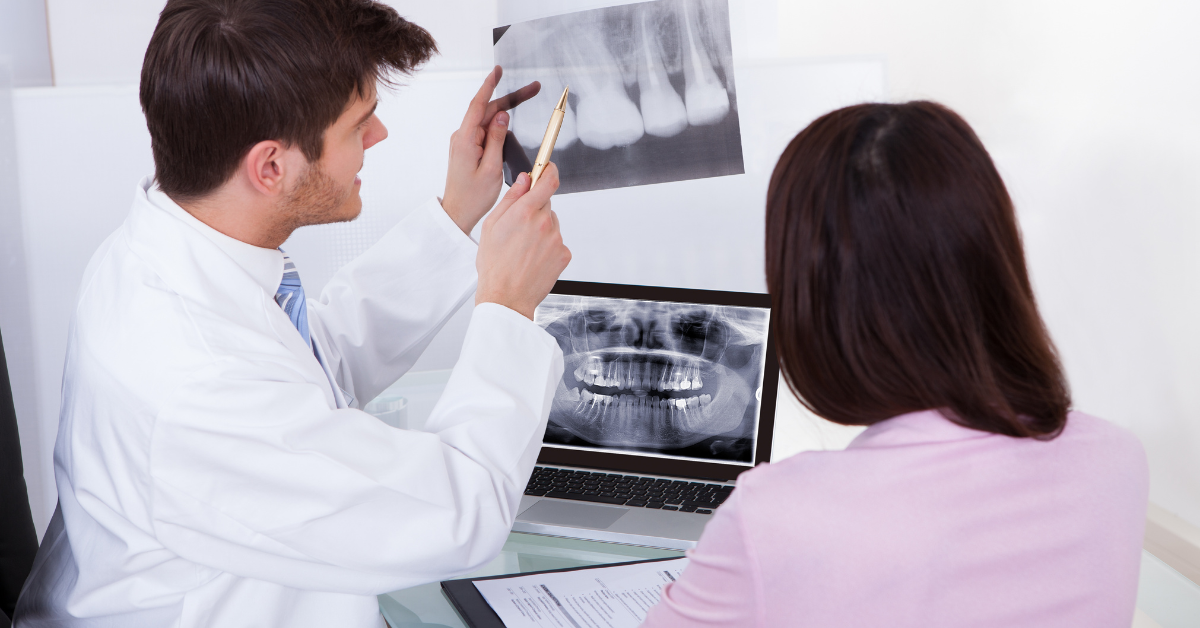
Diagnostic planning supports precise endosteal implant placement. Imaging allows dentists to evaluate bone structure, spacing, and anatomical landmarks. This information guides decisions about implant size, position, and angulation. Careful planning reduces uncertainty and improves predictability.
Imaging also supports patient education. Visual information helps patients understand why specific recommendations are made. Seeing bone conditions and spacing often clarifies the importance of planning rather than rushed treatment.
How Jawbone Assessment Shapes Implant Placement Decisions
Jawbone assessment remains critical for endosteal implants. Bone density and volume determine how implants anchor and heal. Evaluating these factors helps dentists select appropriate placement strategies that support stability.
This assessment also identifies areas where bone support may be limited. Recognizing these conditions early allows for thoughtful planning. Patients benefit from recommendations grounded in anatomy rather than guesswork.
Why Accurate Diagnostics Reduce Long Term Implant Complications
Accurate diagnostics help prevent complications by guiding precise placement. When implants align properly with bone and bite forces, they perform more predictably. This accuracy supports comfort and durability over time.
Patients often value this careful approach because it prioritizes long term results. Reducing complications begins with thorough diagnostics during the consultation phase.
Personalized treatment planning transforms evaluation findings into a clear roadmap. This plan outlines the steps involved in endosteal implant placement, healing, and restoration. Each phase reflects the patient’s anatomy, goals, and timeline.
Rather than offering a generic solution, planning focuses on individual needs. This approach supports better integration and long term stability. Patients often feel reassured when they understand how each step connects to the final outcome.
Aligning Implant Planning With Bite Function and Daily Use
Bite function plays a key role in implant planning. Dentists evaluate how upper and lower teeth meet and how forces distribute during chewing. Aligning implants with these patterns supports comfort and longevity.
Daily use considerations also shape planning decisions. Eating habits, speech patterns, and comfort expectations influence restoration design. This alignment ensures implants function naturally within daily routines.
Establishing Clear Timelines and Expectations Before Treatment
Clear timelines help patients plan confidently. During the consultation, dentists explain expected phases of treatment and healing. This clarity reduces anxiety and supports informed decision making.
Expectations also include maintenance and follow up care. Understanding long term responsibilities helps patients feel prepared rather than surprised. Clear expectations strengthen trust and satisfaction.
Patient education remains a priority throughout the implant consultation. Dentists explain each finding and recommendation in straightforward language. This approach ensures patients understand not only what is recommended, but why.
Open communication encourages questions and discussion. Patients often feel more comfortable when they participate actively in planning. This collaboration supports confidence and long term engagement with care.
Addressing Common Questions About Endosteal Implants
Many patients share similar questions during consultations. These often involve comfort, durability, and long term outcomes. Addressing these topics openly helps dispel uncertainty.
Clear answers allow patients to evaluate options thoughtfully. When questions receive direct responses, patients feel empowered to move forward.
Supporting Informed Decisions for Endosteal Implant Treatment
Informed decisions lead to better experiences. By the end of the consultation, patients understand their options and next steps. This understanding supports confidence and clarity.
For those considering endosteal implants in Westchester, the consultation serves as a foundation. It ensures treatment decisions reflect both clinical needs and personal goals.
Speak With PhD Dental to Book a Tooth Replacement Consultation Today
Choosing endosteal implants in Westchester is an important decision that can impact comfort, confidence, and long term oral health. When tooth loss affects daily life, waiting often allows problems to grow more complex. Early conversations help clarify options and protect future treatment flexibility. A direct discussion provides answers that online research alone cannot deliver.
At PhD Dental, we focus on clear guidance and careful planning so patients understand their choices before moving forward. Every conversation centers on stability, function, and outcomes that support daily life. If you are considering endosteal dental implants or want to understand whether implant treatment fits your needs, speak with our team today. Call (323) 269-5437 or reach out online to schedule your consultation and take the next step toward secure, long term tooth replacement.
Get in Touch with PhD Dental
Pick your location
Los Angeles
Los Angeles is a diverse and fast-moving city where access to dependable dental care is essential for individuals and families alike. PhD Dental serves patients throughout Los Angeles with a commitment to personalized care and long-term oral health.
Hours
- Mon 9:30AM - 6:30PM
- Tue 9:30AM - 6:30PM
- Wed 9:30AM - 6:30PM
- Thu 9:30AM - 6:30PM
- Fri 9:30AM - 6:30PM
- Sat 9:00AM - 4:00PM
- Sun Closed