

Wisdom Teeth Extractions in Norwalk
For dental patients near Norwalk who need their wisdom teeth extracted, these issues interfere with comfort and daily routines. Many people notice pressure in the back of the mouth, recurring gum irritation, or tenderness that comes and goes. Those signs point to wisdom teeth that no longer have enough space to stay healthy. A clear evaluation matters because symptoms can overlap with other issues. The best next step depends on what the teeth are doing below the gumline. Your Norwalk dental practitioner should focus on straightforward guidance so you understand whether removal would prevent repeated flare-ups and protect nearby teeth.
PhD Dental patients often want to know what the experience will feel like, how recovery fits into work and family schedules, and what improvements they can expect once the problem tooth stops triggering inflammation. A well-planned approach prioritizes comfort, reduces uncertainty, and gives you a realistic timeline for getting back to normal eating and sleep. We also consider factors like infection risk, food trapping, and how the wisdom teeth affect cleaning in the back of the mouth, since those issues often drive recurring discomfort. When the plan matches your symptoms and oral health needs, wisdom teeth removal can feel like a relief rather than a disruption.
Call (323) 269-5437 to schedule a wisdom teeth evaluation with PhD Dental and find out whether wisdom teeth extractions in Norwalk are the right next step for your comfort and long-term oral health.
Top-Rated Dentists
in Los Angeles
Patient-First Dentistry for Every Stage of Life
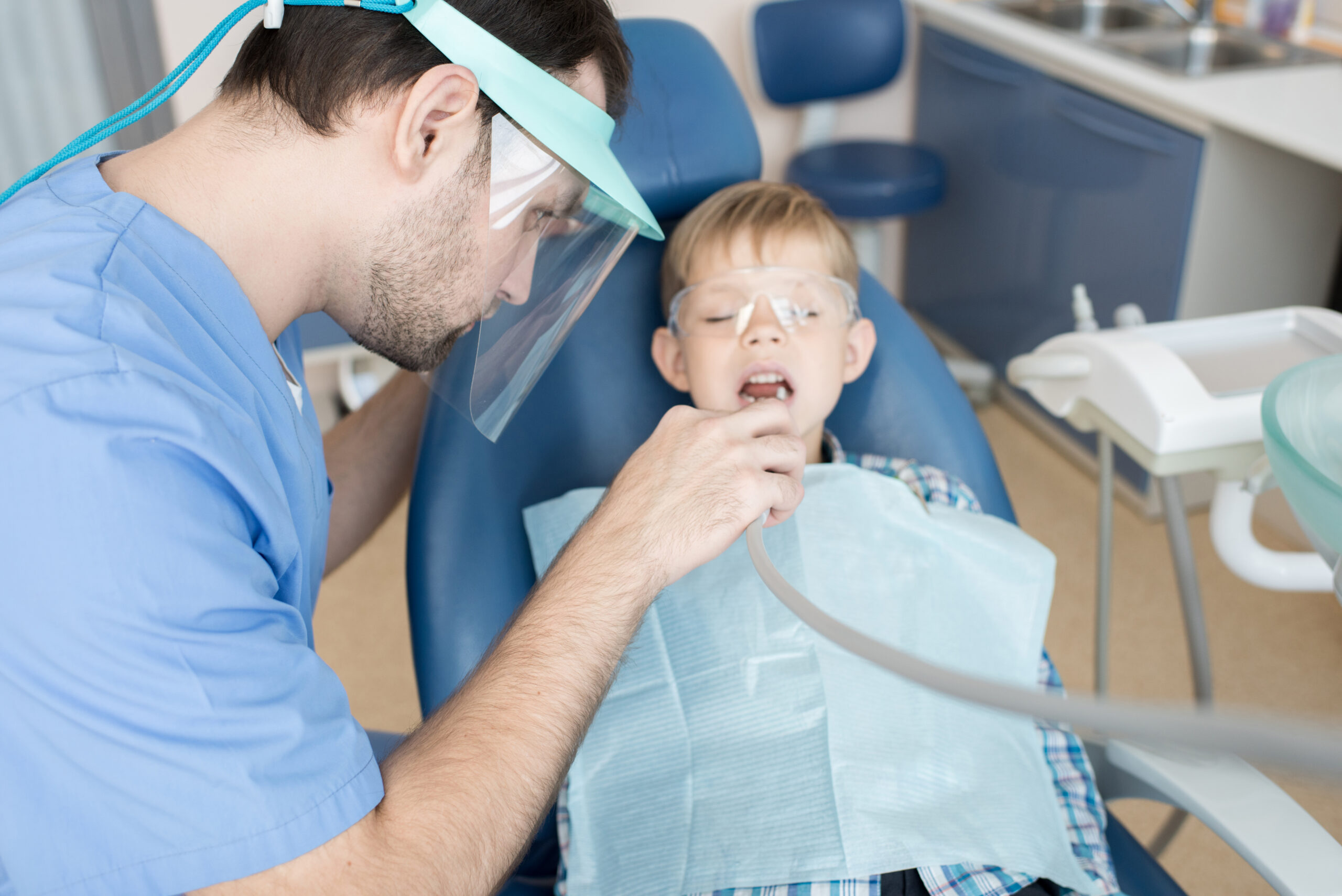
From early childhood development to adult care, we focus on patient comfort and comprehensive treatment.
Removing Barriers to Dental Care
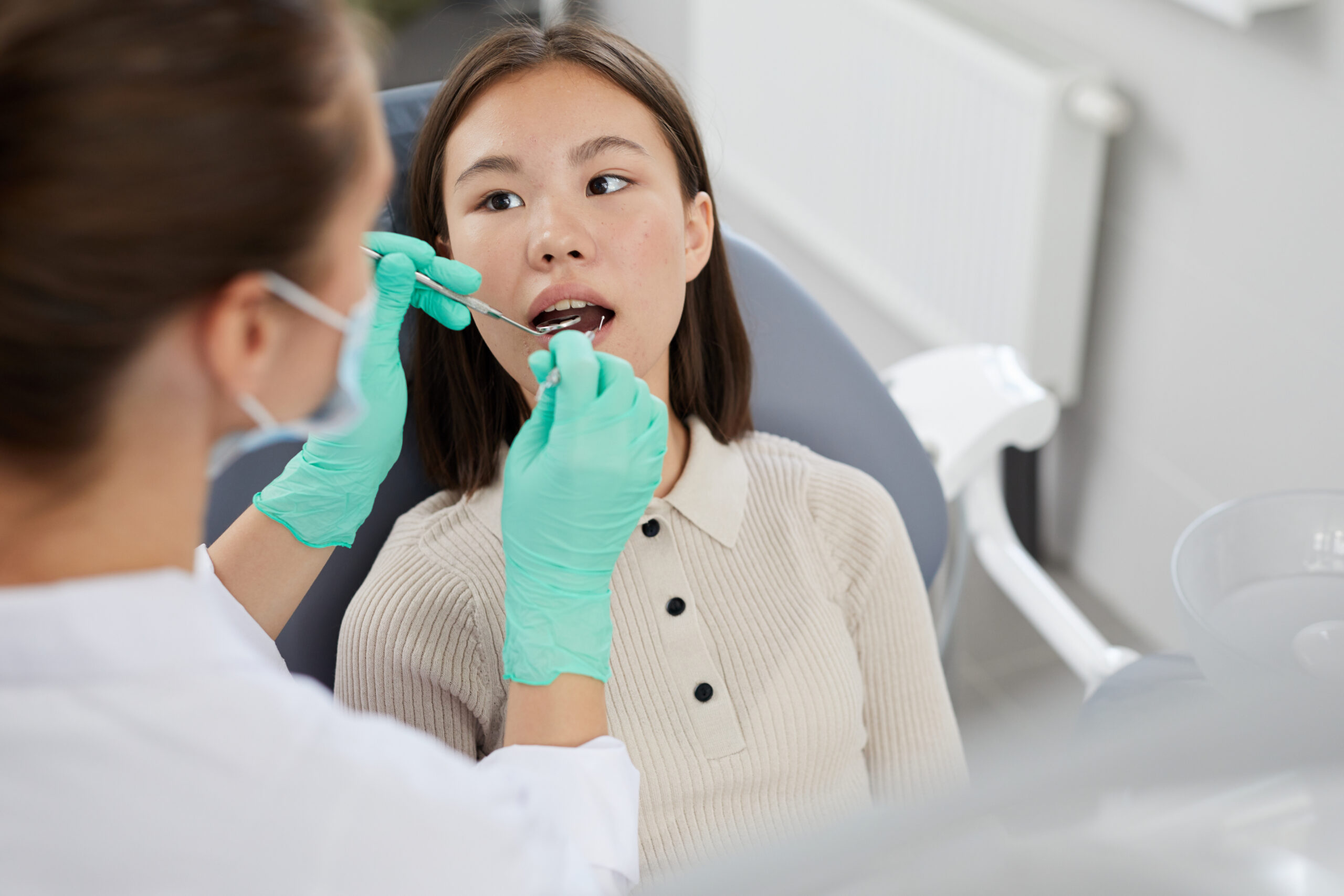
We believe everyone deserves access to high-quality dental care, regardless of financial situation.

Comprehensive Dentistry Under One Roof
Orthodontics, implants, oral surgery, and preventative care all conveniently located in our clinics.
Expertise, Access & Convenient Locations
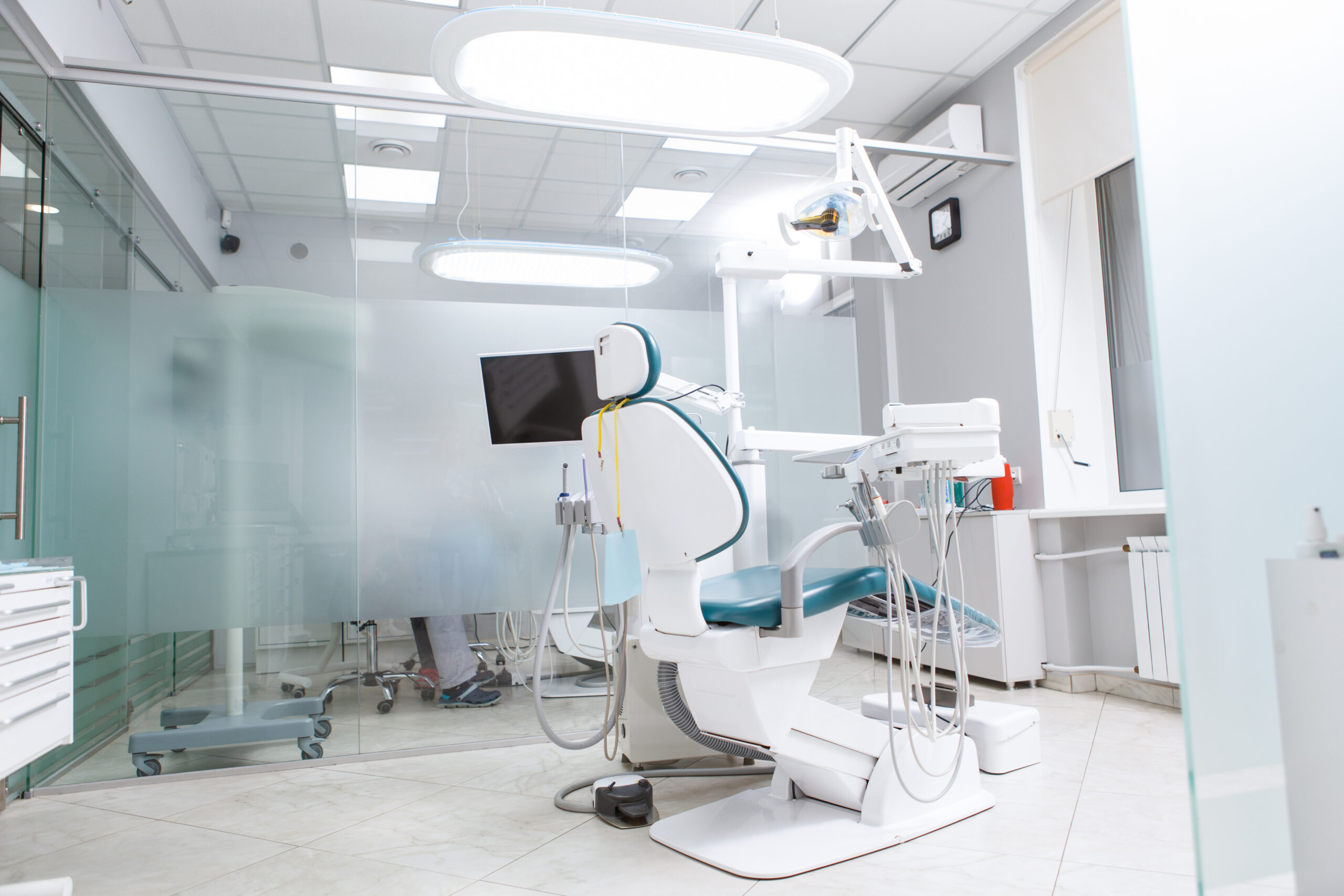
Multiple clinic locations across Los Angeles with extended hours to fit your busy schedule.
Signs Wisdom Teeth Extraction is the Right Next Step for Dental Patients

A few clear patterns usually signal when wisdom teeth extraction becomes the most practical solution. Usually, symptoms keep returning despite good home care. Patients often notice that discomfort follows a cycle, it improves for a while, then flares up again in the same back area. Dentists look for signs that the wisdom teeth create ongoing irritation, trap bacteria, or make the back of the mouth difficult to clean effectively, because those issues often drive repeat problems. At PhD Dental, the goal is to connect what you are feeling with what the exam shows, so you understand whether the issue is likely to keep recurring. This also helps patients avoid chasing short-term fixes that only calm symptoms for a few weeks. When the same area repeatedly becomes tender or inflamed, the pattern often points to a structural problem that daily brushing cannot fully solve. A clear recommendation can also protect nearby molars by reducing the chance that trapped bacteria affects the tooth next door.
Inflamed tissue behind the molars often points to a wisdom tooth that irritates the gumline or sits in a position that collects food and plaque. Patients may notice swelling, tenderness, or a bad taste that comes back even after brushing carefully. A dentist can determine whether the inflammation stems from a pocket around the wisdom tooth, which often improves only when the tooth is removed or the area becomes easier to keep clean.
Why Swelling That Returns in the Same Spot Matters for Your Wisdom Teeth
Temporary soreness after a hard meal is common, but repeated swelling in the same area suggests an ongoing trigger. Patients often feel relief when they learn the issue is not random, because a clear cause leads to a clear plan. Dentists treat recurring swelling as a sign that the tissue stays under stress and may not settle long term without intervention.
Signs That Gum Irritation Is Affecting Daily Comfort
Some patients start avoiding chewing on one side because the tissue feels tender or catches food easily. Others notice that brushing the back area hurts, which leads to inconsistent cleaning and more inflammation. When a routine like eating or brushing becomes uncomfortable, extraction often becomes the simplest way to restore normal comfort.
Wisdom teeth can create pressure in the back of the mouth that patients describe as tightness, aching, or a sense that the jaw feels crowded. Some people also notice that their bite feels slightly different for a few days at a time, especially when the area swells. A dental exam helps confirm whether the wisdom teeth contribute to mandibular crowding or whether another issue, like a molar problem, explains the sensation.
How Norwalk Dentists Evaluate Pressure Without Guesswork
Dentists look at how the wisdom teeth sit relative to the adjacent molars and whether the surrounding gum tissue looks irritated or compressed. They also evaluate whether the wisdom teeth interfere with normal cleaning and whether the bite feels stable when the mouth closes. Patients usually feel more confident when the explanation links symptoms to what the dentist sees, rather than relying on vague assumptions.
When Pressure Signals Limited Space and Higher Risk of Wisdom Tooth Problems
Pressure often becomes more meaningful when it accompanies food trapping, swelling, or repeated tenderness. Those combinations suggest the area lacks enough space to stay calm and clean over time. A dentist may recommend extraction when the pattern points toward future flare-ups rather than a one-time irritation.
Patients often describe a recurring bad taste, persistent odor, or the feeling that food gets stuck behind the last molar no matter how carefully they rinse. These issues can signal a wisdom tooth position that creates a pocket where bacteria collect. When that pocket stays active, patients may experience repeated discomfort and swelling that does not fully resolve without addressing the underlying cause.
Why Ongoing Food Trapping Can Lead to Frustration and Repeat Dentist Visits
Even patients with good hygiene habits can struggle to keep the area clean if the tooth creates an awkward gap or partially covered pocket. Over time, irritation can flare up more easily because bacteria have a consistent place to build. Extraction can reduce the cycle of temporary relief followed by another flare-up, which is often what patients want most.
How Dentists in Norwalk Confirm Whether Extraction Will Solve the Pattern
A dentist evaluates whether the wisdom tooth creates a cleaning barrier and whether the adjacent molar shows early signs of irritation or decay risk. They also consider how often the symptoms return and how strongly they disrupt daily comfort. Patients tend to trust the recommendation when the dentist explains why removal addresses the cause, not just the symptoms.
What Norwalk Patients Experience During Wisdom Teeth Extractions
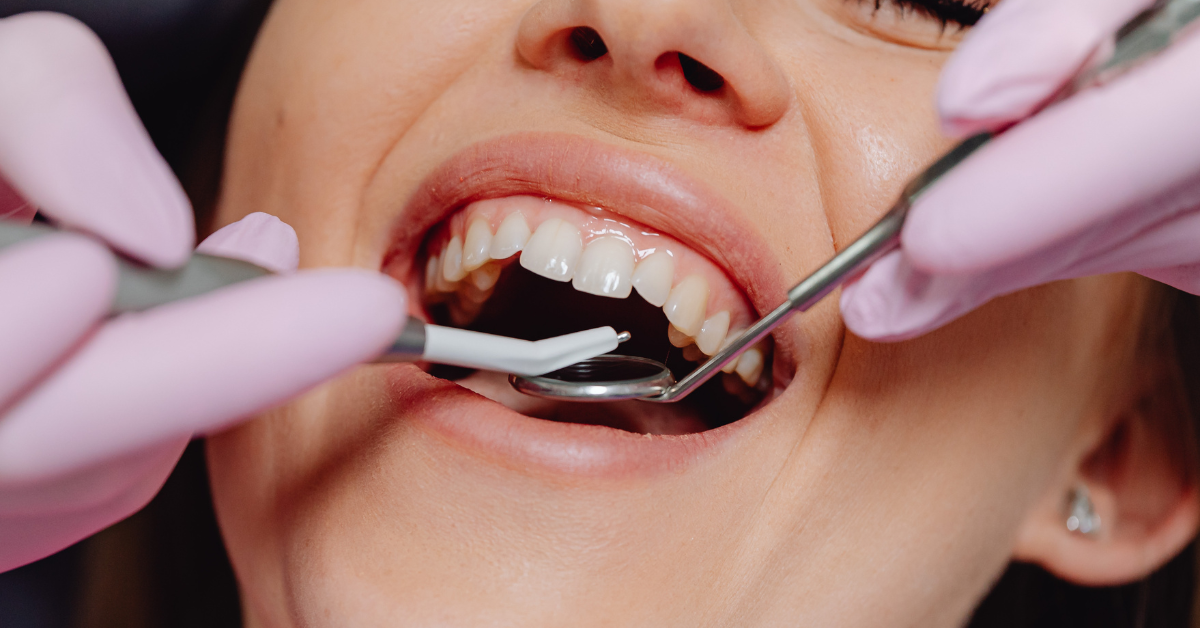
Most patients feel calmer about wisdom teeth extractions when the visit follows a predictable flow and the dental team explains what each phase is meant to accomplish. The experience typically centers on comfort, clear communication, and making sure you know what sensations are normal during the appointment. Patients also appreciate when the team confirms the plan before starting, because it reduces second-guessing and helps the visit feel controlled rather than rushed.
Before the extraction begins, patients can expect a review of the treatment plan, comfort options, and the specific teeth being addressed. This moment matters because it is where questions get answered and expectations get set in plain language. A well-run appointment also confirms practical details such as the expected time window, what you should do after you leave, and how the office will support you if you have concerns later.
Why Clear Communication Improves Comfort During Wisdom Teeth Removal
Patients often feel more comfortable when they know what is about to happen and why it is necessary. A quick explanation can reduce anxiety because it replaces uncertainty with a step-by-step outline of what to expect. When the dental team checks in during the visit, patients feel supported and are less likely to tense up, which can improve the overall experience.
How Patient Questions Shape a More Confident Appointment
A good team makes space for questions about pressure, numbness, and what you may feel after the procedure. Patients benefit when they share concerns about prior dental anxiety or sensitivity, because the team can adjust how they communicate and pace the visit. That openness supports trust and helps patients feel respected rather than rushed.
Patients often worry about pain, but the most common sensation during wisdom teeth extraction is pressure rather than sharp discomfort. Numbness keeps the area comfortable while the dentist focuses on removing the tooth safely and efficiently. Many patients feel relief when they realize the procedure does not involve guessing, because the dentist checks numbness before proceeding and can pause if something feels off.
Pressure, Sounds, and Sensations That Surprise New Dental Patients
Some patients notice tugging pressure or hear sounds that feel unfamiliar, even though those sensations do not mean pain. Knowing this ahead of time helps patients stay relaxed and prevents normal sensations from feeling alarming. A dentist who explains what you might notice builds confidence because it keeps the experience predictable.
How Dentists Respond When Patients Feel Discomfort Mid-Procedure
If a patient feels sharp sensation instead of pressure, the dentist can stop and address it before continuing. Patients often feel reassured when the team treats feedback as part of the process rather than something they should push through. That responsiveness is a major reason patients report better experiences, because they feel the visit stays centered on comfort.
Right after the wisdom tooth extraction, patients usually focus on getting clear instructions and knowing what is normal in the first several hours. The dental team typically reviews how to manage gauze, what to avoid, and when to start gentle care at home. Patients also benefit from knowing how to reach the office if they have concerns, because that support reduces stress once numbness starts wearing off.
Why Post-Visit Instructions Matter When Wisdom Teeth are Removed
Patients who understand the first day guidelines often feel more comfortable and recover with less worry. Clear direction helps prevent mistakes that can increase soreness, prolong bleeding, or disrupt clot formation. A well-explained plan also improves satisfaction because patients know what to do, not just what to avoid.
How a Strong Follow-Up Plan Protects Patient Confidence
Patients feel more at ease when they know what changes to watch for and when to call. A follow-up plan should clarify expected swelling patterns, typical soreness, and what signals deserve quick evaluation. This level of support builds trust because it shows the dental team stays accountable after the appointment, not only during it.
What the Recovery Timeline Looks Like for Most Wisdom Teeth Patients

Recovery after wisdom teeth extractions tends to feel more manageable when patients track progress by practical milestones instead of trying to judge healing hour by hour. Most people notice the biggest changes in the first few days, then improvement becomes steadier as swelling fades and normal routines return. Your timeline can vary based on factors like how the wisdom teeth sit, how many teeth are removed, and how closely you follow home-care instructions, but the overall pattern usually follows a predictable arc.
The first day often centers on rest, protecting the healing area, and staying ahead of discomfort as numbness wears off. Many patients feel tired and prefer a quiet schedule because talking, chewing, and moving around more than needed can increase soreness. Patients typically do best when they plan for simple meals and focus on comfort choices that make sleep easier.
What Wisdom Teeth Surgery Patients Notice as Numbness Wears Off
As sensation returns, patients often notice generalized soreness and a feeling of fullness in the jaw. Discomfort usually feels more like aching pressure than sharp pain, especially when patients follow the recommended routine. A calm evening schedule helps because the first night tends to set the tone for how well the next day feels.
Why the First Night After Wisdom Tooth Extraction Can Feel Harder Than Patients Expect
Sleep can be challenging when the mouth feels swollen and the jaw feels stiff. Patients sometimes wake up feeling more sore because they stayed in one position and because swelling continues to develop overnight. A dentist’s guidance on pacing activity and protecting the area helps patients feel more prepared and less surprised.
Swelling often increases during the first couple of days, then begins to taper as the body transitions from immediate inflammation to steady healing. Many patients also notice jaw stiffness that makes it harder to open widely, which can affect eating and brushing for a short period. This phase feels easier when patients treat it as temporary and focus on soft foods, hydration, and a predictable routine.
When Most Wisdom Teeth Patients Start Feeling Noticeably Better
For many people, the turning point happens once swelling starts to drop and the jaw begins moving more comfortably. Patients often feel improvement in their ability to chew, speak, and sleep through the night without disruption. A steady improvement trend matters more than a perfect day-by-day schedule, since healing can fluctuate slightly even when everything stays normal.
How Food Choices and Hydration Affect Comfort During This Phase
Dehydration and skipped meals can make recovery feel harder than it needs to be. Patients usually feel better when they choose easy-to-eat foods that provide steady energy without requiring much chewing. Staying hydrated also supports comfort because it helps the mouth feel less dry and supports the body’s overall healing response.
Most patients can return to normal responsibilities once pain and swelling feel manageable and sleep becomes more consistent. The right timeline depends on the physical demands of your day and how comfortable you feel speaking and moving around. Patients often appreciate planning a buffer, because it reduces pressure to rush back before the mouth feels ready.
How California Dentists Help Patients Make Smart Decisions About Activity
A dentist can explain which activities may increase soreness and which ones typically remain safe during early healing. Patients who avoid overexertion usually experience fewer setbacks and feel more stable from day to day. This guidance supports satisfaction because it gives patients a clear framework instead of forcing them to guess.
Signs Your Recovery Is on Track and When to Call the Office
Patients often feel reassured when they know what normal improvement looks like, including swelling that slowly decreases and comfort that returns in stages. It also helps to know what deserves attention, such as pain that worsens sharply after improving, or symptoms that feel out of proportion to the day of recovery. Clear guidance reduces anxiety because patients know when to rest and when to reach out for support.
Contact PhD Dental Today for a Wisdom Teeth Evaluation

Wisdom Teeth Extractions should start with a clear evaluation that explains what your wisdom teeth are doing now and what issues they are likely to cause if the pattern continues. PhD Dental focuses on connecting your symptoms to a concrete recommendation, so you are not left guessing whether the next step is removal or continued monitoring. Your visit should clarify which teeth need attention, what level of difficulty to expect, and how the plan protects the nearby molars and gum tissue that often take the hit when wisdom teeth sit in an awkward position.
A wisdom teeth evaluation also helps you plan around real life in Norwalk, including work schedules, school obligations, and the time you want to set aside for recovery. PhD Dental can walk you through what to expect so the timeline and the comfort plan fit your needs. Patients often appreciate leaving with clear next steps and a straightforward sense of what matters most for a smooth experience. That kind of structure reduces stress and makes the decision feel controlled, even when symptoms have been frustrating.
Call (323) 269-5437 to schedule a wisdom teeth evaluation with PhD Dental and find out whether wisdom teeth extractions in Norwalk are the right next step for your comfort and long-term oral health.
Get in Touch with PhD Dental
Pick your location
Los Angeles
Los Angeles is a diverse and fast-moving city where access to dependable dental care is essential for individuals and families alike. PhD Dental serves patients throughout Los Angeles with a commitment to personalized care and long-term oral health.
Hours
- Mon 9:30AM - 6:30PM
- Tue 9:30AM - 6:30PM
- Wed 9:30AM - 6:30PM
- Thu 9:30AM - 6:30PM
- Fri 9:30AM - 6:30PM
- Sat 9:00AM - 4:00PM
- Sun Closed