
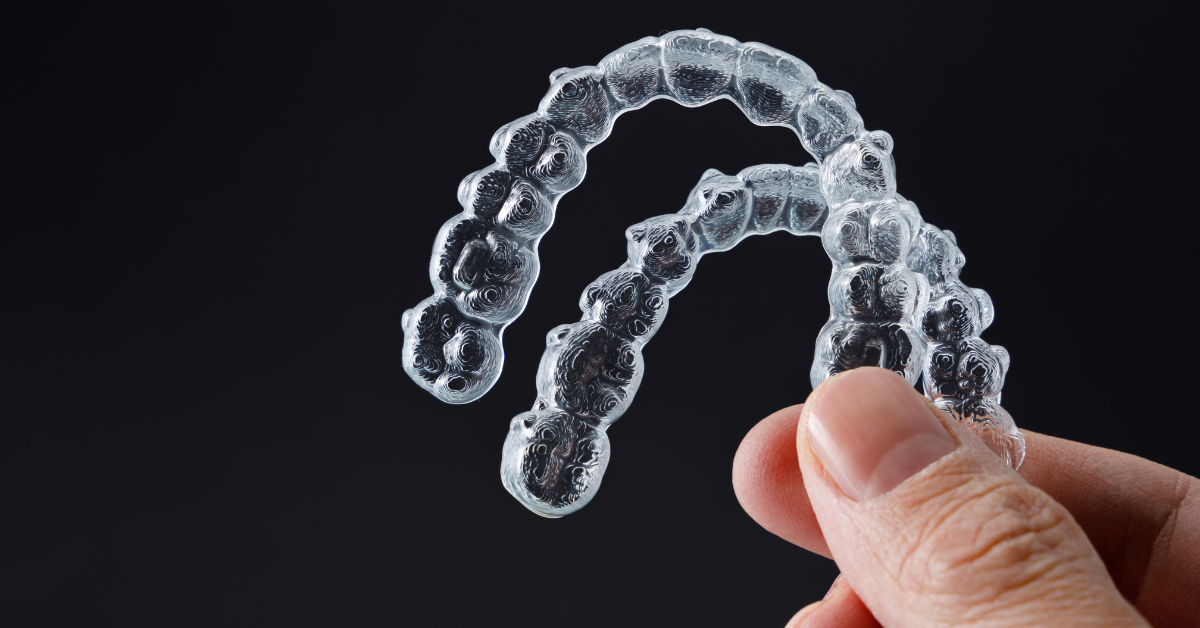
Invisalign Dentists in Norwalk
Many adults and teens want straighter teeth, but hesitate when treatment feels disruptive, visible, or difficult to manage. Invisalign dentists in Norwalk provide orthodontic care designed around removable aligners that guide tooth movement gradually without brackets or wires. This form of treatment requires careful planning to ensure teeth shift in a controlled sequence that preserves bite comfort and jaw alignment throughout the process. PhD Dental evaluates Invisalign treatment by focusing on how alignment changes will function in everyday situations rather than relying only on cosmetic outcomes.
Working with Invisalign dentists in Norwalk also means considering how aligners fit into daily habits. PhD Dental approaches Invisalign planning by examining tooth position, bite interaction, and long-term retention needs before aligners are prescribed. This ensures alignment changes remain stable and comfortable once active treatment is complete. If you are considering treatment with Invisalign dentists in Norwalk and want a detailed evaluation based on bite mechanics and alignment goals, Call PhD Dental at (323)269-5437 or visit our contact page to schedule a consultation focused on realistic orthodontic planning.
Top-Rated Dentists
in Los Angeles
Patient-First Dentistry for Every Stage of Life
From early childhood development to adult care, we focus on patient comfort and comprehensive treatment.
Removing Barriers to Dental Care
We believe everyone deserves access to high-quality dental care, regardless of financial situation.

Comprehensive Dentistry Under One Roof
Orthodontics, implants, oral surgery, and preventative care all conveniently located in our clinics.
Expertise, Access & Convenient Locations
Multiple clinic locations across Los Angeles with extended hours to fit your busy schedule.
Table of Contents
- What Invisalign Dentists Evaluate Before Starting Treatment
- How PhD Dental Approaches Invisalign Treatment With Proportional Planning
- How Invisalign Treatment Is Maintained After Active Alignment
- How PhD Dental Guides Invisalign Treatment Decisions
- Contact Our Invisalign Dentists in Norwalk at PhD Dental Today
What Invisalign Dentists Evaluate Before Starting Treatment
Before aligners are prescribed or digital simulations are finalized, Invisalign dentists conduct a comprehensive evaluation to determine whether planned tooth movement can occur predictably without disrupting bite function or long-term oral stability. This process examines how teeth currently interact during chewing, speaking, and rest, since those interactions influence how aligner forces will be received and redistributed as treatment progresses. Invisalign dentists in Norwalk treat this phase as a diagnostic foundation rather than a procedural formality, recognizing that clear aligners rely heavily on precise staging and controlled force application. A thorough evaluation reduces the likelihood of discomfort, mid-treatment revisions, or unstable outcomes after alignment is complete.
This assessment also incorporates biological and behavioral factors that affect how teeth respond to sustained orthodontic force over time. Bone density, previous dental work, spacing history, and daily wear consistency all influence whether digital treatment plans translate accurately into real-world results. Invisalign dentists in Norwalk review these elements together to ensure the proposed plan aligns with how the mouth will actually behave during months of aligner use. The objective is to design treatment that progresses steadily while maintaining comfort and functional balance throughout.
Evaluating bite alignment involves analyzing how upper and lower teeth contact each other during dynamic movements, including chewing cycles and lateral jaw motion, rather than only static bite positions. Invisalign dentists assess whether existing contact points concentrate pressure unevenly, since those pressure patterns can interfere with aligner-directed movement if left unaddressed. Bite discrepancies may require sequencing adjustments or preliminary corrections to allow aligners to function as intended. Functional contact analysis establishes whether orthodontic changes will support a more balanced bite or introduce instability.
How Bite Contacts Influence Tooth Movement Planning
Tooth movement planning must account for how forces are absorbed and redirected when teeth meet under load during daily function. Invisalign dentists examine specific contact points that may resist movement or cause unintended shifting as aligners apply pressure. Treatment sequencing is adjusted when bite contacts limit efficiency or predictability. Planning reflects functional biomechanics rather than purely cosmetic alignment goals.
Why Bite Balance Matters During and After Treatment
Uneven bite forces can produce discomfort as teeth shift into new positions over time. Long-term stability depends on distributing force evenly once aligner therapy concludes. Invisalign dentists emphasize bite balance to reduce the risk of relapse or jaw strain. Functional harmony supports lasting results.
Invisalign dentists evaluate existing tooth position to determine whether crowding, spacing, or rotations fall within movement ranges that aligners can manage reliably. Some alignment issues require staged expansion, interproximal reduction, or auxiliary features to prevent interference between teeth as they shift. Feasibility assessment focuses on how far teeth must travel within bone limits without compromising periodontal support. Movement plans prioritize biological tolerance over accelerated timelines.
How Spacing Patterns Affect Aligner Sequencing
Crowded arches often require space creation before significant repositioning can occur without resistance. Invisalign dentists design sequencing that gradually opens space, allowing subsequent movements to proceed with greater control. Poor sequencing can create pressure buildup that disrupts tracking. Accurate staging supports smoother and more predictable progression.
Why Some Movements Require Added Control Features
Certain rotations or vertical movements demand additional leverage beyond what aligners alone can provide. Invisalign dentists determine where attachments improve force direction and stability during treatment. These features enhance control during complex stages. Added control protects overall treatment integrity.
Clear aligner treatment depends heavily on consistent daily wear, making lifestyle and routine evaluation an important part of treatment planning. Invisalign dentists discuss work schedules, social habits, and personal discipline to determine whether aligner requirements can be met realistically. Inconsistent wear alters force delivery and disrupts biological response within bone. Commitment assessment aligns expectations with achievable outcomes.
How Wear Patterns Influence Treatment Timelines
Aligners apply orthodontic force only during active wear, making consistency directly tied to movement progression. Reduced wear time slows bone response and extends treatment duration. Invisalign dentists explain how deviations from prescribed wear affect timelines and staging. Treatment schedules reflect realistic usage patterns rather than ideal assumptions.
Why Realistic Expectations Protect Long-Term Results
Unclear expectations often lead to frustration, inconsistent wear, and premature dissatisfaction with progress. Clear communication about responsibilities improves adherence throughout treatment. Invisalign dentists emphasize transparency before aligners are delivered. Informed understanding supports successful outcomes.
How PhD Dental Approaches Invisalign Treatment With Proportional Planning
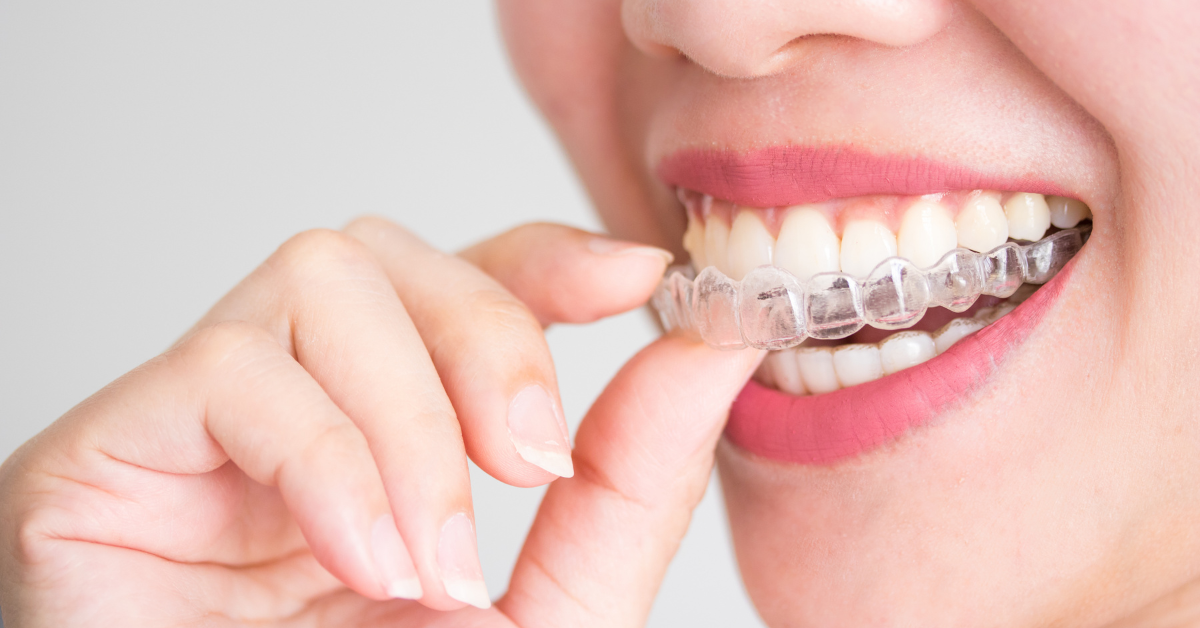
PhD Dental approaches Invisalign treatment by aligning the scope of tooth movement with actual functional and structural needs rather than defaulting to aggressive alignment targets. Proportional planning involves evaluating how much movement is required, how forces will interact with the bite during daily use, and how surrounding bone and ligaments are expected to respond over time. Invisalign treatment in Norwalk is considered appropriate within this framework only when aligner mechanics can achieve correction without introducing instability or excessive biological strain. This approach avoids expanding treatment objectives beyond what the mouth can sustain predictably. Treatment decisions are shaped by restraint, not visual ambition.
This planning philosophy also recognizes that even incremental orthodontic movement produces permanent changes within the jaw system. PhD Dental evaluates whether the benefits of Invisalign treatment justify the long-term impact on bite balance, retention demands, and functional comfort after active movement concludes. Consideration is given to how proportional movement influences future wear patterns, maintenance requirements, and adaptability for later dental care. Clear expectations are established regarding what Invisalign aligners are designed to correct and where their limitations begin. Proportional planning protects patients from overcorrection and unstable alignment outcomes.
PhD Dental evaluates whether the degree of proposed tooth movement aligns with the mechanical and biological capacity of clear aligner therapy. This assessment considers how much positional change is required, how frequently force will be applied through daily wear, and whether the primary objective is refinement or structural correction. Invisalign treatment is recommended when expected movement remains within ranges that aligners can manage consistently without excessive reliance on attachments or refinements. Movement scope is determined by functional necessity rather than cosmetic preference. Proper alignment between demand and capacity supports predictable orthodontic outcomes.
How Functional Analysis Directs Aligner Planning Decisions
Dentists analyze bite behavior, tooth contact patterns, and daily functional use to understand how forces will act during alignment. These factors help determine whether movement will remain controlled, evenly distributed, and compatible with aligner mechanics. Planning decisions are adjusted when analysis reveals potential instability or force concentration risk. Aligner sequencing follows measured functional realities. Functional analysis anchors planning decisions.
Why Expanding Movement Scope Can Introduce Unnecessary Risk
Excessive movement increases strain on ligaments and supporting bone. When correction exceeds functional necessity, treatment may require prolonged wear or repeated refinements. Proportional planning limits biological disruption. Risk is reduced by matching movement to actual need.
Proportional Invisalign planning prioritizes achieving stable alignment without expanding treatment complexity beyond what correction requires. PhD Dental evaluates whether clear aligners can accomplish alignment goals without introducing unnecessary attachments, extended staging, or prolonged wear schedules. Limiting complexity supports more consistent tracking and reduces cumulative stress on teeth and supporting tissues. Stability remains the central objective, but it is pursued efficiently. Treatment design reflects deliberate restraint.
How Reduced Complexity Influences Treatment Predictability
Simpler movement plans are easier for biological systems to accommodate consistently. Reduced reliance on complex mechanics lowers the risk of tracking loss during treatment. Dentists consider how plan simplicity interacts with patient compliance. Predictability improves when mechanical demands remain reasonable.
Why Simpler Plans Still Require Precise Execution
Reduced complexity does not reduce the importance of accurate planning and monitoring. Clear aligner treatment still depends on precise staging and fit. Errors become more impactful when margins are narrow. Proportional planning still requires meticulous execution.
PhD Dental defines clear performance boundaries for Invisalign treatment before aligners are ever delivered. Planning includes discussion of movement limits, retention expectations, and how alignment will be maintained once active treatment ends. Invisalign treatment is recommended only when anticipated outcomes remain within these defined parameters. Establishing boundaries prevents overextension that could compromise long-term stability. Performance expectations are grounded in orthodontic mechanics.
How Dentists Explain Treatment Limits During Invisalign Consultations
Dentists explain how aligner mechanics influence achievable movement and long-term retention. These explanations clarify which corrections remain appropriate and which exceed aligner design intent. Communication focuses on aligning expectations with mechanical reality. Informed understanding supports better decisions.
Why Clearly Defined Limits Protect Long-Term Alignment Results
Teeth remain most stable when corrected within sustainable boundaries. Exceeding those limits increases relapse risk and retention dependency. Defined limits guide responsible orthodontic planning. Long-term results depend on respecting those constraints.
How Invisalign Treatment Is Maintained After Active Alignment
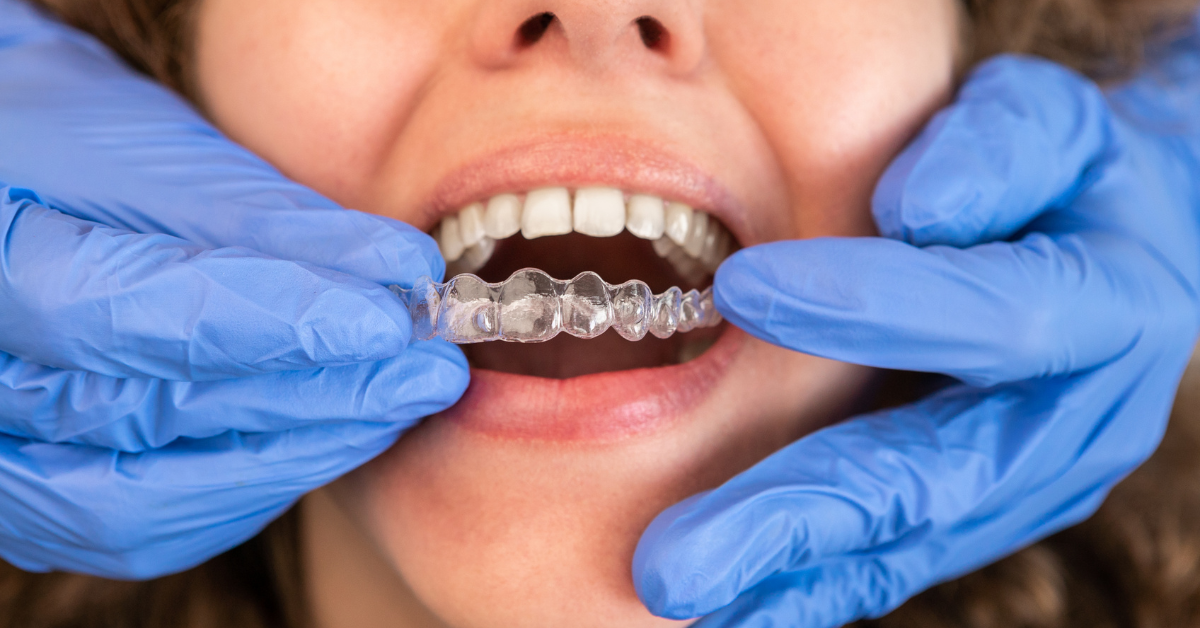
Maintaining alignment after active Invisalign treatment requires deliberate planning that accounts for how teeth, bone, and periodontal support structures behave once orthodontic force is no longer actively applied. Teeth retain a biological tendency to shift because ligaments and surrounding bone require extended time to reorganize around corrected positions under daily functional stress. PhD Dental approaches post-alignment maintenance by evaluating how bite forces, chewing patterns, and habitual jaw movements will interact with the corrected alignment over time. Maintenance planning focuses on managing predictable rebound tendencies before visible movement occurs rather than reacting after alignment has already changed. Long-term stability depends on understanding post-treatment biomechanics rather than assuming teeth will remain stationary.
Post-treatment maintenance also recognizes that alignment correction changes how force travels through the bite during chewing, speaking, and swallowing. Once aligners stop directing movement, retention strategies must manage these forces without introducing new imbalances or discomfort within the jaw system. PhD Dental evaluates whether corrected tooth positions remain stable under realistic functional use, including uneven chewing patterns or parafunctional habits such as clenching. Maintenance strategies are designed to allow controlled physiological settling rather than rigid immobilization that ignores tissue adaptation. Stability is treated as an evolving biological condition rather than a completed orthodontic event.
Retention planning begins with a detailed assessment of how upper and lower teeth contact one another following active alignment and how those contacts distribute force across the dental arch. PhD Dental evaluates whether the corrected bite produces balanced pressure patterns or whether specific teeth absorb disproportionate load that could encourage gradual positional change. Retainers are selected based on their ability to support corrected tooth positions while still allowing natural functional contact during daily use. Planning emphasizes how the bite behaves dynamically during chewing rather than how alignment appears in static examination. Retention strategy is therefore structured around functional mechanics instead of standardized appliance selection.
How Bite Contacts Influence Retainer Design Choices
Bite contacts determine where mechanical pressure concentrates once active orthodontic forces are removed and retention becomes the primary stabilizing factor. PhD Dental evaluates whether retainer design preserves corrected positions without interfering with natural chewing mechanics or introducing new areas of contact imbalance. Design decisions are guided by how force travels through the bite during daily function rather than theoretical alignment models.
Why Retainers Must Balance Stability and Functional Adaptation
Excessively rigid retention can interfere with natural bite settling and long-term neuromuscular coordination during chewing. PhD Dental balances these competing demands by selecting retention strategies that stabilize alignment while permitting controlled physiological adaptation. This balance allows teeth to remain supported without disrupting functional movement patterns over time.
Wear schedules are established based on how quickly periodontal ligaments and bone adapt to corrected tooth positions after active treatment concludes. Supporting tissues require extended time to reorganize structurally, particularly after alignment involving crowding resolution or bite correction. PhD Dental evaluates whether full-time or reduced wear is appropriate during early retention based on observed stability rather than routine protocol. Wear schedules reflect biological adaptation rather than convenience or preference. Gradual reduction supports structural consolidation without destabilization.
How Tissue Response Shapes Retention Timelines
Periodontal ligament elasticity and bone remodeling speed influence how long retention support remains necessary after active alignment ends. PhD Dental evaluates tissue response during follow-up visits to determine whether supporting structures are resisting or accommodating corrected tooth positions. Retention timelines are adjusted based on observed biological behavior rather than standardized orthodontic schedules.
Why Gradual Transitions Reduce Structural Relapse Risk
Abrupt reduction in retainer wear removes stabilizing support before tissues have fully reorganized around corrected positions. PhD Dental plans gradual transitions to allow adaptation under decreasing reinforcement while maintaining positional control. This phased approach reduces the likelihood that functional forces will overwhelm newly stabilized tooth positions.
Preserving Invisalign results over time requires periodic professional evaluation to confirm alignment stability under real functional conditions. PhD Dental monitors tooth position, bite balance, and retainer condition during follow-up visits to identify subtle changes before they become clinically significant. Minor positional shifts are easier to correct conservatively when detected early through structured monitoring. Alignment preservation relies on observation and timely adjustment rather than delayed reaction. Long-term success depends on sustained clinical oversight.
How Follow-Up Visits Support Alignment Stability Over Time
Follow-up visits allow PhD Dental to evaluate whether corrected alignment remains stable under real chewing forces and daily functional habits. Subtle positional changes are identified through comparison with prior records rather than patient perception alone. These evaluations guide timely adjustments before instability progresses.
Why Early Detection Prevents Progressive Alignment Breakdown
Small positional shifts can accumulate incrementally without discomfort or visible warning signs. Early detection allows intervention before these changes compromise overall alignment stability. Timely correction prevents minor movement from developing into broader functional or aesthetic relapse.
How PhD Dental Guides Invisalign Treatment Decisions

PhD Dental guides Invisalign treatment decisions by emphasizing diagnostic judgment and long-term functional outcomes rather than relying on standardized aligner protocols or cosmetic alignment targets alone. Every recommendation begins with an analysis of how proposed tooth movement will influence bite balance, jaw comfort, and force distribution once aligners are no longer directing movement. This approach recognizes that orthodontic correction permanently alters how teeth interact under daily functional load, making post-treatment performance a central planning consideration. Treatment decisions are therefore shaped by how alignment will behave during chewing, speaking, and long-term wear rather than how teeth appear during active movement. Clinical restraint and accountability define the planning process.
This decision-making framework also prioritizes clarity around what Invisalign can realistically accomplish within biological, mechanical, and compliance-related limits. PhD Dental evaluates whether proposed movements align with aligner capabilities, tissue response patterns, and the level of consistency required for predictable outcomes. When treatment goals extend beyond those limits, alternative approaches or modified expectations are discussed openly before aligners are prescribed. This transparency prevents overcorrection and instability that can develop after treatment ends. Guidance is structured around realistic performance rather than optimistic projection.
PhD Dental applies diagnostic judgment to determine whether Invisalign aligns with a patient’s anatomical structure, bite dynamics, and long-term stability requirements. This evaluation examines how teeth currently contact each other, how forces will change during staged movement, and how corrected positions are likely to behave once functional load resumes. Invisalign is recommended only when aligner mechanics can achieve correction without introducing imbalance, excessive ligament strain, or instability during retention. Diagnostic judgment prevents default treatment selection. Care decisions reflect deliberate analysis rather than automated eligibility.
How Comprehensive Evaluation Shapes Treatment Eligibility
A comprehensive evaluation includes bite analysis, spacing and rotation assessment, and review of functional habits that influence force application during alignment. PhD Dental assesses whether these factors support predictable aligner performance over the full course of treatment and into retention. Eligibility decisions are adjusted when findings indicate a higher risk of tracking issues or post-treatment instability. Evaluation replaces assumption with evidence-driven planning.
Why Not Every Alignment Issue Should Use Invisalign
Some alignment problems require movement patterns or force application that exceed the predictable limits of clear aligner systems. PhD Dental avoids recommending Invisalign when mechanical constraints or biological response patterns could compromise long-term stability. Selecting appropriate cases protects patients from extended treatment timelines and unstable results. Suitability assessment remains central to responsible care.
PhD Dental limits Invisalign treatment scope to movements that provide functional improvement and long-term stability rather than pursuing maximal or cosmetic-only correction. Excessive movement increases stress on periodontal ligaments and supporting bone without guaranteeing better performance once treatment concludes. Planning focuses on achieving alignment that supports balanced occlusion and predictable retention behavior. Restraint reduces unnecessary biological disruption. Treatment scope reflects necessity rather than ambition.
How Controlled Movement Supports Predictable Outcomes
Controlled movement allows bone and ligament structures to adapt gradually under consistent, biologically tolerable force. PhD Dental plans aligner staging to respect tissue response timelines rather than compressing movement into fewer stages. Predictability improves when forces remain measured and evenly distributed throughout treatment. Controlled progression supports tracking accuracy and post-treatment stability.
Why Overcorrection Can Undermine Stability
Overcorrection introduces prolonged force application and extended retention demands that can increase rebound tendencies after treatment ends. Teeth may resist excessive repositioning once aligners are removed, particularly under uneven functional load. PhD Dental avoids this risk by planning within sustainable movement limits that support retention success.
PhD Dental emphasizes that Invisalign success extends beyond aligner wear into long-term retention, monitoring, and functional adaptation responsibilities. Patients are guided through realistic expectations regarding retainer use, follow-up evaluations, and how daily habits influence alignment stability over time. This transparency ensures that treatment decisions include an understanding of ongoing participation rather than assuming alignment remains permanent without maintenance. Long-term alignment depends on shared responsibility between provider and patient. Guidance continues as conditions evolve after active treatment.
How Clear Expectations Improve Treatment Follow-Through
Clear explanations about responsibilities improve patient engagement and adherence throughout both active treatment and retention phases. PhD Dental outlines how wear consistency, retainer compliance, and functional habits affect alignment durability. When expectations are understood from the beginning, follow-through becomes more consistent and effective.
Why Decision Guidance Extends Beyond Aligner Delivery
Delivering aligners represents only one stage within a longer alignment process that includes retention and functional stabilization. PhD Dental continues guiding treatment decisions as bite forces settle and retention needs evolve over time. Ongoing guidance ensures alignment remains stable under real-world conditions rather than idealized assumptions.
Contact Our Invisalign Dentists in Norwalk at PhD Dental Today

Deciding if Invisalign is appropriate often comes down to understanding how planned tooth movement will affect bite mechanics, long-term stability, and daily comfort once aligners are no longer in use. This conversation is designed to clarify where Invisalign performs reliably, where its limitations begin, and how retention and monitoring factor into lasting alignment.
During a consultation, PhD Dental reviews diagnostic records, explains how movement decisions are evaluated, and discusses how alignment is supported after active treatment concludes. Attention is given to how corrected tooth positions behave over time, what level of ongoing involvement is required, and how maintenance expectations align with your daily routine. This process ensures treatment decisions are informed by long-term function and realistic responsibility rather than short-term appearance goals. If you are considering care with Invisalign dentists in Norwalk and want a thorough evaluation, Call PhD Dental at (323)269-5437 or visit our contact page to schedule a consultation focused on long-term alignment stability and informed treatment decisions.
Get in Touch with PhD Dental
Pick your location
Los Angeles
Los Angeles is a diverse and fast-moving city where access to dependable dental care is essential for individuals and families alike. PhD Dental serves patients throughout Los Angeles with a commitment to personalized care and long-term oral health.
Hours
- Mon 9:30AM - 6:30PM
- Tue 9:30AM - 6:30PM
- Wed 9:30AM - 6:30PM
- Thu 9:30AM - 6:30PM
- Fri 9:30AM - 6:30PM
- Sat 9:00AM - 4:00PM
- Sun Closed