
What to Know About Your First Root Canal in Los Angeles
Learning that you need a root canal can feel overwhelming, particularly if you have never undergone the procedure before. However, the modern root canal process is a common and highly effective treatment designed to eliminate infection, relieve discomfort, and preserve natural teeth whenever possible. Many patients are surprised to discover that root canals are often no more uncomfortable than receiving a routine dental filling. Additionally, understanding what happens before, during, and after treatment may help reduce anxiety and improve confidence throughout the process. Knowing what to expect often allows patients to approach treatment with greater peace of mind.
At PhD Dental, we help patients throughout Los Angeles understand their treatment options while providing personalized care focused on comfort and long-term oral health. Our team takes the time to explain every step of the root canal process so patients can make informed decisions regarding their dental care. Furthermore, we focus on preserving natural teeth whenever possible while helping patients address pain, infection, and other oral health concerns before they become more serious. If you have questions about root canal treatment, call us at (323) 269-5437 today.
Understanding Your First Root Canal Appointment in Los Angeles
If you have never had a root canal before, it is natural to have questions about the procedure and what to expect. Learning more about the treatment process can help ease concerns while providing a clearer understanding of how root canal therapy protects your oral health. Additionally, knowing the reasons for treatment, the steps involved, and what recovery may look like often helps patients feel more confident about moving forward with care. The following information outlines some of the most important things to know before your first root canal appointment in Los Angeles.
Why Root Canal Treatment May Be Necessary
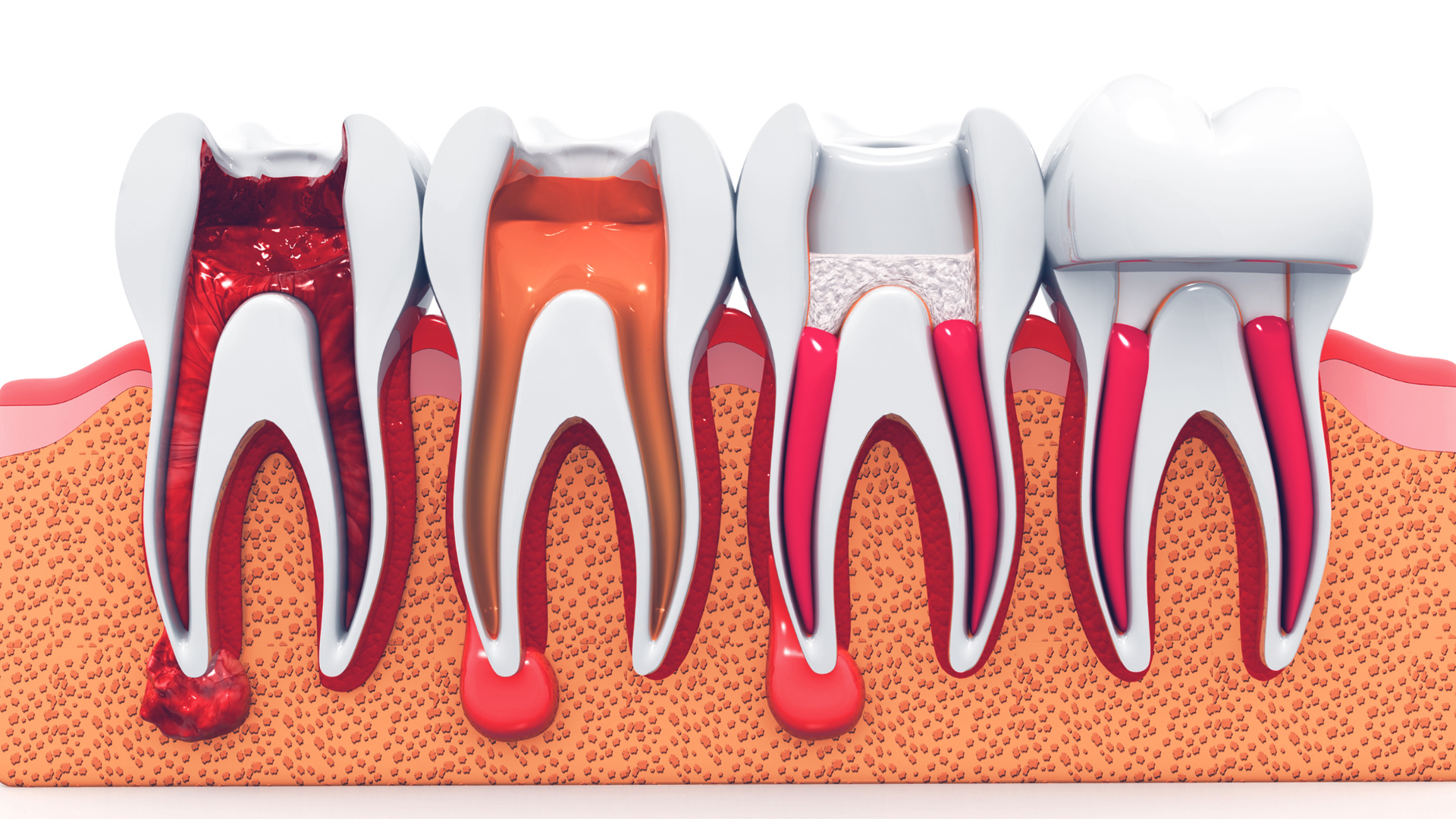
At PhD Dental, we often recommend root canal treatment when infection or damage reaches the inner portion of a tooth. The pulp inside the tooth contains nerves and blood vessels that help support tooth development, but once infection develops, preserving the pulp is typically no longer possible. Additionally, untreated infections may spread and lead to more significant oral health complications. Root canal therapy removes infected tissue while preserving the outer structure of the tooth whenever possible. Early treatment frequently helps prevent more extensive procedures later.
We understand that patients may feel nervous when they hear the words “root canal.” However, modern dentistry has made the procedure far more comfortable and predictable than many people realize. Furthermore, addressing infection promptly often helps relieve pain and improve long-term oral health outcomes. Our team works closely with patients to ensure they understand their treatment recommendations and feel comfortable throughout the process.
Common Signs You May Need a Root Canal
Several symptoms may indicate that a root canal could be necessary. Persistent tooth pain, prolonged sensitivity to hot or cold temperatures, swelling, tenderness when chewing, and discoloration of a tooth are among the most common warning signs. Additionally, some patients experience recurring discomfort that gradually worsens over time. Identifying these symptoms early often allows for more conservative treatment.
Not Every Infected Tooth Causes Severe Pain
While tooth pain frequently accompanies infection, some patients experience minimal discomfort despite significant underlying issues. Regular dental examinations and diagnostic imaging often help identify problems before symptoms become severe. Furthermore, early detection may improve treatment outcomes and reduce the likelihood of complications. Routine dental care often plays an important role in protecting long-term oral health.
Understanding What Happens During a Root Canal
Many patients feel more comfortable when they understand exactly what occurs during treatment. Root canal therapy begins with a thorough examination and diagnostic evaluation to assess the condition of the tooth. Additionally, local anesthesia is used to help ensure patient comfort throughout the procedure. Modern techniques allow dentists to perform root canals with a high degree of precision and efficiency.
The procedure involves removing infected pulp tissue, cleaning the internal canals, disinfecting the area, and sealing the tooth to help prevent future infection. Furthermore, many patients receive a dental crown afterward to restore strength and function. The overall goal is to preserve the natural tooth while eliminating the source of infection.
Local Anesthesia Helps Maximize Comfort
One of the most common misconceptions about root canals involves pain. In reality, local anesthesia helps numb the area so patients remain comfortable throughout treatment. Additionally, many individuals report that the experience feels similar to receiving a routine filling. Modern pain management techniques have significantly improved patient experiences during root canal therapy.
Treatment Often Relieves Existing Discomfort
Many patients seek treatment because they are already experiencing pain caused by infection. Root canal therapy addresses the source of that discomfort rather than causing additional problems. Furthermore, removing infected tissue often leads to significant symptom relief once healing begins. Eliminating infection frequently improves overall comfort.
What Recovery Is Like After a Root Canal
Recovery following a root canal is often straightforward for most patients. Mild soreness or sensitivity may occur for a few days after treatment, particularly if significant inflammation existed before the procedure. Additionally, most individuals can return to their normal routines shortly after their appointment. Following post-treatment instructions helps support a smooth recovery process.
Patients should avoid chewing on the treated tooth until any recommended restoration has been completed. Furthermore, maintaining good oral hygiene habits often supports healing and long-term treatment success. Most patients find that recovery is easier than they originally expected.
Temporary Sensitivity Is Common
Some mild tenderness may occur as surrounding tissues heal following treatment. This discomfort is generally manageable with recommended medications and typically improves within a few days. Additionally, patients should contact their dentist if symptoms worsen or fail to improve. Monitoring recovery helps ensure the healing process remains on track.
Long-Term Success Rates Are High
Root canal therapy has a long history of helping patients preserve natural teeth successfully. When combined with proper restoration and ongoing oral hygiene, treated teeth often continue functioning normally for many years. Furthermore, preserving a natural tooth frequently provides advantages compared to extraction and replacement options. Long-term success often depends on regular dental care.
Why Saving a Natural Tooth Is Important
Whenever possible, preserving a natural tooth remains one of the primary goals of modern dentistry. Natural teeth help maintain proper chewing function, support surrounding teeth, and contribute to overall oral health. Additionally, retaining a natural tooth often helps avoid more complex restorative procedures. Root canal treatment allows many patients to preserve teeth that might otherwise require extraction.
Maintaining natural tooth structure may also help preserve bite alignment and jaw function. Furthermore, saving a tooth often provides both functional and cosmetic benefits. Long-term oral health frequently improves when natural teeth can be retained successfully.
Root Canal Therapy Helps Prevent Further Problems
Untreated dental infections may eventually affect neighboring teeth, surrounding tissues, and overall oral health. Addressing problems early often reduces the likelihood of complications and additional treatment needs. Additionally, prompt care may help preserve more of the natural tooth structure. Early intervention frequently supports better outcomes.
Preserving Teeth Supports Overall Oral Health
Every natural tooth plays an important role in maintaining a healthy and functional smile. Root canal treatment helps protect that function while eliminating infection. Furthermore, preserving natural teeth often contributes to greater long-term stability throughout the mouth. Tooth preservation remains a valuable goal whenever possible.
How Root Canal Therapy Protects Long-Term Oral Health
Root canal therapy does more than eliminate an active infection. The procedure also plays an important role in protecting a patient’s long-term oral health by preserving natural teeth, preventing the spread of infection, and maintaining proper dental function. When infection reaches the inner pulp of a tooth, delaying treatment can allow bacteria to spread to surrounding tissues and potentially lead to more extensive complications. Root canal treatment addresses the source of the problem while helping patients avoid unnecessary tooth loss. Additionally, preserving a natural tooth often contributes to better overall oral health outcomes. As a result, root canal therapy remains one of the most effective restorative procedures available in modern dentistry.
Preserving Natural Teeth Supports Oral Health
Saving a natural tooth is often preferable to removing it whenever possible. Natural teeth help maintain proper chewing function, support neighboring teeth, and contribute to overall jaw stability. Additionally, preserving existing tooth structure may help patients avoid more complex restorative procedures in the future. Root canal therapy allows dentists to remove infection while maintaining much of the tooth’s original structure. Therefore, preserving natural teeth frequently benefits long-term oral health.
Natural Teeth Help Maintain Proper Alignment
Every tooth plays a role in maintaining the alignment of the bite. When a tooth is lost, surrounding teeth may gradually shift into the empty space, potentially causing changes in spacing and bite function. Additionally, these changes can increase the risk of future dental problems. Preserving a natural tooth through root canal treatment helps maintain proper positioning. Consequently, tooth preservation often supports overall oral stability.
Tooth Loss Can Lead to Additional Complications
Missing teeth may contribute to chewing difficulties, uneven wear patterns, and additional stress on surrounding teeth. Additionally, replacing a lost tooth often requires more extensive dental treatment. Root canal therapy helps many patients avoid these challenges by preserving the affected tooth. As a result, patients may maintain better long-term oral function.
Root Canal Therapy Stops the Spread of Infection
Dental infections rarely improve on their own and often worsen without treatment. Root canal therapy removes infected tissue from within the tooth and helps eliminate harmful bacteria. Additionally, treating the infection promptly may reduce the risk of damage to surrounding tissues and structures. Addressing the problem early often helps prevent more serious complications. Therefore, infection control remains one of the primary benefits of root canal treatment.
Untreated Infections Can Affect Nearby Structures
As an infection progresses, bacteria may spread beyond the affected tooth and impact surrounding gum tissue, bone, and neighboring teeth. Additionally, severe infections may require more extensive treatment if left unaddressed. Root canal therapy helps contain and eliminate the infection before it causes additional damage. Consequently, prompt treatment often supports better outcomes.
Early Intervention Frequently Leads to Better Results
The sooner a dental infection is treated, the easier it may be to preserve healthy tooth structure and surrounding tissues. Additionally, early treatment often reduces discomfort and minimizes the risk of complications. Patients who address dental problems promptly may avoid more invasive procedures later. As a result, timely care often protects long-term oral health.
Maintaining Chewing Function Is Important
Healthy teeth allow patients to chew comfortably and efficiently. When infection damages a tooth, normal chewing function may become painful or difficult. Root canal therapy helps restore the tooth’s functionality while preserving its role within the bite. Additionally, maintaining proper chewing ability contributes to overall comfort and nutrition. Therefore, preserving function remains an important goal of treatment.
Restored Teeth Can Continue Functioning Normally
After root canal therapy and appropriate restoration, many treated teeth continue functioning much like healthy natural teeth. Patients can often return to normal eating habits and daily activities once healing is complete. Additionally, proper restoration helps strengthen the tooth and support long-term durability. Restoring function is a key part of successful treatment. Consequently, many patients experience significant improvements following therapy.
Dental Crowns Often Provide Added Protection
In many cases, a dental crown is recommended after root canal treatment to reinforce the tooth and reduce the risk of future damage. Crowns help distribute chewing forces while protecting weakened tooth structure. Additionally, they can improve both function and appearance. Proper restoration often contributes to long-term treatment success. As a result, crowns frequently play an important role in preserving treated teeth.
Root Canal Treatment Supports Overall Oral Health
Oral health is closely connected to the health of the entire mouth. Preserving teeth, controlling infection, and maintaining proper dental function all contribute to a healthier oral environment. Additionally, preventing complications associated with untreated infections may reduce the need for future restorative procedures. Root canal therapy helps address existing problems while supporting long-term dental wellness. Therefore, the procedure often benefits patients well beyond the immediate treatment period.
Preventative Care Helps Protect Results
Following root canal treatment, maintaining good oral hygiene habits remains essential. Regular brushing, flossing, and professional dental cleanings help protect both treated teeth and surrounding structures. Additionally, routine examinations allow dentists to identify potential issues before they become serious. Preventative care supports lasting oral health. Consequently, ongoing dental maintenance remains important.
Long-Term Success Rates Remain High
Modern root canal therapy has a strong record of long-term success when combined with proper restoration and oral hygiene. Many treated teeth remain healthy and functional for decades after treatment. Additionally, advancements in dental technology continue improving treatment outcomes. Patients who follow recommended care guidelines often enjoy lasting benefits. As a result, root canal therapy remains one of the most reliable methods for preserving natural teeth and supporting long-term oral health.
How Dentists Diagnose Root Canal Infections
Diagnosing a root canal infection involves more than simply identifying tooth pain. Dentists use a combination of patient symptoms, clinical examinations, diagnostic tests, and dental imaging to determine whether the pulp inside a tooth has become infected or damaged. Because many dental conditions can cause similar symptoms, an accurate diagnosis is essential before recommending treatment. Additionally, some root canal infections develop gradually and may not cause severe discomfort until significant damage has already occurred. Early detection often helps preserve more of the natural tooth structure while preventing further complications. As a result, a thorough evaluation plays a critical role in developing an effective treatment plan.
Dentists Begin by Reviewing Symptoms
One of the first steps in diagnosing a root canal infection involves discussing the patient’s symptoms and dental history. Dentists often ask questions about tooth pain, sensitivity, swelling, previous dental work, and recent injuries that may have affected the tooth. Additionally, understanding when symptoms began and how they have changed over time can provide valuable diagnostic information. These conversations help dentists narrow down potential causes before conducting a physical examination. Therefore, patient-reported symptoms often serve as an important starting point.
Tooth Pain Is a Common Warning Sign
Persistent tooth pain is one of the most common indicators of an infection within the tooth. Some patients experience sharp pain when chewing, while others report a dull ache that remains constant throughout the day. Additionally, discomfort may worsen when pressure is applied to the affected area. Dentists carefully evaluate the nature and severity of pain during the diagnostic process. Consequently, pain patterns often provide valuable clues.
Symptoms Can Vary From Patient to Patient
Not every patient experiences the same symptoms when a root canal infection develops. Some individuals have significant pain, while others notice only mild sensitivity or swelling. Additionally, certain infections may progress with very few noticeable symptoms. Dentists consider a variety of factors when evaluating possible infections. As a result, a comprehensive assessment remains essential.
A Clinical Examination Helps Identify Problems
After discussing symptoms, the dentist typically performs a detailed examination of the affected tooth and surrounding tissues. This evaluation may include checking for swelling, discoloration, cracks, decay, or signs of trauma. Additionally, dentists often examine nearby teeth to rule out other potential causes of discomfort. A thorough clinical examination helps identify visible indicators of infection and damage. Therefore, physical evaluations remain a key part of diagnosis.
Dentists Assess Tooth Sensitivity
Various tests may be used to determine how the tooth responds to temperature changes and pressure. Sensitivity to hot or cold temperatures can sometimes indicate inflammation or infection within the pulp. Additionally, pain when biting or chewing may suggest damage affecting the tooth’s internal structures. Dentists use these responses to gather important diagnostic information. Consequently, sensitivity testing often helps confirm concerns.
Percussion Testing May Be Performed
Dentists sometimes gently tap on a tooth to determine whether inflammation exists around the root area. A painful response may indicate infection or irritation affecting the supporting structures of the tooth. Additionally, comparing responses among multiple teeth can provide further insight. These simple tests often contribute valuable information during diagnosis. As a result, percussion testing remains a commonly used evaluation method.
Dental X-Rays Provide Critical Information
Dental imaging plays an important role in diagnosing root canal infections because many problems cannot be seen during a visual examination alone. X-rays allow dentists to evaluate the tooth’s roots, surrounding bone, and internal structures. Additionally, imaging can reveal signs of infection, bone loss, deep decay, or damage that may not be visible otherwise. Diagnostic imaging often helps confirm the extent of the problem. Therefore, X-rays are frequently an essential part of the evaluation process.
Imaging Helps Identify Hidden Damage
Cracks, internal decay, and infections may develop beneath the surface of a tooth without obvious external signs. Dental X-rays help dentists identify these hidden issues before they become more severe. Additionally, imaging allows providers to assess whether infection has spread beyond the tooth itself. Accurate imaging often leads to more informed treatment decisions. Consequently, diagnostic technology remains extremely valuable.
Early Detection Can Improve Outcomes
Identifying infections before extensive damage occurs often allows for more effective treatment. Dental imaging helps dentists detect problems that may not yet be causing severe symptoms. Additionally, early intervention may improve the likelihood of preserving the tooth successfully. Prompt diagnosis frequently benefits both treatment efficiency and long-term oral health. As a result, regular dental evaluations remain important.
Dentists Evaluate the Health of the Tooth Pulp
The primary goal of diagnosis is determining whether the pulp inside the tooth remains healthy, inflamed, or infected. Specialized testing helps dentists assess the condition of the nerve tissue and blood supply within the tooth. Additionally, these evaluations help determine whether root canal therapy is the most appropriate treatment option. Understanding pulp health is essential when developing a treatment plan. Therefore, pulp evaluation often becomes one of the most important steps in diagnosis.
Not All Damaged Teeth Require Root Canal Treatment
While root canal therapy is effective for treating infected pulp, some dental problems may be addressed using less extensive procedures if detected early enough. Dentists carefully evaluate each case before making treatment recommendations. Additionally, preserving healthy tooth structure remains a priority whenever possible. Individualized treatment planning helps ensure appropriate care. Consequently, accurate diagnosis is critical.
Treatment Recommendations Depend on Findings
The information gathered during the examination, testing, and imaging process helps guide treatment decisions. Some patients may require root canal therapy, while others may benefit from alternative restorative procedures. Additionally, treatment recommendations often depend on the severity of infection and the overall condition of the tooth. Dentists use diagnostic findings to create personalized care plans. As a result, patients receive treatment tailored to their specific needs.
Early Diagnosis Helps Protect Oral Health
Prompt diagnosis of root canal infections often improves treatment outcomes and helps reduce the risk of complications. Addressing infection before it spreads may preserve more of the natural tooth structure and prevent damage to surrounding tissues. Additionally, early treatment frequently helps relieve discomfort more quickly. Routine dental visits and timely evaluations of concerning symptoms can play an important role in protecting oral health. Ultimately, accurate diagnosis allows dentists to recommend the most effective treatment while helping patients maintain healthy, functional smiles for years to come.
Regular Dental Visits Support Early Detection
Routine dental examinations often allow dentists to identify developing problems before they become severe. Professional evaluations, diagnostic imaging, and preventive care all contribute to earlier diagnosis. Additionally, patients who attend regular appointments may benefit from more conservative treatment options. Preventive care remains an important part of maintaining oral health. Consequently, regular visits are strongly encouraged.
Seeking Care Promptly Can Make a Difference
Ignoring tooth pain or sensitivity may allow infection to worsen over time. Seeking professional evaluation when symptoms arise often improves the likelihood of successful treatment. Additionally, prompt care may help patients avoid more extensive procedures in the future. Early action frequently supports better outcomes. As a result, addressing concerns quickly is often beneficial.

Schedule a Root Canal Consultation With PhD Dental Today
Addressing tooth pain, infection, and other dental concerns often begins with obtaining an accurate diagnosis and understanding available treatment options. Root canal therapy continues to be one of the most effective ways to eliminate infection while preserving natural teeth and supporting long-term oral health. At PhD Dental, we take a patient-centered approach to care by focusing on comfort, education, and personalized treatment planning designed to meet each individual’s needs. Our team works closely with patients to explain procedures, answer questions, and develop solutions that support healthy, confident smiles.
We remain committed to helping patients throughout Los Angeles receive high-quality dental care through advanced technology, compassionate treatment, and comprehensive oral health services. Our team continuously focuses on improving patient experiences while providing effective solutions for tooth infections, dental pain, and restorative needs. By partnering with PhD Dental, patients gain access to a team dedicated to preserving oral health, protecting natural teeth, and delivering exceptional dental care. Call us today at ((323) 269-5437 or schedule an appointment online today. Don’t wait when your tooth is at stake!