
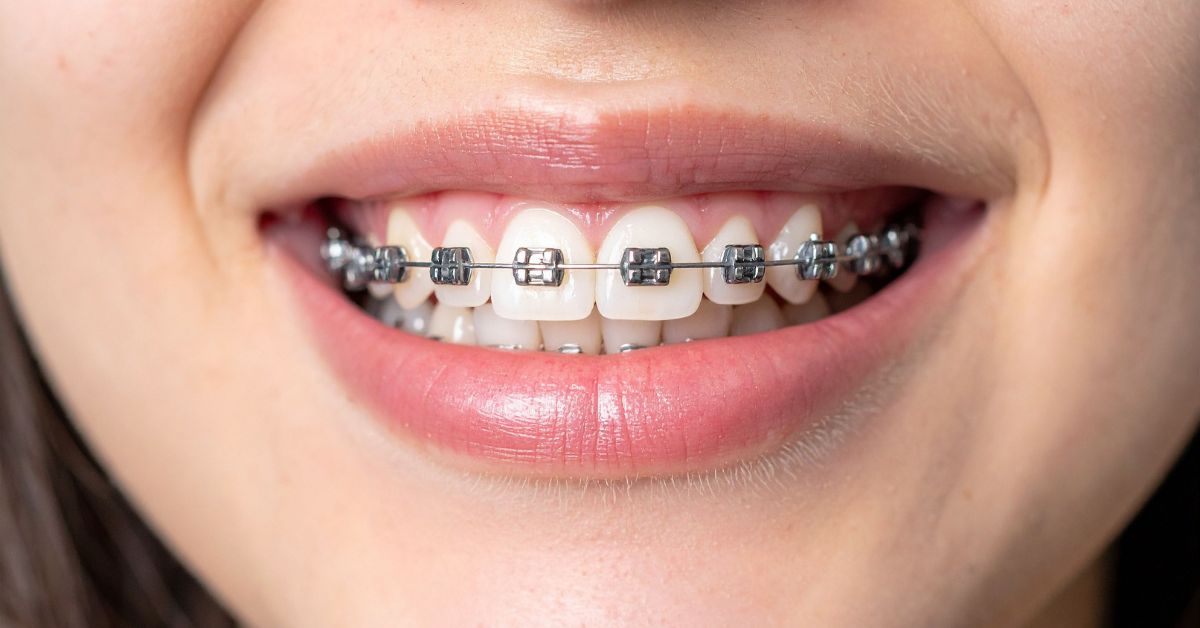
Accelerated Orthodontics in Los Angeles
Accelerated Orthodontics appeals to Los Angeles dental patients who want a shorter path to a straighter smile. A faster timeline only works when the plan matches your bite needs, your oral health, and the type of tooth movement required. PHD Dental focuses on realistic acceleration so patients understand what can move quickly, what still takes time, and how the treatment stays predictable from start to finish.
Rapid orthodontics reduces scheduling friction while avoiding uncertainty about results. Some cases qualify for a streamlined approach because the goals stay focused, the bite remains stable, and the mouth can handle efficient movement with close monitoring. Other situations need a standard pace to protect long-term stability and avoid setbacks that extend treatment. Clear guidance matters because speed is only a benefit when it supports a result you can maintain.
Call (323) 269-5437 to speak with PHD Dental in Los Angeles about accelerated orthodontics and schedule a consultation to see whether rapid orthodontics can shorten your treatment time.
Top-Rated Dentists
in Los Angeles
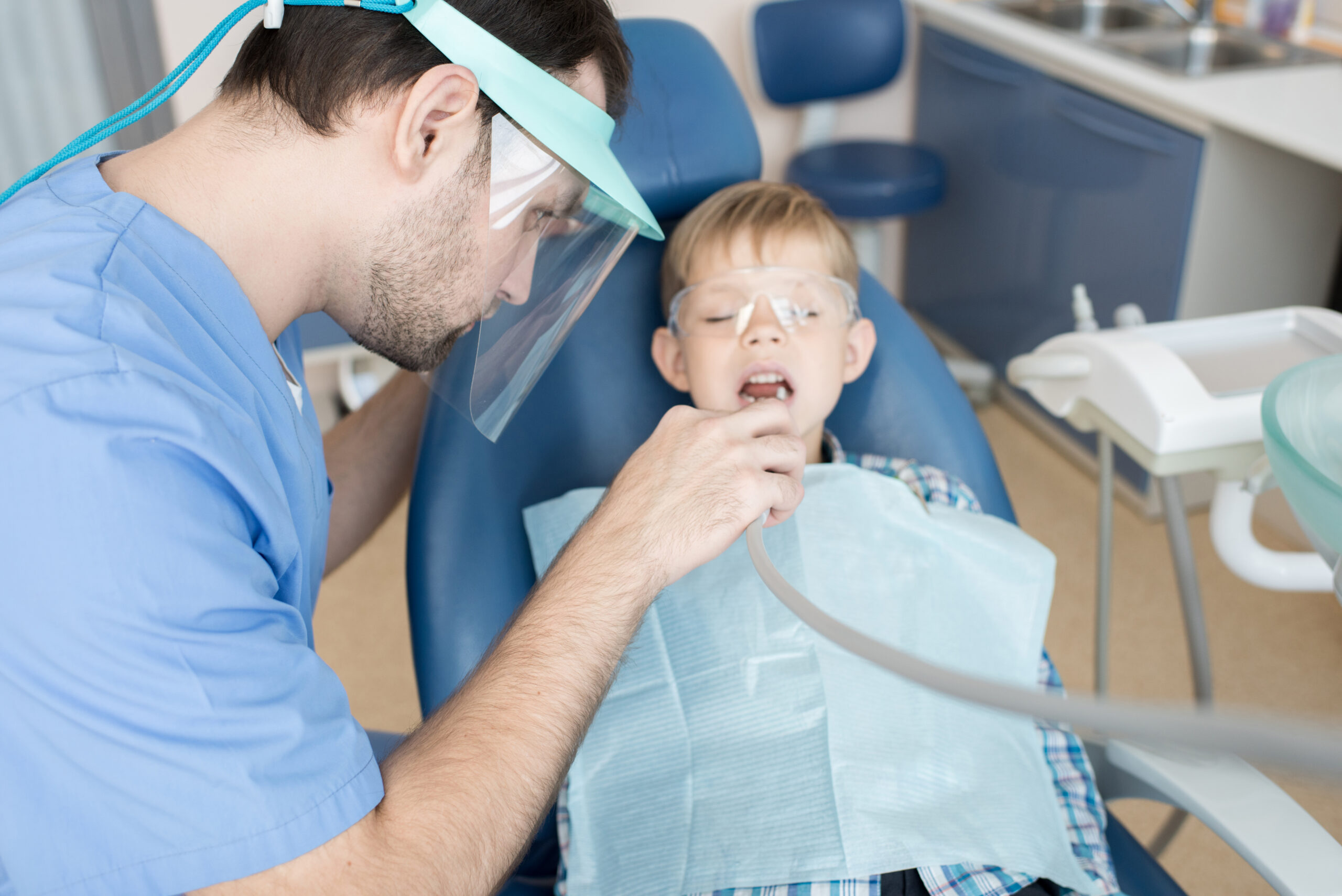
Patient-First Dentistry for Every Stage of Life
From early childhood development to adult care, we focus on patient comfort and comprehensive treatment.
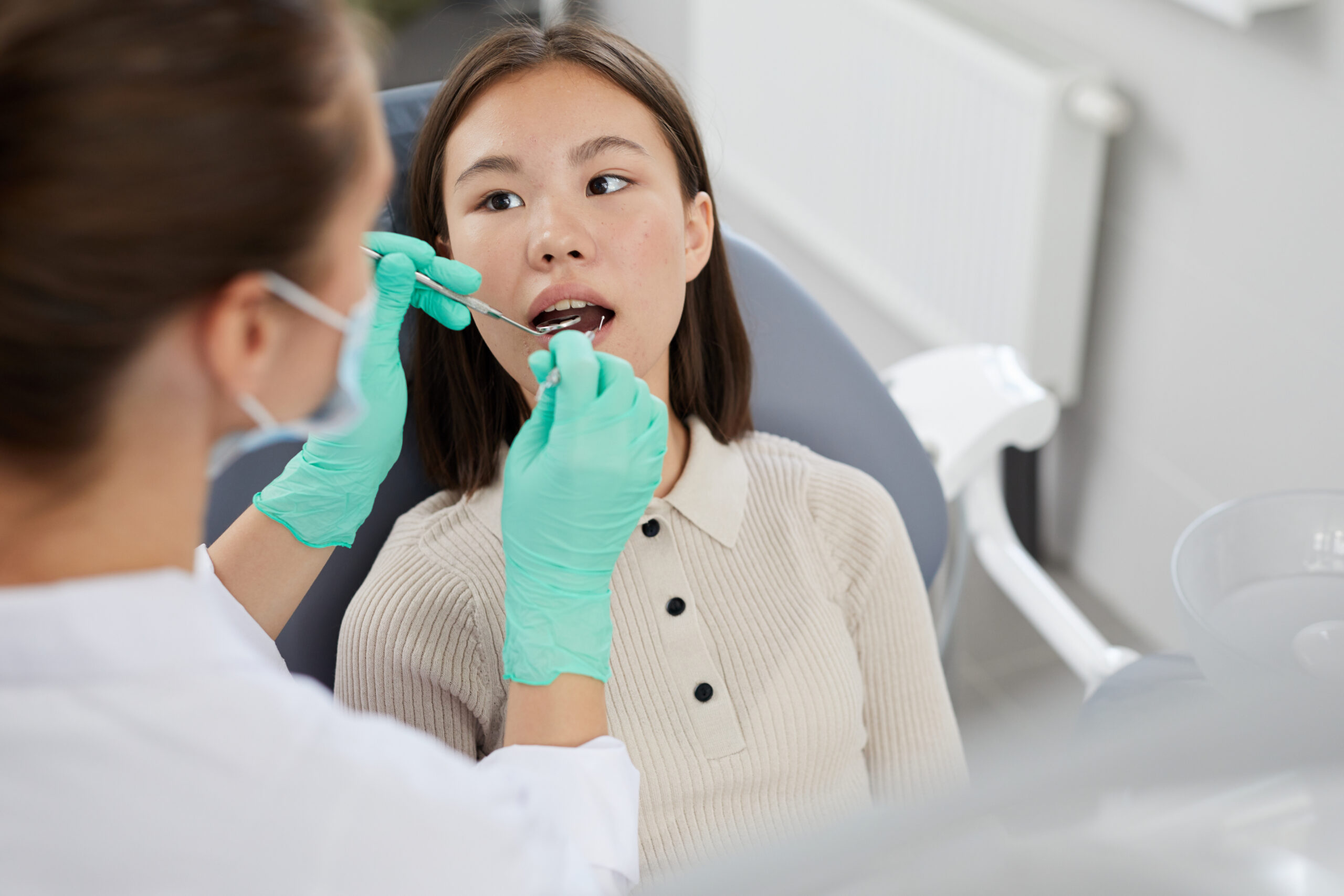
Removing Barriers to Dental Care
We believe everyone deserves access to high-quality dental care, regardless of financial situation.

Comprehensive Dentistry Under One Roof
Orthodontics, implants, oral surgery, and preventative care all conveniently located in our clinics.
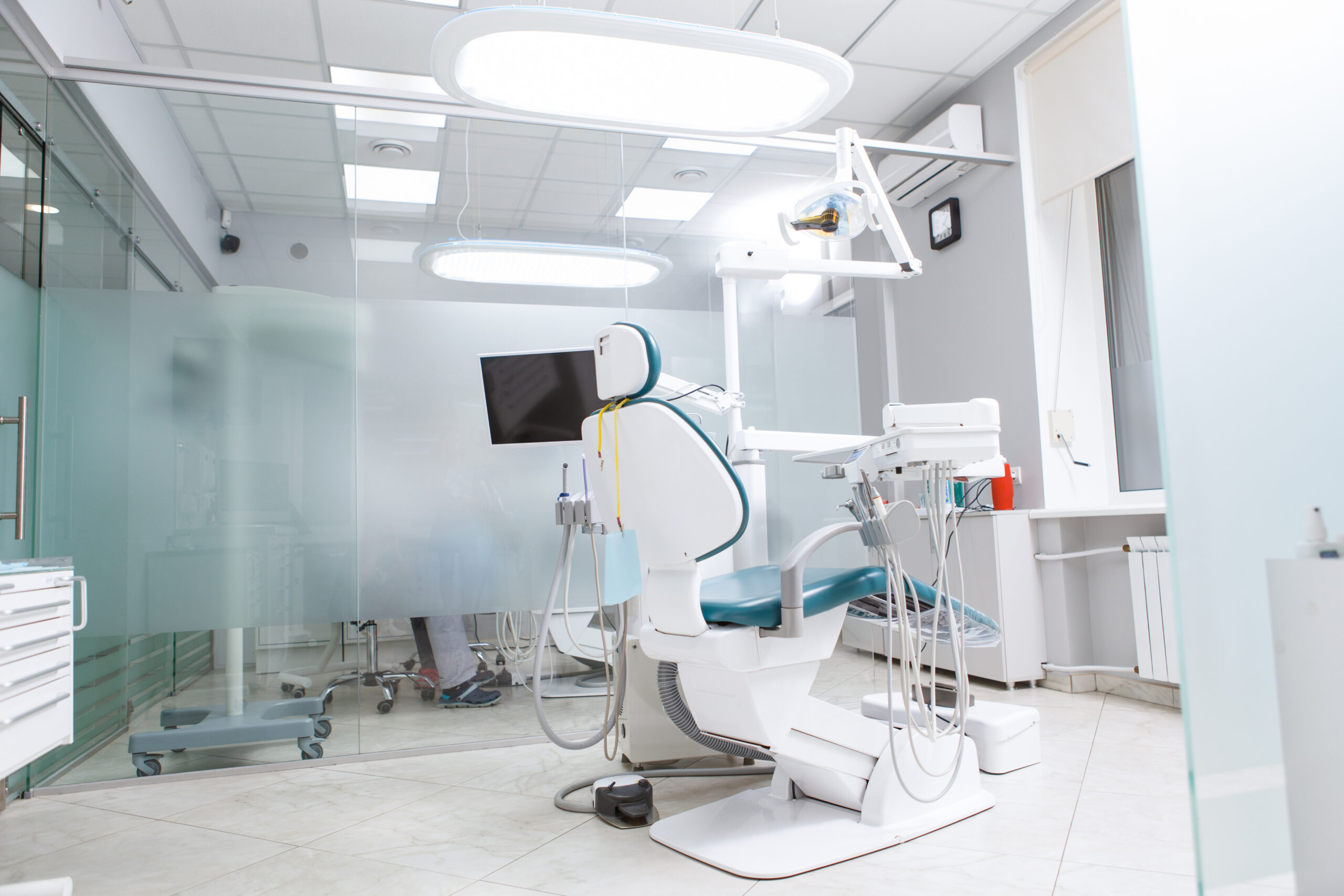
Expertise, Access & Convenient Locations
Multiple clinic locations across Los Angeles with extended hours to fit your busy schedule.
Choosing Dentists in Los Angeles for Accelerated Orthodontic Care
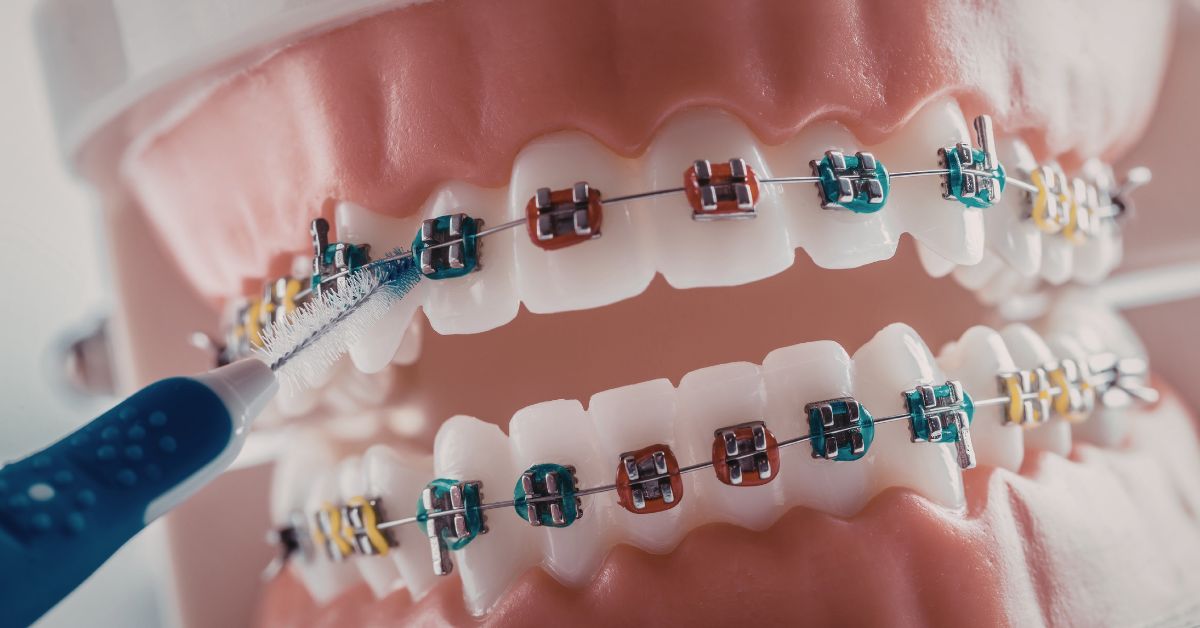
Choosing dentists in Los Angeles for accelerated orthodontic care is less about finding the fastest promise and more about finding a team that manages speed with discipline. The right provider explains what drives your timeline, which risks matter for your bite, and how progress will be measured so there are no surprises. Patients tend to feel more satisfied when the plan includes clear boundaries and a defined monitoring approach, since rapid orthodontics only works when the treatment stays controlled. This is in line with the PHD Dental approach.
A trustworthy accelerated orthodontics provider starts with candidacy, not marketing. Dentists look at gum health, bite stability, and the type of movement needed to confirm whether a faster timeline stays safe and realistic. This screening builds confidence because it shows the practice values outcomes over shortcuts.
Health and Stability Factors Dentists Review Before Rapid Orthodontics
Dentists check for inflammation, decay risk, and signs of bite stress that could complicate faster movement. They also consider whether teeth need minor refinements or broader bite correction, since complexity often determines the safe pace. Patients benefit from this review because it keeps speed from becoming the goal instead of the result.
Why Gum Health Matters for Accelerated Orthodontic Plans
Healthy gums support predictable tooth movement and reduce the chance of setbacks that slow treatment later. When inflammation stays active, patients may face discomfort and delays that cancel out any time savings. A careful dentist addresses gum stability early so the accelerated plan has a solid foundation.
Bite Evaluation That Prevents “Fast” From Creating New Problems
A fast plan should still protect how teeth meet, especially during chewing and nighttime clenching. Dentists review bite contacts and functional patterns so treatment does not trade short-term speed for long-term discomfort. Patients often value this approach because it focuses on daily comfort, not just a straight-looking result.
How Dentists in Los Angeles Keep Bite Comfort Central During Rapid Orthodontics
A strong provider checks how the bite changes as teeth move and adjusts the plan before small issues become frustrating. This can include refining contact points, tracking jaw comfort, and confirming that the bite remains balanced. That oversight builds trust because patients can feel the practice managing details proactively.
Accelerated orthodontic care should feel organized, not rushed. Dentists build confidence by explaining the steps, the expected pace, and what progress should look like at each point. Patients appreciate this clarity because it turns “faster” into a measurable plan instead of a vague timeline estimate.
Clear Timeline Expectations That Avoid Overpromising
Dentists should explain what influences total duration, including the number of aligners or adjustment intervals and the likely need for refinements. A realistic timeline also accounts for how the mouth responds, since biological variation affects speed. Patients trust providers who offer ranges and checkpoints rather than guaranteed finish dates.
What Patients Should Ask About Monitoring and Check-In Frequency
A faster plan usually requires consistent follow-ups to confirm tracking and comfort. Patients can ask how often the dentist will evaluate movement and what triggers a mid-course adjustment. These questions support satisfaction because they ensure the plan includes oversight, not just a starting estimate.
Communication That Helps Patients Make Confident Decisions
Patients often choose rapid orthodontics because they want fewer disruptions to work and life. Dentists support better decisions when they explain tradeoffs in plain language and outline what “success” looks like beyond straight teeth. This communication reduces stress because patients know what to expect before they commit.
How Dentists Explain Risk Without Alarm or Pressure
A trustworthy dentist ties risk to specific factors like bite loading, gum response, or movement complexity. They avoid vague warnings and avoid pushing a plan that does not fit. Patients usually feel calmer when the explanation stays practical and specific.
Not all orthodontic timelines shorten the same way, and experience affects how well a provider manages pacing and course correction. Dentists in Los Angeles who handle accelerated orthodontics well tend to rely on structured planning and consistent follow-through. Patients often feel more confident when the practice has clear standards for how it monitors progress and resolves small issues quickly.
Proven Systems for Tracking Progress and Making Mid-Course Adjustments
Tracking matters because teeth can drift off the planned path if the plan moves too quickly without adequate review. A solid system identifies tracking problems early and corrects them before they become delays. This protects satisfaction because patients avoid the frustration of “speed” turning into extra time later.
Why Early Corrections Often Save Time in Accelerated Orthodontics
When dentists catch minor tracking issues early, they can adjust the plan while movement remains close to the intended path. Waiting often leads to bigger corrections and longer refinements. Patients value this because it makes the timeline more predictable.
Comfort Management That Keeps Patients Engaged Through Faster Movement
Even when treatment is efficient, patients still need comfort support and practical guidance. Dentists who prioritize comfort tend to communicate clearly about normal pressure versus warning signs, and they respond quickly when irritation appears. That responsiveness supports trust because patients feel supported throughout the accelerated process.
How Patient Support Improves Follow-Through and Final Results
When patients feel heard, they are more likely to stay consistent with wear schedules and follow care instructions. Better follow-through reduces delays and improves finish quality. This is one of the most practical ways a dental team protects the promise of a shorter treatment window.
How Accelerated Orthodontics Fits Busy Los Angeles Schedules
Accelerated orthodontics can easily fit into a busy Los Angeles schedule because it reduces the number of months you plan around orthodontic care, even when you still need consistent monitoring. Many patients manage long commutes, variable work hours, and family responsibilities, so treatment feels easier when the plan stays organized and appointment needs remain predictable. The goal is not to rush visits, it is to streamline the overall experience so progress continues without constant disruption.
A long orthodontic timeline often creates a hidden burden, patients have to plan around care for a year or more and keep routines steady through travel, deadlines, and life changes. A shorter window can feel more manageable because the finish line stays closer and motivation tends to stay higher. Patients often report better satisfaction when treatment fits inside a realistic season of life rather than stretching across multiple calendar years.
Shorter Timelines Help Patients Commit Without Feeling Overloaded
Committing to orthodontics becomes harder when the plan feels open-ended. Accelerated orthodontics can help by defining a tighter arc, which makes it easier to plan around work schedules and major events. Patients tend to feel more confident when the plan matches the pace they can sustain.
Why Defined Milestones Matter for People Balancing Work and Family
Milestones turn progress into something you can track and celebrate, rather than waiting months to see change. They also help patients plan around business travel, school breaks, and busy seasons at work. A milestone-driven schedule supports trust because it shows the care team has a structured plan, not a vague estimate.
Reduced Treatment Duration Can Limit Disruptions From Life Changes
Job changes, moves, and shifting responsibilities can complicate long treatment plans. A faster approach can reduce the chance that life events interrupt care. Patients appreciate this benefit because it lowers the risk of gaps that slow progress or require extra visits later.
How Time Compression Helps Patients Avoid Mid-Treatment Drop-Off
Many patients start strong, then lose momentum when the timeline feels endless. A shorter plan can keep motivation stable because the finish feels attainable. That helps patients follow through with appointments and maintain the habits that protect progress.
Busy patients often want fewer surprises, not just fewer visits. Accelerated orthodontics works best when the scheduling plan stays consistent and check-ins remain easy to anticipate. A dependable cadence supports satisfaction because patients can plan ahead rather than scrambling when conflicts arise.
Coordinated Scheduling That Reduces Time Away From Work
Patients often value appointment options that fit around meetings, school drop-offs, and commute realities. A well-run practice structures visits so each appointment has a clear purpose and minimal wasted time. This level of organization builds confidence because it respects the patient’s schedule while keeping care on track.
How Efficient Appointments Support Better Patient Experience
When visits feel focused and well-timed, patients experience less stress and fewer disruptions to their day. Efficient scheduling also reduces the temptation to postpone, which can slow progress. Patients tend to trust practices that treat time as part of the care plan, not an afterthought.
Proactive Rescheduling Policies That Help Patients Stay on Track
Even organized schedules face disruptions, traffic, work travel, and sick days happen. The difference is whether the plan adapts quickly without losing momentum. Patients feel more supported when the office helps them reschedule promptly and keeps the sequence moving.
Why Flexibility Helps Maintain Progress During Busy Seasons
Flexible scheduling matters most when life gets hectic, which is exactly when patients tend to miss appointments. Quick rescheduling prevents small gaps from becoming weeks of lost progress. This approach supports satisfaction because patients feel the practice stays engaged in their outcome.
Orthodontic progress depends on consistent habits, but a busy schedule can make consistency harder. Accelerated orthodontics can feel more manageable when the plan aligns with how patients actually live, including meal routines, social events, and travel. The best fit is a plan that supports real-world compliance without creating constant friction.
Travel and Social Commitments That Make Long Orthodontic Timelines Harder
Los Angeles patients often travel for work, events, or family obligations, and long timelines increase the number of opportunities for disruption. A shorter overall duration can reduce the number of travel cycles that occur during active treatment. Patients like this because it lowers the chance of interruptions that delay the finish.
How Dentists Help Patients Prepare for Busy Weeks Without Losing Momentum
A supportive plan anticipates the weeks that tend to derail routines and builds simple strategies to stay consistent. This could involve planning check-ins before travel or clarifying what to do if a schedule change occurs. Patients feel more confident when they know how to protect progress without overthinking it.
Managing Treatment Alongside Family Schedules and School Calendars
For many households, orthodontics competes with sports, school events, and caregiving responsibilities. Accelerated orthodontics can help by concentrating treatment inside a shorter window and keeping follow-ups predictable. Families often appreciate this because it limits the number of seasons they have to juggle appointments.
Why Simpler Routines Improve Follow-Through and Satisfaction
The easier the routine feels, the more likely patients keep it up. Consistent follow-through supports better results and reduces the need for extra correction steps. This is one of the most practical ways a practice protects a shorter timeline while keeping the experience comfortable.
Common Accelerated Orthodontic Approaches LA Dentists May Use
Accelerated orthodontic approaches focus on reducing wasted time in treatment by improving planning accuracy, strengthening tracking, and keeping movement efficient from phase to phase. Dentists may use different tools depending on whether the patient needs aligners, braces, or a combined plan. The best approach feels organized and transparent because the patient understands which method is being used, why it fits, and what the dentist will monitor to keep the timeline moving.
Digital planning helps dentists map tooth movement in smaller, more controlled steps so adjustments stay intentional. This often includes careful imaging, measurements, and a staged plan that anticipates where movement tends to slow down. Patients trust this approach because it reduces guesswork and supports clearer expectations about how the timeline should progress.
Scanning and Modeling That Improve Fit and Reduce Mid-Course Delays
Accurate scans help aligners seat properly and help braces planning match the bite more precisely. Better fit can reduce the need for repeated corrections that extend treatment time. Patients often feel more confident when the plan starts with measurable records instead of rough estimates.
How Better Starting Records Support Fewer Refinement Cycles
When the initial plan matches the real tooth positions closely, tracking tends to stay smoother. That can reduce how often the dentist needs to pause and redesign steps later. Patients appreciate the difference because progress feels steady rather than stop-and-start.
Movement Sequencing That Prioritizes High-Impact Corrections First
Dentists can speed treatment by organizing the sequence so early phases address the movements that unlock progress later. This might mean creating space, reducing interference, or correcting a key alignment problem that blocks other changes. Patients tend to feel more satisfied when early progress looks and feels meaningful.
Why Strategic Sequencing Can Shorten the Total Timeline
A good sequence reduces the chance that later phases get stuck because an earlier issue was left unresolved. Efficient sequencing also keeps appointments focused because each visit builds toward the next step. This creates a clearer path and reduces uncertainty for patients.
When aligners are the right fit, dentists can sometimes accelerate progress by adjusting protocols in a way that preserves tracking and comfort. The goal is not to rush tray changes blindly, it is to match the schedule to how the teeth are responding. Patients benefit when the dentist explains the wear strategy clearly so daily habits align with the timeline goal.
Aligner Change Schedules Adjusted to Individual Response
Some patients track smoothly with a faster change schedule, while others need more time per aligner to maintain fit. Dentists may adjust the pace based on how the trays seat and how the bite feels during check-ins. Patients trust this approach because it treats speed as personalized, not generic.
How Dentists Prevent Tracking Problems While Moving Faster
Dentists look for early signs of poor seating so they can correct course before movement falls behind. They may recommend simple steps that improve fit and keep progress consistent. This level of oversight supports satisfaction because patients avoid surprises that add weeks later.
Attachment Strategies That Help Teeth Move More Efficiently
Attachments can improve how aligners grip the teeth and guide specific movements more effectively. When used thoughtfully, they can reduce stalled movement that leads to longer treatment. Patients tend to accept attachments more easily when they understand that the goal is efficiency and precision.
Why Smart Attachment Placement Can Reduce Extra Aligner Sets
When attachments support the intended movements, the plan often needs fewer corrections at the end. This can save time and reduce frustration for patients who want a clean finish without multiple extensions. Dentists emphasize this because the small upfront tradeoff can protect the overall timeline.
For braces patients, efficiency often comes from reducing delays between phases and keeping force levels controlled. Dentists may select systems and adjustment strategies that support smoother movement and fewer interruptions. Patients often value braces-based acceleration when it improves predictability without adding discomfort.
Adjustment Cadence That Keeps Braces Progress Moving
A clear cadence helps patients understand when progress checks occur and what each visit accomplishes. Dentists can keep treatment efficient by avoiding long gaps that allow movement to stall. Patients like this because they feel the timeline stays actively managed.
How Consistent Monitoring Helps Avoid “Lost Months” in Braces Treatment
When visits slip too far apart, patients sometimes lose the steady progress that makes braces feel worth it. Regular monitoring allows the dentist to keep movement on track and catch small issues early. This approach supports trust because it shows the practice stays accountable for pacing.
Force Management That Balances Speed and Comfort
Moving teeth faster does not mean using aggressive force. Dentists manage force levels carefully so movement stays biologically realistic and discomfort stays manageable. Patients appreciate this because the plan feels safe and controlled rather than intense.
Why Gentle Control Often Produces Faster, Cleaner Results
Excessive force can create soreness and may lead to movement that becomes less predictable. Controlled force tends to keep teeth responding steadily, which supports efficient progress. Dentists prefer this approach because it protects both comfort and the finish quality.
Some accelerated orthodontic plans include adjunct options designed to support efficiency in specific cases. Dentists explain these options carefully because they are not necessary for everyone. Patients tend to trust the recommendation more when the dentist frames adjuncts as case-dependent tools, not required upgrades.
When Dentists Use Adjuncts to Support a Faster Orthodontic Timeline
Adjuncts may be considered when the case involves movements that typically slow down, or when a patient has a strong timeline goal and fits the right profile. Dentists should explain what benefit the adjunct is expected to provide and what the realistic limits are. This clarity improves satisfaction because patients understand why an added step exists.
Questions Patients Should Ask Before Choosing Any Accelerated Add-On
Patients can ask what outcome the add-on is intended to change and how the dentist will measure success. They can also ask what alternatives exist if they prefer a simpler plan. These questions support trust because they keep the decision grounded in results rather than urgency.
Learn Whether Rapid Orthodontics from PHD Dental Can Shorten Your Treatment Time
Accelerated Orthodontics for Los Angeles dental patients should start with one clear question. Can your teeth move efficiently without creating a finish that feels unstable or requires extra correction later. The most useful consultation does not revolve around a generic promise of speed. It centers on your specific alignment goals, the time window you are working within, and the practical factors that affect how smoothly treatment can progress, including how your bite functions and how consistent you can be with the plan. When those details are clear, rapid orthodontics becomes a realistic strategy instead of a hope.
PHD Dental approaches accelerated orthodontics with an emphasis on clarity and control, so you know what the timeline can look like before you commit. The evaluation focuses on what can shorten your treatment and what could lengthen it, which helps you avoid surprises that frustrate patients partway through. You also get a plan that respects your schedule while protecting the quality of the finish, since a faster timeline only helps if the result stays comfortable and easy to maintain. This kind of guidance builds confidence because you leave with a decision path that matches your priorities, not a one-size-fits-all approach.
Call (323) 269-5437 to schedule a consultation with PHD Dental in Los Angeles and learn whether rapid orthodontics can shorten your treatment time.
Get in Touch with PhD Dental
Pick your location
Los Angeles
Los Angeles is a diverse and fast-moving city where access to dependable dental care is essential for individuals and families alike. PhD Dental serves patients throughout Los Angeles with a commitment to personalized care and long-term oral health.
Hours
- Mon 10:30AM - 7:30PM
- Tue 10:30AM - 7:30PM
- Wed 10:30AM - 7:30PM
- Thu 10:30AM - 7:30PM
- Fri 9:30AM - 7:30PM
- Sat 9:00AM - 3:00PM
- Sun Closed