

Getting Invisalign in Los Angeles for My Teen vs Braces: What’s the Difference?
Getting Invisalign in Los Angeles for My Teen vs Braces: What’s the Difference?
Parents exploring orthodontic treatment options for their teens in Los Angeles often compare Invisalign and traditional braces when deciding which solution best fits their child’s needs, lifestyle, and long-term smile goals. Both treatment options help straighten teeth, improve bite alignment, and support better oral health, yet they differ significantly in appearance, comfort, maintenance, and overall treatment experience. Invisalign uses clear removable aligners designed to shift teeth gradually with a more discreet appearance, while traditional braces rely on brackets and wires permanently attached to the teeth throughout treatment. Understanding the differences between Invisalign and braces may help parents make more informed decisions regarding orthodontic care while considering factors such as treatment complexity, daily habits, confidence, and long-term convenience for their teen.
At PhD Dental, we understand that choosing the right orthodontic treatment for your teen involves balancing cosmetic preferences, treatment effectiveness, comfort, and long-term oral health considerations. We work closely with families throughout Los Angeles to evaluate whether Invisalign or traditional braces may better fit the teen’s orthodontic needs, lifestyle, and smile goals. Our team focuses on creating personalized treatment plans while helping parents and teens understand the advantages, responsibilities, and expectations associated with each option before beginning treatment. By providing clear guidance and individualized orthodontic care, we help families feel more confident about selecting the right solution for healthier and more attractive smiles. Call us at (323) 269-5437 today to schedule a consultation and learn more about Invisalign and braces for teens in Los Angeles.

How Invisalign for Teens in Los Angeles Can Be Beneficial
At PhD Dental, we understand that many teens in Los Angeles want orthodontic treatment options that improve their smiles while fitting comfortably into their everyday routines and social activities. Invisalign for Teens offers a more discreet alternative to traditional braces by using clear removable aligners that gradually straighten teeth without metal brackets or wires. Many teens appreciate the nearly invisible appearance of Invisalign aligners because they often feel more confident during school, sports, social events, and other daily interactions throughout treatment. We also recognize that removable aligners may make eating, brushing, and flossing more convenient compared to traditional braces, which can help support better oral hygiene habits during orthodontic care.
We work closely with teens and parents to create personalized Invisalign treatment plans designed to address alignment concerns while supporting comfort, flexibility, and long-term oral health goals. Invisalign for Teens may also reduce some of the dietary restrictions commonly associated with braces because aligners can be removed during meals and special occasions. Additionally, many teens appreciate that Invisalign appointments may involve fewer adjustments and less irritation from brackets or wires throughout the treatment process. By combining advanced orthodontic technology with individualized care, we help teens achieve healthier and more confident smiles while maintaining greater convenience and flexibility during treatment.
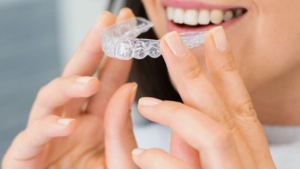
Why Teens in Los Angeles Often Prefer Invisalign Aligners
Many teens in Los Angeles prefer Invisalign aligners because they offer a more discreet and flexible orthodontic treatment experience compared to traditional braces. Teenagers often feel more self-conscious about their appearance during school, social activities, sports, and other important stages of adolescence, which makes clear aligners an appealing option for orthodontic care. Invisalign aligners are designed to straighten teeth gradually while remaining far less noticeable than metal brackets and wires. In addition to cosmetic advantages, Invisalign for Teens also provides greater flexibility during meals, oral hygiene routines, and extracurricular activities. These benefits often make Invisalign an attractive solution for teens seeking orthodontic treatment while maintaining comfort, confidence, and convenience throughout the process.
A More Discreet Orthodontic Appearance
One of the primary reasons many teens in Los Angeles prefer Invisalign aligners involves the nearly invisible appearance of the treatment. Unlike traditional braces, Invisalign aligners use clear trays that fit closely over the teeth and remain much less noticeable during everyday interactions. Many teens appreciate being able to straighten their teeth without drawing significant attention to their orthodontic treatment throughout school and social activities. A more discreet appearance often helps teens feel more comfortable and confident during the treatment process.
Feeling More Comfortable in Social Settings
Teenagers frequently participate in school events, extracurricular activities, sports, and social gatherings where appearance and confidence may feel especially important. Invisalign aligners allow many teens to continue smiling, speaking, and interacting socially without feeling as self-conscious about visible orthodontic appliances. This added confidence often improves the overall treatment experience while helping teens maintain a more natural appearance throughout orthodontic care. Greater comfort in social settings may also encourage better treatment compliance and satisfaction over time.
Supporting Confidence During Important Milestones
Many teens undergo orthodontic treatment during important life moments such as school dances, senior photos, sports seasons, graduations, and social events. Invisalign aligners allow teens to improve their smiles while avoiding the highly visible appearance commonly associated with traditional braces. Feeling more confident during these experiences often contributes to a more positive attitude toward orthodontic treatment overall. Improved confidence may also support stronger emotional comfort throughout the alignment process.
Encouraging a Positive Treatment Experience
A positive orthodontic experience often plays an important role in helping teens remain committed to wearing aligners consistently and following treatment instructions carefully. Teens who feel comfortable with the appearance of Invisalign may approach treatment with greater motivation and cooperation throughout the process. Better engagement frequently contributes to smoother treatment progress and more successful long-term results. Positive experiences support stronger orthodontic outcomes overall.
Avoiding Metal Brackets and Wires
Traditional braces involve metal brackets and wires permanently attached to the teeth during treatment, which some teens may find uncomfortable or aesthetically unappealing. Invisalign aligners eliminate the need for visible metal hardware while still providing gradual tooth movement and orthodontic correction. Many teens appreciate the cleaner and less noticeable appearance of clear aligners throughout treatment. This alternative often appeals to teens seeking a more modern orthodontic solution.
Creating a More Natural Smile Appearance
Clear aligners help teens maintain a more natural-looking smile during treatment because they do not cover the teeth with metal components or colored bands. This subtle appearance often helps teens feel more relaxed and comfortable when smiling in photos, participating in activities, or speaking with peers throughout the day. Maintaining a more natural appearance frequently improves confidence and overall treatment satisfaction during orthodontic care. Aesthetic comfort often remains an important factor for teenage patients and their families.
Reducing Self-Consciousness During Treatment
Some teens feel embarrassed or self-conscious about wearing traditional braces, especially during social interactions or public events. Invisalign aligners often reduce these concerns because the trays remain much less visible when worn properly. Reduced self-consciousness may improve emotional comfort while helping teens focus more on daily activities rather than orthodontic appearance concerns. Greater confidence frequently contributes to a smoother overall treatment experience.
Greater Flexibility and Convenience
Invisalign aligners also provide flexibility and convenience that many teens and parents appreciate during orthodontic treatment. Because the aligners are removable, teens may continue eating favorite foods, brushing and flossing normally, and participating in activities with fewer restrictions than traditional braces often require. This flexibility frequently improves comfort and daily convenience while supporting healthier oral hygiene habits throughout treatment.
Easier Eating and Fewer Food Restrictions
Traditional braces often require teens to avoid sticky, hard, or crunchy foods that could damage brackets and wires during treatment. Invisalign aligners remove many of these dietary limitations because the trays are taken out during meals and snacks. Teens may continue enjoying a wider variety of foods without worrying about damaging orthodontic appliances or getting food trapped around brackets. Greater dietary flexibility often improves convenience and comfort throughout treatment.
Simplifying Everyday Routines
Many teens appreciate being able to remove Invisalign aligners temporarily during meals, sports, or special occasions without major disruptions to daily routines. This flexibility often makes orthodontic treatment feel less restrictive compared to traditional braces that remain fixed on the teeth throughout treatment. Simplified routines may also reduce frustration and improve overall satisfaction during the orthodontic process. Greater convenience often supports stronger treatment compliance overall.
Helping Teens Maintain Independence
Teenagers frequently value independence and flexibility in managing their personal responsibilities and routines. Invisalign treatment often allows teens to maintain more control over their orthodontic care while continuing activities with fewer lifestyle disruptions. This added independence may encourage greater responsibility and participation throughout treatment. Strong engagement often contributes to more successful long-term orthodontic outcomes.
Supporting Better Oral Hygiene Habits
Maintaining good oral hygiene during orthodontic treatment often becomes easier with Invisalign aligners because teens can remove the trays before brushing and flossing their teeth. Traditional braces may create additional challenges when cleaning around brackets and wires, increasing the risk of plaque buildup or irritation during treatment. Invisalign aligners allow teens to continue regular dental hygiene routines more comfortably and effectively. Better oral hygiene often supports healthier teeth and gums throughout orthodontic care.
Reducing Plaque and Food Buildup Concerns
Braces may trap food particles and plaque around brackets and wires, which sometimes makes cleaning more difficult for teenagers during treatment. Invisalign aligners help reduce these concerns because the trays are removable and allow easier access for brushing and flossing. Improved cleaning access may support healthier gums and reduce the risk of cavities or staining throughout orthodontic treatment. Strong hygiene habits contribute to healthier long-term smile outcomes overall.
Encouraging Long-Term Oral Health Awareness
Orthodontic treatment often helps teens become more aware of their dental hygiene habits and overall oral health responsibilities. Invisalign treatment encourages regular cleaning routines because aligners must remain clean and teeth should be brushed before reinserting the trays. These habits may help teens develop stronger long-term oral hygiene practices beyond orthodontic treatment itself. Better oral care awareness supports healthier smiles for years to come.
Improved Comfort During Orthodontic Treatment
Comfort also remains an important reason why many teens in Los Angeles prefer Invisalign aligners over traditional braces. Metal brackets and wires may occasionally irritate the cheeks, lips, or gums during treatment, especially after adjustments. Invisalign aligners use smooth plastic trays designed to fit comfortably over the teeth while reducing many of the irritation concerns associated with braces. Greater comfort often improves the overall orthodontic experience for teenage patients.
Reducing Irritation From Orthodontic Hardware
Traditional braces may cause soreness or irritation because metal brackets and wires come into contact with soft tissues inside the mouth throughout treatment. Invisalign aligners eliminate many of these issues by using smooth aligners without protruding metal components. Teens often appreciate the reduced irritation and improved comfort during eating, speaking, and daily activities. Comfortable treatment experiences frequently improve patient cooperation and satisfaction overall.
Making Daily Activities More Comfortable
Comfortable orthodontic treatment may help teens participate more confidently in sports, social interactions, school activities, and musical performance without worrying about irritation from braces. Invisalign aligners often feel less intrusive during daily routines while supporting gradual tooth movement effectively. Reduced discomfort frequently contributes to a more positive treatment experience throughout orthodontic care. Better comfort often encourages stronger long-term treatment compliance.
Supporting Consistent Aligner Use
Successful Invisalign treatment depends heavily on teens wearing aligners consistently according to orthodontic recommendations throughout the treatment process. Comfortable aligners may improve compliance because teens feel more willing to wear the trays for the required amount of time each day. Better consistency often contributes to smoother treatment progress and more predictable orthodontic results overall. Strong compliance supports healthier and more attractive smile outcomes over time.
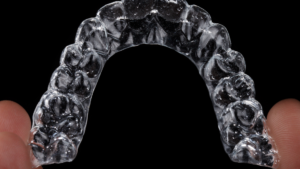
Why Orthodontic Consultations Are Important Before Choosing Invisalign
Orthodontic consultations play an important role in helping families determine whether Invisalign represents the right treatment option for their teen’s specific dental and orthodontic needs. While Invisalign for Teens may offer many cosmetic and lifestyle benefits, not every patient is automatically an ideal candidate for clear aligner treatment. During an orthodontic consultation, dental professionals evaluate tooth alignment, bite issues, jaw development, oral health, and overall treatment goals before recommending the most appropriate orthodontic solution. These evaluations help families better understand available options while ensuring that treatment decisions support both effective alignment correction and long-term oral health outcomes. Careful consultation and planning often contribute to more successful orthodontic treatment experiences overall.
Evaluating Orthodontic Needs and Smile Alignment
One of the primary purposes of an orthodontic consultation involves evaluating the teen’s current orthodontic condition and identifying the specific issues requiring treatment. Some teens may have mild alignment concerns that respond well to Invisalign, while others may require more advanced orthodontic correction involving traditional braces or additional procedures. Thorough evaluations help orthodontic providers determine the complexity of the case and recommend treatment strategies tailored to the patient’s needs. Personalized evaluations often support stronger treatment outcomes and more accurate planning.
Examining Bite and Alignment Concerns
Orthodontic consultations typically include detailed examinations of tooth positioning, spacing, crowding, bite alignment, and jaw development. These evaluations help identify orthodontic concerns such as overbites, underbites, crossbites, gaps, and rotated teeth that may affect treatment recommendations. Understanding the severity and type of alignment issues allows providers to determine whether Invisalign aligners can effectively address the patient’s orthodontic needs. Careful examination supports more informed treatment planning and realistic expectations throughout the process.
Identifying Treatment Complexity
Some orthodontic conditions like malocclusion may require more advanced correction techniques that influence whether Invisalign represents the most appropriate treatment option. Evaluating treatment complexity helps providers determine if clear aligners can achieve the desired results effectively within a reasonable timeframe. More severe bite or alignment problems may sometimes benefit from alternative orthodontic approaches depending on the patient’s needs. Accurate assessment helps support stronger long-term orthodontic outcomes overall.
Supporting Better Treatment Planning
Comprehensive orthodontic evaluations allow providers to create more detailed and personalized treatment plans designed around the patient’s unique smile goals and alignment concerns. Careful planning often improves treatment efficiency while helping families understand what to expect throughout the orthodontic process. Personalized recommendations may also improve comfort and confidence when selecting Invisalign or other treatment options. Strong planning contributes to healthier and more predictable smile results overall.
Reviewing Overall Oral Health
Orthodontic consultations also involve evaluating the teen’s overall oral health before beginning Invisalign treatment. Healthy teeth and gums often provide a stronger foundation for orthodontic care, while untreated cavities, gum inflammation, or other dental concerns may require attention before aligner treatment begins. Assessing oral health early helps reduce complications and supports smoother orthodontic progress throughout treatment. Strong dental health often contributes to more successful long-term results.
Addressing Existing Dental Issues
Some teens may need preventive or restorative dental care before Invisalign treatment can begin safely and effectively. Orthodontic providers may recommend addressing cavities, gum issues, or other oral health concerns prior to aligner placement to support healthier treatment conditions. Early intervention often helps reduce the risk of complications during orthodontic care while improving long-term oral health outcomes. Proper preparation supports stronger treatment stability overall.
Building a Healthier Foundation for Orthodontic Care
Healthy teeth and gums help support successful tooth movement and better long-term orthodontic outcomes throughout Invisalign treatment. Orthodontic consultations allow providers to identify areas needing improvement while helping teens and parents understand the importance of oral hygiene during treatment. Establishing strong dental health habits before beginning Invisalign often contributes to smoother treatment progress and healthier smiles overall. Preventive care supports stronger orthodontic success over time.
Determining Invisalign Candidacy
Orthodontic consultations help determine whether Invisalign aligns with the teen’s specific treatment goals, lifestyle habits, and orthodontic needs before treatment begins. Invisalign for Teens offers flexibility and cosmetic advantages, yet treatment success depends heavily on consistent aligner wear and patient cooperation throughout the process. Evaluating candidacy carefully allows providers to recommend treatment options that fit both the orthodontic condition and the patient’s ability to follow treatment guidelines successfully.
Evaluating Daily Habits and Responsibilities
Because Invisalign aligners are removable, successful treatment often depends on whether teens can wear the aligners consistently for the recommended number of hours each day. Orthodontic consultations frequently include discussions regarding daily habits, school schedules, sports participation, and personal responsibility levels that may affect treatment compliance. Understanding these factors helps providers determine whether Invisalign may fit the teen’s lifestyle and treatment expectations effectively. Strong compliance often plays an important role in achieving successful orthodontic results.
Discussing Aligner Wear Expectations
Teens considering Invisalign treatment must understand the importance of wearing aligners consistently throughout the day and changing trays according to the treatment schedule. Orthodontic consultations help families learn about treatment responsibilities, maintenance routines, and the commitment required for successful aligner therapy. Clear communication often improves treatment compliance while reducing confusion about expectations later. Better understanding supports smoother orthodontic progress overall.
Encouraging Long-Term Treatment Success
Consistent aligner wear significantly affects how efficiently teeth move and whether treatment remains on schedule throughout the orthodontic process. Orthodontic providers often use consultations to educate teens about how daily habits influence treatment outcomes and long-term smile improvements. Strong patient engagement frequently contributes to better compliance and more predictable results during Invisalign treatment. Education supports stronger orthodontic experiences overall.
Comparing Invisalign and Traditional Braces
Orthodontic consultations also provide opportunities for families to compare Invisalign and traditional braces more thoroughly before making treatment decisions. Providers may discuss differences involving appearance, comfort, maintenance, treatment timelines, and correction capabilities depending on the teen’s orthodontic needs. Understanding the advantages and limitations of each option helps families feel more confident when selecting the most appropriate treatment solution. Informed decision-making often supports greater satisfaction throughout orthodontic care.
Explaining Treatment Benefits and Limitations
Every orthodontic treatment option offers different benefits depending on the patient’s alignment concerns, oral health, and lifestyle preferences. Invisalign may provide greater flexibility and cosmetic appeal, while traditional braces sometimes offer stronger correction for more complex orthodontic conditions. Orthodontic consultations help clarify these differences while ensuring families understand realistic treatment expectations before beginning care. Clear explanations support more informed orthodontic decisions overall.
Helping Families Feel More Confident About Treatment Choices
Parents and teens often feel more comfortable beginning orthodontic treatment after discussing goals, concerns, and available options thoroughly during consultations. Personalized recommendations help families understand why certain treatments may fit the teen’s needs more effectively than others. Better understanding frequently improves confidence and reduces uncertainty surrounding orthodontic decisions. Thoughtful consultation and communication support stronger treatment experiences overall.
Establishing Personalized Orthodontic Goals
Orthodontic consultations also help providers and families establish realistic treatment goals based on the teen’s smile concerns, oral health needs, and desired outcomes. Personalized planning allows orthodontic care to focus not only on cosmetic improvements but also on long-term function, bite alignment, and oral health stability. Clear treatment goals often improve communication and help guide the orthodontic process more effectively from beginning to completion.
Creating Customized Treatment Plans
Every teen’s smile develops differently, which means orthodontic treatment plans should reflect the individual patient’s needs, growth patterns, and alignment concerns. Orthodontic consultations allow providers to create customized Invisalign plans designed to support gradual and effective tooth movement throughout treatment. Personalized care often improves comfort, efficiency, and overall treatment satisfaction for teens and parents alike. Tailored planning supports stronger orthodontic outcomes overall.
Using Digital Imaging and Advanced Technology
Many orthodontic consultations include digital scans, photographs, and imaging technology used to evaluate tooth alignment and simulate expected treatment results. These tools help families visualize potential smile improvements while improving treatment precision and planning accuracy. Advanced technology also supports more customized aligner creation and better orthodontic monitoring throughout treatment. Digital planning frequently contributes to smoother orthodontic experiences overall.
Supporting Better Long-Term Results
Carefully planned orthodontic treatment often helps improve not only smile appearance but also bite function, oral hygiene, and long-term dental health. Orthodontic consultations provide opportunities to address both cosmetic goals and functional concerns before beginning Invisalign treatment. Strong planning and personalized care frequently contribute to healthier smiles and more stable alignment results over time. Long-term treatment success often begins with thorough evaluation and preparation.
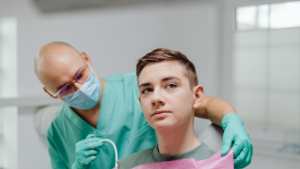
Contact an Experienced Teen Orthodontist Based in Los Angeles Today
Choosing the right orthodontic treatment for your teen can feel overwhelming when comparing options such as Invisalign and traditional braces while also considering comfort, appearance, and long-term oral health goals. At PhD Dental, we work closely with families throughout Los Angeles to help teens receive personalized orthodontic care tailored to their unique alignment needs and lifestyle preferences. We take time to evaluate each patient carefully while discussing treatment expectations, daily habits, and the benefits associated with Invisalign for Teens and other orthodontic solutions. Our team remains focused on helping teens achieve healthier, more confident smiles through individualized care and advanced orthodontic treatment planning.
We also understand that parents want orthodontic care that supports both effective results and a positive treatment experience for their teen throughout every stage of care. Therefore, we prioritize clear communication, patient comfort, and ongoing guidance while helping families navigate treatment decisions with greater confidence and understanding. Whether your teen may benefit more from Invisalign aligners or traditional braces, we focus on creating customized treatment plans designed to improve smile alignment and long-term oral health outcomes effectively. Call PhD Dental at (323) 269-5437 or reach out online today to schedule a consultation with an experienced teen orthodontist in Los Angeles.