
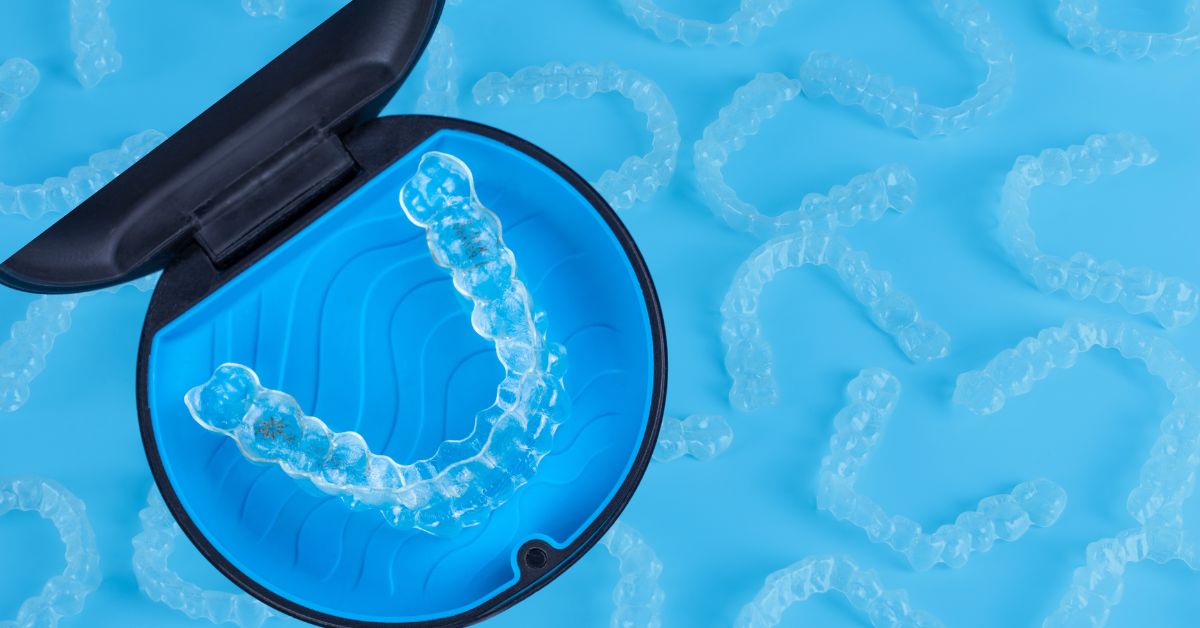
Invisalign Dentists in Inglewood
Choosing orthodontic care as an adult or teenager often involves balancing appearance, comfort, and long-term bite health. Invisalign dentists in Inglewood offer clear aligner treatment designed and overseen by a dentist to straighten teeth while protecting bite function and comfort. Treatment decisions consider spacing, crowding, bite relationships, and jaw alignment together, since straight teeth alone do not guarantee lasting comfort or stability. Clear aligner therapy requires careful oversight to ensure movements occur safely within biological limits.
Working with Invisalign dentists in Inglewood also means understanding that aligners are a tool and outcomes depend heavily on diagnosis, staging, and patient compliance. Dentists evaluate if aligners can address the full scope of orthodontic needs or if limitations require alternative planning. This approach helps align cosmetic goals with functional health over the course of treatment. If you are considering care from Invisalign dentists in Inglewood and want a clear explanation of whether aligners fit your orthodontic needs, call PhD Dental at (323)269-5437 or visit our contact page to schedule a consultation focused on bite health, realistic timelines, and long-term results.
Top-Rated Dentists
in Los Angeles
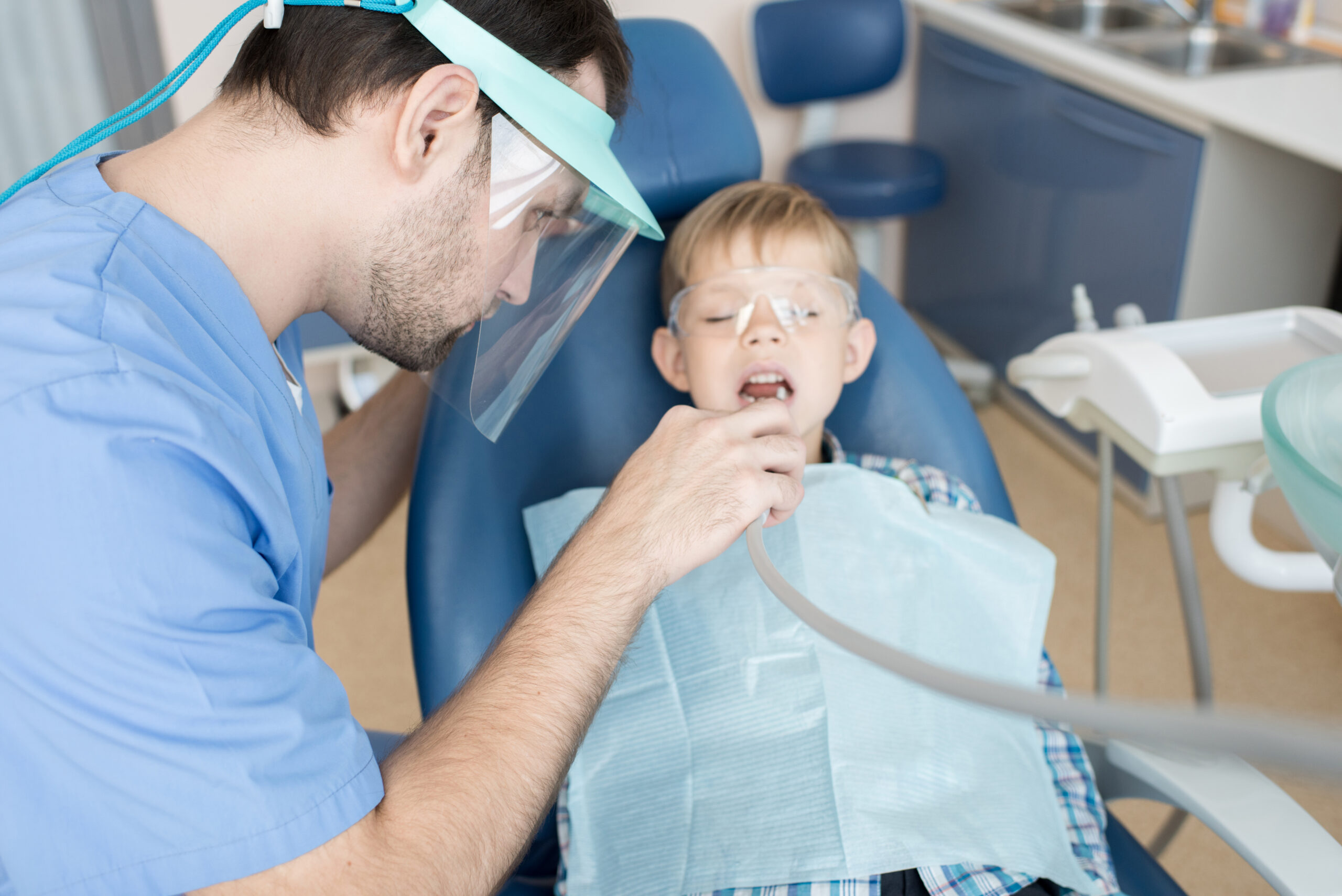
Patient-First Dentistry for Every Stage of Life
From early childhood development to adult care, we focus on patient comfort and comprehensive treatment.
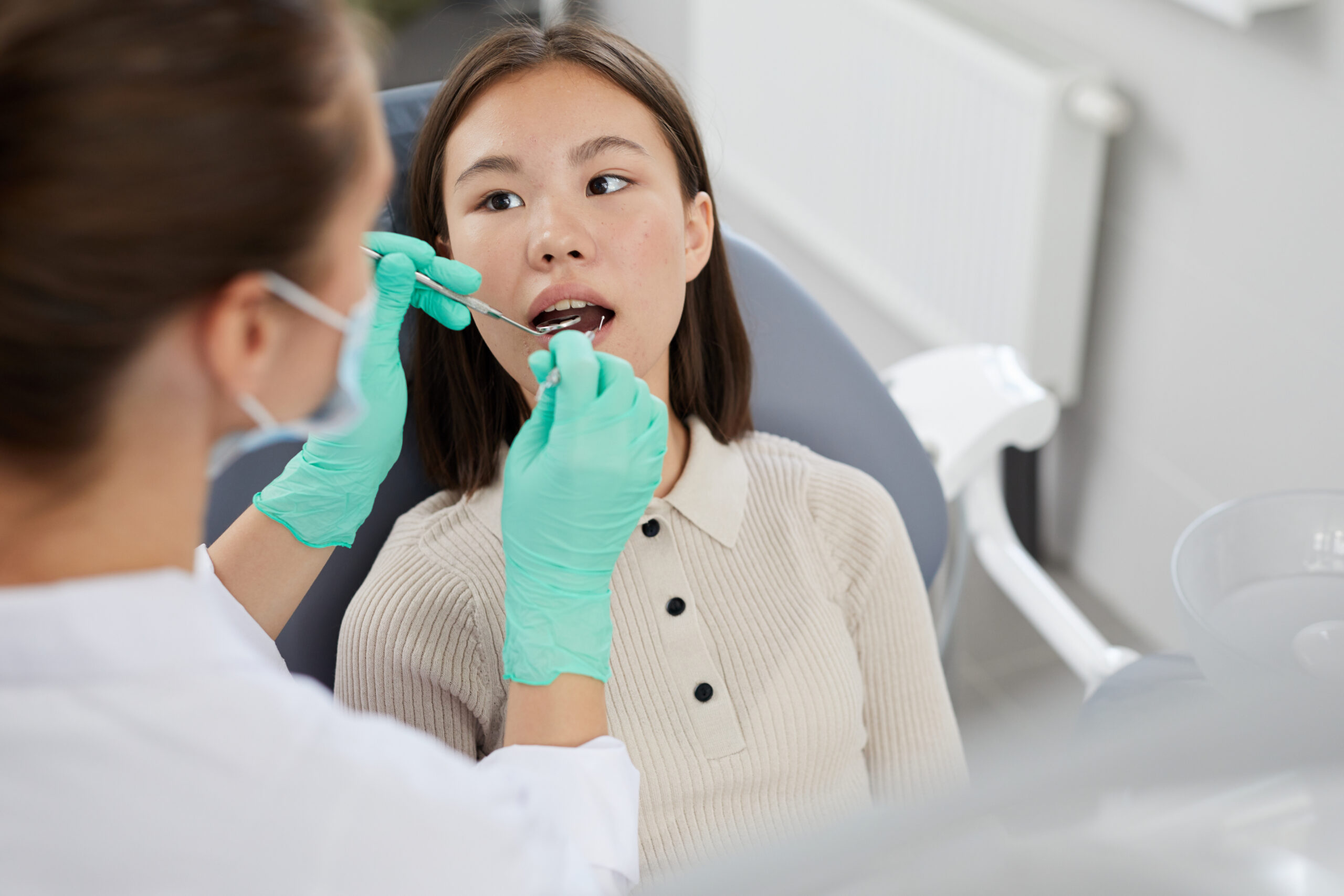
Removing Barriers to Dental Care
We believe everyone deserves access to high-quality dental care, regardless of financial situation.

Comprehensive Dentistry Under One Roof
Orthodontics, implants, oral surgery, and preventative care all conveniently located in our clinics.
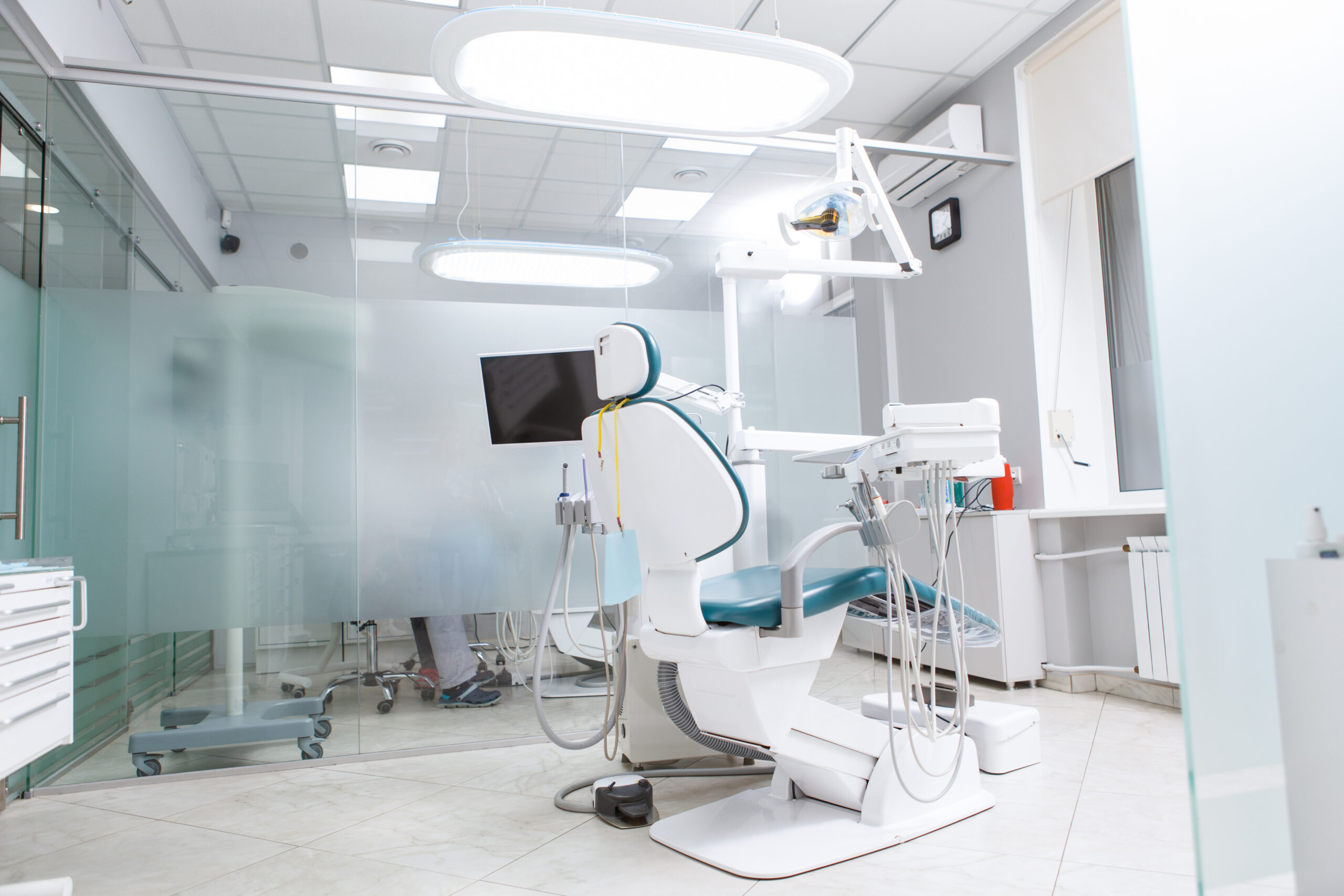
Expertise, Access & Convenient Locations
Multiple clinic locations across Los Angeles with extended hours to fit your busy schedule.
Table of Contents
- How Invisalign Dentists in Inglewood Evaluate Candidacy for Clear Aligners
- What to Expect During Invisalign Treatment With Dentists in Inglewood
- Why Oversight Matters When Choosing Invisalign Dentists in Inglewood
- How PhD Dental Oversees Invisalign Treatment From Planning Through Completion
- Contact Invisalign Dentists in Inglewood at PhD Dental Today
How Invisalign Dentists in Inglewood Evaluate Candidacy for Clear Aligners

Determining whether clear aligners are appropriate requires a structured orthodontic evaluation rather than a cosmetic preference assessment. Invisalign dentists in Inglewood review tooth position, bite relationships, and jaw function together to understand how aligner movement may affect overall oral health. This evaluation focuses on whether planned movements can occur within biological limits without creating instability or discomfort. Candidacy decisions are based on predictability and control rather than aligner availability. A careful screening process protects patients from treatments that appear suitable visually but perform poorly functionally.
Candidacy evaluation also accounts for how teeth are expected to respond over time rather than how they appear at the start of treatment. Dentists assess whether aligners can deliver consistent force across all required movements or if certain corrections would be unreliable. Some orthodontic concerns respond well to aligners, while others require different mechanics. Identifying these distinctions early prevents prolonged treatment or compromised outcomes. Our PHD Dental professionals understand clear aligner success depends on appropriate case selection.
Dentists begin candidacy evaluation by analyzing crowding, spacing, and tooth rotation throughout the arch. These patterns determine whether aligners can apply controlled force without excessive attachments or staging complexity. Mild to moderate alignment issues often respond predictably to aligners when movements remain within safe thresholds. More complex rotations or vertical discrepancies require careful scrutiny. Tooth position assessment establishes the foundation for treatment feasibility.
How Alignment Complexity Influences Aligner Predictability
Certain tooth movements require precise force vectors to remain stable during correction. Dentists evaluate whether aligners can maintain contact and control throughout each stage. Excessive complexity increases the risk of tracking issues. Predictability guides candidacy decisions.
Why Initial Alignment Matters More Than Appearance
Teeth that appear slightly misaligned may still present mechanical challenges during movement. Underlying root position and contact points influence force response. Dentists evaluate these factors to avoid stalled progress. Functional alignment matters more than visual symmetry.
Bite evaluation plays a central role in determining aligner suitability. Dentists assess how upper and lower teeth contact during function and rest. Changes in alignment can alter bite forces in unintended ways if not planned carefully. Occlusal analysis identifies risks related to jaw comfort and chewing efficiency. Bite stability influences long-term success.
How Bite Analysis Shapes Treatment Planning
Dentists review overbite, overjet, and lateral contact patterns before approving aligner use. Planned movements are evaluated for their effect on bite balance. Adjustments are made to avoid creating new interferences. Bite analysis guides safe staging.
Why Bite Health Limits Aligner Use in Some Cases
Certain bite discrepancies require mechanics beyond aligner capability. Forcing aligners to correct these issues may compromise comfort or stability. Dentists identify these limits early. Respecting occlusal boundaries protects outcomes.
Dentists also consider periodontal health, bone support, and root structure when evaluating candidacy. Teeth move through bone at a biologically regulated pace that varies between individuals. Reduced support or inflammation can limit safe movement. Oral health conditions influence how force is tolerated. Biological readiness shapes aligner suitability.
How Oral Health Affects Tooth Movement Capacity
Healthy bone and gum tissue support predictable orthodontic movement. Compromised tissue increases risk during force application. Dentists assess these conditions before approving treatment. Biological assessment informs pacing decisions.
Why Movement Limits Prevent Overcorrection
Attempting excessive movement too quickly can stress supporting structures. Dentists plan within known biological thresholds. Conservative movement protects long-term stability. Limits guide responsible aligner use.
What to Expect During Invisalign Treatment With Dentists in Inglewood
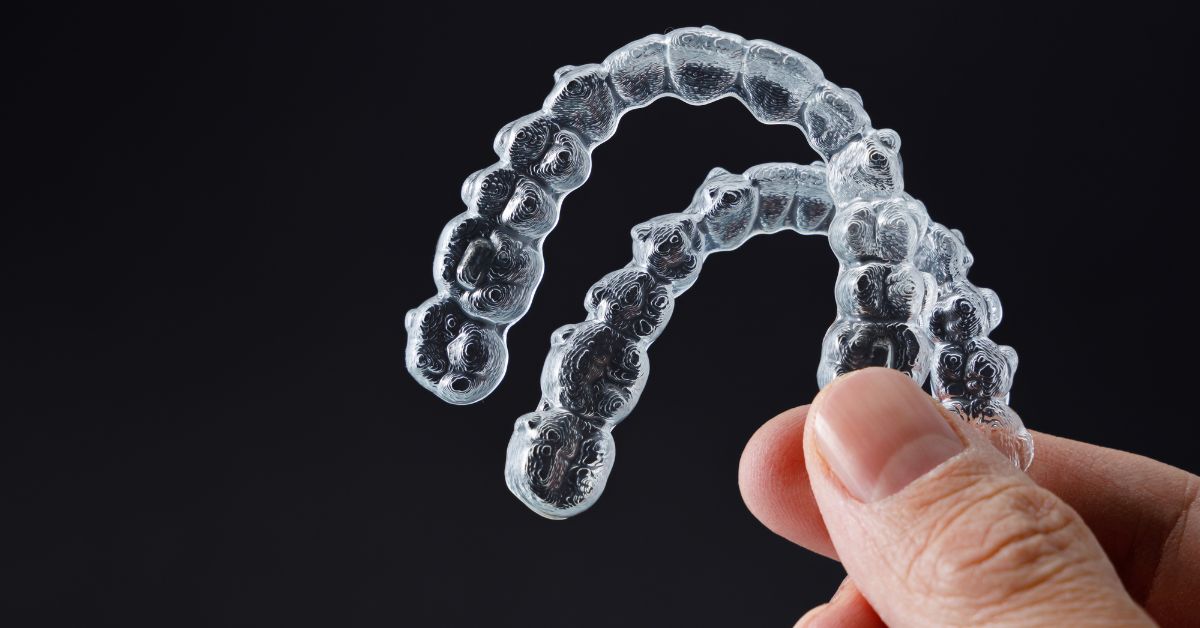
Invisalign treatment is a multi-phase orthodontic process that requires planning, supervision, and adjustment over time rather than a simple series of aligner swaps. Invisalign dentists in Inglewood structure treatment around how teeth respond biologically to controlled force, which means progress is evaluated continuously rather than assumed based on software projections alone. Each phase introduces different responsibilities for the patient and different clinical checks for the dentist. Understanding this progression helps patients anticipate how treatment evolves instead of expecting linear movement. Clear expectations reduce confusion and improve long-term compliance.
The treatment process also reflects the reality that orthodontic movement varies between individuals, even when digital plans appear precise. Dentists prepare for this variability by building checkpoints where plans can be refined if teeth respond differently than expected. Adjustments are part of responsible care, not a deviation from it. Patients benefit from knowing that progress is guided actively rather than passively observed. Invisalign treatment functions as a managed process rather than a fixed script.
Treatment begins with a diagnostic phase focused on evaluating whether aligners can address the full scope of alignment and bite concerns safely. Dentists assess tooth position, spacing, bite relationships, and jaw function before approving aligner therapy. Digital scans are reviewed alongside clinical findings to identify movement limits and staging challenges. Planning prioritizes biological feasibility over cosmetic speed. This diagnostic phase determines whether treatment should proceed and how aggressively movement can be staged.
How Dentists Use Digital Models During Planning
Digital simulations allow dentists to visualize proposed tooth movement across multiple stages. These models are analyzed for force direction, attachment requirements, and potential bite changes. Dentists review whether projected movements remain within known biological thresholds. Planning decisions are adjusted when simulations suggest excessive or unstable movement.
Why Planning Often Involves Revising Initial Projections
Initial digital plans may overestimate how predictably teeth will track. Dentists revise staging to reduce force concentration or sequencing risk. These revisions prevent mid-treatment complications. Conservative planning improves control.
After planning is finalized, patients receive aligners designed to apply gradual force through sequential wear. Dentists explain wear expectations in detail, including daily duration and handling during meals or cleaning. Adherence affects how closely treatment follows the planned timeline. Irregular wear can introduce tracking problems that require correction. Daily responsibility becomes a central part of treatment success.
How Dentists Set Wear Protocols for Individual Patients
Wear schedules are tailored based on movement complexity, attachment use, and patient lifestyle factors. Dentists explain when aligners should be removed and how to avoid deformation. Instructions are adjusted when comfort or tracking issues arise. Personalized protocols support consistent force application.
Why Inconsistent Wear Alters Treatment Progression
Aligners rely on continuous force to move teeth incrementally. Interruptions in wear reduce force effectiveness and allow teeth to rebound. Dentists identify wear inconsistencies during follow-ups. Correcting habits early prevents prolonged treatment.
Regular monitoring appointments allow dentists to evaluate whether teeth are moving as planned. Invisalign dentists in Inglewood assess aligner fit, attachment performance, and bite changes at these visits. Deviations from expected movement are identified before they compound. Refinements are introduced when control begins to diminish. Monitoring preserves treatment efficiency.
How Dentists Determine When Refinements Are Necessary
Dentists compare current tooth position to planned staging and assess aligner engagement. Poor tracking, attachment loss, or bite changes prompt reassessment. Updated scans may be taken to regain control. Refinements realign the plan with biological response.
Why Refinements Reflect Active Management Rather Than Failure
Teeth respond differently due to bone density, root shape, and compliance. Refinements allow treatment to adapt rather than stall. Dentists use them to maintain predictable movement. Adjustment is part of high-quality care.
Treatment completion involves confirming that alignment goals have been met without compromising bite stability. Dentists evaluate final tooth position and occlusal relationships before transitioning to retention. Retainers are selected based on movement history and relapse risk. Follow-up ensures results remain stable during early post-treatment adaptation. Completion marks a shift into maintenance.
How Dentists Plan Retention After Invisalign Treatment
Retention planning focuses on which teeth are most likely to shift after active movement ends. Dentists recommend retainer type and wear schedules accordingly. Instructions emphasize consistency during the initial retention period. Proper planning protects results.
Why Follow-Up Continues After Active Treatment Ends
Teeth can shift during the first months after alignment concludes. Dentists monitor retention response to identify early relapse. Follow-up allows intervention before changes become permanent. Long-term stability depends on oversight.
Why Oversight Matters When Choosing Invisalign Dentists in Inglewood
Clear aligner treatment requires ongoing clinical decision making as teeth respond to force over time, rather than passive adherence to an initial digital plan. Invisalign dentists in Inglewood provide oversight that connects planned movements to actual biological response, which cannot be predicted with complete accuracy at the outset of treatment. Tooth movement can deviate from projections due to bone density differences, root anatomy, and wear consistency, making supervision necessary to maintain control. Without oversight, these deviations may progress unnoticed until they affect bite relationships or treatment duration. Dentist-led management keeps treatment responsive instead of rigid.
Oversight also defines responsibility for outcomes rather than transferring that burden to the patient or software. Invisalign dentists in Inglewood evaluate progress, document changes, and intervene when conditions require adjustment. This continuity allows informed decisions based on observed response rather than assumptions. Active supervision distinguishes orthodontic care from aligner distribution. Patients benefit from guided treatment that adapts as conditions evolve.
Aligner tracking problems occur when teeth fail to move in alignment with the intended staging sequence. Invisalign dentists evaluate whether aligners maintain consistent contact with tooth surfaces and attachments during scheduled visits. Gaps between aligners and teeth indicate loss of control that can compromise subsequent movements. Early identification allows corrective action before misalignment compounds. Tracking evaluation protects treatment efficiency.
How Dentists Detect Early Loss of Aligner Control
Dentists examine aligner seating, attachment engagement, and tooth position relative to the treatment plan. Visual inspection is combined with tactile assessment of aligner fit. Patient feedback about looseness or discomfort provides additional data. These findings guide decisions about intervention timing.
Why Uncorrected Tracking Issues Escalate Over Time
When tracking problems persist, planned force vectors no longer align with tooth movement. Subsequent aligners may fit poorly, compounding loss of control. This progression often necessitates additional aligner sets and extended treatment time. Early correction limits escalation.
Tooth movement alters how upper and lower teeth contact during function, sometimes in unintended ways. Invisalign dentists evaluate occlusal relationships regularly to identify emerging imbalances. Changes in bite contact can affect chewing efficiency and jaw comfort. Adjustments are made to staging or attachments to manage these shifts. Bite monitoring prevents functional complications.
How Occlusal Evaluation Informs Treatment Adjustments
Dentists assess overbite, overjet, and lateral contacts at monitoring visits. Planned movements are reviewed for their effect on force distribution across the arch. When imbalance appears, sequencing may be modified. Occlusal evaluation guides safer progression.
Why Bite Changes Require Active Management
Unmanaged bite alterations can lead to discomfort or instability after alignment completes. Early intervention allows redistribution of forces before adaptation occurs. Proactive management reduces the risk of post-treatment correction. Functional integrity depends on oversight.
Teeth move through bone at different rates depending on local anatomy and systemic factors. Invisalign dentists observe how individual teeth respond to applied force rather than relying solely on projected timelines. When movement lags or accelerates unexpectedly, treatment pacing is adjusted. These modifications protect supporting structures from stress. Adaptation respects biological variability.
How Clinical Feedback Drives Plan Modifications
Dentists assess movement progression through examination and updated records. Deviations from expected response prompt reassessment of staging or attachment placement. Adjustments are based on observed behavior rather than original projections. Clinical feedback maintains control.
Why Fixed Plans Fail Without Adaptation
Static plans assume uniform response that rarely occurs in practice. Forcing movement despite resistance increases biological risk. Adaptive management preserves tissue health. Flexibility supports predictable completion.
How PhD Dental Oversees Invisalign Treatment From Planning Through Completion
PhD Dental approaches Invisalign treatment as a managed clinical process that requires ongoing evaluation rather than a one-time plan approval. Oversight begins before aligners are ordered and continues through every stage of tooth movement, refinement, and retention. Invisalign dentists in Inglewood at PhD Dental remain responsible for how treatment responds to real biological conditions, not just how it appears in digital simulations. Decisions are revisited as teeth move, bites change, and compliance patterns emerge. This continuity allows treatment to adapt without losing control or direction.
Oversight also means maintaining accountability for outcomes rather than delegating responsibility to software. PhD Dental documents progress, evaluates deviations, and determines when intervention is necessary to protect bite health and treatment efficiency. Each phase is reviewed in context of the entire plan, not as an isolated checkpoint. Patients experience a coordinated process rather than fragmented visits. This structure supports predictable completion rather than prolonged correction.
Oversight begins with deciding whether Invisalign treatment should proceed at all based on diagnostic findings. PhD Dental evaluates alignment needs, bite relationships, and movement limitations before approving a plan. Digital simulations are reviewed critically to identify movements that may challenge biological limits. Treatment is approved only when predicted movements can be monitored and adjusted responsibly. Early oversight prevents avoidable complications later.
How Dentists Review and Modify Digital Treatment Plans
Dentists analyze staging sequences, attachment placement, and projected bite changes within the software. Proposed movements are compared against clinical findings from examination and imaging. Adjustments are made when simulations prioritize speed over control. This review ensures plans remain clinically feasible.
Why Plan Approval Is a Clinical Decision, Not a Software Output
Software projections cannot account fully for individual response variability. Dentists apply judgment to interpret what is realistic for each patient. Approving a plan commits the practice to managing its risks. Oversight begins before aligners are fabricated.
As treatment progresses, PhD Dental monitors how teeth track relative to the approved plan. Invisalign dentists in Inglewood evaluate aligner fit, attachment performance, and tooth position during scheduled visits. Deviations from expected movement are addressed promptly rather than deferred. Monitoring focuses on maintaining control across all stages. Active response prevents loss of momentum.
How Dentists Decide When Intervention Is Required
Dentists compare observed movement against planned staging at each visit. Signs of poor tracking, bite interference, or attachment failure trigger reassessment. Decisions may include refinements, attachment changes, or wear adjustments. Intervention timing affects treatment efficiency.
Why Delayed Response Complicates Treatment
Unaddressed deviations often compound across aligner stages. Later correction typically requires additional aligner sets. Early response limits disruption. Oversight protects the original treatment trajectory.
Tooth movement affects bite relationships as alignment progresses. PhD Dental evaluates occlusion regularly to detect changes that could affect comfort or function. Adjustments are made to sequencing or attachments to redistribute forces appropriately. Bite monitoring occurs throughout treatment rather than only at completion. This management protects functional outcomes.
How Bite Evaluation Influences Treatment Adjustments
Dentists assess contact patterns and jaw response during monitoring visits. Emerging imbalances prompt modifications to planned movement. These changes aim to preserve functional harmony. Bite evaluation guides responsible progression.
Why Bite Oversight Continues Beyond Alignment Goals
Even well-aligned teeth can function poorly if bite relationships shift unfavorably. Oversight ensures alignment improvements do not introduce new problems. Functional assessment remains central. Long-term comfort depends on this vigilance.
Final stages of treatment involve confirming that movement goals have been achieved safely. PhD Dental evaluates whether refinements are necessary to address residual discrepancies. Completion decisions are based on alignment, bite stability, and tissue response together. Retention planning follows verified completion rather than assumption. Oversight extends into post-treatment care.
How Dentists Determine When Treatment Is Complete
Dentists review final tooth position, occlusal balance, and patient comfort. Residual issues are addressed before transitioning to retention. Completion reflects clinical readiness. Decisions prioritize stability over speed.
Why Retention Planning Is Part of Oversight
Retention protects results achieved through active treatment. Dentists tailor retainer recommendations based on movement history and relapse risk. Follow-up ensures retention effectiveness. Oversight continues after aligners end.
Contact Invisalign Dentists in Inglewood at PhD Dental Today
Starting Invisalign treatment without understanding how decisions are made along the way often leads to confusion when timelines shift or refinements become necessary. Patients looking for Invisalign dentists in Inglewood benefit from a conversation that explains how alignment goals, bite considerations, and biological response are evaluated before and during treatment. PhD Dental uses consultations to walk through how progress is assessed, when plans are adjusted, and what responsibilities are shared between dentist and patient. This level of clarity helps patients decide whether aligners fit both their expectations and their orthodontic needs.
Rather than focusing only on how aligners look or how long treatment might take, consultations emphasize how care is managed when teeth move unpredictably or change. Invisalign dentists in Inglewood explain how monitoring, refinements, and retention are handled in real clinical situations, not idealized scenarios. Patients leave knowing how their treatment would be guided from the first scan through post-treatment follow-up. Call PhD Dental at (323)269-5437 or visit our contact page to schedule a consultation and discuss if Invisalign treatment is appropriate for your alignment needs, bite health, and long-term goals.
Get in Touch with PhD Dental
Pick your location
Los Angeles
Los Angeles is a diverse and fast-moving city where access to dependable dental care is essential for individuals and families alike. PhD Dental serves patients throughout Los Angeles with a commitment to personalized care and long-term oral health.
Hours
- Mon 10:30AM - 7:30PM
- Tue 10:30AM - 7:30PM
- Wed 10:30AM - 7:30PM
- Thu 10:30AM - 7:30PM
- Fri 9:30AM - 7:30PM
- Sat 9:00AM - 3:00PM
- Sun Closed