
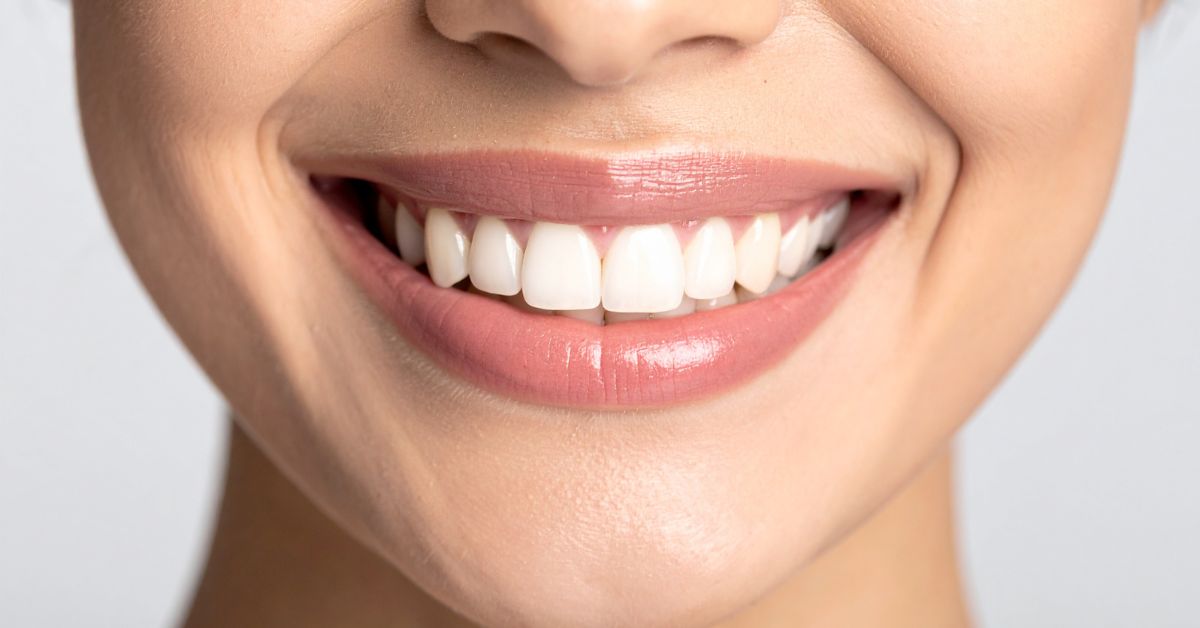
Teeth Whitening in Inglewood
Teeth whitening is often desired when discoloration begins to affect confidence. Patients researching teeth whitening in Inglewood are frequently trying to understand why their teeth appear darker, uneven, or resistant to over-the-counter products. Dentists evaluate the source of discoloration before recommending a whitening approach. Effective treatment depends on matching the method to the underlying cause rather than applying a one size fits all solution.
Choosing teeth whitening in Inglewood also involves understanding limitations, expectations, and how whitening interacts with existing dental restorations. Dentists consider enamel condition, sensitivity history, and the presence of crowns or fillings that will not change color. Treatment planning focuses on achieving natural looking results without compromising tooth structure or comfort. A careful evaluation helps ensure whitening is both appropriate and predictable. This approach prioritizes long-term oral health alongside cosmetic improvement.
If you are considering teeth whitening in Inglewood and want a clear explanation of your whitening options, call PhD Dental at (323)269-5437 or visit our contact page to schedule a consultation today.
Top-Rated Dentists
in Los Angeles

Patient-First Dentistry for Every Stage of Life
From early childhood development to adult care, we focus on patient comfort and comprehensive treatment.
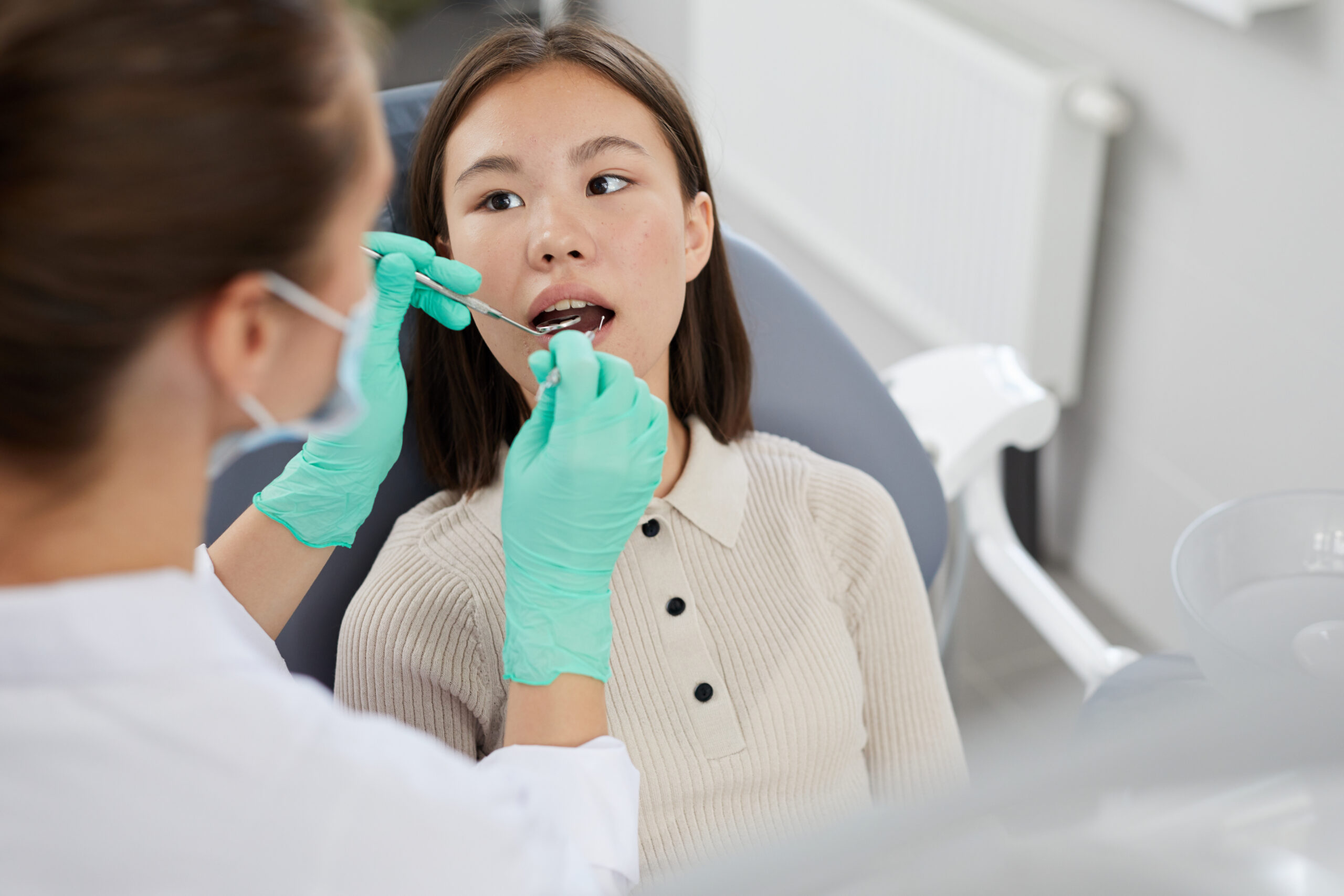
Removing Barriers to Dental Care
We believe everyone deserves access to high-quality dental care, regardless of financial situation.

Comprehensive Dentistry Under One Roof
Orthodontics, implants, oral surgery, and preventative care all conveniently located in our clinics.
Expertise, Access & Convenient Locations
Multiple clinic locations across Los Angeles with extended hours to fit your busy schedule.
How Dentists Determine Whether Teeth Whitening Is Appropriate
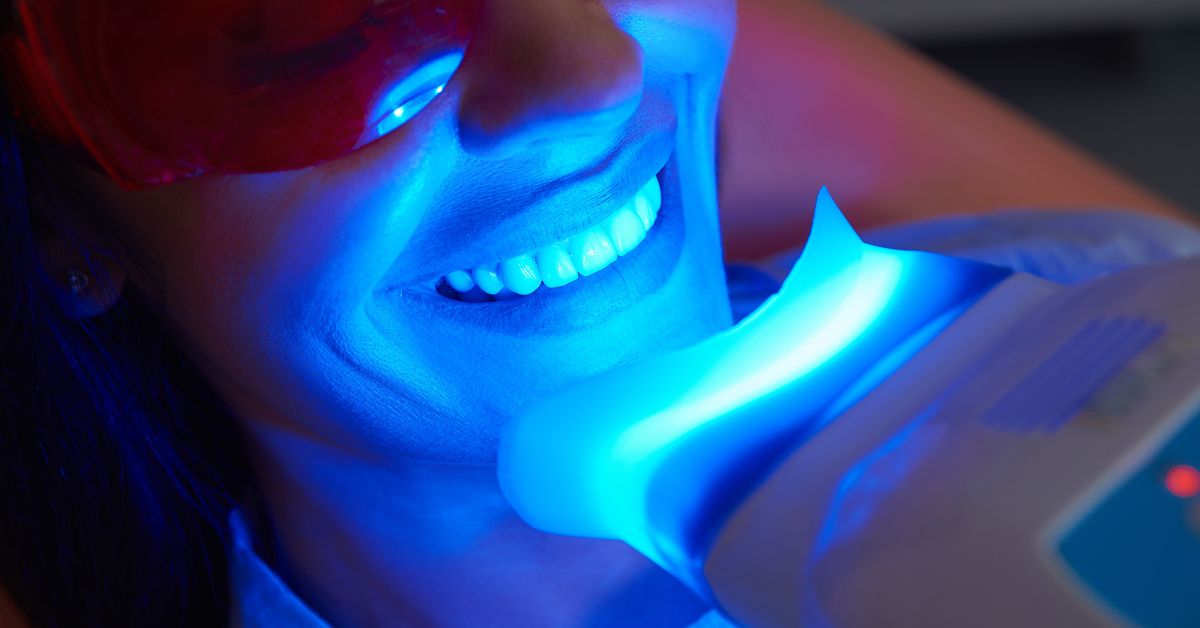
Dentists do not recommend whitening simply because patients request brighter teeth, but because their enamel condition, restoration status, and stain type align with treatment protocols that can deliver safe and predictable results. Evaluating appropriateness for teeth whitening in Inglewood involves assessing how bleaching agents will interact with existing tooth structure, whether sensitivity patterns will escalate during treatment, and if restorations will create color mismatches after natural teeth lighten. Some patients present with intrinsic staining patterns that resist surface bleaching, while others have thin enamel that cannot tolerate peroxide exposure without triggering acute discomfort. PhD Dental focuses on matching candidacy to realistic outcomes rather than assuming all discoloration responds equally to professional whitening.
The evaluation also considers whether current oral health conditions require resolution before cosmetic treatment can proceed safely. Patients with untreated decay, active gum disease, or failing restorations must address those structural problems first because bleaching agents can penetrate defects and irritate pulp tissue or worsen existing damage. Dentists weigh anatomical findings against patient expectations and medical history to determine whether teeth whitening in Inglewood will achieve the desired improvement without compromising tooth integrity. This decision process prioritizes long-term oral health alongside cosmetic enhancement.
Dentists check how thick your enamel is because thin enamel can make whitening painful or cause lasting sensitivity problems. Your enamel acts as a protective layer, and when it wears down from acidic foods, harsh brushing, or natural aging, the inner tooth layer becomes more exposed to whitening chemicals. Dentists look at how translucent your teeth appear at the edges and feel the surface texture to gauge enamel quality. They also check for any chips, cracks, or worn areas that could let whitening gel seep into sensitive parts of your tooth.
Why Enamel Quality Matters for Whitening
Thick, healthy enamel protects the nerves inside your teeth from the peroxide used in whitening treatments. When enamel is too thin, the whitening chemicals reach the nerve faster and in stronger amounts, which creates sharp pain during treatment. Dentists measure your enamel condition to predict whether you will experience mild sensitivity or severe pain that makes it impossible to finish the whitening process.
What Enamel Problems Mean for Your Whitening Options
White spots on your teeth show areas where the enamel has weakened and may react differently to whitening chemicals than the surrounding tooth surface. Dentists look for cracks and exposed inner tooth layers before starting teeth whitening in Inglewood because these openings let bleaching gel reach the nerve and cause intense pain.
Dental fillings, crowns, and veneers stay the same color when you whiten your natural teeth because they are made from materials that do not respond to bleaching chemicals. If you have visible dental work on your front teeth, those pieces will look darker compared to your newly whitened natural teeth after treatment finishes. Dentists make a detailed record of every filling and crown you have in the smile area so you know which restorations might need replacement after whitening to match your new tooth color. This planning step prevents disappointment when patients realize their old dental work no longer blends in with their brighter natural teeth.
How Dental Materials React to Whitening Treatments
Composite fillings and porcelain crowns contain synthetic materials that do not have the same structure as natural tooth enamel. Natural teeth lighten because whitening chemicals break down stains trapped inside the enamel, but man-made materials lack these stain molecules and stay their original shade. Dentists explain that any visible dental work will become more noticeable as your natural teeth get lighter during treatment.
When to Replace Dental Work After Whitening
Dentists recommend waiting two weeks after finishing whitening before making new crowns or fillings because your tooth color continues to shift slightly as your enamel settles. Taking final color measurements too early can result in new dental work that looks too dark once your natural teeth reach their stable shade.
Dentists ask about your past experiences with tooth sensitivity to cold drinks, sweet foods, or acidic beverages because these reactions show how your nerves will respond to whitening chemicals. Patients who already feel pain from everyday triggers face a higher chance of experiencing intense discomfort during bleaching treatments when stronger chemicals reach the tooth nerves. The dental team may test your sensitivity by applying a small amount of whitening gel to one tooth to see how you react before treating your entire smile. This trial approach identifies patients who need extra desensitizing treatments or modified whitening schedules that reduce pain while still achieving noticeable results.
Checking How Your Teeth React to Temperature and Sweets
Dentists ask detailed questions about how often you feel sensitivity, how long the pain lasts, and what triggers the discomfort to understand your baseline nerve response. Patients who report sharp pain from ice water or lasting discomfort after eating candy show heightened nerve activity that predicts stronger reactions to whitening products. The clinical exam includes testing how your teeth respond to cold air and light pressure to find specific problem teeth that may need special attention.
Desensitizing Treatments for Sensitive Teeth
Patients with known sensitivity receive special gels containing potassium nitrate or fluoride before whitening begins to block the tiny channels in teeth that transmit pain signals. Dentists may ask you to use these desensitizing products for five to seven days before starting teeth whitening in Inglewood if you have thin enamel or a history of tooth pain.
What to Expect During a Teeth Whitening Procedure

A teeth whitening procedure follows clear steps designed to protect your gums, apply whitening gel carefully, and keep you comfortable while your teeth lighten. Dentists performing teeth whitening in Inglewood customize each appointment based on your shade goals, sensitivity concerns, and whether you prefer immediate results from in-office treatment or gradual whitening at home with custom trays. Each part of the process focuses on brightening your smile while preventing gum irritation or tooth pain that can happen when whitening gel touches soft tissue or stays on longer than your teeth can handle comfortably. Understanding what happens during treatment helps you feel more relaxed and prepared for both the appointment and the few days afterward when some sensitivity is normal.
The procedure also changes based on how you feel during treatment rather than following identical steps for every patient. Dentists watch for signs that your teeth are getting too sensitive, check that gel is spreading evenly across your smile, and adjust timing when your enamel needs a gentler approach. Some patients tolerate strong whitening formulas without any discomfort, while others need modified concentrations or shorter sessions to complete treatment successfully. Knowing these details ahead of time removes uncertainty and helps you understand why your dentist makes specific choices during your whitening appointment.
Dentists begin by measuring your current tooth color using a shade guide so you can see exactly how much lighter your teeth become after treatment. The dental team takes photos of your smile from multiple angles to document your starting shade and capture any discoloration patterns that might respond differently to bleaching gel. Your gums receive a protective barrier that keeps the whitening chemical from touching soft tissue and causing irritation or temporary burns. Dentists also make sure your teeth are clean before applying gel because any leftover plaque or buildup can block the whitening agent and create uneven results across your smile.
How Starting Shade Guides Your Whitening Goals
Measuring your baseline tooth color helps dentists set realistic expectations about how many shades brighter you can go during a single visit or full treatment plan. Teeth with yellow tones typically respond better to whitening than gray-toned teeth that resist bleaching chemicals more stubbornly. Recording your starting shade also tracks progress if you need multiple sessions to reach the brightness level you want.
Why Gum Protection Matters During Whitening
Dentists apply a rubber barrier or protective gel along your gum line to keep the strong whitening chemical away from your soft tissue. This protection prevents burns, irritation, and temporary gum blanching that goes away quickly but creates unnecessary discomfort during and after your appointment.
Once your gums are protected, dentists spread a thin layer of professional whitening gel across the front surface of each tooth in your smile zone. The gel contains powerful bleaching ingredients at much higher strengths than drugstore products, which is why professional whitening works faster and creates more dramatic color changes. Some systems use a special light that activates the gel and speeds up the stain-breaking process inside your enamel. The gel stays on your teeth for a set period while the chemicals work to lift discoloration, then gets removed and reapplied for additional cycles until your teeth reach the target shade.
Why Professional Gel Works Better Than Store Products
Professional whitening gel used during teeth whitening in Inglewood contains much stronger bleaching chemicals than the strips or trays you buy at the pharmacy. Dentists control exactly how the gel goes on and watch your reaction throughout treatment to prevent problems like uneven coverage or tissue irritation. The stronger formula means you get results in one appointment that would take weeks or months with weaker over-the-counter options.
How Whitening Lights Speed Up Results
Some whitening systems use LED lights to make the bleaching process work faster by heating up the gel slightly and accelerating the chemical reaction. The light helps break down stains inside your enamel more quickly, which shortens the time each gel application needs to stay on your teeth.
Dentists monitor how you feel throughout the procedure and watch for any signs that sensitivity is building beyond what you can tolerate comfortably. If you start feeling sharp pain or lasting discomfort, the dental team can switch to a gentler gel formula, reduce how long each application stays on, or give your teeth a break between whitening cycles. Some patients need pauses between applications to let nerve irritation settle before continuing treatment. This ongoing attention prevents situations where pain cuts your appointment short and leaves you with incomplete results.
Recognizing When Sensitivity Needs Attention
Dentists ask you to speak up if tingling sensations turn into sharp pain because catching sensitivity early prevents more serious nerve irritation. Patients who tense up, wince, or show visible discomfort get immediate help to modify the treatment approach. Staying flexible allows dentists to balance effective whitening with comfort levels that let you finish the full procedure.
How Treatment Gets Modified for Sensitive Teeth
If sensitivity becomes a problem during teeth whitening in Inglewood, dentists can apply soothing fluoride gel between whitening cycles to calm your nerves temporarily. Using a weaker formula or shorter exposure time lets treatment continue without the kind of pain that would force you to stop before reaching your shade goals.
After removing the final gel layer and cleaning your teeth, dentists give you clear instructions about which foods and drinks to skip for the first day or two while your enamel is most vulnerable to new stains. You learn how to manage any lingering sensitivity using special toothpaste or fluoride treatments that help close the tiny channels in your teeth temporarily opened by the whitening process. Dentists explain that your final tooth color will settle over the next few days as your enamel rehydrates and stabilizes into its permanent post-whitening shade. Follow-up visits may be scheduled to check your results and decide if additional whitening sessions would help you reach your ideal brightness without increasing sensitivity problems.
Foods and Drinks to Avoid After Whitening
Dentists recommend staying away from coffee, tea, red wine, dark berries, and tomato sauce for at least a couple days after treatment because these colorful foods can soak into your temporarily porous enamel. Smoking during this window causes fast re-staining that ruins your whitening results and might require another treatment to fix. Following these simple diet rules helps your newly brightened smile last as long as possible.
Managing Tooth Sensitivity After Your Appointment
Most patients feel mild to moderate sensitivity for a day or two after teeth whitening in Inglewood while their enamel recovers from the bleaching chemicals. Using sensitivity toothpaste helps reduce discomfort during this short recovery period as your tooth structure returns to normal.
Why PhD Dental is Trusted With Teeth Whitening in Inglewood
PhD Dental has built trust within the Inglewood community by prioritizing patient safety, realistic outcome expectations, and customized whitening protocols over one-size-fits-all approaches that ignore individual enamel conditions and sensitivity patterns. Patients choosing teeth whitening in Inglewood at PhD Dental receive thorough evaluations that identify potential complications before treatment begins, ensuring that whitening proceeds only when candidacy criteria are met and tooth structure can withstand bleaching agents safely. The practice emphasizes informed decision making by explaining how different whitening systems work, what results are achievable based on current tooth color and stain type, and which aftercare steps protect long-term smile brightness.
Trust also stems from PhD Dental's commitment to adjusting treatment protocols when standard approaches do not align with individual patient needs or comfort thresholds. Dentists modify whitening concentrations, application timing, and desensitizing interventions based on real-time feedback rather than pushing through discomfort to complete a predetermined treatment plan. Patients with complex dental histories, existing restorations, or heightened sensitivity receive personalized strategies that balance aesthetic goals with oral health preservation. This flexibility demonstrates that PhD Dental values patient experience and long-term tooth integrity as much as immediate cosmetic improvement, which builds confidence in the care provided.
PhD Dental conducts detailed examinations of enamel thickness, existing dental work, and sensitivity history before recommending any whitening treatment. Dentists assess whether your teeth have conditions like thin enamel, exposed roots, or untreated cavities that would make whitening unsafe or ineffective. Every filling, crown, and veneer gets documented so you understand which restorations will stay their current shade while natural teeth lighten. This thorough evaluation prevents situations where patients start whitening without knowing their dental work will create color mismatches or their enamel cannot handle the chemicals safely.
How Pre-Treatment Assessment Prevents Problems
Checking your enamel condition and dental history before whitening identifies risk factors that could lead to severe pain, uneven results, or damage to tooth structure. Dentists explain which issues need resolution before whitening can proceed and why addressing these concerns first protects your long-term oral health. This upfront honesty saves patients from wasting money on treatments that cannot deliver the results they expect.
Why Transparency About Results Builds Trust
PhD Dental tells patients exactly what whitening can and cannot fix based on their specific stain patterns and tooth anatomy. Dentists show you realistic shade expectations using previous case examples rather than promising dramatic changes that may not be possible with your current tooth condition.
PhD Dental designs whitening protocols around your individual sensitivity tolerance, lifestyle schedule, and shade goals rather than offering a single standard treatment for everyone. Patients with busy schedules may prefer take-home trays they can use during convenient times, while those wanting immediate results choose in-office sessions that deliver noticeable whitening in one appointment. Dentists adjust whitening gel strength, application duration, and desensitizing treatments based on how your teeth respond during initial sessions. This customization ensures you achieve the brightness you want without unnecessary discomfort or treatment complications.
Matching Whitening Methods to Patient Preferences
Some patients value the control of whitening at home on their own timeline, while others want the dentist to handle everything during a single office visit. PhD Dental offers both in-office and take-home options for teeth whitening in Inglewood so you can choose the approach that fits your comfort level and daily routine. Dentists explain the benefits and limitations of each method to help you make an informed choice.
Adjusting Protocols When Sensitivity Occurs
If you experience sensitivity during whitening, PhD Dental modifies your treatment plan immediately rather than expecting you to push through pain. Dentists can reduce gel concentration, shorten application times, or add extra desensitizing steps between whitening sessions to keep discomfort manageable while still achieving your desired shade.
PhD Dental provides clear instructions, answers questions promptly, and schedules follow-up appointments to track your progress and address any concerns that arise during treatment. Patients receive detailed guidance about which foods and drinks to avoid, how to manage sensitivity at home, and when to contact the office if problems develop. Dentists remain available to troubleshoot issues like uneven whitening, unexpected pain, or confusion about product use for take-home systems. This continuous support ensures you never feel abandoned between appointments or uncertain about what to do if something does not go as planned.
Clear Communication About Aftercare Steps
Dentists explain exactly how to care for your teeth after whitening sessions to maximize results and prevent rapid re-staining. You receive written instructions about dietary restrictions, sensitivity management techniques, and maintenance routines that protect your investment. Clear guidance prevents misunderstandings that could compromise your whitening outcome.
Accessible Help When Questions or Problems Arise
PhD Dental makes it easy to reach the dental team if you experience unexpected sensitivity, notice uneven color development, or need clarification about treatment instructions. Quick responses to patient concerns prevent small issues from becoming bigger problems that require additional treatment to fix.
Call PhD Dental Today to Learn About Our Teeth Whitening in Inglewood
Deciding if professional whitening makes sense for your smile gets easier when a dentist examines the actual source of your tooth discoloration rather than offering the same treatment to every patient who walks through the door. Dentists measure your starting tooth color, evaluate how your enamel will tolerate whitening chemicals, and flag any crowns or fillings that will stay their current shade while surrounding natural teeth brighten during treatment.
This appointment gives you space to discuss concerns about tooth whitening and understand the benefits as well. PhD Dental uses this time to match your goals with a treatment approach that fits your schedule and comfort preferences, whether that means in-office sessions for fast results or custom trays you use gradually at home. You walk away knowing exactly what to expect from start to finish, which removes uncertainty that often comes with cosmetic dental decisions. Schedule your teeth whitening in Inglewood by calling PhD Dental at (323)269-5437 or visiting our contact page to discuss your smile goals and find out which whitening option works best for your unique situation.
Get in Touch with PhD Dental
Pick your location
Los Angeles
Los Angeles is a diverse and fast-moving city where access to dependable dental care is essential for individuals and families alike. PhD Dental serves patients throughout Los Angeles with a commitment to personalized care and long-term oral health.
Hours
- Mon 10:30AM - 7:30PM
- Tue 10:30AM - 7:30PM
- Wed 10:30AM - 7:30PM
- Thu 10:30AM - 7:30PM
- Fri 9:30AM - 7:30PM
- Sat 9:00AM - 3:00PM
- Sun Closed