
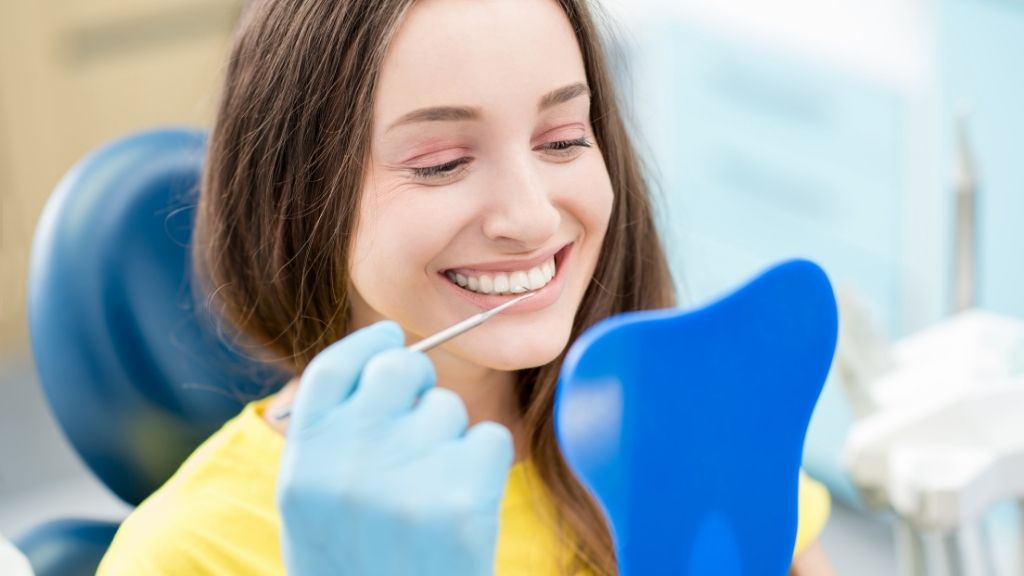
Composite Bonding in Los Angeles
Cosmetic tooth repair requires a level of precision that goes beyond reshaping alone, especially when color blending, durability, and surface texture all need to work together. Patients exploring composite bonding in Los Angeles are often focused on achieving a natural looking result. Composite bonding allows dentists to carefully layer and sculpt advanced resin materials to correct chips, gaps, discoloration, and surface irregularities with a high degree of control.
At PhD Dental, composite bonding in Los Angeles is treated as a technique driven procedure that is different specific to each person’s unique goals. Each case is planned around material selection, shade layering, and tooth anatomy to ensure consistency with the rest of the smile. Many patients choose composite bonding in Los Angeles because it offers a highly customizable option for refining tooth appearance without unnecessary removal of natural structure. If you are considering a cosmetic adjustment, a professional consultation can help clarify if composite bonding is the right approach for your goals. Call PhD Dental at (323)269-5437 or visit our contact page to schedule an appointment today.
Top-Rated Dentists
in Los Angeles
Patient-First Dentistry for Every Stage of Life
From early childhood development to adult care, we focus on patient comfort and comprehensive treatment.
Removing Barriers to Dental Care
We believe everyone deserves access to high-quality dental care, regardless of financial situation.

Comprehensive Dentistry Under One Roof
Orthodontics, implants, oral surgery, and preventative care all conveniently located in our clinics.
Expertise, Access & Convenient Locations
Multiple clinic locations across Los Angeles with extended hours to fit your busy schedule.
Table of Contents
- What Composite Bonding Is Designed To Repair And Enhance
- What To Expect During A Composite Bonding Appointment
- What Affects The Longevity Of Composite Bonding Results
- How PhD Dental Delivers Precision Focused Composite Bonding Care
- Get Your Consultation For Composite Bonding in Los Angeles From PhD Dental Today
What Composite Bonding Is Designed To Repair And Enhance
Composite bonding is designed to address a range of cosmetic and minor structural concerns by adding and shaping resin material directly onto the tooth surface. Patients considering composite bonding in Los Angeles often want to improve specific imperfections without pursuing treatments that require significant enamel removal or laboratory fabrication. This technique allows dentists to correct localized issues while preserving natural tooth structure and maintaining control over color, contour, and surface texture.
At PhD Dental, composite bonding in Los Angeles is selected when the concern can be resolved through precise material placement rather than tooth reduction or replacement. The versatility of composite resin makes it suitable for both aesthetic refinement and minor restorative needs. Understanding what composite bonding is intended to address helps clarify when it is an effective and appropriate solution.
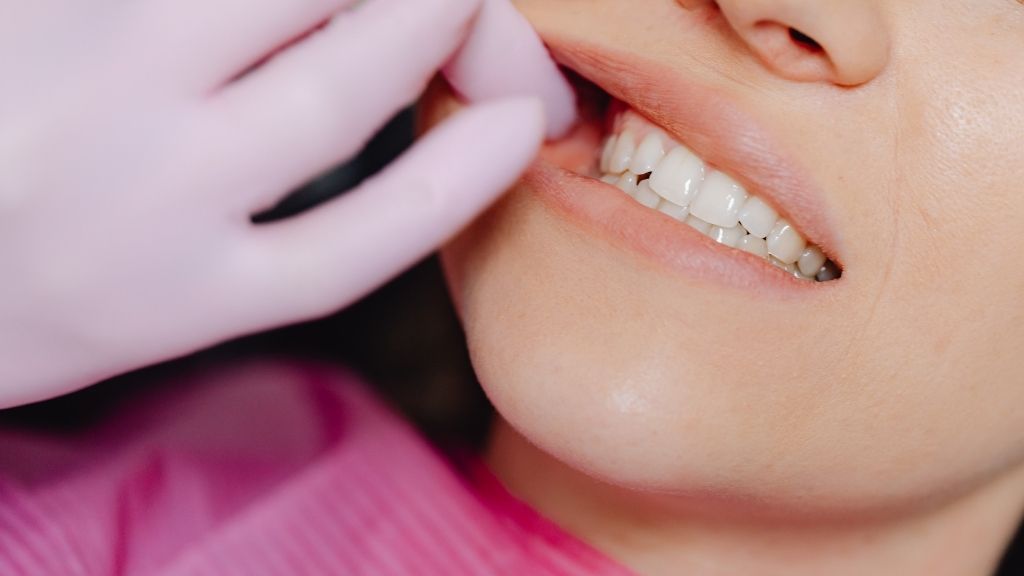
Composite bonding is commonly used to repair small chips or worn edges that alter the shape and balance of a tooth. These imperfections may result from everyday wear, minor trauma, or gradual enamel erosion over time. Bonding material can be added to rebuild the missing structure and restore a smooth, natural outline. Repairing chipped edges helps teeth look more even and intentional within the smile. Conservative repair preserves healthy enamel.
Why Minor Edge Damage Can Significantly Impact Smile Aesthetics
Even small chips along the front teeth can disrupt symmetry and draw attention when smiling or speaking. Irregular edges affect how light reflects off the teeth, making imperfections more noticeable. Restoring edge continuity helps reestablish visual balance across the smile.
How Composite Bonding Rebuilds Structure Without Extensive Preparation
Bonding material is applied only where structure has been lost, avoiding unnecessary reshaping of the surrounding enamel. This additive approach allows precise restoration while maintaining tooth strength. Minimal preparation supports long term tooth health.
Composite bonding can be used to close or soften small gaps between teeth when spacing issues are cosmetic rather than orthodontic. By adding material to one or both sides of a gap, dentists can adjust tooth width and improve spacing harmony. This approach is often chosen when patients want improvement without braces or aligners. Careful planning ensures proportions remain natural. Targeted spacing correction enhances continuity.
Why Gap Closure Requires Careful Proportion Management
Adding too much material can make teeth appear overly wide or bulky. Proper proportion is essential to maintain a balanced smile. Planning focuses on adjusting spacing while preserving natural tooth shape.
How Strategic Material Placement Maintains A Natural Look
Composite resin is placed selectively rather than evenly across the tooth surface. This preserves natural taper and contour. Strategic placement helps the bonded area blend seamlessly.
Composite bonding is well suited for addressing localized discoloration, white spots, or surface defects that do not respond to whitening treatments. These issues often originate within the enamel or tooth structure rather than on the surface. Bonding material can mask discoloration while matching surrounding enamel. Surface refinement improves uniformity without aggressive treatment. Cosmetic correction remains controlled.
Why Some Tooth Discoloration Cannot Be Corrected With Whitening
Intrinsic stains and enamel defects do not react predictably to bleaching agents. Whitening cannot change underlying color variations in these cases. Bonding provides coverage where whitening alone is ineffective.
How Shade Matching Creates A Seamless Cosmetic Result
Composite resin is selected and layered to reflect light similarly to natural enamel. Multiple shades may be used to mimic depth and translucency. Accurate shade matching prevents visible contrast.
Composite bonding allows dentists to refine tooth shape when natural contours appear uneven or asymmetrical. Subtle adjustments can be made to length, width, or curvature to improve overall balance. These changes are often minimal but visually impactful. Shape refinement helps teeth relate more harmoniously to one another. Symmetry supports natural aesthetics.
Why Small Shape Differences Can Affect Overall Smile Balance
Teeth are viewed together rather than individually, so minor irregularities can disrupt visual flow. Asymmetry may become more noticeable during speech or smiling. Refining shape restores consistency.
How Incremental Sculpting Produces Controlled Improvements
Bonding material is shaped gradually, allowing continuous assessment of proportions. This incremental process avoids overcorrection. Controlled sculpting supports realistic results.
Composite bonding can also be used to cover areas where enamel has thinned or been lost, helping protect the underlying tooth structure. Exposure may occur due to wear, erosion, or previous dental work. Bonding provides a protective layer while maintaining appearance. This application supports both function and aesthetics. Preservation is prioritized.
Why Enamel Loss Requires Both Functional And Cosmetic Consideration
Exposed tooth surfaces can be more sensitive and vulnerable to further wear. Addressing these areas helps protect the tooth while maintaining a natural look. Functional protection and appearance go hand in hand.
How Composite Bonding Supports Tooth Preservation
By covering exposed areas without removing additional structure, bonding helps shield the tooth from further damage. This conservative approach supports longevity. Preservation remains central to treatment planning.
What To Expect During A Composite Bonding Appointment
A composite bonding appointment is designed to be efficient while still allowing for careful planning, material control, and detailed finishing. Patients scheduling composite bonding in Los Angeles are often surprised by how much precision and decision making occurs within a single visit, especially compared to more automated cosmetic treatments. Understanding the structure of the appointment helps set expectations and highlights why bonding outcomes depend on technique rather than speed.
At PhD Dental, composite bonding in Los Angeles is approached as a sequence of deliberate steps, each focused on achieving natural appearance, proper function, and long term stability. The appointment is organized to allow evaluation, placement, and refinement to happen in a controlled manner. Knowing what happens at each stage helps patients feel informed and prepared.
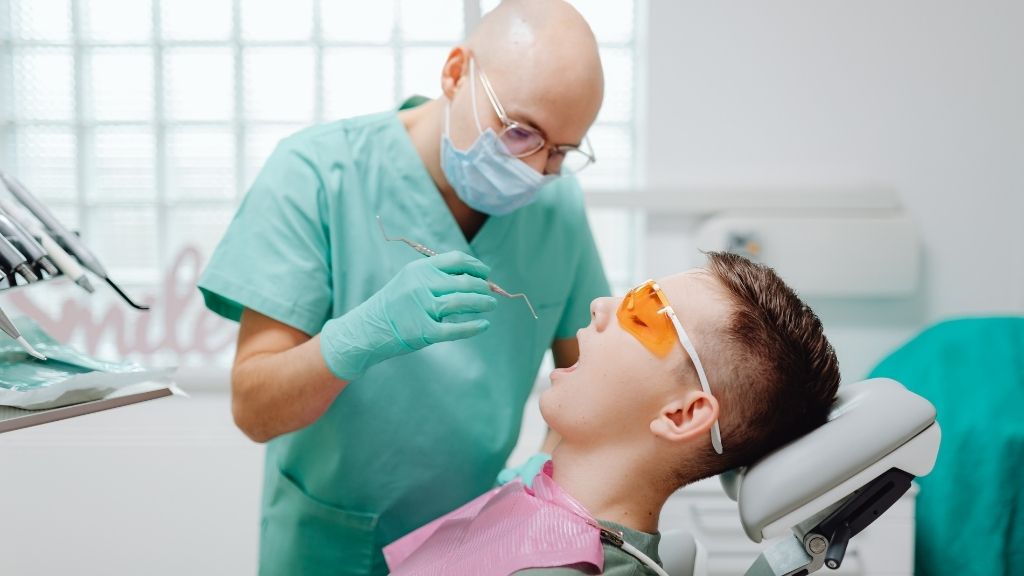
The appointment begins with a focused evaluation of the tooth or teeth being treated, including shape, color, bite contact, and surrounding enamel condition. Dentists assess how bonding will interact with neighboring teeth and how forces are distributed during normal function. Shade selection and contour planning occur at this stage to ensure the final result blends naturally. Planning before placement helps avoid unnecessary adjustments later. Clear goals guide the rest of the visit.
Why Pre Placement Planning Influences Bonding Quality
Bonding outcomes depend heavily on decisions made before material is applied. Poor planning can lead to mismatched color, uneven contours, or functional interference. Taking time to evaluate these factors supports a more predictable result.
How Shade And Shape Decisions Are Made Before Application
Dentists evaluate tooth color under natural lighting and consider translucency as well as base shade. Shape decisions account for symmetry, edge position, and how the tooth fits into the smile. Early decisions streamline placement.
Once planning is complete, the tooth surface is prepared and composite material is applied in controlled layers. Each layer is shaped and cured individually to build strength, depth, and natural appearance. This layering process allows dentists to fine tune contours and transitions as the restoration takes form. Incremental placement reduces the risk of bulkiness or weak spots. Precision during this phase is critical.
Why Layering Improves Strength And Aesthetic Depth
Applying composite in layers helps mimic the way natural enamel reflects light. Layering also improves material integrity by reducing internal stress. Both appearance and durability benefit from this technique.
How Controlled Curing Supports Long Term Performance
Each layer is cured to a specific hardness before the next is added. Proper curing ensures the material reaches optimal strength. Controlled curing reduces the likelihood of premature wear.
After the composite material is fully placed, dentists refine the shape and surface texture to match natural enamel. Polishing smooths the bonded area so it feels comfortable and resists plaque buildup. Bite adjustments are made to ensure the bonded tooth does not receive excessive force during chewing. Final checks confirm comfort and appearance. This finishing stage determines how the bonding feels day to day.
Why Polishing And Bite Checks Are Essential Before Completion
Rough surfaces can irritate soft tissue and attract plaque. Improper bite contact can cause chipping or discomfort. Finishing steps protect both comfort and longevity.
How Final Adjustments Improve Patient Comfort And Satisfaction
Refined contours feel more natural to the tongue and lips. Balanced bite contact reduces awareness of the restoration. Careful finishing supports long term acceptance.
What Affects The Longevity Of Composite Bonding Results
The longevity of composite bonding is shaped by how the material interacts with bite forces, daily habits, and long term oral care rather than by the procedure alone. Patients choosing composite bonding in Los Angeles often assume durability depends solely on material quality, but real outcomes are influenced by how bonding is planned, placed, and maintained over time. Understanding these variables helps patients protect their results and sets realistic expectations for how bonding performs in everyday use.
At PhD Dental, composite bonding in Los Angeles is planned with durability in mind by anticipating where stress will occur and how conditions may change over time. Longevity is supported through careful evaluation, conservative design, and guidance that helps patients avoid unnecessary wear. The factors below explain why some bonding lasts longer than others even when the same materials are used.

The way teeth contact each other during chewing, speaking, and resting has a direct impact on how composite bonding holds up over time. Bonded areas that repeatedly absorb heavy pressure experience greater mechanical fatigue, which can lead to chipping, surface wear, or loss of polish. Functional stress is especially important for front teeth that guide the bite and back teeth that absorb chewing forces. Evaluating these dynamics before placement helps determine where bonding will remain stable. Bite behavior strongly influences longevity.
Why Excessive Bite Pressure Gradually Weakens Composite Material
Composite resin responds differently to stress than natural enamel, particularly when force is concentrated in small contact areas. Repeated pressure can cause microscopic fatigue that accumulates over time rather than immediate failure. As stress builds, the risk of surface breakdown or edge chipping increases.
How Bite Analysis Guides Safer Bonding Design
Dentists assess contact points to avoid placing bonding where force is consistently high. Shape, thickness, and edge position are adjusted to distribute pressure more evenly. Thoughtful design reduces long term strain on the material.
Everyday behaviors play a significant role in how composite bonding ages, especially habits that place stress on the teeth outside normal chewing. Actions such as nail biting, chewing ice, or opening packaging with teeth can accelerate wear and increase the risk of fracture. Oral hygiene habits also affect longevity, as plaque accumulation can dull the surface and contribute to staining. Consistent care supports both appearance and function.
Why Certain Habits Create Repetitive Stress On Bonded Areas
Non functional habits apply force in directions the teeth are not designed to handle repeatedly. These stresses can weaken bonded edges and surfaces over time. Avoiding these behaviors helps protect the integrity of the material.
How Proper Hygiene Helps Preserve Bonding Appearance And Strength
Regular brushing and professional cleanings keep bonded surfaces smooth and free of buildup. Clean surfaces resist staining and maintain polish longer. Good hygiene supports both aesthetics and durability.
The longevity of composite bonding is closely tied to the quality of the material used and the precision of its placement. Different composite formulations vary in strength, polish retention, and wear resistance, making selection important for specific locations in the mouth. Placement technique, including layering and curing, affects how the material performs under stress. Precision during application reduces weak points. Technique directly influences lifespan.
Why Placement Technique Matters As Much As Material Quality
Even advanced composite materials can fail prematurely if placed improperly. Inadequate curing or excessive bulk can compromise strength and bonding to the tooth. Proper technique ensures the material performs as intended.
How Layering And Finishing Improve Long Term Performance
Incremental layering reduces internal stress and improves adaptation to the tooth surface. Careful finishing smooths edges and minimizes plaque retention. These steps help bonding withstand daily use more effectively.
How PhD Dental Delivers Precision Focused Composite Bonding Care
Composite bonding is only as effective as the planning and execution behind it, especially when durability and natural appearance are equally important goals. At PhD Dental, composite bonding is approached as a precision driven procedure that requires careful judgment at every stage, from initial assessment to final finishing. This focus allows bonding to enhance tooth appearance while maintaining functional stability and long term performance.
Patients seeking composite bonding in Los Angeles often want results that look refined rather than obvious and feel comfortable rather than bulky. PhD Dental emphasizes accuracy, restraint, and consistency so bonded restorations integrate seamlessly into the smile and perform reliably during daily use. Precision focused care helps ensure cosmetic improvement does not come at the expense of function or longevity.
Precision focused composite bonding begins with careful planning before any material touches the tooth surface. Dentists evaluate tooth anatomy, enamel condition, bite contact, and surrounding structures to determine how bonding should be shaped and positioned. This planning stage helps identify potential challenges, such as areas of heavy bite force or aesthetic limitations, before they affect the final result. Thoughtful preparation reduces the need for corrective adjustments later. Planning sets the foundation for accuracy.
Why Upfront Evaluation Improves Bonding Predictability
Bonding outcomes are heavily influenced by early decisions about shape, placement, and material thickness. Skipping thorough evaluation increases the risk of uneven contours or functional interference. Careful assessment allows dentists to anticipate how the bonded tooth will behave over time.
How Planning Supports Conservative And Targeted Treatment
When the treatment plan is clear, bonding can be limited to areas that truly need enhancement. This avoids unnecessary buildup and preserves healthy enamel. Conservative application supports both aesthetics and durability.
Composite bonding at PhD Dental relies on selecting materials that match both the visual and functional demands of the tooth being treated. Different areas of the mouth require different material characteristics, including strength, translucency, and wear resistance. Bonding is applied in controlled layers rather than a single bulk placement to improve strength and natural appearance. Layering allows dentists to fine tune contours and color as the restoration develops. Technique directly influences outcome quality.
Why Material Choice Affects Long Term Performance
Composite materials vary in how they respond to stress, moisture, and daily wear. Choosing the wrong material can lead to premature discoloration or breakdown. Matching material properties to clinical demands improves longevity.
How Layering Improves Strength And Aesthetic Depth
Incremental layering reduces internal stress within the composite and allows light to pass through the restoration more naturally. This creates depth similar to natural enamel. Layering also improves resistance to chipping and wear.
Once the composite material is fully placed, careful shaping and finishing ensure the bonded area blends seamlessly with the surrounding tooth structure. Dentists refine edges, contours, and surface texture so the restoration reflects light and feels natural during speech and chewing. Polishing smooths the surface to reduce plaque retention and improve comfort. Finishing steps are critical for both appearance and maintenance. Integration depends on precision.
Why Finishing Determines How Bonding Feels And Functions
Even well placed bonding can feel uncomfortable if contours are not refined properly. Rough or uneven surfaces can irritate soft tissue or disrupt bite contact. Finishing ensures the restoration behaves like natural enamel.
How Polished Surfaces Support Long Term Maintenance
Smooth, well polished bonding resists staining and plaque buildup more effectively. This helps the restoration maintain its appearance between professional visits. Maintenance becomes easier when surfaces are properly finished.
Precision focused care does not end when the bonding appointment is complete. PhD Dental emphasizes follow up evaluation to ensure bonded teeth continue to function as intended as bite dynamics and habits evolve. Small adjustments can be made if contact patterns change or wear begins to develop. Ongoing oversight helps preserve results. Long term precision requires continuity.
Why Monitoring Protects Against Gradual Wear Or Stress Changes
Teeth can shift subtly over time, altering how force is applied to bonded areas. Without monitoring, these changes may go unnoticed until damage occurs. Regular evaluation allows early intervention.
How Follow Up Care Supports Consistent Bonding Performance
Periodic assessment helps confirm that bonding remains stable, comfortable, and visually consistent. Adjustments can be made proactively rather than reactively. Consistent care supports durability.
Get Your Consultation For Composite Bonding in Los Angeles From PhD Dental Today
Composite bonding is most effective when it is planned carefully, applied with technical accuracy, and supported by follow-up and maintenance that protects the result over time. When material selection, layering technique, and bite considerations are handled thoughtfully, composite bonding can provide meaningful cosmetic improvement. Choosing a practice that prioritizes customizability and precision helps ensure the result feels natural and performs reliably rather than appearing temporary.
At PhD Dental, composite bonding in Los Angeles is delivered with a focus on long term performance rather than surface level enhancement. Each case is approached with attention to detail so restorations integrate comfortably into the smile and maintain their appearance with proper care. If you are ready to explore a cosmetic treatment that emphasizes accuracy and lasting results, call PhD Dental at (323)269-5437 or visit our contact page to schedule your consultation and discuss if composite bonding aligns with your goals.
Get in Touch with PhD Dental
Pick your location
Los Angeles
Los Angeles is a diverse and fast-moving city where access to dependable dental care is essential for individuals and families alike. PhD Dental serves patients throughout Los Angeles with a commitment to personalized care and long-term oral health.
Hours
- Mon 10:30AM - 7:30PM
- Tue 10:30AM - 7:30PM
- Wed 10:30AM - 7:30PM
- Thu 10:30AM - 7:30PM
- Fri 9:30AM - 7:30PM
- Sat 9:00AM - 3:00PM
- Sun Closed