

Dental Bonding in Los Angeles
Small imperfections in a smile can have an effect on how confident someone feels when speaking, laughing, or meeting new people. Patients exploring dental bonding in Los Angeles are often looking for a practical way to improve the appearance of chipped teeth, uneven edges, gaps, or minor discoloration without having to resort to extensive cosmetic procedures. Dental bonding offers a solution that focuses on reshaping and restoring teeth in a way that blends naturally.
At PhD Dental, dental bonding in Los Angeles is approached as a detail focused cosmetic and restorative service. Each bonding case is planned around tooth shape, bite alignment, and color harmony to ensure the final result looks balanced and natural. Many patients choose dental bonding in Los Angeles because it allows for noticeable improvement while preserving natural tooth structure. If you are considering a cosmetic adjustment that can enhance your smile while keeping treatment simple, professional guidance can help determine if bonding is right for you. Call PhD Dental at (323)269-5437 or visit our contact page to schedule a consultation and discuss how dental bonding can be used to refine and restore your smile.
Top-Rated Dentists
in Los Angeles
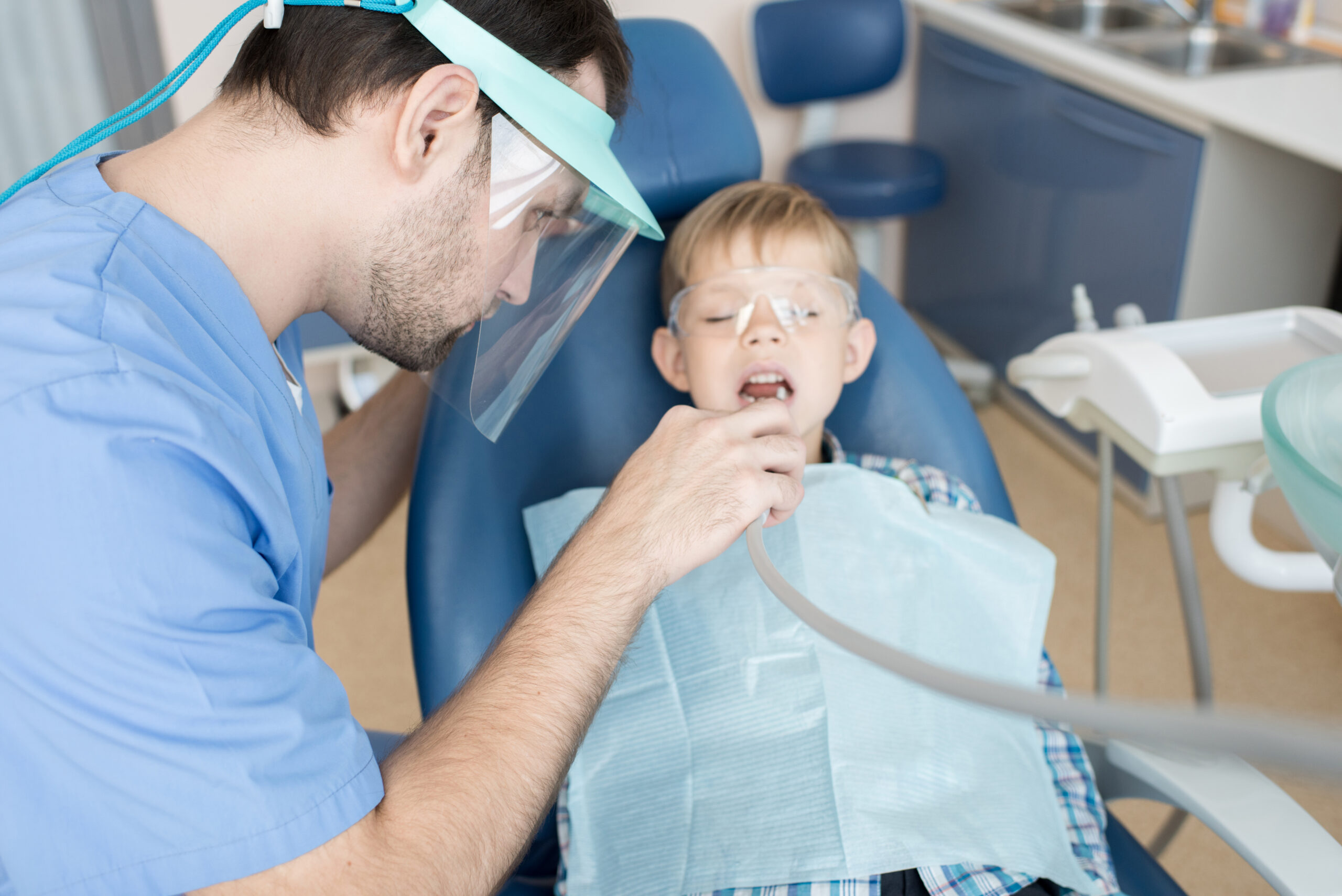
Patient-First Dentistry for Every Stage of Life
From early childhood development to adult care, we focus on patient comfort and comprehensive treatment.
Removing Barriers to Dental Care
We believe everyone deserves access to high-quality dental care, regardless of financial situation.

Comprehensive Dentistry Under One Roof
Orthodontics, implants, oral surgery, and preventative care all conveniently located in our clinics.
Expertise, Access & Convenient Locations
Multiple clinic locations across Los Angeles with extended hours to fit your busy schedule.
How Dental Bonding Improves Tooth Shape And Appearance
Dental bonding improves tooth shape and appearance by allowing dentists to add, sculpt, and refine tooth surfaces with precision rather than removing existing enamel. Patients considering dental bonding in Los Angeles are often looking to correct minor chips, uneven edges, small gaps, or subtle shape irregularities that affect how their smile looks and feels. Bonding material is applied directly to the tooth and shaped in layers, giving the dentist control over contour, symmetry, and proportion in a way that feels customized rather than standardized.
At PhD Dental, dental bonding in Los Angeles is planned with attention to how each tooth relates to neighboring teeth, the gumline, and the patient’s natural smile dynamics. Improvements are designed to look intentional and balanced rather than obvious or overbuilt. Understanding how bonding enhances appearance helps clarify why it is often chosen for conservative cosmetic refinement.
Dental bonding allows dentists to adjust the outline of a tooth so it appears more even and proportional within the smile as a whole. Small chips, worn edges, or uneven contours can be corrected by adding bonding material precisely where structure has been lost or needs refinement. This approach improves visual balance without reshaping healthy enamel unnecessarily. Even subtle contour adjustments can noticeably change how a smile is perceived. Symmetry contributes strongly to natural aesthetics.
Why Minor Shape Irregularities Can Disrupt Smile Harmony
Small inconsistencies in tooth length, edge curvature, or contour can stand out when teeth are viewed together rather than individually. These irregularities can draw attention during speech or smiling, even when they seem minor up close. Addressing shape inconsistencies helps restore visual flow across the smile.
How Controlled Sculpting Creates Seamless Visual Transitions
Bonding material is shaped incrementally so added structure blends smoothly into the existing enamel. Gradual transitions prevent sharp edges or bulky areas that would otherwise look artificial. Careful sculpting allows the bonded area to appear as a natural continuation of the tooth.
Dental bonding can be used to close minor gaps between teeth by adding material to one or both sides of the space. This technique is commonly chosen when spacing issues are cosmetic and do not require orthodontic movement. Bonding allows dentists to refine spacing while maintaining natural tooth proportions. The goal is to soften visual gaps rather than simply fill space. Proper planning keeps results subtle.
Why Gap Closure Requires Attention To Tooth Width And Balance
Adding material without considering overall tooth width can make teeth appear unnaturally large. Proper proportion ensures that closed gaps do not compromise smile harmony. Balance between tooth size and spacing guides successful bonding outcomes.
How Bonding Preserves Natural Tooth Shape While Addressing Gaps
Material is placed strategically along specific surfaces rather than evenly across the tooth. This approach maintains the natural taper and contour of the tooth. Preserving shape helps the bonded area blend seamlessly.
Dental bonding can mask localized discoloration, stains, or surface defects that do not respond well to traditional whitening methods. Composite material is carefully color matched to surrounding enamel to create a consistent appearance. This makes bonding effective for teeth with uneven coloration, white spots, or minor enamel irregularities. Surface refinement improves uniformity without aggressive preparation. Cosmetic correction remains conservative.
Why Certain Discoloration Cannot Be Corrected With Whitening Treatments
Some discoloration originates within the tooth structure or results from enamel defects rather than surface stains. Whitening agents are not able to alter these internal color changes. Bonding provides coverage where bleaching cannot deliver predictable results.
How Layered Color Matching Creates A Natural Blend
Composite materials are selected and layered to mimic natural enamel translucency and shade variation. This technique helps the bonded area respond to light similarly to adjacent teeth. Thoughtful layering prevents flat or opaque results.
Teeth that have worn down over time can appear shorter, uneven, or less defined, altering smile aesthetics. Dental bonding allows dentists to rebuild worn edges and restore a more balanced tooth length. This reshaping helps teeth appear healthier and more proportional within the smile. Restoring edge definition can also improve how teeth meet during biting. Structure is preserved while appearance is refined.
Why Tooth Wear Alters Overall Smile Proportions
As enamel wears, teeth lose height and edge definition, which can change facial proportions and smile balance. Worn edges may make teeth appear aged or flattened. Addressing wear helps restore natural proportions.
How Bonding Restores Definition Without Removing Healthy Enamel
Bonding adds material only where enamel has been lost rather than reshaping the entire tooth. This avoids unnecessary removal of healthy structure. Conservative restoration supports longevity.
Dental bonding is often used to enhance a smile while maintaining the individuality of each tooth. Dentists can preserve subtle variations in shape and contour that contribute to a natural appearance. The goal is refinement rather than perfection. This approach helps results feel authentic and comfortable. Long term satisfaction is higher when character is preserved.
Why Preserving Subtle Variations Prevents An Artificial Look
Perfect symmetry can sometimes appear unnatural, especially when all teeth look identical. Small variations add realism and depth. Maintaining character supports a believable result.
How Conservative Bonding Avoids An Overly Perfect Appearance
Bonding is applied with restraint and purpose rather than excess material. Enhancements are limited to areas that improve balance. This keeps results refined rather than exaggerated.
When Dental Bonding Is The Most Appropriate Cosmetic Solution
Dental bonding is most appropriate when cosmetic concerns can be corrected through additive reshaping rather than tooth reduction or structural replacement. Patients exploring dental bonding in Los Angeles often want an option that improves appearance while keeping treatment conservative and reversible when possible. Understanding when bonding is the best choice helps set realistic expectations and ensures the solution aligns with both aesthetic goals and tooth health.
At PhD Dental, dental bonding in Los Angeles is recommended based on the scope of change needed, enamel condition, and how the teeth function together during everyday use. Bonding is selected when it can deliver a stable, natural looking improvement without introducing unnecessary complexity. Clear criteria guide when bonding is favored over alternatives.
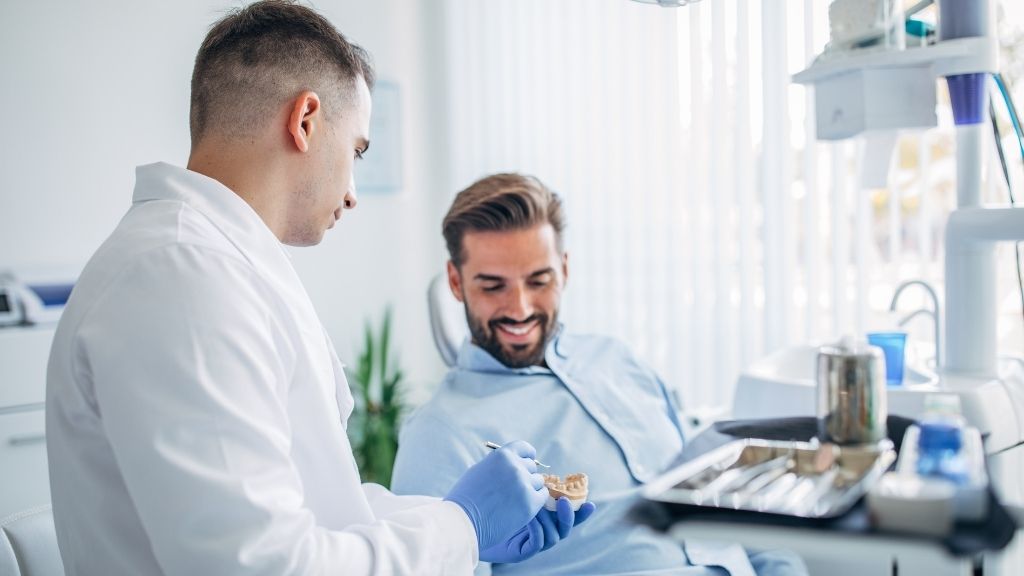
Dental bonding is well suited for small cosmetic adjustments where the existing tooth structure is healthy and largely intact. Situations such as minor chips, uneven edges, or subtle contour irregularities can often be corrected without removing enamel. Bonding allows dentists to add material precisely where refinement is needed rather than reshaping the tooth. This conservative approach preserves natural structure. Minimal intervention supports long term tooth integrity.
Why Preserving Enamel Matters In Cosmetic Treatment Planning
Enamel does not regenerate once removed, making preservation an important consideration in cosmetic dentistry. Treatments that rely on reduction should be reserved for cases where additive solutions are insufficient. Bonding allows improvement while maintaining the tooth’s natural protective layer.
How Additive Techniques Support Conservative Smile Enhancement
Bonding builds onto existing enamel instead of cutting into it. This maintains strength and reduces the risk of sensitivity. Conservative enhancement often aligns better with long term oral health.
Dental bonding is often the most appropriate option when cosmetic concerns are confined to a small number of teeth. Isolated chips, spacing issues, or shape discrepancies can be addressed without altering the rest of the smile. Bonding allows targeted correction that blends with surrounding teeth. Treating only what needs adjustment avoids unnecessary work. Precision supports a cohesive result.
Why Isolated Issues Do Not Always Require Comprehensive Cosmetic Treatment
Full smile makeovers are not necessary when imperfections are limited and localized. Addressing only the affected teeth reduces cost, time, and treatment intensity. Focused care often delivers sufficient improvement.
How Targeted Bonding Maintains Overall Smile Balance
By limiting treatment to specific teeth, dentists can preserve the natural harmony of the smile. Bonding is shaped and color matched to blend seamlessly. Balance is maintained without overcorrection.
Dental bonding is frequently chosen by patients who want cosmetic improvement without a permanent alteration to their teeth. Because bonding does not require extensive enamel removal, it can often be modified or removed in the future. This flexibility appeals to patients who may consider additional cosmetic options later. Bonding provides improvement without locking in irreversible change. Choice remains open.
Why Reversibility Is Important For Some Cosmetic Decisions
Personal preferences, lifestyle changes, or evolving aesthetic goals can influence future treatment decisions. A reversible option allows patients to reassess over time. Flexibility reduces pressure to commit prematurely.
How Bonding Allows Future Cosmetic Adjustments If Desired
Bonding material can be reshaped, repaired, or replaced as needs change. This adaptability supports long term planning. Patients retain control over future cosmetic direction.
Dental bonding may be recommended when discoloration, spacing, or shape concerns do not justify whitening programs or orthodontic movement. Some issues are aesthetic rather than positional or color based. Bonding provides a direct solution without extended treatment timelines. Efficiency matters for many patients. Simplicity can be advantageous.
Why Not All Aesthetic Issues Require Orthodontic Or Whitening Treatment
Orthodontics and whitening address specific categories of concerns. When issues fall outside those categories, alternative solutions are needed. Bonding fills this gap effectively.
How Bonding Offers Immediate Cosmetic Refinement
Bonding can often be completed in a single visit. Immediate improvement appeals to patients seeking timely results. Efficiency does not require sacrificing quality.
How PhD Dental Balances Aesthetics And Function In Dental Bonding
Successful dental bonding depends on more than improving how a tooth looks in isolation, because cosmetic changes must also respect how teeth function together during everyday use. At PhD Dental, dental bonding is planned with equal attention to appearance, bite dynamics, and long term wear so results remain stable as well as visually natural. This balance allows cosmetic refinement without introducing functional problems that can undermine durability or comfort.
Patients considering dental bonding in Los Angeles often want subtle improvement that feels intentional rather than obvious. PhD Dental focuses on creating results that blend naturally into the smile while maintaining proper contact, alignment, and bite relationships. This dual focus helps ensure bonding enhances confidence without compromising oral health.
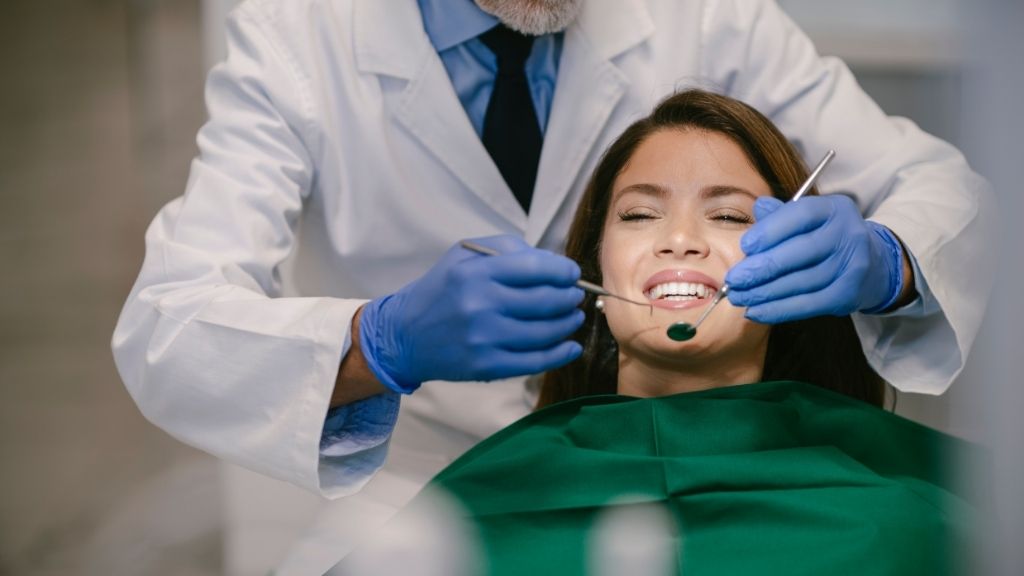
Before dental bonding is placed, clinicians assess how the teeth come together during chewing, speaking, and resting positions. Even small changes in tooth shape or length can influence how force is distributed across the bite. Evaluating these dynamics helps prevent bonding from being placed in areas that experience excessive pressure. Functional assessment is an essential first step in planning.
Why Bite Forces Must Be Considered Before Cosmetic Bonding
Teeth are subject to significant forces during daily function, especially along the front edges and biting surfaces. If bonding material is placed without accounting for these forces, it may chip or wear prematurely. Understanding bite pressure helps guide where and how bonding should be applied.
How Functional Assessment Reduces The Risk Of Premature Wear
By identifying areas of heavy contact, dentists can adjust bonding design to minimize stress. Material can be shaped to avoid direct force during biting. This approach improves longevity and patient comfort.
Dental bonding at PhD Dental is shaped to follow the natural anatomy of each tooth rather than forcing uniform shapes across the smile. Subtle ridges, contours, and transitions are preserved so bonded teeth blend seamlessly with surrounding enamel. This attention to anatomy helps results look realistic instead of flat or artificial. Natural form supports both aesthetics and function.
Why Tooth Anatomy Influences Both Appearance And Performance
Natural tooth anatomy is designed to guide food, support speech, and distribute forces efficiently. Altering these contours without care can affect how teeth interact. Respecting anatomy allows bonding to perform more like natural enamel.
How Anatomical Shaping Improves Visual And Functional Integration
Bonding that mirrors natural contours reflects light more naturally and feels more familiar to the tongue and lips. This integration reduces the sensation of something added or foreign. Comfort and realism improve together.
Material selection plays a critical role in balancing aesthetics and function in dental bonding. Composite materials are chosen based on strength requirements, translucency, and color compatibility with surrounding teeth. Shade selection considers how teeth appear in different lighting conditions rather than relying on a single static color. Thoughtful material choice supports both appearance and wear resistance.
Why Material Properties Matter In Long Term Bonding Results
Different bonding materials respond differently to stress, moisture, and temperature changes. Selecting a material suited to the location and function of the tooth helps reduce chipping and discoloration. Durability depends on matching material properties to clinical demands.
How Layered Shade Selection Enhances Natural Appearance
Using multiple shades and translucencies allows bonded areas to mimic the depth of natural enamel. This prevents restorations from appearing opaque or mismatched. Layering supports a more lifelike result.
Balancing aesthetics and function extends beyond placement to how bonding is maintained over time. PhD Dental emphasizes follow through to monitor how bonded teeth respond to daily use. Adjustments can be made if wear patterns or bite dynamics change. Ongoing oversight supports longevity.
Why Monitoring Is Important After Cosmetic Bonding
Even well planned bonding can be affected by changes in bite, habits, or wear over time. Monitoring allows issues to be addressed early. Prevention helps preserve results.
How Maintenance Planning Supports Long Term Stability
Guidance on hygiene, bite protection, and follow up visits helps patients protect their bonding. Maintenance reduces the risk of damage. Stability improves when care continues beyond placement.
Speak With PhD Dental to Learn About Our Dental Bonding in Los Angeles Today
Cosmetic improvements are most successful when they are planned with both appearance and everyday function in mind. Dental bonding offers an opportunity to correct small imperfections while preserving natural tooth structure, but results depend heavily on careful design and execution. Approaching bonding with intention helps ensure changes feel natural, comfortable, and stable over time rather than temporary or overstated.
At PhD Dental, dental bonding in Los Angeles is guided by detailed planning, material selection, and follow through that support long term wear as well as visual harmony. Each case is treated as a balance between refinement and restraint, so results enhance your smile without introducing unnecessary complexity. This focus allows bonding to remain a practical, durable cosmetic option for the right situations. If you are ready to move forward with a cosmetic solution that prioritizes subtle improvement and lasting results, call PhD Dental at (323)269-5437 or visit our contact page to schedule your consultation and discuss how dental bonding can be incorporated into your personalized smile plan.
Get in Touch with PhD Dental
Pick your location
Los Angeles
Los Angeles is a diverse and fast-moving city where access to dependable dental care is essential for individuals and families alike. PhD Dental serves patients throughout Los Angeles with a commitment to personalized care and long-term oral health.
Hours
- Mon 10:30AM - 7:30PM
- Tue 10:30AM - 7:30PM
- Wed 10:30AM - 7:30PM
- Thu 10:30AM - 7:30PM
- Fri 9:30AM - 7:30PM
- Sat 9:00AM - 3:00PM
- Sun Closed