
Gummy Smiles Treatment in Los Angeles
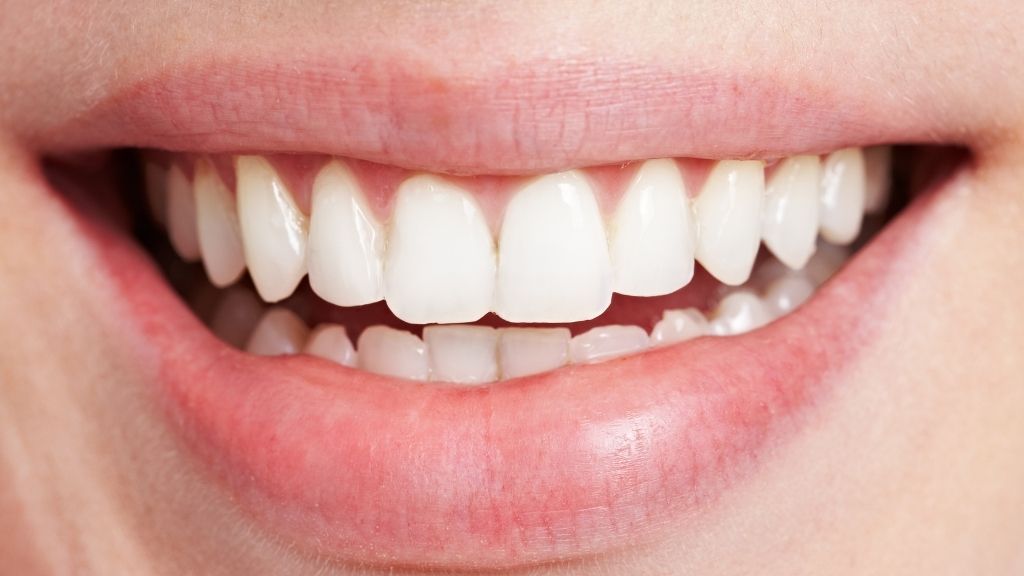
A smile is shaped not only by teeth, but by how much gum tissue shows above the teeth. For some people, excessive gum display becomes noticeable in photos, conversation, or laughter, even when the teeth themselves are healthy and straight. Those exploring gummy smiles treatment in Los Angeles are often responding to this visibility issue rather than a dental problem.
At PhD Dental, gummy smiles treatment in Los Angeles is planned by analyzing how gums, teeth, lips, and facial movement interact rather than focusing on a single fix. Effective gummy smiles treatment in Los Angeles focuses on adjusting what is contributing to excess visibility so the smile feels balanced, intentional, and natural rather than unusually altered. If excessive gum display has been affecting how confident you feel when you smile, a focused evaluation can help identify what is driving the issue and which treatment options make sense for your situation. Call PhD Dental at (323)269-5437 or visit our contact page to schedule a consultation and begin exploring customized approaches to gummy smiles treatment.
Top-Rated Dentists
in Los Angeles
Patient-First Dentistry for Every Stage of Life
From early childhood development to adult care, we focus on patient comfort and comprehensive treatment.
Removing Barriers to Dental Care
We believe everyone deserves access to high-quality dental care, regardless of financial situation.

Comprehensive Dentistry Under One Roof
Orthodontics, implants, oral surgery, and preventative care all conveniently located in our clinics.
Expertise, Access & Convenient Locations
Multiple clinic locations across Los Angeles with extended hours to fit your busy schedule.
What Causes Excess Gum Display When Smiling
Excess gum display when smiling is usually the result of how teeth, gums, lips, and facial muscles interact rather than a single isolated issue. Patients seeking gummy smiles treatment in Los Angeles are often surprised to learn that healthy teeth and gums can still appear unbalanced if the surrounding structures create too much visibility above the teeth. Identifying the cause of excess gum display is essential because treatment must address the underlying driver rather than simply masking the appearance.
At PhD Dental, gummy smiles treatment in Los Angeles begins with understanding why the gums are more visible during smiling, laughing, or speaking. Different causes require different solutions, and misidentifying the source can lead to ineffective or short lived results. The most common contributors involve gum tissue levels, tooth eruption patterns, lip movement, and jaw positioning.

One common cause of a gummy smile is excess gum tissue that covers more of the tooth surface than is typical. When the gums extend too far down the teeth, the visible portion of the teeth appears shorter, making the gums more dominant in the smile. This condition can occur even when the teeth are properly aligned and healthy. Excess tissue changes the visual balance between teeth and gums. Addressing tissue height often restores more natural proportions.
Why Excess Gum Tissue Alters Smile Appearance
When gum tissue covers a larger portion of the teeth, less enamel is visible during smiling. This creates the impression of short teeth and an exaggerated gum line. The imbalance becomes more noticeable as the lips lift higher.
How Tissue Height Influences Smile Proportions
Gum height determines how much of each tooth is displayed when smiling. Small changes in tissue position can significantly affect overall smile balance. Proper proportions rely on exposing enough tooth structure.
In some cases, teeth do not fully emerge from the gums during development, a condition sometimes referred to as altered passive eruption. When this occurs, the gums remain positioned higher on the teeth than expected. The teeth themselves may be normal in size, but they appear shorter because more enamel remains covered. This eruption pattern affects how the smile is framed. Correcting eruption related issues can reveal natural tooth length.
Why Altered Eruption Patterns Affect Gum Visibility
Incomplete eruption leaves excess gum tissue over the enamel surface. This changes the visual relationship between teeth and gums. The result is increased gum display even with normal lip movement.
How Identifying Eruption Issues Guides Treatment Selection
Treatment differs when the issue is eruption related rather than muscular or skeletal. Addressing the gum position directly can often resolve the imbalance. Accurate identification prevents unnecessary intervention elsewhere.
Some individuals have an upper lip that elevates higher than average when smiling, exposing more gum tissue. This hyperactive lip movement can cause a gummy appearance even when gum and tooth proportions are otherwise normal. The issue is related to muscle activity rather than dental structure. Lip movement plays a significant role in smile dynamics. Treatment focuses on controlling excessive elevation.
Why Lip Mobility Affects Gum Exposure
As the upper lip lifts, it reveals the gums above the teeth. When elevation is excessive, more gum tissue becomes visible. This can exaggerate gum display during natural expressions.
How Muscle Activity Is Evaluated During Smile Analysis
Dentists observe how the lip moves during smiling and speaking. This helps determine whether muscle activity contributes to gum exposure. Evaluation guides appropriate treatment planning.
In some cases, the position of the upper jaw contributes to excess gum display. Vertical maxillary growth can cause the gums to appear more prominent when smiling. This skeletal factor affects how the teeth and gums are positioned relative to the lips. Bone structure plays a foundational role in smile appearance. Treatment planning must account for skeletal influence.
Why Jaw Position Can Increase Gum Visibility
When the upper jaw sits lower or grows vertically, more gum tissue is exposed during smiling. This structural relationship affects overall facial balance. Gum display becomes more pronounced.
How Skeletal Factors Are Distinguished From Soft Tissue Causes
Dentists evaluate facial proportions and tooth positioning to assess skeletal contribution. Imaging and clinical observation help differentiate causes. Accurate diagnosis ensures appropriate recommendations.
Many gummy smiles result from more than one contributing factor rather than a single cause. Excess gum tissue, lip movement, and eruption patterns can overlap, amplifying gum visibility. When multiple elements are involved, treatment must be coordinated carefully. Comprehensive evaluation prevents incomplete correction. Addressing all contributors leads to more stable results.
Why Combined Causes Require A Tailored Treatment Plan
Treating only one factor may not fully resolve the gummy appearance. Overlooking additional contributors can limit improvement. A tailored plan ensures all drivers are addressed.
How Comprehensive Evaluation Supports Effective Outcomes
Evaluating teeth, gums, lips, and facial structure together provides a complete picture. This allows treatment to be selected strategically. Comprehensive planning improves long term satisfaction.
How Smile Balance Is Restored Through Targeted Gummy Smile Treatment
Restoring balance in a gummy smile requires addressing how teeth, gums, lips, and facial movement interact during natural expression rather than focusing on gum visibility alone. Patients pursuing gummy smiles treatment in Los Angeles are often seeking improvement that feels proportionate and controlled instead of dramatic or artificial. Targeted treatment concentrates on correcting the specific elements that disrupt balance so the smile appears harmonious both in motion and at rest.
At PhD Dental, gummy smiles treatment in Los Angeles is planned by evaluating the interaction between dental structures and facial mechanics rather than applying a single cosmetic technique universally. By identifying the precise contributors involved, treatment can be calibrated to restore balance without overcorrection or unintended changes to facial expression. This individualized planning approach supports outcomes that remain natural looking and stable over time.

When excess gum tissue covers a disproportionate amount of the tooth surface, restoring smile balance often begins with carefully adjusting gum levels to reveal natural enamel proportions. This process focuses on exposing tooth structure that already exists rather than altering or reshaping the teeth themselves. Even modest changes in gum height can significantly change how long, defined, and balanced the teeth appear during smiling. Adjusting gum levels helps shift visual emphasis back toward the teeth. Proper proportions are reestablished through careful restraint rather than aggressive tissue removal.
Why Tooth To Gum Ratios Strongly Influence Smile Balance
The visible ratio between teeth and gums plays a central role in how a smile is perceived, especially when the lips lift fully during expression. Teeth that appear too short relative to surrounding gum tissue can make the smile feel crowded or dominated by soft tissue. Restoring a more typical ratio allows the teeth to anchor the smile visually and appear more prominent.
How Controlled Gum Adjustment Enhances Visual Harmony Without Overcorrection
Careful tissue modification focuses on incremental change instead of excessive reshaping. This controlled approach allows the gum line to frame the teeth evenly while preserving healthy tissue. Subtle adjustment helps maintain a refined appearance that does not draw attention to the treatment itself.
In many gummy smile cases, restoring balance does not require reshaping, restoring, or lengthening the teeth. Instead, improving how much of the natural tooth is visible can dramatically change overall smile aesthetics. By addressing gum position or eruption related factors, more enamel can be revealed without adding or removing tooth material. This approach preserves natural tooth structure while improving appearance. Conservation remains an important principle throughout treatment planning.
Why Preserving Natural Tooth Structure Supports Long Term Oral Health
Natural enamel provides strength, protection, and resistance to wear that restorative materials cannot fully replicate. Preserving tooth structure reduces the risk of sensitivity and minimizes the likelihood of future restorative procedures. Conservative strategies support both aesthetic improvement and long term oral stability.
How Targeted Treatment Reveals Existing Tooth Length Rather Than Creating It
In many situations, enamel has been present but hidden beneath excess gum tissue. Correcting gum position allows this natural tooth length to become visible without modifying the tooth surface. The resulting improvement feels authentic because the tooth itself remains unchanged.
When excessive gum display is driven by how far the upper lip lifts during smiling, restoring balance requires addressing muscular movement rather than dental structure. Targeted treatment focuses on moderating excessive lip elevation while preserving natural expression and facial mobility. By controlling how much gum tissue is revealed during motion, the smile can appear more proportionate and balanced. Lip dynamics are evaluated carefully to avoid restricting normal facial movement. Balance is achieved through controlled moderation rather than limitation.
Why Upper Lip Mobility Plays A Critical Role In Smile Appearance
The upper lip determines how much of the teeth and gums are exposed during smiling, laughing, or spontaneous expression. Excessive elevation can exaggerate gum visibility even when tooth and gum proportions are otherwise ideal. Managing lip movement helps regulate exposure without altering underlying dental structures.
How Treatment Can Reduce Excessive Elevation While Preserving Natural Expression
Approaches that moderate lip lift focus on limiting excessive movement rather than immobilizing the lip entirely. This allows the smile to remain expressive, comfortable, and natural looking. Controlled moderation supports balance without creating stiffness or unnatural movement.
Many gummy smiles result from more than one contributing factor, such as gum tissue position combined with lip movement or eruption patterns. Restoring balance in these cases requires coordinating multiple adjustments rather than relying on a single correction. Addressing only one factor can leave other contributors unresolved, limiting overall improvement. Comprehensive planning ensures that changes work together harmoniously. Coordination helps prevent partial or unstable results.
Why Isolated Treatment Often Fails To Fully Restore Smile Balance
Correcting one aspect of a gummy smile may unintentionally highlight another contributing factor. For example, adjusting gum levels alone may not sufficiently address excessive lip elevation. A broader approach ensures that improvements are cohesive and complete.
How Integrated Planning Creates More Stable And Predictable Outcomes
Evaluating all contributing elements together allows treatment to be sequenced strategically and deliberately. Each adjustment is designed to support the others rather than compete with them. Integration improves both appearance consistency and long term stability.
Balancing Smile Aesthetics And Facial Movement At PhD Dental
Creating a balanced smile in cases of excess gum display requires careful attention to how dental structures interact with facial movement during natural expression. At PhD Dental, gummy smiles treatment is approached with the understanding that a smile is dynamic, not static, and that changes must look natural while speaking, laughing, and expressing emotion. Aesthetic improvement is evaluated in motion as well as at rest so results remain comfortable and believable in everyday life.
Patients seeking gummy smiles treatment in Los Angeles often want improvement that enhances confidence without making the smile feel restricted or artificial. PhD Dental focuses on coordinating gum position, tooth visibility, and facial movement so the smile appears balanced across a full range of expressions. This balance helps ensure treatment feels integrated with the face rather than isolated to the teeth.

Smile aesthetics can look very different when the face is at rest compared to when it is fully animated. At PhD Dental, evaluation focuses on how the lips, gums, and teeth interact during natural movement instead of relying solely on static photographs or measurements. Observing how the smile behaves during speech and laughter helps identify contributors to excess gum display. Dynamic assessment provides a more accurate foundation for treatment planning. Movement reveals patterns that static views cannot capture.
Why Static Evaluation Can Miss Key Contributors To Gummy Smiles
A smile that appears balanced at rest may show excessive gum tissue once facial muscles engage fully. Static evaluation alone may overlook how lip elevation or muscle tension affects gum exposure. Movement based assessment helps prevent undercorrection or overcorrection.
How Dynamic Observation Improves Treatment Accuracy
Watching how the smile changes during natural expression allows treatment to be tailored to real world conditions. Adjustments can be planned to address peak gum visibility rather than average appearance. This improves predictability and satisfaction.
Balancing aesthetics requires aligning gum levels with how the lips move rather than adjusting tissue in isolation. At PhD Dental, gum modification is planned to complement facial expression so the smile looks proportionate throughout movement. This coordination helps avoid results that appear correct only in certain positions. Gum position is evaluated relative to lip lift patterns. Alignment supports harmony.
Why Gum Level Changes Must Match Lip Movement
If gum tissue is adjusted without considering lip dynamics, the smile may appear uneven or exaggerated during expression. Lip movement determines how much of the gums are revealed. Matching gum position to movement improves balance.
How Coordinated Planning Prevents Unnatural Results
By evaluating gum height alongside lip elevation, adjustments can be made conservatively. This prevents excessive exposure or overly aggressive correction. Coordination supports natural aesthetics.
A key goal of gummy smiles treatment is improving balance without limiting how the face moves. At PhD Dental, treatment is planned to preserve expressive range so the smile continues to feel spontaneous and comfortable. Avoiding stiffness or restricted movement is essential for natural results. Facial expression is protected throughout planning. Comfort and authenticity remain priorities.
Why Overcorrection Can Affect Facial Comfort
Excessive adjustment may interfere with natural muscle movement or create tension during smiling. This can make expressions feel forced or uncomfortable. Preserving movement helps maintain ease.
How Conservative Adjustments Support Expressive Freedom
Subtle, well planned changes allow the face to move naturally. Treatment focuses on moderation rather than elimination of movement. Expressive freedom is maintained.
Balancing smile aesthetics and facial movement requires integrating dental evaluation with facial analysis rather than treating them separately. At PhD Dental, gummy smiles treatment is planned by considering teeth, gums, lips, and facial structure together. This integrated approach helps ensure that correcting one element does not disrupt another. Unified planning supports stable outcomes. Cohesion improves longevity.
Why Integrated Planning Produces More Predictable Results
When dental and facial factors are addressed together, treatment decisions are better aligned. This reduces the risk of unintended changes. Predictability increases.
How A Unified Approach Supports Long Term Satisfaction
Patients benefit when improvements feel natural across time and expression. Integrated planning reduces the likelihood of revision. Satisfaction remains higher when balance is preserved.
Speak With PhD Dental About Our Gummy Smiles Treatment in Los Angeles Today
Excess gum display can influence how comfortable and confident a smile feels, especially when it draws attention away from the teeth during everyday expression. Gummy smiles treatment in Los Angeles is most effective when it is guided by a clear understanding of what causes the imbalance and how facial movement, gum position, and tooth visibility interact together. Moving forward with a plan that addresses these factors together can lead to results that feel natural.
At PhD Dental, gummy smiles treatment in Los Angeles is designed to restore balance without compromising expression or comfort. Care focuses on correction and outcomes that remain stable across a full range of facial movement. Patients often pursue gummy smiles treatment in Los Angeles because thoughtful treatment can improve smile harmony while preserving individuality and natural expression. If you are ready to explore a personalized approach to gummy smiles treatment in Los Angeles that prioritizes lasting confidence, call PhD Dental at (323)269-5437 or visit our contact page to schedule your consultation today.
Get in Touch with PhD Dental
Pick your location
Los Angeles
Los Angeles is a diverse and fast-moving city where access to dependable dental care is essential for individuals and families alike. PhD Dental serves patients throughout Los Angeles with a commitment to personalized care and long-term oral health.
Hours
- Mon 10:30AM - 7:30PM
- Tue 10:30AM - 7:30PM
- Wed 10:30AM - 7:30PM
- Thu 10:30AM - 7:30PM
- Fri 9:30AM - 7:30PM
- Sat 9:00AM - 3:00PM
- Sun Closed