

Teeth Whitening Dentists in Los Angeles
In Los Angeles, a Teeth Whitening Dentist helps patients brighten their smile with a plan that targets and fixes discoloration. Whitening works best when the dentist identifies whether stains are surface-level from food and drink, deeper from aging or prior dental work, or related to enamel changes that affect how color shows through. At PHD Dental, our professional approach sets clear expectations for shade improvement and reduces the guesswork that often comes with over-the-counter products. Patients in Los Angeles often choose dentist-supervised whitening when they want a noticeable change with better predictability and fewer sensitivity surprises.
We approach whitening as a precision service that protects enamel and gum tissue while delivering a cleaner, brighter look that still appears natural. The team evaluates existing restorations, baseline shade, and sensitivity risk so the plan fits your teeth rather than forcing a one-size method. This clarity builds trust because patients understand what whitening can change, what it cannot change, and how results will be maintained after treatment. A well-managed whitening outcome should improve brightness without creating persistent sensitivity, uneven color, or a result that looks overly artificial in different lighting.
Are you ready for bright results? Call (323) 269-5437 to schedule a consultation with PHD Dental and speak with our best teeth whitening dentists in Los Angeles.
Top-Rated Dentists
in Los Angeles

Patient-First Dentistry for Every Stage of Life
From early childhood development to adult care, we focus on patient comfort and comprehensive treatment.
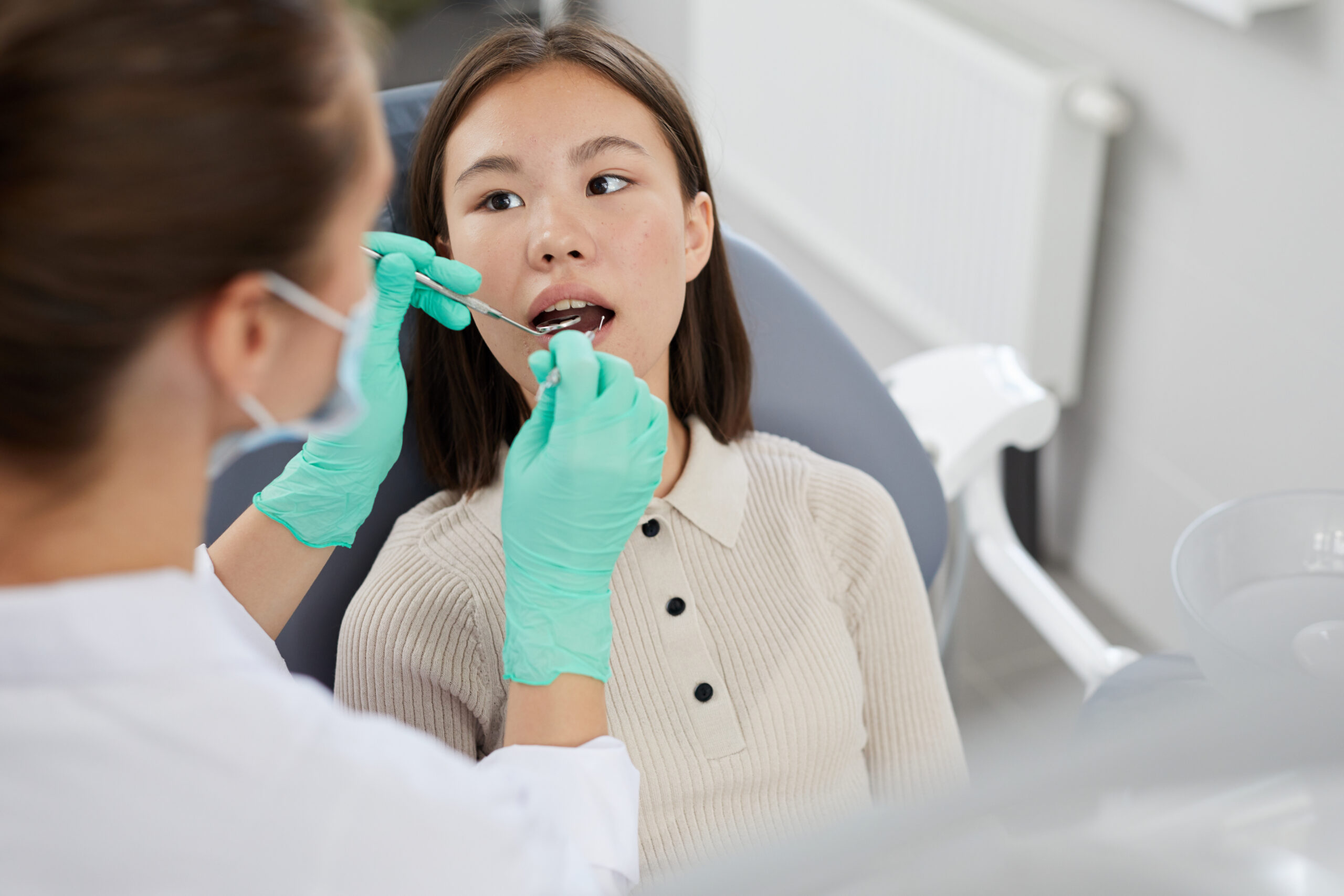
Removing Barriers to Dental Care
We believe everyone deserves access to high-quality dental care, regardless of financial situation.

Comprehensive Dentistry Under One Roof
Orthodontics, implants, oral surgery, and preventative care all conveniently located in our clinics.
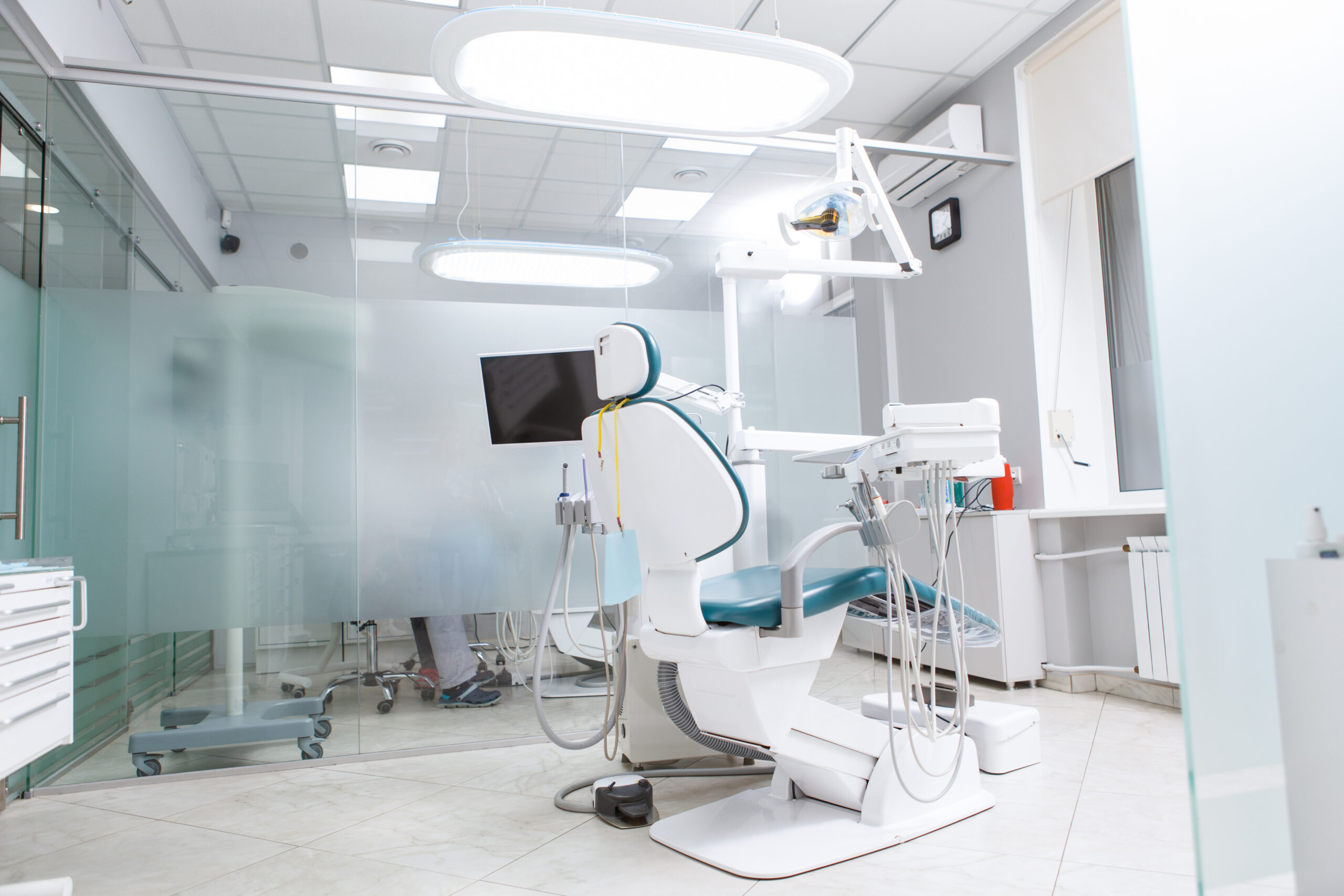
Expertise, Access & Convenient Locations
Multiple clinic locations across Los Angeles with extended hours to fit your busy schedule.
Professional Teeth Whitening Options Offered by Los Angeles Dentists
Professional whitening options vary based on how quickly you want results, how sensitive your teeth are, and whether you need controlled shade changes rather than a single high-intensity session. Dentist-supervised whitening focuses on predictable chemistry and safe application, including protecting gum tissue and managing exposure time. The right option is usually the one that matches the type of discoloration and the patient’s tolerance, not the most aggressive approach. PHD Dental helps patients choose a whitening method that balances speed, comfort, and realistic shade improvement.
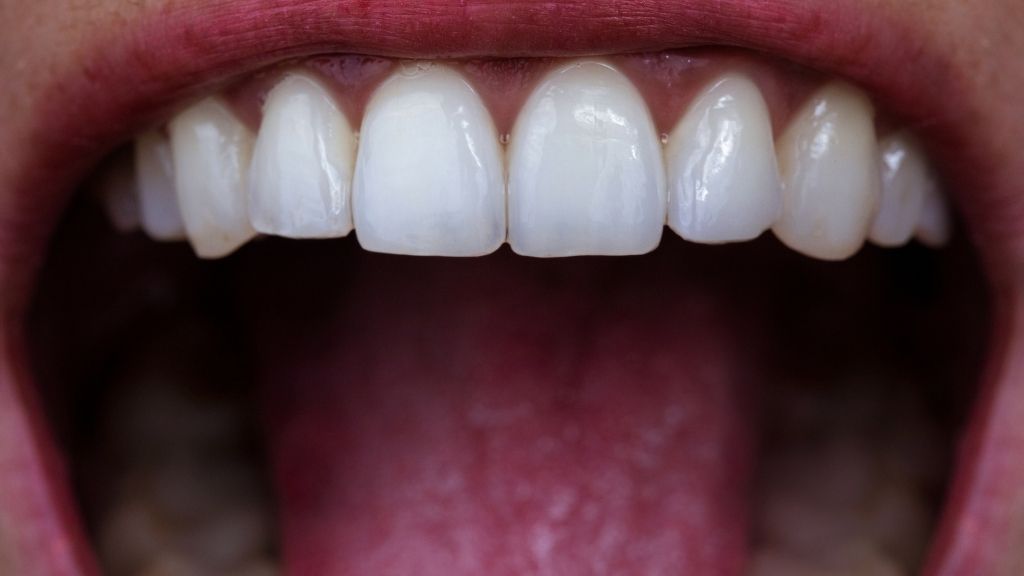
In-office whitening is designed for patients who want a noticeable change in a short time with close clinical control. The dentist can manage gum protection, adjust timing, and reduce uneven exposure so the result looks more consistent. Many patients prefer this option because the process is monitored and the outcome is less dependent on perfect home technique.
Chairside Whitening Protocols That Protect Soft Tissue and Enamel
Gum protection matters because whitening agents can irritate soft tissue if they contact the gums directly. A structured in-office protocol isolates sensitive areas and keeps the whitening gel where it belongs. Patients often feel more comfortable when they know the process is built around protection rather than speed alone.
Why Clinical Timing Control Helps Reduce Sensitivity Spikes
Sensitivity often increases when whitening exposure is too long or too concentrated for the patient’s baseline. Dentist-controlled timing allows the plan to be adjusted without guessing. This helps patients achieve improvement while keeping discomfort more manageable.
Professional take-home whitening can work well for patients who want gradual improvement with flexible scheduling. This approach often uses dentist-provided materials and a controlled plan that can be adjusted based on how teeth respond. Patients like the consistency because the process remains guided even though treatment happens at home.
Custom Trays That Improve Even Whitening and Reduce Gum Irritation
Custom trays help whitening gel sit evenly across the teeth instead of pooling in certain areas. They also reduce excess gel overflow onto the gums, which can reduce irritation. Patients often find that a better fit improves both comfort and uniformity.
How Customized Wear Schedules Improve Predictability at Home
A clear schedule prevents overuse, which can increase sensitivity and produce uneven results. Dentist guidance helps patients understand when to pause, when to continue, and what changes are realistic. This structure supports confidence because progress stays measurable.
Some patients benefit from a blended approach that starts with an in-office boost and then transitions to take-home whitening for stabilization. This approach can help patients reach a target shade more efficiently while maintaining control over sensitivity and long-term consistency. It also supports a more measured result that avoids sudden over-brightening.
Boost-and-Maintain Strategies That Reduce the Need for Repeat In-Office Visits
A controlled initial whitening session can create early improvement, while home whitening supports continued refinement. This reduces the need for repeated in-office appointments for patients who want ongoing maintenance. Patients often appreciate this because it creates a long-term plan rather than a single event.
Why Gradual Refinement Often Looks More Natural Than One Dramatic Change
Gradual whitening can preserve natural variation and avoid the overly uniform brightness that looks artificial. Patients often prefer a clean, refreshed look that still appears believable in different lighting. A staged approach supports this balance.
Whitening can improve natural tooth enamel, but it does not change the color of crowns, veneers, or bonding materials. Planning matters when patients have visible restorations because the goal is a balanced smile, not teeth that look mismatched. Dentist-guided whitening can help patients understand what can be brightened and what may require cosmetic adjustment.
Managing Whitening Expectations When Crowns or Bonding Are Present
Restorations may stay the same color even as natural teeth brighten, which can create contrast. Patients benefit from understanding this limitation before whitening begins. A good plan addresses whether restoration updates may be needed after whitening to maintain a cohesive look.
How PHD Dental Builds a Whitening Plan That Protects Smile Consistency
PHD Dental evaluates existing dental work, current shade, and target brightness before recommending a whitening option. This helps patients avoid uneven outcomes and reduces disappointment. Clear planning builds trust because it aligns whitening decisions with realistic cosmetic goals.
Sensitivity is one of the most common concerns with whitening, and a good plan anticipates it. Dentists can tailor concentration, timing, and aftercare to reduce discomfort while still producing results. Patients feel more confident when sensitivity is treated as a predictable variable rather than an unavoidable side effect.
Whitening Adjustments That Reduce Pain Without Sacrificing Progress
Lower concentration, shorter exposure, or altered frequency can improve comfort for sensitive patients. These adjustments can still deliver meaningful improvement when the plan is consistent. Patients appreciate a strategy that allows progress without pushing through unnecessary pain.
When to Pause Whitening and Seek Guidance Instead of Pushing Through
Sensitivity that escalates or lingers can be a sign that the schedule needs adjustment. Patients benefit from knowing that pausing is often the right move, not a failure. Clear guidance supports satisfaction because it protects comfort and long-term enamel health.
When Teeth Whitening Is the Right Option for Improving Smile Brightness
Teeth whitening is the right option when discoloration lives primarily in natural enamel and can respond predictably to whitening chemistry without creating avoidable sensitivity or uneven results. The goal is not just “whiter,” it is a brighter smile that still looks natural and stays consistent across the visible teeth. Whitening works best when the underlying tooth structure is healthy and when the target shade improvement fits what whitening can realistically achieve. PHD Dental helps patients decide whether whitening is the best first step, or whether another cosmetic approach would produce a more stable, consistent outcome.
Whitening tends to work best for stains caused by diet, age-related darkening, and gradual yellowing that builds over time. These discoloration patterns often improve with controlled whitening because the pigment responds to the whitening agent and the enamel surface remains receptive. Patients often feel more confident when the dentist identifies the stain type before recommending a specific plan.
Surface Staining From Coffee, Tea, Red Wine, and Smoking Exposure
Surface stains often accumulate gradually and can dull the smile even when teeth are otherwise healthy. Professional whitening can lift this discoloration more predictably because the plan controls exposure time and protects soft tissue. Patients usually appreciate that professional guidance reduces trial-and-error and shortens the time spent chasing results.
Why Consistent Stain Patterns Often Brighten More Evenly
When discoloration is evenly distributed, whitening tends to produce a more uniform shade change. Patients often see better consistency because the stain depth and response are similar across multiple teeth. This predictability supports satisfaction because results look cohesive rather than patchy.
Age-Related Darkening and Yellowing That Develops Gradually
As enamel wears and dentin shows through more over time, teeth can look darker or more yellow. Whitening can improve brightness when the change remains within the range that the enamel can respond to safely. Patients benefit from understanding that whitening can refresh age-related color shifts, but it cannot change tooth anatomy or reverse wear.
How Realistic Shade Targets Prevent Over-Whitening
Setting a realistic target helps patients avoid chasing an unnatural shade that does not match facial tone or surrounding teeth. A controlled plan often produces a cleaner, more believable result than pushing for extreme brightness. This approach supports trust because it prioritizes natural appearance and long-term comfort.
Whitening works best when the teeth and gums are stable and free of active issues that could increase sensitivity or irritate tissue. Cavities, gum inflammation, or exposed root surfaces can make whitening uncomfortable and less predictable. Patients often appreciate a candid review because it prevents a cosmetic plan from triggering avoidable pain.
Addressing Tooth Decay, Cracks, and Gum Irritation First
If a tooth has decay or structural cracks, whitening can increase sensitivity and distract from the real issue. Gum inflammation can also make whitening uncomfortable because irritated tissue reacts more strongly. A pre-whitening check helps patients feel protected because it shows the dentist prioritizes safety over speed.
Why Treating Sensitivity Drivers Improves Whitening Comfort
Sensitivity often comes from exposed dentin, gum recession, or worn enamel rather than from the whitening process alone. When those factors are managed first, whitening tends to feel more tolerable. Patients benefit because comfort improves and the whitening plan becomes more predictable.
Whitening has limits, especially when discoloration comes from internal tooth changes or when restorations play a major role in the visible smile. Some stains do not respond well to whitening and can require other solutions to create a consistent look. Patients trust the recommendation more when limitations are explained early rather than discovered after treatment.
Deep Intrinsic Stains and Tetracycline-Related Discoloration Challenges
Some intrinsic stains sit deeper within the tooth and do not lighten as reliably with standard whitening. These cases may still improve, but patients should expect a more gradual and sometimes limited shade change. Clear expectations reduce disappointment and help patients choose the right cosmetic path.
When Veneers or Bonding May Provide a More Consistent Outcome
If whitening cannot create uniform brightness, veneers or bonding may better address color and shape together. Patients often prefer a plan that solves the consistency problem rather than repeatedly whitening without reaching the desired look. This guidance builds trust because it avoids overselling whitening for cases where it is not the best tool.
Whitening changes natural enamel color, but it does not change the shade of crowns, veneers, or bonding. This matters because patients can end up with mismatch if restorations sit in prominent areas. A dentist-guided plan helps patients decide whether whitening should come first or whether cosmetic updates are needed for balance.
Planning for Shade Consistency When Crowns or Veneers Are Visible
If front teeth have restorations, whitening surrounding teeth can make the restorations look darker by comparison. Patients benefit from a plan that anticipates this and explains possible next steps. This clarity helps patients avoid surprises and supports a more cohesive final result.
How PHD Dental Helps Patients Choose a Whitening Path That Fits Their Smile
PHD Dental evaluates your current shade, restoration presence, and target result before recommending whitening. This approach frames whitening as part of an overall plan, not an isolated procedure. Patients often feel more satisfied because the outcome stays consistent and realistic.
Whitening works best when patients are prepared to protect the result with realistic maintenance habits. Certain diets, smoking exposure, and inconsistent home care can shorten how long the brightness lasts. Patients benefit from understanding that whitening is not a one-time event in isolation, it is a result that can be preserved or lost depending on habits.
Maintaining Results With Practical Habits Rather Than Extreme Restrictions
Patients do not need to avoid every staining food forever, but they do need a plan for keeping stains from rebuilding quickly. Regular cleanings and reasonable stain awareness support longer-lasting brightness. This approach improves satisfaction because it gives patients control without unrealistic rules.
Why Maintenance Planning Matters More Than the Whitening Method Alone
Even the best whitening can fade faster if stain exposure remains high and oral hygiene is inconsistent. A clear maintenance plan protects the investment and keeps results looking intentional. Patients often trust the process more when the dentist explains how to keep the outcome stable over time.
How PHD Dental Customizes Whitening for Long-Term Results
Customization matters in whitening because the goal is not a short-lived brightness spike, it is a stable improvement that looks natural and holds up across different lighting and daily routines. A one-size plan can leave patients with uneven shade changes, avoidable sensitivity, or results that fade quickly because the underlying stain type was not addressed correctly. PHD Dental customizes whitening by matching the method, timing, and intensity to your baseline shade, discoloration pattern, and comfort threshold. This approach builds trust because patients understand why the plan fits their smile and what will keep the outcome consistent after treatment.
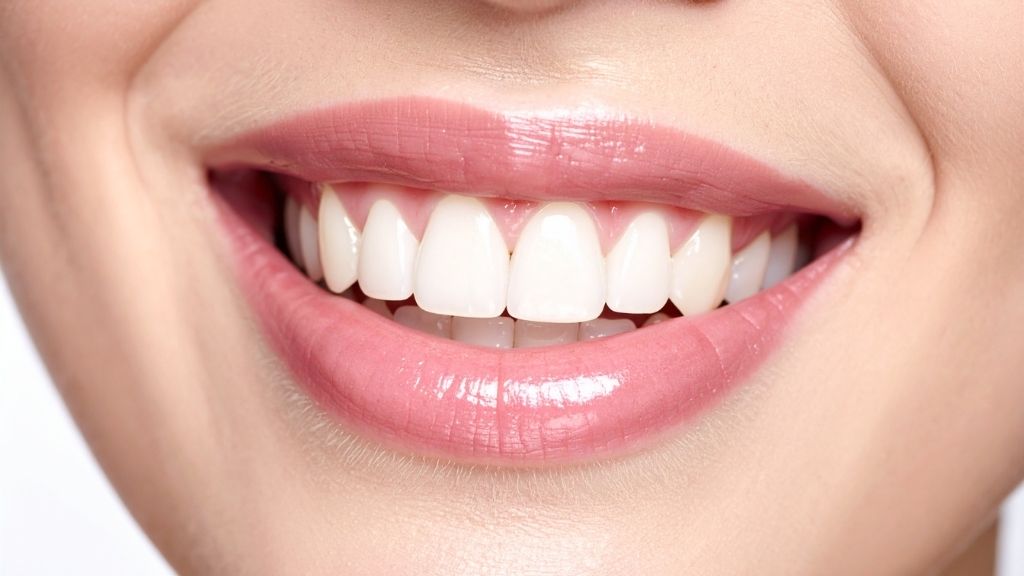
Whitening works best when the plan starts with a clear baseline and a realistic target, rather than guessing how many “levels” of change will occur. A structured assessment helps patients understand how their teeth respond and what a natural bright result looks like for their features. This clarity supports satisfaction because expectations align with what whitening can truly deliver.
Identifying Which Teeth Need Focus for Balanced Brightness
Not all teeth stain the same way, and some areas may look darker because of enamel thickness or previous dental work. A good plan identifies where brightness needs to be evened out so the smile does not look patchy. Patients often feel more confident when they see that the plan aims for balance, not just maximum whiteness.
Why Realistic Shade Goals Protect Natural-Looking Results
Overly aggressive shade targets can produce a bright result that looks flat or artificial in daylight. Natural brightness usually includes subtle variation and a tone that fits the patient’s complexion and age. Setting a realistic goal supports long-term satisfaction because the result looks believable and consistent.
Long-term success depends on choosing the whitening method that fits both the stain type and the patient’s day-to-day routine. Some patients need faster in-office improvement, while others benefit from gradual at-home whitening that allows more control over sensitivity. PHD Dental helps patients choose the approach that makes adherence realistic, which improves outcome stability.
Matching In-Office Whitening Versus Take-Home Whitening to the Patient
In-office whitening can be ideal when patients want a controlled, noticeable change quickly. Take-home whitening can be better for patients who prefer gradual improvement and more flexibility. Patients often value this guidance because it prevents picking a method that conflicts with their schedule or comfort level.
How Combination Plans Support Both Speed and Longer-Term Consistency
Some patients do well with an initial boost followed by take-home whitening to refine and stabilize the shade. This approach can reduce the urge to repeat high-intensity sessions and can help manage sensitivity. Patients appreciate this because it creates a plan that continues beyond the appointment.
Sensitivity is one of the main reasons patients abandon whitening or feel dissatisfied after treatment. A customized plan anticipates sensitivity risk and adjusts concentration, timing, and frequency accordingly. Patients tend to trust the process more when comfort is built into the plan rather than treated as an afterthought.
Adjusting Whitening Strength and Exposure Time to Reduce Pain
High concentration whitening is not always the best option for every patient. Lower intensity or shorter exposure can still deliver meaningful improvement when used consistently. Patients benefit from this approach because it reduces discomfort without sacrificing progress.
Using Desensitizing Support When Patients Have a History of Sensitivity
Patients with exposed root surfaces, enamel wear, or prior sensitivity episodes often need extra protection. Desensitizing support can reduce nerve irritation and make whitening more tolerable. This increases satisfaction because patients can complete the plan instead of stopping early.
Whitening does not change the color of crowns, veneers, or bonding, so customization must account for what is already in the smile. Patients can end up with mismatch if whitening brightens natural teeth while restorations stay the same shade. PHD Dental plans whitening with a full-smile view so patients understand what will change and what may need adjustment later.
Planning Whitening When Crowns or Bonding Are Visible in the Smile
If restorations sit in the front of the smile, whitening can make them look darker by comparison. A responsible plan discusses this risk early and outlines realistic paths to keep the smile consistent. Patients trust this guidance because it prevents surprises and protects the cosmetic investment.
Coordinating Whitening to Support Future Cosmetic Decisions
Some patients whiten first, then decide whether they want to update restorations to match the new shade. Others may plan whitening around existing work to avoid a mismatch. Clear sequencing supports patient confidence because it frames whitening as part of a broader, intentional plan.
Long-term results depend on what happens after whitening, including diet habits, hygiene consistency, and professional cleanings. Patients often feel disappointed when results fade quickly because no maintenance plan was discussed. PHD Dental builds maintenance guidance into the whitening plan so patients can protect results in a realistic way.
Practical Habits That Reduce Rapid Re-Staining Without Extreme Restrictions
Patients do not need to avoid every staining food forever, but they do need to understand what accelerates re-staining. Simple habits like rinsing after dark beverages and keeping cleanings consistent can extend results. This approach supports satisfaction because it gives patients control without unrealistic rules.
How Follow-Up and Touch-Up Planning Keeps the Smile Looking Consistent
Some patients benefit from occasional touch-ups to maintain brightness without repeating the entire whitening process. A clear touch-up plan helps patients avoid over-whitening and sensitivity cycles. This transparency builds trust because it treats whitening as long-term care, not a one-time event.
Schedule a Teeth Whitening Consultation with PHD Dental
If you are looking for Teeth Whitening Dentists in Los Angeles, a consultation at PHD Dental should clarify what type of discoloration you are dealing with and what level of brightness change is realistic without creating avoidable sensitivity. Whitening results vary based on stain depth, enamel condition, and whether you have visible restorations that will not change color. We utilize this initial consultation to set clear expectations, select the safest whitening approach, and outline what will keep your result looking consistent after treatment. You should leave with a plan that prioritizes natural-looking brightness and long-term maintainability, not a one-size method that fades quickly or feels uncomfortable.
A whitening consultation also helps patients avoid common frustrations, including uneven shade changes, sensitivity spikes from overuse, and mismatch when crowns or bonding sit in the smile line. PHD Dental reviews your baseline shade, evaluates risk factors that can affect comfort, and recommends a path that fits your timeline and tolerance. This approach builds trust because the plan connects directly to your teeth and your goals, rather than relying on generic promises about instant whiteness.
Call (323) 269-5437 to schedule a teeth whitening consultation with PHD Dental. Our whitening dentists provide a safe plan for bright, long-lasting smile.
Get in Touch with PhD Dental
Pick your location
Los Angeles
Los Angeles is a diverse and fast-moving city where access to dependable dental care is essential for individuals and families alike. PhD Dental serves patients throughout Los Angeles with a commitment to personalized care and long-term oral health.
Hours
- Mon 10:30AM - 7:30PM
- Tue 10:30AM - 7:30PM
- Wed 10:30AM - 7:30PM
- Thu 10:30AM - 7:30PM
- Fri 9:30AM - 7:30PM
- Sat 9:00AM - 3:00PM
- Sun Closed