
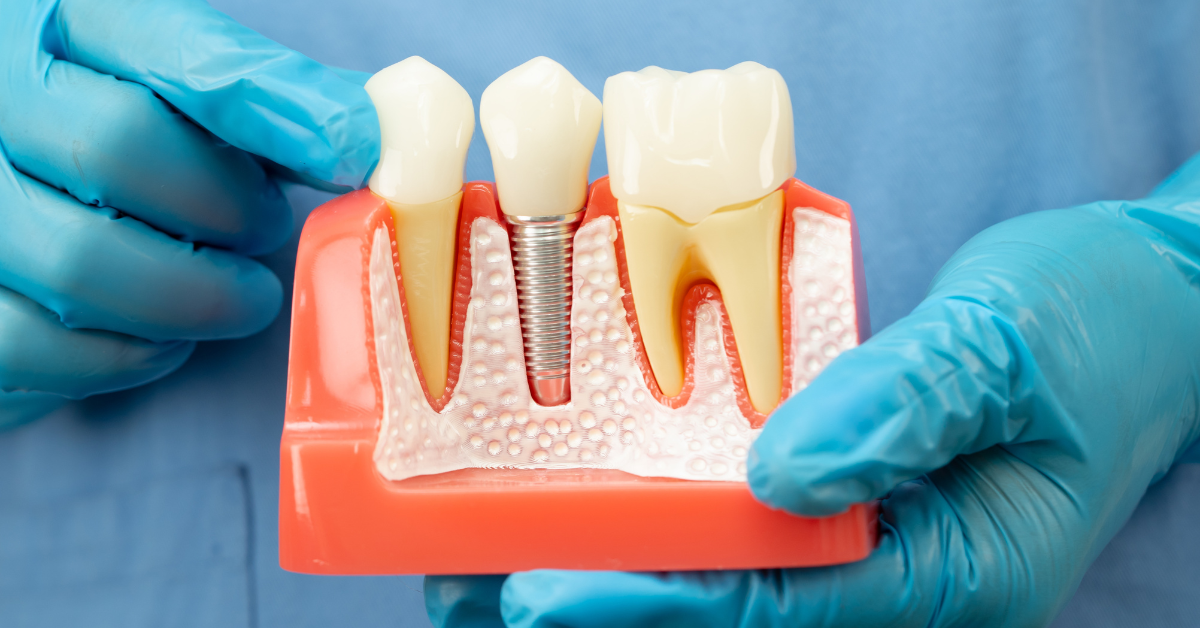
Emergency Root Canals in Los Angeles
Severe tooth pain, sudden swelling, or pressure that worsens quickly can signal a dental emergency requiring immediate attention. Patients searching for emergency root canals in Los Angeles are often dealing with intense discomfort caused by infection or inflammation deep within the tooth. Rapid evaluation helps identify the source of pain and determine whether urgent treatment is needed to relieve symptoms and protect surrounding oral structures.
At PhD Dental, emergency root canals in Los Angeles are performed with a focus on pain relief, infection control, and long term tooth preservation. Each case is evaluated carefully to stabilize the condition while preventing further spread of infection. Many patients seek emergency root canals in Los Angeles because prompt treatment can stop escalating pain and reduce the risk of complications that affect overall oral health. If you are experiencing severe tooth pain, facial swelling, or sensitivity that does not subside, waiting can worsen the condition. Call PhD Dental at (323)269-5437 today to schedule an urgent evaluation and find out if emergency root canal treatment is the right step for relieving pain and saving your tooth.
Top-Rated Dentists
in Los Angeles
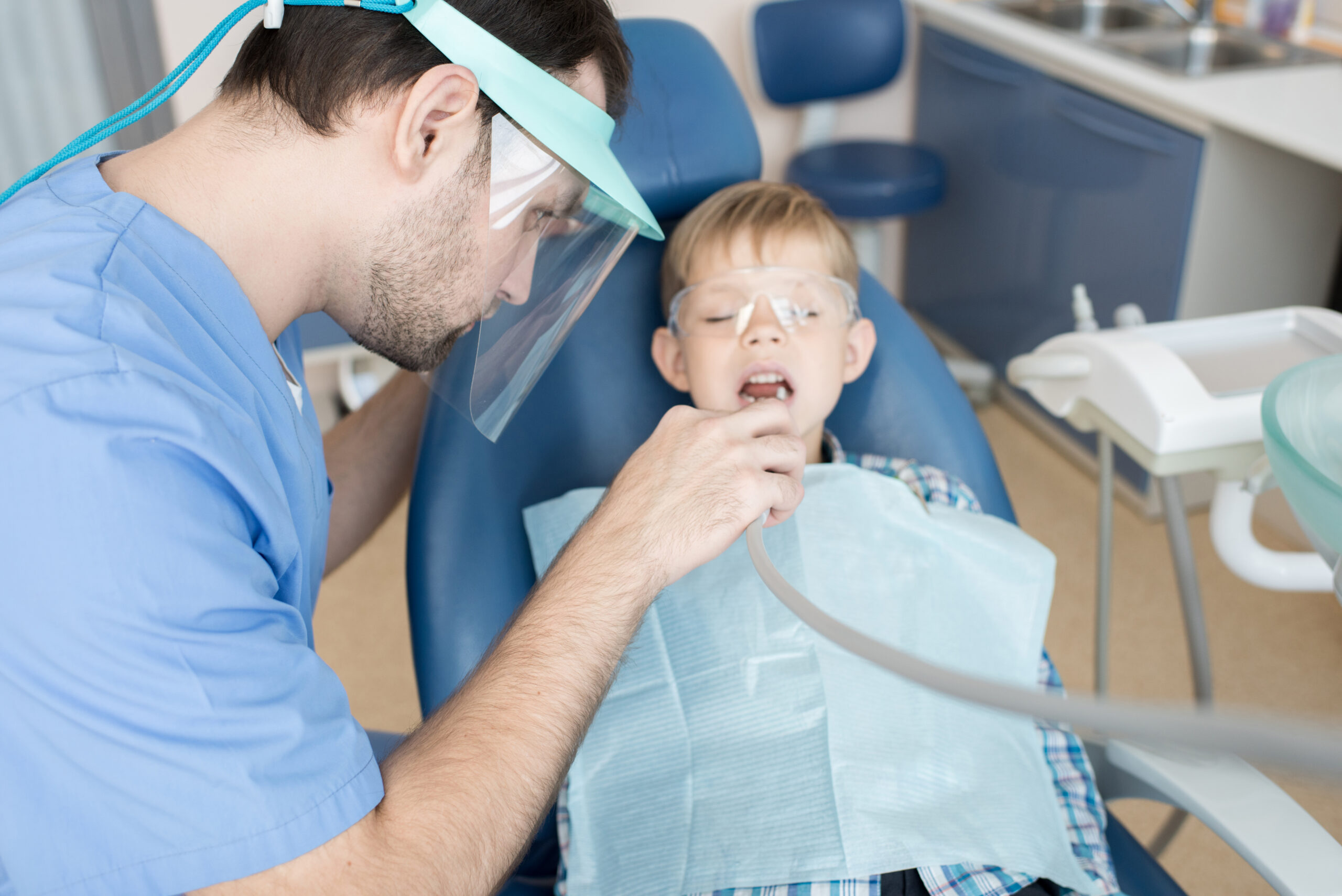
Patient-First Dentistry for Every Stage of Life
From early childhood development to adult care, we focus on patient comfort and comprehensive treatment.
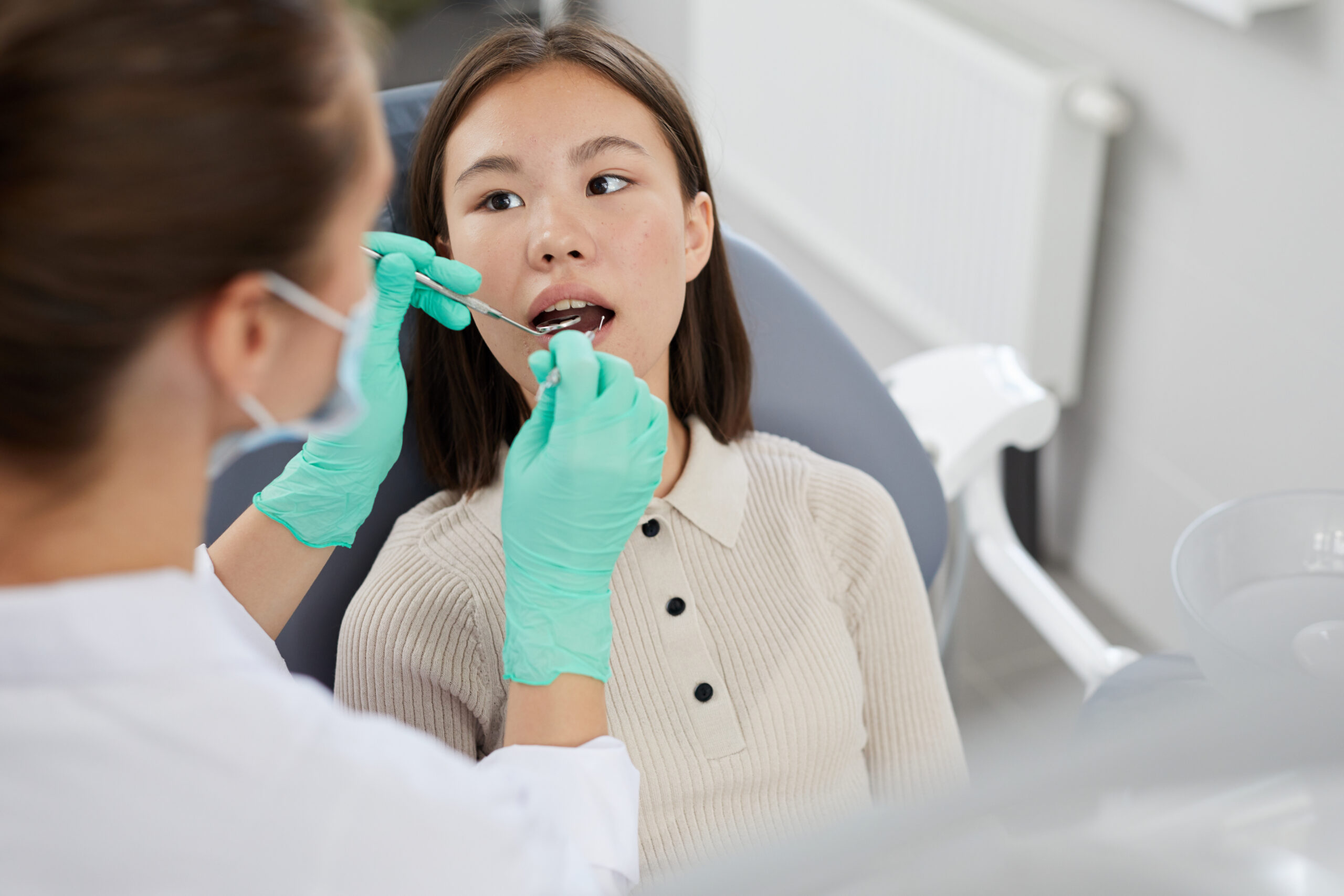
Removing Barriers to Dental Care
We believe everyone deserves access to high-quality dental care, regardless of financial situation.

Comprehensive Dentistry Under One Roof
Orthodontics, implants, oral surgery, and preventative care all conveniently located in our clinics.
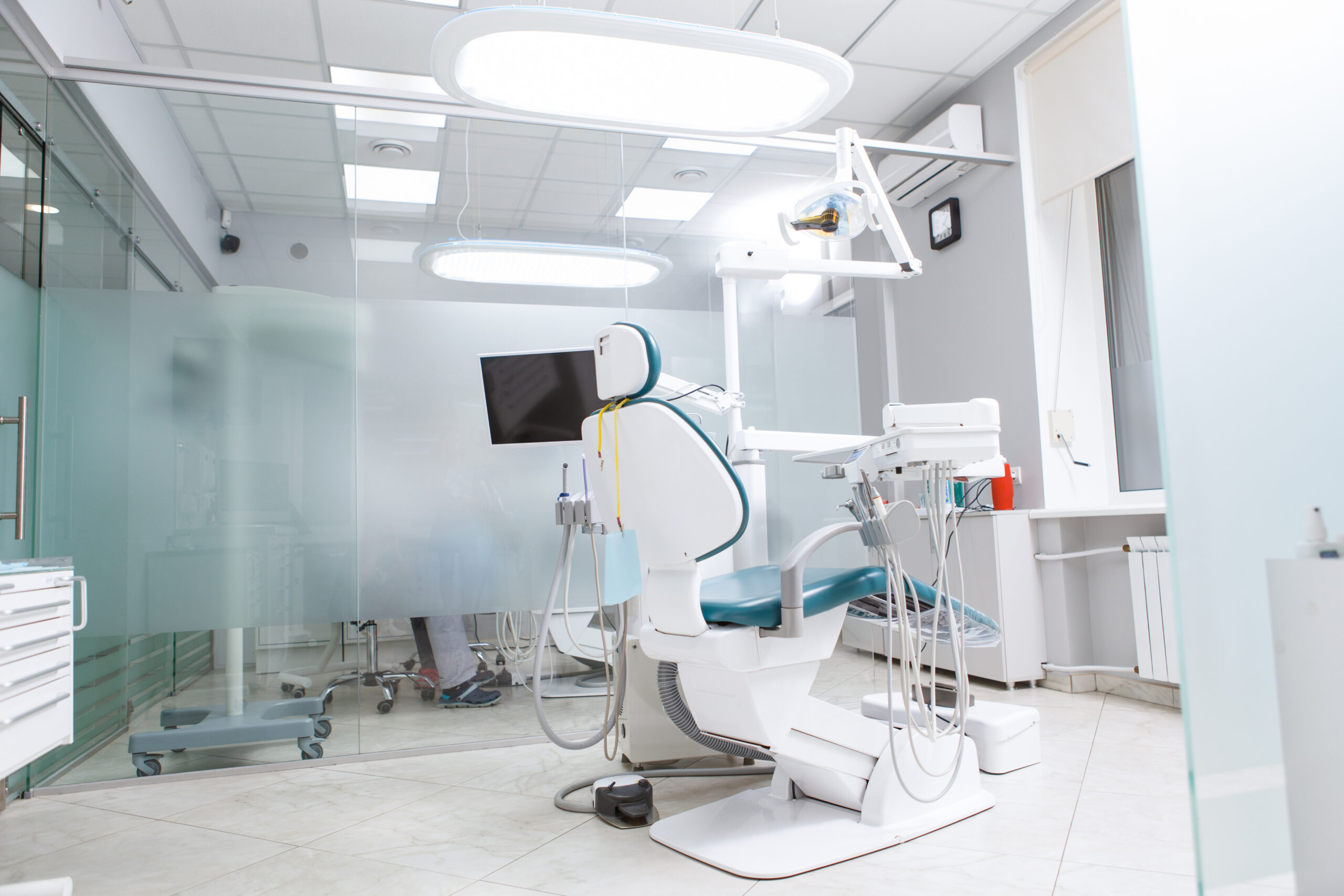
Expertise, Access & Convenient Locations
Multiple clinic locations across Los Angeles with extended hours to fit your busy schedule.
Table of Contents
- Common Signs That Require Emergency Root Canals In Los Angeles
- What Happens During Emergency Root Canals In Los Angeles
- When Tooth Pain Signals The Need For Emergency Root Canals In Los Angeles
- How PhD Dental Supports Patients In Need Of Emergency Root Canals In Los Angeles
- Call PhD Dental Today For Immediate Root Canal Care
Common Signs That Require Emergency Root Canals In Los Angeles
Dental infections and pulp inflammation often produce warning signs that indicate the need for immediate care. Patients who ultimately require emergency root canals in Los Angeles frequently notice symptoms that intensify quickly and interfere with eating, sleeping, or concentrating. Recognizing these signs early allows patients to seek treatment before infection spreads or causes permanent damage.
At PhD Dental, emergency root canals in Los Angeles are recommended when symptoms point to irreversible pulp injury or active infection. Prompt diagnosis allows dentists to relieve pain, remove infected tissue, and protect surrounding teeth and bone. Understanding these indicators helps patients respond appropriately when symptoms escalate.
Ongoing tooth pain that worsens rather than improves often indicates infection inside the tooth. This pain may feel deep, throbbing, or sharp, and it frequently intensifies when chewing, bending forward, or lying down. Discomfort that persists despite over the counter pain relief suggests inflammation has reached the pulp chamber. Patients needing emergency root canals in Los Angeles commonly describe pain that disrupts sleep or daily focus. Persistent pain is a strong signal that immediate evaluation is necessary.
Why Radiating Pain Often Indicates Advanced Pulp Involvement
Pain that spreads beyond the tooth into the jaw, ear, or head suggests that inflammation is affecting surrounding nerve pathways. This pattern often means the infection has progressed past early stages and is no longer confined to a small area. Radiating pain typically reflects deeper pulp involvement that requires urgent treatment.
How Delayed Treatment Allows Pain To Escalate Rapidly
When infection remains untreated, pressure continues to build within the tooth as inflammation increases. This internal pressure intensifies pain and can cause sudden flare ups that are difficult to manage. Early intervention prevents symptoms from becoming more severe and unpredictable.
Swelling around the gums, face, or jaw often accompanies more advanced dental infections. This swelling may feel firm, tender, or warm to the touch and can change facial appearance. Visible swelling signals that bacteria may be spreading beyond the tooth into surrounding tissues. Dentists providing emergency root canals in Los Angeles treat swelling as a serious warning sign that requires prompt care. Early treatment helps limit infection spread.
Why Swelling Suggests Infection Has Extended Beyond The Tooth
Swelling develops when the body responds to bacterial invasion in surrounding tissues. This response indicates that infection has moved past the tooth root into the bone or soft tissue. Once swelling appears, professional intervention becomes critical.
How Pressure Buildup Contributes To Facial Discomfort
As infection spreads, pressure accumulates in confined spaces around the jaw and face. This pressure causes tenderness, stiffness, and visible swelling. Relief requires addressing the source of infection inside the tooth.
Extreme sensitivity to hot temperatures often points to inflammation or damage within the tooth’s nerve. Pain may linger long after exposure rather than fading quickly as it would in a healthy tooth. Pressure sensitivity during chewing can also signal pulp involvement. Patients seeking emergency root canals in Los Angeles frequently report lingering heat sensitivity as a key symptom. These signs suggest irreversible pulp damage.
Why Lingering Sensitivity Indicates Compromised Pulp Health
Healthy pulp tissue regulates temperature changes effectively and recovers quickly. Prolonged sensitivity indicates the pulp can no longer respond normally. This loss of regulation signals significant internal damage.
How Pressure Sensitivity Reflects Internal Inflammation
Inflamed pulp tissue reacts strongly to biting forces because pressure increases stress within the tooth. This response often causes sharp or lingering pain during chewing. Pressure sensitivity highlights the need for prompt care.
A pimple-like bump on the gums near a tooth often indicates an abscess forming at the root. Drainage may release an unpleasant taste or odor as infection attempts to escape. Abscess formation shows that infection has created a pathway through bone or soft tissue. Emergency root canals in Los Angeles are commonly required to eliminate the source of infection. Abscesses should never be ignored.
Why Abscess Formation Indicates Advanced Disease Progression
Abscesses develop when infection breaks through surrounding bone structures. This progression reflects a more serious stage of dental disease. Immediate treatment is required to prevent further spread.
How Drainage Does Not Mean Infection Has Resolved
While drainage may temporarily reduce pressure and discomfort, it does not eliminate the bacteria inside the tooth. Infection remains active until treated at its source. Definitive care is necessary to resolve the condition.
What Happens During Emergency Root Canals In Los Angeles
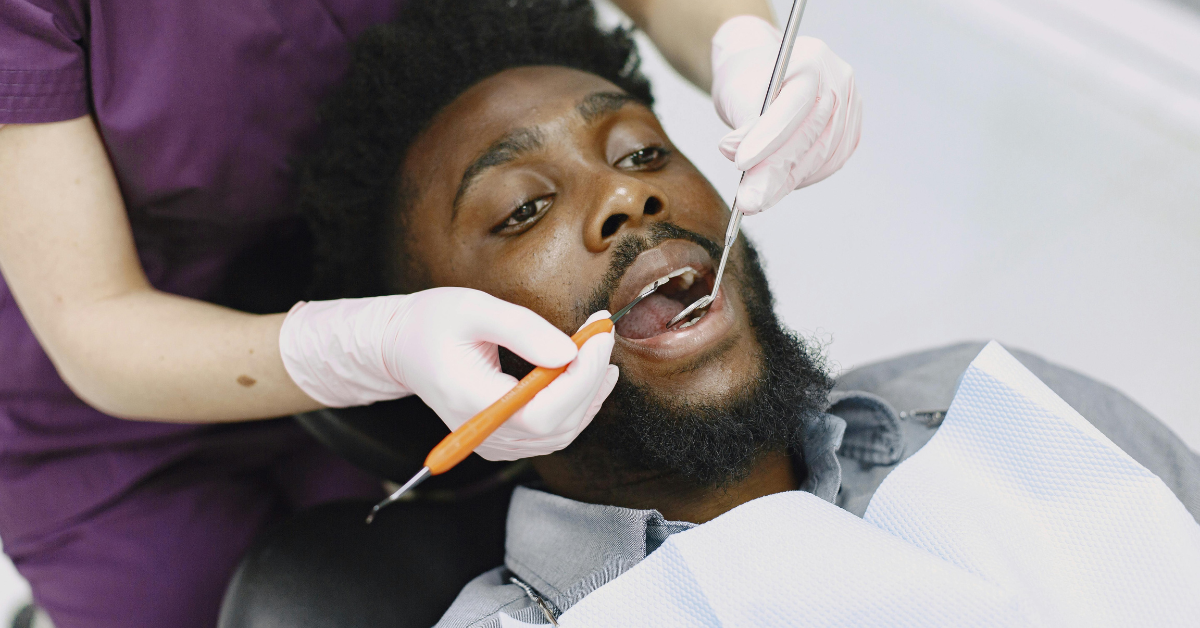
Facing urgent dental pain can make any procedure feel intimidating, especially when treatment needs to happen quickly. Patients scheduled for emergency root canals in Los Angeles often want clarity about what the appointment involves and how pain is managed throughout the process. Understanding the steps helps reduce anxiety and allows patients to approach treatment with greater confidence.
At PhD Dental, emergency root canals in Los Angeles follow a structured, patient focused approach designed to relieve pain while addressing the underlying infection. Each phase of the appointment prioritizes comfort, precision, and infection control to stabilize the tooth and protect surrounding tissues. This method supports both immediate relief and long term oral health.
Emergency root canal appointments start with a focused evaluation of symptoms and visible signs of infection. Dentists assess pain severity, swelling, tooth stability, and responses to pressure or temperature to confirm the source of discomfort. Digital imaging helps identify infection depth and root involvement before treatment begins. For patients receiving emergency root canals in Los Angeles, this early assessment ensures care targets the correct tooth and underlying cause. Accurate diagnosis allows treatment to proceed efficiently and safely.
Why Confirming The Source Of Pain Matters In Emergencies
Severe dental pain can radiate to nearby teeth, the jaw, or the ear, making it difficult to identify the true source without testing. Treating the wrong tooth delays relief and can allow infection to progress further. Careful confirmation ensures that urgent treatment addresses the correct problem without unnecessary intervention.
How Imaging Supports Safe And Targeted Treatment Planning
Dental imaging reveals infection spread, root curvature, and surrounding bone conditions that are not visible during a visual exam. These details guide instrument selection and treatment approach during urgent care. Imaging improves accuracy while reducing procedural risk.
Once the tooth is isolated and fully numbed, dentists carefully access the inner chamber to remove infected pulp tissue. This step relieves the internal pressure responsible for severe pain and throbbing sensations. Removing bacteria and inflamed tissue helps stop infection from spreading beyond the tooth. Emergency root canals in Los Angeles often provide noticeable pain relief shortly after this stage begins. Controlled technique protects surrounding structures.
Why Removing Infected Tissue Stops Escalating Pain
Infected pulp tissue creates pressure as inflammation builds within the confined space of the tooth. Eliminating this tissue removes the source of pain signals and pressure. Relief often begins once the infection is cleared.
How Precise Technique Preserves Remaining Tooth Structure
Using controlled instruments helps minimize stress on healthy dentin. Preserving structure supports the tooth’s ability to hold a restoration later. Precision reduces the risk of fracture or weakening.
After pulp removal, dentists clean and shape the root canals to eliminate remaining bacteria and debris. Antimicrobial solutions help disinfect the internal spaces thoroughly and reduce reinfection risk. Once cleaned, the canals are sealed to block bacteria from reentering the tooth. Patients undergoing emergency root canals in Los Angeles benefit from sealing that stabilizes the tooth internally. This step is critical for long term success.
Why Thorough Canal Cleaning Prevents Recurring Infection
Even small amounts of remaining bacteria can lead to reinfection over time. Complete cleaning reduces bacterial load and inflammation. Long term outcomes depend heavily on this stage.
How Proper Sealing Protects Internal Tooth Structures
A secure seal prevents oral bacteria from entering the canals again. This barrier supports healing and internal stability. Proper sealing protects the results of treatment.
Following canal sealing, the tooth receives a temporary or permanent restoration depending on urgency and structural needs. This restoration protects the tooth from fracture and restores function during chewing and speaking. Bite adjustments help ensure comfort and prevent excess pressure. At PhD Dental, emergency root canals in Los Angeles include restoration planning from the outset. Protection continues well after pain relief.
Why Restoration Is Essential After Root Canal Treatment
Teeth treated with root canals lose internal support from removed pulp tissue. Without restoration, fracture risk increases significantly. Reinforcement helps maintain long term strength.
How Follow Up Planning Supports Long Term Oral Health
Dentists outline next steps for crowns or permanent restorations once infection resolves. Clear planning ensures continuity of care and prevents delays. Long term oral health depends on completing restoration.
When Tooth Pain Signals The Need For Emergency Root Canals In Los Angeles

Not all tooth discomfort requires immediate intervention, but certain pain patterns indicate a serious condition that should be evaluated without delay. Sudden, intense pain often reflects deep infection, nerve involvement, or internal pressure that will not resolve on its own and may worsen rapidly. Understanding when pain crosses the threshold from inconvenient to dangerous helps patients avoid delays that can compromise both comfort and long term oral health.
At PhD Dental, urgent dental pain is evaluated with careful attention to symptom progression, underlying causes, and the potential for escalation. Identifying emergency warning signs early allows treatment to focus on preserving tooth structure while preventing complications. Timely recognition plays a crucial role in maintaining both oral and overall health.
Tooth pain that interferes with eating, sleeping, speaking, or concentrating often signals a deeper issue than surface sensitivity. This level of disruption commonly reflects inflammation or infection affecting the inner structures of the tooth or surrounding tissues. When discomfort persists despite rest, avoidance of triggers, or medication, professional evaluation becomes essential. Dentists treat this pain pattern as urgent because it rarely resolves without targeted care. Acting early helps reduce damage and expand treatment options.
Why Pain That Worsens At Night Suggests Increased Internal Pressure
Pain that intensifies when lying down often occurs because blood flow increases to the head, raising pressure inside an already inflamed tooth. This added pressure places stress on irritated nerves and amplifies discomfort during nighttime hours. Nighttime worsening is widely recognized as a sign of deeper involvement that requires attention.
How Persistent Pain Indicates Limited Natural Healing Capacity
Pain that remains constant or progressively worsens suggests the body cannot resolve the problem independently. Ongoing discomfort often reflects irreversible changes within the tooth’s internal tissues. Professional treatment is necessary to address the underlying cause and prevent further deterioration.
Visible swelling of the gums, jaw, or face frequently accompanies advanced dental infection and should never be ignored. These changes may appear suddenly and progress quickly, sometimes altering facial symmetry or causing tightness and tenderness. Swelling indicates that bacteria have moved beyond the tooth into surrounding tissues. Dentists treat this presentation as a serious warning sign requiring prompt care. Early intervention helps contain infection and reduce complications.
Why Facial Swelling Requires Immediate Clinical Evaluation
Swelling near the face or neck can threaten nearby anatomical structures and increase the risk of serious complications. Infections in these areas may spread rapidly if untreated. Immediate evaluation helps prevent escalation and protect patient safety.
How Delaying Treatment Allows Infection To Progress Unchecked
Without timely care, infection continues to migrate through soft tissue and bone. As spread increases, treatment becomes more complex and recovery more difficult. Early action significantly limits progression and improves outcomes.
Brief sensitivity to temperature changes can be normal, but pain that lingers long after exposure often reflects nerve distress. This prolonged response indicates the tooth can no longer regulate stimuli effectively due to internal inflammation or infection. Lingering sensitivity to heat or pressure is a common indicator of deeper structural involvement. Dentists view this symptom as a clear warning sign. Prompt evaluation improves the likelihood of preserving the tooth.
Why Lingering Sensitivity Reflects Irreversible Internal Changes
Healthy pulp tissue recovers quickly once a stimulus is removed. Prolonged pain suggests loss of normal nerve function and regulatory ability. This pattern indicates deeper damage that requires intervention.
How Pressure Sensitivity Reveals Inflammation Within The Tooth
Pain during chewing or biting reflects stress placed on inflamed internal tissues. This reaction often signals compromised tooth stability and progressing infection. Professional care is necessary to prevent worsening damage.
Systemic symptoms such as fever, fatigue, or a general feeling of illness may accompany advanced dental infection. These signs indicate the body is mounting a broader immune response to bacterial spread. When oral pain coincides with systemic symptoms, urgency increases significantly. Dentists treat this combination as a medical priority. Immediate evaluation helps protect both oral and overall health.
Why Systemic Symptoms Signal Escalation Beyond The Tooth
Fever suggests infection has extended beyond localized tissues into the bloodstream or surrounding areas. This progression increases health risks and complexity of care. Prompt treatment is essential.
How Early Intervention Protects Whole Body Health
Addressing infection early reduces strain on the immune system and prevents broader complications. Treatment allows the body to recover more effectively. Timely care supports overall wellness and safety.
How PhD Dental Supports Patients In Need Of Emergency Root Canals In Los Angeles
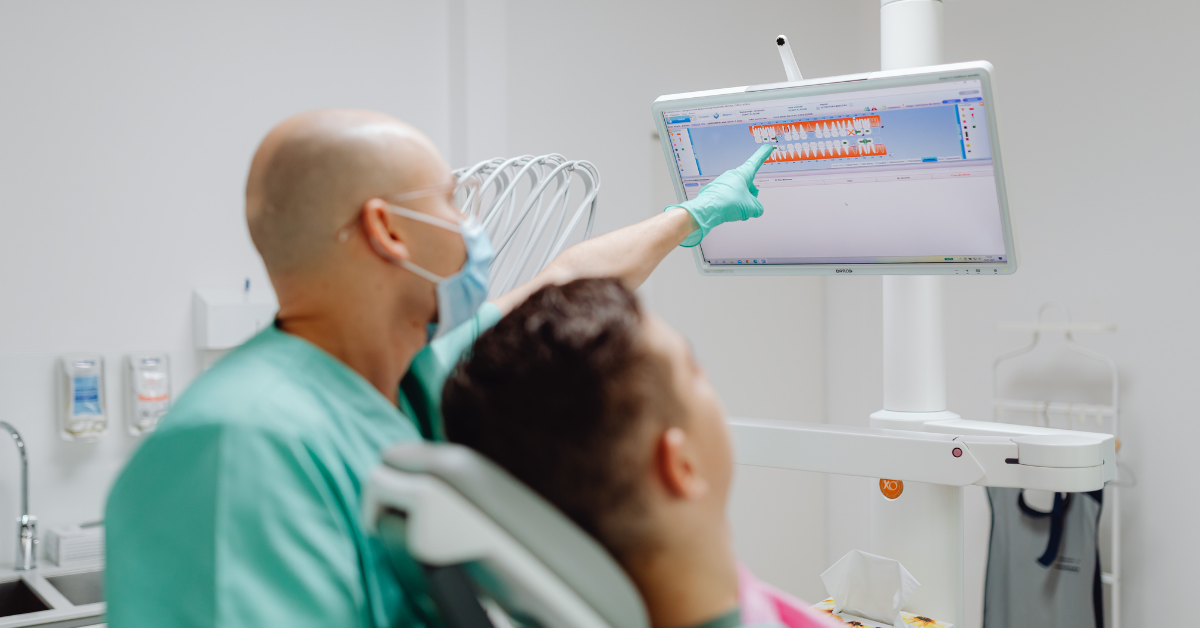
Dental emergencies often occur unexpectedly and can leave patients feeling overwhelmed, uncomfortable, and uncertain about how serious their situation may be. At PhD Dental, emergency care is designed to provide steady guidance, timely clinical response, and treatment planning that considers both immediate relief and long term oral health outcomes. Supporting patients during urgent situations means addressing pain and infection promptly while ensuring that each step of care is clearly explained and thoughtfully paced.
From the first point of contact, PhD Dental focuses on listening carefully to symptoms and understanding the urgency of the situation. The clinical team works to create a calm and organized environment where concerns are addressed methodically rather than reactively. This approach helps patients feel reassured while receiving focused care tailored to the severity of their condition.
During a dental emergency, uncertainty often increases stress and can make pain feel more intense. Dentists take time to explain what is happening inside the tooth, what risks may be present, and why specific treatment steps are being recommended. Clear communication helps patients understand not only what needs to be done, but also the reasoning behind each decision. This transparency allows patients to feel informed and involved rather than rushed through treatment. Feeling informed reduces anxiety during urgent care.
Why Explaining Next Steps Builds Patient Confidence During Emergencies
Knowing what to expect at each stage of treatment helps patients regain a sense of control during a stressful experience. Clear explanations reduce fear associated with uncertainty and unexpected outcomes. Confidence increases when patients understand how care will progress.
How Ongoing Updates During Treatment Reduce Stress And Build Trust
Providing updates as treatment continues reassures patients that care is proceeding appropriately and attentively. Regular communication prevents patients from feeling isolated or unsure during procedures. This ongoing dialogue strengthens trust and comfort.
Timely evaluation plays a critical role in managing dental emergencies effectively and safely. PhD Dental prioritizes rapid assessment so pain, swelling, or infection can be addressed before conditions escalate. Early evaluation allows dentists to determine whether immediate intervention is required or if stabilization can safely occur first. Reducing waiting time limits both physical discomfort and emotional uncertainty. Prompt assessment supports more predictable outcomes.
Why Early Assessment Improves Accuracy And Treatment Efficiency
Evaluating symptoms early helps dentists identify the true source of pain before swelling or inflammation obscures findings. Quick assessment allows treatment to be targeted accurately from the outset. Efficiency reduces the likelihood of complications or delays.
How Minimizing Delays Improves The Overall Patient Experience
Shorter waiting periods help patients feel that their concerns are taken seriously and addressed with urgency. Prompt attention improves comfort and reinforces trust in the care team. A smoother experience supports emotional and physical recovery.
Emergency dental care does not end once immediate pain is relieved or infection is stabilized. Dentists provide follow up planning to monitor healing, evaluate treatment success, and complete any necessary restorative care. Continued support helps ensure recovery stays on track and that delayed complications are identified early. Patients often find reassurance in knowing their care extends beyond the initial emergency visit. Ongoing guidance supports lasting oral health.
Why Monitoring Healing Helps Prevent Delayed Complications
Some trauma or infection related issues develop days or weeks after emergency treatment. Monitoring allows dentists to detect changes before they progress into more serious problems. Early response helps protect treatment outcomes.
How Continuity Of Care Strengthens Long Term Dental Stability
Consistent follow up allows treatment plans to adapt as healing progresses and needs change. Coordinated care reduces the likelihood of additional emergency visits. Long term stability improves when care remains connected.
Call PhD Dental Today For Immediate Root Canal Care
Severe tooth pain and infection can escalate, making timely care essential for protecting both comfort and long term oral health. Patients who delay treatment often find that symptoms intensify, swelling increases, and options become more limited as infection progresses. Seeking professional evaluation early allows dentists to relieve pain, control infection, and prevent damage from spreading to surrounding teeth or bone. At PhD Dental, patients needing emergency root canals in Los Angeles receive care that balances urgency with clear communication. Each evaluation focuses on identifying the source of pain accurately while planning treatment that supports lasting stability rather than temporary relief. This approach helps patients feel confident that urgent decisions are made thoughtfully and with long term outcomes in mind.
Immediate attention after severe dental pain can reduce the risk of complications such as abscess formation, nerve damage, or tooth loss. Early care also expands the range of treatment options, making it more likely that the natural tooth can be preserved. Many patients find reassurance in knowing their care team is prepared to address infection decisively while guiding them through next steps. If you are experiencing intense tooth pain, swelling, or pressure that continues to worsen, professional evaluation should not be postponed. Call PhD Dental at (323)269-5437 or visit our contact page today to schedule an urgent appointment and receive experienced care for emergency root canals in Los Angeles.
Get in Touch with PhD Dental
Pick your location
Los Angeles
Los Angeles is a diverse and fast-moving city where access to dependable dental care is essential for individuals and families alike. PhD Dental serves patients throughout Los Angeles with a commitment to personalized care and long-term oral health.
Hours
- Mon 10:30AM - 7:30PM
- Tue 10:30AM - 7:30PM
- Wed 10:30AM - 7:30PM
- Thu 10:30AM - 7:30PM
- Fri 9:30AM - 7:30PM
- Sat 9:00AM - 3:00PM
- Sun Closed