
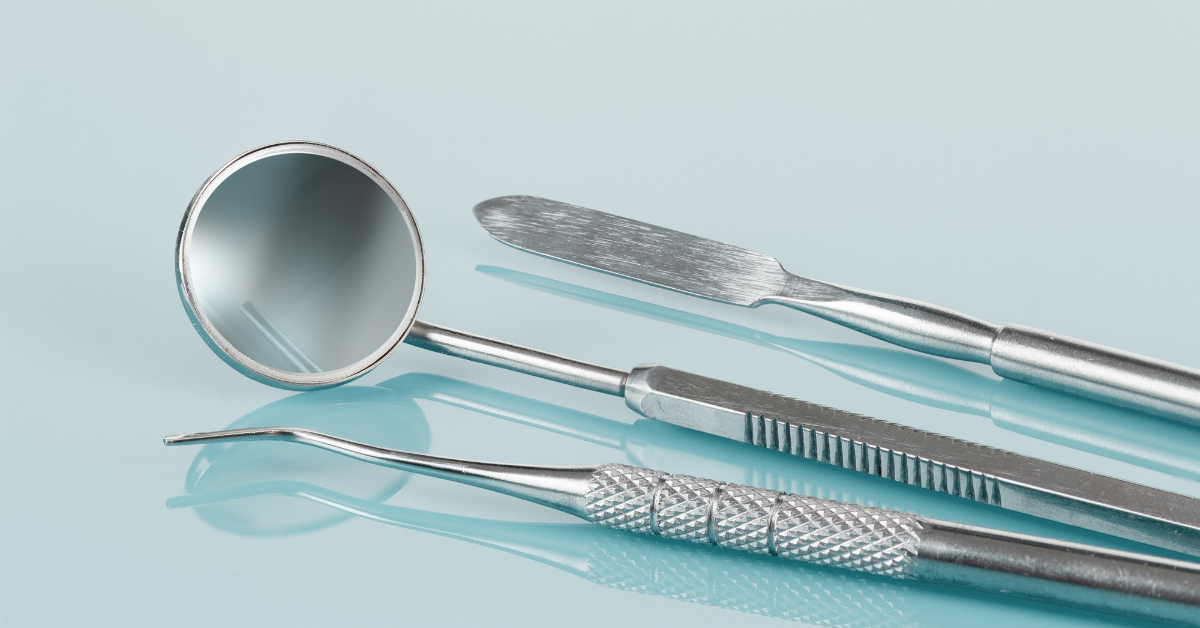
Internal Tooth Bleaching In Los Angeles
Discoloration that affects a single tooth from the inside often cannot be corrected with traditional whitening methods, especially when the cause relates to past dental trauma or root canal treatment. Patients searching for internal tooth bleaching in Los Angeles are often frustrated that external whitening strips fail to fix darkening. Internal bleaching offers a targeted solution designed to restore a more natural appearance without altering surrounding healthy teeth.
At PhD Dental, internal tooth bleaching in Los Angeles is approached as a restorative and cosmetic procedure that requires careful evaluation and planning. Treatment focuses on safely lightening the internal structure of the tooth while preserving strength and function. Many patients choose internal tooth bleaching in Los Angeles because it allows for meaningful cosmetic improvement without resorting to crowns when the tooth structure remains healthy. If you have a darkened tooth that has not responded to conventional whitening or you have been told discoloration is coming from within the tooth, a professional evaluation can clarify your options. Call PhD Dental at (323) 269-5437 or visit our contact page today to schedule a consultation.
Top-Rated Dentists
in Los Angeles
Patient-First Dentistry for Every Stage of Life
From early childhood development to adult care, we focus on patient comfort and comprehensive treatment.
Removing Barriers to Dental Care
We believe everyone deserves access to high-quality dental care, regardless of financial situation.

Comprehensive Dentistry Under One Roof
Orthodontics, implants, oral surgery, and preventative care all conveniently located in our clinics.
Expertise, Access & Convenient Locations
Multiple clinic locations across Los Angeles with extended hours to fit your busy schedule.
Table of Contents
- When Internal Tooth Bleaching Is Recommended For Tooth Discoloration
- How Dentists Determine If A Tooth Is A Candidate For Internal Bleaching
- How Internal Tooth Bleaching Is Performed Step By Step
- Why Patients Choose PhD Dental For Internal Tooth Bleaching In Los Angeles
- Call PhD Dental About Our Internal Tooth Bleaching In Los Angeles Services
When Internal Tooth Bleaching Is Recommended For Tooth Discoloration
Internal discoloration does not affect every tooth in the same way, which is why treatment recommendations depend on both the cause of discoloration and the overall condition of the tooth. Patients considering internal tooth bleaching in Los Angeles are often surprised to learn that many darkened teeth cannot be improved with surface whitening alone. This treatment is recommended when discoloration originates from within the tooth and the surrounding structure remains healthy.
At PhD Dental, internal tooth bleaching in Los Angeles is recommended only after a thorough evaluation confirms that cosmetic improvement can be achieved safely and predictably. The objective is to restore a natural looking shade while preserving the strength, stability, and longevity of the tooth. Understanding when internal bleaching is appropriate helps patients avoid unnecessary restorative procedures.
Teeth that have undergone root canal therapy frequently darken over time due to changes within the internal tooth structure. Blood pigments, tissue remnants, or materials used during treatment can alter how light passes through the dentin, resulting in visible discoloration. Because the tooth is sealed from the inside, external whitening products cannot reach the source of the color change. Internal tooth bleaching is often recommended in these cases because it directly addresses internal staining. This approach can improve appearance without placing additional restorations.
Why Root Canal Treated Teeth Develop Internal Color Changes Over Time
After nerve removal, chemical and structural changes occur within the dentin that affect light reflection. These internal changes gradually cause the tooth to appear darker than surrounding teeth. External whitening methods cannot influence this process because the discoloration is sealed inside the tooth.
How Internal Bleaching Corrects Discoloration From Within The Tooth Structure
Bleaching agents are placed inside the tooth to break down internal pigments responsible for darkening. This process lightens the tooth from the inside outward rather than affecting only the surface. The result is a more even and natural looking color improvement.
Trauma to a tooth can disrupt internal blood supply and trigger gradual discoloration, even when the tooth remains intact. This type of staining often develops slowly and may not appear until years after the initial injury. Because the enamel surface is typically unaffected, traditional whitening does not correct the color imbalance. Internal tooth bleaching in Los Angeles is commonly recommended when trauma related discoloration is isolated to a single tooth. Treating the internal cause helps restore visual balance without altering adjacent teeth.
Why Dental Trauma Can Lead To Long Term Internal Tooth Darkening
Internal bleeding or tissue breakdown following injury leaves residual pigments within the dentin layers. These pigments become trapped inside the tooth and gradually deepen in color. Over time, the tooth appears darker even though it remains structurally sound.
How Targeted Internal Bleaching Improves Single Tooth Symmetry
Internal bleaching allows dentists to adjust the shade of only the affected tooth. Surrounding teeth remain unchanged, preserving a natural appearance. This targeted approach helps the treated tooth blend seamlessly with the rest of the smile.
Some teeth remain strong, stable, and fully functional yet appear dark due to internal changes unrelated to decay or damage. In these situations, covering the tooth with a crown or veneer would require removing healthy enamel unnecessarily. Internal tooth bleaching provides a conservative cosmetic option when tooth strength is not compromised. Dentists often recommend this approach when appearance is the primary concern rather than function. Preserving natural tooth structure remains a priority.
Why Conservative Treatment Is Preferred When Tooth Strength Is Intact
Removing enamel to place restorations weakens the natural tooth over time. Conservative treatments maintain structural integrity and reduce long term risk. Preservation supports durability and longevity.
How Internal Bleaching Avoids Unnecessary Tooth Reduction
Internal bleaching corrects color without reshaping or covering the tooth. The natural contours and enamel remain intact. Treatment stays minimally invasive and tooth preserving.
Some patients prefer to avoid permanent cosmetic restorations when addressing discoloration. Internal bleaching offers a solution that does not commit the tooth to lifelong coverage or future replacement cycles. When discoloration is internal and localized, this method can delay or eliminate the need for crowns or veneers. Dentists often recommend exploring internal bleaching before irreversible cosmetic procedures. Maintaining flexibility remains an advantage.
Why Permanent Cosmetic Restorations Are Not Always The Best First Option
Crowns and veneers permanently alter tooth structure and require future maintenance. Not all discoloration requires coverage to achieve improvement. Conservative solutions should be considered whenever appropriate.
How Internal Bleaching Preserves Future Restorative Options
Internal bleaching keeps future cosmetic and restorative choices open. Patients retain the ability to pursue additional treatment later if needed. Flexibility supports long term decision making.
How Dentists Determine If A Tooth Is A Candidate For Internal Bleaching

Not every discolored tooth can be treated safely or predictably with internal bleaching, which is why careful clinical evaluation is required before recommending this option. Patients exploring internal tooth bleaching in Los Angeles are often surprised to learn that candidacy depends on far more than the presence of discoloration alone. Structural stability, internal sealing, tissue health, and cosmetic feasibility all influence whether treatment can deliver lasting results without introducing risk.
At PhD Dental, internal tooth bleaching in Los Angeles is recommended only after confirming that the tooth can respond favorably to treatment while maintaining long term strength and function. This evaluation process protects patients from ineffective cosmetic procedures and helps ensure outcomes align with both safety standards and aesthetic goals. Thoughtful candidacy assessment remains essential to responsible care.
Dentists begin by assessing the remaining natural structure of the tooth, including enamel thickness, dentin integrity, and the presence of existing restorations. Teeth that retain sufficient healthy structure are better equipped to tolerate internal bleaching without increased risk of cracking or weakening. Structural evaluation also helps identify fractures, internal defects, or extensive restorations that may compromise treatment success. A stable foundation is required before cosmetic improvement is considered. Preserving strength remains a guiding principle.
Why Structural Integrity Plays A Central Role In Treatment Safety
Internal bleaching places chemical agents within the tooth, which can stress weakened structures if integrity is already compromised. Teeth with fractures or extensive loss of natural material face higher risk of damage during or after treatment. Confirming structural soundness helps protect long term tooth stability and prevents avoidable complications.
How Preserving Natural Tooth Structure Supports Long Term Durability
Maintaining intact enamel and dentin reduces the likelihood that a tooth will require crowns or additional restorations later. Conservative cosmetic treatment preserves natural strength and resilience. Long term durability improves when structure is respected rather than altered unnecessarily.
For teeth that have undergone root canal therapy, dentists carefully evaluate the quality and completeness of the internal seal. A proper seal prevents bleaching agents from migrating into surrounding tissues or bone. Dentists review previous treatment materials, seal placement, and canal closure before proceeding. Seal integrity directly affects both safety and cosmetic predictability. Thorough evaluation protects surrounding structures.
Why Inadequate Internal Sealing Can Lead To Complications
An incomplete or compromised seal allows bleaching materials to escape the intended area, increasing the risk of tissue irritation or uneven color change. Leakage can also undermine the effectiveness of treatment. Confirming seal quality reduces the chance of adverse outcomes.
How Careful Seal Assessment Protects Surrounding Bone And Gum Tissue
A well sealed canal confines bleaching agents to the internal tooth space where they are intended to work. Surrounding bone and gum tissues remain protected from chemical exposure. Safety improves when internal boundaries are secure.
Dentists also assess the internal condition of the tooth to ensure no active infection, inflammation, or unresolved pathology remains. Cosmetic treatment should never proceed when internal health issues are present. Internal stability must be confirmed to avoid masking problems that require medical attention. Health evaluation precedes aesthetic improvement. Treatment sequencing matters.
Why Internal Conditions Must Be Resolved Before Cosmetic Care
Bleaching a tooth with unresolved internal pathology can worsen infection or delay proper treatment. Addressing health concerns first prevents complications and protects outcomes. Cosmetic improvement should only follow stabilization.
How Internal Stability Supports Consistent And Predictable Results
Healthy internal conditions allow bleaching agents to interact evenly with tooth structure. Results appear more uniform and natural. Predictability improves when underlying health is established.
Dentists evaluate whether internal bleaching can realistically achieve the desired cosmetic outcome based on stain depth, discoloration source, and surrounding tooth shade. Not all discoloration responds equally, making expectation setting essential. Careful shade planning helps align treatment goals with achievable results. Transparency supports satisfaction. Planning guides decision making.
Why Certain Internal Stains Respond More Predictably Than Others
Discoloration caused by blood pigments or internal tissue breakdown often lightens more reliably than deeper or long standing stains. The origin and depth of staining influence response. Evaluation helps anticipate limitations.
How Strategic Shade Matching Creates A Natural Final Appearance
Blending the treated tooth with adjacent teeth requires careful planning rather than aggressive whitening. Balanced shade selection produces a more natural result. Harmony improves confidence and aesthetics.
How Internal Tooth Bleaching Is Performed Step By Step
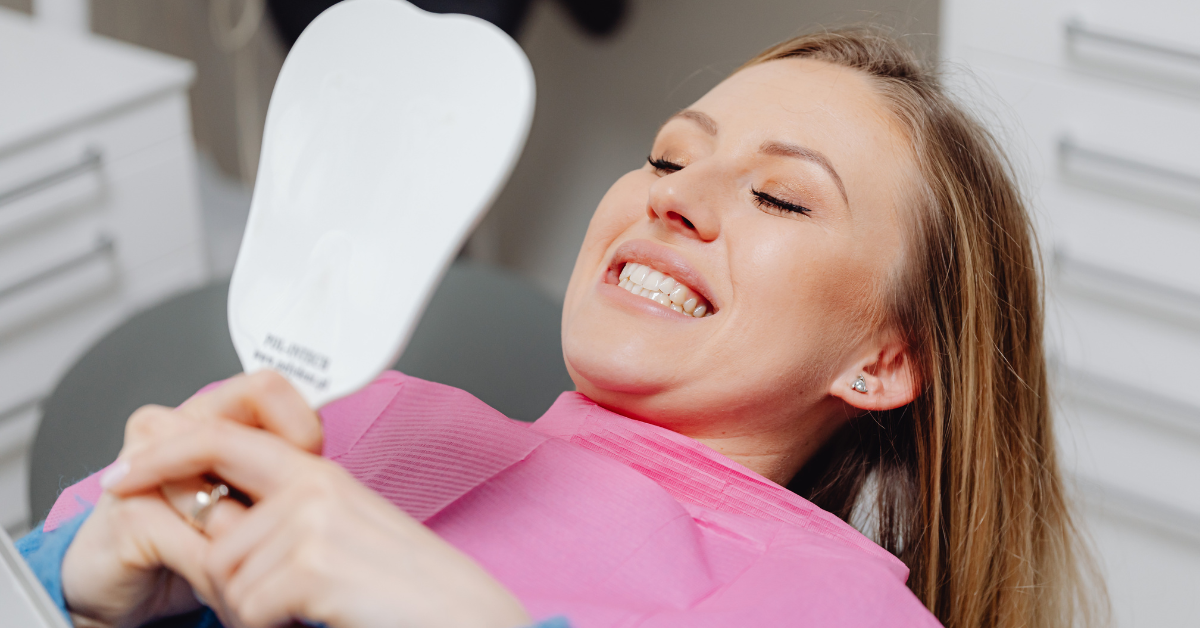
Internal tooth bleaching is a carefully controlled dental procedure designed to address discoloration that originates beneath the enamel rather than on the tooth surface. Patients considering internal tooth bleaching in Los Angeles often want clarity around how the process works and why it differs significantly from traditional whitening treatments. A step by step approach allows dentists to lighten internal staining gradually while protecting the tooth’s structure, seal, and long term function.
At PhD Dental, internal tooth bleaching in Los Angeles is performed using a staged protocol that prioritizes safety, predictability, and cosmetic balance. Each phase of treatment is planned to address internal pigments methodically while minimizing stress on the tooth and surrounding tissues. Understanding how the procedure unfolds helps patients approach treatment with confidence and realistic expectations.
The procedure begins with careful preparation of the tooth to access the internal chamber where discoloration originates. Dentists remove existing restorative material only as necessary to reach the internal space while preserving as much healthy tooth structure as possible. Isolation techniques are used to protect surrounding teeth and gum tissue throughout the process. Precise access ensures that bleaching agents can be placed accurately within the tooth. This preparation stage plays a significant role in both safety and cosmetic success.
Why Precise Internal Access Is Essential For Long Term Tooth Stability
Creating internal access without compromising enamel or dentin strength is critical to maintaining the tooth’s durability after treatment. Excessive removal of structure or poorly positioned access points can weaken the tooth and increase the risk of fracture over time. Careful access design allows cosmetic treatment to proceed without undermining long term stability.
How Proper Isolation Protects Surrounding Teeth And Soft Tissues During Treatment
Isolation barriers prevent bleaching agents from contacting adjacent teeth, gums, or oral tissues during placement. This protection reduces the risk of irritation or chemical exposure outside the targeted area. Maintaining a controlled treatment environment supports both patient comfort and procedural safety.
Once access is established, a specialized bleaching agent is placed inside the tooth where internal discoloration is present. The material is selected based on its ability to break down internal pigments while remaining compatible with dentin and existing dental structures. Dentists position the agent carefully to ensure even distribution within the internal chamber. Internal placement allows the whitening process to address discoloration at its source rather than masking it externally. Precision during placement directly influences the quality of cosmetic results.
Why Internal Placement Directly Addresses The Cause Of Tooth Discoloration
Internal stains are sealed within the tooth and cannot be altered through surface whitening methods. Placing the bleaching agent inside the tooth allows direct interaction with the pigments responsible for darkening. This targeted approach produces more consistent and natural looking lightening.
How Controlled Application Prevents Unnatural Or Excessive Whitening
Dentists regulate both the amount and location of bleaching material to avoid over lightening the tooth relative to surrounding teeth. Controlled application allows gradual shade improvement rather than abrupt color change. This careful approach supports realistic cosmetic outcomes.
After placement of the bleaching agent, the tooth is temporarily sealed to contain the material securely within the internal chamber. This temporary seal allows the bleaching process to occur over a defined period while preventing leakage or contamination. Patients leave the office while the agent continues to work gradually inside the tooth. The waiting period allows controlled color change rather than immediate alteration. Containment during this phase is essential for safety and effectiveness.
Why A Secure Temporary Seal Is Critical During The Bleaching Phase
An effective temporary seal prevents bleaching material from escaping into surrounding tissues and protects the internal chamber from bacteria or moisture. Leakage during this phase can compromise both comfort and results. Maintaining seal integrity ensures the treatment proceeds as intended.
How Gradual Whitening Improves Accuracy And Cosmetic Predictability
Allowing color change to occur gradually gives dentists the opportunity to assess progress at follow up visits. This staged approach reduces the risk of overshooting the desired shade. Predictability improves when results are monitored rather than rushed.
During follow up appointments, dentists evaluate how the tooth color has changed relative to surrounding teeth. Some cases require additional bleaching applications to achieve balanced results, while others reach the desired shade after a single cycle. Evaluation allows dentists to determine whether further treatment will enhance harmony or if bleaching should stop. Adjustments are made thoughtfully to preserve natural appearance. Careful monitoring supports patient satisfaction.
Why Ongoing Evaluation Prevents Mismatch With Adjacent Teeth
Without professional monitoring, internal bleaching can produce a shade that appears too light or inconsistent with neighboring teeth. Regular evaluation ensures that color changes remain proportionate and natural. This oversight helps maintain visual balance within the smile.
How Incremental Adjustments Create More Natural Cosmetic Outcomes
Small, controlled adjustments allow dentists to refine results gradually rather than relying on aggressive treatment. Subtle changes are easier to blend with existing tooth color. Incremental refinement leads to more lifelike results.
Once the desired shade is achieved, the internal chamber is permanently sealed and restored. This final restoration protects the tooth from future staining and reinforces its structural integrity. Proper sealing also prevents bacteria or discoloring agents from reentering the tooth. Completion of this step transitions care from cosmetic correction to long term preservation. Stability becomes the priority after treatment.
Why Permanent Sealing Is Essential For Maintaining Bleaching Results
An inadequate final seal can allow internal discoloration to recur over time. Permanent sealing preserves the cosmetic improvement achieved during treatment. Long term success depends on sealing quality.
How Restoration Supports Both Function And Aesthetic Integration
The final restoration restores normal biting function while blending seamlessly with surrounding teeth. Structural reinforcement ensures the tooth remains strong during daily use. Aesthetic integration completes the cosmetic objective.
Why Patients Choose PhD Dental For Internal Tooth Bleaching In Los Angeles

Selecting the right dental office for internal tooth bleaching requires confidence that the procedure will be handled with technical precision, conservative judgment, and a clear understanding of how cosmetic outcomes affect long term tooth health. At PhD Dental, internal tooth bleaching is approached as a restorative procedure that demands careful planning rather than a quick cosmetic fix, which helps ensure results look natural and remain stable over time. Patients value an approach that prioritizes tooth preservation while still delivering meaningful improvement in appearance.
Internal tooth bleaching is recommended at PhD Dental only when the underlying tooth structure is healthy and capable of supporting predictable cosmetic improvement without added risk. Treatment planning begins with a thorough evaluation of why discoloration occurred, whether the tooth has been previously treated, and how bleaching will interact with existing restorations or seals. This careful decision making process helps avoid unnecessary crowns or veneers when a more conservative solution can achieve the desired result. Patients benefit from treatment that improves appearance while maintaining as much natural tooth structure as possible.
Why Cosmetic Treatment Protects Long Term Tooth Health
Removing healthy enamel to place cosmetic restorations can weaken a tooth and increase the likelihood of future dental work. Internal bleaching allows color correction without reshaping or covering the tooth, which supports structural durability. Preserving natural tooth material helps maintain strength, function, and long term oral health.
How Thoughtful Case Selection Improves Cosmetic Predictability
Not all discoloration responds equally to internal bleaching, which is why careful case selection matters. Evaluating stain origin, depth, and surrounding tooth color helps set realistic expectations. Predictable outcomes are more likely when treatment decisions are guided by clinical evidence rather than cosmetic pressure.
Internal tooth bleaching requires precise execution at every step, from internal access to final sealing, to ensure both cosmetic success and tooth stability. At PhD Dental, the procedure is performed methodically, with close attention paid to isolation, seal integrity, and gradual shade adjustment. Bleaching is never rushed, and progress is monitored carefully to avoid over lightening or imbalance with adjacent teeth. This level of precision supports results that blend naturally with the rest of the smile.
Why Gradual Treatment Produces More Natural Results
Allowing color change to occur in stages makes it easier to evaluate how the treated tooth compares to surrounding teeth. Gradual adjustment prevents abrupt or artificial looking outcomes. This approach supports a more lifelike appearance that remains consistent over time.
How Final Sealing And Restoration Preserve Treatment Results
Once the desired shade is achieved, permanent sealing and restoration protect the tooth from future discoloration and internal changes. A secure seal prevents leakage and reinforces structural integrity. Proper restoration ensures the tooth functions comfortably while maintaining its improved appearance.
Call PhD Dental About Our Internal Tooth Bleaching In Los Angeles Services
Living with a darkened tooth can affect how comfortable you feel smiling, even when the tooth itself remains healthy and functional. Internal discoloration often raises questions about long term appearance, treatment options, and if improvement is possible without unnecessary dental work. A focused evaluation can bring clarity to those questions and outline realistic solutions based on your specific situation.
At PhD Dental, internal tooth bleaching is approached as a case specific procedure guided by careful assessment. Treatment decisions are made with attention to how the tooth looks today and how it should perform years from now, allowing patients to move forward with confidence rather than uncertainty. This approach supports results that feel appropriate for the individual tooth involved. If you are unsure if internal bleaching is appropriate for your situation or you want professional guidance on improving the appearance of a darkened tooth, a consultation can provide that direction. Call PhD Dental at (323) 269-5437 or reach out online to schedule your appointment and take the next step toward a solution designed specifically for your smile.
Get in Touch with PhD Dental
Pick your location
Los Angeles
Los Angeles is a diverse and fast-moving city where access to dependable dental care is essential for individuals and families alike. PhD Dental serves patients throughout Los Angeles with a commitment to personalized care and long-term oral health.
Hours
- Mon 10:30AM - 7:30PM
- Tue 10:30AM - 7:30PM
- Wed 10:30AM - 7:30PM
- Thu 10:30AM - 7:30PM
- Fri 9:30AM - 7:30PM
- Sat 9:00AM - 3:00PM
- Sun Closed