
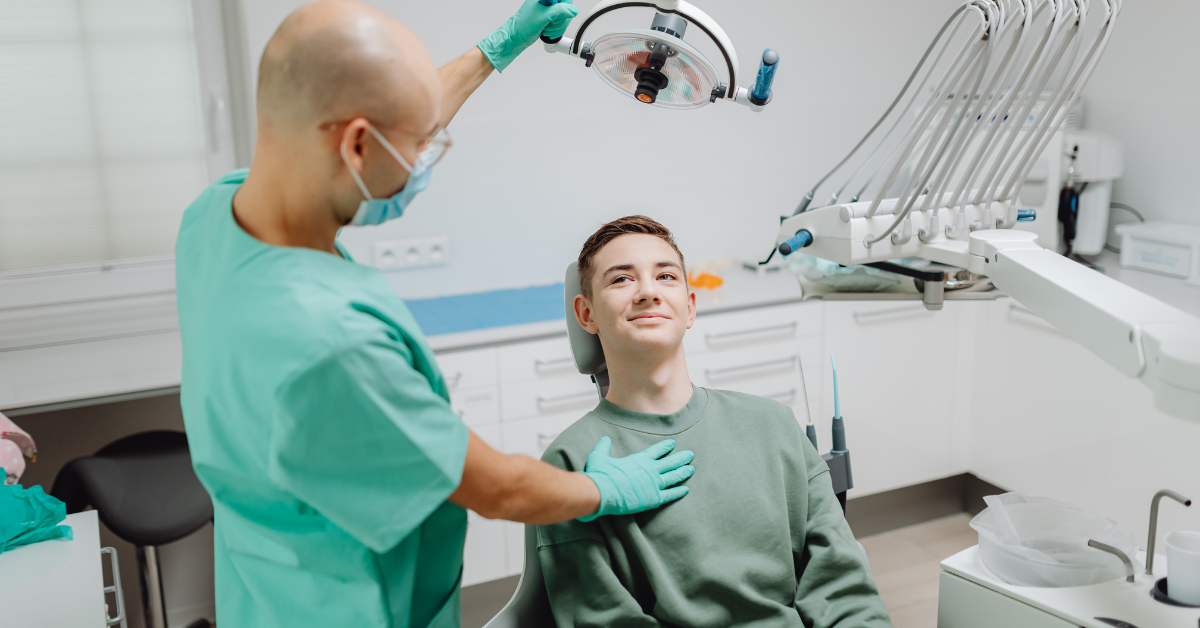
Pulp Capping Dentists in Los Angeles
Preserving a natural tooth whenever possible remains a priority in modern restorative dentistry, especially when decay or trauma reaches close to the inner pulp. Patients searching for pulp capping dentists in Los Angeles are often looking for treatment that can protect the tooth’s nerve while avoiding more invasive procedures. Pulp capping is a specialized technique designed to support healing and extend the life of the natural tooth when conditions allow.
At PhD Dental, pulp capping dentists in Los Angeles evaluate each case carefully to determine if the tooth can be preserved safely and predictably. This approach focuses on reducing inflammation, sealing the affected area, and encouraging the pulp to recover rather than removing it prematurely. Many patients choose pulp capping dentists because they want conservative care that balances long term oral health with thoughtful clinical decision making. If you have been told a tooth is close to needing a root canal or you are experiencing sensitivity that may involve the tooth’s inner structure, early evaluation can make a meaningful difference. Call PhD Dental at (323) 269-5437 today to schedule an appointment and find out if pulp capping is an appropriate option for protecting your tooth.
Top-Rated Dentists
in Los Angeles
Patient-First Dentistry for Every Stage of Life
From early childhood development to adult care, we focus on patient comfort and comprehensive treatment.
Removing Barriers to Dental Care
We believe everyone deserves access to high-quality dental care, regardless of financial situation.

Comprehensive Dentistry Under One Roof
Orthodontics, implants, oral surgery, and preventative care all conveniently located in our clinics.
Expertise, Access & Convenient Locations
Multiple clinic locations across Los Angeles with extended hours to fit your busy schedule.
Table of Contents
- What Conditions Pulp Capping Dentists In Los Angeles Treat
- How Pulp Capping Dentists In Los Angeles Evaluate Pulp Health Before Treatment
- What Happens During A Pulp Capping Procedure At A Los Angeles Dental Office
- Why Patients Trust PhD Dental When Choosing Pulp Capping Dentists In Los Angeles
- Call PhD Dental Today To Speak With Our Pulp Capping Dentists In Los Angeles
What Conditions Pulp Capping Dentists In Los Angeles Treat
Pulp capping is not appropriate for every dental concern, but it can be an effective option when the inner pulp remains healthy enough to recover. Patients searching for pulp capping dentists in Los Angeles are often experiencing symptoms that suggest the nerve is irritated but not irreversibly damaged. Careful diagnosis allows dentists to identify situations where conservative treatment may preserve the tooth and prevent more invasive procedures.
At PhD Dental, pulp capping dentists in Los Angeles focus on conditions where sealing and protecting the pulp can support healing and long term tooth vitality. These cases typically involve early or localized exposure rather than advanced infection. Understanding which conditions qualify helps patients make informed decisions about their care.
Deep cavities that extend close to the pulp often cause sensitivity but do not always require nerve removal. When decay is carefully removed and the pulp remains stable, pulp capping may be considered to protect the nerve and encourage recovery. Dentists assess factors such as bleeding, inflammation, and remaining dentin thickness before recommending treatment. At PhD Dental, this evaluation helps determine whether pulp capping dentists can safely preserve the tooth. Proper case selection plays a critical role in successful outcomes.
Why Controlled Pulp Exposure Can Still Be Treatable
A small, controlled pulp exposure does not automatically mean the nerve is beyond repair. When inflammation is limited and bacteria are managed effectively, protective materials can help seal the area. This allows the pulp to stabilize rather than deteriorate further.
How Protective Materials Support Pulp Healing
Modern pulp capping materials create a barrier that protects the nerve from bacteria and temperature changes. These materials also encourage the formation of reparative dentin over time. This biological response supports tooth vitality when conditions are favorable.
Minor cracks or fractures can sometimes irritate the pulp without causing irreversible damage. When trauma exposes dentin or places stress on the inner tooth, symptoms may develop gradually. Dentists evaluate crack depth and pulp response before determining whether conservative treatment is appropriate. At PhD Dental, our dentists consider these factors carefully before recommending care. Early intervention often improves the chance of preserving the natural tooth.
Why Early Assessment Matters After Tooth Trauma
Delaying evaluation after a crack or fracture can allow inflammation to worsen. Early diagnosis helps determine whether the pulp can recover with protection. Prompt care improves predictability and reduces the risk of progression.
How Stabilizing The Tooth Reduces Further Irritation
Sealing and reinforcing the tooth helps limit movement and bacterial exposure. This stability reduces ongoing irritation to the pulp. Supporting the tooth structure creates a more favorable healing environment.
Excessive tooth wear from grinding or erosion can thin enamel and expose deeper layers of the tooth. Over time, this exposure may irritate the pulp and cause sensitivity. Dentists evaluate whether protective treatment can shield the nerve before damage becomes severe. Pulp capping dentists often consider this option when wear related sensitivity threatens pulp health. Addressing the issue early may prevent the need for more extensive treatment.
Why Ongoing Sensitivity Signals Pulp Stress
Persistent sensitivity often indicates that the pulp is reacting to external stimuli. Identifying the cause helps determine whether the pulp can recover. Monitoring symptoms closely guides appropriate intervention.
How Protective Coverage Helps Preserve Vitality
Covering exposed dentin reduces temperature and pressure changes that stress the pulp. This protection allows inflammation to subside. Preserving vitality supports long term tooth function.
How Pulp Capping Dentists In Los Angeles Evaluate Pulp Health Before Treatment
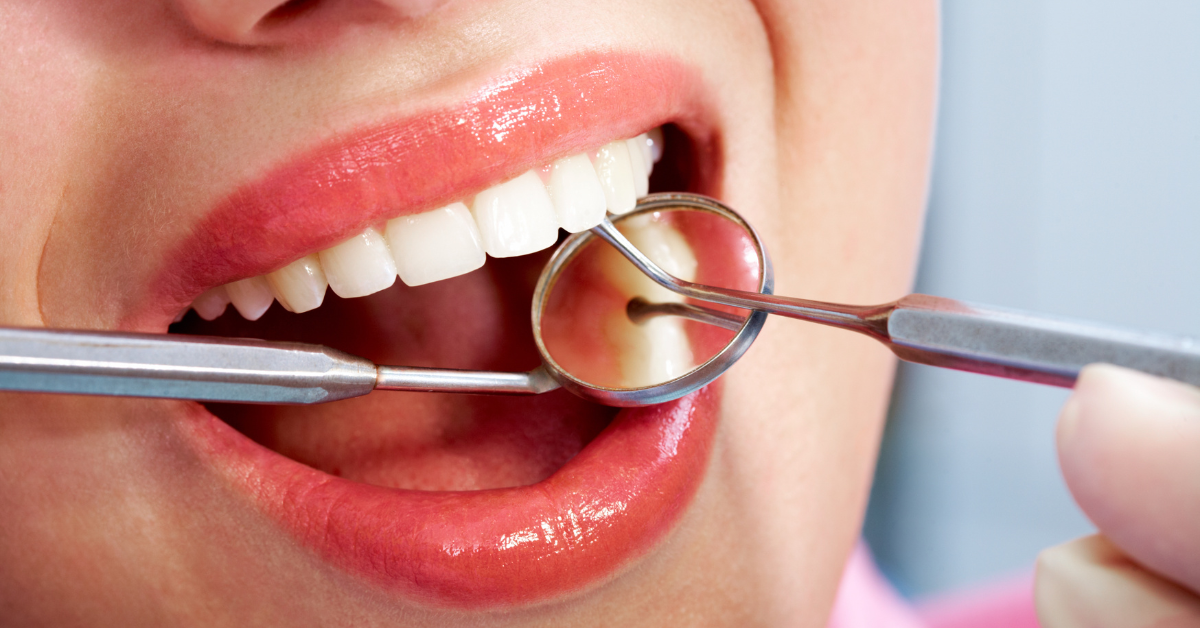
Determining whether the dental pulp can recover requires a detailed and methodical evaluation process. Patients seeking care from pulp capping dentists often arrive with symptoms that suggest irritation but not necessarily irreversible damage. Accurate assessment helps dentists decide whether conservative treatment can protect the tooth or whether more extensive care is required.
At PhD Dental, pulp capping dentists in Los Angeles rely on clinical findings, diagnostic tools, and patient history to evaluate pulp vitality. This careful approach minimizes guesswork and improves the likelihood that treatment supports healing rather than masking deeper issues. A thorough evaluation forms the foundation of successful pulp preservation.
Dentists perform a series of clinical tests to assess how the pulp responds to temperature and pressure. These responses help determine whether inflammation remains reversible or has progressed beyond recovery. Visual inspection of the tooth also reveals signs of swelling, discoloration, or tissue changes that affect treatment decisions. At PhD Dental, our dentists interpret these findings together rather than relying on a single indicator. This comprehensive view supports accurate diagnosis and appropriate care.
Why Response Patterns Matter More Than Single Symptoms
Isolated sensitivity does not always indicate permanent pulp damage. Patterns of response over time provide clearer insight into pulp health. Evaluating these patterns helps dentists avoid unnecessary invasive procedures.
How Patient Feedback Guides Diagnostic Accuracy
Patient descriptions of pain timing and intensity offer valuable context for test results. Clear communication helps dentists distinguish between temporary irritation and deeper pathology. This collaboration improves treatment planning.
Digital imaging allows dentists to visualize structures beneath the enamel and dentin layers. These images reveal the depth of decay, proximity to the pulp, and any signs of internal changes. Imaging also helps rule out infection or bone involvement that would limit conservative treatment options. Pulp capping dentists in Los Angeles use this information to confirm whether pulp protection remains viable. Accurate imaging supports confident decision making.
Why Decay Depth Influences Treatment Recommendations
Shallow or localized decay presents different risks than extensive lesions. Understanding depth helps determine whether the pulp can be safely protected. Treatment decisions depend heavily on this distinction.
How Imaging Supports Long Term Treatment Planning
Clear images allow dentists to anticipate how the tooth may respond over time. Planning based on imaging reduces unexpected complications. This foresight supports better outcomes.
A patient’s overall oral health and medical background influence pulp healing potential. Conditions such as chronic inflammation, past trauma, or repeated dental procedures may affect recovery. Dentists consider these factors carefully before recommending pulp capping. At PhD Dental, pulp capping dentists in Los Angeles integrate medical history into every evaluation. This individualized approach helps ensure treatment decisions align with long term oral health goals.
Why Previous Dental Work Changes Pulp Response
Teeth that have undergone multiple restorations may respond differently to new treatment. Scar tissue and reduced blood supply can limit healing capacity. Understanding this history helps guide appropriate care.
How Risk Assessment Improves Predictability
Evaluating risk factors allows dentists to set realistic expectations. This assessment reduces the likelihood of treatment failure. Predictable planning supports patient confidence.
What Happens During A Pulp Capping Procedure At A Los Angeles Dental Office
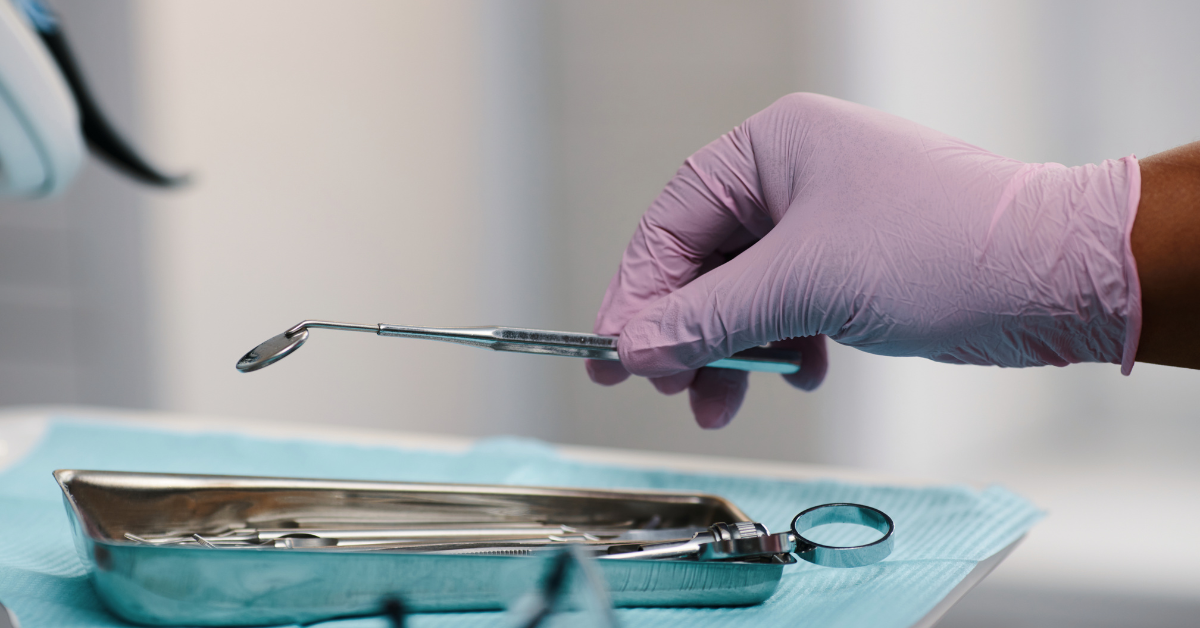
Understanding the steps involved in treatment often helps patients feel more confident about moving forward. A pulp capping procedure is designed to protect the inner pulp while restoring the tooth in a controlled and predictable manner. Patients seeking pulp capping dentists in Los Angeles often want clarity on how the procedure supports healing while avoiding unnecessary removal of healthy tissue.
At PhD Dental, the procedure follows a structured approach that emphasizes precision, cleanliness, and long term tooth vitality. Each stage focuses on stabilizing the pulp and creating conditions that allow the tooth to recover naturally. This method supports predictable outcomes and patient comfort throughout treatment.
The procedure begins with careful removal of decay or compromised tooth structure while preserving as much healthy enamel and dentin as possible. Dentists work deliberately to avoid unnecessary contact with the pulp and reduce irritation during preparation. Local anesthesia ensures comfort while allowing the dentist to work with accuracy. At PhD Dental, our dentists prioritize controlled preparation to protect the pulp environment. Proper preparation directly influences healing potential.
Why Conservative Cleaning Protects Pulp Health
Removing only infected or weakened tissue helps limit inflammation and prevents additional trauma to the pulp. Excessive removal can increase stress on the nerve and reduce healing capacity. Conservative techniques help maintain the biological stability needed for recovery.
How Moisture Control Improves Predictability
Keeping the treatment area dry and isolated reduces bacterial exposure during preparation. Moisture control also supports proper bonding of protective materials. This controlled environment improves treatment consistency and long term success.
After preparation, dentists place a specialized protective material directly over the pulp or the affected dentin layer. This material creates a barrier that shields the pulp from bacteria, temperature changes, and mechanical stress. Proper placement requires precision to ensure complete coverage and stability. At PhD Dental, our dentists select materials based on biocompatibility and proven clinical performance. This step plays a central role in preserving pulp vitality.
Why Material Choice Influences Healing Response
Different materials interact with pulp tissue in specific ways that affect inflammation and repair. Selecting an appropriate material supports the formation of reparative dentin. This biological response helps strengthen the tooth internally.
How Secure Sealing Prevents Treatment Failure
A reliable seal prevents bacteria from reentering the treated area after placement. Microleakage can compromise healing and lead to further pulp damage. Effective sealing supports long term stability.
Once pulp protection is complete, the tooth is restored with a durable filling to rebuild strength and structure. Dentists shape the restoration carefully to match natural contours and restore proper bite alignment. This ensures the tooth functions comfortably during chewing and speaking. At PhD Dental, pulp capping dentists in Los Angeles emphasize smooth finishing to reduce irritation. Restoration completes the protective process.
Why Bite Accuracy Matters After Pulp Capping
Even minor bite imbalances can place excess pressure on a healing tooth. Uneven forces may interfere with recovery and increase discomfort. Accurate bite adjustment helps protect the pulp during healing.
How Finishing Techniques Improve Comfort
Polishing the restoration reduces rough edges that can irritate the tongue or surrounding tissue. Smooth surfaces also limit plaque accumulation. These refinements enhance daily comfort.
Healing continues after the appointment, making follow up care an important part of treatment. Dentists monitor symptoms and tooth response to confirm that the pulp remains healthy. Early detection of changes allows for timely adjustments if needed. At PhD Dental, pulp capping dentists in Los Angeles emphasize monitoring as part of conservative care. Ongoing evaluation improves predictability.
Why Follow Up Visits Matter After Treatment
Post procedure evaluations help confirm that inflammation is resolving appropriately. Dentists assess sensitivity, function, and restoration integrity. These visits provide reassurance and guidance.
How Early Intervention Prevents Escalation
Addressing concerns early can prevent progression to more invasive procedures. Minor adjustments may resolve issues before they worsen. Proactive care supports long term tooth preservation.
Why Patients Trust PhD Dental When Choosing Pulp Capping Dentists In Los Angeles

Selecting a provider for conservative pulp treatment requires confidence in both clinical judgment and long term planning. Patients looking for pulp capping dentists often want assurance that recommendations are based on preservation rather than defaulting to invasive care. At PhD Dental, treatment decisions reflect a careful balance between protecting tooth vitality and ensuring predictable outcomes.
Trust develops through clear communication, thoughtful diagnostics, and results that hold up over time. Patients who choose PhD Dental as their pulp capping dentists in Los Angeles value an approach that prioritizes education, precision, and individualized care. This consistency helps patients feel secure throughout every stage of treatment.
Experience allows dentists to recognize subtle differences between reversible and irreversible pulp conditions. At PhD Dental, our dentists draw on clinical insight to determine when conservative treatment can succeed and when alternative care may be more appropriate. This judgment helps protect patients from unnecessary procedures while maintaining safety. Careful decision making supports better long term outcomes. Patients benefit from recommendations grounded in experience rather than routine.
Why Case Selection Determines Treatment Success
Not every tooth is a candidate for pulp capping, even when symptoms appear mild. Identifying suitable cases improves healing potential and reduces complications. Proper selection increases confidence in outcomes.
How Experience Improves Diagnostic Accuracy
Seasoned clinicians recognize response patterns that guide appropriate care. This insight helps distinguish temporary inflammation from deeper pathology. Accurate diagnosis supports predictable treatment planning.
Clear explanations help patients understand their condition and available options. Pulp capping dentists in Los Angeles at PhD Dental take time to explain findings, risks, and expected outcomes before proceeding. This transparency allows patients to make informed decisions without pressure. Open dialogue also helps manage expectations during healing. Patients often feel more comfortable when they understand the reasoning behind care.
Why Education Encourages Active Patient Participation
Patients who understand their treatment are more likely to follow aftercare instructions. Active participation supports healing and reduces setbacks. Education strengthens the provider patient relationship.
How Clear Expectations Reduce Anxiety
Knowing what sensations are normal helps patients feel reassured after treatment. Clear guidance minimizes uncertainty during recovery. Confidence improves the overall experience.
Protecting natural tooth structure remains a guiding principle at PhD Dental. Pulp capping dentists in Los Angeles focus on maintaining vitality whenever conditions allow, rather than removing pulp prematurely. This approach supports stronger teeth and simplifies future dental care if additional treatment becomes necessary. Long term planning guides each recommendation. Patients appreciate care designed to last.
Why Preserving Vitality Benefits Tooth Strength
Vital teeth maintain natural flexibility and resilience. Preserving the pulp supports continued nourishment and sensation. This contributes to long term function.
How Conservative Care Reduces Future Treatment Needs
Maintaining pulp health can delay or prevent more invasive procedures. Conservative treatment preserves options for the future. Patients benefit from flexibility in care planning.
Call PhD Dental Today To Speak With Our Pulp Capping Dentists In Los Angeles
When tooth sensitivity, deep decay, or recent dental trauma puts the health of the inner pulp at risk, early action can make a meaningful difference. Patients searching for pulp capping dentists are often hoping to preserve their natural tooth while avoiding more extensive treatment whenever possible. Conservative care focused on protection and healing can help maintain tooth vitality when the pulp remains healthy enough to recover. At PhD Dental, our pulp capping dentists in Los Angeles take a thoughtful and individualized approach to every case, recognizing that no two teeth respond exactly the same way. Treatment recommendations are based on careful evaluation and a long term view of oral health rather than one size fits all solutions. This philosophy allows patients to feel confident that preservation is prioritized whenever it can be done safely and predictably.
Choosing a dentist who emphasizes communication and transparency helps patients understand both their condition and their options. From the initial evaluation through follow up care, PhD Dental focuses on guiding patients through each step with clarity and support. This approach encourages informed decision making and helps patients feel more at ease throughout treatment. If you have been told a tooth may be close to requiring a root canal or you are experiencing ongoing sensitivity that raises concerns about pulp health, an early evaluation can protect future treatment options. Speaking with experienced pulp capping dentists may allow conservative care before damage becomes irreversible. Call PhD Dental at (323) 269-5437 or visit our contact page today to schedule your appointment.
Get in Touch with PhD Dental
Pick your location
Los Angeles
Los Angeles is a diverse and fast-moving city where access to dependable dental care is essential for individuals and families alike. PhD Dental serves patients throughout Los Angeles with a commitment to personalized care and long-term oral health.
Hours
- Mon 10:30AM - 7:30PM
- Tue 10:30AM - 7:30PM
- Wed 10:30AM - 7:30PM
- Thu 10:30AM - 7:30PM
- Fri 9:30AM - 7:30PM
- Sat 9:00AM - 3:00PM
- Sun Closed