
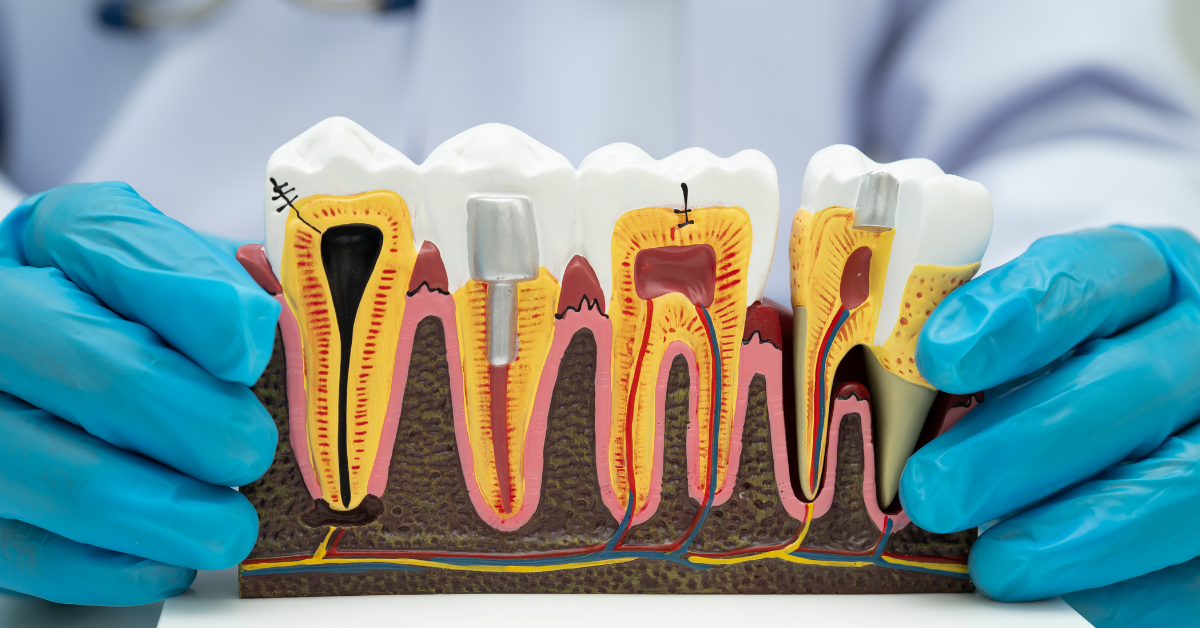
Root Canal Retreatment in Los Angeles
If you’re considering root canal retreatment in Los Angeles, you’re probably dealing with a tooth that started hurting again, swelling, or showing new signs of infection after a prior root canal. Retreatment can also make sense when imaging suggests the tooth never fully stabilized after the first procedure. At PhD Dental, we treat retreatment as a second diagnostic and planning step, not a default repeat procedure. We focus on identifying why your symptoms returned, whether the tooth remains restorable, and what needs to change this time to achieve a more predictable result. Our Los Angeles patients value this approach because it replaces uncertainty with a clear and realistic path forward.
Retreatment often requires more specialized attention than an initial root canal because the tooth may contain older filling materials, prior restorative work, or anatomy that complicates access and cleaning. PhD Dental evaluates the tooth’s current condition, the integrity of the seal, and the surrounding tissue so recommendations stay evidence-based and specific to the problem at hand. You will get clarity on what the best-case outcome looks like, what factors can limit success, and when an alternative plan may protect your long-term comfort better. This level of transparency is important because it helps you commit to the right option instead of repeating steps that may not fully solve the issue.
Call (323) 269-5437 to schedule an evaluation at PhD Dental for root canal retreatment in Los Angeles and get a clear plan for relieving symptoms, addressing the root cause, and protecting the tooth for long-term stability.
Top-Rated Dentists
in Los Angeles
Patient-First Dentistry for Every Stage of Life
From early childhood development to adult care, we focus on patient comfort and comprehensive treatment.
Removing Barriers to Dental Care
We believe everyone deserves access to high-quality dental care, regardless of financial situation.

Comprehensive Dentistry Under One Roof
Orthodontics, implants, oral surgery, and preventative care all conveniently located in our clinics.
Expertise, Access & Convenient Locations
Multiple clinic locations across Los Angeles with extended hours to fit your busy schedule.
Why Patients Choose PhD Dental for Root Canal Retreatment in Los Angeles

Patients looking for root canal retreatment in Los Angeles want a dental team that explains options clearly, anticipates complications, and treats follow-through as part of the service rather than an add-on. PhD Dental earns trust by using a structured approach that keeps care predictable, reduces surprises, and protects the tooth’s long-term stability. At PhD Dental, patients also benefit from upfront guidance on how prior dental work, hidden canal anatomy, or delayed treatment can change both complexity and timing.
Our team sets expectations around what will happen if new findings appear during evaluation, which prevents last-minute changes from feeling confusing or alarming. Clear communication continues after the procedure, so patients know what comfort milestones should look like and what signals warrant a call. This emphasis on continuity matters because root canal outcomes often depend on protecting the tooth between phases, not only completing the procedure itself. When the entire process stays organized and transparent, patients feel supported from the first consult through the final restoration.
Patients considering root canal retreatment in Los Angeles feel more comfortable when the dentist defines what success looks like before treatment begins. A strong plan outlines the treatment goal, identifies the main risks that could disrupt healing, and explains how the tooth will be protected afterward. This structure helps patients commit with confidence because the next steps feel specific and measurable.
Transparent Explanation of Findings and Root Canal Treatment Rationale
Many patients have heard conflicting advice about whether a tooth needs root canal care, retreatment, or extraction. PhD Dental focuses on explaining what is visible, what it implies, and why one path offers a more predictable outcome than another. That’s especially important for anyone weighing root canal retreatment in Los Angeles after receiving conflicting guidance elsewhere.
Clear Options When More Than One Path Could Work
Some cases allow for more than one reasonable approach, especially when symptoms are mild or imaging findings are borderline. PhD Dental explains the tradeoffs in comfort, timing, and long-term risk so patients can choose based on priorities rather than pressure. This decision support matters because it helps patients feel ownership of the plan instead of feeling boxed into a single recommendation.
Root canal outcomes depend on accuracy and consistency across the entire visit. Patients value providers who treat details as clinical standards, including isolation, canal management, and seal quality. A methodical approach reduces avoidable setbacks and supports results that hold up under everyday chewing and normal life.
Clean Technique and Seal Integrity as a Quality Standard in Root Canal Retreatment
A secure internal seal helps prevent bacteria from re-entering the canal system and restarting inflammation. PhD Dental prioritizes technique and controlled conditions so the seal remains stable, not compromised by rushed steps or inconsistent isolation. This attention to detail supports patient satisfaction because it reduces the chance of recurring discomfort.
Protecting the Tooth from Structural Setbacks After Treatment
Many teeth that need root canal therapy also have weakened structure from decay or older restorations. PhD Dental plans protection steps that reduce the risk of cracking or breakdown after treatment, especially for molars under heavy bite pressure. Patients appreciate this approach because it treats the tooth as a long-term asset, not a short-term repair.
Patients often judge root canal care by how supported they feel before and after the appointment. PhD Dental emphasizes calm communication, predictable pacing, and clear expectations so the visit does not feel rushed or confusing. This approach helps patients stay relaxed and improves cooperation, which supports more efficient care.
Appointment Flow That Reduces Anxiety and Keeps Treatment Controlled
When you schedule root canal retreatment in Los Angeles, you should know what the visit will cover and why each step matters. PhD Dental explains what will happen in sequence, checks in on comfort, and keeps transitions between phases clear. That consistency improves satisfaction because patients feel informed throughout the visit instead of guessing what comes next.
Practical Aftercare Guidance That Prevents Unnecessary Worry
Many patients leave other offices with vague instructions that make normal soreness feel alarming. PhD Dental provides clear recovery guidance, including what should improve, what to avoid, and when to call. That reduces stress because patients know what is normal and how to protect healing.
Root canal care does not end when symptoms calm down. Patients benefit when the dental team coordinates restoration planning, bite comfort, and follow-up timing to keep the tooth stable long after treatment day. PhD Dental treats follow-through as part of the treatment plan so results remain consistent.
Restoration-Ready Planning for Crowns, Fillings, and Tooth Strength After Root Canals
A treated tooth often needs reinforcement to handle normal bite forces, especially in the back of the mouth. PhD Dental plans the next restoration step with the goal of preventing reinfection and reducing fracture risk. This coordination increases trust because patients can see a complete roadmap rather than disconnected appointments.
Communication That Keeps Your Care Simple and Organized
Patients in Los Angeles often juggle tight schedules and do not want unclear next steps. PhD Dental provides straightforward timelines and instructions so patients know what happens next and why it matters. This organization supports confidence because it reduces delays and keeps treatment moving toward a durable finish.
What to Expect During the Root Canal Retreatment Process

If you need root canal retreatment in Los Angeles, your endodontist will follow a deliberate sequence that addresses what the first procedure could not fully resolve. The process typically involves reopening the tooth, removing prior filling materials, cleaning the canal system again, and sealing it under controlled conditions. Patients feel more confident when the dentist explains why each step matters, since retreatment often requires added precision to reach areas that remain contaminated or inaccessible.
A retreatment visit starts with confirming the reason symptoms returned and identifying what may be preventing the tooth from stabilizing. Dentists review existing restorations, prior records when available, and current imaging to map risks before they touch the tooth. This planning reduces surprises because the team anticipates obstacles such as hidden canals, calcification, or leakage around prior work.
How Los Angeles Dentists Review Existing Crowns, Fillings, and Seal Integrity Before Root Canal Retreatment
Many teeth that need retreatment also have a crown or large filling that can complicate access. Dentists assess whether the restoration still seals properly and whether it can remain in place during treatment. Patients appreciate this review because it clarifies whether retreatment will involve additional restorative steps afterward.
Identifying Leakage Pathways That Can Reintroduce Bacteria
Even a successful internal seal can fail if bacteria enter through a compromised restoration. Dentists look for margins that allow saliva infiltration and for micro-gaps that can keep inflammation active. Pinpointing the entry point helps prevent repeat issues because the plan addresses the source of contamination, not only the symptoms.
After mapping the case, the dentist creates access to the canal system and carefully removes the existing filling material. This step clears the path for deeper cleaning and allows the dentist to inspect the internal anatomy more completely. Patients often find retreatment reassuring when they understand that removal is a controlled process designed to restore visibility and reach.
Managing Posts, Build-Ups, and Older Materials During Root Canal Retreatment
Some teeth contain posts or dense build-up material that supported a crown after the first procedure. Dentists evaluate whether these components can be removed safely and whether removal changes the long-term restoration plan. This transparency supports confidence because it sets realistic expectations about complexity and the need for staged treatment.
Preserving Tooth Structure While Regaining Access to the Canal System
Retreatment should protect remaining tooth structure, especially when the tooth already has limited healthy dentin. Dentists use a conservative approach that focuses on creating precise access rather than enlarging the opening unnecessarily. Patients benefit from this restraint because structural preservation supports better long-term stability.
Once prior materials are removed, the dentist re-cleans the canal space and disinfects areas that may have been missed or re-contaminated. Retreatment often requires extra attention to canal branches, curves, and narrow segments where bacteria can persist. A meticulous cleaning phase supports patient satisfaction because it increases the likelihood that symptoms resolve and stay resolved.
Locating Missed Canals and Addressing Complex Root Anatomy
Some teeth have canal pathways that remain hidden during the first procedure, especially in molars with variable anatomy. Dentists re-evaluate canal anatomy during retreatment and search for additional pathways that could harbor infection. This thoroughness matters because a missed canal can keep inflammation active even when the main canals appear sealed.
Measurement and Verification Steps That Support a More Predictable Outcome
Dentists confirm working length and canal shape so cleaning reaches the correct depth and avoids leaving debris behind. Verification reduces the risk of under-cleaning, which can contribute to recurrence. Patients gain confidence when they see that retreatment includes added checks rather than repeating the same steps in the same way.
After cleaning and disinfection, the dentist fills and seals the canals to block bacterial entry. The goal is to create a dense, stable seal that supports healing in the surrounding tissues. Patients tend to feel more comfortable when the dentist explains how seal quality connects to long-term success, not only short-term relief.
Temporary Protection Versus Final Restoration After Retreatment
Some cases require a temporary seal while the tooth stabilizes or while restorative planning is finalized. Dentists explain how to protect the tooth during this period and what habits can put the seal at risk. Clear guidance improves satisfaction because patients know what to avoid and when the tooth can return to full function.
Coordinating Crown Replacement or Repair When the Restoration Contributed to Failure
If the existing crown or filling allowed leakage, the restoration plan becomes a critical part of preventing recurrence. Dentists outline whether the crown can be adjusted, repaired, or needs replacement to restore a reliable seal. This coordination builds trust because it shows the team is treating the whole system, not isolating the canal work from the restoration that protects it.
Retreatment recovery often includes short-term tenderness as tissues settle and inflammation reduces. Dentists provide clear guidance on what sensations are typical, what should improve over time, and when to call if symptoms trend in the wrong direction. A structured follow-up plan supports confidence because it confirms healing rather than leaving patients to interpret symptoms on their own.
Setting Milestones for Comfort Improvement After Root Canal Retreatment
Patients benefit when the dentist explains what progress should look like during the first week and beyond. Dentists often describe how chewing pressure should feel and when the tooth should start to normalize. These milestones reduce anxiety because patients can track improvement instead of guessing.
Preventing Re-Injury Through Bite Management and Careful Chewing Guidance
A tooth can stay sensitive if it takes too much bite pressure during early healing. Dentists may recommend temporary chewing adjustments and confirm that the tooth does not contact too aggressively. This guidance protects results because it reduces irritation that can mimic persistent infection and lead to unnecessary concern.
How Los Angeles Dentists Know When Root Canal Retreatment Is Not the Best Option
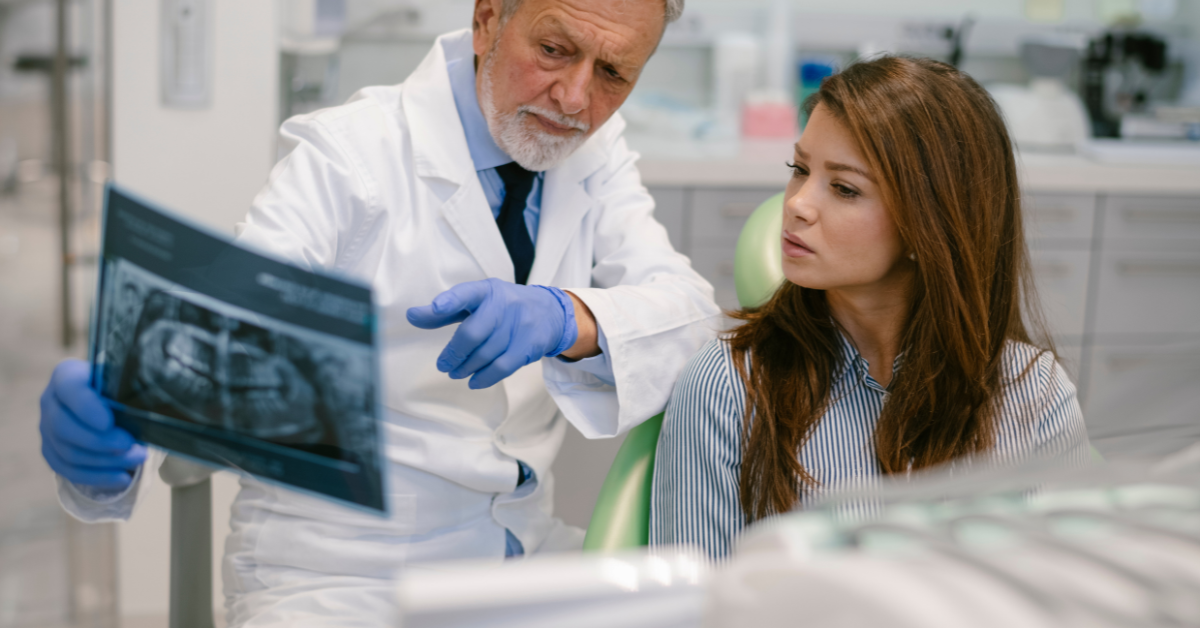
Root canal retreatment can be a strong tooth-preserving option, but it does not fit every case. A trustworthy dentist explains when the odds of long-term stability drop and why another plan may protect comfort and function more reliably. Patients tend to feel more confident when the recommendation includes clear limits, not only possibilities, because that transparency prevents investing in a procedure that cannot deliver a durable outcome.
Some teeth cannot support retreatment because the remaining structure cannot handle normal bite forces, even if the canal system can be cleaned again. Dentists evaluate whether the tooth has enough sound structure to hold a stable restoration and whether the foundation will resist cracking under everyday chewing. When structural limits are clear, choosing a different path often prevents repeat pain and repeated procedures.
Vertical Root Fractures and Crack Patterns That Undermine Long-Term Stability
A vertical root fracture can allow bacteria to track along the crack line and keep inflammation active. These fractures often create symptoms that return quickly or never fully resolve, even with careful internal treatment. When a dentist identifies a fracture pattern consistent with this risk, retreatment usually cannot offer a reliable, lasting solution.
Signs That Suggest a Tooth Cannot Be Stabilized with Retreatment Alone
Dentists watch for deep, narrow probing defects, persistent localized swelling, and imaging changes that align with a fracture pattern. Symptoms may also flare specifically under biting pressure, then ease when pressure stops, which can point to structural instability. A clear explanation of these signs helps patients feel confident moving away from retreatment because the reasoning stays grounded in evidence.
Retreatment success depends on more than canal cleanliness. The tooth must also support a crown or other restoration that seals the top and protects the remaining structure. When decay or breakdown extends below the gumline, achieving a stable, clean margin can become unrealistic, which increases leakage risk and future failure.
Deep Decay, Poor Margins, and the Risk of Repeat Infection After a Root Canal
A restoration that cannot seal properly allows saliva and bacteria to re-enter and restart inflammation. Dentists assess whether a crown can be placed with a secure margin and whether the tooth can be rebuilt without creating chronic gum irritation. Patients appreciate this candor because it connects the decision to long-term stability, not a short-term attempt.
When Tooth Length and Ferrule Requirements Make a Crown Unreliable
A crown needs a stable band of tooth structure to grip, often referred to clinically as a ferrule. Without enough healthy tooth above the gumline, even a well-made crown can loosen, leak, or fracture. Explaining this concept in plain language helps patients understand why retreatment alone does not solve the real problem.
Some teeth become difficult to re-treat because earlier procedures altered the canal system in ways that block access or compromise cleaning. Dentists evaluate whether prior materials, ledges, perforations, or separated instruments prevent thorough disinfection. In these cases, pursuing retreatment can increase chair time and cost without increasing predictability.
Blocked Canals, Separated Instruments, and Access Limitations
A separated file or dense obstruction can prevent cleaning to full working length. Dentists assess whether the obstruction can be bypassed safely and whether remaining bacteria likely persist beyond that blockage. When access stays limited, the tooth may continue to show symptoms despite an otherwise careful effort.
Perforations and Irreversible Pathways That Reduce Success Probability
A perforation creates an unintended communication between the canal system and surrounding tissues. Some perforations can be managed, but others carry an elevated risk of persistent inflammation and long-term instability. When a perforation compromises the tooth’s seal or support, dentists may recommend an alternative plan that better protects comfort.
A dentist’s job includes recommending the option that delivers the most reliable long-term result, even when it means letting a tooth go. When retreatment cannot restore stability, extraction followed by an appropriate replacement plan can reduce ongoing infection risk and recurring pain cycles. Patients often feel relieved when the recommendation aligns with a clear quality-of-life goal rather than repeated attempts.
Implant, Bridge, or Partial Denture Planning Based on Bite Needs
Replacement planning depends on how the tooth functions in the bite and what support exists around it. Dentists consider spacing, bone support, neighboring teeth, and bite forces to recommend a replacement strategy that fits the patient’s needs. Clear planning builds trust because patients can see how extraction decisions connect to long-term function, not a rushed choice.
Weighing Total Treatment Time, Cost, and Reliability Across Options
Patients want an honest comparison of what it takes to reach a stable endpoint. Dentists can outline whether retreatment would still require significant restoration work and how that compares to extraction and replacement timelines. This clarity supports satisfaction because it helps patients avoid sunk-cost decisions and choose the path that is most likely to end the problem.
Even when a tooth looks technically treatable, individual risk factors can change what is wise. Dentists consider medical history, healing capacity, oral hygiene realities, and habits like heavy clenching that can overload a compromised tooth. A personalized recommendation supports authority and trust because it reflects the patient’s real conditions, not a generic treatment template.
Heavy Bite Forces, Grinding, and Repeated Breakdown Risk
Clenching and grinding can crack weakened teeth and compromise restorations, especially after retreatment. Dentists evaluate wear patterns and bite dynamics to estimate whether the tooth can remain stable under daily load. When overload risk is high, an alternate plan may provide a better chance of long-term comfort.
Medical Considerations That Affect Healing and Infection Control
Certain medical conditions and medications can change healing pace and infection risk. Dentists factor these realities into the plan so patients do not face avoidable complications or prolonged discomfort. This careful screening strengthens trust because it shows the recommendation prioritizes safety, predictability, and patient-specific stability.
Schedule a Root Canal Retreatment in Los Angeles With PhD Dental
Root canal retreatment is usually considered when a previously treated tooth starts acting up again. When that happens, patients need a plan that targets the reason the tooth never fully stabilized. At PhD Dental, the goal is to identify what changed since the first procedure and whether the tooth can still reach a predictable, long-term endpoint with retreatment. We provide clear guidance on the state of your tooth, what success should look like, and what steps will protect the tooth after the internal work is complete. This helps our patients move forward without feeling like they are repeating the same process.
Scheduling retreatment also gives you a chance to reduce the disruption that recurring tooth problems can create in daily life. PhD Dental keeps the process organized so you know what the evaluation will cover, what the next phase may require, and how timing connects to restoring full function. When a plan stays this specific, patients feel more confident that the visit leads to resolution for their tooth discomfort.
Call (323) 269-5437 or reach out online to schedule your root canal retreatment evaluation with PhD Dental and get a clear plan for relieving symptoms and protecting your tooth.
Get in Touch with PhD Dental
Pick your location
Los Angeles
Los Angeles is a diverse and fast-moving city where access to dependable dental care is essential for individuals and families alike. PhD Dental serves patients throughout Los Angeles with a commitment to personalized care and long-term oral health.
Hours
- Mon 10:30AM - 7:30PM
- Tue 10:30AM - 7:30PM
- Wed 10:30AM - 7:30PM
- Thu 10:30AM - 7:30PM
- Fri 9:30AM - 7:30PM
- Sat 9:00AM - 3:00PM
- Sun Closed