
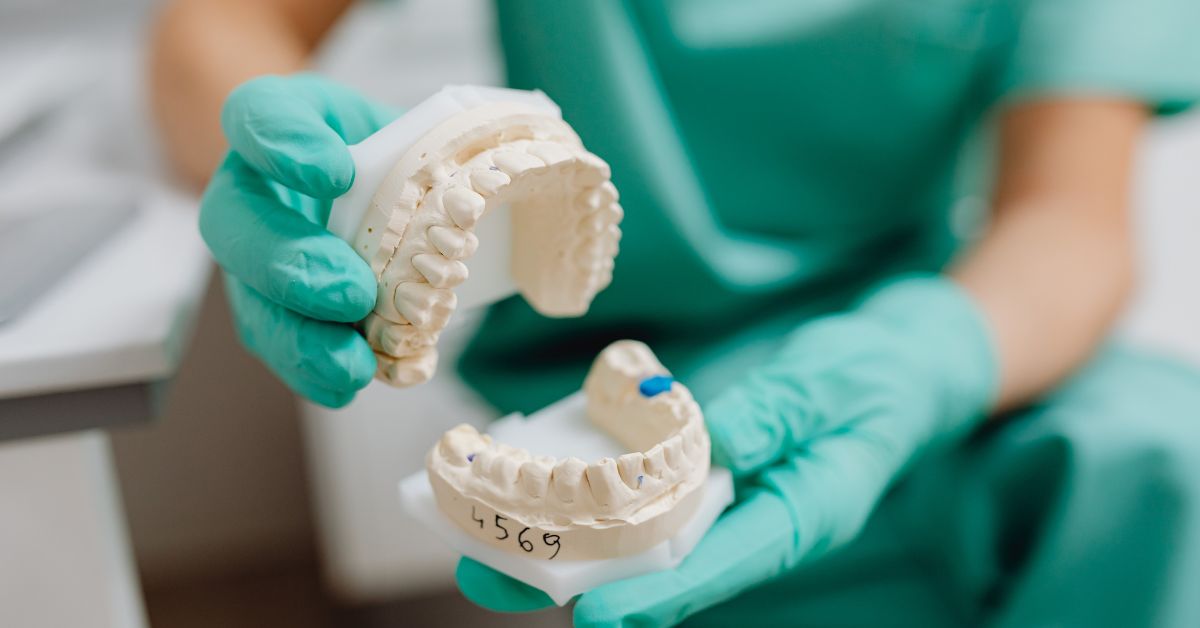
All-on-4 Implants in Los Angeles
For Los Angeles dental patients, All-on-4 Implants can restore full-arch function when missing or failing teeth make chewing unreliable. These dental implants also relieve bite pressure feel uneven or when removable dentures shift during normal speech and eating. This approach uses a strategically placed set of implants to support a complete upper or lower arch, with the goal of creating a stable foundation that can handle real bite forces day after day. Los Angeles dentists focus on fit, load distribution, and long-term maintainability, since full-arch replacement needs more than a cosmetic result. Patients often choose this option because it replaces the instability of loose teeth or dentures with a fixed solution designed for everyday use.
PHD Dental approaches All-on-4 treatment with a function-first mindset that prioritizes stability under load and clear sequencing from surgical placement to final restoration. The team evaluates how the arch should work as a system, including where force concentrates, how the prosthetic will anchor, and which checkpoints confirm the plan is on track before moving forward. That structure helps patients feel confident because each step has a defined purpose tied to comfort, performance, and durability. A successful outcome should allow more natural chewing, fewer compromises with food choices, and a bite that feels predictable rather than cautious.
Call (323) 269-5437 to schedule a consultation with PHD Dental for All-on-4 implants in Los Angeles and get a clear plan for restoring full-arch stability and confident function.
Top-Rated Dentists
in Los Angeles
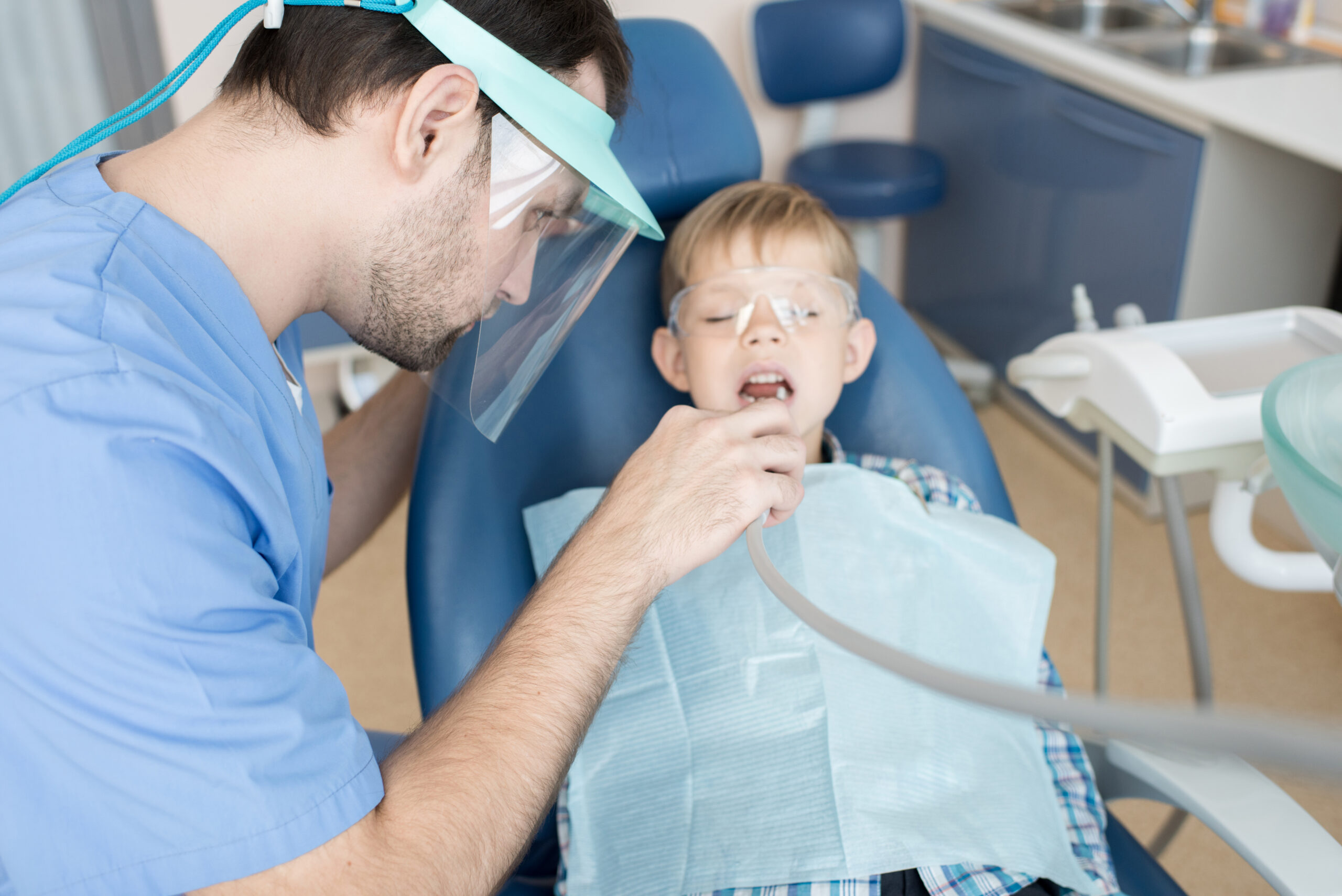
Patient-First Dentistry for Every Stage of Life
From early childhood development to adult care, we focus on patient comfort and comprehensive treatment.
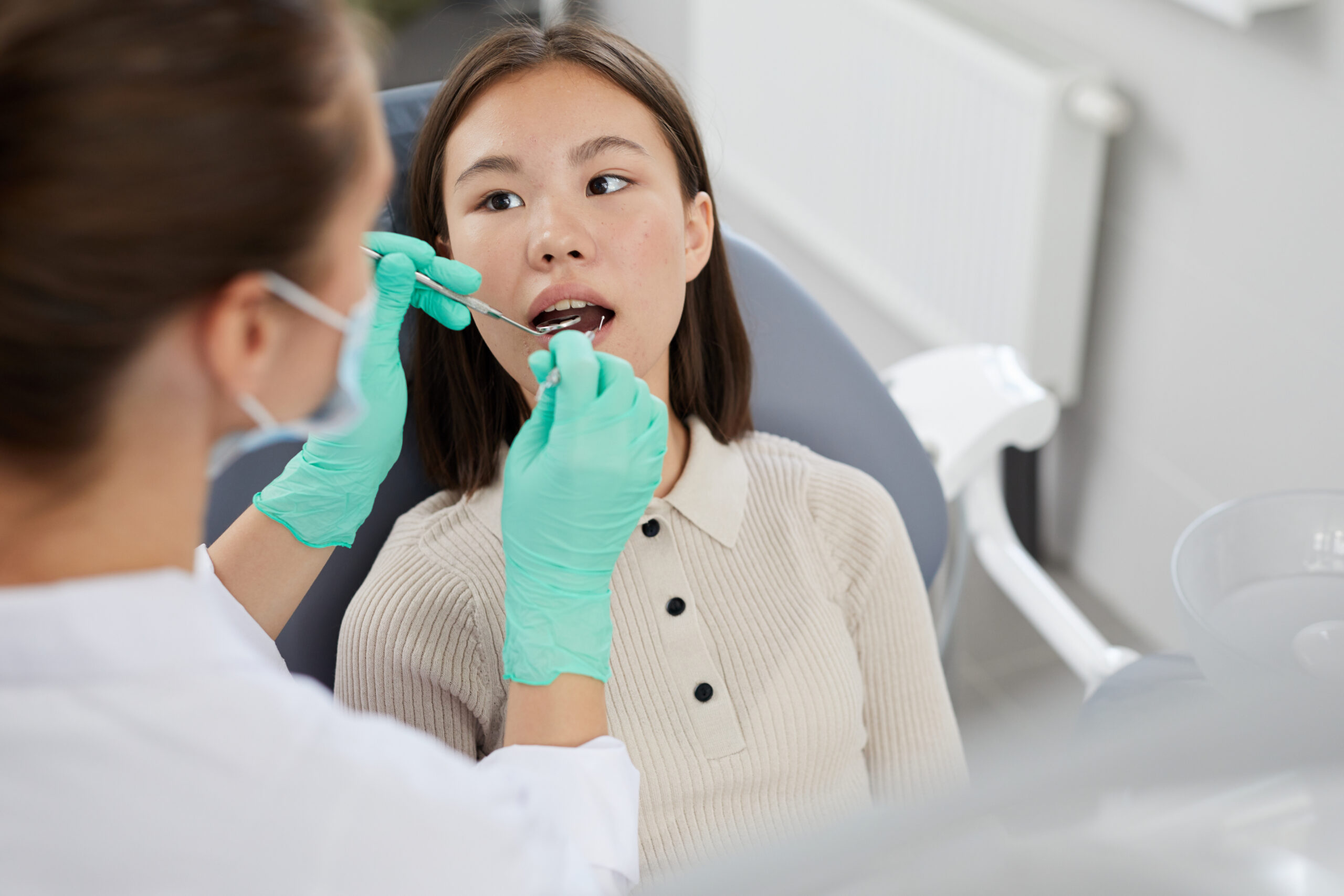
Removing Barriers to Dental Care
We believe everyone deserves access to high-quality dental care, regardless of financial situation.

Comprehensive Dentistry Under One Roof
Orthodontics, implants, oral surgery, and preventative care all conveniently located in our clinics.
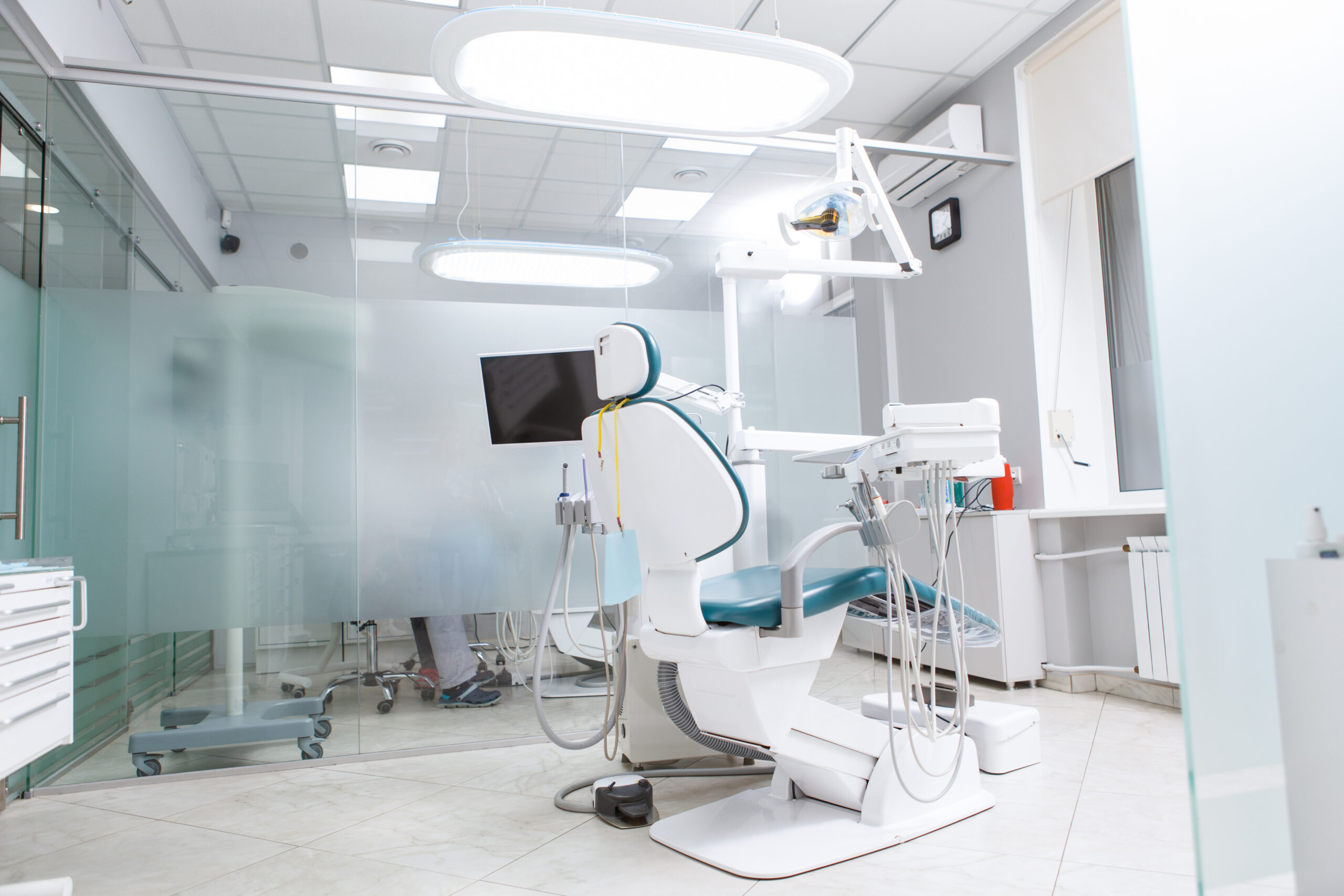
Expertise, Access & Convenient Locations
Multiple clinic locations across Los Angeles with extended hours to fit your busy schedule.
What All-on-4 Dental Implants Are and How They Restore Full-Arch Function
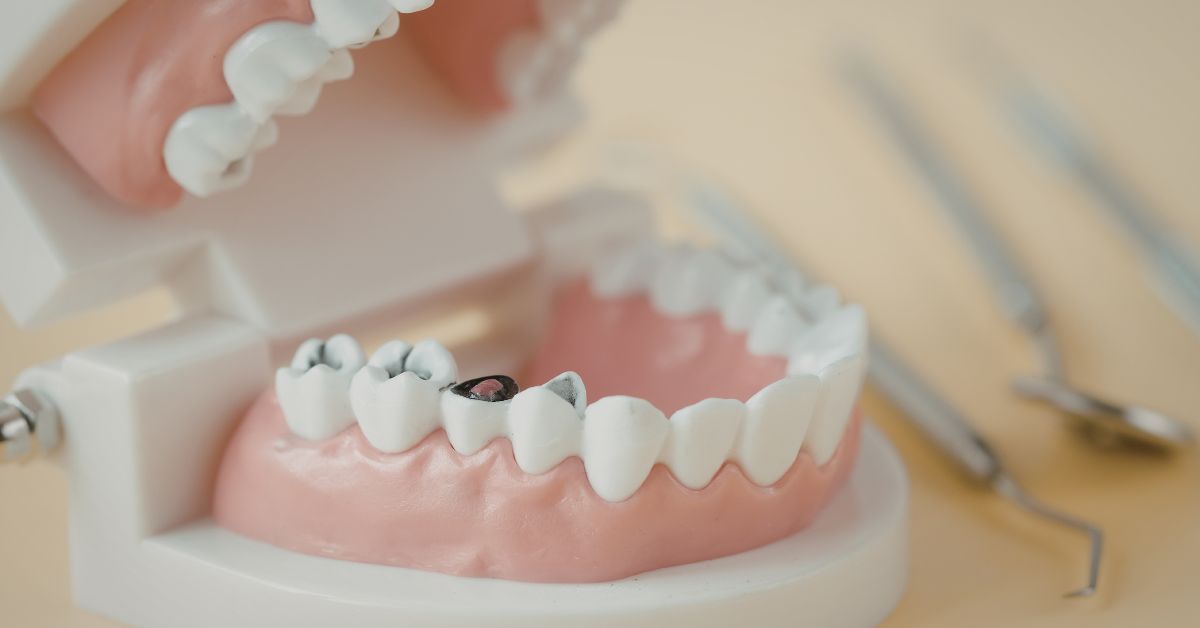
All-on-4 are full-arch implants that replace an entire upper or lower set of teeth using a limited number of implants to support one fixed prosthetic. The value is not just that teeth “look” complete again, it is that the arch regains a stable foundation that can accept bite forces without denture movement or reliance on sore gum tissue for support. PHD Dental frames All-on-4 as a system solution, since the goal is to restore how the arch functions as a unit, including chewing efficiency, bite balance, and day-to-day predictability. The design accounts for how pressure travels across the arch, which is why implant position and prosthetic fit matter as much as the number of implants. Patients also benefit from a defined sequencing approach, because each phase should confirm stability before the plan moves to the next checkpoint. This structure helps reduce surprise adjustments later by setting expectations for temporary versus final teeth and what changes between those stages. When the arch functions as a coordinated platform, many patients find daily eating feels less cautious and far more consistent.
A full arch functions differently than single-tooth replacement because forces distribute across multiple teeth at once. All-on-4 uses implant anchorage to stabilize the entire prosthetic so chewing does not depend on suction, adhesive, or soft tissue tolerance. Patients tend to feel more confident when the plan is explained as a bite system rebuild, not as a set of separate implants.
How All-on-4 Implant Anchoring Compare to Chewing With Dentures
Traditional dentures can shift slightly during function, which forces many people to chew cautiously and avoid certain foods. Implant anchoring creates a fixed base that resists lift and slide forces, which helps the jaw apply pressure more evenly. That difference can improve efficiency because the arch works with bite forces rather than fighting them.
Why Stability Under Load Is the Core Outcome, Not Just Tooth Replacement
Full-arch replacement succeeds when it stays steady during real use, including chewing, speaking, and clenching. A prosthetic that looks good but flexes under pressure often leads to frustration and over-guarding. PHD Dental emphasizes load stability so patients measure success by performance and comfort, not by appearance alone.
All-on-4 relies on placement strategy to create a supportive base that can carry arch-wide pressure. The approach often uses implants positioned to maximize stability where bone support tends to be strongest, which can reduce the need for more extensive implant counts in appropriate cases. A trustworthy plan explains how positioning influences strength, rather than presenting the number of implants as the only quality marker.
How Angled Posterior Implants Can Improve Support and Reduce Cantilever Stress
Posterior implants may be placed with an angle to increase bone contact and to support the back of the arch more effectively. This strategy can reduce the length of unsupported extension behind the last implant, which matters for how the prosthetic handles force. Patients appreciate this explanation because it connects implant geometry to long-term durability, not to a marketing label.
Where Bite Force Typically Concentrates and How the Plan Accounts for It
Most chewing pressure concentrates in the back of the mouth, especially for patients who eat tougher foods or clench. A full-arch plan has to respect that reality by designing support where force will actually land. When the plan accounts for pressure zones, the final prosthetic tends to feel more natural and less “delicate.”
The all-on-4 prosthetic arch is designed to function like a unified set of teeth, not like a removable appliance. Fit, contour, and bite relationships affect comfort, speech clarity, and how easily you adapt to the new arch. PHD Dental sets expectations around how the arch should feel in use, since function depends on precision in how the prosthetic meets the opposing teeth.
How the Dental Prosthetic Is Designed for Speech, Comfort, and Cleanability
A full-arch prosthetic must allow clear speech without whistling, clicking, or excessive bulk that crowds the tongue. It also needs contours that support hygiene so patients can clean consistently without fighting difficult angles. Patients value this planning because long-term satisfaction often depends on daily comfort and maintenance ease, not only on the initial result.
Why “Natural Feel” Depends on Bite Calibration and Prosthetic Fit
Even small bite discrepancies can make a full-arch restoration feel unstable or tiring to use. Bite calibration helps distribute pressure evenly so patients do not unconsciously avoid one side or overload a single area. When fit and bite feel are dialed in, most patients report the arch feels more like a stable part of their routine rather than a device they must constantly manage.
Some All-on-4 cases allow for a temporary fixed set of teeth soon after implant placement, but the temporary phase has a different job than the final restoration. The temporary arch supports function and appearance while the implants integrate, while the final arch is designed for long-term strength and wear resistance. PHD Dental explains this distinction clearly so patients understand why the process involves checkpoints and refinements rather than a single irreversible step.
What “Teeth in a Day” Means in Practical Terms for All-on-4 Patients
Immediate teeth can be a major relief, but they still come with functional boundaries during early healing. Patients benefit from understanding that early chewing limits protect integration and reduce complications. Clear expectations prevent disappointment because the temporary phase is designed for safe transition, not for maximum bite force on day one.
How the Transition to the Final Arch Improves Strength and Long-Term Fit
As healing progresses, the final prosthetic can be refined to improve bite precision, aesthetics, and material durability. The final arch typically offers better wear properties and a more optimized fit once the implants have stabilized. Patients often feel more confident knowing the end result is built on confirmed integration, not on assumptions made before healing is complete.
Long-Term Benefits of All-on-4 Implanted Teeth for Los Angeles Dental Patients
The long-term advantage of All-on-4 is not limited to having a fixed smile, it is the way a stable full-arch platform can change how the mouth performs year after year. Over time, an implant-supported arch can support more consistent chewing patterns, reduce day-to-day compromises with food choices, and give patients a predictable baseline they can maintain with a clear routine. PHD Dental emphasizes long-term success metrics that patients can feel and verify, including comfort under load, prosthetic integrity, hygiene access, and a maintenance plan that protects the investment instead of treating the result as “done forever.”
When teeth are missing, bone can remodel over time because it no longer receives regular stimulation from chewing forces. Implant anchoring can help support healthier bone behavior by transmitting functional load into the jaw in a controlled way. Patients often value this benefit because bone support influences long-term fit, facial support, and the stability of the prosthetic platform.
How Implant Stimulation Helps Reduce Progressive Ridge Shrinkage
Bone tends to change most rapidly after tooth loss, and that shrinkage can affect how dentures fit and how the lower face is supported. Implants can help by creating a functional pathway for pressure that encourages the bone to maintain more volume. A stable foundation can reduce the cycle where removable appliances need frequent relines and adjustments due to ongoing ridge changes.
Why Bone Stability Influences Long-Term Prosthetic Fit
A full-arch restoration performs best when the foundation stays consistent over time. Changes in bone and ridge shape can alter how appliances sit, which can create movement, sore spots, and uneven pressure distribution. Implant support helps reduce those changes so the arch remains more predictable and easier to maintain.
A fixed implant-supported arch can reduce the daily stress that often leads to cracks, chips, and frequent repair cycles with removable options. Durability still depends on materials, bite forces, and hygiene, but the stability of the base typically improves how the prosthetic holds up under real use. Patients appreciate having a long-term plan that anticipates wear patterns rather than reacting to sudden failures.
Material Selection and Occlusal Design That Protect Against Fracture Risk
Long-term strength depends on how the teeth are shaped and how they meet during function. A well-designed occlusal scheme can reduce destructive pressure points that crack materials or overload a single area. PHD Dental focuses on design choices that support longevity so the prosthetic performs consistently instead of feeling fragile.
How Routine Maintenance Extends the Life of Implant-Supported Teeth for Los Angeles Patients
Even high-quality restorations benefit from professional monitoring and periodic adjustments. Maintenance appointments can catch small bite shifts, early wear, and hygiene concerns before they develop into larger repair needs. Patients tend to feel more secure when they understand that upkeep preserves long-term reliability.
Long-term satisfaction often depends on how easy it is to keep the arch clean without fighting movement or difficult access points. A fixed restoration can support a consistent hygiene routine because patients can clean around stable margins rather than chasing a shifting appliance. PHD Dental builds hygiene considerations into the plan so patients can protect gum health and reduce inflammation risk around the implants.
Designing for Cleanability to Reduce Inflammation and Odor Concerns
Food trapping and plaque retention can become persistent problems when contours are bulky or access is limited. A thoughtful design supports cleaning tools and predictable routines that patients can follow without frustration. Better cleanability often translates to better comfort, fewer flare-ups, and more confidence in social settings.
Why Professional Cleanings Matter for All-on-4 Implants in Los Angeles
Implants do not decay like natural teeth, but the surrounding tissues still need protection. Professional cleanings help remove buildup in areas that home care may miss and confirm that tissue response remains healthy over time. That oversight supports long-term success because it protects the foundation, not just the visible teeth.
Many patients with dentures or failing teeth develop a guarded chewing style that favors one side, avoids certain textures, and limits bite force. Over time, that guarding can strain the jaw and reduce chewing efficiency. An implant-supported arch can restore confidence by making the bite feel steady, which helps patients return to more natural eating patterns.
Supporting Balanced Chewing Patterns to Reduce Jaw and Muscle Strain
When the mouth functions evenly, the jaw muscles work in a more coordinated way. Balanced chewing can reduce the tendency to overload one side and can lessen fatigue that builds during meals. Patients often notice this improvement over time because eating stops feeling like a constant adjustment.
Why Bite Refinement and Checkpoints Protect Long-Term Comfort
Comfort improves when the bite stays calibrated as the mouth adapts to the new arch. Small refinements can prevent pressure hot spots that create soreness or wear. A structured follow-through plan supports patient satisfaction because it treats long-term comfort as something that is actively protected.
Replacing a full arch creates an opportunity to establish a stable platform with a defined roadmap for future maintenance. Patients benefit from knowing what milestones to expect, how often to check implant health, and what repair strategies exist if wear occurs years later. PHD Dental treats full-arch replacement as a long-term plan with clear accountability, not a single procedure that ends at placement.
Clear Service Life Expectations and Repairability for Full-Arch Implant Teeth
Patients deserve to understand what components may wear and how repairs typically work if something chips or loosens. A transparent plan explains which parts are most serviceable and what signs suggest it is time for evaluation. That clarity builds trust because it replaces vague promises with realistic longevity guidance.
How PHD Dental Helps Patients Protect Their All-on-4 Investment Over Time
Long-term success depends on habits, hygiene, and scheduled check-ins that verify tissue health and prosthetic performance. When patients understand the maintenance strategy, they protect results more consistently and avoid preventable complications. This approach supports satisfaction because it makes the investment feel stable, supported, and manageable for the long run.
What to Expect During the All-on-4 Implant Process in Los Angeles
The All-on-4 process works best when it follows defined checkpoints that confirm stability before the plan advances to the next phase. Full-arch replacement involves more moving parts than a single implant, so clarity around sequencing helps patients feel informed and in control throughout treatment. At PHD Dental, the process is designed to keep decisions evidence-led and measurable, with each step tied to function, fit, and long-term maintenance readiness.
A thorough evaluation focuses on what the arch needs to function well, not only on whether implants can be placed. Planning considers jaw anatomy, bone support, bite relationships, and the space required for a prosthetic that feels comfortable and cleans well. Patients tend to trust the process more when the evaluation explains what must be true for All-on-4 to work predictably, along with what would change the plan if conditions fall outside that range.
Imaging and Measurements That Guide Implant Placement and Prosthetic Space
The team uses imaging and measurements to assess bone availability and to map placement positions that support a full-arch restoration. Proper spacing matters because a prosthetic needs room for strength and hygiene access without feeling bulky in speech. When patients understand how measurements translate into design choices, the plan feels deliberate rather than improvised.
How PHD Dental Defines “Enough Space” for a Strong, Comfortable Full Arch Implant
Space planning affects how thick the prosthetic must be to resist fracture and how it will sit against the gum tissues. If space is limited, the restoration can feel crowded and harder to clean, which can reduce satisfaction over time. A clear explanation helps patients understand why certain adjustments, sequencing choices, or restorative designs may be recommended.
Some All-on-4 cases involve removing failing teeth so the arch can transition from instability to a fixed foundation. Site preparation may also include shaping, smoothing, or managing infected areas so implant placement occurs in a healthier environment. Patients feel more confident when the plan explains what happens on placement day and what steps may occur beforehand to improve predictability.
Managing Failing Teeth Without Losing the Full-Arch Roadmap
Patients often worry that extractions will slow everything down or leave them without a clear plan. A structured approach keeps the end goal visible by clarifying what is temporary, what is definitive, and what milestones mark progress. This planning supports trust because it prevents treatment from turning into a series of disconnected procedures.
Coordinating Immediate Function Goals With Healing Requirements
Some cases support an immediate fixed provisional, while others require more conservative staging based on stability and risk factors. The key is aligning expectations with what the jaw and implants can safely handle early on. When the plan balances function and healing instead of chasing speed, outcomes tend to feel more stable long term.
Placement day involves more than placing implants, it includes making sure the foundation will support a fixed arch under real bite forces. The team confirms placement positions, verifies stability markers, and prepares for the provisional phase if the case allows. Patients value having the day framed as a controlled process with defined steps, since that reduces uncertainty and improves follow-through.
Primary Stability Checks That Determine the Next Step in the All-on-4 Plan
Primary stability refers to how securely implants hold at placement, which influences whether immediate provisional teeth make sense. The clinical team evaluates stability so the decision is based on measurable indicators, not assumptions. Patients appreciate this transparency because it explains why two people can have the same procedure concept but different timing recommendations.
What Patients Should Understand About Implant Integration and Timing
Implant integration is a biological process where the implant bonds with bone over time. During this period, the goal is to protect stability while still supporting function within safe limits. Clear timing guidance helps patients avoid overloading the implants early, which supports better long-term outcomes.
If the plan includes provisional teeth, the temporary arch is designed to provide appearance and functional support while healing progresses. This phase also offers a chance to test speech, bite feel, and hygiene access before committing to the final restoration. Patients often feel more satisfied when they understand the temporary phase as a practical step that improves the final result, not as a compromise.
How Temporary Teeth Help Confirm Bite, Speech, and Comfort Targets
A provisional arch can reveal where minor refinements are needed to improve pronunciation, chewing rhythm, and overall comfort. Patients can also learn the cleaning routine that will protect implants long term. That feedback loop builds confidence because it shows the process includes verification, not just placement and hope.
Which Changes Typically Occur Before the Final All-on-4 Arch Is Delivered
Adjustments before the final arch often focus on bite calibration, contour refinement, and material selection suited for long-term wear. The final restoration aims for stronger durability and a more optimized fit once integration confirms stability. Patients tend to value this step because it aligns the final outcome with real-world use, not a one-day snapshot.
The final arch is designed for long-term strength, cleanability, and stable bite relationships. Delivery includes confirming fit, pressure distribution, and hygiene access, since these factors affect comfort and longevity. PHD Dental also sets a maintenance plan so patients understand how to protect implant health and keep the prosthetic performing consistently.
Checkpoints That Confirm Fit, Force Distribution, and Comfort Under Load
A full arch must handle bite pressure without creating hot spots that cause soreness or material stress. The team checks contact points and makes refinements that support even distribution. Patients feel more secure when they know the result is calibrated to function, not simply cemented in place.
Ongoing Care Expectations That Keep Implant-Supported Teeth Reliable
Long-term success depends on routine monitoring and professional cleanings that protect the tissues around implants. Patients benefit from clear guidance on what tools to use at home and when to return for evaluation. This structure supports satisfaction because it turns maintenance into a defined routine rather than an open-ended responsibility.
Let PHD Dental Handle Your All-on-4 Implants in Los Angeles
Choosing All-on-4 Implants in Los Angeles is a decision about restoring full-arch performance, not simply replacing missing teeth. The difference between a result that feels stable for years and one that feels high maintenance often comes down to how well the team plans force distribution, prosthetic space, and the checkpoints that confirm stability before the final arch is delivered. PHD Dental approaches All-on-4 with a function-first standard that treats the upper or lower arch as one working system, which helps patients avoid the common frustration of an outcome that looks complete but feels delicate. You should leave the process with a bite that feels predictable, a prosthetic design that supports daily cleaning, and a maintenance plan that protects long-term reliability rather than reacting to problems after they show up.
Patients also benefit from having one coordinated team manage the transition from failing teeth or unstable dentures to a fixed full-arch foundation. That continuity helps keep decisions consistent across phases, especially when timing, provisional teeth, and final restoration details have to align precisely. PHD Dental keeps the process structured so you understand what each stage is meant to prove, what success looks like at the checkpoint level, and what the next step depends on. When full-arch replacement follows a clear sequence with defined standards, patients usually feel more confident because the result is built on confirmation and refinement, not assumptions. The goal is straightforward, restore stable function under real bite forces and deliver a full-arch solution you can rely on every day.
Call (323) 269-5437 to schedule a consultation with PHD Dental for All-on-4 implants in Los Angeles and get a clear plan for restoring full-arch stability and confident chewing.
Get in Touch with PhD Dental
Pick your location
Los Angeles
Los Angeles is a diverse and fast-moving city where access to dependable dental care is essential for individuals and families alike. PhD Dental serves patients throughout Los Angeles with a commitment to personalized care and long-term oral health.
Hours
- Mon 10:30AM - 7:30PM
- Tue 10:30AM - 7:30PM
- Wed 10:30AM - 7:30PM
- Thu 10:30AM - 7:30PM
- Fri 9:30AM - 7:30PM
- Sat 9:00AM - 3:00PM
- Sun Closed