

Clear Ceramic Braces in Los Angeles
Clear Ceramic Braces offer Los Angeles-based dental patients a more discreet way to straighten teeth while keeping the reliability of a fixed braces system. Ceramic brackets blend in more than traditional metal, which appeals to patients who want visible progress without drawing attention to their orthodontic treatment. PHD Dental helps patients understand what ceramic braces can realistically achieve, how they will look day to day, and what details influence comfort and confidence during wear.
Clear ceramic braces can be a strong fit when you want a fixed option that does not depend on you remembering to remove and replace aligners. Our Los Angeles dentists consider your bite goals, the type of movement needed, and how much control the case requires before recommending ceramic brackets. Patients also benefit from clear expectations about how the braces will appear in different settings and how to keep the smile looking clean throughout treatment. A well-planned approach keeps the result natural-looking and makes the experience easier to live with.
Call (323) 269-5437 to speak with PHD Dental in Los Angeles about clear ceramic braces and schedule a consultation to see if they are right for your smile.
Top-Rated Dentists
in Los Angeles

Patient-First Dentistry for Every Stage of Life
From early childhood development to adult care, we focus on patient comfort and comprehensive treatment.
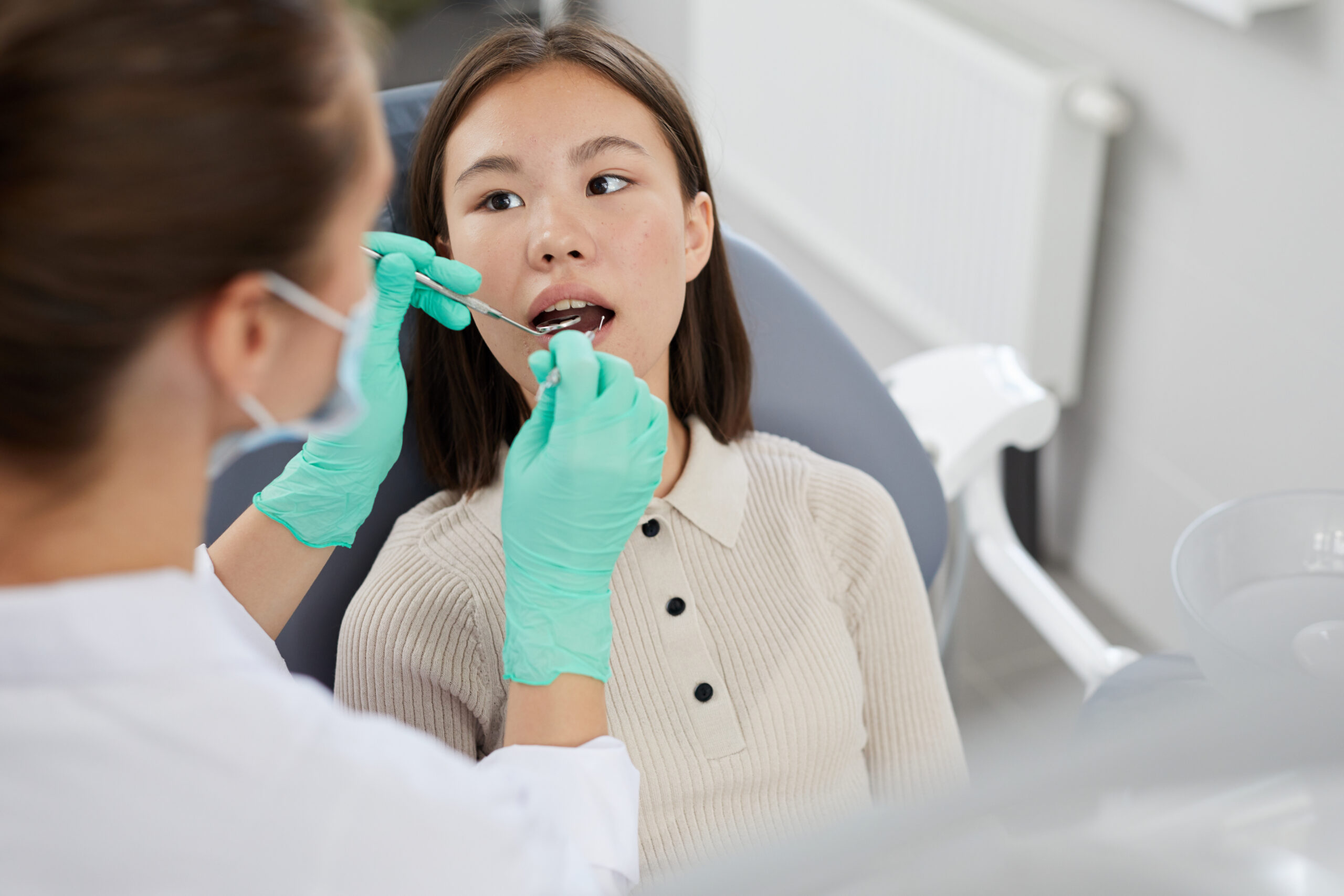
Removing Barriers to Dental Care
We believe everyone deserves access to high-quality dental care, regardless of financial situation.

Comprehensive Dentistry Under One Roof
Orthodontics, implants, oral surgery, and preventative care all conveniently located in our clinics.
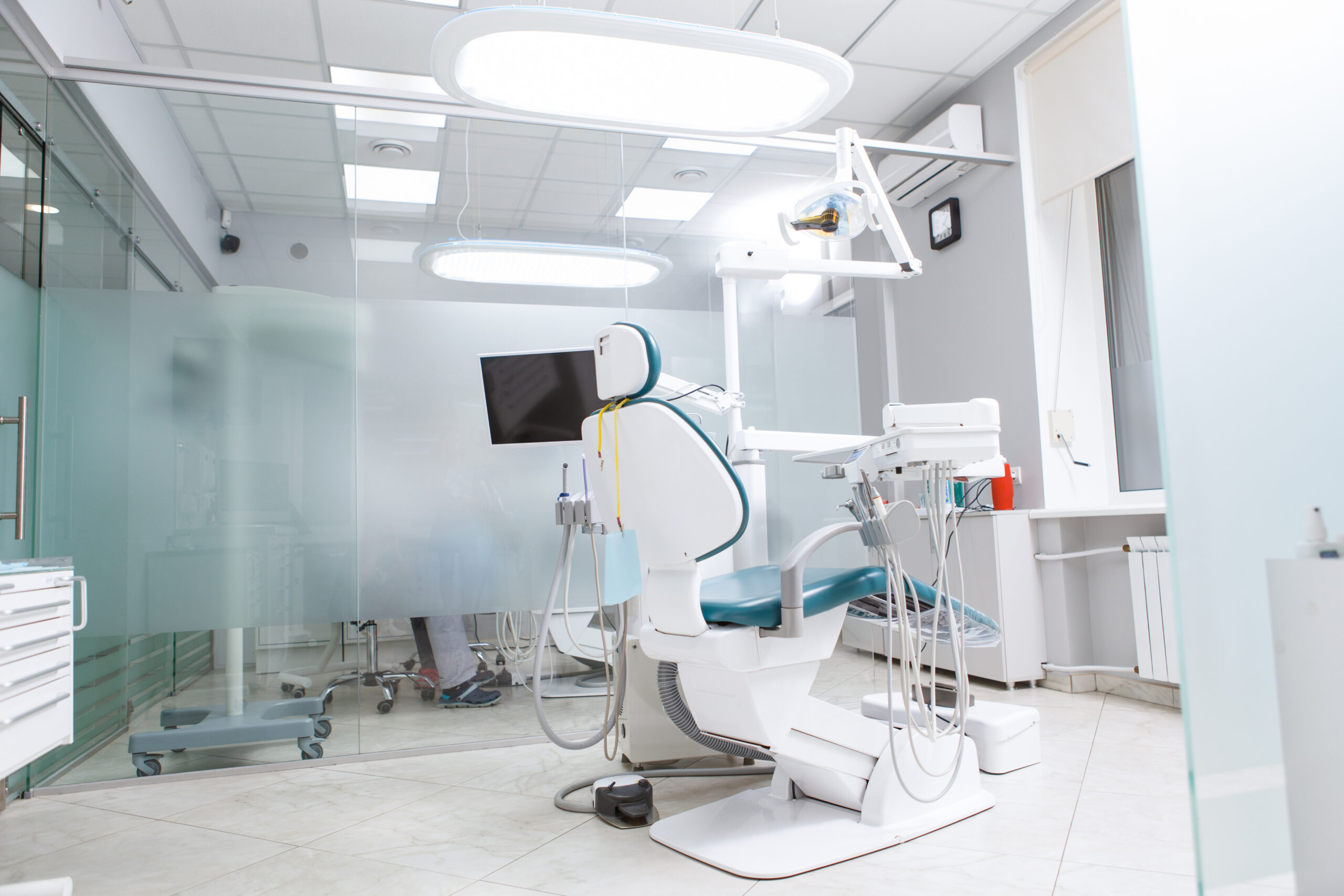
Expertise, Access & Convenient Locations
Multiple clinic locations across Los Angeles with extended hours to fit your busy schedule.
When Dentists in Los Angeles Recommend Clear Ceramic Braces

Dentists in Los Angeles recommend clear ceramic braces when a patient wants a less noticeable orthodontic option but still benefits from the consistent control of fixed braces. This recommendation often comes up when aligners are not the best fit for someone’s routine, or when the case needs a level of day-to-day guidance that removable trays cannot always provide. Patients tend to feel more confident when the dentist explains candidacy in practical terms, including what ceramic braces can handle well and what to expect from the look and feel during treatment. Clear ceramic brackets can also be a helpful choice when patients want fewer daily decisions about orthodontic care and prefer a system that stays in place through meals and busy workdays. Many patients appreciate knowing how ceramic braces may appear in different lighting and whether the wire will be noticeable in close conversation. PHD Dental uses this candidacy discussion to set clear expectations about comfort, check-in timing, and how the plan will be adjusted if a tooth needs more guidance. That level of transparency helps patients commit with confidence because the focus stays on predictable progress and a discreet look that feels realistic.
Ceramic braces appeal to patients who want straighter teeth without the bold appearance of metal brackets. Dentists recommend them when the patient values discretion but still wants a system that stays in place and keeps working between visits. This combination often improves satisfaction because treatment feels consistent while the braces remain more visually subtle.
Ceramic is a Less Noticeable Braces Option in Work and Social Settings
Many patients in Los Angeles spend their days in meetings, client-facing roles, or social environments where they prefer a lower-profile look. Clear ceramic braces can blend more naturally with teeth, which reduces the feeling that orthodontic treatment becomes the first thing people notice. Dentists consider this preference because confidence affects how comfortable patients feel throughout treatment.
How Dentists and Orthodontists Set Expectations for Visibility in Real Life
Ceramic braces are more discreet, but they are not invisible. Dentists explain what may still be noticeable, such as the wire or small shadows from brackets in certain lighting. This clarity builds trust because patients know what to expect and avoid disappointment.
Fixed Braces Recommended When Patients Prefer Not to Rely on Removability
Some patients do not want a removable system because it adds daily decision points. Dentists may recommend ceramic braces when the patient wants orthodontic treatment that stays consistent without relying on remembering a wear schedule. Patients often prefer this because it reduces routine friction and keeps progress steady.
Why Consistency Often Matters More Than Convenience for Orthodontics in LA
Removable options can be convenient, but only if wear stays consistent. Fixed braces remove that variable and keep movement active between appointments. This reliability can improve satisfaction because progress does not depend on daily compliance.
Dentists may recommend clear ceramic braces when the planned tooth movement requires detailed control over rotation, spacing, or bite coordination. Ceramic braces can offer steady guidance because the brackets and wire work together continuously. Patients benefit when the dentist explains how control supports a more predictable finish.
Tooth Rotations and Alignment Issues That Need Steady Guidance
Some teeth rotate stubbornly and tend to drift back if movement is not controlled carefully. Dentists may prefer ceramic braces when they want consistent guidance on these movements throughout treatment. Patients appreciate this because it reduces the chance of delays caused by slow or unstable progress.
How Controlled Movement Supports a Cleaner Finish
A clean finish depends on small details, not just straight-looking teeth. Dentists use controlled movement to refine alignment so teeth sit more evenly in the arch. Patients often value this because the final result looks more polished and feels more balanced.
Bite Refinement Goals That Benefit From Fixed Braces Planning
Some orthodontic plans involve more than spacing and straightness. Dentists may recommend ceramic braces when bite refinement needs ongoing control to keep the teeth meeting comfortably. Patients tend to trust this approach because it focuses on long-term comfort, not only aesthetics.
Why Bite Coordination Helps Teeth Feel Better Day to Day
When the bite meets unevenly, patients can feel pressure points or chewing discomfort. Coordinating the bite can reduce that strain and make daily function easier. This focus improves satisfaction because it connects orthodontics to real comfort.
Dentists also consider the patient’s comfort priorities and how they want treatment to fit into daily life. Clear ceramic braces can be recommended when the patient wants a more discreet look but still expects responsive care if irritation appears. Patients often feel more confident when the plan includes support, not just appliances.
Patients Who Want a Braces Option With Clear Support and Check-Ins
A smooth experience often depends on communication and quick help when something feels off. Dentists recommend ceramic braces when they can provide structured monitoring and adjustments as needed. This approach builds trust because patients feel supported rather than left to troubleshoot on their own.
How Early Adjustments Can Improve Comfort and Keep Progress Moving
Small issues like a rough edge or irritation can distract patients and lead to frustration. Quick adjustments can restore comfort and keep the treatment experience positive. Patients appreciate this because they feel the practice stays engaged.
Lifestyle Considerations That Make Ceramic Braces a Better Fit Than Other Options
Some patients prefer not to remove aligners at meals or during social events, and others want a system that stays in place during busy days. Dentists recommend ceramic braces when lifestyle factors make a fixed approach feel more realistic. Patients benefit because the treatment fits their routine without constant decision-making.
Why the Right Fit Often Improves Confidence Throughout Treatment
Patients feel better when they do not have to manage their orthodontic plan all day. A fixed system can reduce self-conscious moments and routine stress. This supports satisfaction because patients can focus on results instead of managing the appliance.
What Clear Ceramic Braces Look Like During Everyday Wear
Clear ceramic braces look more subtle than metal braces because the brackets blend closer to the natural tooth color and draw less attention at normal speaking distance. Most people notice the overall smile first, not individual brackets, especially when the ceramic shade matches well and the overall placement looks clean. Patients feel more comfortable when they understand what will be visible in real life, since lighting, distance, and camera angles can change how ceramic braces appear from one moment to the next.
Ceramic brackets for teeth usually appear less reflective than metal, which helps them feel quieter visually during normal conversations. The overall effect depends on tooth shade, bracket tone, and how closely the bracket color aligns with the natural enamel. Patients often appreciate that ceramic braces still look like braces up close, but they tend to read as more discreet in everyday settings.
Bracket Color Matching That Influences How Noticeable Braces Feel
Some ceramic brackets look more translucent, while others look more matte, and that difference affects visibility. Dentists help patients understand which look they will get and how it will appear against their tooth color. This builds trust because patients can make a decision based on realistic appearance rather than assumptions.
Why Tooth Shade Changes What “Clear” Looks Like
Teeth vary widely in shade, and ceramic braces do not disappear the same way on every smile. On lighter teeth, ceramic brackets can blend more easily, while on darker shades the contrast can be slightly more noticeable. Patients feel more satisfied when they know that “clear” means more discreet, not invisible.
How the Wire Impacts the Overall Look of Ceramic Braces
Even when brackets blend well, the wire can still be visible, especially in photos or bright indoor lighting. Dentists explain this clearly so patients do not expect a fully invisible look. This honesty supports confidence because patients understand what parts of the system will stand out.
How Different Lighting Conditions Change Wire Visibility in Ceramic Orthodonture
Outdoor light, office lighting, and phone flash can each make the wire show more or less. Some patients notice the wire more in close-up selfies than in normal conversation. Knowing this helps patients set expectations and feel less self-conscious.
Most people do not study braces details in everyday conversation, and ceramic braces often blend enough that they do not dominate the smile. Patients often feel more at ease once they see that the braces look calmer than they expected. This reassurance matters because confidence affects how patients smile and speak during treatment.
Normal Speaking Distance Appearance Versus Close-Up Views for Ceramic Braces Patients
At a normal distance, the brackets tend to be less noticeable than patients imagine. Up close, details like bracket edges and the wire become clearer, especially in photos. Dentists help patients understand both perspectives so the look does not feel surprising.
Why Photos Can Feel More Revealing Than Real Life
Cameras pull focus and lighting can increase contrast, which makes braces show more. Patients often care about photos for work or events, so dentists discuss what to expect. This clarity improves satisfaction because patients feel prepared.
How Ceramic Braces Look During Smiling, Laughing, and Talking
Movement changes what is visible, and teeth show differently when speaking versus smiling. Some patients show more gum or more front teeth, which affects how braces look in motion. Dentists consider smile patterns so patients understand what their own everyday look will be.
How Lip Movement Affects Braces Visibility
Higher lip movement can show more brackets, while a lower smile line may keep braces less visible. Dentists can explain this during a consultation so expectations stay realistic. Patients value this because it personalizes the decision.
The day-to-day appearance of ceramic braces can change based on habits and maintenance. Small factors like how clean the brackets look and whether staining develops around orthodontic areas can affect the overall impression. Patients feel more confident when they know what influences appearance and how to keep the look consistent.
Staining Risks and How Patients Keep Ceramic Braces Looking Clean
Ceramic brackets resist staining more than many people expect, but buildup around brackets can make teeth look less bright. Dentists explain how routine cleaning keeps the smile looking fresh during treatment. This guidance supports satisfaction because patients want discretion without added worry.
Why Hygiene Habits Influence the Overall Look More Than Bracket Color
Plaque buildup can create a dull look that stands out more than the bracket material itself. Consistent cleaning helps maintain a clean, natural appearance. Patients appreciate this because it keeps the braces looking controlled and tidy.
What Patients Should Expect if Teeth Are Whitened Before Ceramic Braces Treatment
Some patients consider whitening before braces to brighten the smile. Dentists explain timing considerations so patients understand how whitening interacts with bracket placement and future shade goals. This helps patients make informed choices without creating mismatched expectations.
How Dentists Help Patients Plan for a Natural, Consistent Smile Shade
A plan can include discussing shade goals and what changes can be made after treatment. Dentists aim for a result that looks consistent rather than artificially bright in one area. This builds trust because it focuses on a believable outcome.
Why Placement Precision Matters with Ceramic Brackets
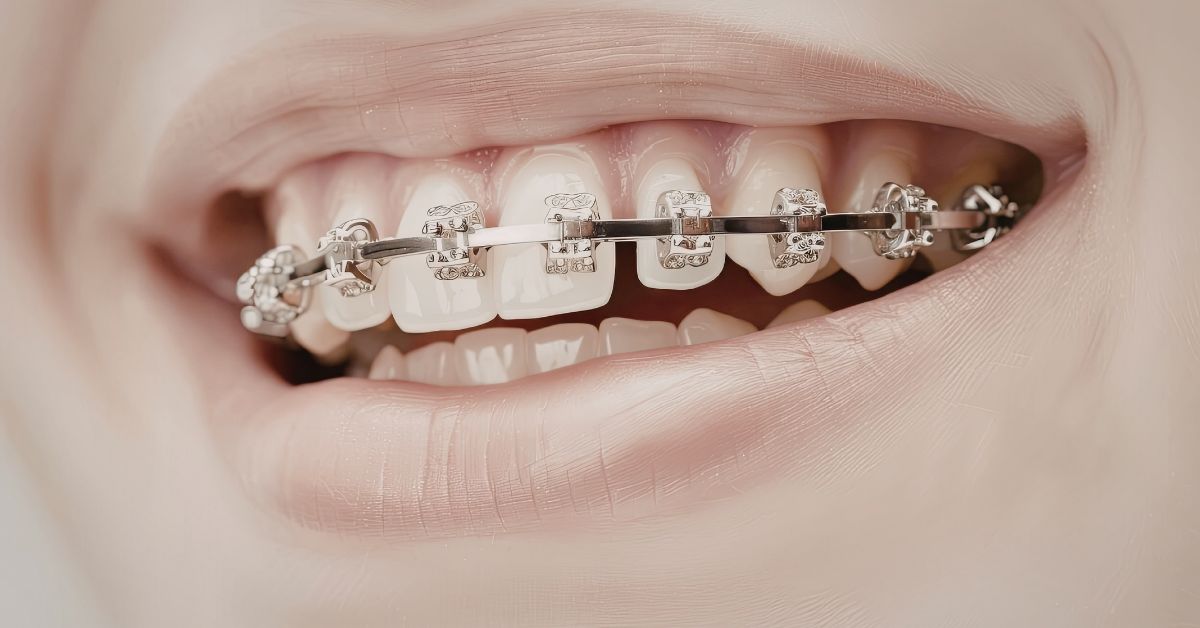
Placement precision matters with ceramic brackets because small changes in bracket position can affect how efficiently teeth move and how comfortable braces feel day to day. Ceramic braces rely on consistent guidance from bracket alignment and wire engagement, so imprecise placement can lead to unwanted rubbing, uneven pressure, or extra visits to correct avoidable issues. Patients tend to feel more confident when their dentist treats bracket placement as a quality step that protects both comfort and results, not as a quick setup task.
Ceramic braces work best when brackets sit in positions that guide tooth movement in the intended direction. A bracket that sits slightly too high, too low, or rotated can change how the wire pulls, which may slow progress or create minor setbacks. Dentists focus on accuracy because predictable movement helps patients stay motivated and reduces the frustration of stalled progress.
Alignment Details That Help Teeth Track More Smoothly During Orthodontic Treatment
Brackets guide movement through controlled pressure, and the most efficient tracking happens when the bracket sits where the plan expects it. Accurate placement reduces the need for repeated repositioning later. Patients value this because fewer corrections often mean a smoother experience overall.
Why Repositioning Can Affect Confidence in the Treatment Plan
When brackets need to be moved repeatedly, patients may feel uncertain about whether treatment is progressing as intended. Dentists address this by aiming for strong initial placement and by explaining what refinements are normal. This transparency helps patients trust the process without feeling surprised.
Rotations and Leveling That Depend on Precise Bracket Orientation
Rotating a tooth and leveling the smile line can require subtle control over how force is applied. Precise bracket orientation helps the wire guide those changes without creating awkward pressure points. Patients often notice the difference when movement feels steadier and less disruptive.
How Dentists Check for Early Signs of Tracking Issues
Dentists look at how teeth are responding between visits and whether the wire engagement matches expectations. Small corrections early can prevent longer delays later. Patients appreciate this because it shows the plan stays actively managed.
A major part of ceramic braces comfort involves how brackets and wires sit against lips and cheeks. Even a small placement difference can affect where friction occurs during speaking and eating. Dentists prioritize precision because comfort problems can make patients hesitant to smile, talk, or eat normally.
Reducing Irritation Risks with Thoughtful Ceramic Braces Placement
Ceramic brackets often have a different profile than metal brackets, and placement can influence how they contact the inner lip. Dentists plan placement with soft tissue comfort in mind so friction stays minimal. Patients benefit because fewer irritation issues create a more comfortable daily experience.
Why Small Placement Refinements Can Prevent Ongoing Soreness
A bracket that sits in a spot where the lip naturally presses can cause repeated irritation. Adjusting that placement can reduce soreness that otherwise returns each time the mouth moves. This supports satisfaction because comfort improves without needing major changes.
Wire Path Planning That Helps Braces Feel More Manageable
The wire path affects how the braces feel when the mouth moves. Dentists pay attention to how the wire sits relative to the brackets and how it may contact soft tissue at the corners of the mouth. Patients often feel more comfortable when wire positioning minimizes sharp contact points.
How Dentists Address Pinching or Rubbing Early
Patients sometimes notice rubbing at specific spots when eating or talking. Dentists can adjust wire ends and refine placement to reduce that discomfort. Prompt response builds trust because patients feel supported rather than expected to tolerate irritation.
The final quality of ceramic braces treatment depends on how evenly teeth line up and how comfortably the bite meets. Precise bracket placement helps guide teeth into positions that look balanced and function smoothly. Dentists focus on finish quality because patients want a result that feels comfortable, not just straight.
Symmetry and Smile Line Refinement With Ceramic Braces
A natural-looking outcome involves even heights, balanced spacing, and a smile line that looks consistent. Accurate bracket positioning supports these details by controlling small movements throughout treatment. Patients appreciate this because the final look feels intentional rather than approximate.
Why Small Refinements Matter for a Polished Ceramic Brace Results
A tooth can look straight but still sit slightly higher or lower than the rest, which affects the overall smile. Precise placement helps correct those subtle differences. This improves satisfaction because the finish looks clean and balanced.
Bite Contact Adjustments That Prevent Pressure Points
A well-aligned bite reduces the chance of one tooth taking excess pressure. Dentists use bracket placement and adjustments to guide teeth into contacts that feel comfortable during chewing. Patients value this because comfort during meals is one of the clearest signs the braces plan worked.
How Dentists Confirm That the Bite Feels Right After Treatment
Dentists check for pressure points and ask patients about chewing comfort, not just appearance. They also verify contacts so the bite feels even and stable. This approach reinforces trust because it prioritizes daily function.
Even with strong placement, monitoring is essential because teeth respond at different rates. Dentists watch progress closely and make adjustments that keep movement efficient and comfortable. Patients often feel more confident when they know the plan includes active oversight.
Appointment Timing That Supports Steady Progress With Ceramic Braces
Consistent follow-ups allow dentists to guide movement without long gaps that create delays. Dentists adjust brackets and wires based on how teeth respond. Patients appreciate this because progress feels managed rather than uncertain.
Why Patient Communication Helps Dentists Fine-Tune Treatment
Patients can describe sensations and friction spots that are not always obvious during a quick visual check. Sharing that feedback helps dentists refine comfort and keep movement on track. This reinforces satisfaction because patients feel heard and supported.
Contact PHD Dental to Find out if Clear Ceramic Braces Are Right for Your Smile
Clear Ceramic Braces in Los Angeles work best when the plan matches what you want aesthetically and what your teeth actually need for reliable movement. A consultation should clarify whether ceramic brackets provide the right level of control for your alignment goals, while also setting realistic expectations about what will be visible in everyday wear. PHD Dental uses this conversation to connect the look you want with the results you need, so you feel confident choosing a discreet braces option that still performs like fixed orthodontic care.
The right next step is a clear recommendation that accounts for comfort, treatment fit, and the quality of the finish, not just the idea of having less noticeable braces. PHD Dental focuses on details that patients feel every day, including how the brackets will sit, how movement will be guided, and how check-ins keep progress on track. This approach helps you commit without guesswork because you understand what ceramic braces can realistically deliver and how your experience will be supported from start to finish. When the plan is tailored well, ceramic braces can feel like a practical, low-drama path to a more confident smile.
Call (323) 269-5437 to schedule a consultation with PHD Dental in Los Angeles and find out if clear ceramic braces are right for your smile.
Get in Touch with PhD Dental
Pick your location
Los Angeles
Los Angeles is a diverse and fast-moving city where access to dependable dental care is essential for individuals and families alike. PhD Dental serves patients throughout Los Angeles with a commitment to personalized care and long-term oral health.
Hours
- Mon 10:30AM - 7:30PM
- Tue 10:30AM - 7:30PM
- Wed 10:30AM - 7:30PM
- Thu 10:30AM - 7:30PM
- Fri 9:30AM - 7:30PM
- Sat 9:00AM - 3:00PM
- Sun Closed