
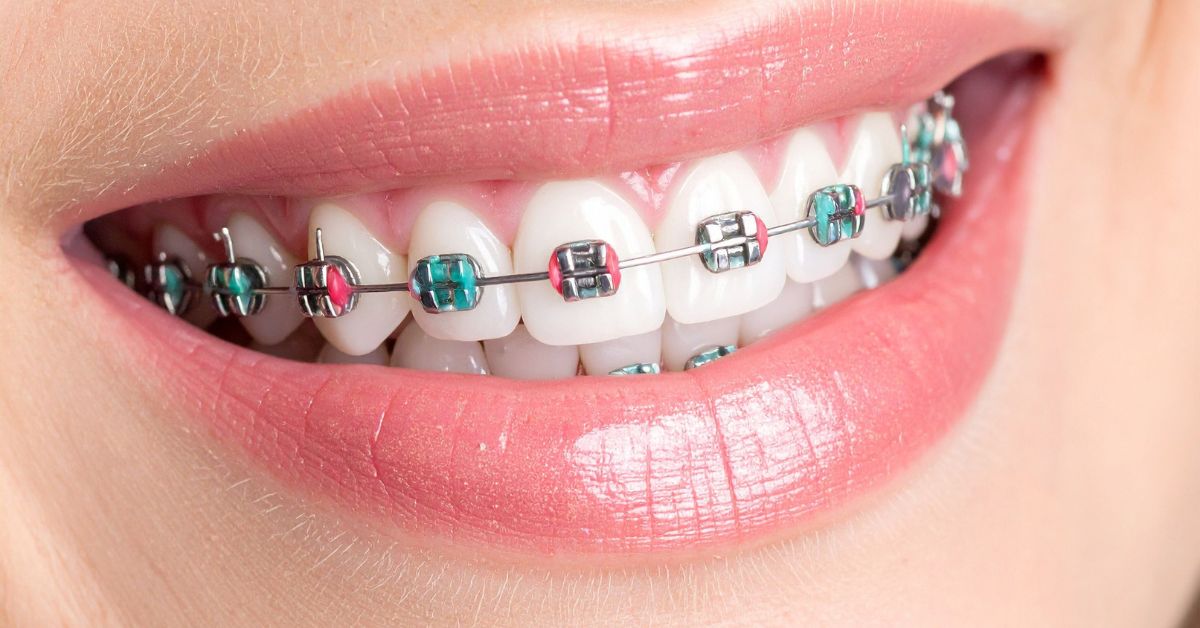
Emergency Braces Repair in Los Angeles
Emergency braces repair comes into play for Los Angeles orthodontic patients when a broken bracket, loose band, or poking wire causes pain or threatens to derail your progress. Damaged braces can escalate quickly because sharp hardware can irritate cheeks and gums. A destabilized appliance can allow teeth to shift in ways that add time to treatment. An emergency visit should focus on stabilizing the appliance, protecting soft tissue, and restoring a setup that can keep working until your next scheduled adjustment. Patients often feel immediate relief when the problem is addressed with a clear, structured approach instead of temporary at-home fixes.
PHD Dental approaches urgent orthodontic repairs with the mindset of an emergency orthodontist, prioritizing comfort and treatment continuity at the same time. The team evaluates what failed, why it failed, and what repair will prevent the same issue from repeating in the days ahead. This clarity builds trust because patients understand whether the issue is a quick bracket rebond, a wire adjustment, or a more protective step to prevent ongoing irritation. A well-managed emergency repair should reduce pain quickly, prevent soft tissue injury, and keep orthodontic progress moving forward without unnecessary delays.
Call (323) 269-5437 to schedule emergency braces repair with PHD Dental in Los Angeles and get fast relief with a plan that protects your orthodontic timeline.
Top-Rated Dentists
in Los Angeles
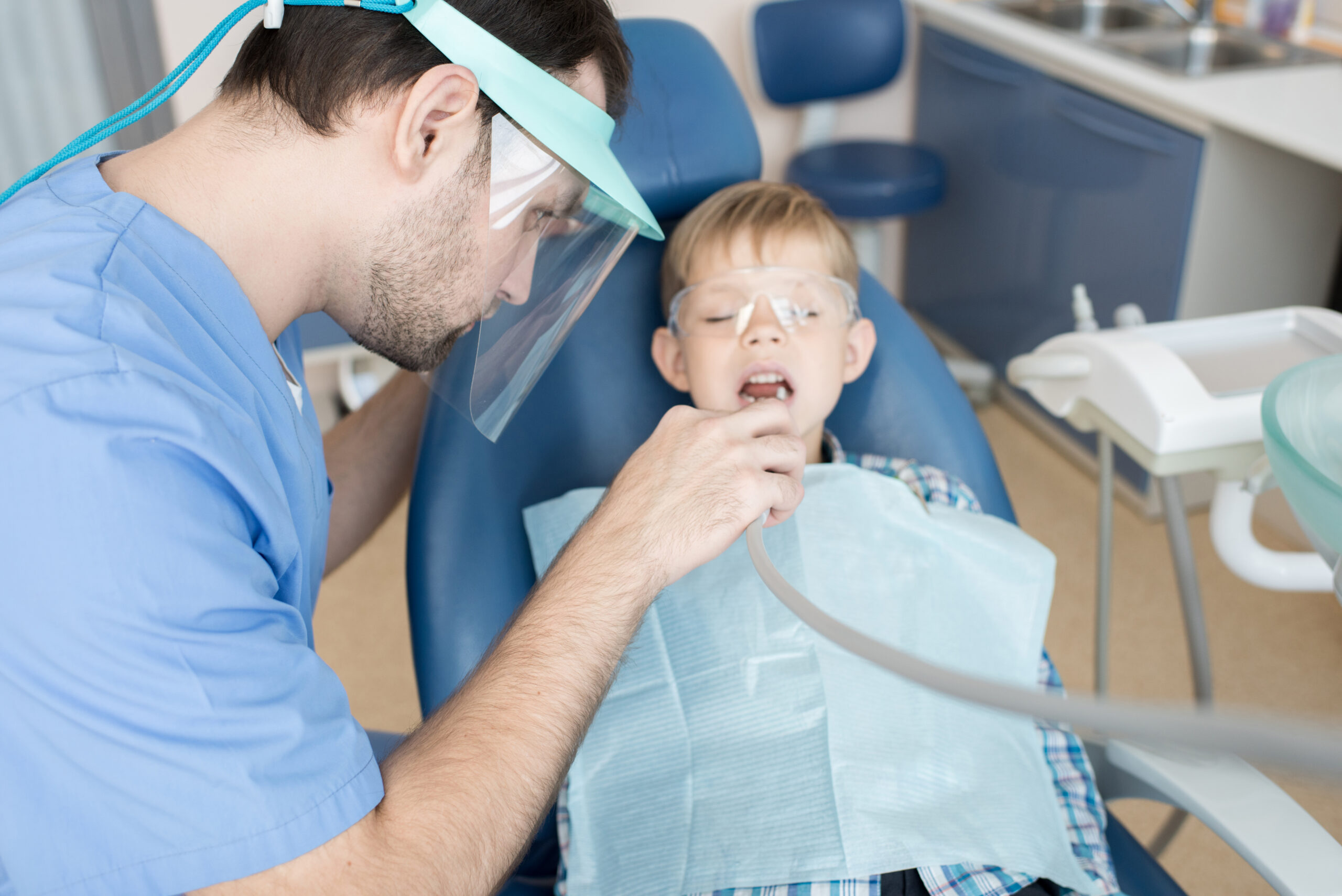
Patient-First Dentistry for Every Stage of Life
From early childhood development to adult care, we focus on patient comfort and comprehensive treatment.
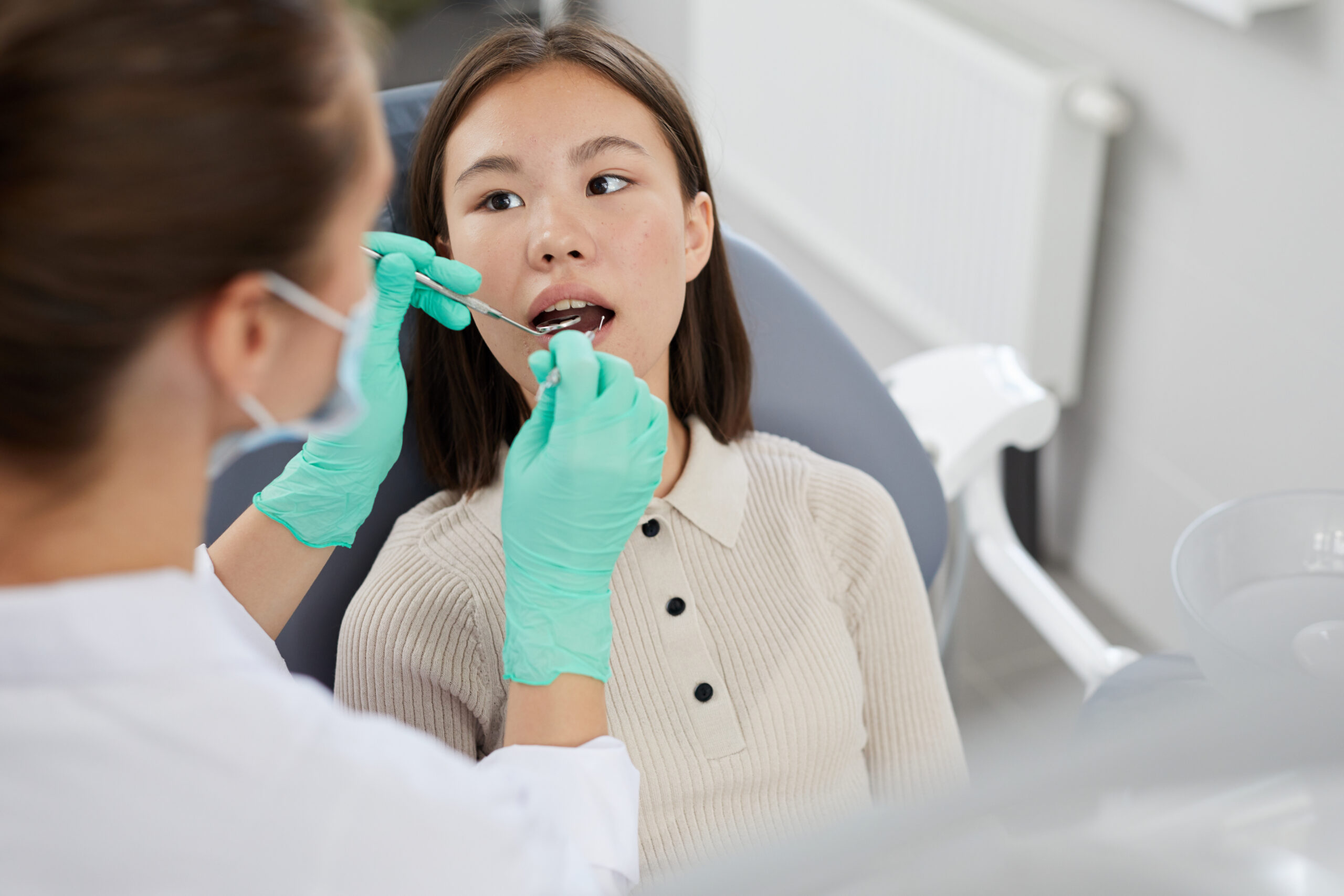
Removing Barriers to Dental Care
We believe everyone deserves access to high-quality dental care, regardless of financial situation.

Comprehensive Dentistry Under One Roof
Orthodontics, implants, oral surgery, and preventative care all conveniently located in our clinics.
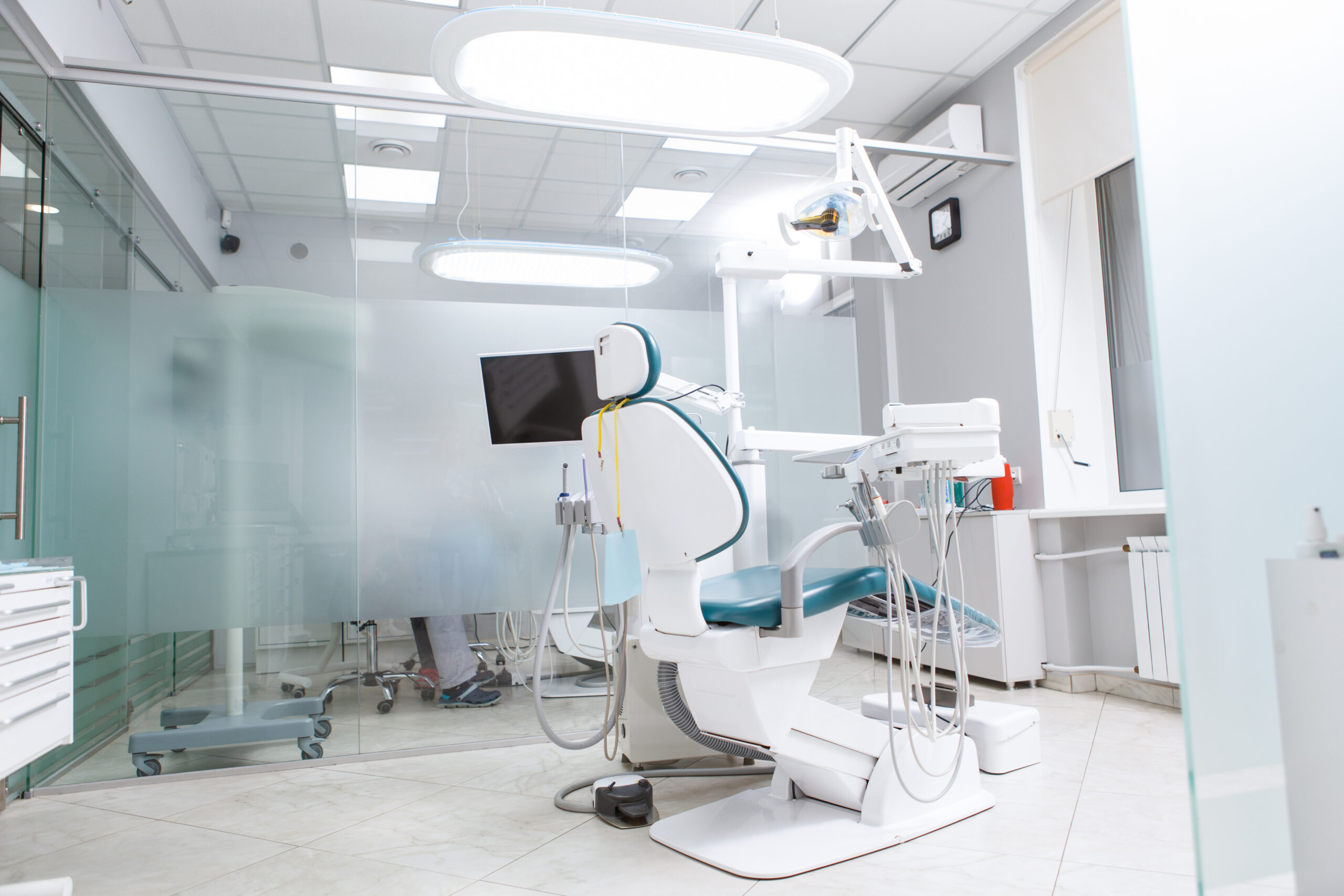
Expertise, Access & Convenient Locations
Multiple clinic locations across Los Angeles with extended hours to fit your busy schedule.
When Damaged Braces Become an Orthodontic Emergency
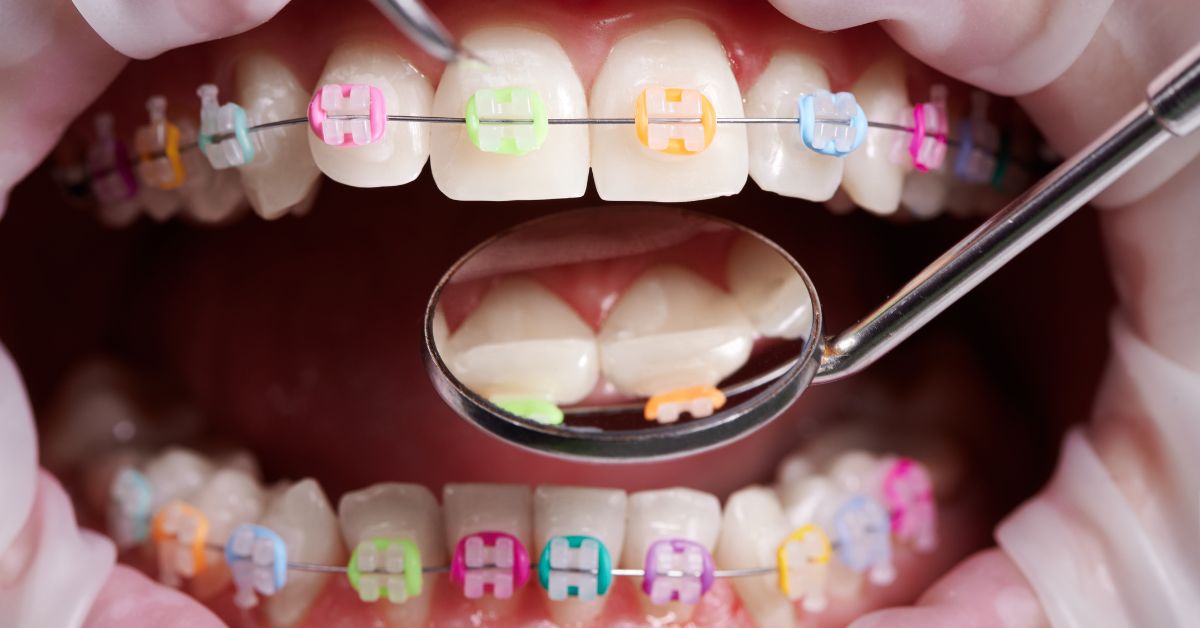
Damaged braces become an orthodontic emergency when the problem creates active pain, risks injury to the mouth, or threatens to undo treatment progress in a short time. Not every loose bracket requires same-day care, but sharp wires, shifting components, and swelling from irritation should be addressed quickly. The goal is to stabilize the appliance, protect soft tissue, and keep tooth movement controlled rather than letting the system drift until the next routine appointment. PHD Dental treats urgent orthodontic issues with an emergency orthodontist mindset so patients understand what is truly time-sensitive and what can safely wait.
Braces components can irritate cheeks, lips, and gums when they loosen or shift out of position. The emergency threshold is reached when irritation turns into cutting, bleeding, or pain that interferes with eating and sleep. Patients often feel relief when they learn that a quick stabilization visit can prevent days of worsening soreness. A top Los Angeles dentist can quickly stabilize these issues and prevent further pain and damage.
Poking Wire Pain from Braces That Cuts the Cheek or Gum Tissue
A wire that slides or bends can press into soft tissue with every jaw movement. This can cause ulcers, swelling, and sharp pain that worsens as the tissue inflames. Prompt repair matters because ongoing friction can deepen the injury and make infection more likely.
Why Soft-Tissue Injury Can Escalate Without Fast Stabilization
Small abrasions can become larger sores when the source of irritation remains in place. Swelling also changes how the braces sit, which can make the wire poke more aggressively. A quick repair reduces this cycle and helps tissue heal sooner.
Emergency Braces Repair for Loose Bands or Detached Brackets
A bracket that detaches can rotate or slide, creating pressure points and scraping the inside of the mouth. Loose bands can rub the gumline and create inflamed tissue that becomes painful quickly. These issues often need attention sooner because they can cause injury and make it harder to keep the area clean.
How Irritated Tissue Can Make Repair More Complicated Later
When the mouth is inflamed, patients tolerate adjustments less comfortably and tissue may bleed more easily. Early repair reduces inflammation and makes the visit smoother. Patients often appreciate this because it shortens discomfort and restores normal function faster.
Braces work because each component holds tension in a controlled way. When a key piece fails, the system can stop moving teeth as planned or can shift pressure to the wrong area. The emergency threshold is reached when instability risks unwanted movement or delays that extend overall treatment time.
Broken Archwire or Missing Ligatures That Stop Controlled Movement for Braces Patients
If the archwire is bent, broken, or no longer engaged properly, teeth may stop tracking in the intended direction. Missing ligatures can allow a tooth to drift out of the bracket slot, which may require extra work to recapture later. Prompt repair can protect the treatment plan and reduce the chance of a larger setback.
Why Small Failures Can Create Larger Timeline Delays
A minor break can lead to days or weeks of ineffective movement if it is ignored. Teeth can also respond unpredictably when force distribution changes. Patients often feel more confident when the repair plan explains how the issue affects progress rather than treating it as a cosmetic inconvenience.
Bracket Failure on a Key Tooth That Supports the Working Wire
Some brackets carry more functional load because of where they sit in the arch and how movement is planned. When one of these brackets fails, the wire can shift and create uneven pressure elsewhere. Fast stabilization can prevent cascading problems across multiple teeth.
How Emergency Orthodontic Repair Protects the Planned Sequence
Orthodontic movement often follows a sequence that builds step-by-step. A broken component can interrupt that sequence and require a corrective step later. Emergency repair keeps the plan organized and helps patients avoid unnecessary extensions.
Braces damage can create areas that trap food and plaque, especially when tissue becomes sore and patients avoid brushing the irritated spot. The emergency threshold rises when swelling appears, when a sore becomes infected, or when pain limits normal hygiene. These situations benefit from prompt care because unresolved inflammation can worsen quickly.
Gum Swelling Around Loose Braces Brackets or Bands
A loose bracket or band can irritate the gumline and create localized swelling. Swelling can make cleaning difficult and can increase tenderness during chewing. A quick repair helps restore comfort and reduces inflammation pressure on the tissue.
Why Swelling Should Not Be Ignored During Orthodontic Treatment in Los Angeles
Swollen tissue is more vulnerable to bleeding and can trap plaque more easily. It can also change how the braces sit against the gums, which can make irritation worse. Early evaluation helps patients avoid a cycle of worsening inflammation.
Ulcers and Sores That Persist Beyond Normal Orthodontic Adjustment Discomfort
Some soreness is normal after an adjustment, but persistent ulcers often indicate ongoing friction from a shifted wire or component. When a sore does not improve, patients should seek evaluation to stop the mechanical cause. This supports patient confidence because it turns a lingering problem into a clear fix.
How an LA Emergency Orthodontist Determines Whether the Cause Is Mechanical
A clinician evaluates whether the sore aligns with a wire end, bracket edge, or band margin. If the hardware is causing the irritation, repair usually provides quick relief. Patients often appreciate this approach because it separates normal adjustment soreness from avoidable injury.
Some braces issues cause annoyance without true risk, but patients still benefit from knowing what to monitor. A loose bracket that is not painful and is still attached can sometimes wait briefly if it does not shift or irritate tissue. Clear guidance reduces anxiety and helps patients make the right call.
Emergency Braces Repair Requiring Minor Bracket Loosening
If a bracket feels loose but does not rub or change how the wire sits, the issue may be stable for a short period. Patients should still schedule repair because movement can become less controlled. Knowing this difference helps patients avoid unnecessary panic while still protecting treatment.
What to Watch for if a Minor Issue Starts Worsening
Pain, swelling, wire movement, or new rubbing signals that the issue has crossed into urgent territory. Patients should contact the office promptly if the problem changes. This guidance supports trust because it gives a clear decision framework rather than leaving patients guessing.
Why Prompt Braces Repair Prevents Setbacks and Soft-Tissue Injury
Prompt braces repair protects orthodontic progress because braces only work when the appliance delivers steady, controlled forces in the intended direction. When a bracket loosens or a wire shifts, the system can lose control and allow small changes that are difficult to notice until they create a larger correction later. Early repair also reduces the amount of time soft tissue stays exposed to friction, pressure, or sharp edges that can turn a minor irritation into a painful sore. PHD Dental treats timely repairs as a patient-protection step, because comfort and progress tend to improve when issues are addressed before they snowball.
When braces hardware fails, the pressure that guides tooth movement can become uneven or stop entirely. A quick repair helps reestablish the planned force pattern so treatment stays on track. Patients often feel more confident when they understand that timely repair is not cosmetic, it is a practical way to protect the timeline.
Preventing Unwanted Tooth Drift from Disengaged Wires or Loose Brackets
A tooth can begin drifting when it is no longer held in the bracket slot or when the wire is no longer applying the intended tension. This drift can create spacing or rotation changes that require extra steps to recapture later. Prompt repair reduces this risk by keeping the tooth engaged in the working system.
Why Small Shifts Can Add Time at the End of Treatment
Orthodontic plans often rely on finishing steps that assume earlier alignment has been maintained. If a tooth drifts, the finishing phase may need to pause while the tooth is repositioned again. Patients appreciate this explanation because it shows how a small issue today can become a longer delay later.
Keeping the Archwire Working Evenly Across the Full Bite
The archwire is designed to distribute force across multiple teeth, and a failure in one area can change tension elsewhere. That change can lead to uneven movement patterns that feel unpredictable. A quick adjustment helps restore balance so pressure remains consistent across the arch.
How Balanced Force Distribution Improves Predictability
When force spreads evenly, movement tends to be smoother and easier to monitor. When force concentrates, discomfort and unpredictability often increase. Restoring balance supports both comfort and treatment consistency.
Loose hardware can create repetitive rubbing that breaks down cheek or gum tissue quickly. Once tissue is injured, swelling can make the irritation worse because the braces contact the swollen area more aggressively. Early repair stops the mechanical cause and gives tissue a chance to calm down.
Preventing Ulcers From Broken Braces That Disrupt Eating, Sleep, and Daily Comfort
Mouth sores can become painful enough to limit chewing and speaking. Patients often avoid normal brushing because the area feels too tender, which can increase inflammation. Prompt repair reduces the chance that a small rub becomes a multi-day discomfort problem.
Why Braces Sores Can Persist Longer Than Patients Expect
Soft tissue heals best when the source of friction is removed. If a sharp edge keeps rubbing, the sore can reopen daily and extend the healing time. Addressing the hardware early often shortens the total recovery period.
Lowering Infection Risk When Tissue Is Cut or Inflamed
Broken tissue can trap bacteria and create swelling that feels worse than the original braces problem. While true infection is not the most common outcome, persistent irritation increases risk and discomfort. Patients benefit from a repair plan that protects tissue integrity and restores cleanability.
How Prompt Repair Supports Better Oral Hygiene During Orthodontics
When the mouth hurts, patients often brush less thoroughly near the injured area. This creates plaque buildup that inflames gums and can worsen soreness. Repair helps patients resume normal cleaning so tissue can heal and stay healthier.
Many patients attempt to bend wires or remove components at home to get immediate relief. These efforts can worsen the problem by creating sharp angles, loosening brackets further, or shifting wire placement. A prompt repair visit is safer because it addresses the cause without adding new risks.
Why Home Wire Bending Can Create Sharper Edges and More Irritation
When a wire is bent without proper tools, it may form a small point that cuts tissue more aggressively. Improvised pressure can also shift the wire in a way that affects adjacent teeth. Patients often feel reassured when they understand that quick professional stabilization reduces the need for risky home adjustments.
How an Emergency Orthodontist Restores Safety Without Overcorrecting
A clinician can shorten or reposition a wire cleanly and stabilize hardware in a controlled way. The goal is to restore comfort and preserve progress without introducing new tension problems. This precision improves satisfaction because patients feel relief without unexpected side effects.
A small repair handled promptly can often prevent repeated discomfort and additional urgent visits. If the cause is not addressed correctly, the same bracket may detach again or the wire may keep sliding. Patients value a repair approach that identifies why the issue happened and reduces recurrence risk.
Identifying the Cause of Failure to Prevent Repeat Breaks
Bracket failures can be linked to bite interference, hard foods, or a wire that is under uneven tension. A repair that addresses these factors can reduce the chance of another break in the same area. Patients trust the process more when the plan includes prevention, not just a quick fix.
How PHD Dental Builds Confidence Through Clear Repair Planning
Patients often feel anxious when braces break because they worry about delays and pain. Clear repair planning explains what will be stabilized, how it affects the timeline, and what to do differently to protect the appliance. This communication supports satisfaction because it replaces uncertainty with a practical path forward.
Signs You Need an Emergency Orthodontist for Braces Repair
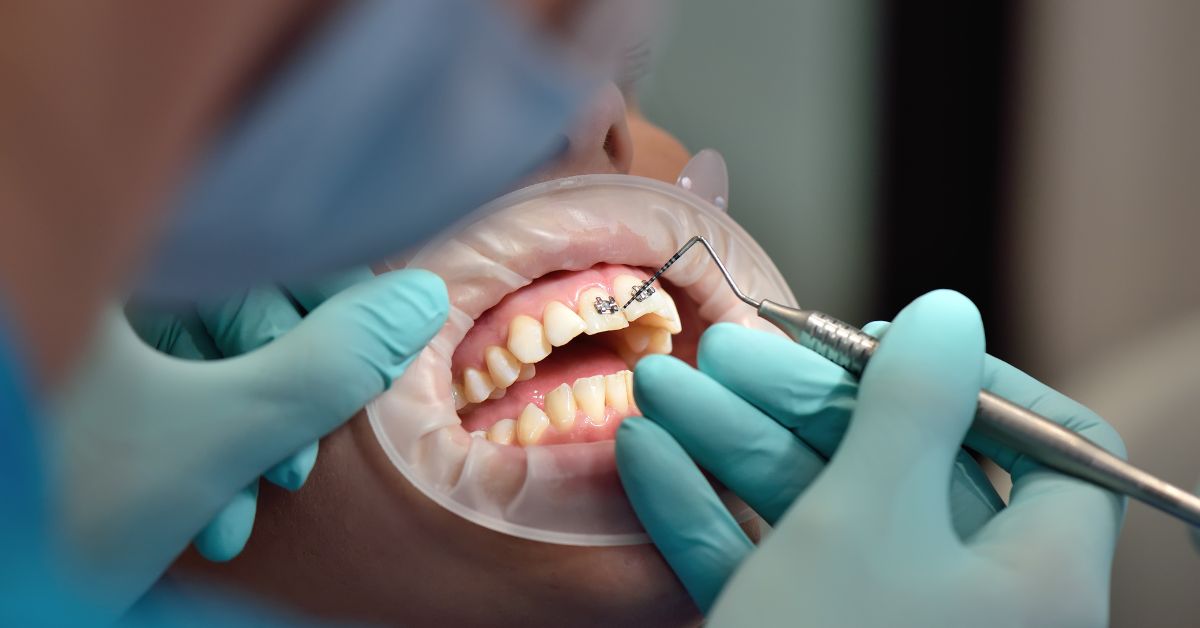
Patients usually need an emergency orthodontist when the braces problem creates a time-sensitive risk that cannot be managed safely until the next routine adjustment. The most reliable signs involve escalating pain, visible hardware movement, and mouth irritation that worsens with normal speaking or chewing. A true urgent situation is not defined by annoyance, it is defined by the likelihood of injury or treatment disruption if the issue is ignored. PHD Dental helps patients identify which symptoms require prompt braces repair so they can act decisively without guessing.
Sharp edges and poking wires are one of the clearest reasons to seek emergency orthodontic care. Pain that feels stabbing or that increases with jaw movement often indicates a wire or bracket has shifted into soft tissue. Patients should treat cutting, bleeding, or rapidly worsening soreness as a sign that repair should happen soon.
Wire Ends That Poke When Talking, Chewing, or Sleeping
A wire that slides can press into the cheek or gum repeatedly and create a sore that grows larger each day. This pain often feels worse at night because the jaw relaxes and tissue stays in contact with the wire longer. Seeking an emergency orthodontist helps stop the source of trauma before swelling makes it harder to tolerate.
Why Repeated Wire Contact Can Create a Larger Injury Quickly
Friction-based injuries tend to reopen each time the mouth moves. As swelling increases, the wire can press deeper and create more tissue breakdown. Stabilizing the wire early reduces pain and supports faster healing.
Broken Brackets or Hooks That Require Emergency Braces Repair in Los Angeles
A rotated or detached bracket can expose rough edges that scrape soft tissue. Even if the bracket stays attached, the angle change can create a sharp contact point. Patients often benefit from urgent repair because tissue irritation can compound rapidly and make oral hygiene difficult.
How Soft-Tissue Protection Improves Comfort and Treatment Continuity
When the mouth hurts, patients chew less comfortably and brush less effectively near the irritated area. This can lead to gum inflammation and make the problem feel worse. Repair restores comfort so normal care and eating can resume.
If braces suddenly feel different, especially if a tooth feels loose in the appliance or if the wire feels unstable, the system may not be controlling movement properly. Patients should not assume the braces are still working correctly just because the hardware remains in the mouth. A rapid change in feel is often a sign that evaluation is needed.
Loose Bracket Spinning on the Wire or Sliding Out of Position
A bracket that spins can stop guiding the tooth properly and can create pressure points that irritate the cheek. It can also interfere with nearby brackets and change how the wire sits. An emergency orthodontist can stabilize the bracket and restore control before the tooth begins drifting.
Why Bracket Movement Can Create More Than One Problem at Once
A loose bracket can shift wire tension and affect neighboring teeth. It can also create sharp points and cause mouth sores. Prompt repair reduces the chance that multiple issues develop from one failure.
Bent or Broken Wire That Feels Unstable or Creates New Pressure
Wires can bend after biting hard foods or from unexpected force, and a bent wire can push in the wrong direction. A broken wire segment can also move and poke tissue. When pressure feels new, uneven, or painful, evaluation helps protect both comfort and progress.
How an Emergency Orthodontist Restores Safe Tension Without Guessing
A clinician can adjust the wire with proper tools and confirm that the braces apply force as intended. This avoids creating new sharp points or shifting pressure incorrectly. Patients often appreciate the reassurance that the system is stable again.
Swelling and bleeding signal that soft tissue has been injured or is inflamed enough to require attention. This may happen around a loose band, under a wire, or near a bracket edge. Patients should treat worsening swelling or persistent bleeding as a reason to contact an emergency orthodontist rather than waiting.
Gum Swelling That Makes Brushing Too Painful to Maintain After Broken Braces
Swollen gums can make brushing feel painful and can lead to plaque buildup near the brackets. This buildup can worsen inflammation and create a cycle of tenderness. Prompt braces repair often resolves the mechanical cause and makes cleaning comfortable again.
Why Hygiene Breakdowns Can Create Longer-Term Complications
When plaque builds around braces, gums can become more inflamed and prone to bleeding. This makes orthodontic treatment harder to tolerate and can complicate future adjustments. Repair helps restore a routine that keeps tissue healthier.
Ulcers That Grow, Persist, or Interfere With Normal Eating
A small sore that keeps expanding often indicates continuous friction. If the sore does not improve or becomes painful during meals, evaluation is appropriate. Patients often gain relief quickly when the source of irritation is corrected.
How Persistent Ulcers Can Signal an Ongoing Hardware Problem
Ulcers that return in the same spot often match a wire end or bracket edge. Treating the sore without fixing the cause leads to repeated injury. Addressing the hardware breaks this cycle and supports healing.
A loose band, broken bracket, or detached wire segment can create a risk of swallowing or inhaling a piece of hardware. While this is not common, it should be treated as urgent because patient safety becomes the primary concern. Any component that feels close to coming off should be evaluated promptly.
Loose Bands or Detached Brackets That Feel Like They Could Come Off
If a bracket is hanging or a band feels unstable, patients should avoid pushing it with fingers or trying to remove it at home. Movement can dislodge the part unexpectedly. An emergency orthodontist can stabilize or remove it safely and prevent a dangerous situation.
Why Urgent Stabilization Is Safer Than Waiting Overnight
Hardware can shift while sleeping, eating, or speaking. Waiting increases the chance that a loose piece detaches fully. Prompt care reduces risk and restores peace of mind.
Some irritation improves with orthodontic wax and careful eating, but worsening pain signals a need for evaluation. If protection measures fail, the underlying issue usually requires adjustment. Patients often feel more confident when they treat persistence as a sign to seek professional help rather than continuing to tolerate pain.
Pain That Escalates Even After Using Wax and Avoiding Hard Foods
When pain increases despite protective steps, the problem may involve wire tension, a broken component, or tissue injury that needs direct correction. Continuing to wait can lead to larger sores and more swelling. An emergency orthodontist visit can stabilize the situation quickly.
How PHD Dental Helps Patients Decide When to Come In
Patients often worry about overreacting, but clear criteria can make the decision easier. PHD Dental encourages patients to reach out when pain worsens, hardware shifts, or tissue is being injured. This guidance supports trust because it prioritizes patient comfort and safety while protecting orthodontic progress.
Contact PHD Dental for Emergency Braces Repair in Los Angeles
When you need emergency braces repair in Los Angeles, the right visit should do more than ease pain for the moment. It should stabilize the appliance so orthodontic movement stays controlled. Braces emergencies often involve hardware that has shifted, loosened, or started injuring the cheeks and gums, which can worsen quickly if the source of irritation remains in place. PHD Dental approaches urgent repairs with an emergency orthodontist mindset, focusing on safe stabilization, clear explanations, and a repair that reduces the chance of the same failure repeating in the next few days. You should leave the appointment with improved comfort and a braces setup that can keep working until your next scheduled adjustment.
Patients also benefit from prompt care because it reduces the risk of setbacks that add time to orthodontic treatment. A loose bracket or unstable wire can interrupt force control, allow teeth to drift, or create bite interference that makes chewing feel sharp and uncomfortable. We evaluate what changed, confirms what needs to be repaired, and prioritizes the steps that protect both soft tissue and treatment continuity. This clarity builds trust because patients understand whether the solution is a wire adjustment, a rebond, or a stabilization step to prevent irritation and delay. The goal is fast relief with a repair plan that keeps your orthodontic timeline moving forward.
Call (323) 269-5437 to contact PHD Dental for emergency braces repair in Los Angeles and get prompt pain relief while protecting your orthodontic progress.
Get in Touch with PhD Dental
Pick your location
Los Angeles
Los Angeles is a diverse and fast-moving city where access to dependable dental care is essential for individuals and families alike. PhD Dental serves patients throughout Los Angeles with a commitment to personalized care and long-term oral health.
Hours
- Mon 10:30AM - 7:30PM
- Tue 10:30AM - 7:30PM
- Wed 10:30AM - 7:30PM
- Thu 10:30AM - 7:30PM
- Fri 9:30AM - 7:30PM
- Sat 9:00AM - 3:00PM
- Sun Closed