
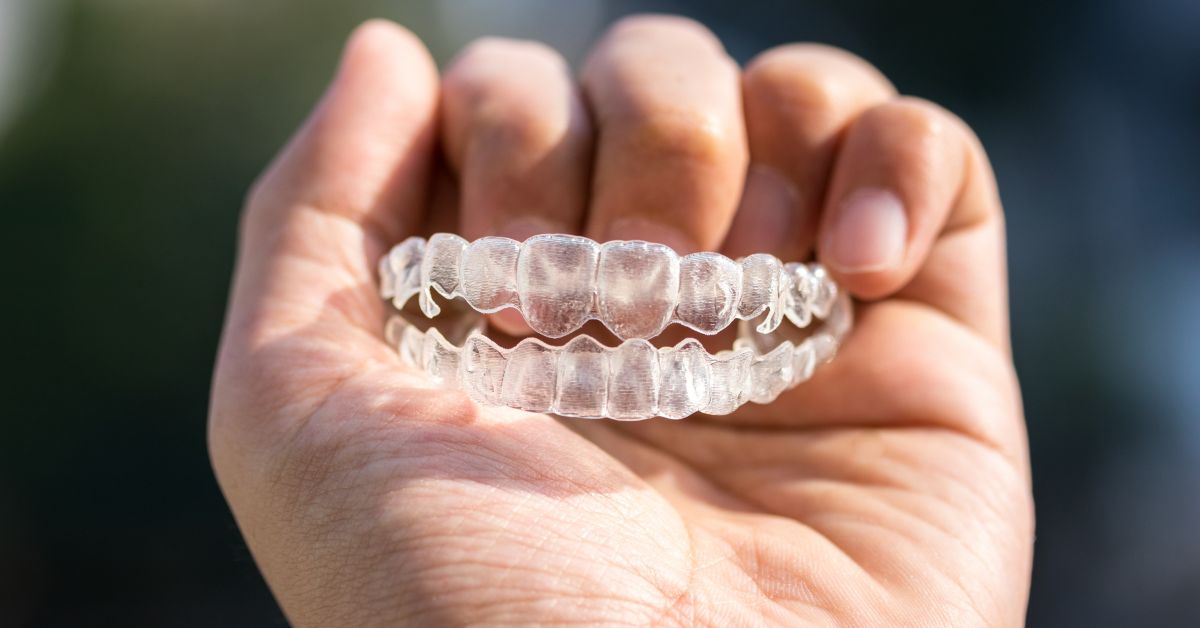
Invisalign Dentists in Los Angeles
In Los Angeles, Invisalign Dentists help patients correct smile-alignment issues with a clear, step-by-step plan focused on predictability and long-term stability. Invisalign can address spacing, crowding, and certain bite imbalances when the case is planned carefully and the patient follows the wear schedule consistently. Treatment works by guiding teeth through controlled movements over time, with each aligner stage building toward a defined end position. Patients often choose Invisalign because it fits busy routines and supports a more confident smile without the feel of traditional brackets.
PHD Dental plans for Invisalign treatment with a function-first mindset. We seek to connect straightening to bite comfort, hygiene access, and life-long tooth protection. Our Los Angeles Invisalign team evaluates how your teeth meet, where movement is realistic, and what sequence will keep the outcome stable after the last aligner. A well-managed Invisalign should reduce crowding traps that make cleaning difficult, improve bite balance, and support results that hold up with proper retention.
Call (323) 269-5437 to schedule an Invisalign consultation with PHD Dental and speak with Invisalign dentists in Los Angeles about a clear plan for straighter teeth and stable bite function.
Top-Rated Dentists
in Los Angeles
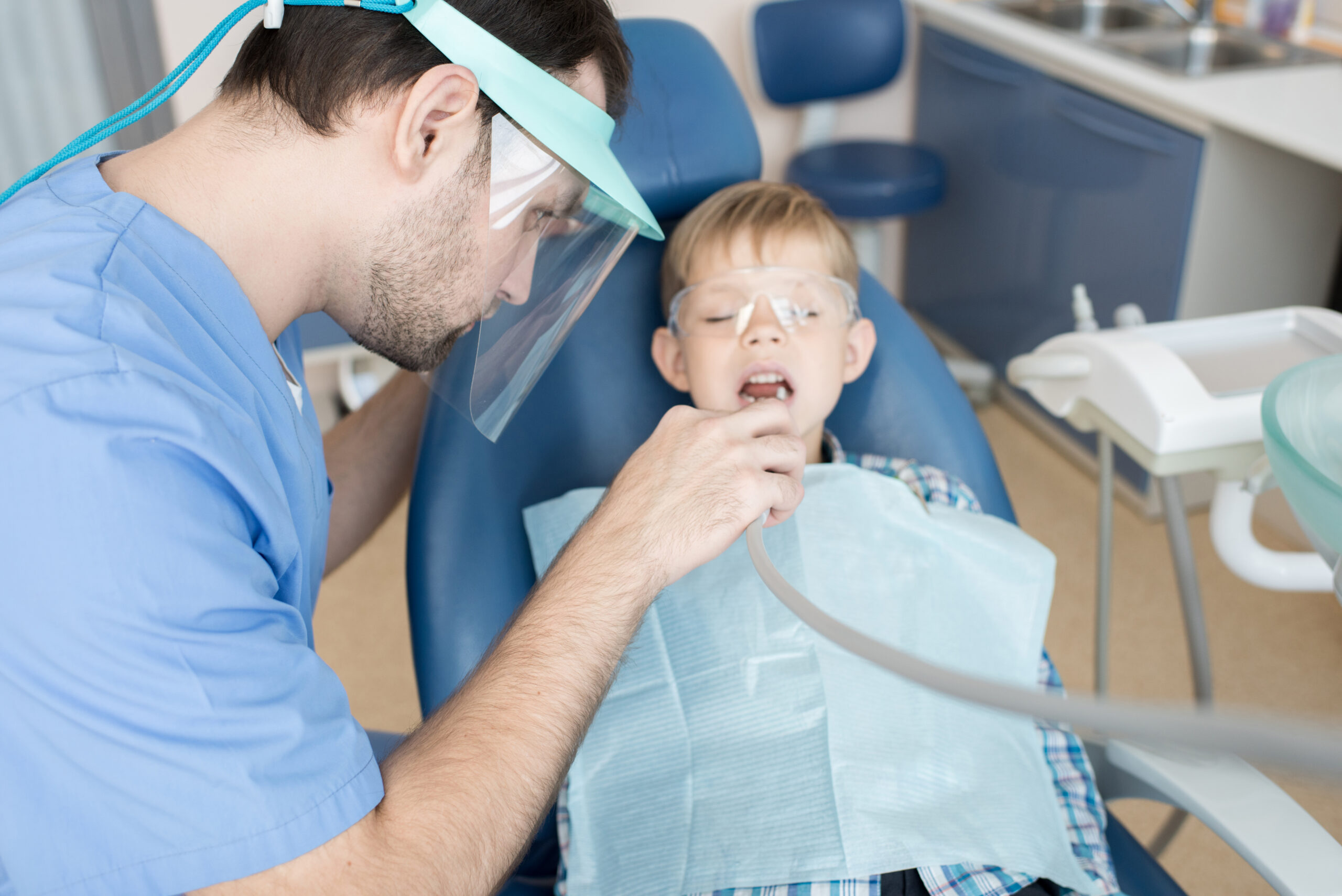
Patient-First Dentistry for Every Stage of Life
From early childhood development to adult care, we focus on patient comfort and comprehensive treatment.
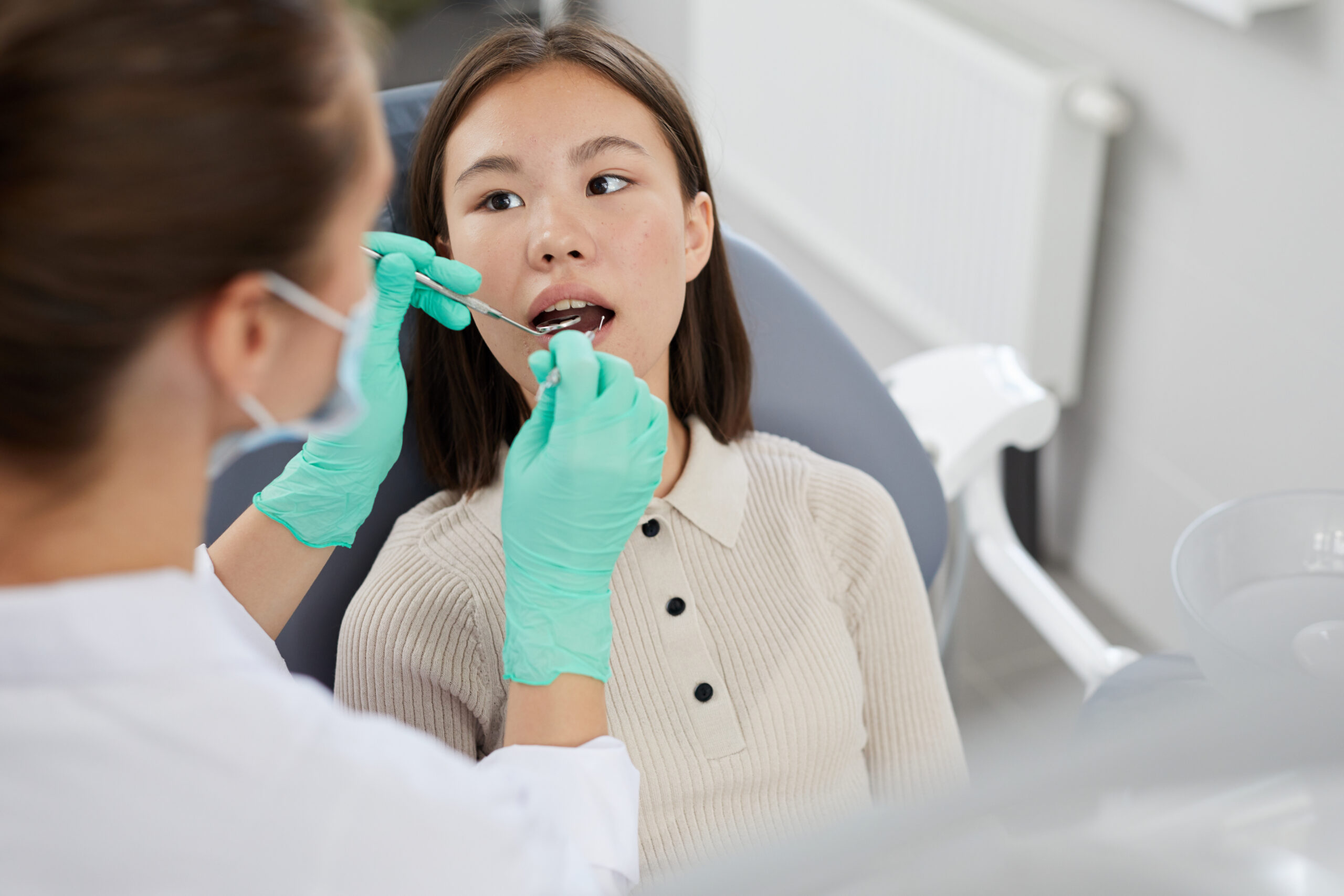
Removing Barriers to Dental Care
We believe everyone deserves access to high-quality dental care, regardless of financial situation.

Comprehensive Dentistry Under One Roof
Orthodontics, implants, oral surgery, and preventative care all conveniently located in our clinics.
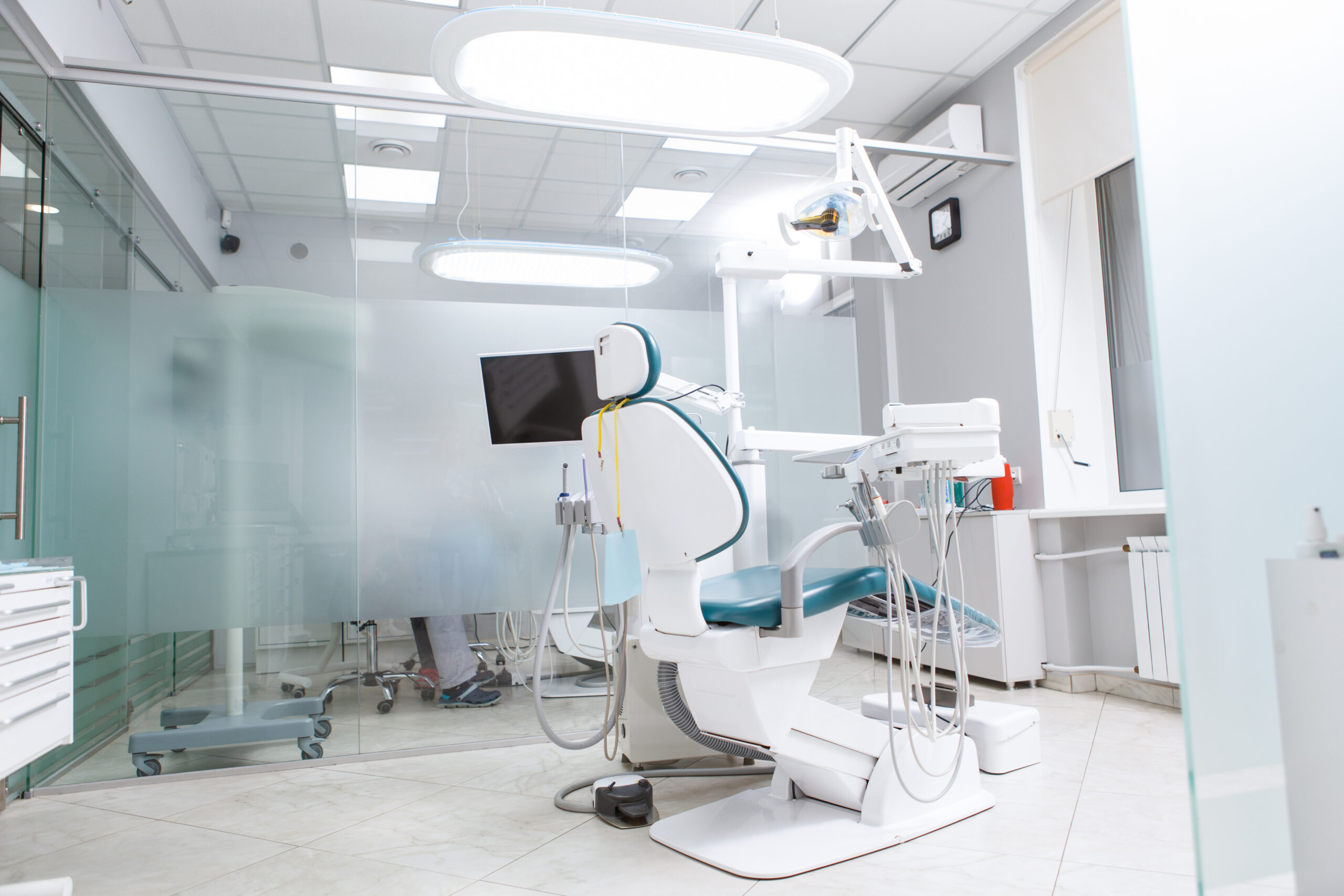
Expertise, Access & Convenient Locations
Multiple clinic locations across Los Angeles with extended hours to fit your busy schedule.
When Invisalign Becomes the Right Option for your Smile
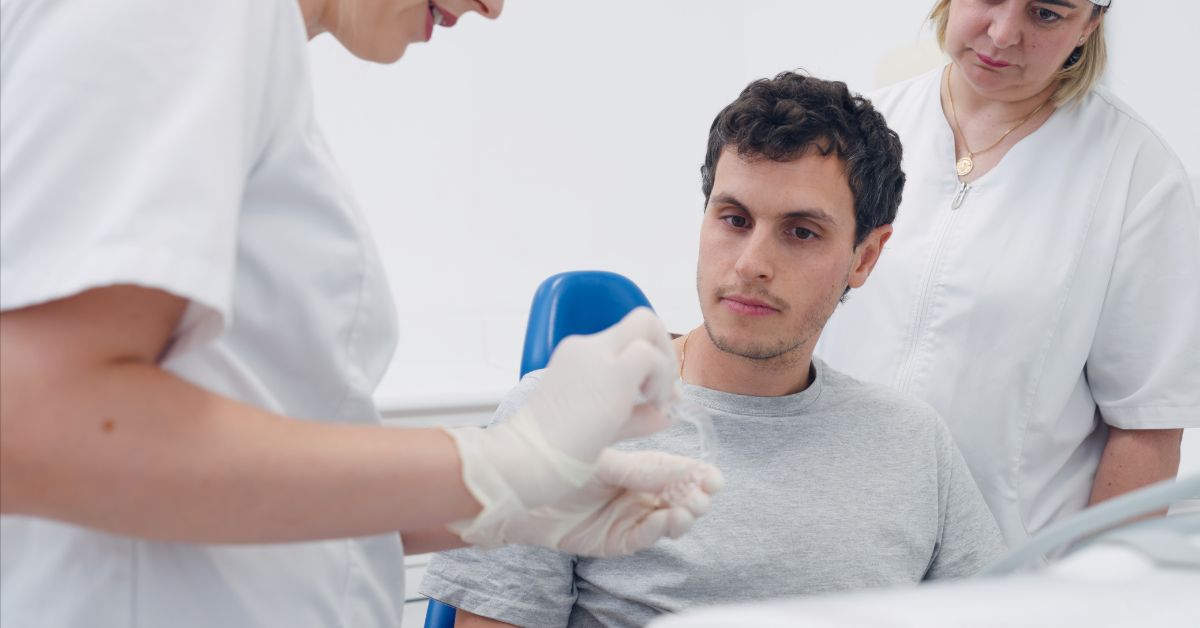
Invisalign becomes the right option when your goals and your clinical starting point align with what clear aligners can move predictably. The best candidates usually have mild to moderate crowding or spacing, manageable bite concerns, and a commitment to consistent wear so the plan can track as designed. Patients tend to feel most confident when the decision is framed around predictability and long-term stability, not just the desire for straighter teeth. PHD Dental focuses on matching Invisalign to cases where controlled, stepwise movement can deliver a stable result without unnecessary detours. The evaluation also considers whether teeth have enough healthy support for movement and whether past shifting patterns suggest the need for a stronger retention plan. Patients benefit from understanding what could slow progress, such as inconsistent wear time or movements that exceed what aligners can do reliably without added support. A clear recommendation sets expectations for how tracking will be monitored and when refinements may be needed to protect outcome quality. When the plan accounts for both movement limits and long-term stability, patients can commit with more confidence and fewer surprises.
Clear aligners can be an excellent fit when the needed tooth movement is controlled and incremental. Invisalign often works well for spacing issues, mild crowding, and alignment refinements that improve both appearance and hygiene access. Patients appreciate a candid discussion of what aligners can do efficiently so expectations stay realistic from the first visit.
Mild to Moderate Crowding That Creates Hygiene and Appearance Concerns for Dental Patients
Crowding can make brushing and flossing less effective because teeth overlap and trap plaque. Invisalign can create space and align teeth so patients can clean more consistently and reduce inflammation risk around tight contact points. This benefit feels practical because it improves daily maintenance, not just cosmetic symmetry.
Why Small Crowding Problems Can Still Create Big Long-Term Wear Risk
Even mild crowding can change how teeth contact each other during chewing. Uneven contact can concentrate force and contribute to chipping, grinding patterns, or gum irritation over time. Straightening helps distribute contact more evenly, which supports long-term comfort and stability.
How Invisalign Dentists in LA Approach Bite Feel and Food Trapping
Spacing can lead to food trapping, uneven pressure points, and a smile that feels less balanced. Aligners can close gaps gradually while preserving a controlled bite relationship. Patients often feel reassured when the plan explains how spacing correction supports both comfort and long-term tooth protection.
When Gaps Signal Tooth Movement That Needs Active Correction
Some gaps form because teeth have shifted after orthodontics or due to gradual bite changes. If the shift continues, spacing can worsen and create additional cleaning challenges. Invisalign can address these shifts when the case is planned with retention in mind from the start.
Invisalign can improve certain bite problems when the movements needed stay within predictable aligner capabilities. The key is planning that targets how teeth meet, not only how they look. Patients tend to trust the recommendation more when bite goals are explained clearly and linked to long-term comfort.
Minor Overbite or Underbite Adjustments That Improve Function
Some patients have a bite relationship that feels uncomfortable or contributes to uneven wear. Invisalign can guide improvements in how the front teeth and back teeth contact when the case is suitable for aligner-based correction. This can reduce strain during chewing and support a more stable bite pattern.
Why Bite Improvement Requires Clear End Goals and Monitoring
Bite changes must be managed carefully because small shifts can affect comfort and tracking. A clear plan includes monitoring checkpoints that confirm teeth are moving as expected. This structure builds confidence because patients know the plan includes verification, not guesswork.
Invisalign works best when a patient can commit to consistent daily wear and follow care instructions without frequent interruptions. This factor matters because aligners rely on steady pressure over time. Los Angeles dental patients often choose clear aligners for flexibility, but flexibility still requires discipline to produce reliable results.
Patients Who Want Discreet Treatment Without Disrupting Daily Routines
Clear aligners can fit professional and social routines in a way that feels less intrusive than brackets. Patients can remove aligners for meals and cleaning, which supports comfort and hygiene. The best outcomes occur when patients treat removal as controlled and limited, not casual and frequent.
How Missed Wear Time Creates Delays and Unpredictable Tracking
When aligners are not worn as directed, teeth may not move into the planned position for the next stage. This can lead to tracking issues and may require refinements that extend treatment. Patients appreciate direct guidance here because it clarifies that compliance protects both timeline and outcome quality.
Many adults seek Invisalign after teeth shift following braces, retainers, or long periods without retention. These cases often involve predictable movements, but they still require a plan that accounts for why the relapse happened. Patients feel more satisfied when the plan includes a retention strategy designed to prevent the same shift from returning.
Invisalign Dentists Correct Post-Braces Shifting Without Repeating the Same Pattern
Relapse can occur when retention was inconsistent or when bite forces gradually pulled teeth out of position. Invisalign can realign teeth, but long-term success depends on keeping them stable afterward. Patients benefit from a clear explanation of how retention will be handled to protect the result.
Why Retention Planning Should Be Part of the First Invisalign Conversation
Retention is not an afterthought, it is the step that keeps the result stable after active movement ends. Patients often feel more confident when they know what type of retainer plan will follow and how it fits their lifestyle. This transparency supports trust because it shows the practice focuses on long-term outcomes, not just finishing aligners.
How Invisalign Treatment Improves Bite Function and Long-Term Tooth Health

Invisalign can improve more than tooth alignment because small changes in position affect how teeth contact during chewing, how forces distribute, and how easily patients can keep plaque under control. When teeth meet unevenly, certain areas take too much load while other areas do not engage properly, which can contribute to wear, tenderness, and long-term bite instability. A well-planned aligner case aims to create contact that feels balanced and repeatable, not just visually straight. PHD Dental frames Invisalign as a health and function decision when the goal includes comfort, predictable chewing, and lower long-term risk. This approach also helps patients understand that straightening can reduce plaque traps that make gums feel chronically irritated around crowded contacts. Improved alignment can make daily brushing and flossing more effective, which supports cleaner margins and fewer recurring inflammation patterns. Patients often appreciate that functional planning can reduce the need to chew on one side because the bite feels more stable and less guarded. When the plan ties movement to force distribution and cleanability, the outcome tends to feel more durable because it supports both comfort and long-term maintenance.
A stable bite relies on multiple teeth sharing force rather than a few teeth taking the brunt of every chew. Invisalign can refine how teeth meet so contact points become more even and less likely to create overload on one tooth or one side. Patients often notice improved comfort when chewing feels smoother and less guarded.
Reducing Overload Points That Can Lead to Chipping and Flattening for Invisalign Patients
Teeth that carry too much bite force can chip more easily or show flattened edges from chronic stress. Overload can also irritate supporting tissues and create sensitivity that returns even after fillings or minor repairs. Aligning contacts can reduce these high-pressure points and protect enamel from avoidable wear.
Why Small Contact Improvements Can Change Daily Comfort
Minor alignment changes can shift where force lands during chewing and clenching. When pressure distributes more evenly, patients often feel fewer “hot spots” that trigger soreness or make chewing feel cautious. This benefit matters because it supports stable comfort without relying on constant adjustments.
Invisalign Dentists Improve Chewing Efficiency Through Better Tooth-to-Tooth Engagement
When teeth do not line up well, chewing can feel less efficient because food is not broken down evenly. Proper engagement allows the back teeth to work as intended and reduces the tendency to chew on one side. Patients often appreciate this improvement because it affects daily function, not just appearance.
How Bite Stability Supports More Predictable Long-Term Maintenance for Dental Patients in Los Angeles
A stable bite makes it easier to monitor changes over time because symptoms and wear patterns become less erratic. Patients often feel more confident when the outcome is consistent and easier to maintain with routine dental visits. This predictability supports satisfaction because it reduces the chance of surprise discomfort later.
Crowding and overlapping teeth create tight, hidden areas where plaque builds up despite good brushing habits. Invisalign can improve spacing and alignment so flossing becomes more effective and brushing reaches surfaces that were previously blocked. Patients often see gum health benefits because cleanability becomes realistic, not idealistic.
Reducing Plaque Traps Between Crowded Teeth and Tight Contacts
Crowded contacts can trap plaque and food debris, which can cause bleeding gums and chronic irritation. Aligning teeth can open access for floss and improve the effectiveness of home care routines. Patients tend to feel more satisfied when straightening leads to fewer hygiene struggles, not just a straighter smile.
Why Cleaner Contact Points Can Lower the Risk of Recurrent Gingival Problems
Inflammation often returns when plaque traps remain in the same hard-to-reach areas. By improving access, Invisalign can help patients maintain healthier gums with less effort. This benefit supports long-term stability because gum irritation can contribute to recession and sensitivity over time.
When alignment issues make hygiene difficult, mild inflammation can persist even with regular cleanings. Invisalign can support periodontal stability by making it easier to keep gums calm and consistent, especially in areas that used to trap debris. Patients benefit from an approach that ties straightening to tissue health instead of treating it as purely cosmetic.
Improving Tissue Response Through More Maintainable Tooth Positions
Gums often respond better when teeth are positioned in a way that allows consistent cleaning and stable contact points. Reduced inflammation can mean less bleeding and fewer recurring sore spots along the gumline. Patients value this outcome because it supports comfort and confidence in day-to-day oral care.
How PHD Dental Connects Invisalign Planning to Gum Health Goals
Patients often want to know how straightening relates to long-term health, not just appearance. PHD Dental explains how specific movements improve cleanability and reduce chronic irritation zones. This framing builds trust because it shows the plan is built around measurable health outcomes.
When teeth do not meet evenly, patients often adapt by chewing on one side or avoiding certain bite positions. Over time, that adaptation can strain the jaw and contribute to uneven wear patterns. Invisalign can help reduce the need for these compensations by improving how the bite comes together.
Addressing Bite Imbalances That Create Guarding and Jaw Fatigue
Bite imbalances can cause patients to shift their jaw or avoid full contact, which can create fatigue and discomfort. Aligning teeth can reduce the triggers that cause guarding and support more natural chewing patterns. Patients often appreciate this improvement because it feels like a functional upgrade rather than a cosmetic change.
Why Stable Bite Patterns Support Long-Term Comfort and Confidence
A bite that feels stable encourages normal chewing and reduces the sense of fragility. Patients often describe more confidence when they can eat without worrying about pressure points or soreness. This matters because long-term satisfaction depends on how the result performs every day, not just how it looks.
Improved alignment and bite function only stay stable when retention is handled with discipline and clarity. Retainers help hold teeth in their new position while the supporting structures adapt. Patients feel more confident when retention is presented as part of the treatment outcome, not as an optional afterthought.
Why Retainers Protect the Health Benefits of Alignment Improvements
Without retention, teeth can drift back toward their previous position and recreate crowding and plaque traps. That drift can also reintroduce uneven bite contacts that contribute to wear and discomfort. Retention protects the functional and hygiene gains that Invisalign created.
How PHD Dental Sets Clear Expectations for Long-Term Result Stability
Patients benefit from knowing what retention will look like and how it fits into daily life. Clear expectations reduce the chance of relapse because patients are less likely to treat retainers casually. This transparency supports trust because it shows the practice prioritizes long-term stability, not just finishing aligners.
Schedule an Invisalign Consultation with PHD Dental in Los Angeles
If you are considering Invisalign Dentists in Los Angeles, a consultation should clarify what your teeth can move predictably, what bite improvements are realistic, and what will protect stability after treatment ends. Invisalign results depend on planning, tracking, and consistent wear, so the evaluation should identify where aligners can deliver controlled change and where limitations may require a different approach. PHD Dental focuses on building a plan that connects tooth movement to function, including how teeth meet during chewing, how pressure distributes, and how alignment changes can improve cleanability. You should leave with a clear understanding of what success looks like for your case, including the expected pathway and the retention strategy that will keep the result stable.
Patients also benefit from a consultation because it turns a general interest in Invisalign into a decision based on predictable outcomes and long-term maintenance. PHD Dental explains what will be monitored during treatment, how refinements are handled if needed, and what habits protect tracking so the timeline stays realistic. This clarity builds trust because it avoids overselling and keeps the plan tied to measurable goals, not vague promises about a perfect smile. When the case is designed around function and stability, the result tends to feel more comfortable and easier to maintain long after the last aligner. The goal is a bite that feels balanced, teeth that are easier to keep clean, and an outcome you can hold with a practical retention plan.
Call (323) 269-5437 to schedule your Invisalign consultation with PHD Dental in Los Angeles and get a clear, function-first plan for alignment and long-term stability.
Get in Touch with PhD Dental
Pick your location
Los Angeles
Los Angeles is a diverse and fast-moving city where access to dependable dental care is essential for individuals and families alike. PhD Dental serves patients throughout Los Angeles with a commitment to personalized care and long-term oral health.
Hours
- Mon 10:30AM - 7:30PM
- Tue 10:30AM - 7:30PM
- Wed 10:30AM - 7:30PM
- Thu 10:30AM - 7:30PM
- Fri 9:30AM - 7:30PM
- Sat 9:00AM - 3:00PM
- Sun Closed