

Invisalign for Teens in Los Angeles
Invisalign offers Los Angeles Teens an orthodontic option that balances alignment goals with the realities of school schedules, extracurriculars, and growing responsibility. Teen treatment works best when clear aligners can guide predictable movement while still allowing normal eating, brushing, and daily routines without constant disruption. Invisalign can be a strong fit for teens who need only mild to moderate correction. Parents often choose this option when they want a plan that supports alignment without adding unnecessary friction to a busy teenage lifestyle.
PHD Dental approaches Invisalign for teens with a focus on structure, accountability, and long-term stability rather than cosmetic shortcuts. The team evaluates bite development, spacing, and jaw growth to confirm whether aligners can deliver controlled results at this stage. Clear planning helps teens understand their role in treatment success and helps parents feel confident that progress is being monitored closely. A well-managed Invisalign plan should improve alignment while supporting oral health habits and reducing the risk of setbacks that can extend treatment time.
Call (323) 269-5437 to schedule an Invisalign consultation for your teenager. Let PHD Dental provide a clear plan built around growth, responsibility, and predictable results.
Top-Rated Dentists
in Los Angeles
Patient-First Dentistry for Every Stage of Life
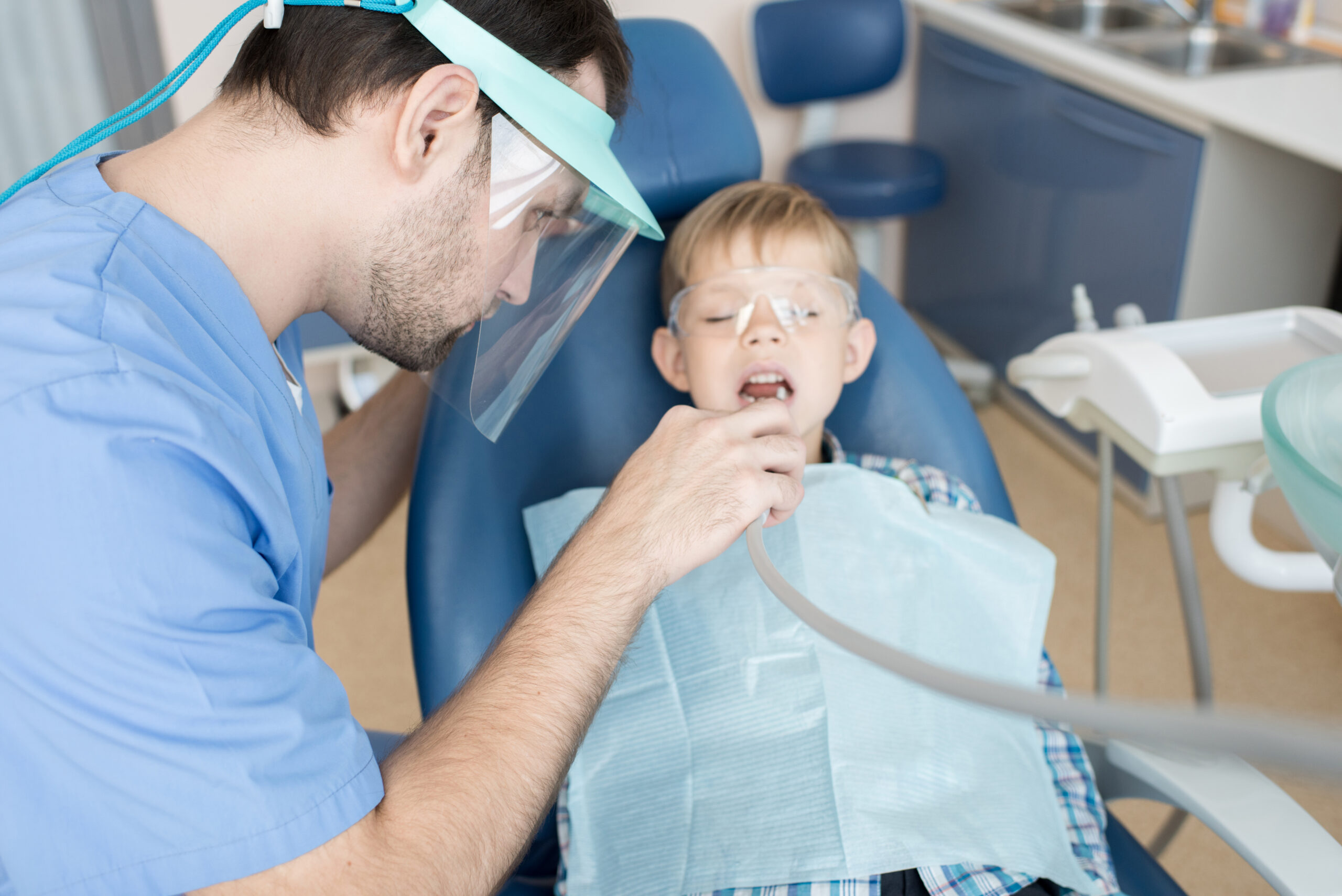
From early childhood development to adult care, we focus on patient comfort and comprehensive treatment.
Removing Barriers to Dental Care
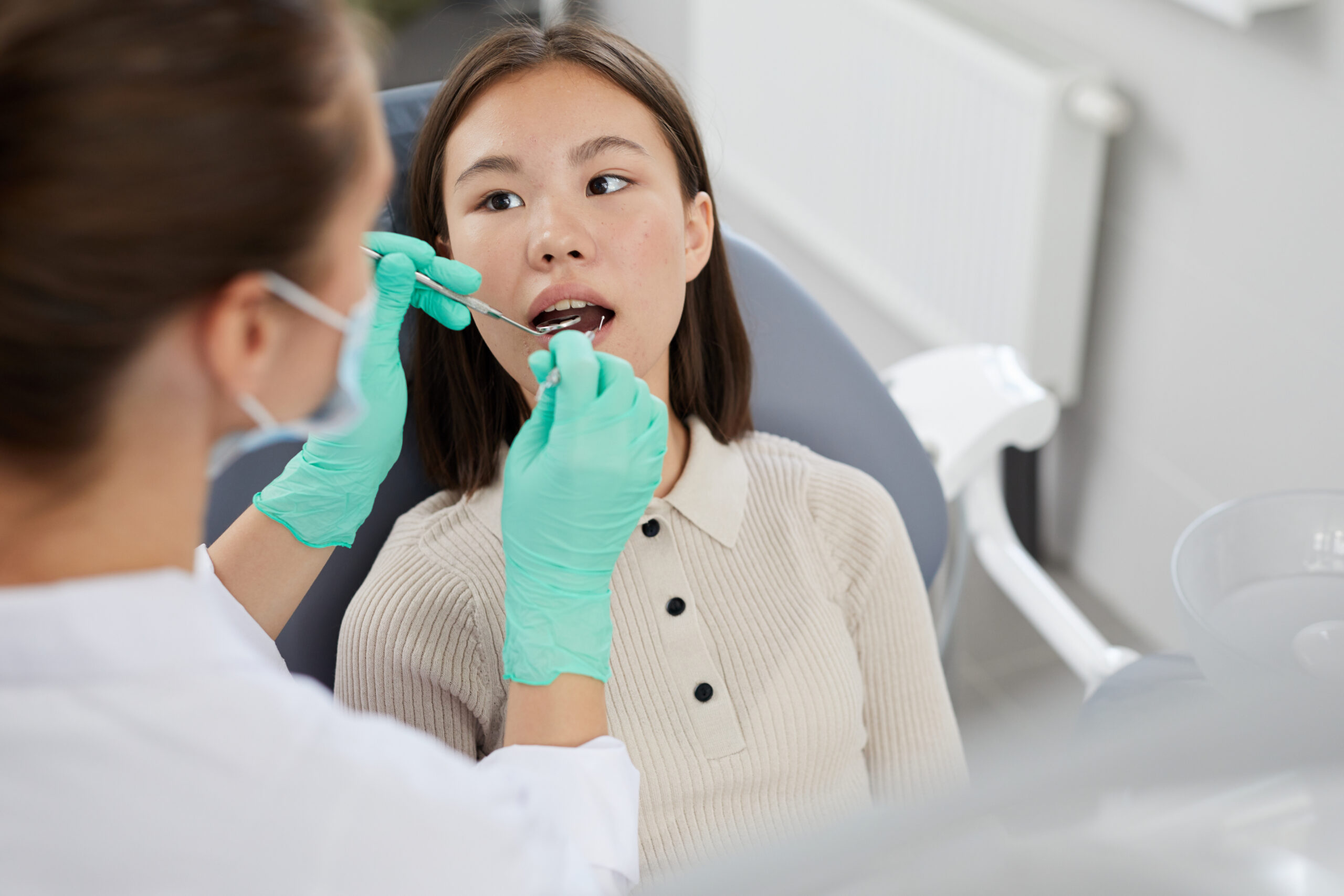
We believe everyone deserves access to high-quality dental care, regardless of financial situation.

Comprehensive Dentistry Under One Roof
Orthodontics, implants, oral surgery, and preventative care all conveniently located in our clinics.
Expertise, Access & Convenient Locations
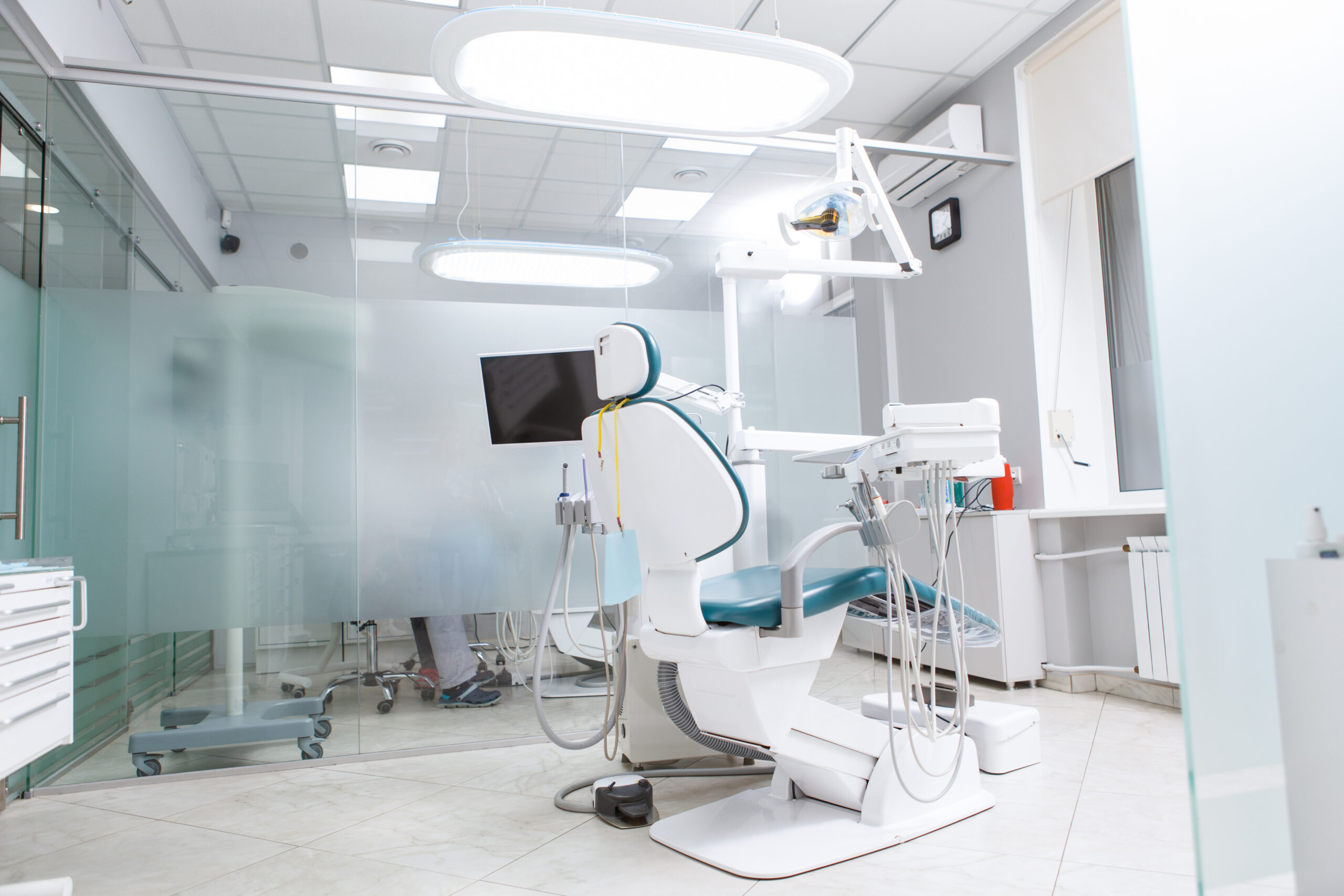
Multiple clinic locations across Los Angeles with extended hours to fit your busy schedule.
When Invisalign Is a Good Fit for Teen Orthodontic Treatment
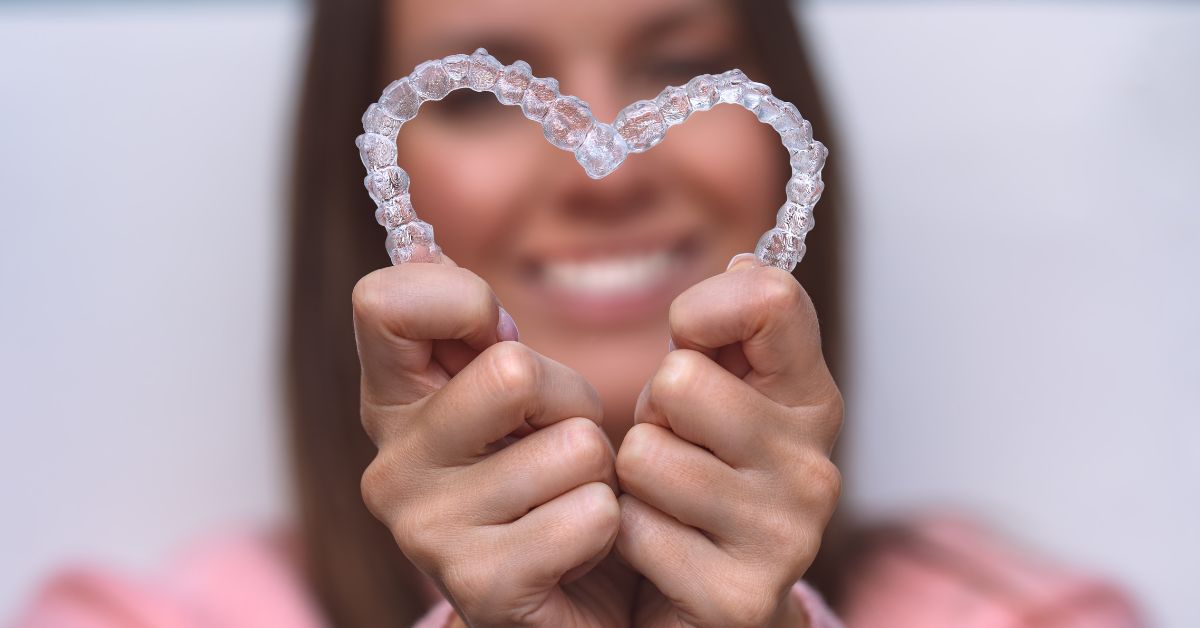
Invisalign can be a good fit for teen orthodontic treatment when the alignment goals match what clear aligners move predictably and when the teen is ready to follow a consistent wear routine. The best cases usually involve measurable corrections that can be guided step by step without relying on constant in-office hardware adjustments. A strong fit also depends on oral hygiene readiness because aligners work best when teeth and gums stay healthy throughout treatment. PHD Dental evaluates candidacy with a practical mindset so families understand whether Invisalign supports a stable result at this stage of growth.
Teen Invisalign often works well for mild to moderate crowding, small gaps, and minor rotations that respond to controlled, staged movement. These cases benefit from aligners because the plan can guide teeth into better positions while still allowing normal brushing and flossing. Patients and parents usually feel more confident when the dentist explains which movements are predictable and which ones may require added support.
Mild to Moderate Crowding That Affects Cleanability and Confidence in Teenagers
Crowding can make brushing difficult and can create plaque traps that irritate gums. Aligners can create space gradually and improve tooth positioning so hygiene becomes more effective. Teens often appreciate that progress is visible without bulky brackets that can complicate cleaning.
Why Early Crowding Correction with Invisalign Supports Long-Term Dental Health
Crowded teeth in children and teens are harder to maintain, which can increase risk for inflammation and decay. Improving alignment can make home care more manageable and reduce long-term maintenance problems. This helps families see Invisalign as a health decision, not only a cosmetic choice.
Small Gaps and Uneven Spacing That Create Inconsistent Smile Balance
Gaps can trap food and can make teeth look uneven even when the bite is otherwise stable. Invisalign can close small spaces in a controlled way that preserves natural tooth proportions. Patients tend to feel more satisfied when spacing improvements look balanced rather than overly tight.
How Controlled Spacing Changes Help Preserve Natural-Looking Results
Closing gaps too aggressively can create contact issues that feel tight or difficult to floss. A controlled plan aims for stable contact points that remain cleanable. This focus supports long-term comfort and easier hygiene.
Invisalign can address some bite issues, especially when they are mild to moderate and when the treatment plan accounts for how teeth meet during chewing. Bite correction matters because stable contacts support comfort and reduce uneven wear over time. A careful plan can improve function while also improving alignment aesthetics.
Managing Mild Overbite or Underbite Patterns With Stepwise Movement
Some teens have bite patterns that can be improved by guiding tooth positions into better contact. This often requires careful sequencing to avoid creating new pressure points as teeth move. Families tend to trust the process more when bite goals are explained in simple, measurable terms.
Why Bite Stability Matters More Than Straight Teeth Alone
A straight smile can still feel uncomfortable if teeth meet unevenly. Bite stability supports chewing comfort and reduces the chance of jaw strain or tooth wear. This helps teens and parents value function as part of a successful outcome.
Correcting Crossbite Tendencies in Teenage Dental Patients
Crossbite can create uneven contact and can place stress on specific teeth. Invisalign may be an option for certain crossbite cases, depending on severity and growth stage. A candid evaluation helps families understand what Invisalign can accomplish and what might require another approach.
How Early Crossbite Management Can Protect Tooth Structure
When teeth meet incorrectly, some areas take more force and can wear faster. Correcting the contact pattern can reduce this stress and support long-term enamel protection. This functional benefit can be as important as cosmetic improvement.
Teen Invisalign depends heavily on consistent wear because aligners only work when they are in place. Readiness includes responsibility, ability to keep aligners clean, and willingness to follow instructions even when routines change. Families often get better results when the plan includes accountability expectations from the start.
Consistent Wear Habits That Keep Treatment Tracking on Schedule
Aligners need to be worn for the prescribed hours each day to move teeth as planned. Missed wear time can cause tracking problems and can increase the need for refinements. Teens often succeed when they understand that daily consistency protects timeline predictability.
How Small Lapses Can Create Longer Treatment Extensions
When aligners do not track, the plan may need additional steps to recapture movement. This can add time and create frustration for both teens and parents. Clear expectations help families treat wear time as the core driver of success.
Hygiene Discipline That Prevents Cavities and Gum Irritation During Treatment
Aligners trap saliva and plaque against teeth if hygiene is inconsistent. Teens need to brush and floss consistently and keep trays clean to avoid decay and inflammation. A readiness review helps families prevent problems that can interrupt orthodontic care.
Why Clean Aligners Support Comfort and Better Compliance
Dirty aligners can smell unpleasant and feel uncomfortable, which can reduce wear time. Clean trays are easier to wear consistently and help teens stay confident in social settings. This supports better compliance and smoother treatment progress.
Teen orthodontic care must account for ongoing growth, including jaw development and tooth eruption changes. Invisalign planning may need to consider whether teeth are still coming in and whether the bite is likely to change. A growth-aware plan helps families avoid choosing an approach that does not match the current stage.
Evaluating Eruption Patterns and Space for Remaining Teeth
Some teens still have teeth erupting, which can affect alignment and spacing plans. Invisalign can still work in many situations, but planning needs to account for what will change over time. This evaluation builds trust because it shows the plan anticipates development rather than reacting later.
How Growth-Aware Planning Supports More Stable Long-Term Results
When growth is considered from the start, the result is less likely to destabilize as the mouth changes. This can reduce the need for mid-course corrections that frustrate families. Stability-focused planning supports better long-term satisfaction.
Invisalign is not the best fit for every teen, especially when movement needs are complex or when consistent wear is unlikely. Traditional braces can provide stronger control for certain bite problems or for cases where compliance is a concern. Families often trust PHD Dental more when limitations are discussed clearly rather than minimized.
Complex Bite Corrections or High-Risk Compliance Situations
If a teen has significant bite issues or has trouble following daily routines, braces may offer a more predictable path. Braces do not rely on removing and replacing trays correctly, which can reduce risk of stalled progress. This guidance supports patient satisfaction because it prioritizes the result over the method.
Why Honest Invisalign Candidacy Guidance Protects LA Families From Frustration
Families often feel stressed when treatment drags on due to avoidable tracking issues. Choosing the right approach from the start reduces the chance of mid-treatment switching and extra cost. Honest guidance builds confidence because it shows the practice is focused on outcomes, not selling a single option.
How Invisalign for Teens Works During Active Jaw and Tooth Development
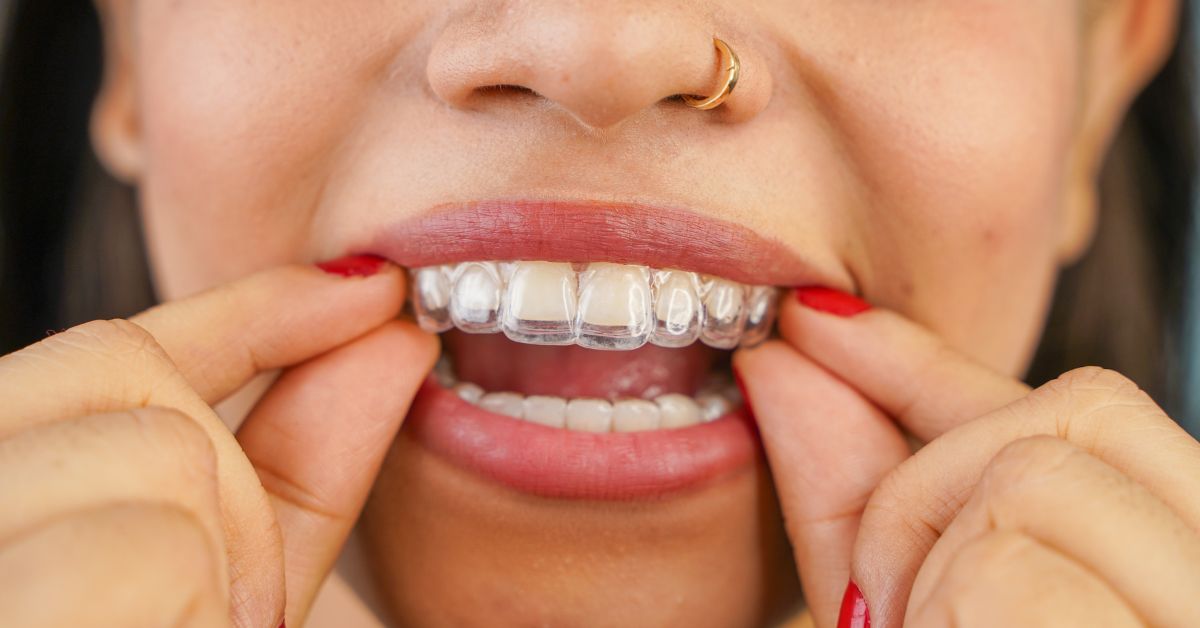
Teen Invisalign planning is different from adult aligner care because the mouth is still changing, and growth can influence spacing, bite contact, and how teeth settle over time. Active jaw and tooth development can create opportunities for efficient correction, but it also requires careful monitoring so movement stays aligned with what is erupting and shifting naturally. Invisalign for teens works best when the plan anticipates change instead of treating the mouth as static. PHD Dental builds teen aligner treatment around growth-aware checkpoints so families feel confident that progress remains predictable as development continues.
Many teens still have teeth erupting, and eruption timing can affect alignment sequences and space planning. Invisalign can support an organized approach by guiding existing teeth into better positions while protecting space for teeth that still need to come in. Families often trust the plan more when eruption factors are addressed up front rather than being treated as a surprise later.
How Aligner Treatment Accounts for Late Erupting Molars and Premolars
Eruption patterns can create crowding pressure and can change the way teeth contact during chewing. A growth-aware plan evaluates where space may tighten and whether movement should be staged to preserve room. This helps prevent a situation where the aligners were designed for a setup that changes mid-course.
Why Eruption Timing Can Change the Orthodontic Plan for Los Angeles Teens
When a new tooth erupts, it can push neighboring teeth and shift alignment unexpectedly. The plan may need a controlled update to keep teeth tracking in a stable path. Families appreciate this explanation because it frames adjustments as responsible management, not a setback.
Jaw growth can shift how the upper and lower teeth meet, especially during growth spurts. Invisalign planning must account for these changes so aligner movement supports a stable bite instead of creating contacts that feel uneven as the jaw develops. Teens benefit from treatment that focuses on bite stability as growth progresses.
How Growth Spurts Can Affect Overbite, Underbite, and Crossbite Tendencies
Some bite patterns become more noticeable during growth because the jaws develop at different rates. Invisalign can sometimes guide tooth positions to improve bite contacts during this period, but monitoring matters because growth can change the relationship quickly. Families often feel reassured when the plan includes checking how contacts evolve over time.
Why Bite Monitoring Protects Long-Term Comfort and Tooth Wear
Even small bite shifts can increase wear risk if one area starts taking too much force. Monitoring helps the dentist adjust the plan to preserve balanced contact. This supports satisfaction because the result feels comfortable and stable, not just straight.
Teen treatment often requires flexibility because growth and eruption can change the starting point as treatment progresses. Invisalign allows staged adjustments through refinements when teeth are not tracking perfectly or when new alignment needs appear. Families tend to trust the process more when refinements are framed as part of responsible orthodontic management.
Why Refinements Are Common in Teen Invisalign Treatment
Teens have changing mouths, and even good wear habits can encounter new spacing or contact issues as teeth erupt. Refinements allow the plan to stay accurate by updating aligners to reflect the current tooth positions. This helps keep results stable rather than forcing teens to continue with trays that no longer match reality.
How Refinements Support Better Final Alignment for Teens with Invisalign
A well-timed refinement can improve how teeth fit together at the end of treatment. Better fit supports more stable retention because teeth settle into a comfortable position rather than fighting the bite. Families value this because it reduces the risk of early shifting after treatment.
Teen aligners need consistent wear, but development can introduce fit changes as teeth shift and erupt. A tray that fit well at the start can feel different as the mouth changes, which is why families should understand how to respond. Clear guidance helps teens stay on track even when fit feels slightly different.
Recognizing Tracking Issues Before They Turn Into Larger Delays
Early tracking signs include gaps between the aligner and tooth surface or trays that suddenly feel loose. Catching these signs quickly helps prevent the need for bigger corrections later. Families appreciate knowing what to watch for because it helps them act early instead of waiting for the next check-in.
Why Early Intervention Keeps the Treatment Timeline More Predictable
When tracking is corrected early, the plan often stays closer to the original schedule. Waiting can allow teeth to drift further from the planned path, which can increase the need for additional aligners. This guidance supports satisfaction because it protects progress and reduces frustration.
Teen-specific aligner programs often include features designed to support compliance and tracking. These tools can help families and clinicians evaluate whether wear time is consistent enough to support progress. Patients and parents often feel more confident when accountability is built into the system.
Wear Indicators and Monitoring Tools That Help Parents Stay Informed
Wear indicators can provide a simple visual sign that aligners are being worn consistently. This reduces guesswork and helps parents support teens without constant conflict. A supportive monitoring approach can improve results because it makes consistency easier to track.
How Accountability Reduces Conflict and Improves Treatment Outcomes
When progress can be measured, conversations become less emotional and more practical. Teens often respond better when expectations are clear and when success feels achievable. This supports trust because the plan includes structure that fits a teen lifestyle.
Successful teen Invisalign often depends on coordination between the teen, parents, and the dental team. Growth-aware planning requires follow-ups that confirm development changes and address emerging concerns early. Families often feel more satisfied when they see the practice tracking progress with a long-term view.
Building a Checkpoint Schedule That Matches Development Changes
A consistent follow-up cadence helps the dental team identify changes in eruption, bite, and aligner tracking. This reduces the chance of discovering problems late. Families value this because it creates reassurance that the plan adapts to growth instead of reacting after setbacks occur.
How PHD Dental Keeps Teen Invisalign Goals Focused on Stability
PHD Dental emphasizes stability by checking how teeth meet, how aligners fit, and whether eruption or growth has changed priorities. This approach helps teens finish treatment with a result that holds up, not a result that looks good temporarily. Families trust this because it connects orthodontic improvement to long-term health and comfort.
Contact PHD Dental About Invisalign for Teenagers in Los Angeles
Invisalign for Los Angeles Teens works best when the plan matches a teen’s current development stage and when the family understands what makes aligner treatment succeed day to day. A consultation should clarify whether your teen’s alignment and bite goals fit what clear aligners move predictably, how eruption and growth may affect the timeline, and what monitoring will keep trays tracking as the mouth changes.
Families also benefit from early guidance because teen treatment can go off track when growth shifts tooth positions or when wear habits become inconsistent during busy weeks. PHD Dental reviews factors that often create delays, including fit changes from eruption, tracking gaps, and hygiene issues that can disrupt care. This transparency builds trust because it frames Invisalign as a responsibility-based plan with checkpoints designed to protect long-term stability. The goal is a healthier bite, cleaner alignment, and a result your teen can maintain with realistic habits after treatment ends. When the plan fits development and the teen stays accountable, treatment tends to feel smoother and more predictable for the entire household.
Call (323) 269-5437 to contact PHD Dental about Invisalign for teenagers in Los Angeles and schedule a consultation focused on growth-aware planning and predictable results.
Get in Touch with PhD Dental
Pick your location
Los Angeles
Los Angeles is a diverse and fast-moving city where access to dependable dental care is essential for individuals and families alike. PhD Dental serves patients throughout Los Angeles with a commitment to personalized care and long-term oral health.
Hours
- Mon 10:30AM - 7:30PM
- Tue 10:30AM - 7:30PM
- Wed 10:30AM - 7:30PM
- Thu 10:30AM - 7:30PM
- Fri 9:30AM - 7:30PM
- Sat 9:00AM - 3:00PM
- Sun Closed