

Gingivitis Treatment in Los Angeles
Gum inflammation does not usually appear all at once, and many people first notice subtle changes that are easy to dismiss as temporary or routine. Gingivitis treatment in Los Angeles is most effective when care focuses on identifying why inflammation has started and how daily habits, oral hygiene techniques, and professional support can work together to reverse it. Addressing gingivitis early allows treatment to remain straightforward while helping gums return to a healthier state.
Rather than waiting for symptoms to worsen or assuming inflammation will resolve on its own, establishing a clear plan for gum care can make a meaningful difference in long term oral health. Professional guidance helps ensure that inflammation is controlled, contributing factors are addressed, and improvements are maintained consistently over time. Taking this step now supports healthier gums and reduces the likelihood of needing more involved treatment later. If you are ready to take a proactive approach to gum health and want professional support specific to your needs, scheduling a visit is the right next move. Call PhD Dental at (323) 269-5437 to begin a structured approach to managing gingivitis and protecting your oral health moving forward.
Top-Rated Dentists
in Los Angeles
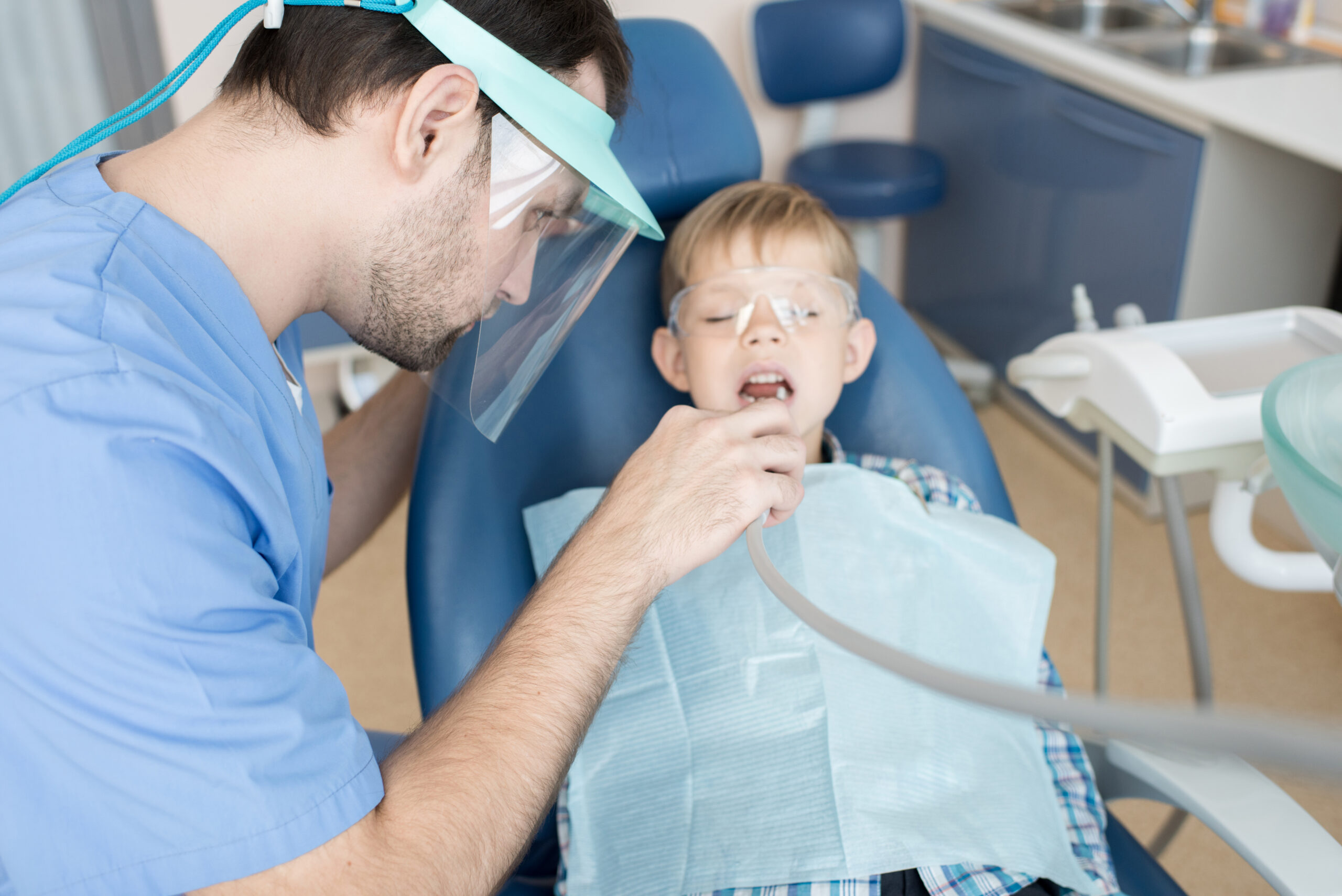
Patient-First Dentistry for Every Stage of Life
From early childhood development to adult care, we focus on patient comfort and comprehensive treatment.
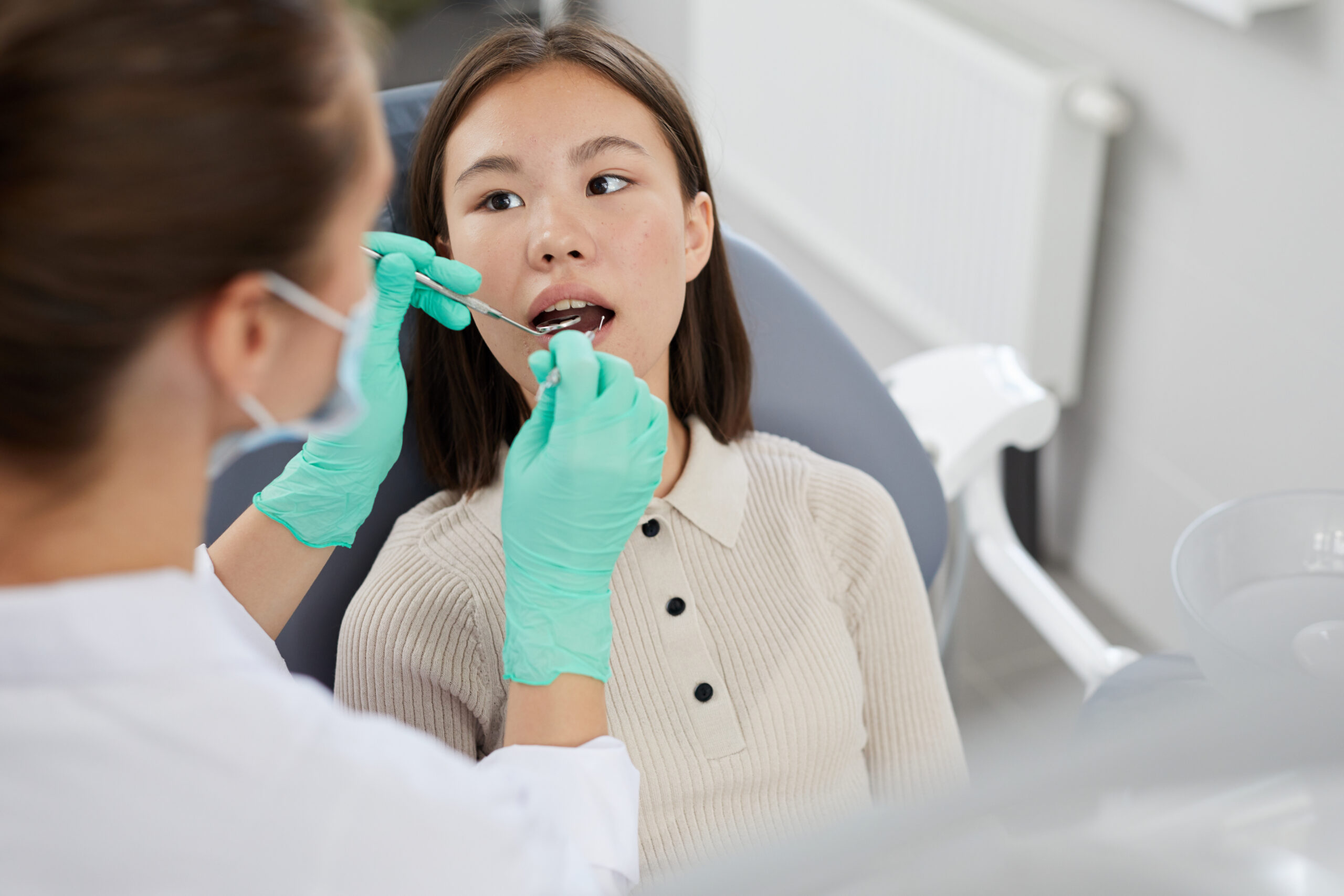
Removing Barriers to Dental Care
We believe everyone deserves access to high-quality dental care, regardless of financial situation.

Comprehensive Dentistry Under One Roof
Orthodontics, implants, oral surgery, and preventative care all conveniently located in our clinics.
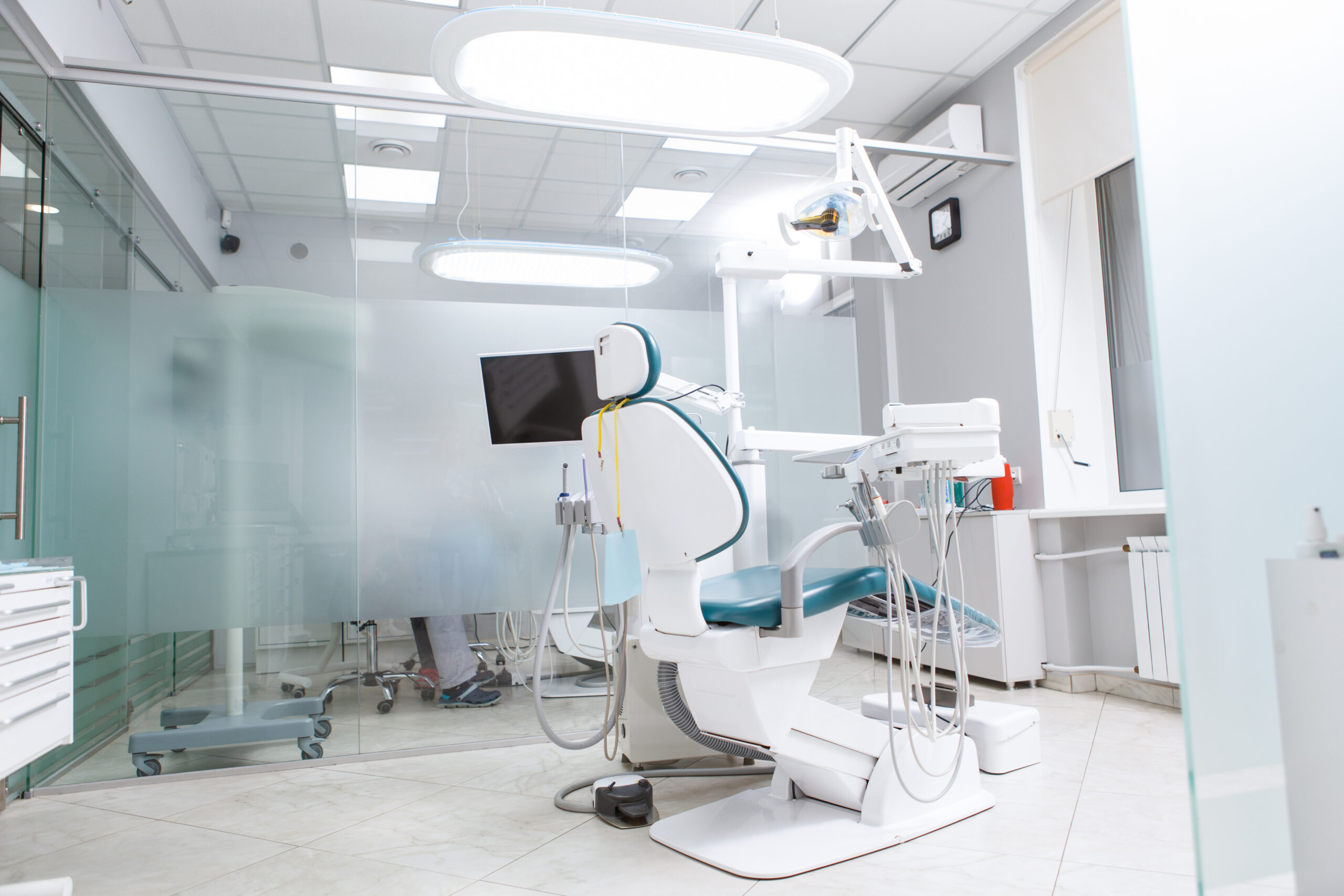
Expertise, Access & Convenient Locations
Multiple clinic locations across Los Angeles with extended hours to fit your busy schedule.
Common Signs That Indicate Gingivitis Is Developing
Gingivitis often develops gradually, which makes early warning signs easy to overlook until inflammation becomes more noticeable. Patients seeking gingivitis treatment in Los Angeles are frequently surprised to learn that symptoms can be present long before pain or advanced gum damage occurs. Recognizing these early indicators allows treatment to focus on reversing inflammation and restoring gum health before more complex periodontal care becomes necessary.
At PhD Dental, gingivitis treatment in Los Angeles begins with helping patients understand how subtle gum changes reflect underlying inflammation. Early signs are typically limited to the gum tissue itself and are often fully reversible when addressed promptly. Awareness and early action play a critical role in preventing disease progression.
Bleeding that occurs during brushing or flossing is one of the most common early indicators of gingivitis and should never be considered normal. Healthy gum tissue does not bleed when cleaned gently, so this response typically signals inflammation along the gumline caused by plaque accumulation. Bleeding may begin intermittently and become more frequent as inflammation persists. Many patients ignore early bleeding, assuming it will resolve without intervention. Ongoing bleeding reflects active gum irritation that requires professional attention.
Why Inflamed Gum Tissue Bleeds More Readily Than Healthy Gums
Inflammation increases blood flow to the gum tissue as part of the body’s immune response to bacterial irritation. This heightened vascular activity makes inflamed gums more fragile and prone to bleeding during routine cleaning. Bleeding reflects ongoing inflammatory activity rather than healthy tissue response.
How Early Bleeding Signals A Window For Reversible Treatment
Bleeding at the gingivitis stage typically occurs before permanent tissue or bone damage has developed. Addressing plaque buildup and inflammation early allows gum tissue to heal and regain normal strength. Timely care significantly increases the likelihood of full reversal.
Healthy gums appear firm and pale pink, while gingivitis often causes visible redness and swelling near the teeth. Inflamed gum tissue may look puffy, enlarged, or uneven along the gumline. These changes usually begin where plaque accumulates most easily and may worsen over time. Swelling can alter how gums contour around teeth and make cleaning more difficult. Visual changes often accompany other signs of inflammation.
Why Color And Shape Changes Reflect Active Gum Inflammation
Inflammation alters normal blood circulation within gum tissue, leading to redness and swelling. These visual changes indicate that the immune system is responding to bacterial irritation along the gumline. Persistent redness and swelling signal ongoing inflammatory activity.
How Swollen Gums Create Conditions That Worsen Plaque Retention
Puffy gum tissue creates additional surface areas and crevices where plaque can accumulate more easily. This environment allows bacteria to persist and intensify inflammation. Reducing swelling helps restore a gum contour that is easier to keep clean.
Gingivitis can contribute to chronic bad breath or a lingering unpleasant taste that does not improve with brushing alone. Bacteria along the gumline release odor-causing compounds as they break down food debris and tissue byproducts. This symptom often persists even when teeth appear clean on the surface. Many patients attribute bad breath to diet rather than gum health. Ongoing odor can indicate active gum inflammation.
Why Bacterial Activity Along The Gums Affects Breath Quality
Certain oral bacteria produce sulfur-based compounds that contribute to unpleasant breath. When bacterial levels increase along inflamed gums, these compounds become more noticeable. Persistent odor often reflects bacterial imbalance rather than surface cleanliness.
How Addressing Gingivitis Helps Restore Consistent Fresh Breath
Reducing gum inflammation lowers bacterial levels along the gumline. As the gums heal, odor-producing compounds decrease. Improved gum health supports more consistent breath quality.
Some individuals experience gum tenderness or sensitivity even without obvious bleeding or swelling. Gums may feel sore during brushing, flossing, or when eating certain foods. This discomfort reflects irritation caused by plaque accumulation and inflammatory response. Sensitivity often appears before more visible symptoms develop. Early attention helps prevent escalation.
Why Inflamed Gums Become More Sensitive To Pressure And Contact
Inflammation increases nerve sensitivity within gum tissue, making it more reactive to physical contact. This heightened response causes discomfort during routine oral care. Ongoing irritation amplifies sensitivity over time.
How Early Intervention Helps Reduce Gum Discomfort
Professional cleaning and improved hygiene reduce bacterial irritation. As inflammation resolves, nerve sensitivity decreases. Comfort improves as gum tissue returns to a healthier state.
Gingivitis can cause subtle changes in how gums feel and appear along the teeth. Inflamed gums may lose their firm texture and take on a smoother or shinier appearance. Contour changes can make gums look uneven or less tightly fitted around teeth. These shifts often occur alongside other inflammatory signs. Texture changes reflect altered tissue health.
Why Healthy Gums Maintain Firm Texture And Defined Contours
Healthy gum tissue attaches securely to the teeth and maintains a consistent, resilient texture. Inflammation disrupts this attachment and weakens tissue structure. Changes in texture indicate compromised gum health.
How Restoring Gum Health Improves Texture And Appearance
Reducing inflammation allows gum tissue to regain firmness and proper attachment. Contours become more uniform as healing occurs. Improved appearance reflects restored tissue health.
How Dentists Diagnose Gingivitis Before It Progresses

Accurate diagnosis is essential for identifying gingivitis while inflammation is still limited to the gum tissue and fully reversible. Patients seeking gingivitis treatment in Los Angeles often assume diagnosis is based only on visible redness or bleeding, but dentists rely on a structured clinical process to understand how inflammation is developing and whether deeper tissues are involved. Early diagnosis allows treatment to remain preventive rather than corrective, which significantly improves long term outcomes.
At PhD Dental, gingivitis treatment in Los Angeles begins with a diagnostic approach designed to identify inflammation early and confirm that it has not advanced into periodontal disease. This process combines visual findings, physical measurements, and contextual risk factors to ensure accuracy. Understanding how diagnosis works helps patients appreciate why early evaluation matters.
Dentists begin by carefully examining the gum tissue surrounding each tooth to identify subtle and obvious signs of inflammation. They assess color, contour, texture, and how closely the gums fit against the teeth. Areas that appear red, swollen, shiny, or uneven often indicate early gingival irritation. This visual assessment helps determine whether inflammation is localized or widespread. Careful observation provides the first layer of diagnostic insight.
Why Visual Changes Reveal Early Inflammatory Activity In Gum Tissue
Inflammation alters blood flow, tissue thickness, and surface texture within the gums before pain or functional changes develop. These visual changes reflect the body’s immune response to plaque accumulation along the gumline. Identifying these signs early allows dentists to intervene before inflammation affects deeper supporting structures.
How Early Visual Detection Allows Treatment To Remain Conservative And Predictable
When inflammation is detected at an early stage, treatment can focus on professional cleaning, targeted hygiene instruction, and behavioral adjustments rather than advanced periodontal procedures. Conservative care is often sufficient to restore healthy gum tissue at this stage. Early visual detection improves predictability and reduces the likelihood of progression.
Dentists evaluate how gum tissue responds to gentle probing along the gumline, paying close attention to bleeding patterns. Bleeding during probing indicates active inflammation even when visual signs appear mild. The location, frequency, and intensity of bleeding provide insight into disease activity. This step helps identify areas that require focused attention. Bleeding assessment adds critical depth to diagnosis.
Why Bleeding Patterns Provide Meaningful Diagnostic Information
Inflamed gum tissue has increased vascular activity, which makes it more prone to bleeding when lightly stimulated. The presence and distribution of bleeding help dentists identify which areas are most affected by inflammation. These patterns reveal disease activity that may not be visible during inspection alone.
How Bleeding Measurements Help Track Improvement Over Time
Bleeding patterns are used not only for diagnosis but also to monitor how gums respond to treatment. A reduction in bleeding over subsequent visits indicates that inflammation is resolving. Tracking these changes allows dentists to adjust care and confirm progress objectively.
Dentists assess the amount and location of plaque and hardened tartar on the teeth, particularly along and just below the gumline. Plaque accumulation is the primary trigger for gingivitis, making its presence central to diagnosis. Identifying buildup patterns helps explain why inflammation is occurring in specific areas. This evaluation also highlights spots that are difficult to clean with routine home care. Understanding plaque distribution informs treatment planning.
Why Plaque Levels Are Central To Identifying Gingival Inflammation
Bacterial plaque produces toxins that irritate gum tissue and initiate inflammatory response. Higher plaque concentrations correlate directly with increased inflammation and bleeding. Addressing plaque accumulation targets the underlying cause of gingivitis rather than just its symptoms.
How Mapping Plaque Locations Guides Personalized Care Strategies
Knowing where plaque consistently accumulates allows dentists to tailor professional cleaning and provide specific home care guidance. Personalized instruction improves a patient’s ability to control plaque between visits. Targeted strategies support more durable resolution of inflammation.
Dentists measure the space between the gums and teeth to confirm that inflammation has not progressed into attachment loss. In gingivitis, these measurements typically remain within normal limits because bone and connective tissue are not yet affected. This assessment helps distinguish gingivitis from more advanced periodontal disease. Accurate staging ensures appropriate treatment. Confirming attachment health is essential.
Why Normal Pocket Depths Distinguish Gingivitis From Periodontitis
Gingivitis affects only the gum tissue and does not involve permanent loss of attachment or bone. Normal pocket measurements indicate that the condition remains reversible. This distinction prevents unnecessary escalation of care.
How Early Measurement Prevents Misclassification And Overtreatment
Measuring attachment levels ensures that early gingivitis is not mistaken for more advanced disease. Accurate classification allows treatment to remain appropriately conservative. Precision builds trust and confidence in the treatment plan.
What Sets PhD Dental Apart In Preventive Gum Treatment
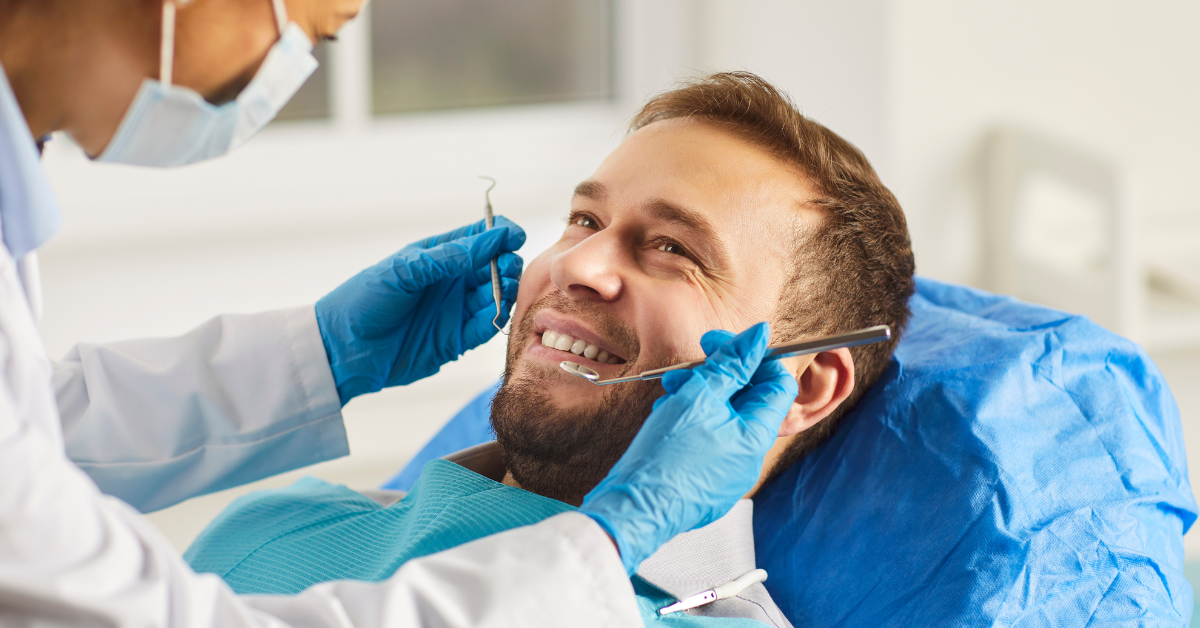
Preventive gum treatment requires more than identifying inflammation and recommending a cleaning, because the timing, intensity, and follow through of care all influence whether gingivitis resolves or returns. At PhD Dental, preventive gum care is structured around making accurate decisions early, before inflammation becomes persistent or difficult to control. This approach allows treatment to remain focused, intentional, and appropriate to the condition being addressed.
Patients seeking gingivitis treatment in Los Angeles often benefit from a practice that emphasizes early action without unnecessary escalation. PhD Dental approaches preventive care with attention to how gums respond over time, rather than relying on rigid treatment formulas. This perspective helps keep care effective while respecting the reversible nature of gingivitis.
PhD Dental places strong emphasis on identifying gingivitis while gum tissue remains fully capable of returning to a healthy state. Inflammation is evaluated in context, considering how long symptoms have been present and how the tissue is responding rather than treating all cases the same way. This allows care to focus on reversing changes rather than managing damage. Early identification supports simpler and more predictable outcomes. Reversibility guides decision making.
Why Treating Gingivitis Early Changes The Entire Care Path
When inflammation is addressed promptly, treatment can focus on correction rather than control. Early care reduces the need for repeated intervention. Outcomes improve when action is taken before structural changes occur.
How Early Focus Helps Prevent Escalation Without Overreach
By acting while gingivitis remains mild, dentists can intervene without aggressive measures. Care remains proportional to the condition. This balance supports healing without unnecessary disruption.
Preventive gum treatment at PhD Dental is designed to match the level of inflammation present rather than defaulting to standardized protocols. Care decisions are based on current tissue response, plaque accumulation, and risk factors rather than assumptions about disease progression. This approach prevents overtreatment while still addressing inflammation decisively. Precision replaces excess. Treatment remains purposeful.
Why Measured Care Produces More Reliable Results
Overtreatment can create discomfort and reduce patient adherence, while undertreatment allows inflammation to persist. Measured care aligns treatment intensity with actual need. Reliability improves when care is appropriately scaled.
How Proportional Treatment Supports Long Term Stability
When treatment intensity matches disease severity, gums are more likely to heal fully and remain stable. Proportional care reduces recurrence risk. Stability improves without unnecessary intervention.
PhD Dental recognizes that preventive gum care depends heavily on what patients are able to maintain outside the dental office. Guidance is tailored to existing routines, dexterity, and preferences rather than idealized expectations. This realistic approach helps patients implement changes consistently. Sustainable habits support long term success. Guidance becomes actionable.
Why Practical Recommendations Improve Patient Follow Through
Patients are more likely to follow guidance that fits naturally into daily routines. Overly complex instructions often lead to inconsistency. Practical recommendations support adherence.
How Habit Focus Reduces The Risk Of Gingivitis Returning
Addressing the behaviors that contribute to inflammation helps prevent recurrence. Small, sustainable changes create lasting improvement. Habit focused care strengthens prevention.
Preventive gum treatment does not end once visible redness or bleeding improves, because early inflammation can recur if resolution is assumed rather than confirmed. PhD Dental emphasizes follow through that verifies gum tissue has returned to a stable, healthy state instead of relying on short term visual improvement alone. This added oversight helps ensure that gingivitis is not only reduced but fully resolved. Care decisions are based on documented tissue response rather than assumption. Confirmation replaces guesswork.
Why Verifying Resolution Is As Important As Initiating Treatment
Inflammation can decrease temporarily without fully resolving at a cellular level, which increases the risk of recurrence. Verifying that gum tissue has stabilized helps prevent lingering irritation from progressing unnoticed. Confirmation ensures that preventive care has achieved its intended outcome.
How Follow Up Assessment Reduces The Likelihood Of Recurrent Gingivitis
Evaluating gum response after initial care allows dentists to identify areas that may need additional attention. Small adjustments can be made before inflammation returns or worsens. This approach supports longer lasting results and reduces the need for repeated treatment cycles.
Schedule Your Gingivitis Treatment in Los Angeles From PhD Dental Today

Gingivitis is one of the few oral health conditions where the outcome is strongly influenced by how early it is addressed. When inflammation is managed thoughtfully, gums can return to a healthy state and remain stable with the right level of ongoing care. Waiting too long often shifts treatment from simple correction to long term management.
At PhD Dental, gingivitis treatment in Los Angeles is designed to help patients move from uncertainty to action with a clear plan that fits their current gum health. Care is guided by clinical findings, follow through, and practical strategies that support lasting improvement rather than temporary change. This approach helps patients feel confident that their next steps are purposeful and appropriate. If you are ready to address gum inflammation with a plan built around accuracy, scheduling your visit is the next step. Call PhD Dental at (323) 269-5437 or visit our contact page to get a consultation today.
Get in Touch with PhD Dental
Pick your location
Los Angeles
Los Angeles is a diverse and fast-moving city where access to dependable dental care is essential for individuals and families alike. PhD Dental serves patients throughout Los Angeles with a commitment to personalized care and long-term oral health.
Hours
- Mon 10:30AM - 7:30PM
- Tue 10:30AM - 7:30PM
- Wed 10:30AM - 7:30PM
- Thu 10:30AM - 7:30PM
- Fri 9:30AM - 7:30PM
- Sat 9:00AM - 3:00PM
- Sun Closed