
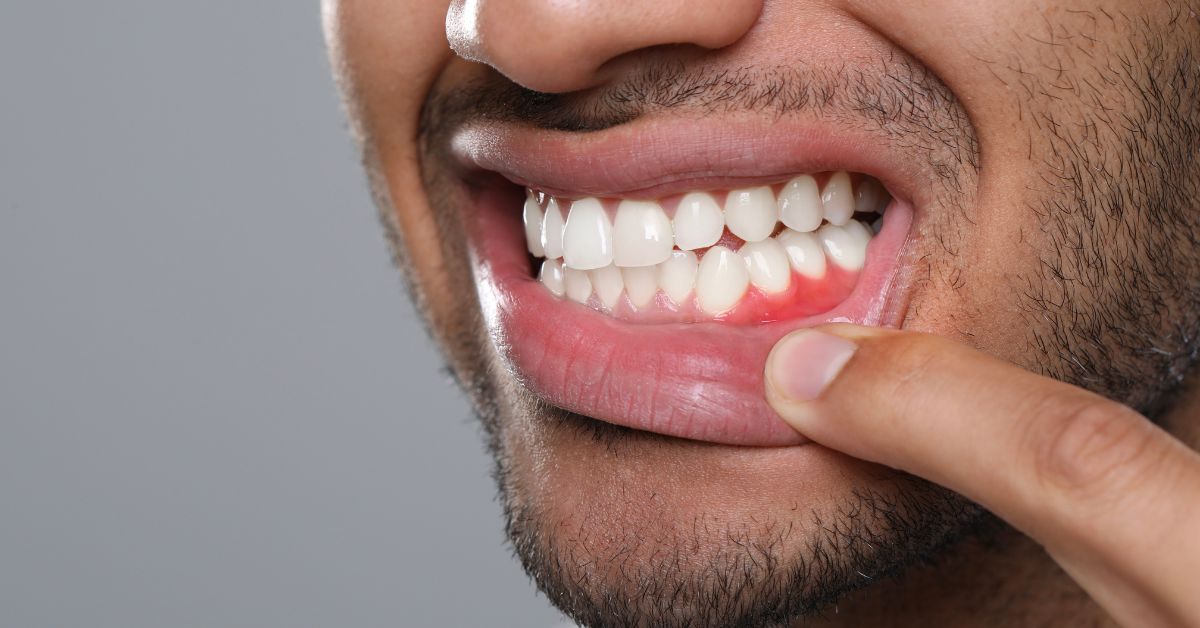
Gum Disease Treatment In Los Angeles
Healthy gums play a critical role in protecting teeth, supporting bite stability, and maintaining overall oral health, yet gum disease often develops slowly before noticeable symptoms appear. Patients searching for gum disease treatment in Los Angeles are frequently concerned about bleeding gums, chronic inflammation, persistent bad breath, or changes in how their teeth feel when chewing. Addressing gum disease early allows dental professionals to slow progression and reduce the risk of tooth loss and systemic health complications.
At PhD Dental, gum disease treatment in Los Angeles is approached with a comprehensive focus on diagnosis, disease control, and long term maintenance rather than short term symptom relief alone. Each treatment plan is designed to address the severity of infection, individual risk factors, and lifestyle considerations that influence gum health over time. Many patients pursue gum disease treatment in Los Angeles because proactive care can restore comfort, stabilize oral structures, and support confidence in everyday life. If you have noticed gum problems, an early evaluation can make a meaningful difference in protecting your oral health. Call PhD Dental at (323)269-5437 today to schedule a consultation and learn more about personalized options for managing gum disease effectively.
Top-Rated Dentists
in Los Angeles

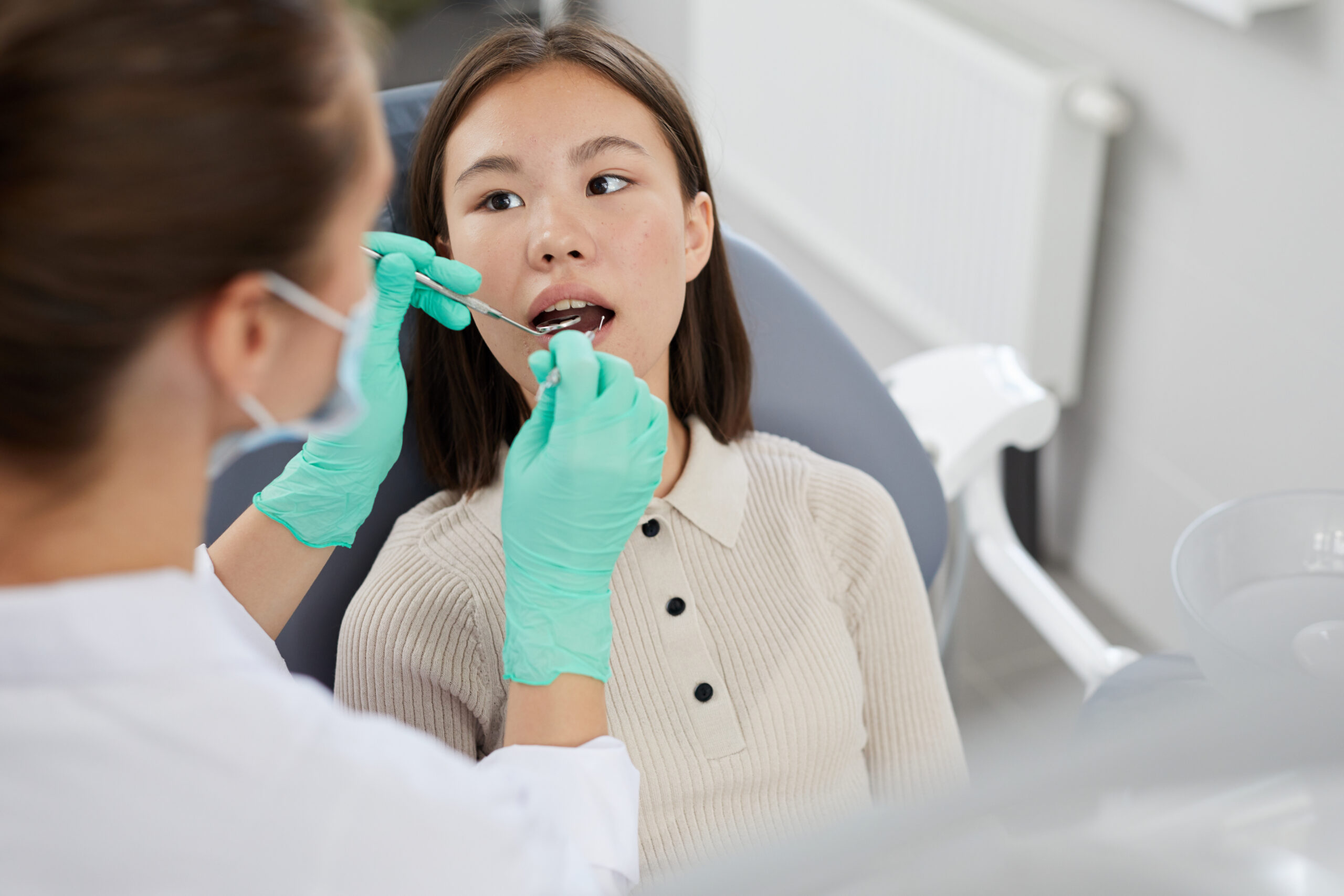
Patient-First Dentistry for Every Stage of Life
From early childhood development to adult care, we focus on patient comfort and comprehensive treatment.
Removing Barriers to Dental Care
We believe everyone deserves access to high-quality dental care, regardless of financial situation.

Comprehensive Dentistry Under One Roof
Orthodontics, implants, oral surgery, and preventative care all conveniently located in our clinics.

Expertise, Access & Convenient Locations
Multiple clinic locations across Los Angeles with extended hours to fit your busy schedule.
Table of Contents
- Understanding Gum Disease And Why Early Treatment Matters
- How Dentists Diagnose Gum Disease At Different Stages
- What To Expect During Professional Gum Disease Treatment
- How Gum Disease Treatment Is Customized For Each Patient
- How PhD Dental Supports Long Term Gum Health
- Call PhD Dental Today to Learn About Our Gum Disease Treatment In Los Angeles
Understanding Gum Disease And Why Early Treatment Matters

Gum disease develops as a progressive infection of the tissues that support the teeth, beginning with mild inflammation and advancing toward bone loss if left untreated. Many patients seeking gum disease treatment in Los Angeles are surprised to learn how quietly the condition can progress before discomfort becomes obvious. Early treatment focuses on interrupting bacterial activity, reducing inflammation, and protecting the structures that keep teeth stable over time.
At PhD Dental, education plays an important role in gum disease treatment in Los Angeles because understanding how the condition develops helps patients recognize why timing matters. Intervening early often allows for more conservative care, while delayed treatment can require more complex periodontal procedures. Recognizing the stages of gum disease provides clarity around both risks and treatment goals.
The earliest stage of gum disease begins when plaque accumulates along and beneath the gumline. Bacteria within plaque trigger an inflammatory response, leading to redness, swelling, and bleeding during brushing or flossing. At this stage, damage is usually limited to the soft tissues and has not yet affected bone support. Early gum disease often progresses without pain, which is why it can go unnoticed. Prompt care at this stage can often reverse inflammation completely.
Why Plaque Accumulation Triggers Gum Inflammation
Plaque contains bacteria that release toxins as they grow and multiply along the gumline. These toxins irritate gum tissue and stimulate an immune response that leads to swelling and tenderness. Without removal, plaque hardens and becomes more difficult to manage through home care alone.
How Daily Oral Hygiene Influences Early Disease Progression
Consistent brushing and flossing help disrupt plaque before it causes deeper inflammation. When hygiene routines lapse, bacteria gain more opportunity to spread below the gumline. Early professional care reinforces home routines and slows progression.
When inflammation persists, gum disease can advance below the gumline and begin affecting the bone that anchors teeth in place. Pockets may form between the gums and teeth, allowing bacteria to settle deeper where brushing cannot reach. This stage often involves gum recession, increased sensitivity, and a higher risk of infection. Bone loss can occur gradually and without obvious pain. Advanced disease becomes more difficult to manage without professional periodontal care.
Why Bone Loss Develops Without Immediate Symptoms
Bone tissue lacks pain receptors, allowing damage to occur silently over time. Patients may not notice changes until teeth begin to feel loose or shifting occurs. Regular evaluations help identify bone changes early.
How Deep Gum Pockets Allow Bacteria To Thrive
As pockets deepen, oxygen levels drop, creating an environment where harmful bacteria flourish. These bacteria accelerate tissue and bone destruction. Reducing pocket depth is a key goal of treatment.
Early intervention focuses on controlling infection before irreversible damage occurs. Treating gum disease early helps maintain healthy bone levels and supports long term tooth stability. Conservative approaches are often more effective when disease is addressed promptly. Patients who pursue gum disease treatment in Los Angeles early often experience better outcomes with fewer invasive procedures. Prevention and early control remain central goals of periodontal care.
Why Conservative Care Is More Effective In Early Stages
When infection is limited to the gums, treatment can focus on inflammation control rather than rebuilding lost structures. Early care reduces treatment complexity. Outcomes are more predictable when disease is addressed promptly.
How Early Stability Supports Long Term Oral Health
Healthy gums and bones provide a stable foundation for chewing and speaking. Preserving these structures reduces the likelihood of future tooth loss. Early stability supports confidence and comfort.
Research continues to explore connections between gum disease and overall health conditions. Chronic oral inflammation has been linked to increased systemic inflammatory burden. Managing gum disease early may help reduce these risks and support overall wellness. Comprehensive gum disease treatment in Los Angeles considers oral health as part of whole body health. Preventive care benefits extend beyond the mouth.
Why Chronic Inflammation Can Affect Overall Health
Persistent inflammation in the mouth can influence inflammatory processes throughout the body. Reducing oral infection helps limit this burden. Early care supports broader health goals.
How Periodontal Care Fits Into Preventive Healthcare
Maintaining gum health complements routine medical care and wellness efforts. Preventive dental care supports long term health planning. Early treatment plays a protective role.
How Dentists Diagnose Gum Disease At Different Stages
Accurate diagnosis forms the foundation of effective periodontal care because gum disease presents differently as it progresses. Patients pursuing gum disease treatment in Los Angeles often arrive with a wide range of symptoms, from mild gum bleeding to advanced tissue and bone changes. Identifying the stage of disease allows dentists to recommend care that matches both severity and long term risk.
At PhD Dental, gum disease treatment in Los Angeles begins with a structured diagnostic process that evaluates gum health, bone support, and individual risk factors together. Diagnosis focuses not only on what is visible at the surface, but also on changes occurring beneath the gumline. This comprehensive approach helps ensure treatment plans are precise and appropriately scaled.
Dentists begin diagnosis with a careful visual assessment of the gums, teeth, and surrounding tissues. Early indicators such as redness, swelling, bleeding, and changes in gum contour often signal the presence of inflammation. These visible signs help identify gingivitis before deeper structures are affected. Even subtle changes can provide important diagnostic clues. Early visual findings often guide further evaluation.
Why Gum Appearance Changes Signal Underlying Inflammation
Healthy gums maintain a firm texture and consistent color along the gumline. Inflammation alters blood flow and tissue response, leading to redness and swelling. These changes reflect the body’s immune reaction to bacterial presence.
How Bleeding During Exams Indicates Disease Activity
Bleeding during gentle probing or brushing suggests inflamed tissue that responds easily to contact. This reaction highlights active infection rather than healthy tissue resilience. Bleeding patterns help gauge disease severity.
Periodontal probing allows dentists to measure the depth of spaces between the gums and teeth. Shallow measurements typically indicate healthy attachment, while deeper pockets suggest disease progression. These measurements help distinguish early gum disease from more advanced periodontal involvement. Tracking pocket depth over time reveals whether disease is stable or worsening. Probing remains a key diagnostic tool.
Why Pocket Depth Reflects Attachment Loss
As gum disease progresses, tissues detach from the tooth surface and create deeper pockets. These spaces allow bacteria to thrive beyond the reach of home care. Measuring depth helps assess structural damage.
How Probing Results Guide Treatment Planning
Pocket measurements inform whether conservative care or advanced therapy is appropriate. Treatment intensity increases as pocket depth grows. Accurate measurements support tailored care decisions.
Dental imaging provides critical insight into bone levels that support the teeth. X rays allow dentists to detect bone loss that cannot be seen during a visual exam. Bone changes often indicate advanced periodontal disease even when symptoms feel mild. Imaging helps confirm disease stage and guides long term planning. Bone assessment remains essential for accurate diagnosis.
Why Bone Loss Often Develops Without Pain
Bone tissue does not generate pain signals during gradual loss. Damage can progress silently until tooth stability is affected. Imaging allows early detection before symptoms appear.
How Imaging Supports Long Term Disease Monitoring
Comparing images over time reveals whether bone loss is progressing or stable. Monitoring supports proactive adjustments in care. Long term tracking improves outcomes.
Diagnosis also considers individual factors that influence disease severity and progression. Smoking, medical conditions, medications, and genetics all affect gum health. Dentists evaluate these elements alongside clinical findings to better understand risk. This context helps predict disease behavior over time. Personalized diagnosis improves treatment effectiveness.
Why Systemic Health Influences Periodontal Disease
Conditions that affect immune response can worsen gum inflammation. Reduced healing capacity increases susceptibility to infection. Systemic health plays a direct role in disease progression.
How Lifestyle Factors Shape Long Term Outcomes
Daily habits influence bacterial control and tissue response. Risk awareness helps guide preventive strategies. Addressing lifestyle factors supports sustained gum health.
What To Expect During Professional Gum Disease Treatment
Professional care for gum disease focuses on removing infection, reducing inflammation, and creating conditions that allow the gums to heal and reattach as much as possible. Patients pursuing gum disease treatment in Los Angeles often want to understand how care is delivered over time rather than in a single visit. Treatment typically progresses in phases, with each step designed to stabilize gum health and prevent further damage.
At PhD Dental, gum disease treatment in Los Angeles is planned based on disease severity, response to care, and individual risk factors identified during diagnosis. Some patients require only conservative intervention, while others benefit from a more structured periodontal treatment sequence. Knowing what to expect helps patients feel prepared and engaged throughout care.
Professional treatment often begins with a deep cleaning to remove plaque and hardened deposits from below the gumline. This process targets bacteria that contribute to inflammation and pocket formation around the teeth. Removing these deposits allows the gums to begin healing and reduces ongoing irritation. Deep cleaning plays a central role in controlling active infection. Many patients notice reduced bleeding and swelling after this phase.
Why Removing Deposits Below The Gumline Matters
Bacteria beneath the gums cannot be eliminated through brushing alone. These deposits sustain inflammation and prevent healing. Professional removal disrupts the disease process.
How Deep Cleaning Supports Tissue Reattachment
As bacteria are removed, gum tissue can tighten around the teeth more effectively. Reduced inflammation improves attachment stability. Healing becomes more predictable.
In some cases, localized antibacterial agents are used to further reduce bacterial levels in deeper gum pockets. These therapies work directly at infection sites where mechanical cleaning alone may not be sufficient. Targeted treatment helps control persistent bacteria and supports continued healing. This step is often used selectively based on pocket depth and response to cleaning. Antibacterial therapy complements mechanical treatment rather than replacing it.
Why Targeted Therapy Is Sometimes Necessary
Deep pockets can shelter bacteria even after thorough cleaning. Local therapy addresses these areas directly. This approach improves overall disease control.
How Local Treatment Enhances Cleaning Results
Reducing bacterial load supports longer lasting results from deep cleaning. Inflammation decreases more effectively. Tissue response improves.
After initial treatment, dentists reassess gum health to evaluate healing and measure changes in pocket depth. This reevaluation helps determine whether infection is responding as expected or if additional care is needed. Monitoring progress allows treatment plans to adapt rather than remain static. Reevaluation is essential for guiding next steps. Decisions are based on measurable improvement.
Why Follow Up Assessment Is Critical
Healing varies between patients and sites within the mouth. Reevaluation confirms whether goals are being met. Adjustments improve outcomes.
How Progress Measurements Guide Ongoing Care
Pocket depth changes and tissue response inform future treatment intensity. Improvement supports maintenance focused care. Limited response may require escalation.
Long term gum health depends on continued professional maintenance after active treatment. Maintenance visits focus on controlling plaque buildup, monitoring pocket depth, and reinforcing home care practices. This phase helps prevent recurrence and protects previous treatment results. Regular maintenance is especially important for patients with a history of gum disease. Consistency supports stability.
Why Gum Disease Requires Long Term Management
Gum disease can recur if bacterial control lapses. Maintenance helps keep infection suppressed. Ongoing care protects prior progress.
How Maintenance Supports Tooth And Bone Preservation
Stable gums reduce the risk of future bone loss. Continued monitoring detects early changes. Preservation improves long term outcomes.
How Gum Disease Treatment Is Customized For Each Patient
Gum disease does not follow a uniform pattern, which is why effective periodontal care must be tailored to the individual rather than applied through standardized protocols. Patients seeking gum disease treatment in Los Angeles present with varying stages of infection, health considerations, and long term goals that directly influence treatment decisions. Customization allows dentists to address active disease while planning for sustained gum stability and tooth support.
At PhD Dental, gum disease treatment in Los Angeles is shaped by combining clinical findings with personal risk factors that influence healing, disease recurrence, and maintenance needs. This individualized approach ensures that care remains appropriate as oral conditions evolve over time. Custom treatment planning supports both immediate improvement and long term periodontal health.
The depth of gum pockets, degree of inflammation, and extent of bone involvement play a decisive role in determining how treatment is structured. Early stage disease may respond predictably to conservative intervention, while advanced periodontal involvement often requires a more layered and closely monitored approach. Severity guides decisions regarding cleaning depth, adjunctive therapies, and follow up intervals. Matching treatment intensity to disease progression improves predictability and reduces unnecessary intervention. Precision prevents both overtreatment and insufficient care.
Why Treatment Intensity Must Match The Extent Of Disease Progression
More advanced periodontal disease requires greater bacterial reduction and closer clinical oversight to prevent further tissue destruction. Mild disease responds best to conservative care that avoids unnecessary disruption to healthy structures. Aligning treatment intensity with disease severity supports safety and effectiveness.
How Accurate Severity Assessment Leads To More Reliable Outcomes
Clear identification of disease stages allows dentists to set realistic expectations for healing and maintenance. Treatment plans remain focused on measurable goals rather than generalized timelines. Outcomes improve when care is scaled appropriately from the outset.
A patient’s systemic health significantly influences how gum tissue responds to infection and treatment. Conditions such as diabetes, autoimmune disorders, or cardiovascular disease can alter inflammatory response and healing capacity. Certain medications may also affect gum bleeding, tissue resilience, or immune function. Dentists incorporate medical history into planning to reduce complications and support recovery. Coordination between oral health and overall health remains essential.
Why Systemic Health Conditions Directly Affect Periodontal Healing
Healing relies on immune response, circulation, and metabolic stability, all of which can be compromised by systemic conditions. Reduced healing capacity increases susceptibility to ongoing inflammation and infection. Adjusting care protocols helps protect patient safety and outcomes.
How Medical Awareness Allows Dentists To Modify Treatment Safely
Understanding medical limitations enables dentists to adjust pacing, depth, and frequency of care appropriately. Treatment remains effective while minimizing unnecessary stress on the body. Planning becomes more precise and protective.
Daily habits strongly influence bacterial control, inflammation levels, and long term disease stability. Smoking, oral hygiene consistency, stress, and dietary patterns all affect how gums respond to treatment. Treatment planning considers these factors to improve durability of results rather than focusing only on in office procedures. Addressing lifestyle elements supports long term control beyond the dental setting. Education becomes an integral part of care.
Why Lifestyle Behaviors Can Accelerate Or Slow Periodontal Disease
Certain behaviors promote bacterial growth and chronic inflammation, while others support healing and tissue stability. Lifestyle choices directly affect disease progression and recurrence. Awareness allows for targeted intervention.
How Behavioral Guidance Strengthens Long Term Treatment Success
Clear guidance empowers patients to make changes that support healing and maintenance. Even small adjustments can significantly reduce recurrence risk. Long term control becomes more achievable with informed participation.
Not all gum tissue responds identically to treatment, even among patients with similar disease severity. Reevaluations allow dentists to determine whether inflammation is resolving as expected or if additional intervention is required. Treatment plans evolve based on documented response rather than assumptions. Flexibility ensures care remains effective rather than static. Adaptive planning improves outcomes.
Why Reevaluation Prevents Rigid Or Ineffective Care Plans
Healing rates vary between individuals and between different areas of the mouth. Reevaluation confirms whether treatment goals are being met. Adjustments prevent stagnation and disease persistence.
How Adaptive Treatment Planning Supports Long Term Stability
Modifying care based on real healing response keeps treatment aligned with patient needs. Plans remain relevant as conditions change. Stability improves through responsiveness.
How PhD Dental Supports Long Term Gum Health

Successful gum disease care does not end when active infection is brought under control, because long term stability depends on ongoing support and monitoring. Patients who pursue gum disease treatment in Los Angeles often need a plan that extends beyond initial procedures to protect results over time. PhD Dental approaches gum health as a continuous process focused on prevention, early intervention, and sustained tissue stability.
Supporting long term gum health requires consistency, adaptability, and attention to changes that may occur gradually. At PhD Dental, care strategies are designed to evolve as oral conditions, health factors, and risk levels change. This approach helps patients maintain progress and avoid recurrence.
Regular periodontal evaluations play a central role in maintaining gum health after treatment. These visits allow dentists to monitor pocket depth, tissue response, and signs of recurring inflammation before damage progresses. Subtle changes are often easier to manage when identified early rather than after symptoms worsen. Consistent monitoring helps preserve both gum tissue and bone support. Prevention becomes more effective with ongoing assessment.
Why Early Detection Of Changes Prevents Disease Recurrence
Gum disease can return gradually without obvious discomfort. Identifying early signs allows intervention before structural damage occurs. Early action reduces the need for aggressive treatment.
How Routine Monitoring Protects Long Term Treatment Results
Tracking gum health over time confirms whether previous treatment remains effective. Adjustments can be made before relapse develops. Monitoring reinforces stability.
Not all patients require the same level of professional maintenance to remain healthy. Maintenance intervals are determined by disease history, healing response, and individual risk factors such as smoking or medical conditions. Personalized scheduling helps balance effective care with patient convenience. This approach avoids unnecessary visits while ensuring adequate protection. Individualization supports consistency.
Why Standard Cleaning Intervals Are Not Always Sufficient
Patients with a history of gum disease often need more frequent care than routine schedules provide. Bacterial buildup can recur faster in higher risk cases. Adjusted intervals reduce relapse risk.
How Tailored Maintenance Improves Long Term Outcomes
Aligning visit frequency with risk level supports better disease control. Care remains proactive rather than reactive. Long term outcomes improve with personalization.
Daily home care remains essential for maintaining gum health between professional visits. Dentists provide guidance on brushing techniques, flossing habits, and adjunctive tools that support plaque control. Reinforcement helps ensure techniques remain effective over time. Education is adjusted as needs change. Home care becomes more impactful with professional guidance.
Why Technique Matters As Much As Consistency
Improper brushing or flossing can leave harmful bacteria undisturbed. Correct technique improves plaque removal efficiency. Guidance helps prevent missed areas.
How Ongoing Education Supports Sustainable Gum Health
As conditions change, home care recommendations may need adjustment. Continued education empowers patients to adapt. Sustainability improves with knowledge.
Call PhD Dental Today to Learn About Our Gum Disease Treatment In Los Angeles
Protecting your gums requires more than waiting for discomfort to appear because gum disease often progresses slowly before serious damage becomes noticeable. Patients exploring gum disease treatment in Los Angeles frequently discover that early, structured care makes a meaningful difference in preserving bone support, stabilizing teeth, and maintaining long term oral comfort. Taking action before symptoms worsen allows treatment to remain more conservative and predictable. At PhD Dental, gum disease treatment in Los Angeles is guided by careful diagnosis, individualized planning, and long term maintenance strategies designed to protect results over time. Every patient receives care that reflects their current condition, risk factors, and long term health goals.
This commitment to thoughtful care helps patients feel confident that their oral health is being managed with precision and continuity. If you have noticed bleeding gums, swelling, tenderness, or changes in how your teeth feel when chewing, an early evaluation can help prevent progression. Professional gum disease treatment in Los Angeles can restore comfort and support lasting oral health when addressed early on. Call PhD Dental at (323)269-5437 or visit our contact page today to schedule your consultation and take the next step toward healthier gums with a team focused on long term care and prevention.
Get in Touch with PhD Dental
Pick your location
Los Angeles
Los Angeles is a diverse and fast-moving city where access to dependable dental care is essential for individuals and families alike. PhD Dental serves patients throughout Los Angeles with a commitment to personalized care and long-term oral health.
Hours
- Mon 10:30AM - 7:30PM
- Tue 10:30AM - 7:30PM
- Wed 10:30AM - 7:30PM
- Thu 10:30AM - 7:30PM
- Fri 9:30AM - 7:30PM
- Sat 9:00AM - 3:00PM
- Sun Closed