

Pocket Reduction Surgery in Los Angeles
Pocket Reduction Surgery in Los Angeles (also known as Osseous Surgery) can help when deep gum pockets allow bacteria to stay trapped below the gumline. As gum pockets deepen, the area becomes harder to access and harder to keep stable, which increases the chance of ongoing inflammation and gradual loss of the bone support that keeps teeth secure. This procedure focuses on improving access for thorough decontamination and reshaping problem areas so the gums can heal in a way that supports long-term maintenance. Patients often consider pocket reduction when periodontal breakdown has moved beyond what non-surgical care can reliably control.
At PHD Dental, pocket reduction surgery centers on infection-risk control and measurable stability. Our Los Angeles dental team evaluates where pockets persist, how bone contours contribute to bacterial retention, and what changes will make the area easier to keep clean after healing. That planning helps protect teeth by reducing the sheltered spaces where disease can progress quietly, and it supports patient confidence because each step has a clear purpose. A successful result should make periodontal maintenance more effective, reduce recurring flare-ups, and slow the factors that drive further attachment loss.
Call (323) 269-5437 to schedule a consultation with PHD Dental for pocket reduction surgery in Los Angeles and get a clear plan to reduce infection risk and protect long-term tooth support.
Top-Rated Dentists
in Los Angeles
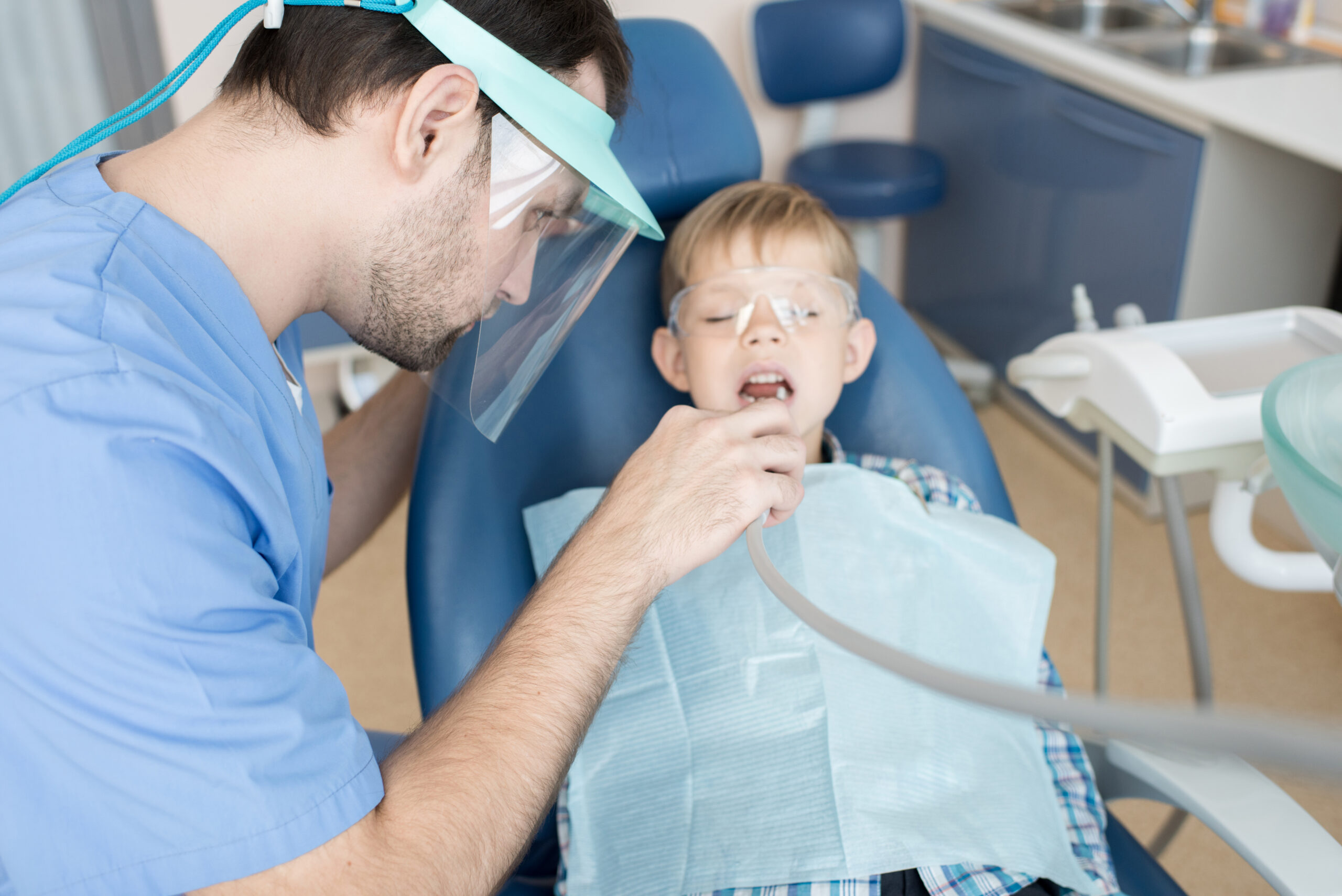
Patient-First Dentistry for Every Stage of Life
From early childhood development to adult care, we focus on patient comfort and comprehensive treatment.
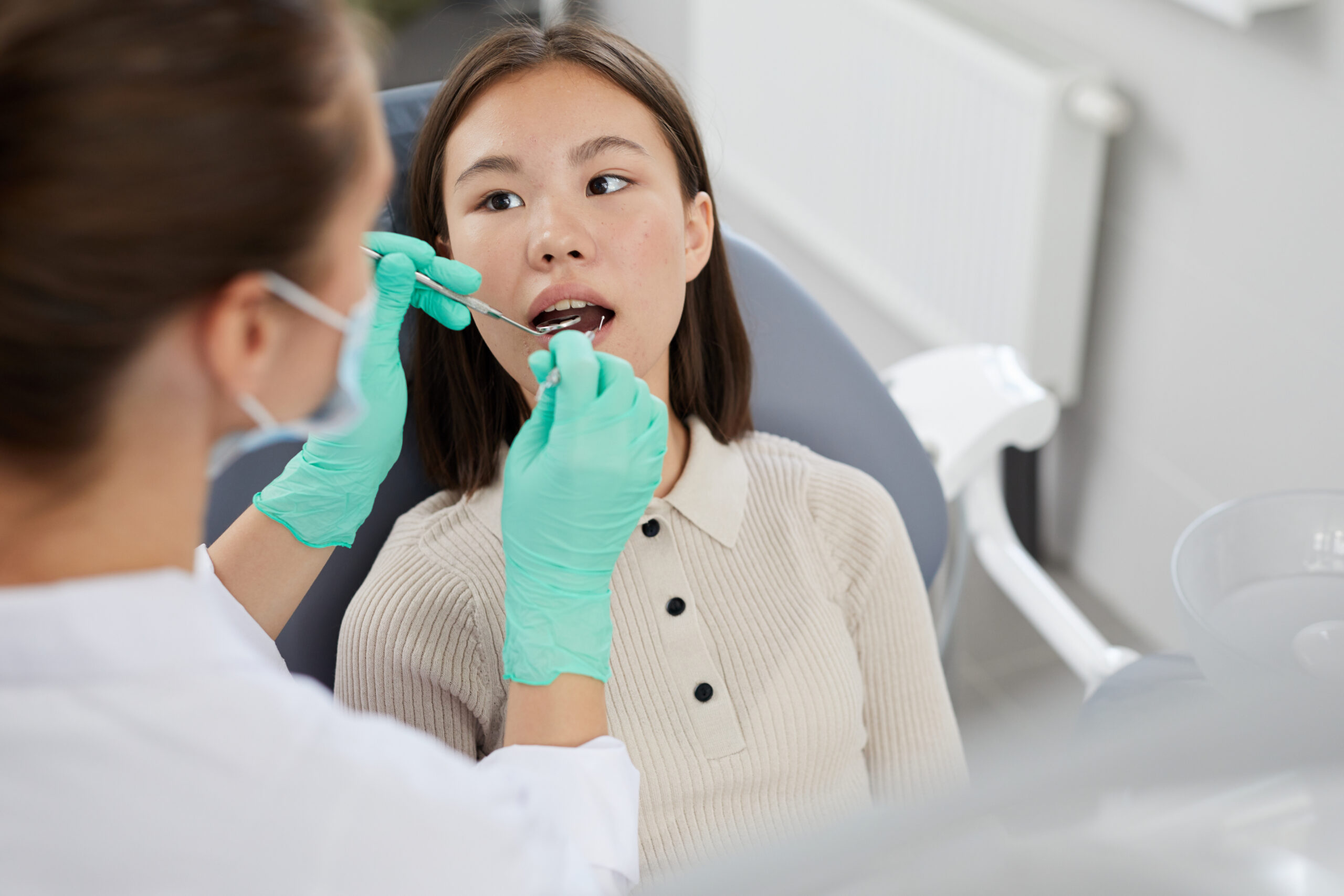
Removing Barriers to Dental Care
We believe everyone deserves access to high-quality dental care, regardless of financial situation.

Comprehensive Dentistry Under One Roof
Orthodontics, implants, oral surgery, and preventative care all conveniently located in our clinics.
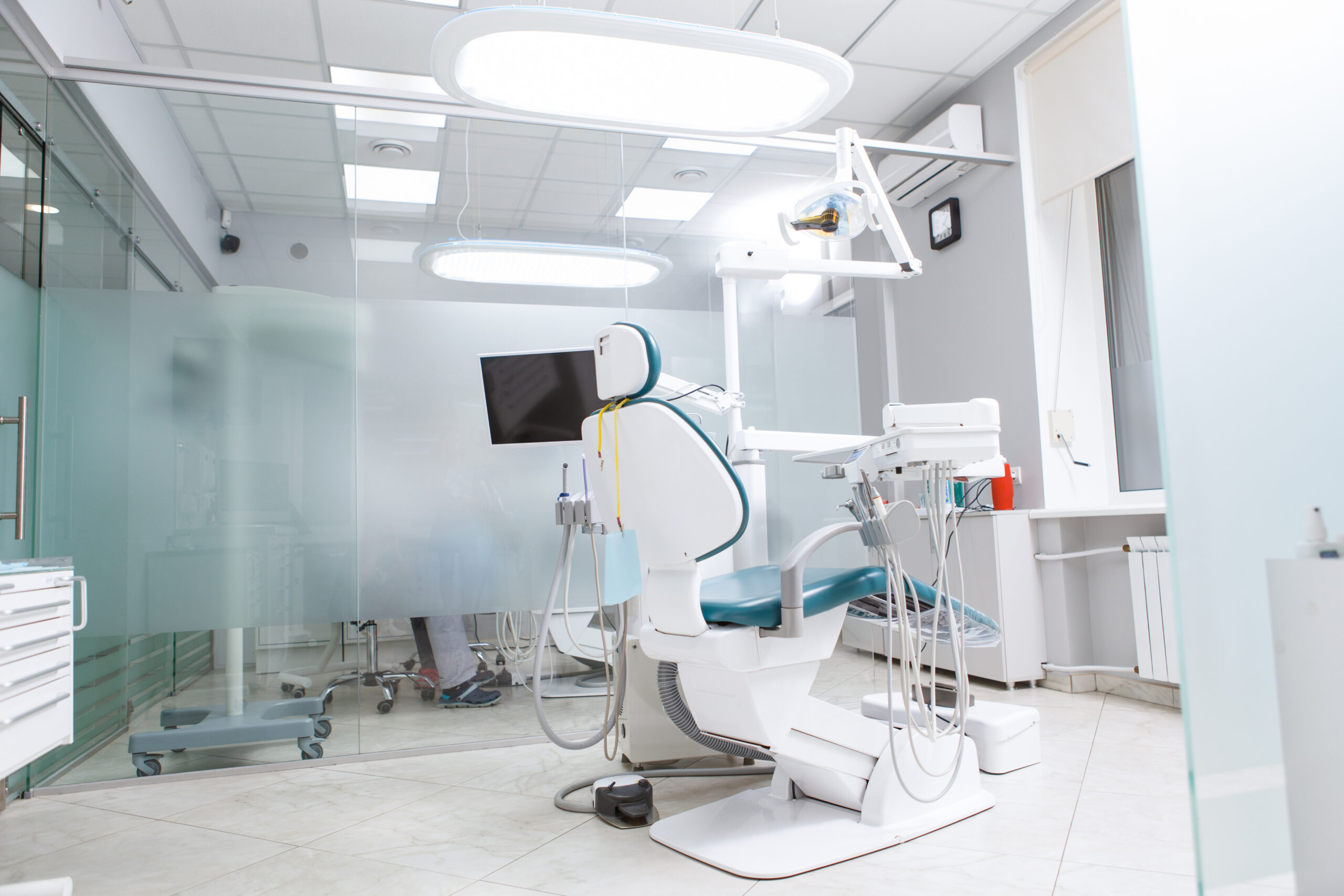
Expertise, Access & Convenient Locations
Multiple clinic locations across Los Angeles with extended hours to fit your busy schedule.
How Dental Pocket Reduction Helps Control Advanced Gum Disease
Dental pocket reduction aims to change the conditions that let periodontal infection persist by making deep pocket areas accessible, cleanable, and easier to maintain over time. In advanced cases, the problem is not only bacteria, it is the sheltered space that protects bacteria from routine disruption and allows inflammation to continue along the tooth root. Pocket reduction focuses on lowering that risk environment so ongoing periodontal care can work more effectively and patients can protect results with a realistic hygiene routine. At PHD Dental, the recommendation is tied to measurable findings, including where pockets stay deep, where tissue remains inflamed, and where maintenance has not produced stable results. This clarity helps patients understand that surgery targets the source of recurrence, not a temporary symptom flare. A more maintainable pocket architecture can make professional cleanings more productive because the clinician can reach critical areas consistently. Patients also benefit from knowing what success looks like after treatment, including fewer recurring bleeding sites and more predictable periodontal checkups over time.
Deep pockets create a protected zone where bacteria and toxins can remain active even when brushing and flossing stay consistent. As the pocket deepens, the gumline and supporting tissues face ongoing inflammatory stress, which can accelerate attachment loss and compromise tooth stability. Patients often feel more confident when the dentist explains that the real target is the pocket habitat itself, since that is what keeps the disease process active.
Why Routine Cleaning Fails When Pocket Depth Exceeds Access Limits
Standard brushing and many home-care tools cannot reach the base of a deep pocket. Even professional cleanings can face limitations when tissue depth and bone contours block thorough access in a stable, repeatable way. When access remains restricted, the disease cycle can restart between visits, which is why surgery becomes a practical tool for control rather than a “last resort.”
The “Threshold Problem” That Signals Advanced Periodontal Breakdown
At a certain depth, pockets stop behaving like areas you can manage with consistent maintenance alone. The threshold varies by patient, but the pattern is consistent: deeper pockets create a more reliable shelter for bacteria and a more fragile tissue attachment. PHD Dental frames this as a risk threshold, because the decision is based on what the pocket environment allows, not on how motivated a patient feels to keep it clean.
Pocket reduction gives the clinical team direct access to clean root surfaces and address irritants that remain hidden under the gumline. This access supports more thorough decontamination and helps the tissues heal in a way that reduces the chance of repeated flare-ups. Los Angeles-based Periodontists often find that patients tend to trust the process more when they understand that access drives predictability, since infection control depends on reaching the true problem area.
Removing Irritants That Keep Inflammation Active Below the Gumline
Inflamed tissue often persists when bacteria and calculus remain lodged where tools cannot consistently reach. Pocket reduction allows the dentist to remove those irritants and create a cleaner foundation for healing. This step matters because even small retained deposits can keep inflammation smoldering and undermine long-term stability.
How Better Root Access Supports More Effective Maintenance After Pocket Reduction Surgery
Surgery alone does not protect results if the area remains difficult to keep clean afterward. A key benefit of pocket reduction is that it can reduce the depth and complexity that makes maintenance inconsistent. Patients often feel relieved when the plan connects surgery to an easier routine and clearer professional monitoring, since long-term control depends on what can be maintained.
Advanced periodontal pockets often follow irregular bone and tissue contours that create narrow, sheltered spaces. Those contours can make bacterial retention more likely and make cleaning outcomes less consistent from visit to visit. Pocket reduction works by reshaping the architecture so the gumline can re-adapt in a more maintainable form.
How Contoured Bone and Tissue Defects Create “Hidden” Disease Zones
Irregular bone topography can create ledges, craters, or uneven surfaces where infection persists. These areas can trap bacteria and make periodontal breakdown continue even when symptoms feel quiet. Patients often value a clear explanation of architecture because it clarifies why the condition does not respond evenly to non-surgical care.
Why Reducing Pocket Complexity Can Matter as Much as Reducing Pocket Depth for Periodontists
Depth is important, but complexity can be just as damaging because it creates areas that never fully stabilize. A simpler pocket shape can improve cleaning effectiveness and reduce the chance that one hidden zone becomes the source of ongoing reinfection. PHD Dental emphasizes this concept because it aligns the surgery goal with long-term control, not with short-term improvements.
In advanced cases, the long-term risk is continued bone loss that gradually weakens tooth support and increases mobility. Pocket reduction can help by reducing the conditions that allow inflammation to keep eroding support structures. Patients often choose this approach because it aims to keep teeth viable and maintainable rather than waiting for instability to become irreversible.
Stabilizing Sites That Show Recurrent Bleeding, Swelling, or Deep Probing Readings
Persistent bleeding and deep readings can signal that the site remains active even if pain is not present. A targeted surgical plan can focus on those high-risk areas to reduce ongoing tissue breakdown. Patients appreciate this specificity because it avoids overtreating stable areas while still addressing the sites most likely to worsen.
How PHD Dental Frames Pocket Reduction as Risk Control, Not a Cosmetic Procedure
Pocket reduction is not designed to change the appearance of your smile, and a trustworthy dentist makes that clear from the start. The intent is to reduce infection risk, preserve support, and make long-term periodontal maintenance more effective. This framing builds trust because it keeps the decision anchored to measurable health outcomes rather than vague promises.
The Role of Osseous Surgery in Reshaping Bone and Reducing Infection Risk
Osseous surgery supports pocket reduction when bone shape and defect patterns keep creating protected niches where inflammation and bacterial activity can persist. In these cases, infection risk is not driven only by pocket depth, it is driven by the underlying architecture that prevents tissues from reattaching into a stable, maintainable form. By reshaping irregular bone contours and addressing defect geometry, osseous surgery helps create a healthier foundation for gum adaptation and long-term periodontal control.
Bone loss in periodontal disease rarely occurs in a smooth, uniform pattern. Many patients develop irregular defects that create ledges, craters, or uneven contours around the tooth, and those shapes make the gumline harder to stabilize. Patients tend to trust the plan more when they understand that reshaping bone aims to remove the hidden structure that keeps pockets reforming in the same areas.
How Uneven Bone Contours Create Protected Zones That Cleaning Cannot Reach
When bone forms a concavity or angular defect, the gum tissue often follows that shape and creates a narrow space with limited access. These zones can shelter bacteria even when a patient stays consistent with maintenance visits. A predictable outcome depends on addressing these access limits so the site does not remain a long-term reinfection risk.
Why Osseous Reshaping Changes the “Pocket Map” Around Each Tooth
Pocket readings can vary around a single tooth because bone and tissue do not break down evenly. Reshaping can help reduce those extremes by smoothing the supporting contours and creating a more uniform environment for the gumline. Patients benefit from this explanation because it clarifies why targeted reshaping can reduce the risk of one stubborn site repeatedly undermining overall periodontal stability.
Patients sometimes assume bone reshaping means the dentist is removing healthy structure, which creates hesitation. In reality, osseous surgery focuses on modifying compromised architecture so the area becomes easier to keep clean and less likely to harbor persistent inflammation. A trustworthy plan frames osseous work as the step that makes pocket reduction hold its gains rather than a separate procedure added without purpose.
When Bone Defects Limit Gum Adaptation After Pocket Reduction
Gum tissue cannot reliably stabilize if it must drape over sharp ledges or deep irregularities that maintain a sheltered pocket space. These defect patterns can cause the gumline to remain inflamed or to reform a deep pocket even after thorough cleaning. Addressing the defect geometry improves the likelihood that the tissue will heal into a shape that supports long-term maintenance.
How PHD Dental Explains “Reshape for Cleanability” in Practical Terms
Patients often want to know what reshaping actually accomplishes beyond a clinical description. The practical goal is to reduce trap zones so cleaning tools and professional instruments can reach the areas where reinfection typically starts. PHD Dental connects this to real outcomes, including fewer persistent bleeding sites and less frequent recurrence at the same isolated locations.
Advanced periodontal disease can compromise a tooth’s long-term outlook when bone support becomes uneven and unstable. Osseous surgery can help improve prognosis by reducing defect-driven inflammation and creating a more predictable maintenance environment. Patients appreciate this long-view framing because it focuses on preserving support and avoiding the slow progression that can lead to mobility and tooth loss.
Reducing the Progression Risk Linked to Vertical and Crater-Type Defects
Vertical defects and crater patterns often create deeper, more sheltered zones than shallow horizontal loss. These shapes can concentrate inflammation and make the site harder to stabilize with non-surgical care alone. By reshaping or managing these defect patterns, the plan aims to reduce the site-specific risk that drives continued breakdown.
Why Tooth Stability Depends on Architecture, Not Just Symptom Control
Symptoms can quiet down while destructive patterns continue if the underlying geometry remains unchanged. A site can look calmer for a period, then flare again because the architecture still favors bacterial retention. Patients gain confidence when the plan targets structure, since structural change is what supports consistent control over time.
Osseous surgery works best when paired with thorough root decontamination and a plan for post-surgical maintenance that protects the new architecture. Bone reshaping supports better access, but long-term control still depends on consistent care that keeps inflammation from returning. Patients tend to feel more satisfied when the plan explains how these elements work together, since it shows the treatment is designed as a complete infection-control strategy.
How Osseous Surgery Supports Predictable Maintenance Visits After Healing
After healing, maintenance should be easier because the clinical team can access critical areas more consistently. Patients often see better long-term stability when the site stops behaving like a hidden pocket that reactivates between appointments. This predictability builds trust because progress can be tracked through clearer tissue response and more stable probing trends.
Setting Clear Expectations for Monitoring and Risk Management Over Time
Osseous surgery does not eliminate the need for ongoing periodontal monitoring, and a reliable practice makes that clear. Patients benefit from knowing what will be checked at follow-ups and what changes might indicate renewed risk. Clear expectations support confidence because patients understand how to protect results long after the surgical phase ends.
Pocket Reduction Surgery Compared to Non-Surgical Periodontal Treatments
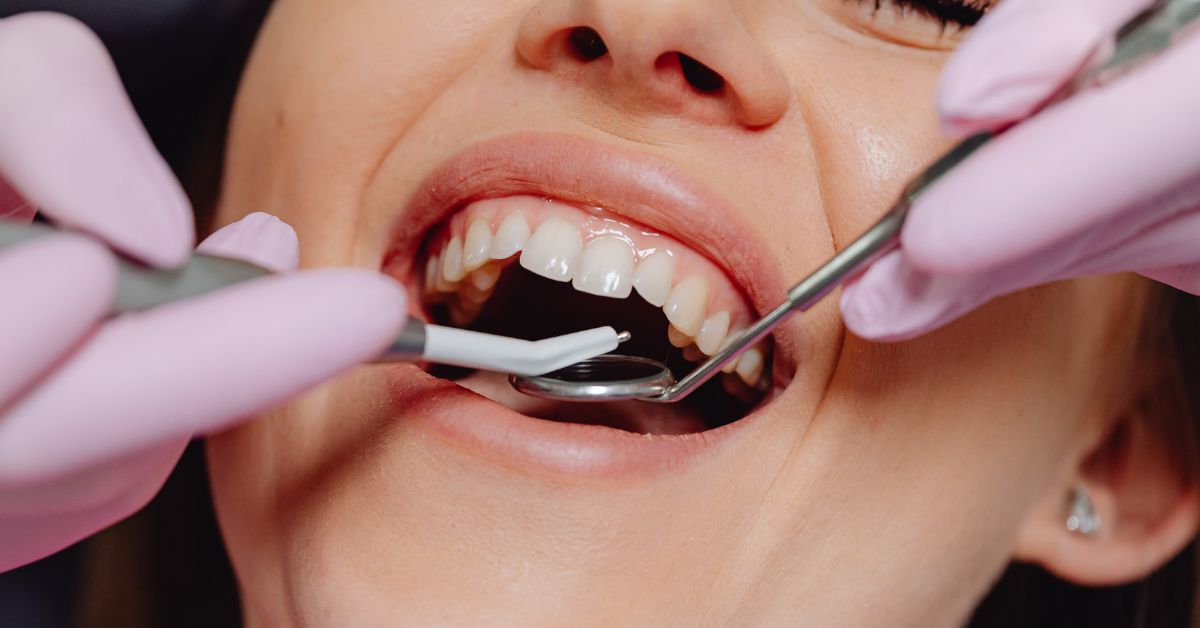
Comparing surgical and non-surgical periodontal care comes down to whether the current pocket environment can be controlled reliably with access-limited tools. Non-surgical treatment can reduce inflammation and improve tissue response in many cases, but it has natural limits when deep sites remain protected and continue to relapse between maintenance visits. Pocket reduction surgery becomes the more appropriate option when predictable access and long-term risk reduction require structural change, not just repeated disruption attempts.
Scaling and root planing, targeted debridement, and periodontal maintenance work best when pocket depth and defect shape allow instruments to reach critical surfaces consistently. These approaches can reduce inflammation, lower bleeding, and slow progression when the site remains manageable and responds to regular monitoring. Patients often feel more satisfied with non-surgical options when the plan includes clear expectations, measurable follow-ups, and a defined threshold for when escalation would be recommended.
Scaling and Root Planing Outcomes Depend on Access, Not Effort Alone
Many patients assume that if they brush and floss perfectly, non-surgical care should always solve the problem. In reality, deep pockets can remain physically unreachable even with excellent consistency, which limits what non-surgical tools can accomplish. A trustworthy dentist explains this clearly so patients do not blame themselves for anatomical limits that require a different approach.
The decision is rarely about severity labels alone, and a careful comparison focuses on the site-specific risk profile. Clinicians look at pocket depth patterns, defect type, tissue response over time, and whether maintenance has delivered durable control. Patients trust the recommendation more when the criteria are stated in measurable terms, since that turns the choice into a clear clinical judgment rather than a sales pitch.
Persistent Deep Sites After Non-Surgical Therapy in Los Angeles
A common reason for recommending surgery is that certain pockets remain deep after appropriate non-surgical therapy and consistent maintenance. Those sites can keep acting as reservoirs that reactivate inflammation and compromise adjacent support. When a small number of high-risk areas drive most of the problem, targeted surgical treatment can be more efficient and more predictable than repeating the same approach indefinitely.
The Signature “Maintenance Failure Mode” That Signals Escalation May Be Needed
Some patients do everything right but still see the same isolated sites return to inflammation and deep probing levels at predictable intervals. This pattern often signals that the pocket environment stays protected in a way that routine therapy cannot overcome. PHD Dental treats this as a clear escalation indicator because it shows the site has structural limits, not a motivation problem.
Pocket reduction changes the clinical access equation, which improves the ability to remove irritants thoroughly and to reduce the sheltered space where bacteria persist. After healing, the goal is a site that responds more consistently to maintenance because the clinician can reach the critical areas and the patient can keep the margin cleaner. Patients often value this shift because it replaces uncertainty with a more stable, monitorable pattern of periodontal control.
Improved Predictability of Professional Maintenance After Surgery
A major advantage of surgery is that maintenance becomes more reliable because access improves and the site becomes easier to evaluate. That predictability can show up as fewer recurring bleeding points and less variability in probing readings over time. Patients feel more confident when progress becomes trackable and consistent rather than cyclical and frustrating.
Why A “Manageable Pocket” Is the Real Success Metric for Dental Patients in California
Success is not only a number on a probe, it is whether the site can remain healthy under a realistic routine. A manageable pocket allows consistent cleaning and predictable professional care without recurring flare-ups that interrupt daily comfort. This framing supports satisfaction because patients understand that the long-term goal is durable control, not perfection on paper.
Surgery does not replace maintenance, and a reliable plan makes that clear. Non-surgical periodontal care remains essential for monitoring tissue response, removing new buildup, and confirming that risk stays controlled over time. Patients trust the process more when the practice explains that surgery changes the environment, while maintenance protects it.
Ongoing Periodontal Maintenance as the Stability Strategy After Pocket Reduction
Long-term control depends on regular periodontal check-ins that identify early inflammation before it deepens again. Maintenance visits also allow bite-related irritations or hygiene challenges to be addressed before they create renewed pocket problems. Patients often appreciate this structure because it gives them a clear plan for keeping results stable instead of guessing what “good” looks like.
How PHD Dental Sets Clear Boundaries Around Follow-Up and Monitoring
Patients benefit from knowing how often monitoring should occur and what changes would trigger earlier evaluation. A defined follow-up plan reduces anxiety because expectations stay specific and measurable. This approach reinforces trust because it treats periodontal control as a long-term clinical partnership rather than a one-time procedure decision.
Schedule a Pocket Reduction Consultation with PHD Dental in LA
When deep periodontal pockets persist, the decision is rarely about a single reading, it is about whether the site has become a repeatable source of infection risk that routine care cannot keep quiet. A consultation for Pocket Reduction Surgery in Los Angeles should clarify which specific areas remain high risk, why they keep relapsing, and whether bone and tissue architecture now limits predictable control. PHD Dental focuses on giving patients a clear explanation of what the pockets are doing over time, not just what they look like on one day. You should leave the visit knowing whether surgery is likely to improve long-term manageability, what the targeted goal is for the sites in question, and what would make a non-surgical plan insufficient going forward.
Patients also benefit from a consultation because it establishes accountability and a path for monitoring rather than an open-ended cycle of recurring flare-ups. If pocket reduction makes sense, the plan should outline the specific outcomes that will be tracked after healing, including tissue response, stability trends, and whether maintenance becomes more reliable at the problem sites. If the findings suggest a different direction, you should still receive a risk-control plan that identifies what needs attention now and what changes would trigger escalation later. This approach supports trust because it treats the decision as a clinical judgment tied to measurable risk, not a generic recommendation. The goal is to protect tooth support by reducing the conditions that allow periodontal breakdown to continue quietly.
Call (323) 269-5437 to schedule a pocket reduction consultation with PHD Dental in Los Angeles and get a clear plan for lowering infection risk and improving long-term periodontal stability.
Get in Touch with PhD Dental
Pick your location
Los Angeles
Los Angeles is a diverse and fast-moving city where access to dependable dental care is essential for individuals and families alike. PhD Dental serves patients throughout Los Angeles with a commitment to personalized care and long-term oral health.
Hours
- Mon 10:30AM - 7:30PM
- Tue 10:30AM - 7:30PM
- Wed 10:30AM - 7:30PM
- Thu 10:30AM - 7:30PM
- Fri 9:30AM - 7:30PM
- Sat 9:00AM - 3:00PM
- Sun Closed