

Scaling and Root Planing in Los Angeles
Gum health can shift gradually over time, and plaque that settles below the gumline often cannot be addressed through routine cleanings alone. Patients searching for scaling and root planing in Los Angeles are often experiencing ongoing gum inflammation, bleeding, or early signs that standard preventive care has stopped being effective. This type of periodontal cleaning is designed to fix buildup that cannot be reached through daily hygiene or basic dental visits.
At PhD Dental, scaling and root planing in Los Angeles is approached as a corrective step that sits between prevention and advanced periodontal treatment. Many patients pursue scaling and root planing in Los Angeles when they want a way to regain control of gum health before the situation worsens. Gum treatment decisions feel uncertain when symptoms persist without clear answers. Taking action with a periodontal approach can help establish a clearer direction and reduce the cycle of inflammation. Call PhD Dental at (323)269-5437 or visit our contact page to schedule a visit and learn if scaling and root planing is the appropriate next step for restoring healthier gums.
Top-Rated Dentists
in Los Angeles
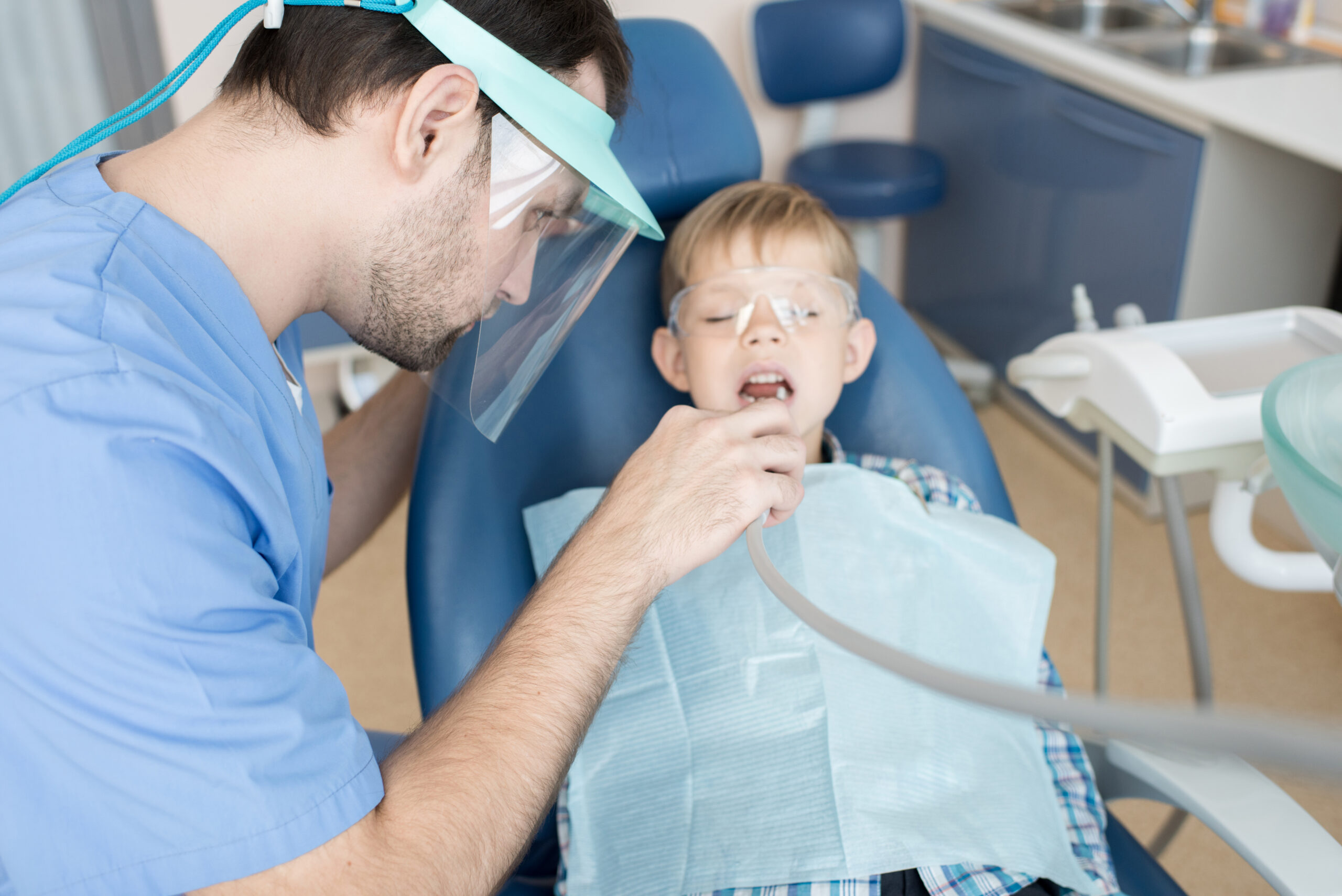
Patient-First Dentistry for Every Stage of Life
From early childhood development to adult care, we focus on patient comfort and comprehensive treatment.
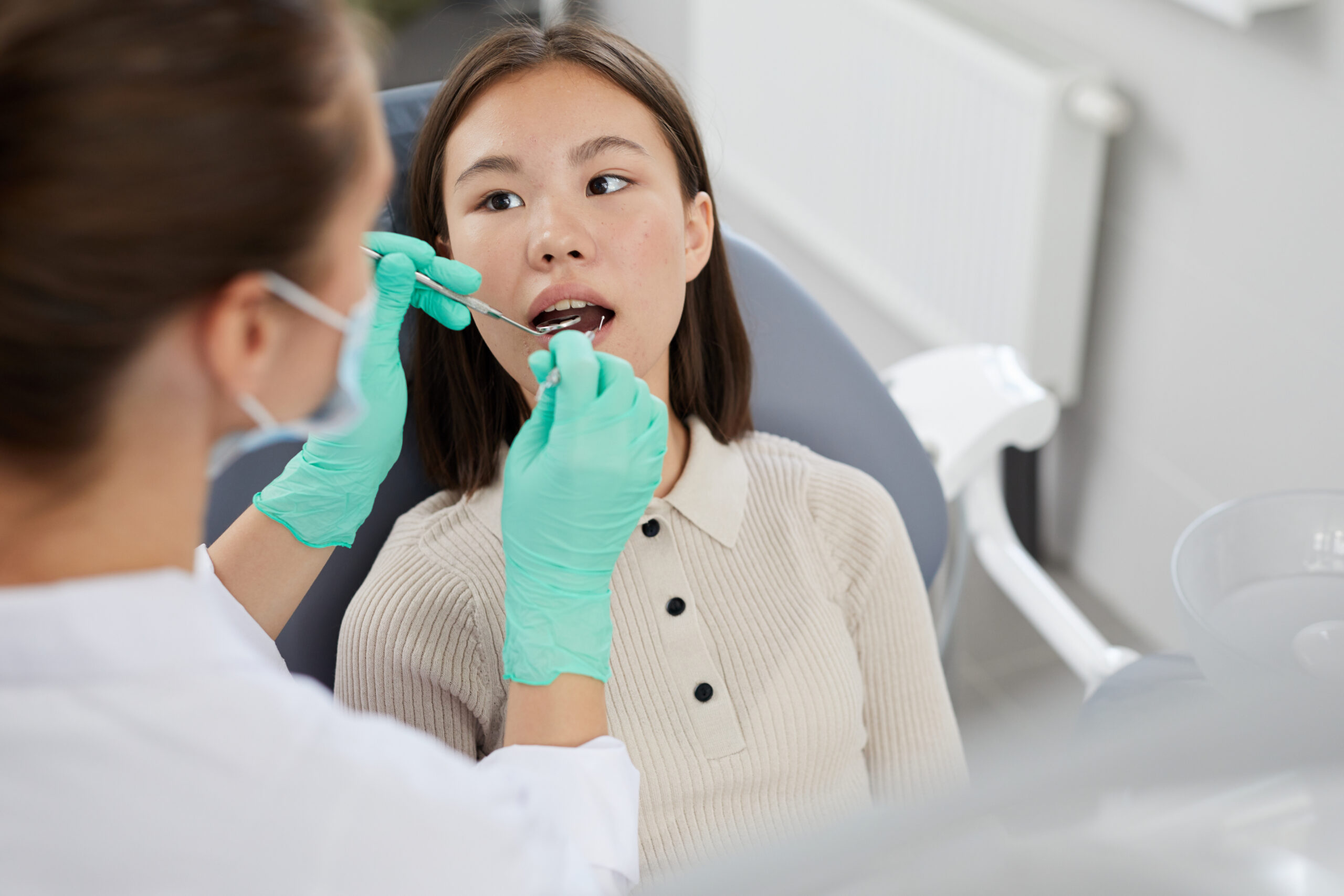
Removing Barriers to Dental Care
We believe everyone deserves access to high-quality dental care, regardless of financial situation.

Comprehensive Dentistry Under One Roof
Orthodontics, implants, oral surgery, and preventative care all conveniently located in our clinics.
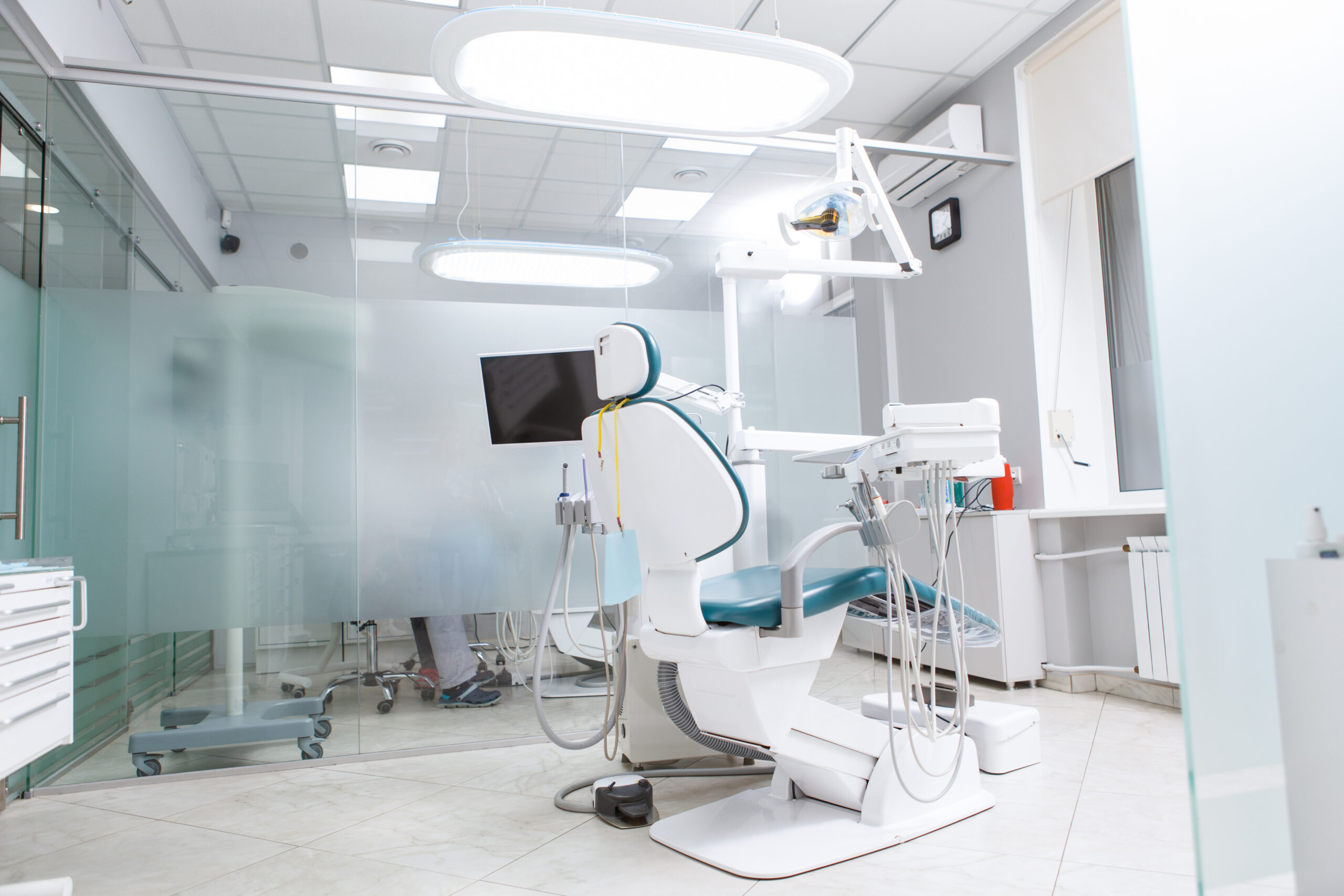
Expertise, Access & Convenient Locations
Multiple clinic locations across Los Angeles with extended hours to fit your busy schedule.
Table of Contents
- When Scaling And Root Planing Is Recommended For Gum Health
- How Scaling And Root Planing Removes Bacteria Below The Gumline
- What Happens During A Scaling And Root Planing Appointment
- What Sets PhD Dental Apart In Periodontal Deep Cleaning
- Schedule Your Scaling and Root Planing in Los Angeles With PhD Dental Now
When Scaling And Root Planing Is Recommended For Gum Health
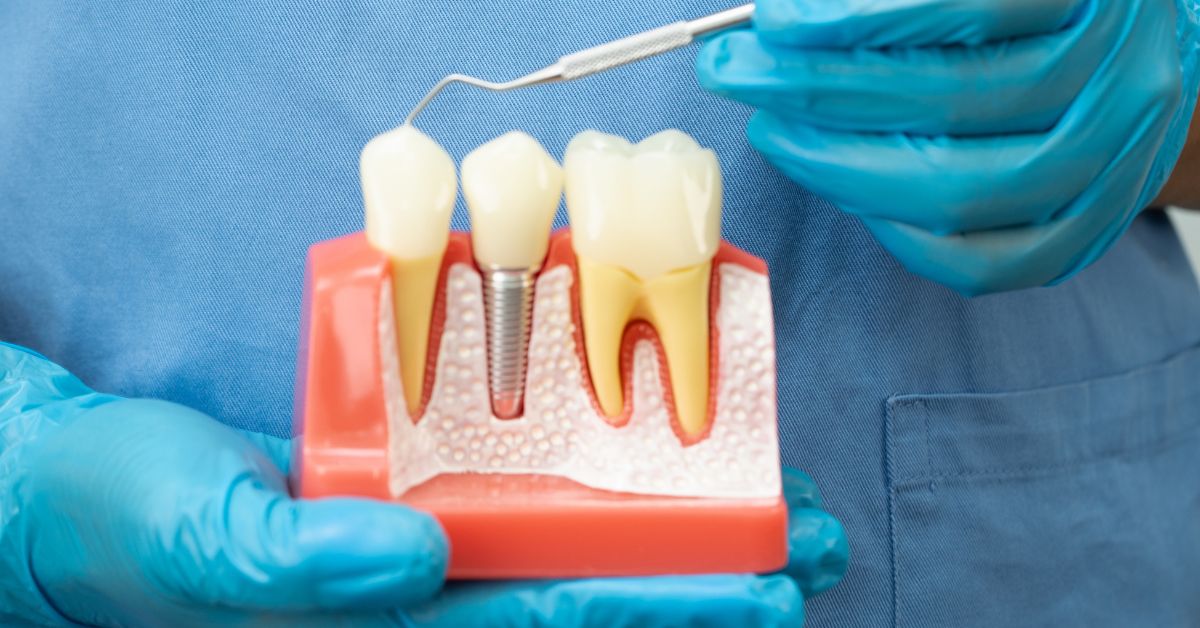
Scaling and root planing is recommended when gum inflammation extends beyond what routine cleanings and daily hygiene can effectively resolve. Patients considering scaling and root planing in Los Angeles are often experiencing persistent bleeding, swelling, or gum irritation despite consistent brushing and professional care. This treatment becomes appropriate when bacterial buildup has migrated below the gumline and begun to interfere with normal gum attachment.
At PhD Dental, scaling and root planing in Los Angeles is recommended based on measurable clinical findings rather than assumptions or timelines. Dentists evaluate how gums respond to previous care, the depth of bacterial accumulation, and whether inflammation shows signs of persistence. Understanding when this treatment is indicated helps patients move forward with confidence rather than uncertainty.
One of the most common indicators for scaling and root planing is gum inflammation that continues despite regular professional cleanings and consistent home care. When bleeding, redness, or swelling remain present over multiple visits, it suggests that bacteria are established below the gumline. Routine cleanings are designed to address surface buildup, not deeper deposits. Persistent inflammation indicates that corrective intervention may be necessary. Addressing this stage early helps prevent further progression.
Why Ongoing Inflammation Signals The Need For Deeper Intervention
Inflammation that fails to resolve reflects continued bacterial irritation beneath the gum tissue. As long as these deposits remain undisturbed, the gums cannot fully heal. Deeper cleaning targets the source rather than the symptoms.
How Addressing Subgingival Buildup Supports Gum Recovery
Removing bacteria from below the gumline allows inflamed tissue to reduce swelling and begin reattachment. This creates conditions that support healing rather than chronic irritation. Recovery becomes more predictable once the source is addressed.
Scaling and root planing is also recommended when measurements show that gum pockets have deepened beyond healthy ranges. Deeper pockets provide space for bacteria to thrive where toothbrushes and floss cannot reach. Pocket depth measurements help dentists determine whether inflammation is confined to the surface or has progressed. When pockets deepen, targeted cleaning becomes necessary. Measurement guides treatment decisions.
Why Deeper Pockets Increase The Risk Of Ongoing Gum Damage
As pockets deepen, they trap bacteria and limit oxygen exposure, creating an environment that supports harmful microbial growth. This accelerates inflammation and tissue breakdown. Addressing pocket depth helps interrupt this cycle.
How Root Surface Smoothing Helps Reduce Pocket Depth
Smoothing the root surfaces removes rough areas where bacteria adhere easily. Cleaner surfaces allow gums to tighten and reduce pocket depth over time. This supports long term stability.
Scaling and root planing is often recommended when early signs of periodontal change appear, but before significant bone loss has occurred. This includes consistent bleeding, gum tenderness, and measurable pocket changes without structural damage. Treating at this stage helps preserve existing support. Early corrective care️ care remains more effective. Intervention at this point can slow or stop progression.
Why Early Corrective Treatment Preserves Gum And Bone Support
Intervening before bone loss occurs helps maintain the structures that support the teeth. Early treatment limits the need for more invasive procedures later. Preservation remains a central goal.
How Timely Scaling And Root Planing Changes Long Term Outcomes
Addressing bacterial buildup early reduces chronic inflammation and stabilizes gum attachment. This can significantly improve long term oral health. Outcomes are stronger when action is taken promptly.
How Scaling And Root Planing Removes Bacteria Below The Gumline
Bacterial buildup below the gumline creates conditions that routine cleanings and daily hygiene cannot adequately address, which is why deeper intervention is sometimes necessary. Patients pursuing scaling and root planing in Los Angeles often want to understand how this treatment works at a biological level rather than viewing it as simply a more aggressive cleaning. The procedure is designed to disrupt bacterial colonies, remove hardened deposits, and create an environment where inflamed gum tissue can begin to heal and stabilize.
At PhD Dental, scaling and root planing in Los Angeles is performed with the goal of addressing the source of inflammation rather than temporarily reducing symptoms. By focusing on subgingival bacteria and root surface irregularities, this treatment helps interrupt the cycle of irritation that prevents normal gum attachment. Understanding how bacteria are removed below the gumline helps explain why this approach is effective when standard care has not been sufficient.
One of the primary objectives of scaling and root planing is to break up bacterial biofilm that has formed below the gumline. This biofilm acts as a protective layer that allows bacteria to adhere to tooth roots and resist removal through brushing or flossing. When biofilm remains intact, it continues to release toxins that irritate gum tissue and sustain inflammation. Mechanical disruption of this layer is necessary to reduce bacterial activity. Effective treatment targets these colonies directly.
Why Subgingival Biofilm Cannot Be Removed With Routine Hygiene
Biofilm below the gumline is shielded by the surrounding tissue and inaccessible to toothbrush bristles or floss. Its structure allows bacteria to persist even with diligent home care. Professional instruments are required to reach and disrupt these deposits safely.
How Biofilm Removal Changes The Inflammatory Environment
Once biofilm is disrupted, bacterial toxins decrease and gum tissue is no longer under constant irritation. This shift allows inflammation to subside and healing processes to begin. Removing biofilm changes the conditions that sustain disease.
As plaque remains in place over time, it begins to mineralize and harden into calculus that firmly attaches to tooth surfaces below the gumline. These deposits create rough surfaces that attract additional bacteria and make further accumulation more likely. Scaling physically removes this hardened material from areas that routine cleanings cannot reach. Eliminating calculus is essential for reducing bacterial load. Smooth root surfaces discourage rapid recolonization.
Why Calculus Acts As A Reservoir For Harmful Bacteria
Hardened calculus provides a stable surface where bacteria can anchor and multiply. Its rough texture protects bacteria from removal and perpetuates inflammation. Leaving calculus in place allows infection to persist.
How Thorough Calculus Removal Supports Gum Healing
Removing calculus eliminates the physical structures that harbor bacteria. This allows gums to reduce swelling and begin reattachment. Healing becomes more predictable once these deposits are eliminated.
Root planing focuses on smoothing the exposed root surfaces after calculus removal. Rough or irregular root surfaces make it easier for bacteria to adhere and reestablish biofilm. Smoothing these areas reduces future bacterial attachment and creates conditions that support gum tissue adaptation. Root surface refinement is a critical component of treatment. Long term stability depends on surface smoothness.
Why Irregular Root Surfaces Promote Recurrent Inflammation
Microscopic irregularities on root surfaces provide niches where bacteria can quickly recolonize. These areas are difficult to keep clean even after treatment. Addressing surface texture reduces recurrence risk.
How Root Smoothing Encourages Healthier Gum Attachment
Smooth root surfaces allow gum tissue to tighten and adapt more closely to the tooth. Improved attachment limits pocket depth and bacterial access. Stability improves as tissue response normalizes.
Bacteria below the gumline release toxins that damage tissue and interfere with normal healing responses. Scaling and root planing removes both the bacteria and the byproducts that sustain inflammation. Reducing toxin exposure helps restore a healthier balance between bacteria and host tissue. This reduction plays a significant role in symptom improvement. Healing becomes possible once irritants are removed.
Why Bacterial Toxins Prevent Normal Gum Recovery
Toxins disrupt cellular processes responsible for tissue repair and attachment. Continued exposure keeps inflammation active. Removing these irritants allows recovery mechanisms to function.
How Toxin Reduction Improves Treatment Outcomes
Lower toxin levels reduce inflammatory signaling within gum tissue. This creates an environment more favorable to healing. Outcomes improve when irritation is minimized.
Beyond immediate cleaning, scaling and root planing aims to create conditions that make long term bacterial control achievable. By reducing pocket depth, smoothing roots, and lowering bacterial load, the gums become easier to maintain through daily hygiene and professional care. This treatment sets the stage for ongoing management rather than repeated escalation. Long term success depends on this foundation.
Why Structural Changes Matter For Maintenance
Shallower pockets and smoother surfaces are easier to keep clean. Maintenance becomes more effective when anatomy supports hygiene. Structural improvement reduces future risk.
How Deep Cleaning Supports Ongoing Gum Stability
By addressing the underlying contributors to inflammation, scaling and root planing helps stabilize gum health. Patients often find that maintenance care becomes more effective afterward. Stability improves with proper foundation.
What Happens During A Scaling And Root Planing Appointment
A scaling and root planing appointment is structured as a focused periodontal visit designed to address bacterial buildup below the gumline with greater precision than a routine cleaning. Patients scheduling scaling and root planing in Los Angeles often notice that the appointment emphasizes tissue response and thoroughness because the goal is to stabilize gum health rather than simply polish tooth surfaces. Each phase of treatment is intended to reduce subgingival bacteria, calm inflammation, and create conditions that allow gum tissue to heal and adapt more effectively around the teeth.
At PhD Dental, scaling and root planing in Los Angeles is planned around the specific areas where inflammation and pocketing are present, rather than applying a generalized approach. Clinicians adjust technique, pacing, and comfort measures based on tissue sensitivity and the extent of buildup in each region. Understanding the structure of the appointment helps patients feel prepared and informed about what the visit will involve.
The appointment typically begins with a focused review of gum measurements and areas where bleeding, swelling, or deeper pocketing has been identified. Clinicians confirm which regions require deeper instrumentation so treatment remains targeted and avoids unnecessary work in stable areas. This stage may also include discussion of comfort preferences, medical considerations, and recent symptom changes that could influence treatment. Early planning allows the appointment to proceed efficiently and with clear purpose.
Why Reconfirming Measurements Improves Treatment Accuracy
Gum tissue can change between visits due to hygiene habits, inflammation fluctuations, or recent irritation. Updated measurements help clinicians prioritize areas where bacteria remain active and where deeper cleaning is most beneficial. This step keeps treatment aligned with current conditions rather than assumptions.
How Comfort Planning Supports A Smoother Appointment
Discussing comfort needs in advance allows clinicians to select appropriate numbing and pacing strategies. When comfort is addressed early, patients are better able to tolerate detailed subgingival cleaning. This helps treatment proceed without unnecessary interruptions.
Scaling focuses on removing plaque and hardened calculus from tooth surfaces beneath the gumline, where bacteria are protected from routine brushing and flossing. Specialized instruments are used to reach deeper deposits that standard cleanings cannot consistently address. This step disrupts bacterial colonies that contribute to bleeding, swelling, and pocket formation. Removing these deposits reduces the inflammatory stimulus that prevents gum tissue from stabilizing.
Why Subgingival Deposits Sustain Ongoing Inflammation
Bacteria below the gumline release toxins that keep gum tissue in a constant state of irritation. These deposits allow inflammation to persist even when visible tooth surfaces appear clean. Addressing subgingival buildup changes the biological conditions that drive symptoms.
How Thorough Scaling Improves The Healing Environment
Once deep deposits are removed, gum tissue is exposed to fewer bacterial byproducts. This allows swelling and bleeding to decrease as healing begins. A cleaner subgingival environment also improves the effectiveness of daily home care.
Root planing follows scaling and focuses on smoothing exposed root surfaces to make them less hospitable to bacteria. Rough root texture allows plaque to reattach more easily, especially in areas where inflammation has been present. Smoothing these surfaces supports closer gum adaptation and reduces the likelihood of rapid recolonization. This step plays an important role in long term stability.
Why Root Surface Texture Affects Gum Attachment
Irregular root surfaces provide protected niches where bacteria can settle quickly after cleaning. These surfaces interfere with healthy tissue adaptation. Smoother roots support more predictable healing.
How Root Planing Helps Reduce Pocket Depth Over Time
As inflammation decreases and root surfaces become smoother, gums are better able to tighten around the tooth. Pocket depth may gradually improve as healing progresses. Shallower pockets are easier to maintain.
Comfort is managed throughout the appointment using appropriate numbing techniques and thoughtful pacing. Inflamed gum tissue can be sensitive, so clinicians adjust pressure and approach to reduce unnecessary irritation. Patients are encouraged to communicate discomfort so technique can be modified without compromising effectiveness. Comfort management supports both patient experience and treatment quality.
Why Comfort Support Improves Treatment Effectiveness
When discomfort is controlled, patients are better able to tolerate detailed cleaning in sensitive areas. This allows clinicians to work thoroughly rather than rushing. Treatment quality improves when comfort is addressed appropriately.
How Tissue Protection Supports Better Healing
Gentle technique reduces unnecessary trauma to inflamed tissue. Reduced trauma can shorten recovery time and limit post treatment tenderness. Healing tends to progress more smoothly when tissues are treated carefully.
What Sets PhD Dental Apart In Periodontal Deep Cleaning

Periodontal deep cleaning requires more than technical execution, because treatment outcomes depend heavily on judgment, sequencing, and follow through. At PhD Dental, scaling and root planing is approached as a targeted intervention guided by how gum tissue is responding rather than as a standardized service applied uniformly. This distinction allows treatment to remain precise, appropriate, and responsive to each patient’s condition.
Patients pursuing scaling and root planing in Los Angeles often benefit from a practice that emphasizes accuracy and restraint instead of default escalation. PhD Dental focuses on delivering the level of care needed to stabilize gum health while avoiding unnecessary repetition or overtreatment. This balance supports meaningful improvement without introducing unnecessary complexity.
PhD Dental plans periodontal deep cleaning around measurable gum response rather than relying on generalized treatment timelines. Pocket depth, bleeding patterns, and inflammation trends are evaluated together to determine how extensive treatment should be and where it should be concentrated. This ensures that deeper instrumentation is applied only where it is clinically justified. Case specific planning keeps care efficient and purposeful.
Why Tissue Response Matters More Than Generalized Protocols
Gum inflammation does not progress uniformly across all patients or all areas of the mouth. Relying on standardized protocols can lead to unnecessary treatment in stable regions or insufficient treatment where deeper issues persist. Evaluating tissue response allows care to be scaled appropriately to current conditions.
How Responsive Planning Improves Treatment Precision
When treatment is guided by real time findings, clinicians can focus their efforts where they will have the greatest impact. This reduces unnecessary instrumentation and improves patient tolerance. Precision improves outcomes while respecting tissue health.
Scaling and root planing at PhD Dental is performed with attention to thoroughness without assuming that aggressive intervention is always required. Treatment intensity is adjusted based on how deposits are distributed and how tissue reacts during care. This approach avoids repeating deep cleaning in areas that have already stabilized. Purposeful restraint helps maintain patient comfort and long term compliance.
Why Avoiding Over Treatment Supports Better Outcomes
Excessive instrumentation can irritate gum tissue and make recovery more difficult without providing additional benefit. Over treatment may also discourage patients from maintaining follow up care. Balanced treatment supports healing without unnecessary disruption.
How Appropriate Intensity Helps Preserve Gum Stability
Matching treatment intensity to disease severity allows gum tissue to heal without being overwhelmed. Stable areas are protected while active areas receive focused attention. This balance supports sustained improvement.
PhD Dental emphasizes follow through to confirm that periodontal deep cleaning has achieved the intended effect. Gum response is reassessed after treatment to ensure inflammation is resolving and pocket depths are stabilizing. This verification step prevents assumptions about healing and allows adjustments if needed. Ongoing oversight helps protect results.
Why Verification Is Essential After Deep Periodontal Cleaning
Initial improvement does not always indicate full resolution of inflammation. Without reassessment, lingering issues may go unnoticed until symptoms return. Verification ensures that treatment outcomes align with expectations.
How Follow Up Monitoring Reduces The Risk Of Recurrence
Monitoring gum response after treatment allows clinicians to refine maintenance schedules and hygiene strategies. Early intervention can be applied if inflammation begins to return. Consistent follow up supports long term stability.
Schedule Your Scaling and Root Planing in Los Angeles With PhD Dental Now
When gum inflammation reaches a point where deeper cleaning is recommended, taking action can help improve oral health. Scaling and root planing is often the step that allows gums to become easier to maintain over time when routine cleanings are no longer sufficient. Addressing this stage thoughtfully can help reduce ongoing irritation and support a more predictable path forward.
At PhD Dental, scaling and root planing in Los Angeles is provided with careful attention to how gums respond during and after treatment, so care does not stop once the appointment ends. Follow through, monitoring, and personalized maintenance planning help ensure that improvements are not temporary and that gum health remains manageable long term. This approach allows patients to move forward with greater confidence in the durability of their results. If you are ready to address persistent gum inflammation with a structured periodontal plan, call PhD Dental at (323)269-5437 or visit our contact page to schedule your appointment and take the next step toward healthier, more stable gums.
Get in Touch with PhD Dental
Pick your location
Los Angeles
Los Angeles is a diverse and fast-moving city where access to dependable dental care is essential for individuals and families alike. PhD Dental serves patients throughout Los Angeles with a commitment to personalized care and long-term oral health.
Hours
- Mon 10:30AM - 7:30PM
- Tue 10:30AM - 7:30PM
- Wed 10:30AM - 7:30PM
- Thu 10:30AM - 7:30PM
- Fri 9:30AM - 7:30PM
- Sat 9:00AM - 3:00PM
- Sun Closed