

Full and Partial Dentures in Los Angeles
With full and partial dentures, a Los Angeles dentist can help patients restore comfort when missing teeth start limiting how you eat, speak, or feel in social settings. The right dentures replace visible gaps and rebuild usable bite support. In short, meals feel easier and speech sounds clearer. PHD Dental approaches dentures with a focus on fit and practicality, since patients want a solution that feels stable in real life and stays manageable to maintain.
Full dentures replace an entire arch, while partial dentures fill specific spaces when you still have healthy natural teeth to support the bite. Each option should match the condition of your remaining teeth, your comfort goals, and how much stability you need during chewing. Dentists also consider long-term changes in the mouth, since tissue and bite patterns can shift over time and affect fit. A clear plan helps patients avoid guesswork and feel confident that their dentures will support daily routines without constant worry.
Call (323) 269-5437 to speak with PHD Dental in Los Angeles about full and partial dentures and schedule a consultation to discuss the right option for your needs.
Top-Rated Dentists
in Los Angeles
Patient-First Dentistry for Every Stage of Life
From early childhood development to adult care, we focus on patient comfort and comprehensive treatment.
Removing Barriers to Dental Care
We believe everyone deserves access to high-quality dental care, regardless of financial situation.

Comprehensive Dentistry Under One Roof
Orthodontics, implants, oral surgery, and preventative care all conveniently located in our clinics.
Expertise, Access & Convenient Locations
Multiple clinic locations across Los Angeles with extended hours to fit your busy schedule.
Why Full and Partial Dentures Restore Daily Function After Tooth Loss
Full and partial dentures restore daily function by giving your mouth the structure it needs to manage normal chewing patterns, clear speech, and comfortable jaw movement. Tooth loss can make everyday tasks feel unpredictable because bite force concentrates in fewer places and the mouth starts compensating without you noticing right away. Dentists focus on daily function because a denture should help patients eat with more confidence, speak without hesitation, and return to routines that feel normal. A strong plan also considers how the denture will support stability during real meals, not just during a quick bite test in the office. Patients often feel more at ease when the dentist explains what improvement should feel like, such as less guarding, fewer awkward pauses, and a smoother pace while eating. PHD Dental uses this functional lens to guide design and fit decisions so the outcome supports daily comfort rather than temporary relief. That kind of clarity helps patients commit to the right option and understand how follow-up adjustments protect long-term performance.
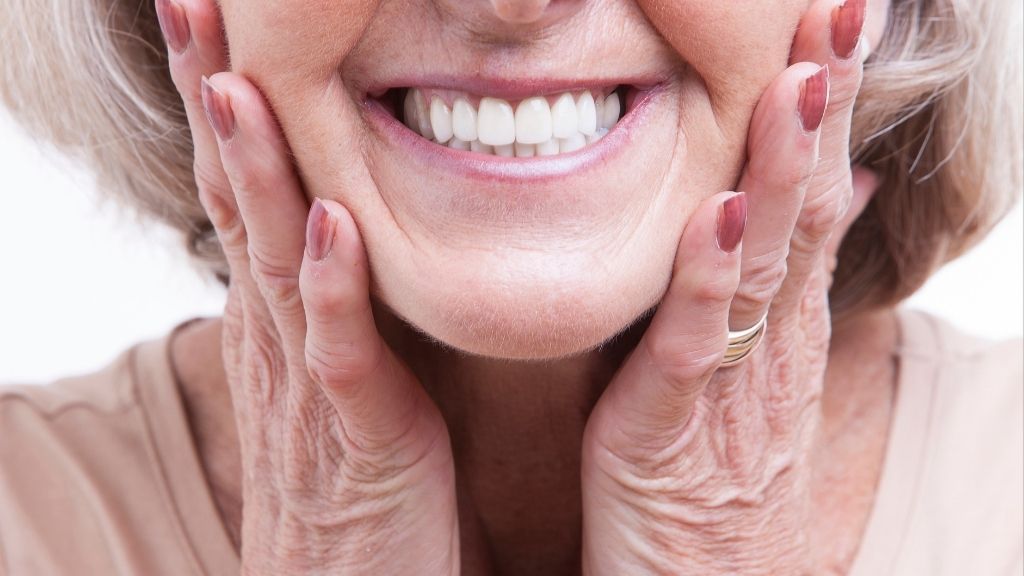
Tooth loss often changes what feels possible to chew, which can limit food choices and make meals feel tiring. Full and partial dentures reintroduce contact points so the bite can work more evenly instead of relying on a few remaining teeth. Patients often feel more satisfied when chewing stops feeling like a careful negotiation and starts feeling natural again.
How Dentures Restore Bite Balance and Reduces One-Sided Chewing and Jaw Fatigue
Many patients adapt by chewing mostly on one side, which can create uneven muscle strain and soreness. Denture support can help distribute pressure more evenly so the jaw does not have to compensate. This improvement matters because balanced chewing often feels easier and more comfortable over time.
Balanced Support Helps Los Angeles Denture Patients Chew With Less Guarding
Guarding happens when people avoid certain areas because they expect discomfort or slippage. A properly designed denture can reduce that hesitation by creating a more stable bite platform. Patients notice the benefit when they can chew without constantly thinking about where the food is landing.
Restoring Back-Tooth Function for Better Food Breakdown
Missing back teeth can make it hard to break down food effectively, which can lead to swallowing larger pieces and avoiding tougher textures. Full and partial dentures can replace that grinding function so eating becomes more efficient. Patients appreciate this change because it supports more normal meals, not just soft foods.
Why Efficient Chewing Often Improves Overall Meal Confidence
When food breaks down the way it should, patients worry less about discomfort, mess, or awkward pauses during meals. Better chewing function also supports a more relaxed pace when eating with others. That confidence can be a major quality-of-life benefit.
Teeth play a major role in speech, especially for sounds that require precise airflow and tongue placement. When teeth are missing, some patients notice lisping, whistling, or difficulty pronouncing certain words clearly. Dentures can restore the surfaces the mouth uses for speech so conversations feel easier and less self-conscious.
Full and Partial Dentures Support Tongue Placement in Los Angeles Patients
The tongue relies on consistent contact points behind the front teeth and along the palate area to form certain sounds. Dentures can recreate those surfaces so speech feels more predictable. Patients often feel relief when they stop worrying that their words will come out differently than intended.
How Denture Fit Influences Speech Comfort During Daily Conversations
A denture that fits well tends to feel more secure, which helps patients speak more naturally. When a denture shifts, patients can tighten their lips or change how they talk, which increases self-awareness. A stable fit supports satisfaction because speech becomes less effortful.
Adaptation Expectations That Keep Patients from Over-Worrying Early
Even well-made dentures can require a short adjustment period as the mouth learns the new contours. Dentists set expectations so patients understand what should improve steadily and what should be evaluated. This guidance builds trust because it supports realistic confidence rather than pretending adaptation never happens.
Why Early Coaching Helps Patients Adjust to Dentures Faster
Patients adapt more quickly when they receive practical tips and reassurance about normal early sensations. That support reduces anxiety and helps patients stick with the process instead of feeling discouraged. Clear coaching often improves satisfaction because progress feels steady and manageable.
Tooth loss often affects more than function, it can change how comfortable someone feels smiling, eating, or speaking in public. Full and partial dentures can restore a sense of normalcy by giving patients a stable solution that supports daily interactions. Dentists prioritize this outcome because confidence influences whether patients actually use their dentures consistently.
Feeling More Prepared for Meals, Meetings, and Conversations with Full and Partial Dentures
Patients often avoid certain situations when they worry about slipping or awkward chewing. A well-planned denture can reduce that stress by improving stability and predictability. This improvement matters because social comfort plays a major role in quality of life.
How Predictable Denture Function Reduces Self-Consciousness
Predictability helps patients stop monitoring every bite or word. When the denture feels stable, attention shifts away from the mouth and back to the conversation. That shift often signals successful function from a patient’s perspective.
Restoring Facial Support That Helps Patients Feel Like Themselves
Tooth loss can change facial support, especially around the lips and cheeks, which can affect how someone feels about their appearance. Dentures can restore support in a way that looks natural and fits the patient’s facial structure. Patients often value this outcome because it helps them feel more like themselves without chasing an artificial look.
Why Natural-Looking Support Improves Satisfaction With Dentures
A natural result usually comes from balanced proportions rather than an overly bright or uniform appearance. Dentists aim for a look that fits the patient’s features and feels appropriate in everyday settings. This focus builds trust because it prioritizes realism and comfort over exaggerated cosmetic promises.
Tooth loss and shifting spaces can make cleaning routines and home oral care feel more complicated or less effective. Dentures can help by creating a more stable structure that supports predictable daily care, especially with partial dentures that organize the remaining teeth. Patients often feel more confident when oral care feels manageable again.
Creating Cleaner Contact Patterns with Partial Dentures
When gaps create food packing and awkward spaces, daily cleaning can feel frustrating. Partial dentures can close those spaces and reduce trapping areas that irritate gums. This improvement supports satisfaction because it makes daily care feel more straightforward.
How Dentists Help Patients Maintain Comfort Through Better Daily Habits
Comfort improves when patients understand simple habits that protect gums and support cleanliness. Dentists provide guidance that matches real routines so patients can stay consistent. This practical approach reinforces trust because it focuses on long-term usability, not just the initial delivery.
When Dentists in Los Angeles Recommend Dentures
Dentists in Los Angeles recommend dentures when a stable tooth-by-tooth approach no longer offers a dependable result, or when replacing missing teeth needs a solution that fits health, timeline, and budget realities. The decision often comes down to whether remaining teeth can support predictable function and whether other options would require more procedures than a patient wants to take on right now. A trustworthy recommendation ties the denture plan to clear clinical reasons and clear expectations, so patients understand why dentures fit their situation instead of feeling like a default option.
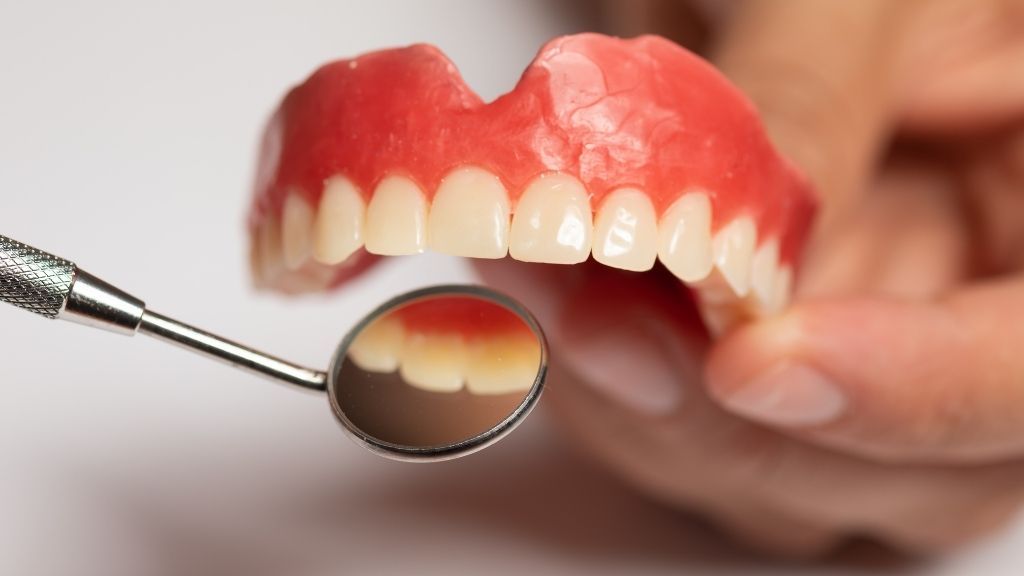
Full dentures often become appropriate when most teeth in an arch are missing, severely damaged, or no longer stable enough to support long-term function. Dentists focus on whether existing teeth can handle restorations without creating a cycle of repeated breakdown. Patients tend to feel more satisfied when the dentist explains the decision as a stability choice, not a last resort.
Extensive Tooth Loss and Weak Remaining Teeth That Limit Dental Care Options
When only a few teeth remain and those teeth have limited strength, building around them can lead to frequent repairs. A full denture plan can simplify long-term care by creating one consistent platform for function. This clarity helps patients feel more confident because it reduces uncertainty about what will fail next.
Why Oral Health Predictability Matters More Than Saving a Single Tooth
Keeping one unstable tooth can create ongoing appointments and repeated discomfort. Dentists weigh whether that tooth will truly help the plan or whether it will become the weak link. Patients appreciate candid guidance that prioritizes a stable result they can live with.
Advanced Gum or Bone Changes That Reduce Denture Restoration Support
Some patients have tissue changes that make certain fixed restorations harder to support comfortably. Dentists consider whether the mouth can sustain the forces that crowns, bridges, or other restorations require. A denture may become the more reliable option when it can deliver better comfort with fewer complications.
How Dentists Set Expectations for Comfort and Fit in With Full and Partial Dentures
A careful recommendation includes a discussion of how the denture should feel, how stability will be managed, and what adjustments are normal early on. Patients trust the plan more when they know the dentist will refine fit rather than treating delivery as the end. This support improves satisfaction because it makes the process feel managed.
Partial dentures often fit best when you still have healthy teeth that can support a stable bite, but you have spaces that need replacement. Dentists in Los Angeles recommend partial dentures when the goal is to restore function without committing to more complex treatment that a patient may not want. This option can provide a practical balance between tooth preservation and daily stability.
Multiple Gaps That Affect Chewing and Cause Teeth to Drift
Missing teeth can lead to shifting, tilting, and new bite interference over time. A partial denture can fill spaces and help maintain a more organized bite relationship. Patients often value this because it can prevent future problems from developing around the gaps.
Why Replacing the Gap Protects the Teeth You Still Have
When gaps remain open, remaining teeth may take on extra chewing force and wear faster. The bite can also become less balanced, which increases stress on specific areas. Dentists recommend partial dentures to reduce that strain and protect long-term comfort.
Patients Who Want a Removable Denture Option with Clear Maintenance Expectations
Some patients prefer a removable solution because it allows flexible cleaning and simpler upkeep. Dentists recommend partial dentures when a patient wants a practical path with predictable follow-up care. This approach supports trust because it matches the treatment to a patient’s priorities instead of pushing a single ideal option.
How Dentists Help Patients Understand Daily Use and Care
A good recommendation includes clear guidance on insertion, removal, cleaning, and what sensations are normal. Patients feel more confident when they know how to avoid soreness and how to keep the denture clean without complicated routines. That clarity supports satisfaction because it reduces uncertainty at home.
Dentures can be recommended when fixed options would require extensive preparation, multiple procedures, or a longer treatment timeline than a patient prefers. Dentists consider the patient’s health needs, comfort goals, and willingness to commit to a multi-step plan. Patients often feel more comfortable when they hear the reasoning in plain language rather than feeling like they need to choose the most complex option.
Budget, Timeline, and Treatment Complexity Considerations in Los Angeles
Many patients want a plan that aligns with real-life constraints, including work schedules and financial planning. Dentures can offer a more straightforward route to restored function when other options require staged treatment. Dentists build trust by presenting dentures as a valid solution with clear pros and tradeoffs.
Why Transparency About Options Improves Patient Confidence
Patients make better choices when they understand what each path involves and what maintenance looks like long term. A transparent conversation reduces regret because patients know what they are signing up for. This approach supports satisfaction because it respects the patient’s decision-making process.
Transition Plans When Patients May Consider Other Solutions Later
Some patients use dentures as an interim solution while they evaluate future options or plan for additional treatment. Dentists can recommend a phased approach that restores function now while keeping the door open for later changes. Patients appreciate this flexibility because it reduces pressure and keeps the plan realistic.
How Dentists Structure Follow-Up to Keep the Plan Working
Follow-up visits help confirm fit, comfort, and bite balance as the mouth adapts. Dentists also track wear patterns and address pressure points before they become bigger problems. This ongoing support reinforces trust because it treats dentures as active care, not a one-time delivery.
How PHD Dental Ensures Natural-Looking Dentures for Los Angeles Patients
Natural-looking dentures depend on proportion, texture, and how the smile fits the face at rest and in motion. Many patients worry about dentures looking uniform, bulky, or overly bright, which can draw attention instead of restoring confidence. PHD Dental focuses on realistic aesthetics that still feel practical for everyday wear, so the result looks appropriate in close conversation, photos, and normal lighting.
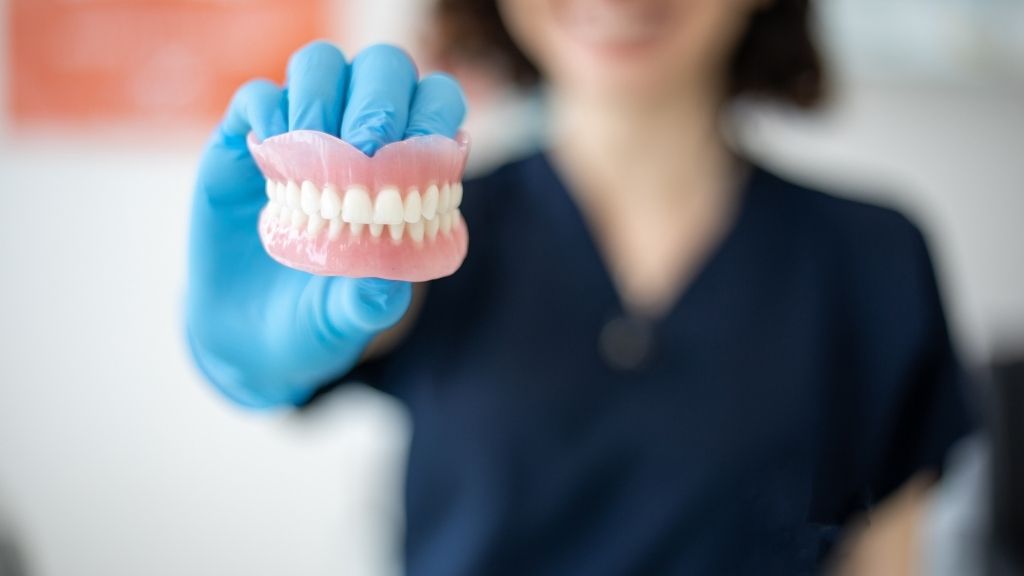
A natural look starts with tooth size, shape, and spacing that fits the patient’s facial structure. Dentures look more believable when the smile has slight variation instead of perfect symmetry. This attention helps patients feel comfortable because the result looks like their smile belongs to them, not like a generic template.
Tooth Shape Selection That Avoids a One-Size-Fits-All Look
Square, rounded, and tapered tooth shapes create very different impressions, even when the shade is similar. PHD Dental considers facial proportions and the patient’s preferred smile style to choose shapes that feel natural. Patients often appreciate this because the denture does not look copied from a standard model.
Why Small Irregularities Can Make Dentures Look More Real
Natural teeth rarely line up in perfectly identical ways, and slight variation can make dentures appear more authentic. Dentists can incorporate subtle differences in contour and alignment so the smile does not look artificial. This approach supports satisfaction because realism feels more comfortable than perfection.
Denture Spacing and Tooth Display That Looks Natural When Speaking and Smiling
Some dentures look unnatural because too much tooth shows at rest or because the smile line does not match facial movement. PHD Dental evaluates how the lips move and how teeth show during normal speech. Patients value this approach because the denture looks natural in motion, not only when posing.
How Dentists Check Real-World Appearance Before Finalizing Dentures
A natural look needs to hold up in everyday expressions like laughing, talking, and smiling softly. Dentists review tooth display and smile line in those situations so the final result feels appropriate. This builds trust because the plan includes real-life checks, not only cosmetic assumptions.
Color choice affects how believable dentures look, especially in Los Angeles where lighting and photos highlight small details. A natural shade usually includes gentle warmth and depth rather than a flat, bright tone. PHD Dental aims for color choices that look healthy and natural without drawing attention.
Full and Partial Denture Shade Matching That Balances Brightness With Realism
Some patients want a whiter smile, but extreme brightness can look artificial on a denture base. Dentists help patients choose a shade that fits skin tone, age, and the overall facial look. Patients often feel more confident when the result looks fresh without looking unrealistic.
Why a Natural Shade of Dentures Often Looks Better in Photos
Photos flatten color and can make overly bright dentures stand out. A shade with natural depth tends to look more believable in different lighting conditions. Patients appreciate this because they want a smile that looks consistent in real life and on camera.
Texture and Light Reflection That Makes Dentures Look Like Natural Teeth
Real teeth reflect light with subtle variation because enamel has texture and depth. Dentures can look artificial when surfaces appear too smooth and glossy. Dentists use finishing decisions that create a more tooth-like reflection pattern.
How Surface Detail Improves the Look Without Making Teeth Look Worn
The goal is a healthy natural look, not a rough or aged appearance. Subtle surface texture helps light reflect more realistically while still keeping the smile clean and polished. This balance improves satisfaction because the denture looks believable without looking dull.
Natural-looking dentures depend on the gumline shape and how the base transitions into the teeth. A bulky base or an overly sharp gumline can create an obvious denture look. PHD Dental focuses on a base design that looks smooth and natural while still supporting comfort.
Gumline Shape That Looks Natural at the Smile Line
A realistic gumline includes gentle contours rather than perfectly straight edges. Dentists shape the gumline to look consistent with natural anatomy and the patient’s smile. Patients value this because the denture blends in rather than standing out.
Why Gum Detail Matters for Confidence in Close Conversation
People notice the gumline during speech and smiling, not just the teeth. A natural gum transition helps the denture look less noticeable at normal speaking distance. This supports confidence because patients do not feel like their denture is visible to others.
Base Thickness Choices That Avoid a Bulky Appearance
Thickness affects both comfort and appearance, especially around the lip. Dentists aim for a base that supports facial features without looking heavy. Patients often prefer this because it restores a natural profile rather than creating a stiff or overfilled look.
How Dentists Balance Facial Support with a Natural Smile Profile
Too little support can make the face look collapsed, while too much can look unnatural. Dentists look for a middle ground that restores structure without exaggeration. This careful balance reinforces trust because it shows aesthetic decisions are made thoughtfully.
Natural-looking dentures often require a process that invites patient input before final delivery. PHD Dental uses try-in steps so patients can evaluate the look and feel before the denture is finalized. This improves satisfaction because the result reflects patient preferences and real-world comfort.
Preview Steps That Allow Adjustments Before Final Denture Completion
A preview phase can reveal small issues with tooth display, shade, or smile width that are easier to correct early. Dentists treat this as a quality control step that protects the final outcome. Patients trust this approach because it reduces the chance of regret after delivery.
Why Patient Input Matters for a Natural-Looking Result
A dentist can plan based on anatomy, but patient comfort with appearance is personal. Allowing input helps align the final smile with the patient’s expectations. This supports satisfaction because the patient feels involved rather than surprised.
Final Detailing That Helps Dentures Look Finished and Natural
Small finishing details often determine whether dentures look realistic or obvious. Dentists focus on smooth transitions, balanced symmetry, and a natural polish that avoids a plastic look. Patients appreciate this because it creates a result that feels more like a real smile than a removable device.
How Attention to Detail Builds Long-Term Confidence
When patients like how their dentures look, they wear them more consistently and feel more comfortable socially. Confidence reduces self-conscious habits that can interfere with speech and smiling. This is one of the most practical ways natural-looking dentures improve daily quality of life.
Choosing the Right Dentist for Full and Partial Denture Procedures
Choosing the right dentist for full and partial denture procedures in Los Angeles comes down to how well the practice manages fit, follow-through, and real-life comfort. A denture can look good in the chair and still frustrate patients at home if the bite feels uneven, the edges irritate tissue, or the denture shifts during meals. The right provider sets clear expectations, explains how the denture will be refined over time, and treats adjustments as part of quality care rather than an inconvenience.
A positive denture experience also depends on how carefully the dentist listens to what you feel. Comfort issues often arise during normal eating and speaking, not during a quick check. PHD Dental takes a practical approach to full and partial dentures by focusing on stable function, natural appearance, and a plan for follow-ups that keeps the denture working as your mouth adapts. This level of structure helps patients feel confident that their dentures will remain comfortable and usable, not just immediately after placement but as routines and tissues change over time.
Call (323) 269-5437 to schedule a denture consultation with PHD Dental in Los Angeles and discuss full and partial denture options designed for comfort, realism, and long-term stability.
Get in Touch with PhD Dental
Pick your location
Los Angeles
Los Angeles is a diverse and fast-moving city where access to dependable dental care is essential for individuals and families alike. PhD Dental serves patients throughout Los Angeles with a commitment to personalized care and long-term oral health.
Hours
- Mon 10:30AM - 7:30PM
- Tue 10:30AM - 7:30PM
- Wed 10:30AM - 7:30PM
- Thu 10:30AM - 7:30PM
- Fri 9:30AM - 7:30PM
- Sat 9:00AM - 3:00PM
- Sun Closed